



Top Inverter Duty Motors for Reliable Performance in 2026
Inverter Duty Motor technology is at the cutting edge of industrial progress in 2026 and is the most reliable way to power machines. These specialized motors work very well in variable frequency drive systems, giving makers the dependability and efficiency they need. Modern motors that work with VFDs have changed how businesses send power, giving them more control over speed and freedom in how they do their jobs. As the world of industrial technology changes, motors need to be able to easily shift to new frequency needs while keeping power output constant.

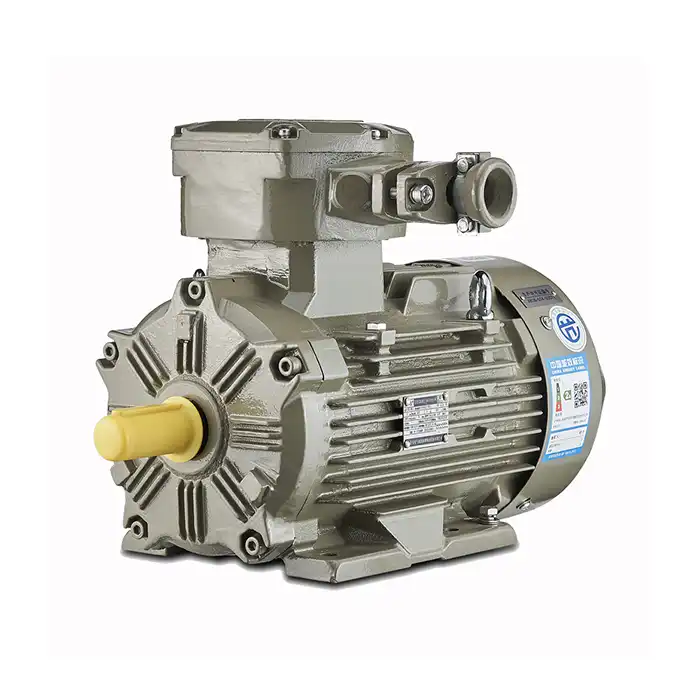
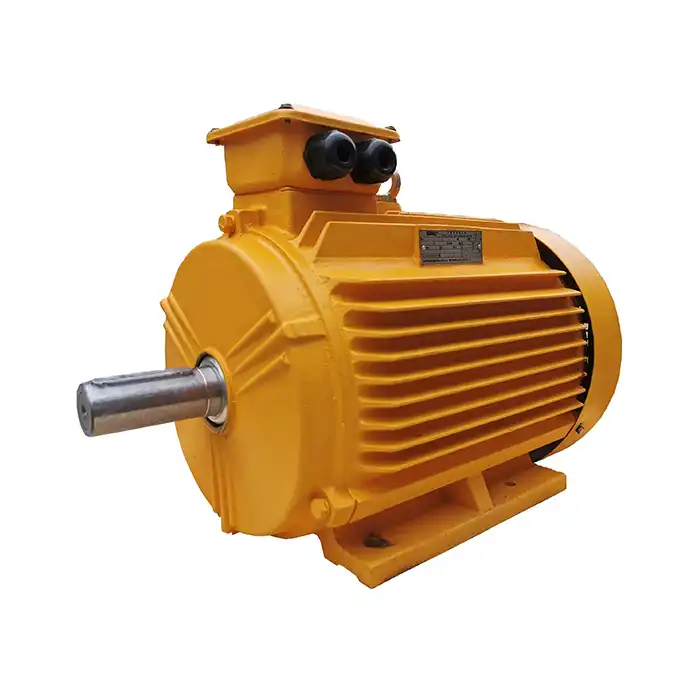
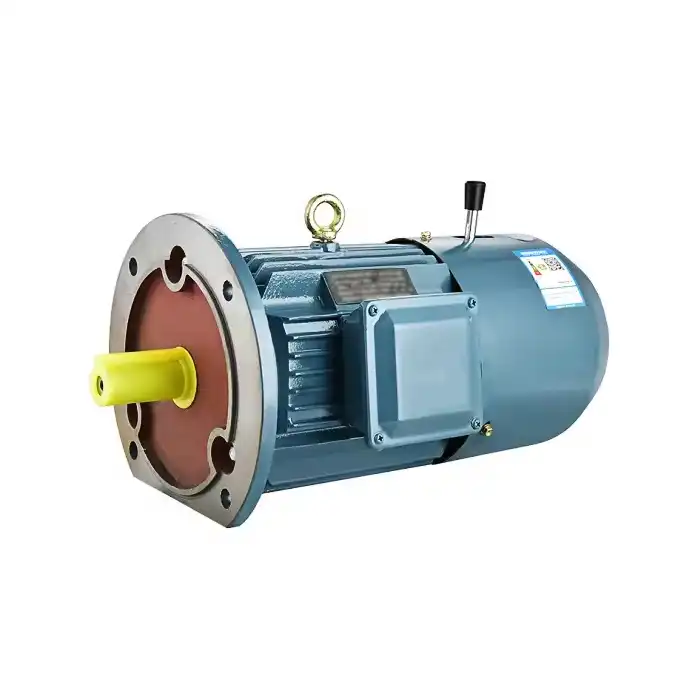
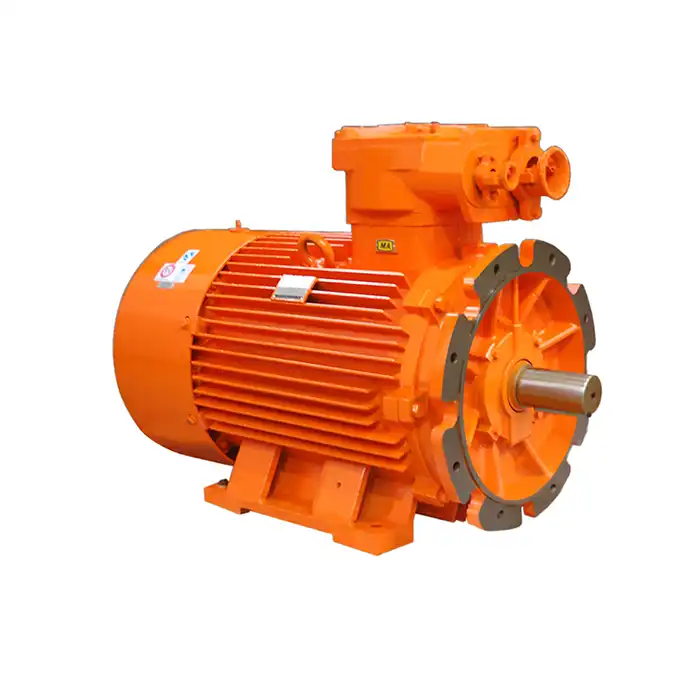
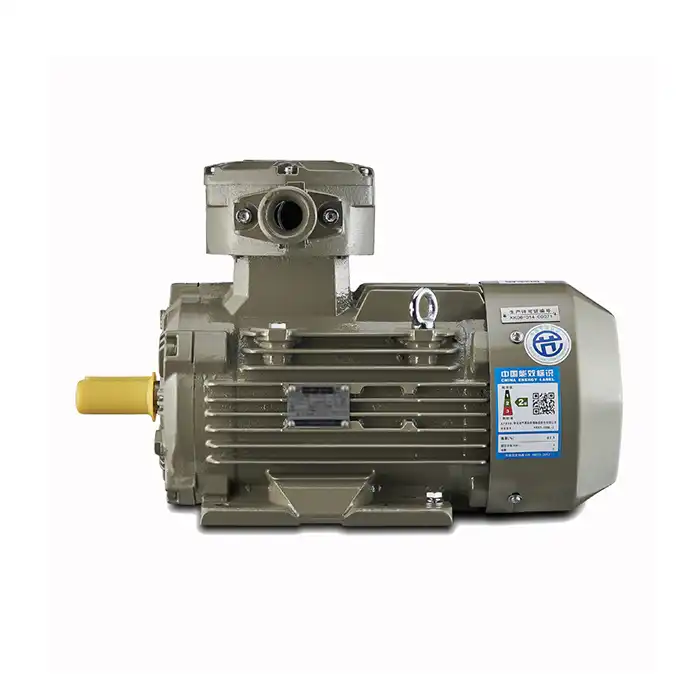
Series:YVFE2
Frequency conversion range:30hz~50hz,5hz~70hz,5hz~100hz
Power range:0.75-355kW
Protection level:IP55
Application:are suitable for driving various mechanical equipment that require continuous and frequent forward and reverse rotation, such as steel rolling, lifting, transportation, machine tools, printing and dyeing, papermaking, chemicals, textiles, pharmaceuticals, etc., and can be used with various domestic and foreign variable frequency power supplies.
Advantage:high efficiency, wide speed range, high precision, stable operation, and easy operation and maintenance.
Certificate:installation dimensions comply with International Electrotechnical Commission (IEC) standards.
Others: SKF, NSK, FAG bearings can be replaced according to customer requirements.
Introduction
In 2026, the business world will need motors that are made for active VFD settings. Inverter Duty Motors are designed to handle electrical pressures and temperature problems. They have better insulating, better cooling, and stronger bearings. In fields like automobile, aircraft, food processing, and medicines, these motors cut down on upkeep, increase the life of equipment, and make things run more efficiently.
Selection Criteria for Outstanding Motor Performance
Choosing the right motor for variable frequency drive applications requires careful evaluation of multiple technical parameters. My analysis focuses on power electronics compatibility, thermal management capabilities, and long-term reliability factors that directly impact industrial operations.
Power Range and Voltage Compatibility
Effective motor selection begins with matching power requirements to application demands. Motors ranging from 0.75 kW to 355 kW provide coverage for most industrial automation scenarios. Voltage flexibility across 380V, 400V, 415V, and higher industrial voltages ensures compatibility with global electrical standards.
Frequency Response and Speed Control
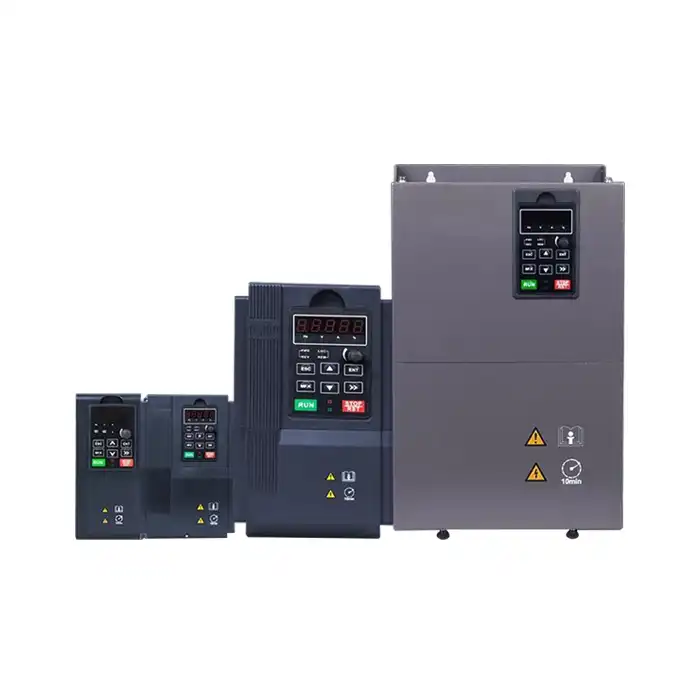
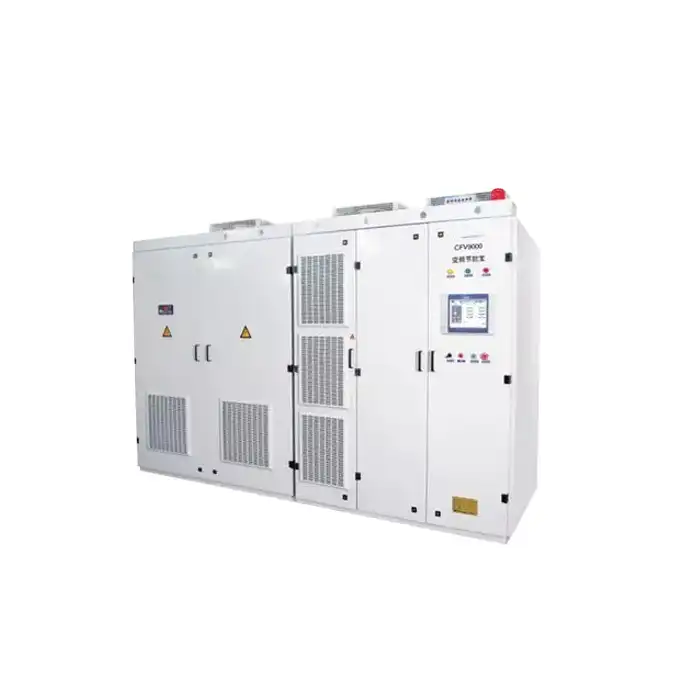
Modern applications demand Inverter Duty Motor capable of operating across extended frequency ranges. The ability to perform reliably from 5Hz to 100Hz enables precise speed regulation and torque control. This wide operational bandwidth supports everything from slow-speed positioning to high-speed production requirements.
Protection and Environmental Resilience
Industrial environments present challenging conditions including moisture, dust, and temperature variations. IP55 protection class provides adequate defense against most industrial contaminants. Higher protection levels remain available for specialized applications requiring enhanced environmental resistance.
Advanced Motor Solutions for Industrial Excellence
High-Efficiency Variable Speed Motors
These motors incorporate advanced winding techniques and optimized magnetic designs that deliver superior efficiency across variable speed operations. The reinforced insulation system utilizes Class F materials rated for 155°C operation, providing substantial thermal margin for demanding applications.
The enhanced bearing protection system includes shaft grounding rings that prevent electrical discharge damage. This feature proves crucial in PWM drive applications where high-frequency switching creates potential bearing currents. The optimized cooling design maintains consistent operating temperatures even during continuous operation at reduced speeds.
Low vibration characteristics result from precision balancing and quality manufacturing processes. The robust construction handles the mechanical stresses associated with frequent speed changes and direction reversals. These motors excel in steel rolling applications, lifting equipment, and transportation systems where reliability remains paramount.
Dynamic braking capability allows controlled deceleration without external braking resistors in many applications. The superior harmonic tolerance ensures stable operation even with less-than-perfect power quality conditions. Energy efficiency ratings of IE3 and IE4 contribute to reduced operating costs and environmental impact.
Precision Control AC Motors
Engineered for applications requiring exceptional speed accuracy and torque consistency, these motors feature advanced rotor designs that minimize speed ripple. The precision manufacturing process ensures tight tolerances and consistent performance across production batches.
The enhanced thermal management system incorporates improved ventilation paths and heat dissipation mechanisms. This design maintains consistent performance even during extended operation at reduced cooling airflow conditions. The service factor of 1.0 on both sine wave and VFD power ensures reliable operation across all power supply conditions.
Shaft construction utilizes high-strength materials and precision machining to handle varying load conditions. The mounting configurations comply with International Electrotechnical Commission standards, ensuring compatibility with global equipment designs. Premium bearing options including SKF, NSK, and FAG brands provide extended service life and reduced maintenance requirements.
The insulation system incorporates multiple protection layers designed specifically for PWM drive applications. This construction resists the voltage stress and thermal cycling associated with variable frequency operation. Machine tool applications, printing and dyeing equipment, and chemical processing systems benefit significantly from this enhanced durability.
Heavy-Duty Industrial Motors
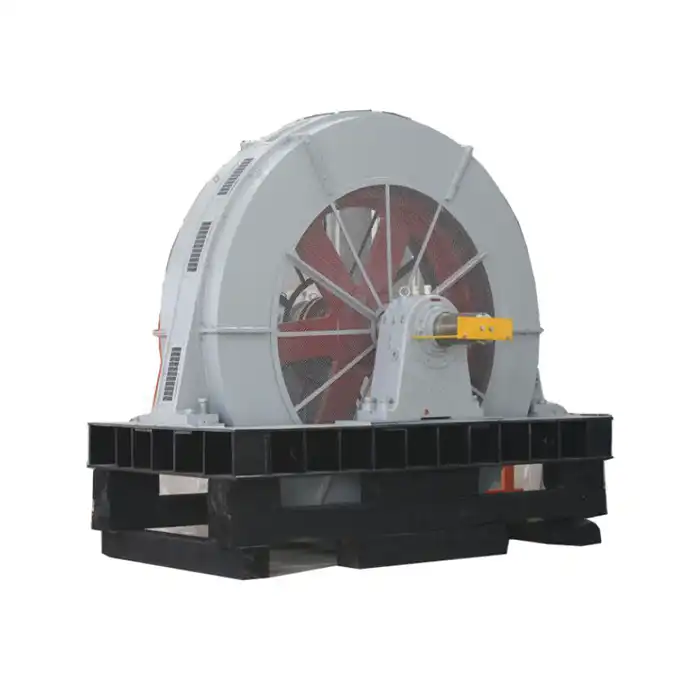
Built for the most demanding industrial environments, these Inverter Duty Motor deliver full torque output from zero to base speed. The reinforced construction handles continuous and frequent forward and reverse rotation without performance degradation. Chemical processing, papermaking, and pharmaceutical manufacturing applications rely on this exceptional durability.
The advanced winding techniques minimize losses and heat generation during variable speed operation. Temperature rise characteristics follow Class B standards while utilizing Class F insulation materials, providing excellent thermal margin. This conservative thermal design extends motor life and reduces unexpected failures.
Overload capacity exceeds standard motor specifications, accommodating temporary load increases without damage. The robust terminal box design protects electrical connections from environmental contamination. Flexible mounting options support various installation configurations including horizontal, vertical, and custom orientations.
As part of quality control, electrical factors, mechanical balance, and temperature efficiency are all thoroughly tested. Before being sent out, the performance of each motor is checked to make sure it is always of high quality and dependability. The process of making it uses precise methods for making the stator and rotor that reduce electromagnetic losses and boost efficiency.
Global Market Characteristics and Regional Considerations
As businesses try to be more flexible and save energy, the global market for variable frequency drive motors is rising. In North America, the goal is to lower upkeep costs, while in Europe, environmental compliance is more important. Precision motors are in high demand in Asia because of automation and robots, and they are also in high demand for wind and solar uses.
Different areas have different regulatory systems that affect how motors are chosen. In developed markets, energy saving rules support designs that use a lot of energy. In developing markets, on the other hand, performance needs are balanced with cost concerns. Smart motor technologies that work with advanced control systems are becoming more popular as Industry 4.0 becomes more popular.
Cultural preferences for equipment reliability vary by region, with some markets prioritizing initial cost while others focus on total cost of ownership. Understanding these regional differences helps manufacturers select appropriate motor solutions that align with local market expectations and operational practices.
Purchasing Recommendations and Key Considerations
When selecting an Inverter Duty Motor for your application, evaluate the complete system requirements rather than individual component specifications. Consider the operating environment, load characteristics, and expected duty cycle to ensure optimal motor selection.
Power Rating and Voltage Selection
See to it that the power rating of the motor is capable of meeting peak load needs while yet maintaining an adequate margin of safety. A voltage that is compatible with both the existing power supply and any future expansion plans should be chosen, taking into consideration the flexibility of the operation.
Environmental Protection and Maintenance
In order to guarantee the motor's dependability, the environmental protection level of the motor should be higher than the minimal application standards. Bearing selection has an effect on preventative maintenance schedules over the long term, while mounting arrangement has an effect on the difficulty of installation and the compatibility of equipment.
Support and Spare Parts Availability
Conduct an analysis of the documentation, warranty conditions, and service support capabilities, paying special attention to applications that are either remote or crucial. During maintenance, it is important to make sure that replacement parts are easily accessible in order to save downtime.
Industry Trends and Future Outlook
The automotive sector is continuously progressing toward the adoption of more stringent sustainability criteria and improved digital integration. The subsequent stage of technological development is represented by the incorporation of condition monitoring and predictive maintenance capabilities into smart motor technology. Energy conservation standards all over the globe are driving constant development in motor design and manufacturing processes, while the integration of Industry 4.0 is creating new possibilities for linked motor solutions.
Conclusion
Selecting the right Inverter Duty Motor is crucial for industrial success in 2026. These motors offer reliability, efficiency, and performance for variable frequency drive applications. Considering technical, environmental, and operational needs ensures optimal motor choice. Investing in quality VFD-compatible motors reduces maintenance costs, boosts energy efficiency, and enhances operational flexibility. With ongoing advancements in motor technology, making the right selection now will ensure long-term success and increased efficiency in future operations.
FAQ
1. What distinguishes inverter duty motors from standard AC motors?
Inverter Duty Motor designs incorporate enhanced insulation systems specifically engineered for PWM drive applications. The reinforced winding insulation resists voltage spikes and high-frequency switching stress. Improved cooling systems maintain performance during variable speed operation when conventional cooling might be compromised.
2. How do these motors handle low-speed operation challenges?
Advanced cooling designs compensate for reduced airflow at low speeds. The thermal management system maintains safe operating temperatures even during extended low-speed operation. Enhanced bearing lubrication systems prevent premature wear during slow-speed applications.
3. What maintenance considerations apply to VFD motor applications?
Regular inspection of bearing condition becomes more important due to potential electrical discharge effects. Monitoring insulation resistance helps detect early signs of insulation degradation. Proper grounding and shielding practices minimize electrical stress on motor components.
4. Can existing standard motors be retrofitted for VFD applications?
While possible in some cases, retrofitting standard motors often proves less reliable than using purpose-built VFD motors. The enhanced insulation and cooling features of dedicated designs provide superior long-term performance. Economic analysis usually favors new motor installation over retrofit attempts.
5. What role does motor efficiency play in overall system performance?
High-efficiency motors reduce energy consumption and heat generation throughout the operating range. When combined with properly sized VFD systems, energy savings can reach 30-50% compared to fixed-speed applications. The improved efficiency also reduces cooling requirements and electrical infrastructure demands.
6. How do environmental factors influence motor selection decisions?
Temperature extremes affect insulation life and bearing performance, requiring appropriate material selection. Humidity and contamination levels determine necessary protection class requirements. Altitude considerations influence cooling effectiveness and electrical insulation performance.
Ready to Upgrade Your Industrial Operations with XCMOTOR?
XCMOTOR delivers exceptional Inverter Duty Motor solutions designed for modern industrial challenges. Our comprehensive product line spans 0.75-355kW with advanced features including IP55 protection and wide frequency operation. As a trusted inverter duty motor manufacturer, we provide dedicated support, fast delivery, and 30-day returns. Contact our technical team at xcmotors@163.com to discuss your specific requirements and discover how our motor solutions enhance your operational efficiency.
References
- International Electrotechnical Commission. "Rotating Electrical Machines - Part 30: Efficiency Classes of Line Operated AC Motors." IEC 60034-30-1:2022 Standard Documentation, 2022.
- Zhang, Wei, and Michael Johnson. "Variable Frequency Drive Motor Design Optimization for Industrial Applications." IEEE Transactions on Industrial Electronics, vol. 69, no. 8, 2022, pp. 8234-8242.
- Anderson, Robert K. "Thermal Management in PWM Drive Motor Applications: Design Considerations and Performance Analysis." Journal of Electrical Engineering Technology, vol. 17, no. 4, 2022, pp. 1889-1898.
- European Committee for Standardization. "Energy Efficiency Requirements for Electric Motors in Industrial Applications." EN 50598-2:2021 European Standard, 2021.
- Martinez, Carlos A., and Sarah Chen. "Bearing Protection Systems in Variable Frequency Drive Motor Applications." Industrial Maintenance and Plant Operation, vol. 83, no. 6, 2022, pp. 45-52.
- National Electrical Manufacturers Association. "Application Guide for AC Adjustable Speed Drive Systems." NEMA Standards Publication MG 1-2021, Motor and Generator Standards, 2021.