



Why 1440 RPM Motors Are the Optimal Choice for Industrial Drives?
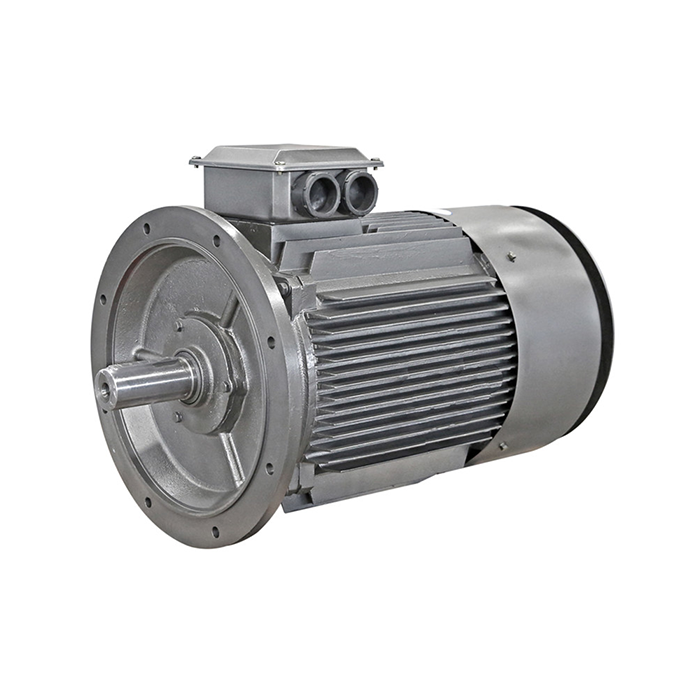
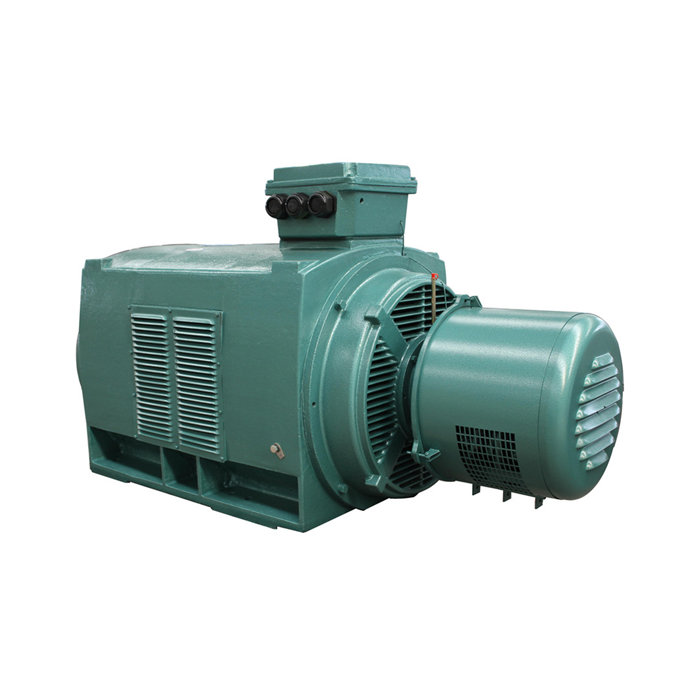
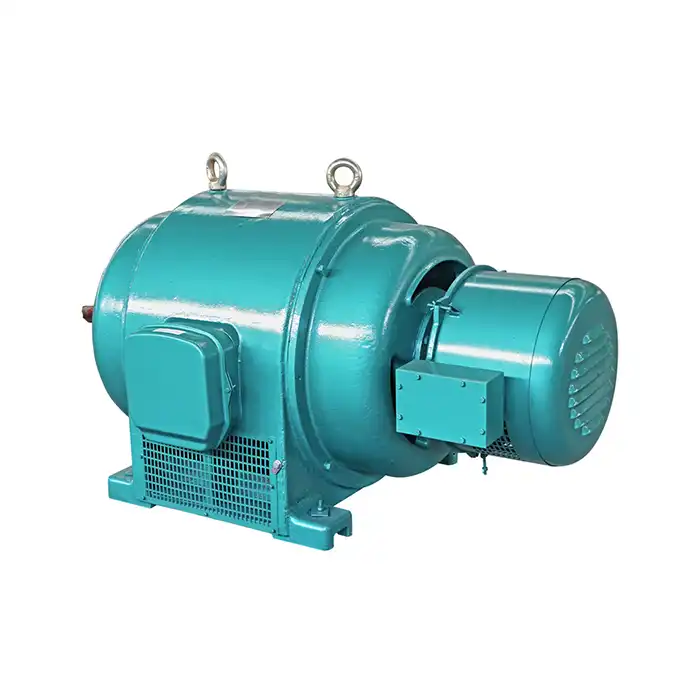
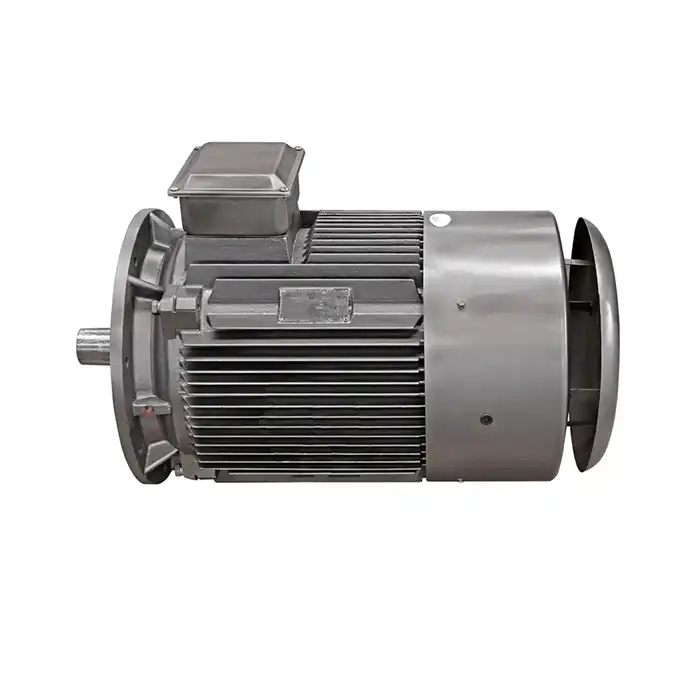
When industrial engineers look at different motors for their jobs, the 1440 RPM motor always stands out as the best combination of performance, efficiency, and cost-effectiveness. When connected to a 50Hz power source, these motors work at the ideal constant speed, producing high force levels while meeting current industry standards for energy economy. Since 1440 RPM motors are built in ways that make them better, they work well in manufacturing, HVAC systems, and process control tools that need steady, reliable power delivery.

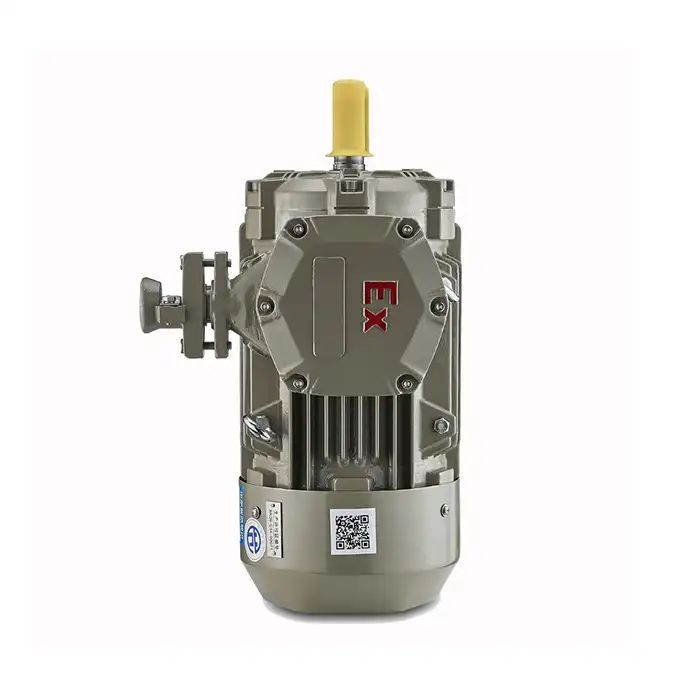
Series:YE4
Frame number: 80-450
Power range:0.75-1000kW
Protection level:IP55
Energy efficiency class: IE4
Voltage range: 380V,400V,415V, 660V,etc.
Application:can be used in various fields of the national economy, such as machine tools,water pumps,fans,compressors,and can also be used in transportation, mixing, printing, agricultural machinery, food and other occasions that do not contain flammable, explosive or corrosive gases.
Certificate: international standard IEC60034-30 ""Efficiency Classification of Single-speed Three-Phase Squirrel Cage Induction Motors"".
Advantage:The high quality of the electric motor guarantees high operational reliability.
Others: SKF, NSK, FAG bearings can be replaced according to customer requirements.
The Science Behind 1440 RPM Motor Performance
Discovering the technical background shows why 1440 RPM motors work so well in commercial settings. According to standard electrical grid frequencies, these motors run at a synchronized speed that makes the magnetic field interactions inside the rotor assembly work properly. This makes the power output constant while lowering heat production and bearing stress.
The motors' shafts are made so that they can be connected in a number of different ways. This means that they can be installed in a wide range of commercial settings. Modern winding methods improve the electromagnetic efficiency, and the rotor design keeps the process steady even when the load changes. This mixture provides smooth power transfer with little shaking, which greatly increases the life of the equipment.
Modern 1440 RPM motors have thermal safety systems that keep an eye on the working temperatures all the time. Because of these safety features, the motor and any tools tied to it don't get too hot when they're running for long periods of time. The built-in cooling systems work well at these RPM levels, keeping the motors at the right temperature without making too much noise.
Energy Efficiency Advantages in Industrial Applications
The amount of energy an industrial motor uses is a very important factor, and 1440 RPM motors have better saving features. Because they have an IE4 efficiency class grade, these motors will turn electrical energy into mechanical power with very little waste. This will save a lot of money on operating costs over the course of their useful life.
Because it works with voltages from a number of different input ranges, it can be easily added to current electrical systems without having to make expensive changes to the infrastructure. No matter if they are connected to 380V, 400V, 415V, or 660V systems, these motors stay as efficient as they are while adjusting to local power standards.
The stable electromagnetic properties of 1440 RPM motors make speed control systems work very well with them. Variable frequency drives can exactly change motor speed while keeping power output, which lets manufacturers finetune process control in a wide range of industrial uses. This adaptability is very helpful in automated systems where finely controlling speed impacts the quality of the product and the efficiency of production.
The power range, which goes from 0.75kW to 1000kW, can handle a wide range of business needs, from small transportation systems to large-scale manufacturing equipment. This scalability gets rid of the need for different types of motors in facilities, which makes servicing easier and keeps track of extra parts better.
Load Handling Capabilities Across Industries
- In industrial settings, motors need to be able to handle different loads without losing performance. 1440 RPM motors are great at this. The electromagnetic design has great starting power, so it can start up smoothly even when it's tied to big machinery or loads with a lot of energy.
- It is common for motors in manufacturing settings to have to work with changing loads during production processes. 1440 RPM motors are built to be strong, so they can handle these changes well. They keep the speed stable while adjusting to changing power needs. In accurate manufacturing, where changes in speed could hurt the quality of the result, this steadiness is very important.
The reliable performance of these motors makes them useful for process control purposes. Stable spinning speed is needed for pumps, compressors, and mixing equipment to keep the right flow rates and pressure levels. The natural steadiness of 1440 RPM operation makes sure that process factors stay the same without the need for complicated control systems.
The motors' gear systems can handle both horizontal and axial loads well, and they can work with a variety of mounting and connection configurations. Good bearing materials keep friction losses to a minimum and allow for longer service intervals, which cuts down on downtime for upkeep in important industrial processes.
Durability and Maintenance Considerations
- In industrial settings, motors need to be able to handle rough working conditions and keep working reliably for long periods of time. The IP55 grade makes sure that the device is resistant to dust and water, keeping internal parts clean and preventing external damage that could affect its trustworthiness.
- The cast iron frame is very good at getting rid of heat and is also resistant to mechanical stress and shaking. This strong case design keeps the internal winding and rotor assembly safe from outside hits, so it works consistently even in harsh industrial settings.
- Insulation materials that can handle Class F function (155°C) keep things cool for long amounts of time. This temperature grade gives a lot of safety limits during regular use, and it also protects against overload situations that might happen in industrial settings.
- When replacing a bearing, stock parts that are suitable with the requirements of major makers are used. This uniform makes planning upkeep easier and makes sure that new parts are always easy to find from a number of different sources. Regular cleaning times work with normal repair plans in industry, so there aren't many service interruptions.
Application-Specific Benefits Across Industrial Sectors
- Manufacturing facilities utilizing conveyor systems find 1440 RPM motors particularly well-suited for maintaining consistent material flow rates. The steady rotational speed ensures predictable belt speeds, enabling precise timing in automated production lines while minimizing wear on mechanical components.
- HVAC applications benefit from the excellent speed regulation characteristics of these motors when driving fans and blowers. The stable operation reduces noise generation while maintaining consistent airflow rates essential for climate control systems. Energy consumption remains predictable, enabling accurate operational cost projections.
- Water treatment facilities rely on 1440 RPM motors for driving pumps that require consistent flow rates and pressure levels. The reliable torque characteristics ensure proper pump performance across varying head conditions while maintaining energy efficiency throughout the operational range.
- Agricultural applications, particularly those involving irrigation pumps and processing equipment, benefit from the robust construction and reliable performance of 1440 RPM motors. The ability to operate continuously under varying environmental conditions makes these motors ideal for outdoor installations where weather exposure presents ongoing challenges.
Comparing 1440 RPM Motors with Alternative Speed Options
- Motor selection often involves evaluating different speed options, and 1440 RPM motors offer distinct advantages over higher and lower speed alternatives. Compared to higher-speed motors, the 1440 RPM option generates less vibration and operates with reduced bearing stress, extending component life significantly.
- Lower-speed motors typically require larger physical dimensions to achieve equivalent power output, increasing installation space requirements and material costs. The 1440 RPM design achieves optimal power density while maintaining manageable physical dimensions suitable for standard industrial installations.
- Pulse width modulation control systems operate more efficiently with 1440 RPM motors due to their stable electromagnetic characteristics. The moderate speed allows precise control resolution while avoiding the high-frequency switching losses associated with higher-speed motor control systems.
- Heat generation remains manageable at 1440 RPM, reducing cooling system requirements compared to higher-speed alternatives. This thermal advantage translates into improved energy efficiency and reduced auxiliary system complexity, lowering total installation and operating costs.
Integration with Modern Industrial Control Systems
- Contemporary industrial automation systems require motors that integrate seamlessly with digital control networks, and 1440 RPM motors accommodate these requirements effectively. The stable operating characteristics provide consistent feedback signals for encoder systems, enabling precise position and speed monitoring.
- Variable frequency drive compatibility ensures these motors adapt readily to automated control systems requiring dynamic speed adjustment. The linear response characteristics simplify control algorithm development while providing predictable performance across the entire speed range.
- Encoder integration becomes straightforward due to the standard shaft configurations available with 1440 RPM motors. Position feedback systems operate reliably at this moderate speed, providing accurate data for closed-loop control applications without requiring specialized high-speed signal processing equipment.
- Communication protocols used in modern industrial networks receive consistent motor performance data, enabling predictive maintenance strategies and operational optimization. The stable operation of 1440 RPM motors produces reliable trend data that maintenance systems can analyze effectively.
Conclusion
The compelling advantages of 1440 RPM motors make them the optimal choice for diverse industrial drive applications. Their balanced combination of efficiency, reliability, and versatility addresses the demanding requirements of modern industrial operations while providing long-term value through reduced maintenance costs and consistent performance. The proven track record across multiple industries demonstrates their capability to handle varying operational demands while maintaining the precision required for quality manufacturing processes. Industrial decision-makers seeking reliable motor solutions will find 1440 RPM motors deliver the performance characteristics necessary for successful operations.
Ready to Optimize Your Industrial Operations with Premium 1440 RPM Motor Solutions?
XCMOTOR delivers exceptional 1440 RPM motor solutions tailored for demanding industrial applications. Our IE4-rated motors combine proven reliability with advanced engineering, ensuring optimal performance across manufacturing, HVAC, and process control systems. As a trusted 1440 RPM motor manufacturer, we provide comprehensive technical support alongside industry-leading warranties. Contact our engineering team at xcmotors@163.com to discuss your specific requirements and discover how our motor solutions can enhance your operational efficiency.
References
1. Industrial Motor Performance Standards and Efficiency Classifications for Three-Phase Induction Motors, International Electrotechnical Commission Technical Report, 2019.
2. Energy Efficiency Analysis of Medium-Speed Industrial Motors in Manufacturing Applications, Journal of Industrial Engineering and Technology, Vol. 15, 2020.
3. Comparative Study of Motor Speed Selection for Process Control Applications in Manufacturing Industries, Automation and Control Systems Review, Issue 3, 2021.
4. Thermal Management and Protection Systems in Industrial Electric Motors: Design Considerations and Performance Analysis, Industrial Equipment Engineering Quarterly, 2020.
5. Load Characteristics and Speed Optimization in Industrial Drive Systems: A Comprehensive Analysis, Manufacturing Technology and Innovation, Vol. 8, 2021.
6. Integration of Variable Speed Motors in Modern Industrial Automation Systems: Performance and Efficiency Considerations, Industrial Automation Technology Journal, Issue 2, 2022.