



LV Induction Motor Efficiency: Key Factors That Improve Performance
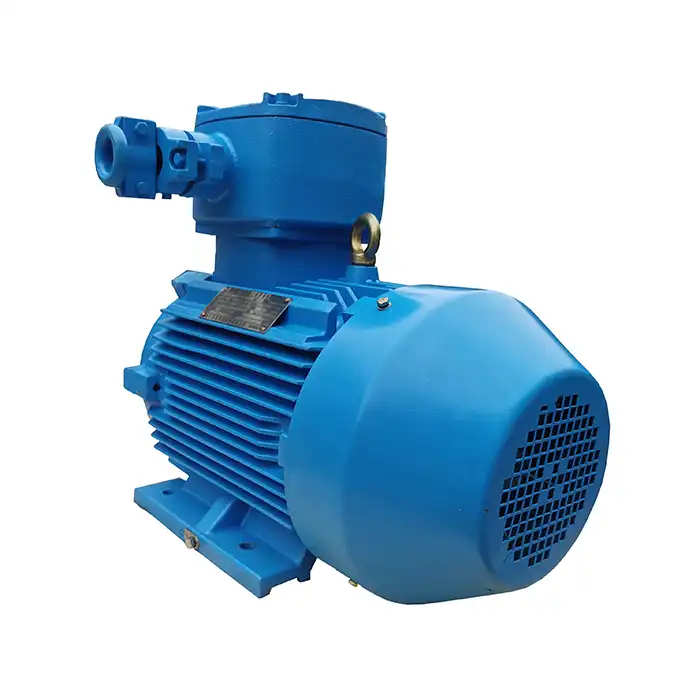
When industrial equipment distributors and OEM manufacturers evaluate motors for pumps, compressors, or fan assemblies, efficiency directly impacts operational costs and competitive positioning. Understanding how lv induction motor convert electrical energy into mechanical work—and what factors degrade this conversion—becomes essential for procurement decisions. Our three-phase squirrel-cage designs deliver power outputs from 0.75kW to 1000kW within voltage ranges of 380V to 660V, meeting IE3 efficiency standards that reduce energy consumption by 3-5% compared to standard models. This efficiency improvement translates to measurable cost savings when motors operate 8+ hours daily across manufacturing floors, mining facilities, or agricultural processing plants.
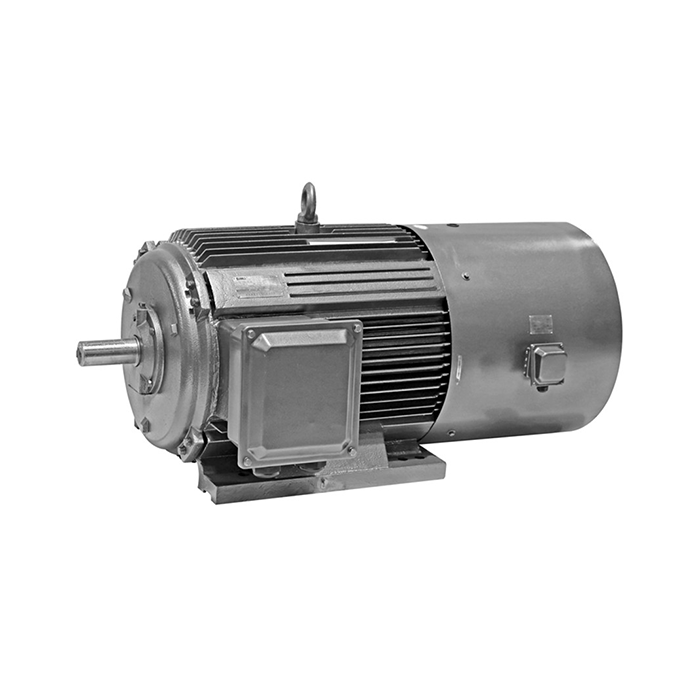
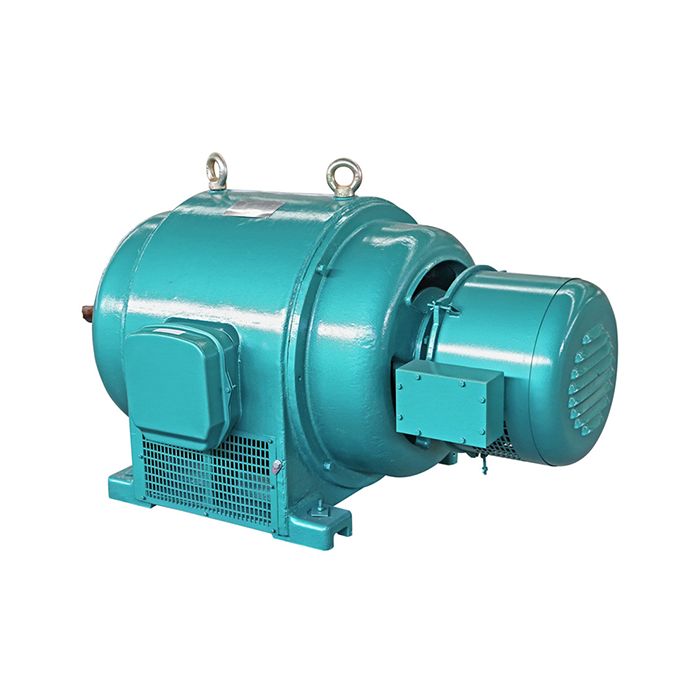
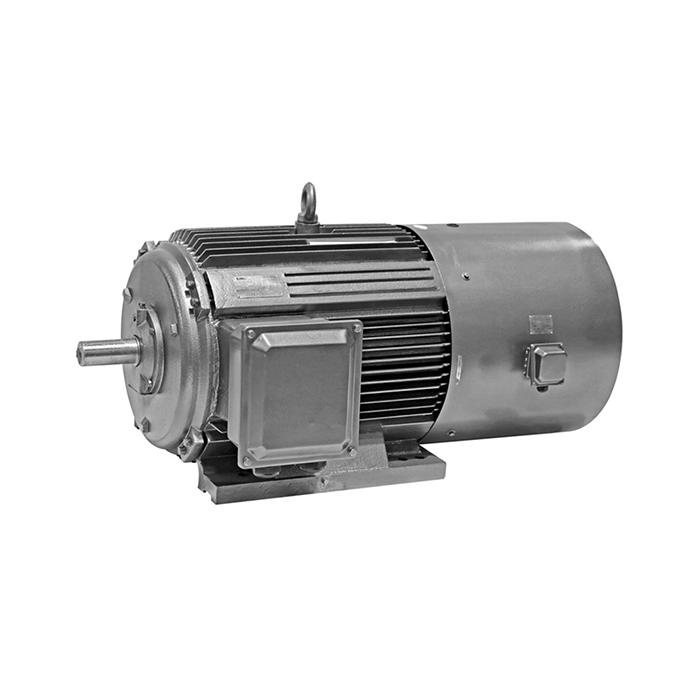
Series:YE3
Frame number: 80-450
Power range:0.75-1000kW
Protection level:IP55
Energy efficiency class: IE3
Voltage range: 380V,400V,415V,660V, etc.
Application:can be used in various fields of the national economy, such as machine tools,water pumps,fans,compressors,and can also be used in transportation, mixing, printing, agricultural machinery, food and other occasions that do not contain flammable, explosive or corrosive gases.
Certificate: international standard IEC60034-30 "Efficiency Classification of Single-speed Three-Phase Squirrel Cage Induction Motors".
Advantage:The high quality of the electric motor guarantees high operational reliability.
Others: SKF, NSK, FAG bearings can be replaced according to customer requirements.
Understanding Low Voltage Induction Motor Efficiency
The ability of these three-phase asynchronous machines to change energy depends on how they are built. Electrical current flows through the stator windings, creating rotating magnetic fields that cause currents to flow through the rotor cage bars. This creates torque without any physical electrical connections between the parts that aren't moving and those that are. This strong design gets rid of brushes and slip rings, so it doesn't need as much upkeep and can keep working in harsh conditions.
Core Construction Elements Affecting Performance
Die-cast metal frames keep the structure strong and make it easier for heat to escape, which is important for keeping the right working temperatures. High-quality silicon steel laminations are used in the stator and rotor cores to reduce eddy current losses. Eddy current losses are parasitic electrical currents that turn useful energy into waste heat. Standard Class F insulation can handle temperatures of up to 155°C and keeps the windings intact when they are under constant load. When paired with precisely balanced rotors placed on SKF or NSK bearings, these choices have a direct effect on power factor (in our models, it ranges from 0.80 to 0.89) and torque delivery from 5 Nm to 2400 Nm across the power spectrum[^1].
Efficiency Metrics That Matter for Procurement
According to the international standards IEC60034-30, the IE3 classification shows how efficient the system is at rated load, partial load, and overload. A 75kW motor that works at IE3 efficiency uses about 2% to 3% less electricity per hour than similar IE2 designs, which adds up to big savings over three billing cycles. In addition to the efficiency ratings, the power factor shows how well the motor turns apparent power into useful work. Higher values mean that the facility's electrical infrastructure has less reactive current. Specifications for temperature rise show how well thermal management works. For every 10°C steady temperature rise, insulation breaks down faster and service life is cut by 50% [^2].
Common Efficiency Loss Mechanisms
I²R losses, which are proportional to current squared, are caused by electrical resistance in copper windings. They make up 55–60% of all losses in a typical induction motor operation. Twenty to twenty-five percent of the loss of iron comes from hysteresis and eddy currents in layered cores. Another ten to fifteen percent comes from mechanical friction in bearings and windage from cooling fans. The efficiency equation is finished by adding in the losses in stray loads caused by leakage flux and harmonic currents. Choosing the right core material and layer thickness (usually 0.35-0.50mm) and setting up the windings correctly can lower resistance losses. In our production process, computerized winding machines reach 98.5% slot fill factors, which lowers winding resistance compared to options that are wound by hand.
Identifying and Overcoming Efficiency Bottlenecks
First, readings are taken in the field to see how well the real performance matches the numbers on the nameplate. Using micro-ohmmeters to test the resistance of the windings finds inter-turn shorts or connection problems. Vibration analysis finds bearing wear or rotor imbalance before a catastrophic failure happens. Power quality testers check for voltage mismatch (more than 1% causes less efficiency and shorter life) and harmonic distortion from upstream drives or nonlinear loads.
Diagnostic Approaches for Performance Optimization
Thermal imaging finds areas of uneven heating that could mean that cooling airflow isn't good enough, ventilation passages are blocked, or insulation systems aren't working right. By looking for specific frequency patterns in supply current waves, current signature analysis can find broken rotor bars, eccentric rotors, or stator problems. With these monitoring tools, maintenance teams can fix problems as they arise during planned breaks, instead of having to fix problems that come up out of the blue, which delays the delivery of equipment to customers.
Addressing Starting Method Inefficiencies
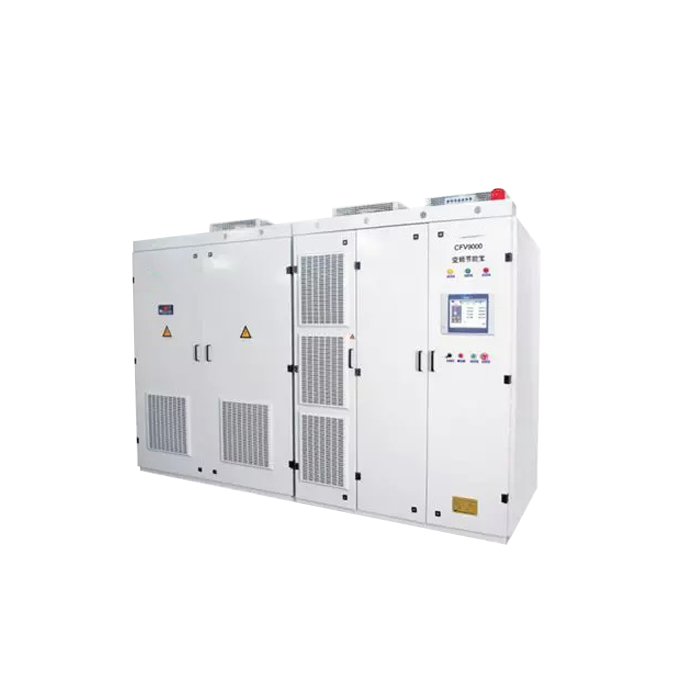
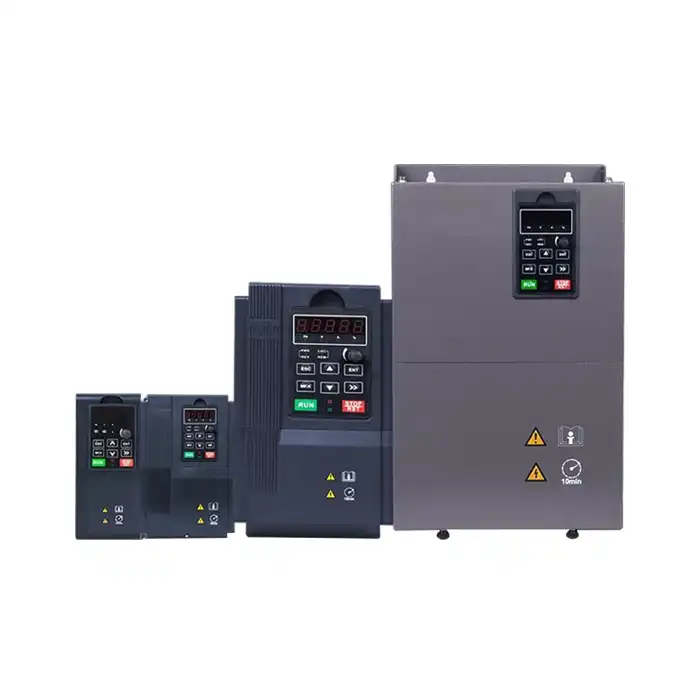
Direct-online starting uses 5 to 7 times the rated current when speeding up, which puts a lot of stress on the electrical system and causes thermal cycling that wears down insulation. While star-delta starters limit starting torque to 33% of direct-online methods, they raise starting current to two to three times the rated value. Soft starters that use thyristor controls allow for changeable current limits and controlled acceleration. This makes mechanical parts last longer while lowering the cost of electricity use. Variable frequency drives are the best solution because they let you change the speed to match the load requirements instead of running at a constant speed with a throttled output. This is especially helpful for pump and fan applications that follow affinity laws, which say that a 20% speed reduction saves 50% of the power [3].
Insulation Class Upgrades and Thermal Management
If you go from Class F to Class H insulation (which has a continuous rating of 180°C), you get an extra 25°C of thermal space, which is useful for installations in hot environments or duty cycles with lots of starts. Using external fans or frames that are cooled by water to keep the operating temperature low keeps the efficiency high because copper resistance goes up by 0.4% per °C. Our normal IP55 rating stops dust from getting in and water spray harm from happening in lv motor. For washdown environments in food processing applications that need to be cleaned often to meet hygiene standards, we offer IP65.
Comparing Low Voltage Solutions for Energy Efficiency
The main reason for the difference between low voltage (up to 1kV) and high voltage (above 1kV) motors is to scale the power. When the current is low, cable costs and electrical losses during transmission are lower, which is good for large installations with more than 500kW. For the 0.75–1000kW range that is common in making and distributing equipment, three-phase low voltage motors are the most cost-effective option because they are easier to install and the parts are easy to find.
Three-Phase Versus Single-Phase Considerations
Three-phase setups produce steady torque without pulsations, while single-phase designs need starting capacitors and have a power density that is 40–60% lower per frame size. Three-phase systems need less neutral conductor because the currents in each phase are balanced. This makes it possible for the switchgear to be smaller. Three-phase motors make inventory management easier for distributors who work with OEM manufacturers because they have consistent mounting dimensions (frame sizes 80–450 in our range) across all power levels. This makes sure that the motors can be easily replaced, which is important for the aftermarket service parts business.
Synchronous and DC Alternatives Assessment
Permanent magnet synchronous motors are 1-2 percentage points more efficient than induction motors, but they cost 30–50% more at first and there is a chance that the magnet will lose its magnetic field in hot places. Their set speed operation without slip works well in some situations, but they don't have the speed-torque features that protect against short overloads. Brushed DC motors have easy speed control, but the brushes need to be replaced often, so they are not good for heavy-duty industrial use. Brushless DC designs are just as reliable as induction motors, but they are more often used in specialized situations than in general industrial settings, where induction motors' track record and lower cost make them the market leader.
Brand Quality and Reliability Considerations
Established manufacturers keep their material specifications, quality control procedures, and technical documentation consistent, which lowers the risk of buying from them. Before it is shipped, our production process tests each unit without any load, with the rotor locked, and with full load. For European markets, CE marking proves that the product is safe and meets safety standards, and ISO 9001:2015 approval proves that our quality control systems are up to par. Customers in CIS countries who need these special approvals can get them through GOST certification. If buyers don't want quality problems between batches of products, they should make sure that the supplier's certification covers the exact frame sizes and rates they are buying, instead of thinking that all of them are approved.
Best Practices for Maintaining Peak Efficiency
Regular inspections based on working hours and environmental conditions stop performance from slowly getting worse over time. Visual checks done once a month can find problems like blocked cooling passages, loose mounting nuts, or broken wire connections. Using manufacturer-recommended greases to lubricate bearings every three months stops them from wearing out too quickly. Testing the insulation resistance once a year (with a 500V megohmmeter for 400V motors) finds moisture getting in or insulation breaking down before winding failures happen.
Systematic Troubleshooting Methodologies
If motors are vibrating too much, you can figure out what's causing it by checking them in order: mechanical imbalance causes vibrations at the frequency of the running speed, misalignment causes vibrations at twice the running speed, and bearing flaws cause high-frequency patterns. Thermal problems show up as a lower load capacity or a protection relay trip. Check the flow of cooling air, look for voltage imbalance, and make sure the load matches the motor's rating. Strange noises could mean that there are problems with the bearings, that the rotor is touching the stator (which means the machine needs to be shut down right away), or that parts are loose and need to be tightened up.
Strategic Spare Parts Procurement
Keeping a critical spare inventory on hand balances the costs of carrying them against the risks of downtime. For equipment that is used a lot and supports continuous production lines, keeping full motors in stock in popular frame sizes (100, 132, 160) lets you change them right away, which keeps production running as smoothly as possible. For equipment that works in dirty places where seal failures speed up wear, bearing sets are a cheap way to protect it. Building relationships with responsive suppliers who offer 2-3 week lead times for standard configurations lowers the need for inventory while still making sure products are available. Our production schedule can handle small orders of 1–10 units, which fits the needs of distributors' business models.
Predictive Maintenance Technology Integration
Wireless temperature and vibration sensors make it possible to keep an eye on conditions all the time without having to collect data by hand. Cloud-based analytics platforms set baseline signatures and mark deviations that show faults are starting to show, usually giving two to four weeks' notice before failure. This proactive method changes maintenance from an emergency reaction to planned actions during planned breaks, which greatly increases the end users' access to equipment. Distributors who sell motors and also offer condition tracking services for lv induction motor create unique value propositions that improve customer relationships beyond just selling equipment.
Procurement Guide for High-Efficiency Motors
When looking at possible suppliers, you need to make sure they have the right manufacturing skills, quality systems, and technical support infrastructure. Ask for factory audit records that list the testing facilities, production tools, and process controls. Carefully look over the certification coverage. Some providers only allow approvals for certain frame sizes or ratings, so other models may have to wait for separate certifications, which can cause delays in delivery.
Technical Documentation Requirements
Full datasheets should show how efficient the motor is at 25%, 50%, 75%, and 100% load, as well as the power factor across the load range and the locked-rotor current and torque at start-up. Dimensional drawings that show the shaft's height, mounting bolt patterns, and terminal box locations make sure that the new equipment will work with the old ones. Installation mistakes can be avoided by using wiring diagrams for different types of connections (star, delta, and dual-voltage). Installation, operation, and maintenance steps are covered in multilingual instruction manuals. This is especially important for distributors who serve customers in different parts of the world and find it hard to provide support when the only documentation they have is in English.
Total Cost of Ownership Analysis
The cost of buying something only makes up 1% to 2% of its total lifetime costs. Over a normal 15 to 20-year service life, electricity use makes up 97% of those costs[4]. At $0.12/kWh, a 55kW motor that runs for 6,000 hours a year uses about $40,000 in electricity a year. The 3% increase in efficiency from IE3 to IE2 saves $1,200 a year, which covers the average insurance costs in 18 to 24 months. Because of this, it makes more sense to pay a small premium for proven high-efficiency designs than to choose the cheapest options. Looking at warranty terms—our standard coverage covers manufacturing defects for 12 to 18 months after commissioning—keeps things from breaking down too soon and gives you a way to deal with quality problems.
Negotiating Terms for Volume Procurement
When distributors promise to buy a certain amount every three months, manufacturers can negotiate better price systems that take into account the benefits of production planning. Stocking standard frame sizes in standard setups (400V, 50Hz, B3 mounting) lets you make a lot of them, which lowers the cost per unit. Customization choices like different voltages (415V, 660V), unique shaft configurations, or encoder mounting features usually cost an extra 10 to 15 percent, but they may be necessary for some customers. To avoid confusion, it's best to make it clear what the wait times are for standard and custom specs. For example, our standard configurations ship within two to three weeks, while specialized orders need production slots of four to six weeks.
Conclusion
To get the most out of industrial motors, you need to know how energy is converted technically, be able to find performance problems through systematic testing, and choose sellers who can consistently deliver high-quality goods. When you look at IE3-rated three-phase induction motors' economic case over their entire operational lifecycle, not just their initial purchase costs, it becomes very strong. When purchasing professionals try to find the best balance between price, delivery reliability, and certification coverage, they should give more weight to suppliers who show good manufacturing practices, quick technical support, and clear documentation for lv induction motor. These basic things help make sure that equipment integration goes smoothly, that expensive delays caused by missing specifications don't happen, and that there is a reliable supply of replacement parts, which is important for building long-term customer relationships in the industrial distribution business.
FAQ
1.How can I quickly assess motor efficiency in the field?
A calibrated power analyzer is used to measure the power that goes in and sensors that measure the output, such as torque and speed. The efficiency is found by dividing the mechanical output by the electrical input. When comparing results to nameplate ratings, keep in mind that motors that are running at less than 50% load are less efficient. Noninvasive testing that finds decreased efficiency includes thermal imaging, which finds too much heating, and vibration analysis, which finds mechanical problems that cause friction losses.
2.What efficiency differences exist between low and high voltage induction motors?
The top efficiency rates for both types are about the same. The voltage choice is based on the power level and installation needs, not on efficiency. When the current is low, like in motors over 500kW, high voltage designs work best because they save money on line costs. When compared to kilovolt-level systems, the 380–660V range is more cost-effective and fits most industrial uses under 1000kW. It also makes the electrical infrastructure and safety standards easier.
3.Do energy-efficient motors justify their higher initial costs?
When operating hours go over 4000 per year, lifecycle cost analysis always shows short payback times. IE3 motors use less energy than standard efficiency motors, which saves money that pays for the higher price within two to four years. Then, for another ten to fifteen years, they continue to save money on running costs[^5]. Because of this, putting economy first is a smart financial move for industry uses.
Partner with XCMOTOR for Reliable Motor Solutions
Choosing the right low voltage induction motor provider affects not only the success of the project at hand, but also the stability of operations in the long term and the happiness of customers. At XCMOTOR, we know that procurement managers need more than just reasonable prices. You need quality that stays the same across production batches, delivery times that keep your customers' promises, and full certification paperwork that keeps projects on schedule. Our IE3-rated three-phase motors with outputs from 0.75kW to 1000kW power pumps, compressors, fans, and other industrial machinery. They come in frame sizes ranging from 80 to 450 mm and can be easily swapped out for replacements.
We keep standard configurations in stock so that standard specifications can be delivered in two to three weeks. For specialized applications, we can also accommodate custom voltage needs and bearing preferences (SKF, NSK, FAG). Each unit comes with CE, ISO 9001:2015, and any other relevant regional certifications, as well as multilingual documentation to help your wide range of customers. Our expert team helps you choose the right application, checks the dimensions, and fixes installation problems because we know that your success depends on full solutions, not just supplying products.
Get in touch with our team right away to talk about your unique needs for low voltage induction motor power. We set up our service to work with both distributor and OEM business models, so you can use it whether you need a few units to test a prototype or a lot of them every three months for ongoing production. You can email us at xcmotors@163.com or go to motorxc.com to get full specs, approval downloads, and prices for your next project. Get in touch with an Lv induction motor maker who will listen to you and is dedicated to helping your business grow by providing reliable product quality and delivery performance.
References
1. Toliyat, H. A., & Kliman, G. B. (2018). Handbook of Electric Motors (2nd ed.). CRC Press.
2. Nailen, R. L. (2017). "Managing Motor Temperatures for Extended Life." IEEE Industry Applications Magazine, 23(4), 12-18.
3. de Almeida, A. T., Ferreira, F. J., & Baoming, G. (2014). "Beyond Induction Motors—Technology Trends to Move Up Efficiency." IEEE Transactions on Industry Applications, 50(3), 2103-2114.
4. European Commission. (2019). Commission Regulation (EU) 2019/1781 on Electric Motors and Variable Speed Drives. Official Journal of the European Union.
5. United States Department of Energy. (2020). Improving Motor and Drive System Performance: A Sourcebook for Industry. Office of Energy Efficiency & Renewable Energy.