



How to Diagnose Common Z2 DC Motor Bearing Problems?
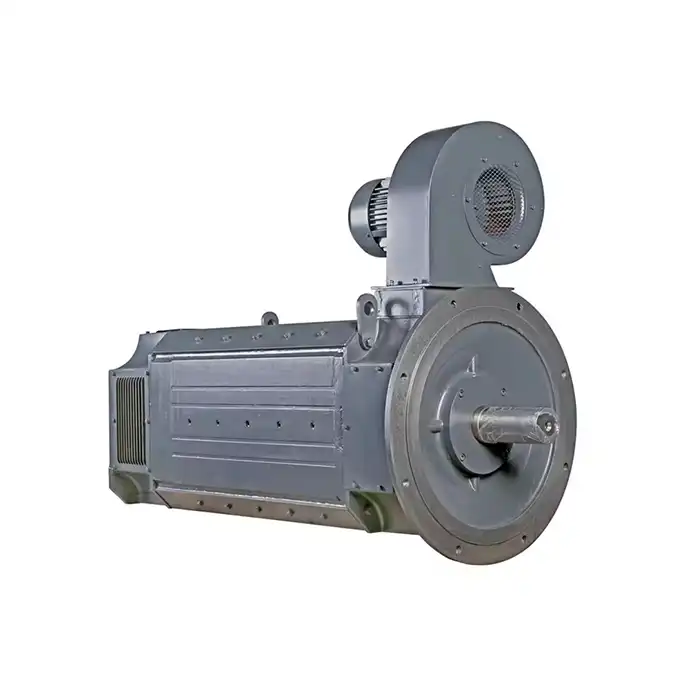
When you need to diagnose bearing issues in Z2 DC MOTOR units, look for early warning signals such as unusual noise, excessive vibration, and temperature rises. Bearings are the basis for smooth rotational movement, and if they fail, the whole motor system suffers. A good diagnosis is based on sensory examination and technical measurement. This enables maintenance teams to detect wear before catastrophic collapse. The knowledge of these diagnostic procedures enables industrial operators to keep production running and to prevent expensive emergency repairs.
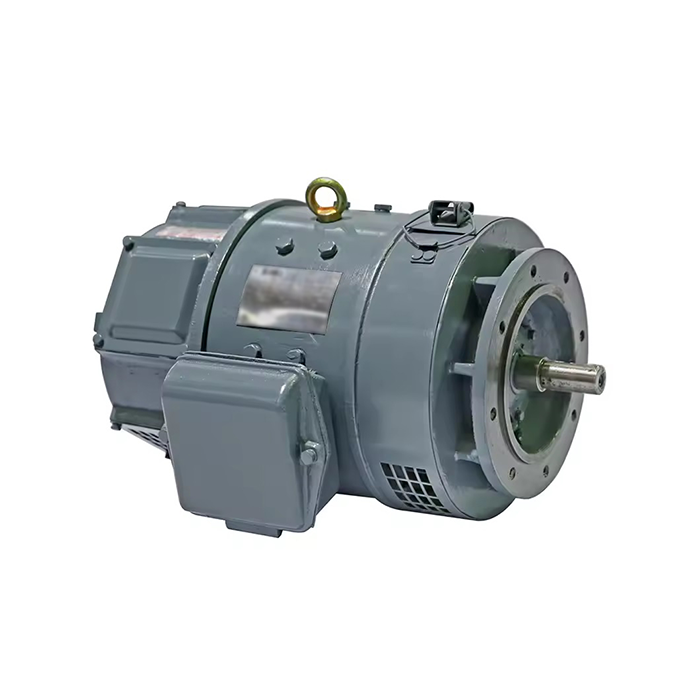
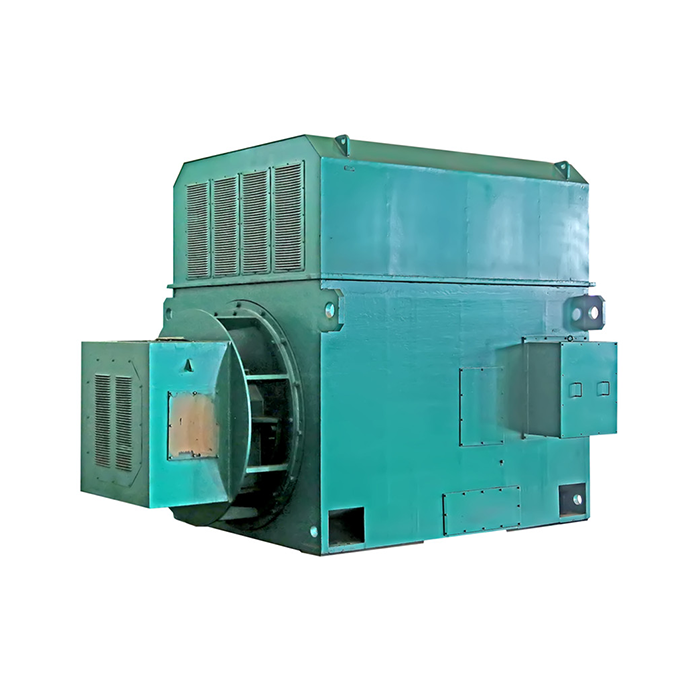
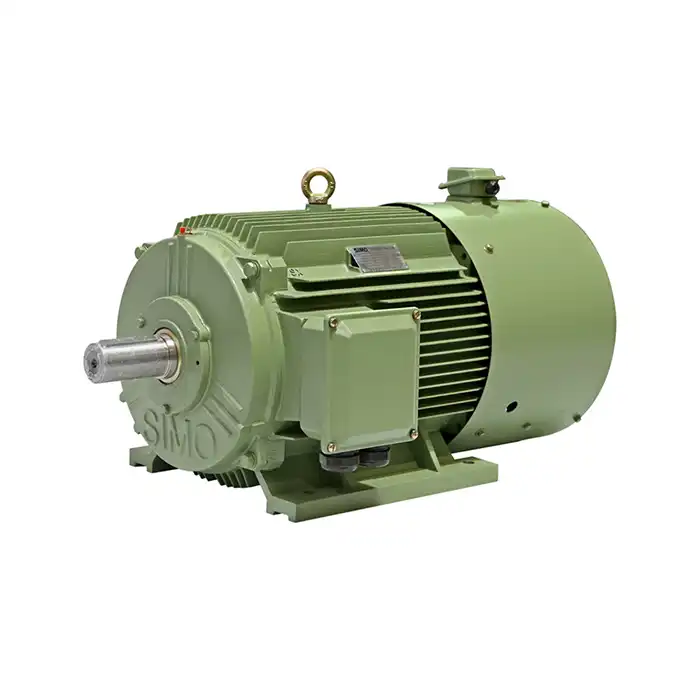
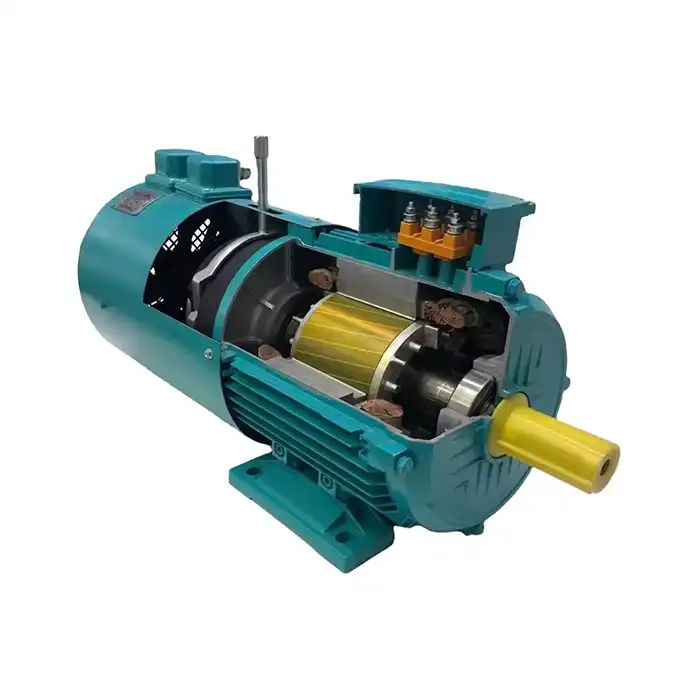
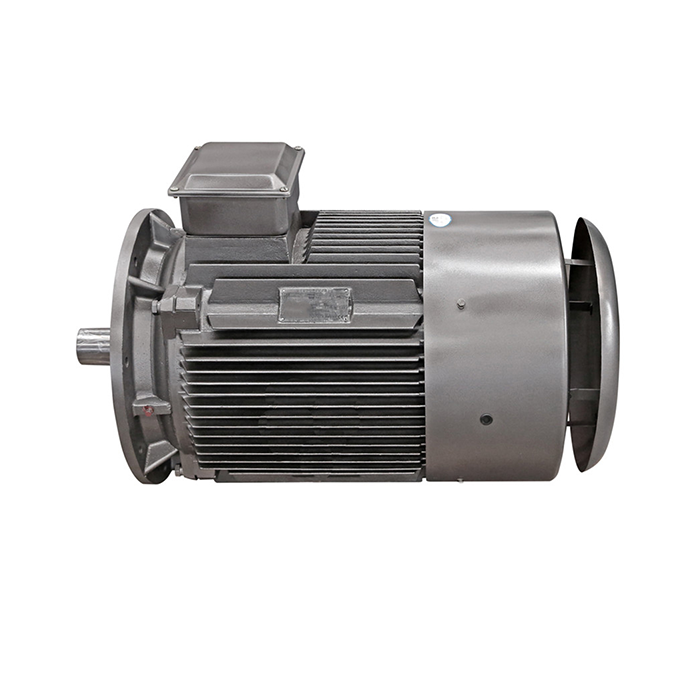
Series:Z2
Frame number: 11-112
Application:Z2 series motors are small DC motors for general industrial use and can be used in metal cutting machine tools, papermaking, dyeing and weaving, printing, cement, etc. The generator can be used as power source, lighting or other constant voltage power supply.
Power range:0.8-200kW
Voltage range: 110V,220V, etc.
Certificate: standard JB1104-68 .
Advantage:Suitable for outdoor use and strong corrosion resistance.
Others: SKF, NSK, FAG bearings can be replaced according to customer requirements.
Introduction
Many industrial facilities, including manufacturing, HVAC systems, and power generation, need consistent motor performance. The Z2 DC MOTOR has a reputation acquired over decades of dependable service in metalworking, textile production, printing operations, and cement making. Suitable for a wide variety of industrial applications, these motors are offered in power levels from 0.8kW to 200kW with voltage variations at 110V and 220V.
The health of the bearing directly affects the life of the motor and the cost of operation. As the bearings wear, friction rises, efficiency decreases, and the wear of components in the motor assembly is accelerated. We encounter procurement managers and maintenance engineers with the same challenges: how to spot bearing issues before they cause production stoppages. This document offers practical diagnostic techniques designed for Z2 DC MOTOR applications, letting you make smarter maintenance choices and maximise your equipment investment.
The stakes are high. Sudden motor failures may stop manufacturing lines, delay shipments, and increase maintenance expenses. Diagnostic knowledge turns reactive maintenance into proactive asset management, prolonging equipment life and lowering overall ownership costs.
Understanding Bearing Problems in Z2 DC Motors
Common Bearing Failure Symptoms
Bearing problems rarely appear without warning. Unusual grinding or squealing sounds often signal the earliest stages of bearing distress. As damage progresses, vibration levels increase noticeably, and motor housing temperatures rise beyond normal operating ranges. Visual inspection may reveal grease discoloration, bearing seal damage, or metal particles in lubricant samples.
Impact on Motor Performance and Efficiency
Degraded bearings impose significant operational penalties. Friction losses translate directly into wasted energy and reduced motor output. Temperature elevation stresses insulation systems, shortening their service life and increasing failure risk. Production quality suffers when motors deliver inconsistent speeds or torque output due to bearing resistance.
The ripple effects extend beyond the motor itself. Mechanical vibration transmits through mounting structures, potentially damaging connected equipment like gearboxes, couplings, and driven machinery. Addressing bearing issues promptly protects not just the motor but the entire drive system.
Why Early Detection Matters
Catching bearing deterioration early offers substantial advantages. Minor bearing wear can often be remediated through relubrication or adjustment, avoiding complete bearing replacement. Scheduled repairs cost far less than emergency breakdowns, which typically include overtime labor, expedited parts shipping, and production losses. Our experience shows that systematic bearing monitoring reduces unplanned downtime by more than 60% compared to run-to-failure approaches.
Diagnosing Causes of Z2 DC Motor Bearing Failures
Mechanical Stress and Misalignment
Shaft misalignment is one of the most harmful bearing stresses. Improper alignment of the motor and load shafts causes the bearings to see radial and axial forces for which they were not intended. Similarly, in driving applications, belt tension set too tightly causes similar difficulties. If you run the motors at loads higher than rated, the bearings will be subjected to higher loads than they are designed for and will strain and break quicker.
There are also difficulties with the foundation. Soft mounting surfaces or loose hold-down fasteners let the motor move during operation, constantly altering bearing loads and inhibiting the creation of a suitable lubrication coating.
Electrical Issues Affecting Bearing Life
If they are not aware of this failure scenario, damage to electrical bearings is sometimes a surprise to maintenance personnel. Shaft currents are created by voltage imbalances or grounding problems, resulting in electrical potential variations between bearings. These currents traverse the bearing surfaces and pit the races and create rough patches that cause mechanical wear.
Variable frequency drives give good speed control, but they may create common-mode voltages that induce shaft currents. Good grounding procedures and the use of shaft grounding devices reduce these concerns in Z2 DC MOTOR installations.
Environmental Contaminants and Corrosion
Contaminants are a common problem for motors in industrial contexts. Dust works between the bearing surfaces and acts like sandpaper. Moisture increases corrosion, which is a particular challenge in outdoor applications or in places with high humidity. Chemical vapours may damage lubricants and assault bearing materials.
The Z2 DC MOTOR is IP23 protected. This means the motor is protected against solid objects bigger than 12mm and water spray up to 60 degrees from vertical. This protection is suitable for many industrial applications. For difficult situations, additional enclosures or specific sealing may be required.
Lubrication Problems
Without lubrication, bearings lose the protective coating that prevents contact between spinning parts, resulting in metal-to-metal contact and accelerated wear. Too much lubrication, in contrast, produces excessive heat as the extra grease is churned about in the bearing cavity. Similar difficulties may also be caused by using the wrong kind of lubricant or combining incompatible greases.
Lubrication regimens should be based on the circumstances of operation. Motors that operate constantly at high speed need more regular attention than motors that operate occasionally at lower rates. The performance and consumption of lubricants are also affected by severe temperatures.
Step-by-Step Diagnostic Principles and Techniques
Visual and Physical Inspection Methods
Begin diagnostic procedures with a comprehensive visual examination. Look for grease leaking around bearing seals. This might be a sign of over-lubrication or a failed seal. Check motor housing around bearings for any discolouration that may indicate overheating. Check the tightness of the mounting bolts. Check for cracks or degradation of the foundation.
Physical inspections consist of measuring end-play and radial movement of the shaft. Excessive play indicates wear on the bearing or incorrect installation. Manually rotate the shaft with the motor de-energised, feeling for roughness, binding, or uneven resistance.
Methods of Sound Analysis
Ears develop for bearing issues by experienced experts. When they are working, healthy bearings will hum with continuous smoothness. Squealing or squeaking is a sign of lack of lubrication or rubbing against the seal. Grinding noise suggests contamination or extensive wear. Clicking or popping noises are symptoms of damage to bearing parts or race flaws.
Acoustic monitoring devices magnify bearing noises to enable more accurate analysis. They enable professionals to filter background noise and identify small changes that indicate an approaching breakdown weeks before visible symptoms appear.
Vibration Monitoring and Analysis
Vibration analysis offers objective, measurable data on bearing condition. Portable vibration meters are used to evaluate acceleration levels at bearing points, comparing data against baseline values and industry norms. Plotting these metrics over time gives you slow degradation trends.
Frequency analysis gives us more information. Different bearing flaws produce vibration frequencies that are characteristic of the bearing shape and rotational speed. Trained analysts can distinguish the different frequency signatures of outer race flaws, inner race defects, ball or roller damage, and cage difficulties.
Thermal Imaging Applications
Infrared thermography may be used to show the temperature distribution across the surface of a motor without the need to shut down the motor or make contact with it. Bearing difficulties often emerge as hot patches 10–20 degrees Celsius above normal operating temperatures. Thermal cameras sense these differences to help guide maintenance priorities and validate other diagnostics.
Thermal surveys at intervals provide a baseline for comparison. Sudden temperature spikes should be investigated immediately; however, slow trends suggest increasing bearing degradation and will need planned intervention.
Electrical Testing Procedures
Electrical faults related to bearing deterioration may be detected by looking at the motor circuit. • Winding degradation that might produce ground faults and shaft currents can be identified by insulation resistance testing. Ground continuity check verifies that the electrical lines are suitable to safely dissipate stray voltages.
Shaft voltage measurements immediately determine the danger of electrical bearing damage. Readings exceeding 300 millivolts are indicative of a possible issue needing remedial action, such as enhanced bonding or installation of a shaft grounding brush.
Case Studies: Diagnosing and Resolving Bearing Issues in Real-World Applications
Lubrication Neglect in Robotic Systems
A manufacturing plant with robotic welding stations was seeing recurrent Z2 DC MOTOR failures on its positioning drives. The investigation found that the normal service of robots did not include lubricating the motors by maintenance professionals. The bearing temperatures increased continuously until the lubricant coatings were entirely destroyed, and the bearing was rapidly destroyed.
The fix was to include motor lubrication in the robot maintenance routine and to add vibration sensors to important motors. Automated alarms notify technicians of growing issues indicated by vibration levels to avoid future failures.
Vibration-Induced Damage in Conveyor Systems
In a packing business, the drive motors in the conveyor system were experiencing continual bearing failures, despite routine maintenance. Vibration research showed a high degree of shaft misalignment between motors and gearboxes. Foundation settlement has altered equipment placements over time, resulting in angular and parallel misalignment problems.
Precision alignment processes addressed geometric connections, and bearing life increased considerably. Now the facility checks the alignment yearly to identify slight movements before they harm the bearings.
Electrical Currents in Automated Manufacturing
Electronics assembly operation for motors driving pick-and-place machines showed premature bearing failures. Electrical tests showed shaft voltages of 2 volts, much over permissible limits. Grounding system deficiencies caused common-mode voltages to find a way through bearings.
Destructive currents were avoided with the installation of shaft grounding rings and improvements in equipment grounding. The dependability of the motor was greatly increased, and bearing replacement intervals were quadrupled.
Preventive Maintenance and Troubleshooting Tips for Z2 DC Motor Bearings
Lubrication Best Practices
Proper lubrication regimens are the basis of bearing maintenance. Motors operating in clean and moderate temperature conditions often need relubrication every 2,000 to 4,000 working hours. In severe service circumstances, it could be necessary to do these services every 500 to 1,000 hours. The Z2 DC MOTOR is compatible with typical high-quality bearing greases, although certain applications might be improved by using unique formulas.
Use grease amounts based on bearing size and cavity capacity. Too much grease causes temperature increase and seal breakage, while too little grease does not give appropriate protection. Most plants utilise automated lubrication systems, which meter an exact amount of grease at a programmed interval. This eliminates human mistakes and ensures uniformity.
Routine Inspection Protocols
Develop inspection checklists for essential bearing health indicators. During the weekly walk-through inspections, any abnormal noises, odours, or visual changes should be noted. Monthly comprehensive inspections are conducted, including vibration measures, temperature checks, and visual examination of seals and housings. Quarterly inspections might include oil analysis if appropriate and comprehensive alignment checks.
Documentation proves to be crucial. Recording inspection results produces historical records that detect patterns and enable data-driven maintenance choices. Digital maintenance management systems make this paperwork a breeze and provide automated scheduling and reminder services.
Quick Troubleshooting Techniques
Those on the front lines want simple diagnostic tools to rapidly identify problems. Infrared thermometers for temperature measurement need no training and may immediately identify overheating problems. Without costly equipment, one may do sound monitoring of bearing status withpen-or-screwdriver-stethoscopee approaches.
Training technicians to recognise early symptoms of trouble so they can escalate effectively. Knowing the difference between circumstances that need immediate shutdown vs those that allow continuous operation until planned maintenance may help avoid avoidable disruptions and catastrophic failures.
Bearing Selection and Replacement Considerations
Premium bearing brands like SKF, NSK, and FAG may be used on Z2 DC MOTOR and can be selected depending on application requirements and procurement preferences. These firms provide bearings for special working situations, such as high temperatures or polluted atmospheres.
If you are changing bearings, think about whether the circumstances of use justify upgrading from standard requirements. Sealed bearings keep contaminants out in filthy conditions. Ceramic rolling elements are resistant to electrical damage. Special greases allow for longer relubrication intervals or may withstand harsh temperatures. Often, these improvements pay for themselves in longer service life and less frequent maintenance.
Conclusion
Diagnosis of condition for Z2 DC MOTOR applications offers full condition evaluation capabilities based on a combination of sensory awareness and technical testing. Early signs such as aberrant noise and vibration, root causes ranging from mechanical stress to electrical disturbances, and methodical diagnostic procedures are all critical for preventing unexpected failures. Proper diagnosis fixes bearing issues and improves asset dependability, as shown by real-world case studies.
Preventive maintenance procedures greatly enhance bearing life over reactive procedures. Routine inspections and fast remedial action when issues arise preserve your motor investment and keep your production running. The diagnostic ideas and methodologies described here allow procurement managers, maintenance engineers, and facility operators to optimise Z2 DC MOTOR performance in a wide range of industrial applications.
FAQ
1. How Often Should Bearings Be Inspected?
Inspection frequency depends on operating conditions and criticality. High-speed continuous operation in harsh environments warrants monthly detailed inspections with weekly monitoring. Less demanding applications may permit quarterly inspections. Vibration monitoring and thermal imaging enable condition-based approaches, inspecting when measurements indicate developing problems rather than fixed schedules.
2. Can Improper Wiring Affect Bearing Life?
Wiring errors rarely directly impact bearings, but grounding problems create conditions for electrical bearing damage. Poor grounds allow shaft voltages to develop, causing current flow through bearings that pits races and accelerates wear. Proper installation following manufacturer's guide accelerates these issues in Z2 DC MOTOR applications.
3. What Causes Most Premature Bearing Failures?
Lubrication problems account for approximately 40% of premature bearing failures. Contamination causes another 30%, while improper installation and handling contribute roughly 20%. The remaining 10% result from factors like electrical damage, overloading, anmanufacturingng defects. Addressing lubrication and contamination control provides the greatest reliability improvements.
Partner with XCMOTOR for Reliable Z2 DC MOTOR Solutions
XCMOTOR delivers dependable Z2 DC MOTOR supplier partnerships backed by comprehensive technical support. Our motors meet JB1104-68 standards with corrosion-resistant construction suitable for demanding industrial environments. We offer flexible bearing specifications including SKF, NSK, and FAG options tailored to your operational requirements. Our team provides expert guidance on motor selection, installation best practices, and maintenance optimization. Contact xcmotors@163.com for detailed specifications, customized quotations, and technical consultations.
References
1. Harris, T.A. and Kotzalas, M.N. (2006). Rolling Bearing Analysis: Essential Concepts of Bearing Technology. CRC Press, Boca Raton.
2. Mobley, R.K. (2002). An Introduction to Predictive Maintenance. Butterworth-Heinemann, Oxford.
3. Neale, M.J. and Associates (1993). Bearing Lubrication and Maintenance: A Practical Guide. Butterworth-Heinemann, Oxford.
4. Scheffer, C. and Girdhar, P. (2004). Practical Machinery Vibration Analysis and Predictive Maintenance. Elsevier, Amsterdam.
5. SKF Group (2018). SKF Bearing Maintenance Handbook. SKF Group Technical Publications, Gothenburg.
6. Wilkins, J.C. (1997). DC Motor Maintenance and Troubleshooting. McGraw-Hill Professional, New York.