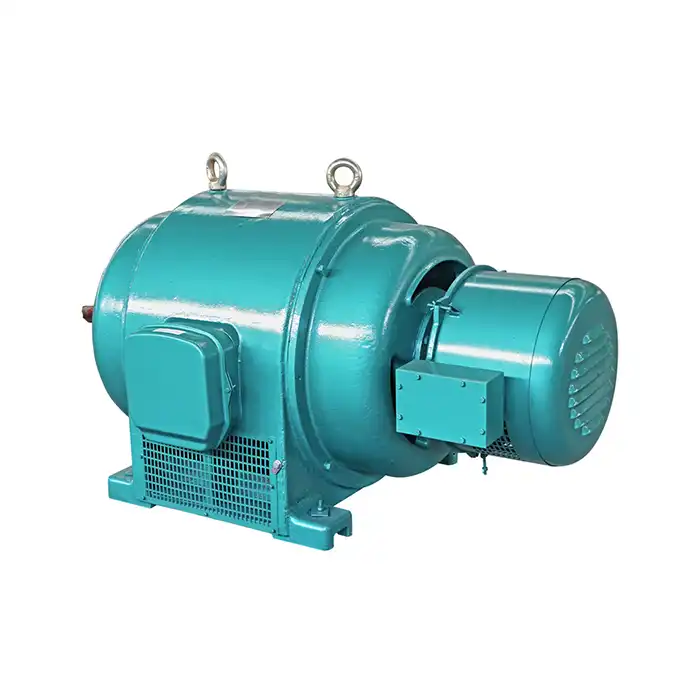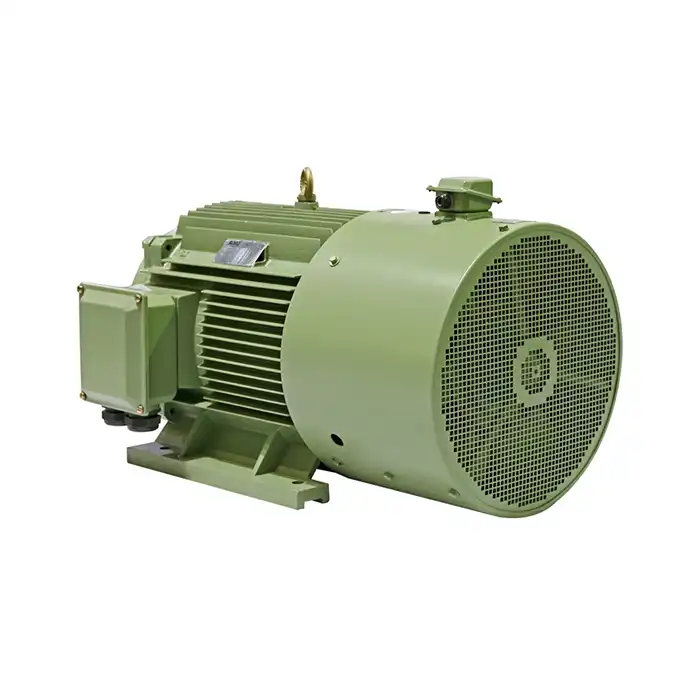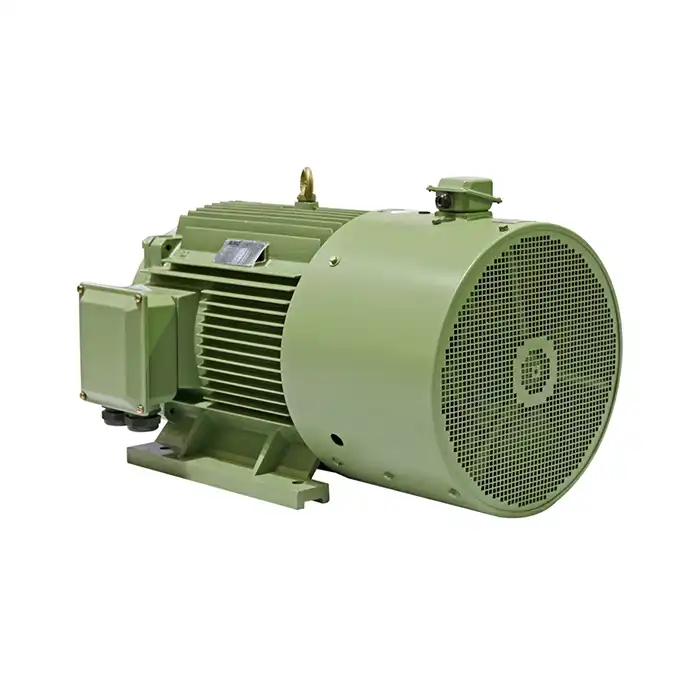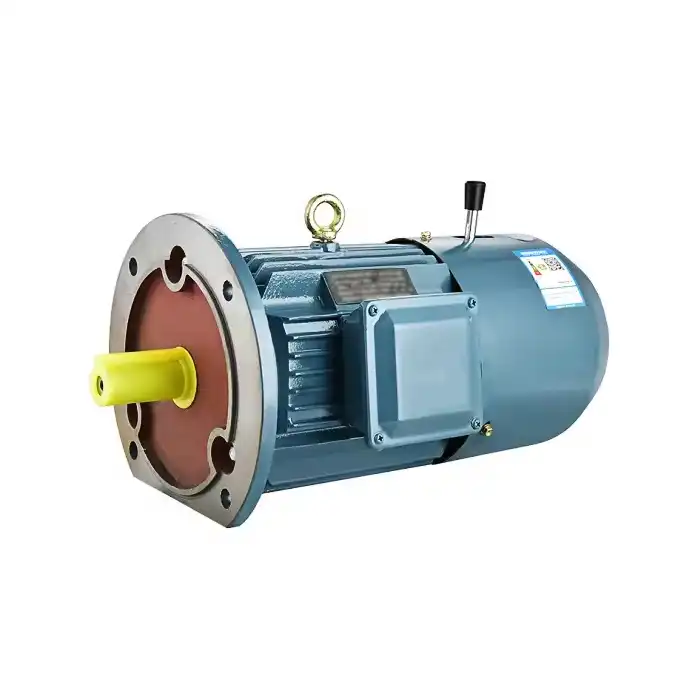




Low Voltage AC Motor Applications in Modern Industrial Systems
Low voltage AC motors are the mechanical backbone of most production facilities operating today. These motors run on voltages under 1,000V and move everything from conveyor lines to water pumps. In American manufacturing alone, electric motors account for roughly 70% of total industrial electricity consumption, according to the U.S. Department of Energy. Whether you manage a distribution warehouse, run a pump assembly operation, or supply replacement parts to factories, understanding how these motors work and where they perform best directly shapes how you source and sell them.
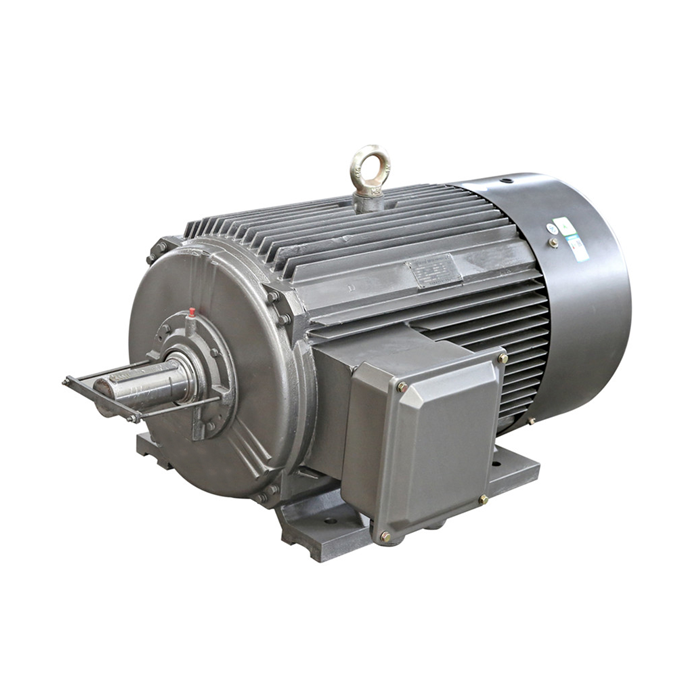
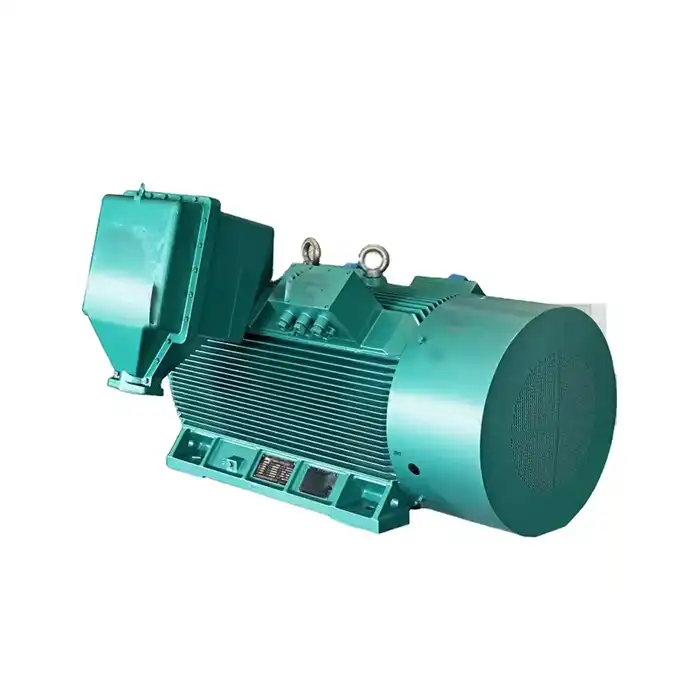
Series:YE3
Frame number: 80-450
Power range:0.75-1000kW
Protection level:IP55
Energy efficiency class: IE3
Voltage range: 380V,400V,415V,660V, etc.
Application:can be used in various fields of the national economy, such as machine tools,water pumps,fans,compressors,and can also be used in transportation, mixing, printing, agricultural machinery, food and other occasions that do not contain flammable, explosive or corrosive gases.
Certificate: international standard IEC60034-30 "Efficiency Classification of Single-speed Three-Phase Squirrel Cage Induction Motors".
Advantage:The high quality of the electric motor guarantees high operational reliability.
Others: SKF, NSK, FAG bearings can be replaced according to customer requirements.
Understanding Low Voltage AC Motors in Industrial Applications
How They Work
By using electromagnetic forces between the stator and the rotor, a low voltage AC motor can turn alternating current electrical energy into spinning mechanical force. A rotating magnetic field is made by the stator winding. This field causes current in the rotor and produces power. In squirrel cage designs, this process doesn't require any physical contact between the parts that move. This makes wear much less noticeable over time.
Motor Types You Should Know
The type that you can find the most of on the market is the three-phase squirrel cage induction motor. They cost less per kilowatt of output and need less upkeep than wound rotor motors. Because their speed is fixed and depends on the supply frequency, synchronous motors are useful in situations where the speed of rotation needs to be stable. Most wholesalers find that three-phase squirrel cage types sell the most quickly because they can be used in the most general industrial situations.
Key Components and Standards
A low voltage AC motor has copper or aluminum windings, a cast rotor, end covers, and bearings. The stator core is layered. Performance ratings and frame sizes are regulated by international standards like IEC 60034. This makes sure that motors from different manufacturers can still be used interchangeably in the field. This ability to be switched out is a big plus for sellers who carry a lot of different brands.
Key Applications of Low Voltage AC Motors in Modern Industrial Systems
Manufacturing Automation
Low voltage AC motors power CNC machines, conveyor belts, mixing machines, and packaging lines in factories. For example, the YE3 series has frame sizes 80 to 450 and power ranges from 0.75kW to 1,000kW. This makes it a good fit for both small workshop machines and big industrial lines. With voltage options like 380V, 400V, 415V, and 660V, the same motor series can be shipped to customers in China, Southeast Asia, the Middle East, and Africa without any problems with the specifications.
HVAC and Fluid Systems
A/C fans, chillers, water pumps, and air handlers all need low voltage AC motors to keep running. Because fan and pump loads run for thousands of hours a year, energy saving is very important in these situations. The YE3 model has an IE3 efficiency class grade and meets the international standard IEC60034-30 for single-speed three-phase squirrel cage induction motors. This means it fits the rules in a number of export markets.
Material Handling and Renewable Energy
Machines in factories and ports that crush, grind, lift, and move things need motors that can handle big loads all the time without needing to be serviced often. Low voltage AC motors with IP55 grades are suitable for outdoor and semi-outdoor applications because they are resistant to dust and water ingress. In renewable energy, these motors help solar tracker drives and other systems in wind power plants that need to work reliably and with little upkeep.
Comparing Low Voltage AC Motors – Choosing the Best Fit for Industrial Needs
Low Voltage vs. High Voltage AC Motors
Most AC motors with high power start at 3kV or more. They work with big compressors and heavy mill drives, but they need more complicated safety rules, switchgear, and cable insulation. Low voltage AC motors below 1,000V are simpler to wire, safer to operate, and can be connected straight to standard industrial switchboards. For most OEM and distributor users, the low voltage segment offers faster turnover because there is always a need for replacements and installation doesn't need high-voltage experts.
Single Phase vs. Three Phase
Single-phase low voltage AC motors are used for light-duty tasks in homes and small businesses, and they can handle up to 2.2kW. From 0.75kW to several hundred kilowatts, three-phase motors can handle heavy industrial loads. Three-phase models get the most orders from industrial distributors who work with pump manufacturers, fan OEMs, and gear reducer assemblers. For regular customers, it's faster to get their orders when you keep popular frame sizes in three-phase modes on hand.
Selecting Based on Application Requirements
To make sure a motor is right for the job, you need to check its voltage compatibility, power output, shaft speed, mounting setup, and safety class. When procurement professionals look at stock, these are the main things they look at:
- Power and frame size: The YE3 series has frames 80 to 450 and strengths from 0.75kW to 1,000kW, which covers most replacement needs in the field.
- Protection class: IP55 protection works in most industrial outdoor and semi-outdoor settings where dust and water are likely to come in touch with the product.
- Bearing options: SKF, NSK, and FAG bearings can be used depending on what the customer wants. This is important for end users who already have maintenance contracts with certain bearing providers.
These things have a direct effect on how long a motor lasts and how simple it is to change when it breaks. If you get these specs right when you're buying, you can avoid expensive returns and keep customers coming back.
Maintenance, Troubleshooting, and Wiring Best Practices for Low Voltage AC Motors
Routine Maintenance
A low voltage AC motor that is in good shape needs to have its winding insulation resistance, bearing state, and cooling air path cleaning checked on a regular basis. When to lubricate depends on the type of bearing, the speed of the motor, and the temperature of the room. When motors are used in dusty or humid places, the outside fins need to be cleaned more often to keep the motor's thermal performance. The best way to make something last longer than its rated hours is to follow the manufacturer's repair plan.
Common Faults and How to Identify Them
Overheating is generally caused by poor air flow, too much power, or low source voltage. Unusual shaking is often a sign of worn bearings, a misaligned shaft, or an unbalanced rotor. Using a megohmmeter to test insulation resistance makes it easy to see electrical problems like shorts in the windings or broken ground insulation. By checking for these problems on a regular basis, you can catch them early and avoid unplanned downtime.
Wiring and Safety Compliance
Normal three-phase low voltage AC motors can join in either a star or delta pattern, based on how they are started and the energy they are supplied with. Before turning on, always make sure that the nameplate voltage matches the supply voltage. Using a designated earth conductor to ground the motor frame saves people and things. To stay within the rules set by the codes, follow NEC guidelines for installations in the U.S. and IEC 60364 guidelines for installations in other countries with china speed ac motor wholesale.
Procurement Tips: How to Source the Right Low Voltage AC Motor for Your Industrial System
Evaluating Suppliers
Look for suppliers whose stock is certified, who sends proof with every shipment, and who can let you know about stock levels before you place an order. For foreign markets, you need at least IEC certification, CE marking, and IE3 efficiency class paperwork. We keep the YE3 low voltage AC motor series in stock at XCMOTOR, along with full certification packages that are ready to ship. This makes it easier for overseas dealers to clear customs.
Balancing Cost, Speed, and After-Sales Support
For every supplier partnership, here are some useful things that procurement managers with a lot of knowledge keep an eye on:
- Tiered pricing: When you buy more of the same standard frame size, you can get a deal on each one, which lowers the cost per unit and raises your profit margin.
- Small MOQ for first orders: For trial purchases, a low minimum order number lets you check the quality and packaging before committing to a bigger stock.
- After-sales process: If your shipment comes with mistakes in the specs or damage from shipping, you can get your money back or exchange it.
These things have a direct effect on how profitable your business can be in the long run. A provider who regularly takes care of these things will make your team's work easier and help your relationships with customers further down the line.
Why XCMOTOR YE3 Series Fits Distributor Needs
The YE3 series comes with standard packing that can be used to stack containers, documentation options in multiple languages, and bearing options that are popular in the field. One line of products can meet most of your repair needs. Frame sizes range from 80 to 450 and power levels from 0.75kW to 1,000kW. The IP55 grade and IE3 efficiency class meet the needs of most busy export markets for imports.
Conclusion
Low voltage AC motors move the machinery that keeps factories, water systems, HVAC installations, and material handling lines moving every day. Three things that both wholesalers and OEM assemblers can do to lower their risk are picking the right motor type, keeping it in good shape, and buying from a seller whose stock has been checked and whose paperwork is clear. The YE3 line from XCMOTOR directly meets these needs with a large power range, certifications known around the world, and adaptable bearing arrangements. The features and customer service of this product line are worth a closer look if you are adding to or updating your motor stock.
FAQ
1.What voltage range does a low voltage AC motor typically operate within?
A lot of low voltage AC motors work with less than 1,000V. Ratings like 380V, 400V, 415V, and 660V are common in industry. The YE3 series works with all of these voltages, so it can be used with power grids in the Middle East, Southeast Asia, North America, and Europe.
2.What does IP55 protection mean for a motor?
IP55 means that the motor is safe from dust and low-pressure water jets coming from any direction. This grade means that the motor can be used outside, in food processing areas, and in industry settings where it might get wet or dirty from time to time.
3.What is IE3 energy efficiency class?
IEC 60034-30 sets IE3 as the highest level of performance. At this level, motors use less energy than IE1 or IE2 rated models with the same output. This lowers running costs for end users and meets regulations in many export markets.
4.Can the bearings in the YE3 motor be changed?
Yes. The YE3 series can use SKF, NSK, or FAG bearings, depending on what the customer wants. This is helpful when the end user already has a service agreement with a certain bearing brand or supplier.
5.What is the minimum order quantity for a first purchase?
Distributors can use XCMOTOR's small trial orders to check the quality of the products and the way they are packed before making bigger orders. Get in touch with xcmotors@163.com to find out about current MOQ and price levels.
Ready to Stock the YE3 Low Voltage AC Motor? Contact XCMOTOR Today
You can get the YE3 series low voltage AC motor from XCMOTOR. It has an IE3 efficiency rating, IP55 protection, and frame sizes ranging from 80 to 450, which can handle 0.75kW to 1,000kW. We offer different levels of price, the opportunity to place a small trial order, full IEC and CE documentation, and a wide range of bearings to meet the needs of your customers. You can email our team at xcmotors@163.com or go to motorxc.com to see what we have in stock and get a quote. We are ready to help with your next order because we are a reliable low voltage AC motor provider.
References
1. U.S. Department of Energy – Improving Motor and Drive System Performance: A Sourcebook for Industry, 2014.
2. International Electrotechnical Commission – IEC 60034-30-1: Rotating Electrical Machines – Efficiency Classes of Line Operated AC Motors, 2014.
3. Waide, P. & Brunner, C.U. – Energy-Efficiency Policy Opportunities for Electric Motor-Driven Systems, International Energy Agency, 2011.
4. Chapman, S.J. – Electric Machinery Fundamentals, McGraw-Hill Education, 2011.
5. Boldea, I. & Nasar, S.A. – The Induction Machine Handbook, CRC Press, 2002.
6. IEEE Industry Applications Society – IEEE Std 112: Standard Test Procedure for Polyphase Induction Motors and Generators, IEEE, 2017.