



Key Electrical Parameters in a 3.3kV Motor Datasheet
Knowing the electrical specs on a 3.3 kV motor datasheet can help you find medium-voltage motors for commercial use. Not knowing these specs could mean the difference between a successful installation and costly operating setbacks. These specs tell you not only how well the motor works when it's under load, but also whether it will work with the power system you already have, how often it needs to be serviced, and how reliable it will be in the long run. We've worked with buying teams in the energy, process, and manufacturing industries, and we know how hard it can be to compare datasheets from different sources. This guide breaks down the most important electrical factors you need to know. This will help you make choices that are both technically sound and in line with your operational goals.
Understanding the Core Electrical Parameters in a 3.3 kV Motor Datasheet
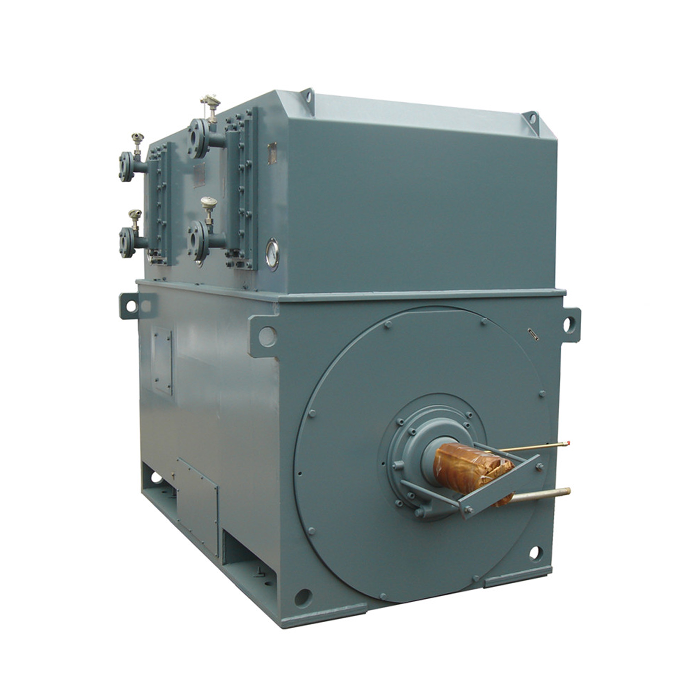
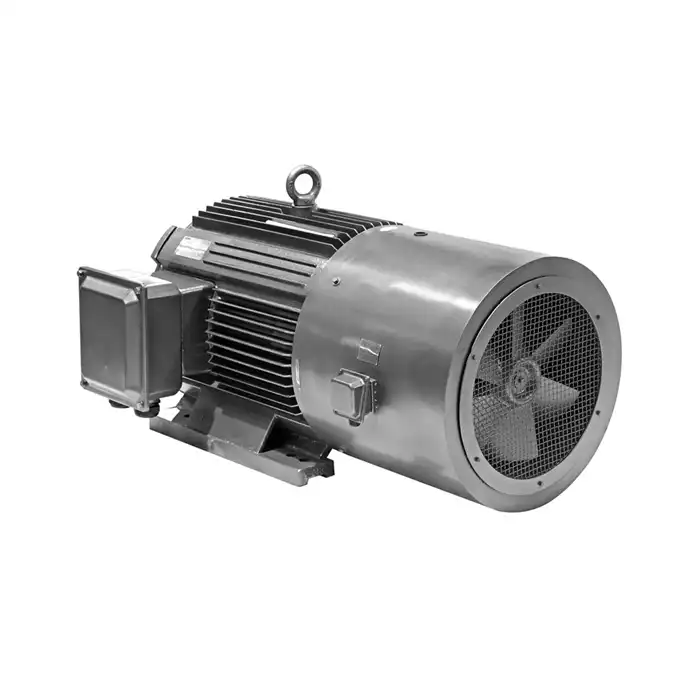
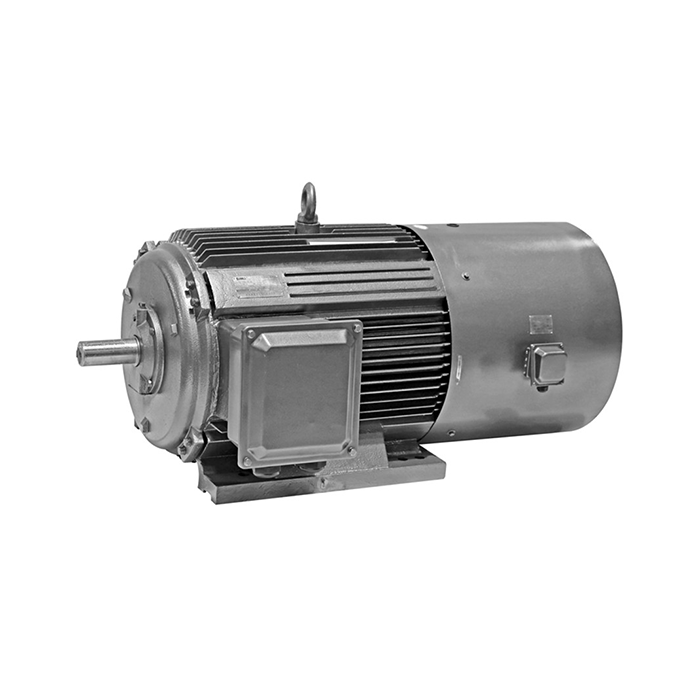
Medium-voltage motors that run on 3300 volts are necessary in places that need to give a lot of power but don't need the complexity of ultra-high voltage systems. These tools are used to power compressors, crushers, and big pumps in a wide range of industries, from cement factories to water treatment plants. The datasheet is your technical road map; it has all the details you need to decide if a certain 3.3 kV motor meets the needs of your application.
Rated Voltage and Tolerance Ranges
The normal working voltage that your motor is made to handle all the time is shown by the rated voltage specification. At XCMOTOR, our motors can work with voltages of 3000V±5%, 3300V±5%, 6000V±5%, 6600V±5%, 10000V±5%, and 11000V±5%. This adjustment range is very important because changes in the power source in an industrial setting rarely stay completely stable. If a motor is rated for 3300V with a ±5% range, it can safely work between 3135V and 3465V without losing its function or insulation. If your facility's voltage changes outside of this range, you could end up with premature insulation breakdown, motor failure due to warming, or both. By matching the motor's voltage rating to the features of your supply system, you can avoid these problems and make sure that your guarantee is still good.
Current Draw and Power Factor Considerations
Full load current is the amount of current your machine needs to run at full power. This measure has a direct effect on choosing the right circuit breakers, cable sizes, and plans for transformer capacity. Power factor tells you how well the motor turns electrical power into mechanical work. In medium-voltage induction motors, it usually ranges from 0.8 to 0.9. Lower power factors need reactive power adjustment equipment, which raises the cost of installation and makes the system more complicated. Our engineering team often sees buyers who don't think about the effects of power factor and then find out after installation that they need more capacitor banks. Knowing how much current is being used helps you figure out the correct running costs and the right size of electrical equipment from the start of the project.
Efficiency Ratings and Their Practical Implications
Motor efficiency numbers on datasheets show how much of the electrical energy that is put in is turned into useful mechanical output and how much is lost due to heat, friction, and magnetic inefficiencies. A machine that works at 95% efficiency takes in 950 kilowatts of electricity and turns it into 950 kilowatts of mechanical power. It then loses 50 kW of power as heat. Over thousands of hours a year, even small differences in efficiency add up to big changes in the cost of energy. When looking at motors that we sell between 160 kW and 1600 kW, a two-percentage-point increase in efficiency can save tens of thousands of dollars over the life of the motor. These saves usually make up for higher prices at the start, especially when the system will be used all the time, like when it pumps trash or moves air.
Insulation Class and Temperature Rise
The highest temperature that the coil insulation can handle without breaking down is shown by its insulation class. For medium-voltage motors, this is usually Class F or Class H. When the motor is running at full load, temperature rise shows how much hotter the windings get compared to the air temperature. Our motors meet the strict JB/T10444-2004 standards for thermal durability, which means that the protection systems are up to the task. The ambient working temperatures in your building have a direct effect on how long a motor lasts. For example, insulation wears out faster in motors that are placed near furnaces or in tropical areas than in climate-controlled environments. By knowing these thermal factors, you can choose the right insulation classes and use cooling techniques that will extend the life of your equipment.
Speed and Frequency Specifications
The motor's no-load rotational speed is set by its synchronous speed, which is based on its source frequency and pole setup. Common synchronous speeds at 50 Hz are 3000 RPM (2-pole), 1500 RPM (4-pole), and 1000 RPM (6-pole). Our motors can run at speeds between 500 and 3000 RPM, so they can be used in a wide range of situations. Because induction motors slip, the actual speed they run at when they are loaded is usually a little slower than the synchronous speed. The choice of speed affects the amount of power, the stress on the equipment being moved, and the noise level. For best flow features, compressors usually need higher speeds. On the other hand, crushers and conveyors work better with lower speeds that multiply power more.
How 3.3 kV Motor Electrical Parameters Affect Performance and Efficiency
Once the 3.3 kV motors are running, the connection between the specs on the document and how well they work in real life becomes clear. On paper, parameters that seemed vague have a direct effect on how much energy is used, how reliable the system is, and how often it needs to be maintained.
Operating Principles Tied to Datasheet Specifications
Medium-voltage induction motors use electromagnetic induction between the stator windings and rotor wires to turn electrical energy into mechanical motion. When electricity is given to the stator windings, it makes a magnetic field that spins. This field causes currents to flow through the rotor, which makes torque. How well this energy conversion works is based on the current flow, resistance, and reactance numbers found in datasheets. Higher-quality motors have smaller resistance losses because they use better core materials and conductors of the right size. When you look at the specs, look for design features that show attention to loss reduction, such as low winding resistance and optimised flux density.
Energy Cost Analysis Over Equipment Lifecycle
To figure out the total cost of ownership, you have to add up the price of the motor, the cost of installation, the amount of energy it uses, and the cost of repairs over its useful life. In continuous-duty applications, energy costs usually make up a lot of the original buying price. At $0.10 per kWh, a 500 kW motor that runs for 8,000 hours a year uses $400,000 worth of power every year. A three-percentage-point increase in efficiency saves $12,000 a year, quickly meeting the cost of buying more efficient tools. From what we've seen, buying teams that only look for the lowest cost of acquisition often end up locking their companies into higher lifetime costs. When smart buyers look at electrical factors, they keep the long-term costs of running in mind.
Troubleshooting Based on Parameter Deviations
By comparing the real working parameters to the specifications in the datasheet, faults can be found early, before they cause major problems. A current draw that is too high could mean that there is mechanical binding, an unbalance in the voltage, or insulating faults that are starting to form. Temperature jumps above the standard values could mean that the cooling isn't working well, the environment is too hot, or the system is breaking down inside. Power factor deterioration means that there are problems with the windings or the quality of the power supply. We suggest taking standard measures right after installation and then comparing them every three months. This cautious method finds problems before they get too bad, and fixing them is easy and doesn't cost a lot of money.
Comparative Analysis Across Voltage Ratings
There are more trade-offs than just equipment prices when choosing between 440V, 3300V, 6600V, or higher voltage systems. Low-voltage systems (440V) need much heavier wires because they need to carry more current for the same amount of power. This raises the cost of installation and raises worries about voltage drop. The 3.3 kV motor is the best mix for many industrial buildings because it has less current flow than low-voltage systems and doesn't need the special switchgear and upkeep skills that 6.6 kV and higher voltages do. Medium-voltage motors at 3300V usually work best for facilities that need between 200 kW and 1500 kW of power. They are efficient, don't require too much equipment, and are easy to set up and run.
Key Electrical Parameter Considerations for Installation and Maintenance
To successfully deploy a 3.3 kV motor, it's not enough to just choose the right specs. The performance claims made on the datasheet must also be installed correctly and maintained on a regular basis.
Installation Best Practices and Compatibility Verification
Before operating a medium-voltage motor, verify that power supply voltage and frequency match nameplate specifications and remain within tolerance under load. Ensure protection devices are correctly rated for high starting currents (up to 5–7× FLA). IP54 is standard, with IP55 available for harsher environments. Proper cable sizing is essential to limit voltage drop and thermal stress; installation guidance is provided for safe operation.
Routine Maintenance Grounded in Electrical Parameters
The same factors that are written down in the original datasheets should be tracked by preventive maintenance tools. Every three months, thermographic checks show any hot spots that are appearing in connections or windings before they cause damage to the insulation. Megohm meters are used to test the insulation resistance once a year to find signs of moisture entry or insulation breakdown. Bearing wear can be found using vibration analysis. Our motors can change bearings with SKF, NSK, or FAG depending on what the customer wants, so parts are always available, no matter where they are. Current signature analysis can find cracks in rotor bars, oddities in the air gap, and problems in the stator windings a long time before they cause unplanned downtime.
Supply Chain Management and Lead Time Planning
Standard motors typically have lead times of 8–12 weeks after order confirmation, while customized configurations such as non-standard shafts, flanges, or voltages may extend delivery to 14–16 weeks due to engineering adjustments and special parts sourcing. Common models are stocked for faster delivery. Warranty terms usually cover 12 months from arrival or installation, but exclude operation beyond rated conditions or improper use.
Selecting the Right 3.3 kV Motor: Electrical Parameter-Based Decision-Making
To match 3.3 kV motor specs to application needs, you have to look at both technical factors and operating situations that affect performance over time.
Defining Load Profiles and Environmental Factors
The right motor size and design features are based on the load factors, such as continuous torque, variable torque, or constant power. Fans and pumps usually have changing torque loads, which means that they need more power as the speed squared. No matter what speed, conveyors and breakers always need a certain amount of power. By matching motor features to load levels correctly, you can avoid over-sizing (which wastes money and energy) or under-sizing (which causes the motor to overheat and break down early). Our applications engineering team helps users find the best combinations by looking at load duty cycles, starting frequency, and peak torque needs.
Evaluating Specifications Across Suppliers
Several design choices are affected by the environment at installation places. Facilities near the coast need more than just normal paint methods to protect them from corrosion. Installations at high elevations lower the density of the air, which makes cooling less effective and calls for de-rating or better cooling measures. Explosive environments need special shelters and temperature control. If you ask, we can provide explosion-proof models for dangerous areas. Ambient temperature changes affect the choice of shielding and the amount of temperature rise that is allowed. Giving thorough information about the surroundings during the quotation process makes sure that the suggested motors will work in the real world.
Balancing Cost Considerations with Performance Metrics
When comparing suppliers, cost must be balanced with design quality and long-term performance. Motor features such as compact structure, lightweight construction, and low noise significantly reduce installation effort and total cost of ownership. Bearing selection (SKF, NSK, FAG) affects reliability and downtime. Seal design and insulation impregnation quality also influence durability, protection against contaminants, and long-term maintenance requirements.
Future Trends and Innovations in 3.3 kV Motor Electrical Specifications
As energy rules get stricter, monitoring technologies get better, and operating optimisation relies more and more on data, the industrial 3.3 kV motor environment keeps changing.
Inverter Duty Compatibility and Variable Frequency Drives
In variable torque uses, variable frequency drives let you precisely control the speed, which improves the process and saves a lot of energy. However, VFD operation causes electrical stresses that aren't present in across-the-line starting. These stresses include voltage spikes from fast switching, harmonic currents, and high bearing currents from common-mode voltages. Motors that are meant to work with a VFD need better insulation, shielded bearings or shaft grounding, and careful attention to how the cables are installed. When you tell providers you need motors for a VFD, make sure they know what kind of drive and switching speeds you need so they can build the motors with the right features.
Smart Monitoring Systems and Predictive Maintenance
Embedded sensors and digital connection make it easier to keep an eye on things like temperature, vibration, current draw, and power factor all the time. These systems find problems that are getting worse days or weeks before regular inspections, so maintenance can be done before they break. Smart tracking adds an initial cost, but it greatly cuts down on unintended downtime costs and increases the life of motors by coordinating when to do maintenance. As more factories adopt Industry 4.0 ideas, motor datasheets will likely include more than just physical factors. They will also describe how the motors can connect to other devices and how they can integrate data.
Regulatory Influences on Efficiency Standards
Global energy laws keep raising the minimum efficiency standards for motors used in factories. As rules get stricter, motors that only meet the bare minimum of current requirements will no longer work because the U.S. Department of Energy and other foreign groups are always changing the efficiency standards. Forward-thinking buying teams choose motors that are stronger than the current minimums. This makes sure that the equipment stays legal and competitive for the whole time it's being used. Instead of just meeting regulatory minimums, our design mindset focuses on optimising efficiency, which protects customer investments against changes in regulations.
Strategic Procurement in an Evolving Landscape
Procurement methods that work well balance short-term goals with long-term trends. When it makes sense, standardising on medium-voltage systems gives facilities the freedom to grow as needed. Building connections with providers who offer both standard and custom solutions gives you choices when you need them. Understanding electrical factors well enough to clearly state requirements, rather than just taking vendor offers, makes sure that equipment really meets the needs of the application. We encourage our customers to involve our engineering team early on in the planning stages of a project. This way, we can talk about specifications and make plans better before promises are made official.
Conclusion
To read medium-voltage motor datasheets and find your way around the electrical parameters of a 3.3 kV motor, you need to know how the specifications affect operating performance, prices, and reliability. Voltage rates, current traits, efficiency values, insulation classes, and thermal factors all have an effect on the choice of motor and the prices over its lifetime. For buying to go well, technical needs must be weighed against long-term working goals, environmental conditions, and load characteristics. As rules get stricter and energy costs go up, it becomes more important to make decisions based on a full understanding of the datasheet. We hope this guide gives you the information you need to easily look at specs and choose motors that will work well and save you money for a long time.
FAQ
1.What are the most critical parameters to evaluate in a 3.3 kV motor datasheet?
The main specs that affect compatibility, performance, and prices are the rated voltage and tolerance, full load current, power factor, efficiency percentage, insulator class, temperature rise, and speed. Before you buy, make sure that these factors match the features of the power source you want to buy and the needs of your application.
2.Why choose 3300V instead of 440V or 6600V systems?
When compared to low-voltage options, the 3.3 kV motor voltage level lowers the flow of current. This lets lines be smaller and cuts electrical losses. When compared to 6600V systems, 3300V medium-voltage equipment needs less specialised repair knowledge and cheaper switchgear, but it still works very well for power ranges of 160–1600 kW.
3.How does understanding electrical specifications reduce maintenance costs?
Comparing the real working parameters to the ones listed in the datasheet helps find problems early on. For example, an unusually high current draw, a rise in temperature, or a change in the power factor can all be signs of problems that need to be fixed before they become catastrophic. Fixing problems quickly and effectively saves a lot of money on repair costs and longer downtime costs.
Partner with XCMOTOR for Your Medium-Voltage Motor Requirements
Selecting the optimal 3.3 kV motor for your industrial application demands more than reviewing specifications—it requires partnering with a supplier who knows your operating difficulties and long-term goals. We at Shaanxi Qihe Xicheng Electromechanical Equipment Co., Ltd. offer a wide range of power equipment options and have professional knowledge in the process, manufacturing, energy, and HVAC industries. Because of their small size, low weight, low noise level, low vibration, long service life, and easy upkeep, our motors have benefits that directly lead to lower running costs and higher reliability. Whether you need a single motor or want to buy a lot of them to expand your facility, our team can help you choose the right specifications, explore your customisation options, and plan your integration. We can help with both standard setups and custom solutions that are made to fit specific bearing preferences, levels of safety, and environmental needs. We take the danger out of buying things by offering fast delivery, dedicated help seven days a week, and a 30-day return policy. Contact our team at xcmotors@163.com or visit motorxc.com to discuss your requirements with experienced engineers who can recommend the ideal solution for your needs.
References
1. Chapman, S. (2012). Electric Machinery Fundamentals. McGraw-Hill Education, New York.
2. IEEE Standards Association (2018). IEEE Standard Test Procedure for Polyphase Induction Motors and Generators. Institute of Electrical and Electronics Engineers, Piscataway, NJ.
3. Bonnett, A.H. and Soukup, G.C. (1992). "Cause and Analysis of Stator and Rotor Failures in Three-Phase Squirrel-Cage Induction Motors." IEEE Transactions on Industry Applications, Vol. 28, No. 4.
4. National Electrical Manufacturers Association (2016). NEMA Standards Publication MG 1-2016: Motors and Generators. National Electrical Manufacturers Association, Rosslyn, VA.
5. De Almeida, A.T., Ferreira, F.J., and Fong, J.A. (2011). "Standards for Efficiency of Electric Motors." IEEE Industry Applications Magazine, Vol. 17, No. 1.
6. Nailen, R.L. (2004). "Understanding Motor Nameplate Information." IEEE Industry Applications Magazine, Vol. 10, No. 3.