



Energy-Saving Tips for Industrial Systems Using 200hp DC Motors
Cutting down on the energy used in business processes has a direct effect on your bottom line. When you're running systems with a 200hp DC motor, you need to know how to be more efficient to keep costs down and stay ahead of the competition. These motors run important machines in steel mills, industrial plants, paper mills, and process automation systems. Smart energy management doesn't mean completely rebuilding the system. Instead, focused changes in motor selection, operation, and maintenance can save money, make equipment last longer, and make it more reliable.
Understanding Energy Consumption in 200hp DC Motors
Key Specifications That Influence Energy Use
The amount of power that DC motors use depends a lot on how they were designed and how they are used. The 200hp DC motor usually works with voltages between 160V and 440V, but there are choices that can be changed to fit the needs of the infrastructure. Motors that meet GB/T755 national standards and VDE0530 specs show reliable performance benchmarks that help figure out how much energy they will use. Knowing the estimated load efficiency, which can reach up to 95% in well-designed units, helps with figuring out running costs and finding ways to make things better.
Choosing the right motor type has a big impact on how much energy the machine uses over its entire life. Traditional commutation systems for brushed motors need to be maintained on a regular basis, but they have simple control systems that work well in many industrial settings. Today's more advanced designs have low moment of inertia and good dynamic performance. This means that systems can handle fast changes in load without wasting too much energy. In process control settings, these traits are especially useful because they allow speed regulation and fast torque change to keep product quality high while reducing the need for extra power.
Common Energy-Wasting Issues to Address
One of the most common problems with performance in industrial motor setups is that they get too hot. Electrical resistance goes up and efficiency goes down significantly when cooling systems don't keep working temperatures at their best. Good motors have forced ventilation systems that help keep the temperature fixed, but things like ambient temperatures that aren't in the normal range of -15°C to +40°C make things more difficult. Insulation class F (155°C) protection gives you temperature reserves, but using it near these limits for a long time speeds up wear and tear and uses more energy.
When motors aren't the right size, they are inefficient for a long time. Motors that are too big work below their maximum load points, where their efficiency naturally drops. On the other hand, motors that are too small have a hard time under constant overload conditions that cause too much heat and premature wear. These mistakes can be avoided by doing a correct load analysis during the design step. In places with changing loads, like rolling mills, metal cutting tools, and plastic moulding machines, motors need to be able to keep working efficiently at all speeds, not just at their stated capacity.
Unpredictable changes in load make energy management even more difficult. Systems that start up and stop a lot or change speeds quickly work better with motors that have low inertia and fast control. Compatibility with static rectifier power supplies lets you precisely handle electrical inputs, which cuts down on energy waste during transient situations. When purchasing managers ask for equipment for tasks like writing on textiles, mixing cement, or making paper, making sure that the motor's dynamic response capabilities match the needs of the application stops extra energy use during normal production cycles.
Proven Energy-Saving Techniques for 200hp DC Motor Systems
Proper Motor Selection and Accurate Sizing
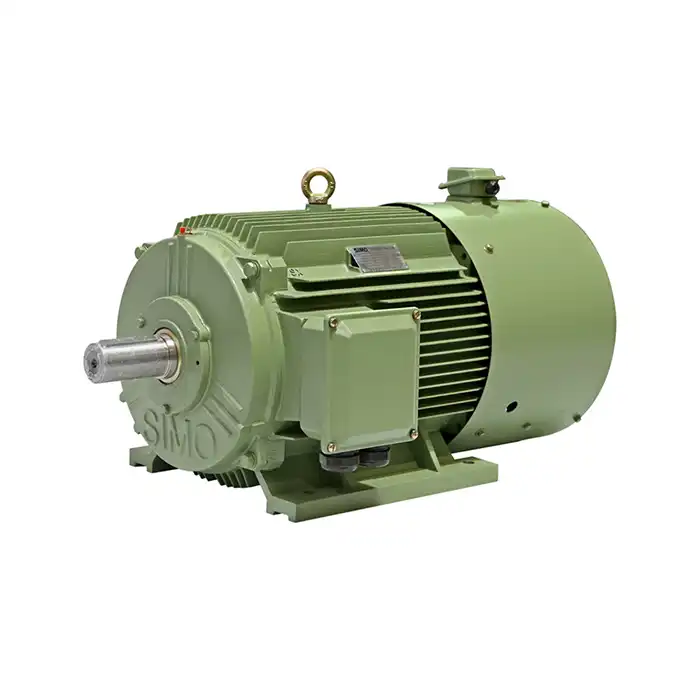
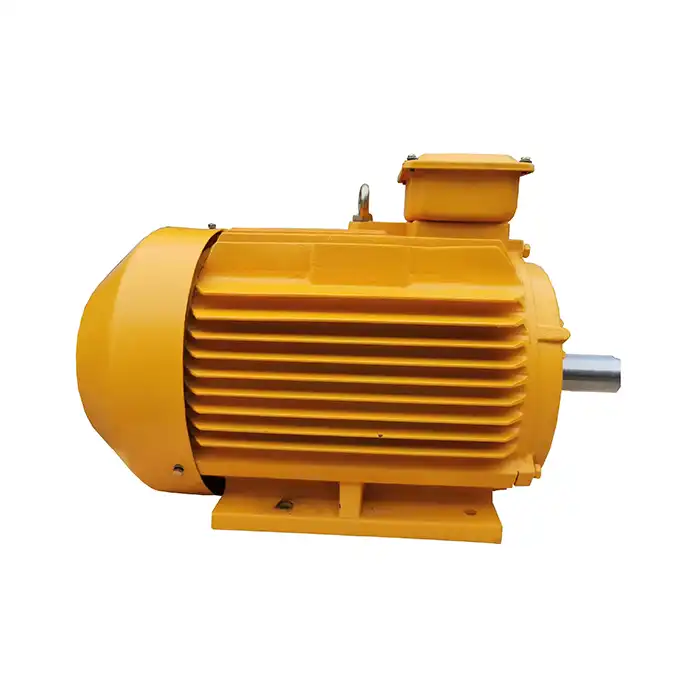
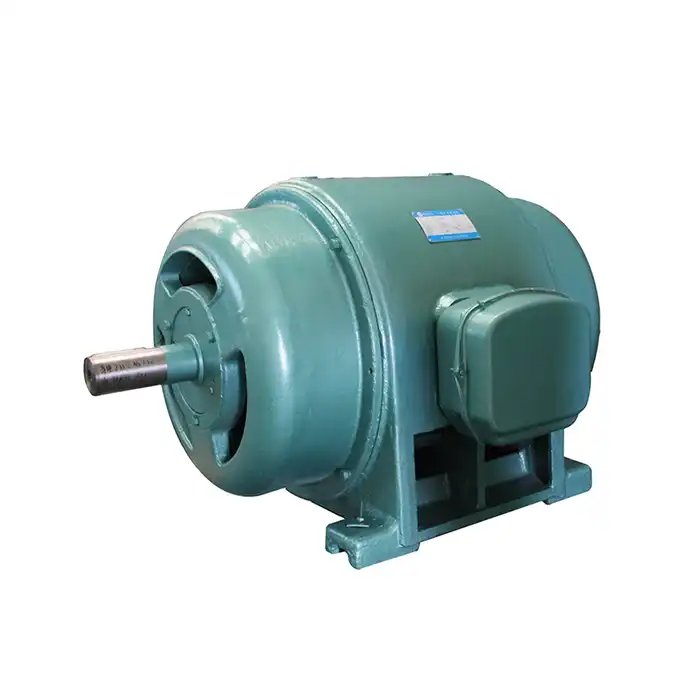
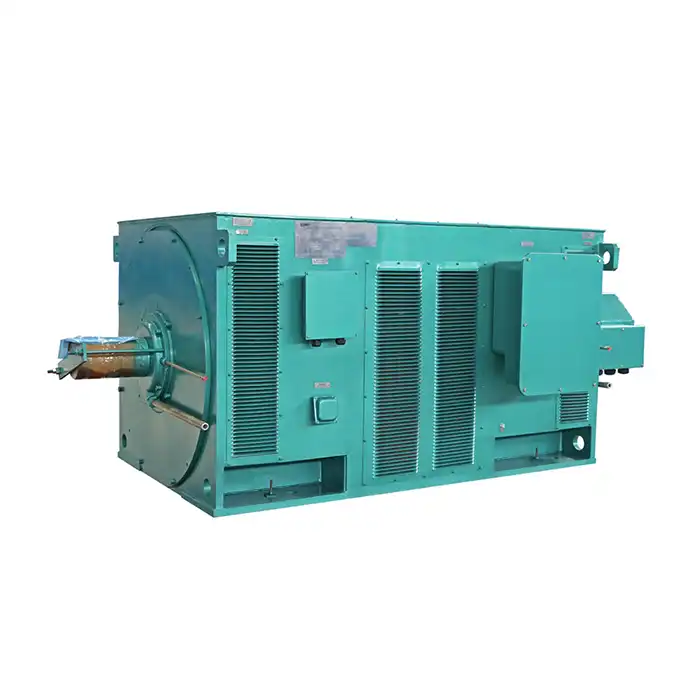
Before you can choose the right motor, you need to carefully look at the technical needs, job cycles, and environmental factors. The Frame model 100-450 series is versatile and can be used for a wide range of tasks, from rolling metal to colouring and weaving. Power range choices from 1.5kW to 600kW allow exact matching to application needs without the efficiency losses that come with being too specific. For applications requiring higher output, a 200hp DC motor can provide strong torque performance and reliable speed control, making it suitable for demanding industrial operations. During the planning phase, figuring out the real torque needs and speed ranges makes sure that the chosen equipment works within its most efficient performance limit.
In addition to basic power matching, you should also think about how the process works and how that affects how much energy it uses. Smooth speed regulation and automatic speed stabilisation in motors cut down on the energy waste that comes from control systems that overcorrect and hunt. Systems with a lot of starting torque can easily handle inertial loads without having to draw a lot of current for long amounts of time. A power factor of 0.85 (lagging) in well-designed units keeps reactive power losses to a minimum. These are losses of power that don't do any useful mechanical work but still use up electricity and heat the system.
Advanced Control Technologies
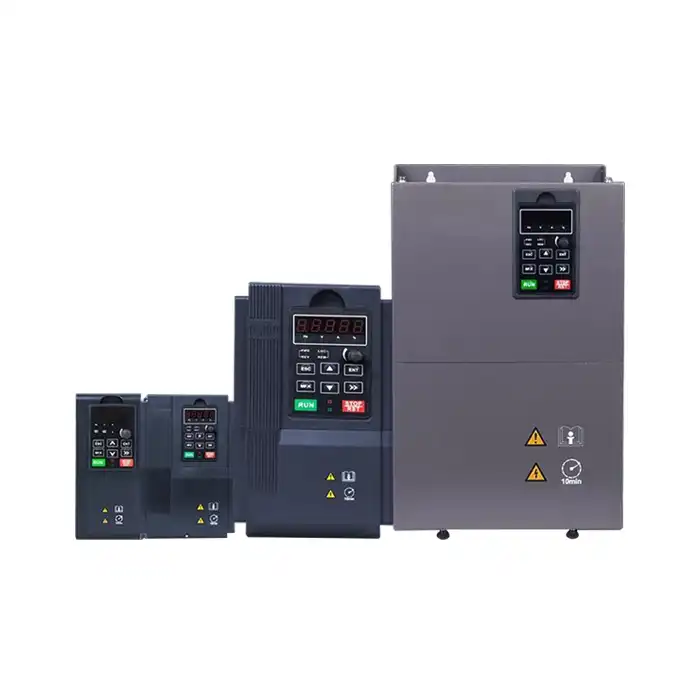
Adding a variable speed drive to a fixed-speed motor turns it into a fluid, efficient system that can change based on the needs of the process. Digital controls let you precisely change the speed of an electric motor so that it matches the load needs at any given time instead of running at full capacity all the time. This technology is especially useful in places where process needs change during work shifts, like ventilation systems, pumping operations, and elevators. In uses with changeable torque, speed optimisation alone can often save 20 to 40 percent of the energy used.
Control systems are more complex than just changing the speed; they also track and improve performance in a wide range of ways. These days, controls keep an eye on things like current draw, temperature, speed accuracy, and power delivery. This information helps workers find ways of working that aren't working well and change the way things are done to fix the problem. When paired with motors that have good dynamic performance and low inertia, these control systems make adjustments that keep the quality of the process high while using the least amount of energy possible during changes in load and shifts.
Optimizing Cooling and Ventilation Systems
Thermal control has a direct effect on how well electricity works and how long parts last. Regular maintenance is needed on forced ventilation systems to make sure that air flows properly through motor housings and internal parts. When cooling paths get blocked or ventilation fans stop working, running temperatures rise quickly. This lowers efficiency and speeds up the breakdown of insulation. Protection class IP23 standards provide basic environmental protection, but operations in especially tough settings can benefit from better sealing that keeps out contaminants while still allowing enough heat to flow.
As part of complete energy management plans, the factors around motor installations should be taken into account. Keeping motors in cooler parts of buildings, making sure there is enough space for movement, and adding extra ventilation where needed all help keep working temperatures at the right level. Some businesses are able to save real money by organising processes that use a lot of energy for cooler times of the day or season, when the environment naturally lowers the need for cooling. These improvements to the surroundings work with the motor's design features to keep it running efficiently for long periods of time.
Maintenance Best Practices to Maximize Energy Efficiency
Scheduled Preventive Maintenance Programs
Small problems don't turn into big problems with efficiency and expensive fails when they are checked on a regular basis. Visual checks every three months find clear problems like broken insulation, loose connections, or things blocking the cooling system. Every six months, a thorough checkup should be done that includes lubricating the bearings, checking the brushes and replacing any that need it, and making sure that the electrical connections are tight. Professional thermal imaging, vibration analysis, and insulation resistance tests are used in annual thorough reviews to find problems before they affect operations.
Managing lubrication has a big effect on how much friction is lost and how well the system works generally. To keep mechanical resistance as low as possible, premium bearings from companies like SKF, NSK, or FAG need to be oiled properly and at the right times. Too much oil can cause problems because it raises spinning losses and could contaminate other parts of the motor. The best conditions are kept up by following the manufacturer's instructions for the type of oil to use, the amount to use, and how often to use it. By keeping records of maintenance tasks over time, you can figure out what services will be needed in the future and show that your maintenance costs are worth it by increasing efficiency.
Component Upgrades and Replacements
Strategic replacement of parts increases the service life of motors while keeping them operating at peak performance. For a 200hp DC motor, brush-type motors require regular commutator resurfacing and brush replacement because these components gradually wear out and can affect electrical efficiency. If maintenance is delayed until the brushes are completely worn, the commutator may become damaged, resulting in more extensive and costly repairs. Replacing worn components before they reach approximately 75% wear can help prevent this chain effect. Similarly, replacing bearings before failure protects the shaft, maintains proper rotor alignment, and supports stable magnetic performance while reducing vibration.
Thermal cycles, mechanical vibration, and oxidation can gradually weaken electrical connections over time. Regular inspection and cleaning of terminal connections, internal wire junctions, and grounding points can prevent high-resistance conditions that increase heat generation and energy loss. Using thermal imaging during operation can also identify developing hot spots that may indicate connection problems requiring immediate attention. For a 200hp DC motor, these preventive repair measures provide long-term efficiency improvements and reduced downtime, making the maintenance investment worthwhile.
Comprehensive repair programs have proven valuable through real-world applications. After implementing structured preventive maintenance routines, an automotive manufacturing plant achieved a 12% reduction in energy consumption across its DC motor systems. The program focused on temperature control, scheduled lubrication, and detailed monitoring of vibration changes. The maintenance costs were recovered within 18 months through energy savings alone. Additional benefits, including fewer unexpected repairs and extended equipment lifespan, further demonstrate the importance of proper motor maintenance strategies.
Evaluating Motor Solutions for Energy Efficiency
Performance Versus Price Analysis
Prices for high-efficiency motor designs are usually higher than prices for normal designs. The total cost of ownership, not just the original buy price, is what procurement professionals need to look at. At full load, a motor that is 95% efficient uses about 10–15 percent less energy each year than one that is only 85% efficient. For equipment that is used 6,000 hours a year, these differences mean big operational savings that, based on local energy rates, quickly cover the higher costs of purchase.
In order to figure out payback periods, you need to have exact estimates of the actual working hours, normal load percentages, and real-world differences in efficiency. When it comes to efficiency, equipment that is used all the time in important processes is worth more investment than backup systems that are only used sometimes. Quality motors are built to last with high-quality materials and strong construction. They save you money on energy costs directly and also have longer service lives and require less upkeep. All of these things support standards that put efficiency first, even when limited funds make it tempting to give in.
Customization Options for Specific Applications
Standard motors work well for many uses, but customisation options make them work even better for specific needs. Voltage range changes work with the electrical system of a certain building without the need for extra transformation equipment. Customising the speed range makes sure that motors work in the most efficient ranges during normal production processes. Upgrading the insulation class increases the thermal margins for use in places with high ambient temperatures or where job cycles include a lot of high-load times.
Bearing specs are another area where customisation can affect how well something works and how much it costs to maintain over time. When compared to standard parts, premium bearings from well-known makers offer longer lubrication times and lower friction losses. When normal IP23 protection isn't enough in settings like dusty, wet, or corrosive ones, protection class improvements are helpful. These customisations add a small amount to the cost of purchase, but they keep efficiency high and avoid maintenance problems over the years of service.
Future Trends and Innovations in Energy Saving for DC Motor Applications
Technological Advancements on the Horizon
Brushless motor designs keep getting better, which means they can be even more efficient because they don't have to deal with mechanical communication losses and need less upkeep. Improvements in power electronics make it possible for more complex control methods that use the least amount of energy over a wider range of working conditions. Using new materials in motor building cuts down on weight while improving thermal management, which keeps the motor running efficiently in tough circumstances.
Another new development in motor efficiency management is the ability to monitor and diagnose problems. IoT-enabled sensors constantly check operational factors for small changes that could mean problems are starting to appear or that working conditions are not ideal. Predictive maintenance programs look at this information to plan repairs before they happen. This stops unexpected downtime and the wasted energy that comes with poor performance. With these technologies, maintenance moves from being reactive or based on time to being based on conditions, which is better for both stability and economy.
Regulatory and Sustainability Considerations
Standards for energy economy are getting stricter in all developed markets, but especially in North America and Europe. These rules set base levels of efficiency for new equipment and have a bigger impact on choices about how to improve older installations. Compliance requirements push makers to come up with new designs that meet new standards while still being reliable and affordable. Companies that want to be more environmentally friendly can meet their goals by choosing motors that use less energy. This helps them make business plans that meet the needs of both financial and environmental stakeholders.
Environmental factors include more than just practical efficiency. They also include the way things are made, the materials that are used, and how they will be thrown away when they are no longer useful. Motors that are made to meet the requirements for CE and CCC approval show that the company is committed to high quality and safety standards that include environmental concerns. As sustainability standards continue to grow across supply lines and customer needs, companies that build relationships with manufacturers that show these values will be in a good situation.
Conclusion
To make industrial systems driven by 200hp DC motors more energy efficient, smart initial specs, operational optimisation, and careful repair must all be used together. The methods described here save money and make different kinds of applications more reliable. The efficiency losses that come with oversizing can be avoided by choosing the right motor for the job. Modern control methods adjust the output of the motor to meet changing process needs, so there is no waste from running at full capacity all the time. Systematic care keeps designs working well for longer periods of time. When procurement workers and plant managers understand these concepts, they can make specifications that meet both short-term operating needs and long-term cost management goals.
FAQ
1.What factors most significantly impact energy consumption in DC motors?
Energy utilisation depends on motor efficiency, load matching precision, and temperature control. Motors that are 95% efficient convert electrical input into mechanical output more effectively than 85% efficient ones. This implies less electricity is required for the same job. Motor efficiency is optimal when loaded between 75 and 100% of their capacity. Managing temperature by providing enough cooling preserves electrical properties and prevents efficiency loss. Consider these factors throughout design and operation to conserve the maximum energy.
2.How does proper maintenance reduce energy costs?
Because it maintains the motor's functioning throughout its life, maintenance affects efficiency. Lubrication reduces friction losses, which squander electrical energy as heat. Clean electrical wires reduce resistance, increasing current flow and reducing heat. Bearing condition influences machine performance and system shaking. Properly maintained motors consume 5–10% less energy, according to studies. Avoiding downtime and increasing equipment life saves more money. Systematic maintenance procedures save energy and improve reliability, paying for itself in two years.
3.Can older DC motors be retrofitted for better efficiency?
Motor state and application needs determine retrofitting opportunities. Variable speed drives in control systems usually yield the greatest economy gains without replacing motors. Upgrades to cooling systems, bearings, and electrical linkages provide tiny but visible gains. Current materials and methods can restore or improve the efficiency of physically sound motors after complete rewinding. To make a business case for upgrading instead of replacing, consider its efficiency, lifespan, and potential improvements. Operations that use many similar motors can benefit from test projects that show real savings before scaling up.
Partner With XCMOTOR for Energy-Efficient Motor Solutions
Shaanxi Qihe Xicheng Electromechanical Equipment Co., Ltd. (XCMOTOR) is an expert in providing power equipment options that are designed to save energy in factories. Our 200hp DC motor line-up blends tried-and-true technology with new energy-saving features, giving you a wide range of choices for manufacturing, process control, HVAC, and other specialised industrial uses. As a supplier with a lot of experience in the North American market, we know how hard it is for plant managers and engineers to find solid, low-cost motor options.
Our Frame 100-450 series motors are up to 95% efficient at full load and have great dynamic performance even when the working conditions change. These units can work with a variety of power supply setups, such as DC unit power and static rectifier sources, making them adaptable to a wide range of building systems. We offer full customisation, from choosing the right voltage to choosing the right bearings, so that the tools we give exactly meets your needs. Get in touch with our team at xcmotors@163.com to talk about your unique needs and get full technical specs. We offer dedicated help seven days a week, fast delivery, and 30-day return choices that cut down on procurement risk and speed up project timelines.
References
1. Chapman, Stephen J. Electric Machinery Fundamentals. McGraw-Hill Education, 2012.
2. Wildi, Theodore. Electrical Machines, Drives, and Power Systems. Pearson, 2006.
3. Nasar, Syed A. Handbook of Electric Machines. CRC Press, 1997.
4. Hughes, Austin and Bill Drury. Electric Motors and Drives: Fundamentals, Types and Applications. Newnes, 2013.
5. Boldea, Ion and Syed A. Nasar. Electric Drives: Design Methodology and Application Issues. CRC Press, 2017.
6. Andreas, John C. Energy-Efficient Electric Motors: Selection and Application. Marcel Dekker, 1992.