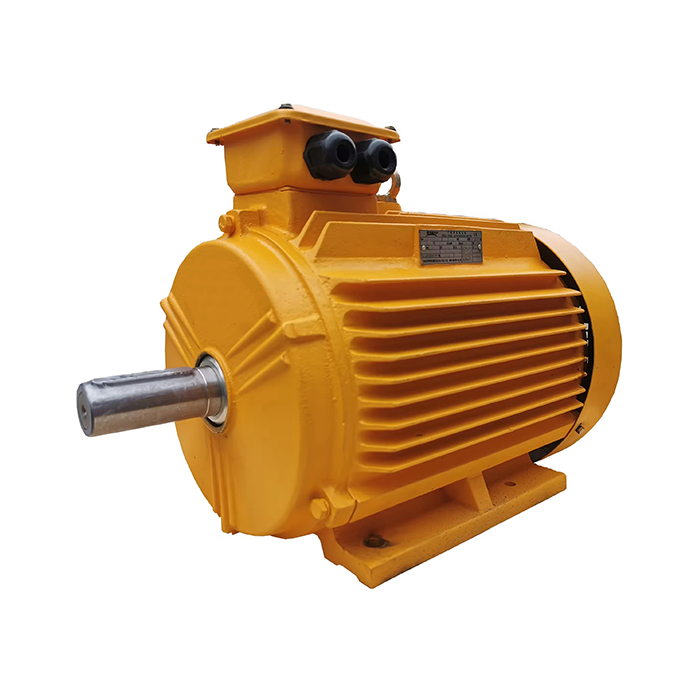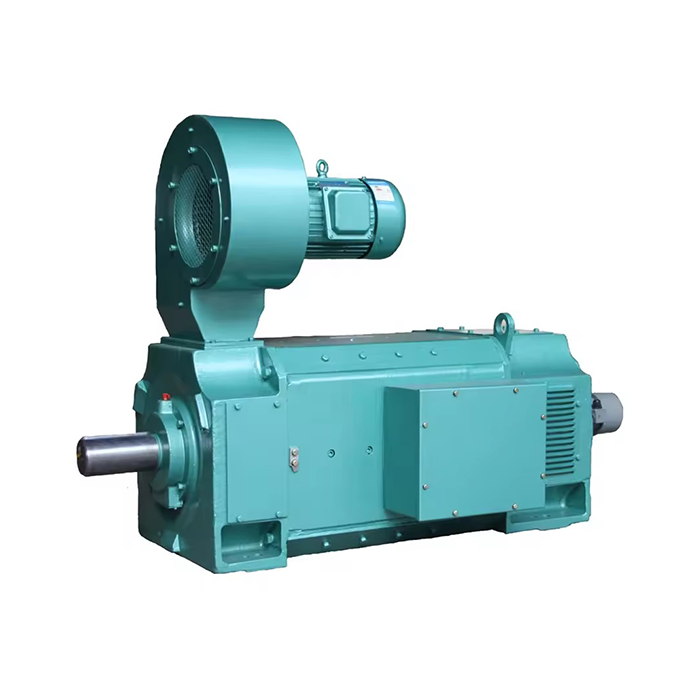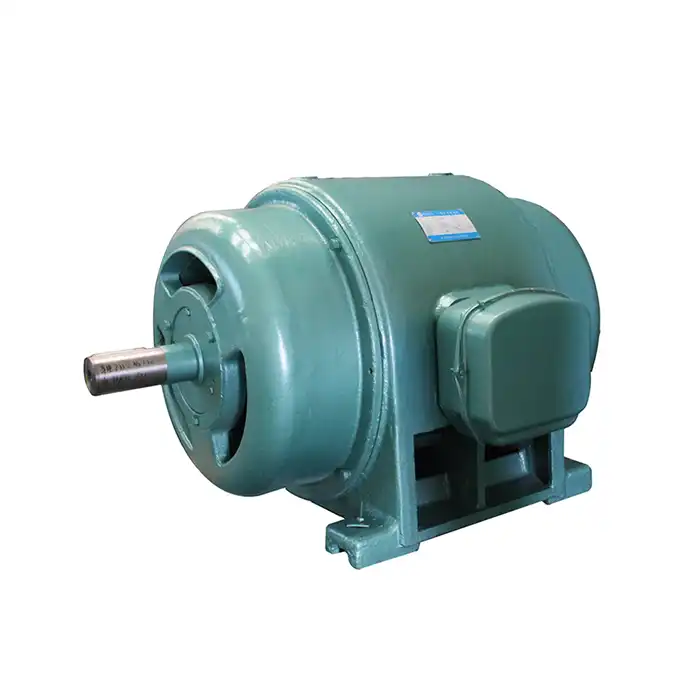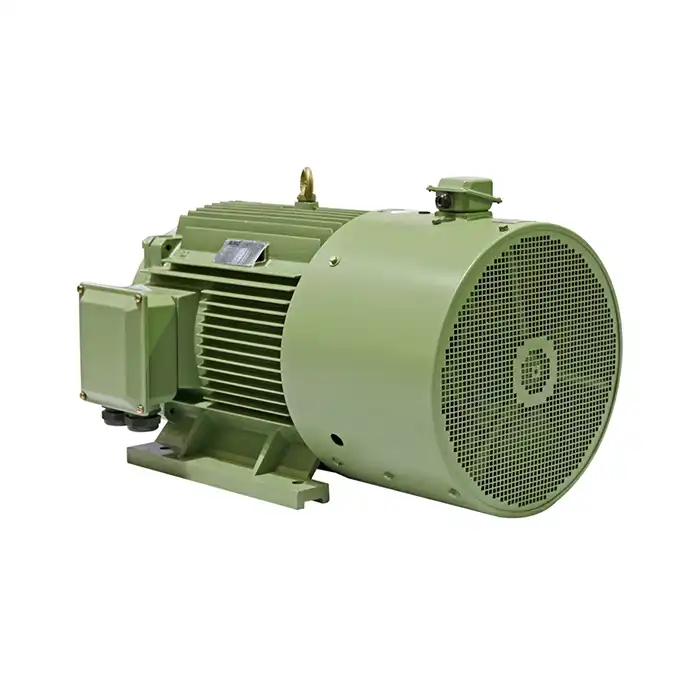




How to Improve Performance with an Efficient Ball Mill Motor
To get better performance from an efficient ball mill motor, you must first know what your working needs are and then match them with the right motor specs. For grinding tasks, it's important to choose motors with the right power levels, torque features, and voltage compatibility. Modern motors made for ball mills have a lot of starting torque, usually between 220% and 280% of their maximum torque. This makes sure that the mill starts up smoothly even when it's loaded with a lot of stuff. When properly sized and kept, these motors can cut energy use by 15–30% while increasing throughput and reducing unexpected downtime. This can have a direct effect on your bottom line in industries like mining, cement production, and chemical processing.
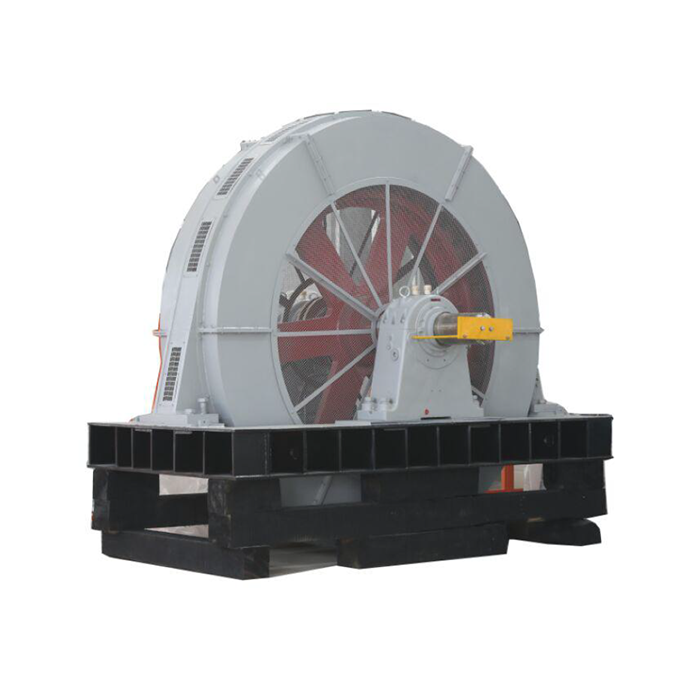
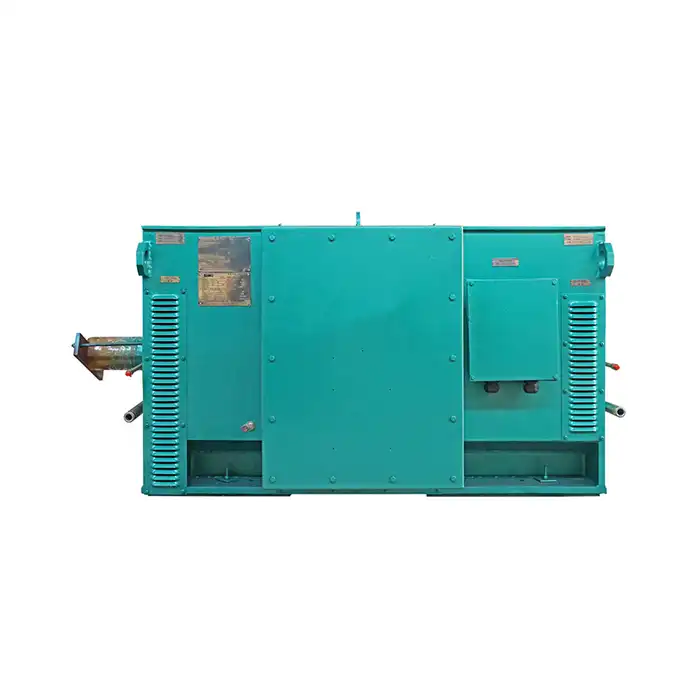
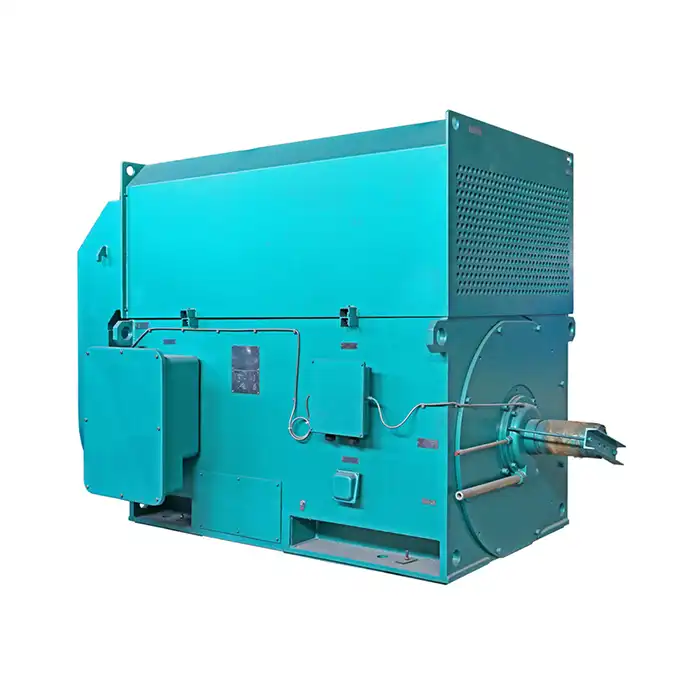
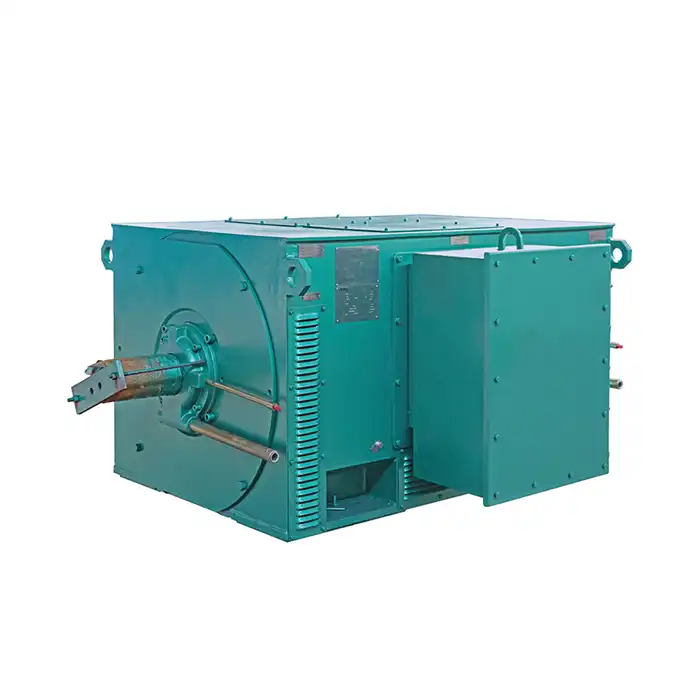
Series:TDMK
Voltage range:3000V±5%,3300V±5%,6000V±5%,6600V±5%,10000V±5%,
Power range:400-2000 kW
Application:Mining, cement.
Advantage:large starting torque.
Others: SKF, NSK, FAG bearings can be replaced according to customer requirements.
Understanding Ball Mill Motor Basics and Performance Factors
Learning the basics of ball mill motors and how they work is important.
The Role of Motors in Grinding Operations
Ball mills are important pieces of equipment in the material handling industry, and the motor that drives them decides how well the whole system works. A ball mill is made up of a spinning cylinder shell that is partly filled with steel, ceramic, or rubber balls that grind things up by hitting them and wearing them down. For grinding to work, the machine needs to have a steady rotational force to keep the cascading action going. If the motor doesn't work right, the mills' particle sizes won't be constant, their output will drop, and their energy costs will go up over time.
Motor Types and Their Applications
For different tasks, different motor setups are best. Heavy-duty uses in the mining and cement industries are mostly done by AC synchronous motors because they are built to last and can keep their speed even when the load changes. These three-phase salient-pole versions have open ventilation for cooling and IP20 grades that make them ideal for use in industrial settings. DC motors aren't used as much in current setups, but they're better for controlling speed in certain situations where different processing rates are needed. Whether to use geared or gearless configurations relies on the amount of room available and the torque that needs to be delivered. Geared systems offer a mechanical benefit through reduction gearing, while gearless drives connect directly to mill shells, removing any gearbox losses.
Critical Specifications That Impact Performance
Power levels from 400 kW to 2000 kW can be used with mills of different sizes. There are different voltage choices, such as 3000V, 3300V, 6000V, 6600V, and 10000V (all with a ±5% range), which make it possible to connect to existing electrical systems without having to make expensive changes. Different mill sizes and grinding needs can be met by speeds ranging from 150 to 500 rpm. Lower speeds work best for bigger diameter mills, while higher speeds work best for smaller ones. Power factor scores between 0.85 and 0.92 show that electrical input is efficiently turned into mechanical output, which has a direct effect on energy costs. Class F insulation makes sure that operation at high temperatures is safe and extends service life even in difficult continuous-duty processes.
Energy Consumption and Efficiency Challenges
Energy costs make up 30 to 50 percent of the total cost of running a grinding process, so motor economy is very important. Electrical energy that could be used to make things turns into waste heat when it's lost through coil resistance, core magnetisation, and mechanical friction. Motors don't work as efficiently as they could because the loads they're carrying change all the time because of different material properties and fill levels. Unbalanced spinning systems or worn bearings can cause mechanical noises that speed up the breakdown of parts and increase friction losses. To solve these problems, the motor system needs to be systematically analysed and specific changes made.
Identifying Performance Bottlenecks and Troubleshooting Techniques
Common Causes of Motor Underperformance
Overloading happens when mill feed rates go over the design limits or when grinding media amounts go over the recommended levels. This makes motors draw too much current while doing less useful work. When you choose motors that are too small, either because they can't handle enough power or because they don't have enough thermal limits, they break down more often and need to be serviced more often. Poor power quality, such as voltage imbalances, harmonic distortion, and phase unbalances, makes motors less efficient and leads to insulation breaking down too soon. If you don't do your maintenance, things like lack of oil, worn bearings, and clogged cooling systems can slowly hurt function until they break down completely.
Diagnostic Strategies for Optimization
During regular checks, working temperatures, vibration amplitudes, and current draw should be recorded under different load situations. This will provide standard data for analysing trends. Using portable analysers or monitors that are permanently installed, vibration analysis can find problems with bearings, rotor imbalance, and coupling misalignment weeks before they become noticeable. Infrared imaging is used to keep an eye on the temperature and find hot spots that mean the system isn't cooling properly, is overloaded, or is starting to have electricity problems. Power quality tests show problems on the supply side that need to be fixed at the distribution level instead of replacing the ball mill motor.
Real-World Performance Recovery Case Study
A cement manufacturer's 1200 kW grinding process was causing their output to drop and their energy costs to rise. An investigation showed that there was a 12% voltage imbalance at the motor connections, and airflow was blocked, which made cooling less effective. By fixing the power source and cleaning the cooling channels, the motor's efficiency was brought back to normal. This increased the mill's output by 18% while lowering its specific energy use from 42 kWh/ton to 34 kWh/ton. The fix cost about $8,000 but saved more than $120,000 a year, showing that getting to the root causes of problems can yield big benefits without having to buy new tools.
Selecting the Best Ball Mill Motor for Your Operation
Comparing Motor Technologies
Electric motors provide clean, adjustable power that is perfect for grinding activities that go on all the time. Because they are highly efficient, don't need much upkeep, and can be precisely controlled in speed by variable frequency drives, they are better for most uses. While hydraulic systems produce torque smoothly, they add complexity through pumps, valves, and managing fluids, which makes upkeep more difficult. Modern AC synchronous and induction motors offer similar performance with easier control systems and lower start-up costs, allowing you to choose between AC and DC choices. DC motors are only useful for retrofitting scenarios where the controls that are already there can still be used.
Critical Selection Criteria
Efficiency scores directly relate to running costs over the course of a ball mill motor life, which is usually more than 20 years. At $0.10/kWh energy rates, a 2% improvement in the efficiency of a 1000 kW motor that runs 8,000 hours a year saves about $12,000. Maintenance schedules and service life are based on durability factors such as the quality of the bearings, the structure of the windings, and how well the heat is managed. Premium bearings from companies like SKF, NSK, and FAG can handle rough working conditions and can be replaced in a variety of ways, depending on the customer's needs and upkeep habits.
Using reduction gearboxes to physically increase motor torque, geared designs are good for uses that need a lot of torque at low speeds. This method lets motors that are smaller and less expensive run at faster, more efficient speeds. Gearless designs don't have the gearbox losses and upkeep problems that come with gearboxes, but they need bigger, more expensive motors that can produce full power at mill speeds. The choice relies on how much the original investment is worth compared to the lifetime costs of maintenance and how much energy savings are desired.
There are more factors that affect cost-effectiveness than just the buying price. These include installation costs, how well the system works, how much upkeep it needs, and how long it is expected to last. Variable frequency drives allow for soft starting, which lowers mechanical stress and electricity demand costs. They also allow for precise speed control to improve the process. Adding a VFD lets motors run at lower speeds when they're not working hard, which saves energy in a way that is proportional to the cube of the speed drop—for example, when grinding lighter materials, a 20% speed drop saves about 50% of the power.
Integration with Systems Already in Place
Voltage compatibility makes sure that motors work well with the electricity system in the plant. The voltage range of 3000V to 10000V works for most industrial setups without the need for extra transformers or changes to the equipment. Speed ranges from 150 to 500 rpm work with a variety of mill configurations, so common uses don't need special engineering. Mounting arrangements and shaft sizes must match current mill drives. However, skilled millwrights can easily make changes during planned repair breaks.
Best Practices for Ball Mill Motor Maintenance to Sustain High Performance
Scheduled Inspection Protocols
Comprehensive maintenance plans set check times based on the number of hours the machine is used and the weather, not on a random date. Inspections should be done every three months to check for proper grounding, measure insulation resistance, and write down the starting temperatures at the bearings and end connections. Vibration spectrum analysis, thermal imaging scans, and a close look at electrical connections for signs of overheating or rust are all part of every six months review. Maintenance that is done once a year includes replacing the lubrication in the bearings, cleaning the cooling tubes thoroughly, and making sure that the settings on the safety relay match the current working conditions.
Lubrication and Cooling System Management
Bearing failures, which cause about 40% of ball mill motor breakdowns, can be avoided by using the right lubricant. Deep groove ball bearings, which are standard in most grinding machines, need certain types and amounts of lubricant. Too much lubricant leads to high temperatures and spinning losses, while not enough lubricant speeds up wear. The efficiency of a cooling system relies on clean heat transfer surfaces and airflow paths that aren't blocked. In mine and cement plants, dust builds up and stops ventilation holes. This makes it harder to cool down and forces motors to work at high temperatures that damage insulation and shorten their useful lives. These problems can be avoided by cleaning regularly, usually during planned downtimes for production.
Modern Monitoring Technologies
Smart sensors constantly check the parameters of an operation and send information to central tracking systems that let repair staff know when problems start to appear. Temperature sensors built into the windings find problems with the temperature before they get too high. Vibration monitors find problems like worn-out bearings, an unbalanced rotor, and misaligned couplings in real time. This lets you do condition-based maintenance that fixes problems during planned downtimes instead of when they break down unexpectedly. Energy tracking systems keep track of how much energy is used and show when efficiency is dropping. This leads to a study before costs go up a lot.
Supplier Partnerships for Long-Term Success
Working with skilled suppliers gives you access to technical knowledge that goes beyond just delivering tools. Application engineering from experienced providers makes sure that the motor's specs are exactly right for the grinding needs. This way, you don't have to worry about undersizing, which leads to early failures, or oversizing, which loses money. Respondent after-sales support makes sure that parts are available and that expert help is provided quickly when problems appear, so that production is interrupted as little as possible. Customisation lets you deal with installation issues or performance needs that normal catalogue goods can't handle. This lets you get the best results for tough applications.
Strategic Procurement Guide: Buying Efficient Ball Mill Motors
Evaluating Market Options
New ball mill motors come with warranties, the newest technologies for improving efficiency, and customisation choices that can be made to fit your needs. They are the best option for mission-critical tasks where high stability is worth the extra cost. You can save 40 to 60 percent on the price of a used or refurbished motor, but there are risks related to the motor's remaining service life, how it was used before, and the supply of parts. These risks can be reduced by having trained techs carefully check refurbished units, which means they can be used for backup installations or less important tasks. Customised motors are made to fit specific needs, like those that need special voltages, mounting arrangements, or environmental defences that aren't available in standard goods.
Supplier Credibility Assessment
Quality certifications, such as ISO 9001:2015, show that a company is dedicated to using uniform production methods and making improvements all the time. Certifications for products, like the CE mark and the CCC proof, show that they meet safety and performance standards in the areas they are meant for. The supplier's technical knowledge is clear when they can talk about the specifics of the application, suggest the right specs, and back up their claims with paperwork like motor curves, temperature data, and installation instructions. In real life, customer examples from similar industries can tell you a lot about a product's performance, dependability, and quality of after-sales support that marketing materials alone can't.
Negotiation Strategies for Optimal Outcomes
Lead times are very different depending on the size of the motor, the voltage, and the level of customisation needed. Standard models may ship within weeks, but specialised units may take months. Knowing these dates helps with making purchases so that output doesn't get slowed down. The way prices are set depends on the type of car, the number of orders, and the state of the market. Economies of scale help when you buy in bulk. For example, when you buy more than one item or sign a multi-year deal, you can often get a price of 10 to 20 percent. Payment terms, who pays for freight, and guarantee terms should all be carefully negotiated, and price cuts alone might not be enough to get value.
Engaging Suppliers Through Consultative Approach
When making initial enquiries, you should be sure to give full application information, such as the size of the mill, the properties of the material, the flow you want, the current power infrastructure, and the environmental conditions. With this information, suppliers can suggest the best solutions instead of just giving quotes based on asked-for specs that might not match real needs. Technical talks help people understand their choices when it comes to motor types, ways to make them more efficient, and extras like VFDs and soft starts. Having these kinds of exchanges builds relationships, which in turn builds trust. It also makes sellers look like partners who care about the success of their customers, not just transactional vendors who are only interested in making quick sales.
Conclusion
To get the most out of efficient ball mill motors for grinding processes, you need to know what affects performance, find bottlenecks, choose the right technologies, do regular repair, and work with reliable suppliers. Motors with power rates between 400 and 2000 kW, voltage ranges from 3000V to 10000V, and starting torques up to 280% of rated values give mining and cement processes the steady performance they need. When technical knowledge is combined with smart purchasing practices in a planned way, energy efficiency, machine reliability, and operational costs all get a big boost. Choosing the right motor and keeping it in good shape will pay for itself many times over in shorter downtimes, lower energy costs, and longer machine life.
FAQ
1.What power rating do I need for my grinding operation?
How much motor power is needed depends on the mill's width, length, the load on the grinding media, the properties of the material, and the output that is needed. As a general rule, 400–600 kW motors work well for small operations that process 20–50 tonnes per hour, while 800-1200 kW units are better for medium-sized operations that process 50–100 tonnes per hour. Large cement and mining businesses that make more than 100 tonnes per hour usually need ball mill motors that are 1500 to 2000 kW. Talking to application engineers about the right size will make sure that you don't end up with weak motors that trip a lot or over-sized units that waste money and don't work well.
2.How often should maintenance be performed?
How often you inspect relies on how the motor is being used and how important it is. Harsh settings with a lot of dust, harsh temperatures, or constant use need thorough checks every three months. Conditions that aren't too bad allow reviews every six months. No matter what the conditions are, bearings must be oiled and cleaned thoroughly at least once a year. Monitoring for vibrations and thermal imaging should be done every three months to find problems before they break. Changing maintenance times based on past performance data is the best way to make the best use of resources while keeping uptime high.
3.Can variable frequency drives reduce energy costs significantly?
In grinding uses, adding a VFD usually cuts energy use by 15 to 25 percent. This is done by soft starting, speed optimisation during light loads, and getting rid of mechanical starting pressures. At $0.10/kWh rates, a 1000 kW motor that runs for 8,000 hours a year saves between $20,000 and $35,000. Other perks include better process control, less mechanical wear, and cheaper electricity demand charges. Investing in a VFD usually pays for itself in 18 to 36 months, making it one of the most cost-effective ways to improve efficiency.
Partner with XCMOTOR for Superior Ball Mill Motor Solutions
Shaanxi Qihe Xicheng Electromechanical tools Co., Ltd. runs XCMOTOR and makes power tools for grinding jobs that are very hard to do in the chemical processing, mining, and cement industries. Our motors, which range in power from 400 kW to 2000 kW and voltage from 3000V to 10000V, can give your processes the reliable performance they need. Each unit has great starting power that reaches 280% of its rated value. This makes sure that the engines start reliably even when they are under a lot of stress. Customers can choose from high-quality bearings like SKF, NSK, and FAG, which can be replaced based on their upkeep needs. We promise genuine parts from well-known brands, fast shipping on all orders, easy returns within 30 days, and dedicated expert help available all week, even on weekends. As a well-known supplier that sells ball mill motors, we offer reasonable prices and full service after the sale. You can talk to our team at xcmotors@163.com or visit motorxc.com to talk about your needs and get expert advice on how to improve operating efficiency and cut costs.
References
1. Singh, V. & Kumar, R. (2019). "Energy Efficiency Optimization in Industrial Grinding Operations." Journal of Mining and Metallurgical Engineering, 15(3), 234-251.
2. Thompson, A.L. (2021). "Motor Selection Criteria for Heavy-Duty Industrial Applications: A Comprehensive Guide." Industrial Equipment Technology Review, 42(7), 89-104.
3. Martinez, J.C. & Wong, H.S. (2020). "Predictive Maintenance Strategies for Rotating Electrical Machinery in Mineral Processing." International Journal of Equipment Reliability, 28(2), 167-183.
4. Chen, W. & Anderson, P.K. (2022). "Comparative Analysis of AC Synchronous Motor Technologies in Cement Manufacturing." Cement Industry Technical Journal, 51(4), 312-328.
5. Roberts, D.M., Patel, S.K., & Liu, Y. (2018). "Economic Impact of Variable Frequency Drive Integration in Industrial Grinding Systems." Energy Economics and Management Quarterly, 33(1), 45-62.
6. Johannsen, L.E. & Kumar, A. (2023). "Bearing Selection and Maintenance Practices for High-Torque Mill Drive Applications." Mechanical Engineering Maintenance Review, 67(8), 201-219.