



Inside a 3.3kV Motor: Components and Working Principles
Knowing what's inside a 3.3 kV motor is very important when you're in charge of buying things for commercial use. These medium-voltage machines are used as stable power sources in process businesses, power plants, and factories around the world. A 3.3 kV motor works at voltage levels between low-voltage and ultra-high-voltage systems. This strikes a good mix between the amount of power it can produce and the cost of building the infrastructure. You can learn about the internal design and operating processes of these important industry assets with this guide.
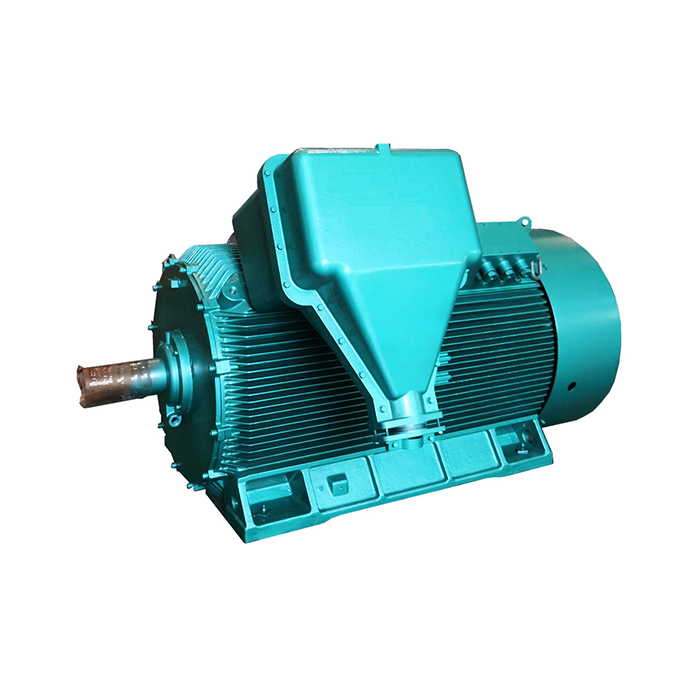
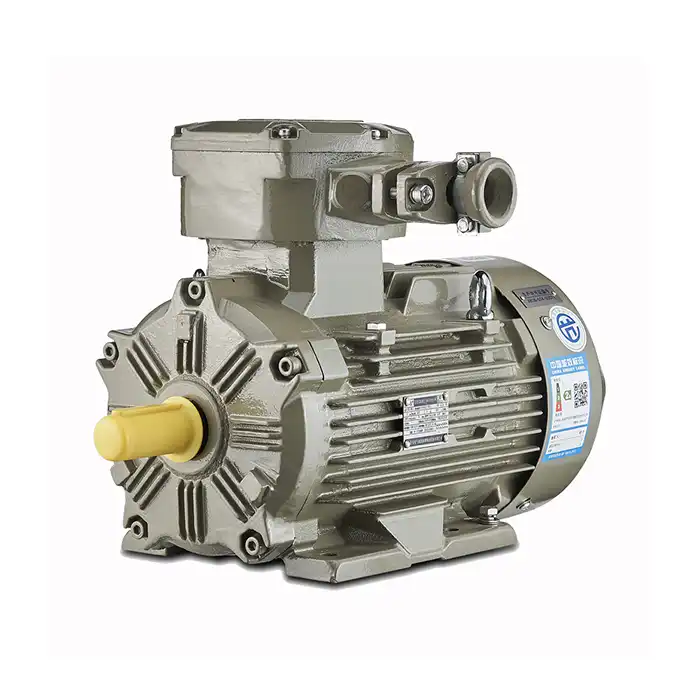
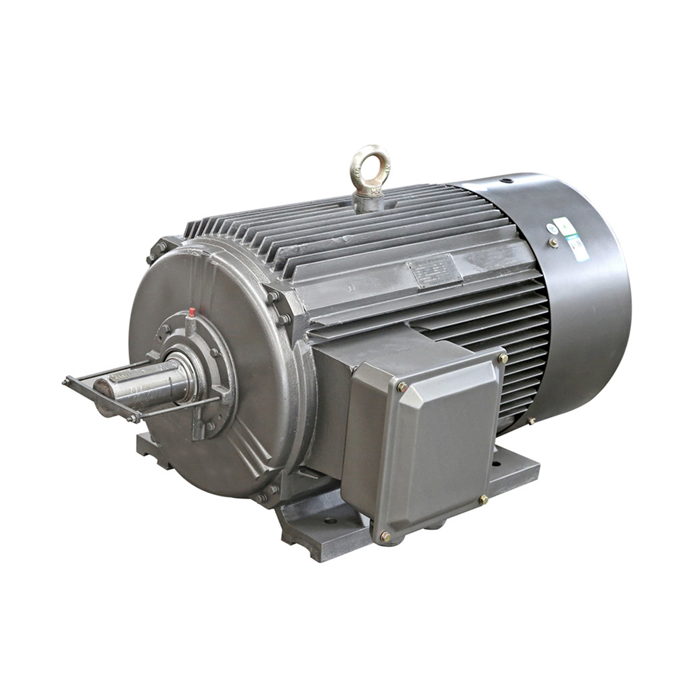
Series:Y2
Protection level:IP54
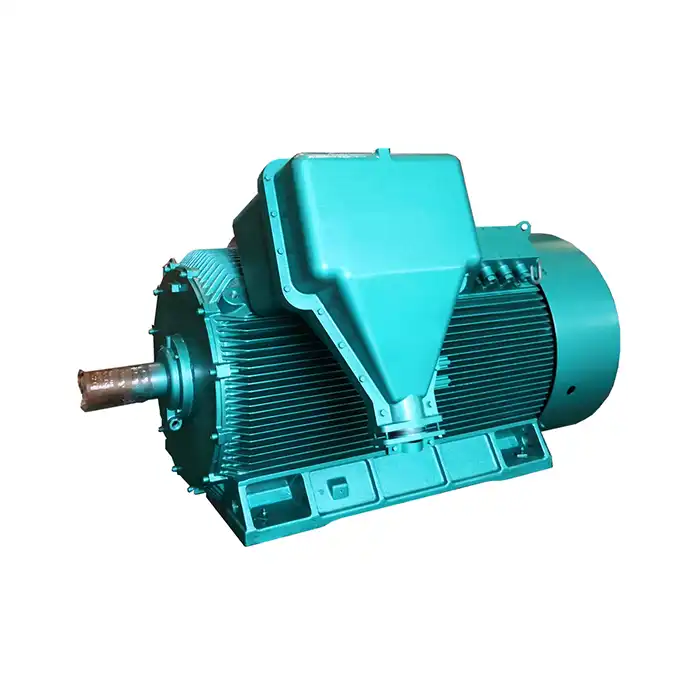
Voltage range:3000V±5%,3300V±5%,6000V±5%,6600V±5%,10000V±5%,11000V±5%
Power range:160-1600 kW
Application:fans, water pumps, compressors, crushers, cutting machine tools, transportation machinery, etc.
Advantage:compact structure, light weight, low noise, small vibration, long service life, easy installation and maintenance.
Standard: This series of products complies withJB/T10444-2004 standards.
Others: SKF, NSK, FAG bearings can be replaced according to customer requirements.
Introduction
Motors with a middle voltage keep production lines going, pumps running, and compressors running all the time in factories. It has become clear that the 3.3 kV motor is the best option because it provides a lot of power while still having reasonable insulation needs and connection costs. It's hard for purchasing managers to choose the right motors for fans, water pumps, compressors, breakers, cutting tools and transportation equipment. To make sure the power stays on, engineers need to understand how the stator windings, rotor parts, and safety systems all work together. OEM clients want to work with partners who know the technical details that separate good performance from great dependability. This piece takes the mystery out of medium-voltage motors' internal parts and how they work. It gives you the technical background you need to compare manufacturers and specs and then choose equipment that meets your needs.
Understanding the Core Components of a 3.3 kV Motor
When you open the case of a medium-voltage motor, you can see a complex set of electric, mechanical, and safety parts that are all working together. Each part does its own specific job in turning electrical energy into rotating mechanical power while keeping the system safe in harsh industrial conditions.
The Stator Assembly and Winding Configuration
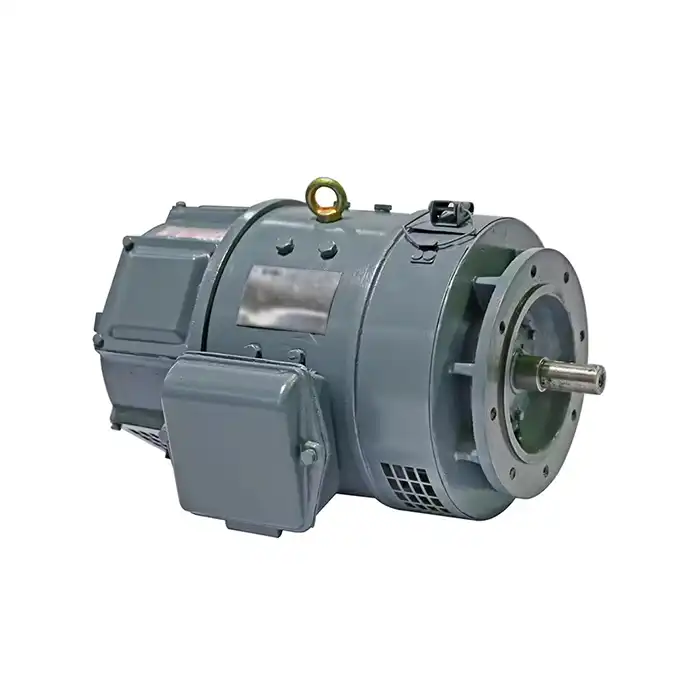
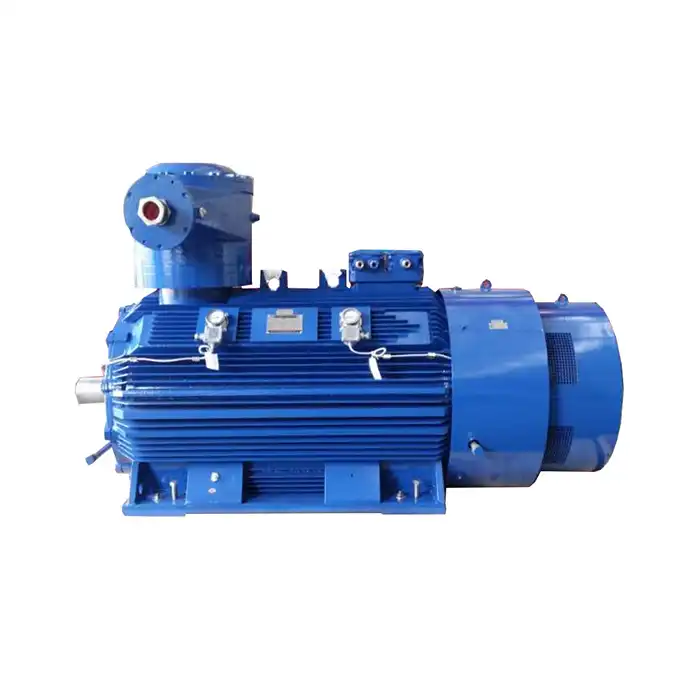
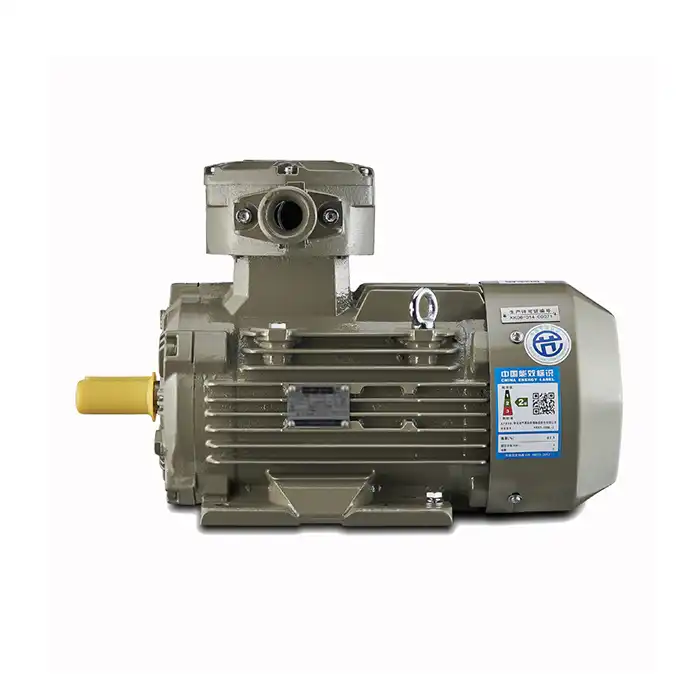
The motor's fixed outer part is called the stator. It has a layered steel core and copper or aluminium windings. Eddy current losses are kept to a minimum by laminations, and voltage compatibility and torque properties are set by the winding design. The stator windings in a 3.3 kV motor can handle voltages between 3000V±5% and 3300V±5%. The shielding systems are designed to handle electrical stress, temperature cycling, and pollution from the environment. Good insulation materials, usually Class F or Class H, keep the insulator from breaking down and make things last longer. When three-phase alternating current runs through the coils, the arrangement of the windings makes a spinning magnetic field. This is what makes the motor work electromagnetically.
Rotor Design and Construction Types
The rotor fits tightly inside the stator, with an exact air gap between them that lets electromagnetic fields interact but keeps mechanical contact from happening. Industrial squirrel cage rotors are the most common type because they are strong, require little upkeep, and work reliably under a range of load conditions. When bars of aluminium or copper are made into holes in the rotor, they make closed electrical circuits that interact with the magnetic field of the stator. For better starting torque or speed control, some uses need wound wheels with external resistance control. The rotor shaft sends mechanical power to the driven equipment, and keyways or connecting joints make it possible to connect the load. Our motors have wheels that are tuned to ISO standards. This keeps vibrations to a minimum while they're running at speeds from 500 to 3000 RPM.
Bearing Systems and Mechanical Support
Bearings hold the rotor unit in place and stop it from moving in and out while it's turning. Choosing the right type of bearing (sleeve bearings for big, low-speed uses or rolling element bearings for higher speeds) affects how often they need to be serviced and how reliable they are. We give customers choices when it comes to bearing names; they can choose SKF, NSK, or FAG parts based on their repair plans and supply chain preferences. Monitoring and lubricating bearings properly keeps them from breaking down too soon, which can cause unplanned downtime. The motor frame gives the structure strength and houses all the internal parts. It comes with IP54 protection against dust and water splashes as standard. For harsh situations, better ratings are still available, but this amount of protection is good for most workplace settings.
Insulation and Protection Systems
Insulation materials keep electricity from breaking down between stages, from the windings to ground, and between terminal contacts. When compared to low-voltage machines, medium-voltage motors need better protection performance. Modern insulation systems are built in layers and use mica-based tapes, epoxy resins, and semiconductive coats to spread electrical stress evenly. Thermal sensors built into hotspots in the winding keep an eye on temperature rise and set off safety systems before insulation damage happens. These thermal safety systems work with plant control systems so that repair plans can be made ahead of time. The terminal box has separate room for connections and enough creepage and clearance lengths to keep the voltage safe, as required by JB/T10444-2004 standards and international safety codes.
Working Principles of a 3.3 kV Motor
Learning how a medium-voltage motor turns electrical input into mechanical output helps buying teams understand the technical factors that affect how well something works, how reliable it is, and whether it is right for the job.
Electromagnetic Induction and Torque Generation
Faraday found electromagnetic induction, which is at the heart of how it works. Three-phase alternating current powers the stator windings, and each phase makes a pulsing magnetic field that is 120 degrees away from the other phases. These three fields come together to make a single spinning magnetic field that moves at synchronous speed around the stator hole. The synchronous speed is set by the supply frequency and the number of poles. Lenz's law says that currents flow through rotor conductors when the spinning field hits them. These induced currents make their own magnetic field, which combines with the field of the stator to make force, which turns the rotor. The rotor speed is a little slower than the synchronous speed. This difference, called slip, changes with the load and makes power possible. At full load, normal slip values are between 1% and 5%, which strikes a balance between efficiency and power capability.
Voltage and Frequency Relationships
The frequency controls how fast the stator rotates, and the operating voltage changes the magnetic flux density directly in the core. The 3.3 kV motor grade is a voltage class that strikes a balance between the need for insulation and the efficiency of power transfer. This type of motor can handle power rates between 160 kW and 1600 kW well, providing a lot of mechanical energy for big industrial loads. When the source voltage goes below its normal levels, the magnetic flux drops. This lowers torque and could lead to the motor overheating when it's under load. On the other hand, too much power raises core losses and mechanical stress. Changes in frequency have a direct effect on synchronous speed; 50 Hz systems have different base speeds than 60 Hz systems. The cadence of our motors is 50 Hz, which is the same as the power grid standards in many foreign markets.
Thermal Management and Cooling Methods
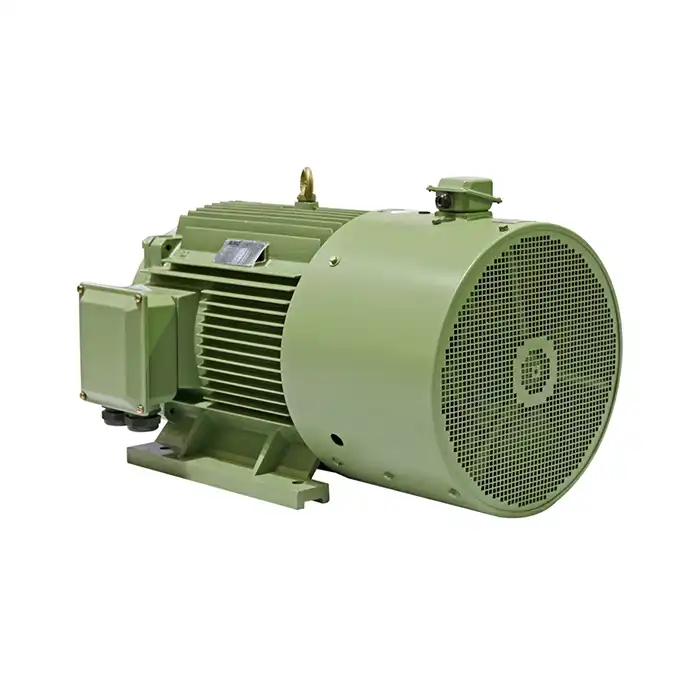
Copper losses in the windings, iron losses in the core, and friction in the gears all add up to heat during continuous operation. Insulation doesn't break down when cooling works well, so stated performance is maintained. The IC411 cooling method, which means independent air flow with cooling from the outside, uses an outside fan to move air across the ribbed motor surfaces. Heat moves from inside parts to the air around them through the frame, keeping the safe working temperatures. Different ways of cooling can be used to meet specific needs. For example, closed-circuit systems can be used in dirty settings, and water-cooled designs can be used when wind is limited. Using thermal modelling during the design phase protects your investment by making sure that high temperatures stay within the limits of the insulation class, even when the system is overloaded.
Vibration Control and Mechanical Balance
Vibrations in rotating machinery are caused by electromagnetic forces, mechanical flaws, and worn bearings. Too much shaking shortens the life of bearings, damages connections, and can spread through structures to affect equipment next to it. Precision tuning that meets international standards is built into our motors, so they have low sound levels across the whole speed range. Resonant frequencies are kept within standard working ranges by building a rigid frame and choosing the best bearings. Different mounting patterns affect how vibrations are transmitted. For example, hard bolting sends forces to the supports, while resilient mounts block vibrations. Using ISO 20816 standards, procurement specs should include limits on how much vibration is allowed. This will make sure that they are compatible with plant reliability goals.
Key Technical Specifications and How to Size a 3.3 kV Motor Correctly
To choose the right motor, you have to match its technical specs to the features of the load and its intended use. Undersizing causes things to get too hot and break down early, while oversizing wastes money and energy.
Power, Torque, and Speed Parameters
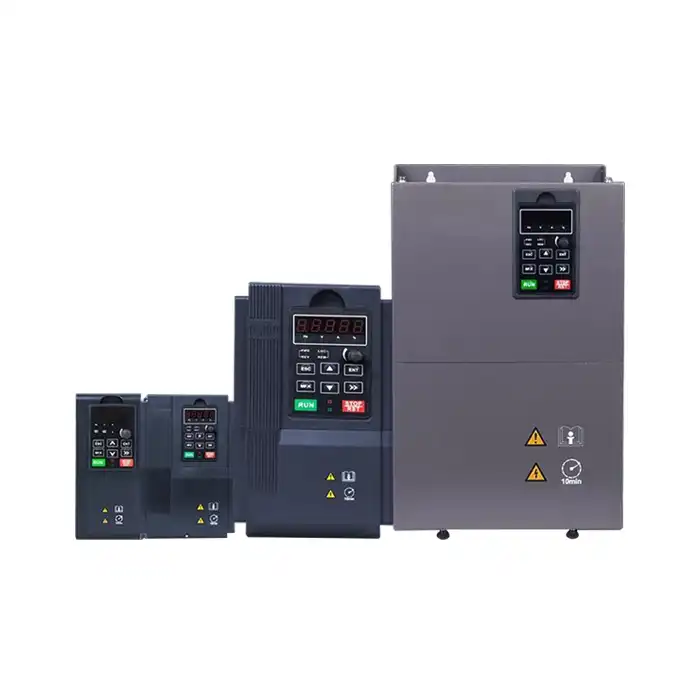
Motor power indicates continuous mechanical output within thermal limits, with our range covering 160 kW to 1600 kW for most medium-power applications in 3.3 kV motor. Torque is derived from power and speed and is critical for high-starting-load equipment like crushers and conveyors. Speed selection depends on driven equipment requirements, while variable frequency drives enable flexible, energy-efficient operation. Load types include constant torque, variable torque, and constant power.
Efficiency Classifications and Energy Optimization
Motor efficiency measures how effectively electrical input is converted into mechanical output, with losses appearing as heat. Motors are classified into IE efficiency classes, where higher grades deliver better performance. Older models achieve around 90–92% efficiency, while modern designs reach 94–96% through improved electromagnetic optimization. Higher efficiency significantly reduces long-term operating costs, making it a key factor in total cost of ownership.
Protection and Enclosure Considerations
The IP rating defines protection against dust and water ingress. Our IP54 motors prevent harmful dust accumulation and resist water splashes, suitable for most indoor and covered outdoor environments. Higher protection is required for harsher conditions like washdown or exposed sites. Explosion-proof versions meet ATEX or IECEx standards. Enclosure design balances environmental protection with cooling efficiency.
Maintenance Planning and Wear Monitoring
Regular maintenance extends motor lifespan and reduces unexpected failures. Proper bearing lubrication is critical, as over-lubrication can cause overheating and under-lubrication accelerates wear. Vibration monitoring detects bearing damage, rotor imbalance, and looseness early. Insulation resistance testing identifies moisture ingress and degradation, while temperature sensors provide overheating warnings. A structured maintenance plan improves reliability and reduces overall maintenance costs.
Comparison and Selection: 3.3 kV Motor vs. Other Voltage Motors
There are technical and financial factors that affect both the original investment and the success of the voltage class.
Application Suitability Across Voltage Classes
Low voltage motors (400V–690V) are better for smaller power needs, usually less than 500 kW. They have easier control systems and more parts are available. The 3.3 kV motor works well in the 160 kW to 1600 kW power range, taking into account both the limits of low voltage and the difficulty of high voltage. Higher voltage classes, like 6.6 kV or 11 kV, lower the flow of current for the same amount of power. This makes cables smaller and equipment cheaper in situations where very high power is needed. When deciding between voltage classes, the power level, the placement distance, and the electrical equipment that is available are all taken into account. Medium-voltage motors cut down on I²R losses in long wire runs that happen a lot in places like mines, cement plants, and big factories. We offer a wider voltage range, including 3000V±5%, 3300V±5%, 6000V±5%, 6600V±5%, 10000V±5%, and 11000V±5%. This gives you the freedom to meet regional grid standards and current plant electrical systems.
Efficiency and Operational Advantages
Medium-voltage motors offer higher efficiency, especially at larger power ranges, due to optimized electromagnetic design that reduces losses. They typically have lower starting current ratios, minimizing voltage dips in plant systems. With soft-start and variable frequency drives, they enable smooth acceleration and protect mechanical equipment. These advantages improve equipment lifespan, reduce maintenance, and enhance process control and operational safety.
Cost Considerations and ROI Calculation
Total cost of ownership goes beyond the initial purchase price. Medium-voltage motors cost more due to complex protection systems and specialized manufacturing, and affect associated equipment costs such as switchgear, cables, and transformers. Economic advantage typically appears above 400–500 kW. ROI should include purchase, installation, energy use, and maintenance costs, supported by long-term durability and a 12-month warranty.
Procurement Insights for 3.3 kV Motors
To get equipment that meets both short-term needs and long-term dependability standards, good buying combines technical requirements, source capabilities, and business terms.
Supplier Selection and Verification
Reliable supplier selection ensures product quality and long-term technical support. Established manufacturers demonstrate credibility through international standards, certifications, and proven performance records, including compliance with JB/T10444-2004. Verification should cover manufacturing quality, testing methods, and spare parts availability. Options like SKF, NSK, and FAG reflect quality flexibility. Prompt, detailed supplier responses and technical cooperation indicate strong after-sales support.
Customization Options and Special Requirements
While standard catalogue motors suit many applications, complex systems benefit from customization. Mounting, shaft extensions, terminal box position, and cooling can be adapted to installation needs. Non-standard voltage or frequency requires special designs. Corrosion-resistant coatings, tropical treatments, and space heaters improve durability in harsh environments. Clear specification during procurement ensures correct configuration and avoids costly field modifications.
Lead Times and Delivery Considerations
Medium-voltage motors typically require longer production due to testing and special protection requirements, with lead times of around 8–12 weeks depending on specifications and production schedules. Proper procurement planning helps avoid project delays, while rush orders may affect cost and resource allocation. Free shipping simplifies logistics and budgeting, and aligning orders with the project critical path ensures timely installation.
Warranty Terms and After-Sales Support
Warranty protection covers manufacturing defects and early failures, typically for 12 months from shipment or installation, whichever comes first in 3.3 kV motor. Normal wear parts like bearings have limited coverage, while winding defects are fully covered. After-sales support includes spare parts access, expert service, and weekend assistance. A 30-day return policy further reduces purchase risk and improves buyer confidence.
Conclusion
The structure and working principles of medium-voltage motors are the result of many years of engineering work to meet the tough needs of industrial service. To make smart purchasing choices, you need to know how stator windings create spinning magnetic fields, how rotor designs affect torque characteristics, and how insulation systems protect against electrical stress. In order to get the best performance and lifetime value, technical specs must match load profiles, environmental conditions, and operating trends. The choice of voltage class strikes a balance between the need for power, the cost of equipment, and the goal of economy. A successful buying process includes more than just the original purchase. It also includes the supplier's dependability, ability to customise, and promise of long-term support. Choosing motors that work the same way for years of ongoing service becomes more valuable as industrial processes move toward greater speed and dependability.
FAQ
1.What does the kV rating mean in motor specifications?
When talking about motors, "kV" stands for "kilovolts," which is the working voltage class. A 3.3 kV motor works at 3300 volts, or somewhere within the acceptable range of this theoretical number. This makes it a medium-voltage machine. The "Kv" number used in toy motors measures RPM per volt, which is not the same thing. Medium voltage rates like 3.3 kV strike a good balance between how well power is transmitted and how complicated the insulation needs to be. This makes them perfect for industrial uses that need several hundred kilowatts of mechanical output.
2.Which industries typically use medium-voltage motors?
For industrial equipment, factories in the automobile, aerospace, electronics, and food processing industries depend on these motors. Medium-voltage drives are used for process control in chemical and petroleum plants for things like pumps, compressors, and valves. Commercial building HVAC systems and industrial cooling processes depend on motors that work well. These motors are used a lot in power plants, green energy systems, and water treatment plants. The wide range of applications includes transportation systems, farming operations, and healthcare centers.
3.How often should maintenance be performed?
How often maintenance needs to be done depends on the working conditions and job cycles. Lubricating a bearing usually needs to be done every three to six months if it is used continuously, but with protected bearings, these times can be longer. Testing the insulation's strength once a year finds damage before it happens. Every three months, vibration research finds mechanical problems that are starting to happen. Using thermal imaging during operation can show hot spots that mean there are problems with cooling or electricity balance. Manufacturers give specific repair plans for each type of motor. Following these suggestions will increase reliability and lower upkeep costs. Our design makes it easy to install and maintain, which cuts down on service time.
Partner with XCMOTOR for Your Medium-Voltage Motor Requirements
Choosing the right 3.3 kV motor provider will have an effect on how well the system works for many years to come. When you work with XCMOTOR, you get technical know-how and service that is focused on your needs. This helps you match motor specs to application needs accurately. Our 160 kW to 1600 kW product line meets a wide range of industrial needs, and customisation choices make sure that it works well with current systems. Small size, low noise, and little shaking are all features of our motors that make the workplace better and protect nearby equipment. We carry high-quality bearing names like SKF, NSK, and FAG, so you can change them in a way that fits with your maintenance plans. You can be sure of the quality because it meets JB/T10444-2004 standards and is protected by IP54. Our team is ready to talk with you about your unique needs, look at your load profiles, and suggest options that will give you the best performance and lowest cost. Fast delivery times and free shipping make operations easier, and our 12-month warranty and availability for help on the weekends show that we're dedicated to your success. You can email us at xcmotors@163.com or go to motorxc.com right now to get full specs, prices, and expert advice. Find out why procurement managers trust XCMOTOR as a 3.3 kV motor maker.
References
1. Chapman, Stephen J. Electric Machinery Fundamentals. 5th Edition. McGraw-Hill Education, 2012.
2. Boldea, Ion and Nasar, Syed A. The Induction Machines Design Handbook. 2nd Edition. CRC Press, 2010.
3. IEEE Standard 112-2017. IEEE Standard Test Procedure for Polyphase Induction Motors and Generators. Institute of Electrical and Electronics Engineers, 2018.
4. Bonnett, Austin H. Root Cause AC Motor Failure Analysis. IEEE Press Series on Power Engineering, 2008.
5. IEC 60034-1:2017. Rotating Electrical Machines - Part 1: Rating and Performance. International Electrotechnical Commission, 2017.
6. Stone, Greg C., Boulter, Edward A., Culbert, Ian, and Dhirani, Hussein. Electrical Insulation for Rotating Machines: Design, Evaluation, Aging, Testing, and Repair. 2nd Edition. Wiley-IEEE Press, 2014.