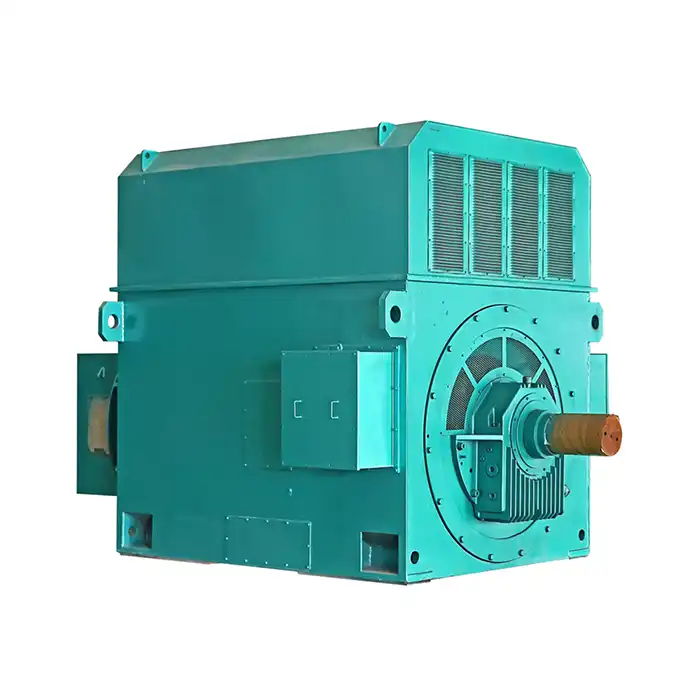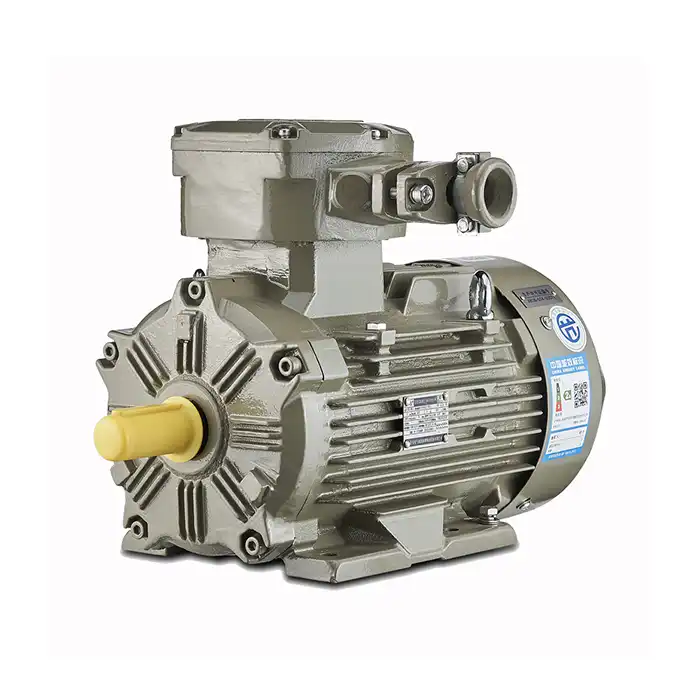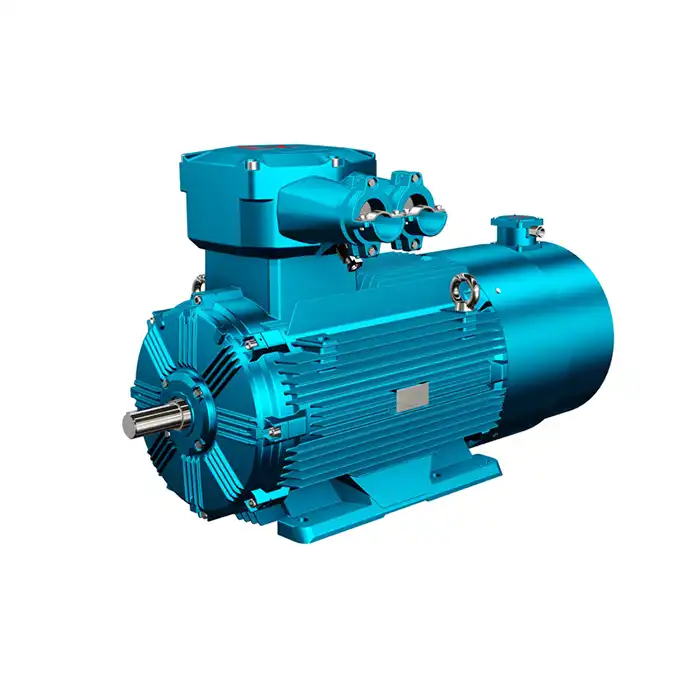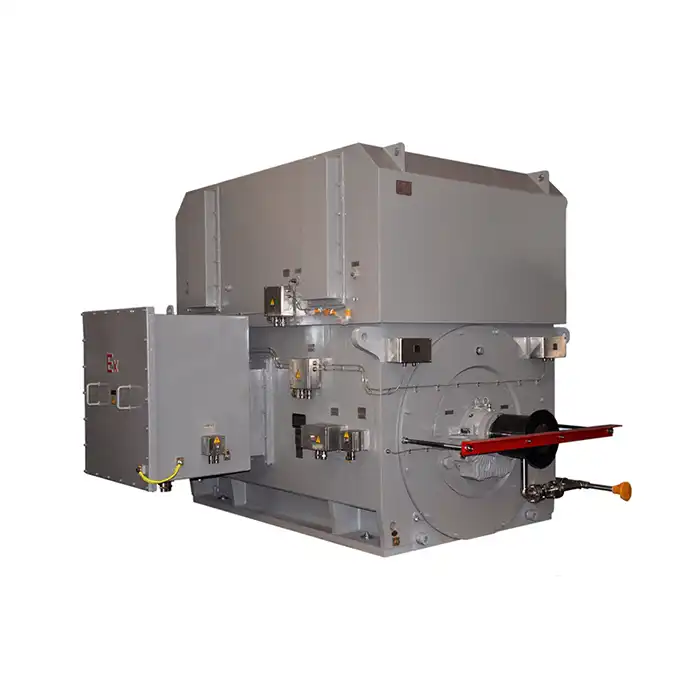




To bring in IE4 induction motors from China, you need to know a lot of complicated rules, laws, duty structures, and compliance standards. This complete guide talks about all the rules and laws for importing things, such as the need for CE marking, the different categories for energy efficiency under IEC60034-30, how to figure out customs duties, and the paperwork you need to make a successful purchase. Learn how to set up reliable supply chains for high-efficiency motor solutions in the manufacturing, HVAC, energy utilities, and industrial automation sectors by understanding trade terms, shipping methods, and quality assurance protocols.
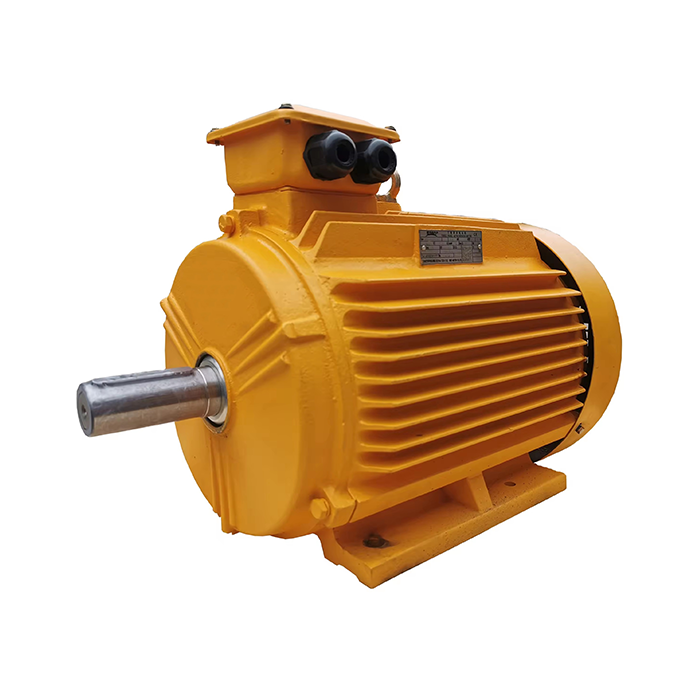
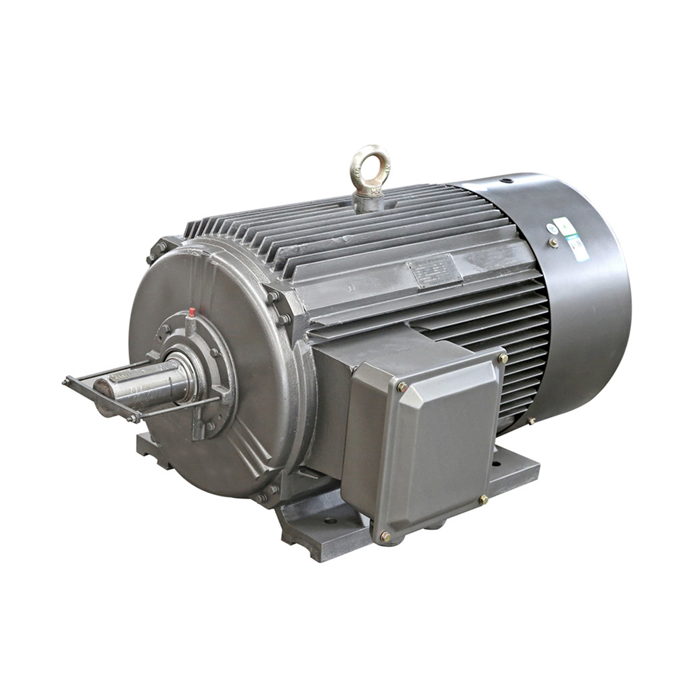
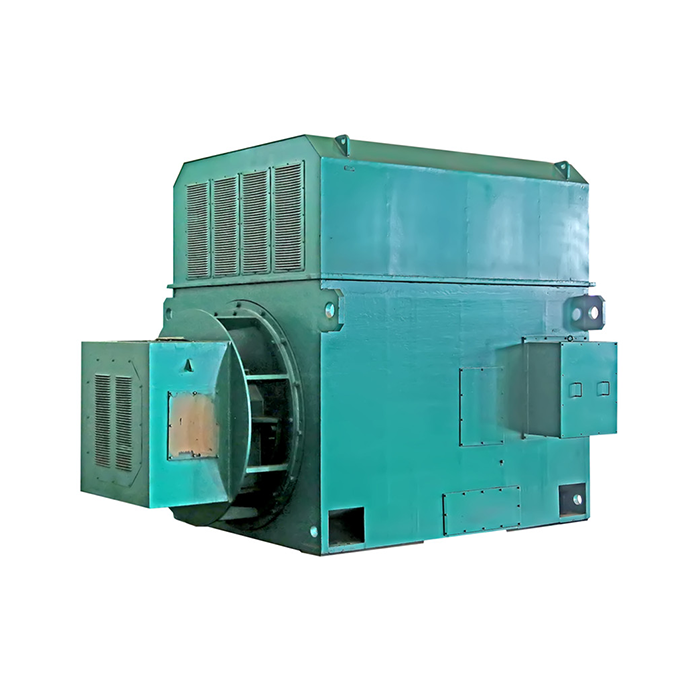
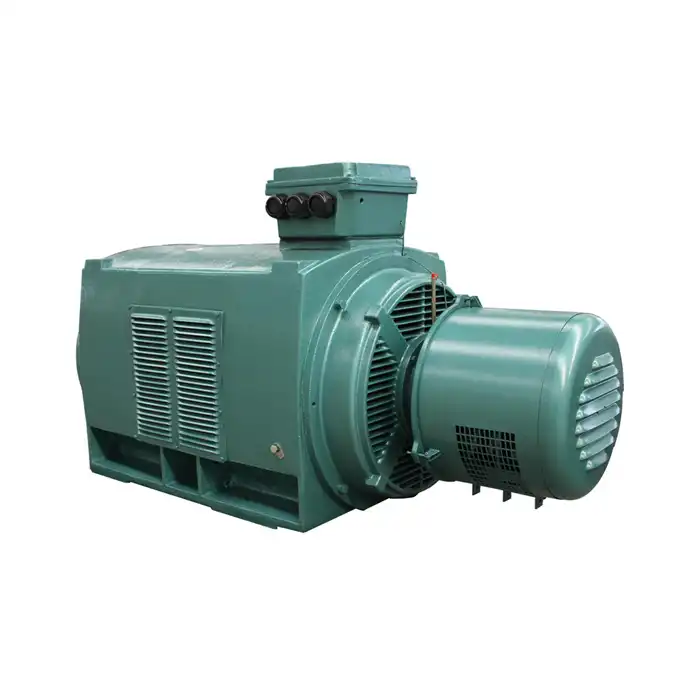
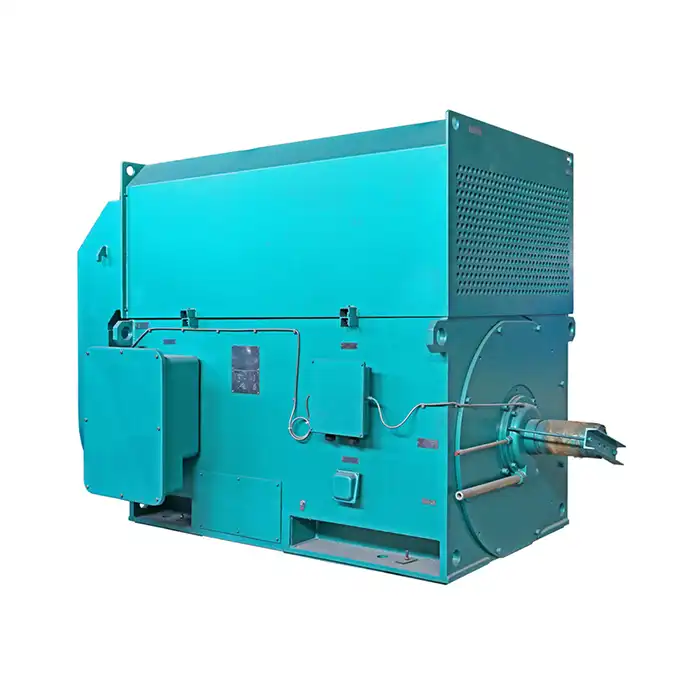
Series:YE4
Frame number: 80-450
Power range:0.75-1000kW
Protection level:IP55
Energy efficiency class: IE4
Voltage range: 380V,400V,415V, 660V,etc.
Application:can be used in various fields of the national economy, such as machine tools,water pumps,fans,compressors,and can also be used in transportation, mixing, printing, agricultural machinery, food and other occasions that do not contain flammable, explosive or corrosive gases.
Certificate: international standard IEC60034-30 ""Efficiency Classification of Single-speed Three-Phase Squirrel Cage Induction Motors"".
Advantage:The high quality of the electric motor guarantees high operational reliability.
Others: SKF, NSK, FAG bearings can be replaced according to customer requirements.
Why should you buy an IE4 induction motor from China?
China makes more than 60% of the world's induction motors, making it the biggest maker of electric motors in the world. Businesses looking for high-efficiency IE4 induction motor options can get a lot out of the country's manufacturing ecosystem. Chinese manufacturers have put a lot of money into automation technologies and precise engineering skills. This lets them make motors that meet strict international standards while keeping prices low.
Excellence and Scale in Manufacturing
Chinese companies that make motors have cutting-edge factories with the latest die-casting tools, precise winding technologies, and automatic testing systems. Thousands of motor manufacturing companies, from small, specialized shops to huge, global corporations, are located in Jiangsu, Zhejiang, and Guangdong provinces' main production hubs. This concentration makes strong supply lines with parts that are easy to find, skilled workers, and new technologies all the time.
Cost-effectiveness without giving up anything
When you buy from China, you save a lot of money without losing quality. When compared to options in Europe or North America, labor costs stay low, and economies of scale make bulk production more efficient. Access to reliable supply networks for raw materials lowers the cost of parts, especially copper windings, silicon steel laminations, and bearing assemblies from well-known names like SKF and NSK.
Investments in R&D and new technologies
Chinese automakers are always putting money into research and development, with a focus on smart motor solutions and technologies that save energy. A lot of buildings have improved electromagnetic induction designs, IoT connectivity, and the ability to do preventative maintenance. In industrial automation applications, integrating a variable frequency drive and complex motor control systems improves total performance while lowering energy use.
How to Find Your Way Around Rules and Compliance Needs
Imports of motor vehicles are controlled by rules for international trade. These rules include safety standards, efficiency classifications, and documentation processes. By knowing these rules, you can avoid delays, extra costs, and problems with following the rules during the customs clearance process.
Important Standards for Certifications and Testing
When something has a CE mark on it, it means that it meets European safety, health, and environmental standards. To get this certification, you have to go through a lot of tests that check for electromagnetic compatibility, electrical safety, and speed. It's possible that GOST certification is needed for some countries and UL listings are needed for North American uses.
Regulations for Energy Efficiency
Minimum energy performance standards (MEPS) are in place in many countries and say that all new motor systems must meet IE3 or IE4 levels of efficiency. The goal of these rules is to lower the amount of energy that businesses use and support efforts to be more environmentally friendly. Motor shipments must include compliance documentation to back up promises of efficiency and help with the customs clearance process.
Needs for Labeling and Documentation
Labels for motors should have information about their efficiency class, power ratings, voltage requirements, and the name of the maker. Test certificates, compliance statements, instruction manuals, and warranty information must all be in documentation packages. Correct labeling avoids delays at customs and makes sure that motors are correctly identified during installation and upkeep.
Understanding Import Trade Terms and Processes
International trade involves specific terms defining responsibilities, costs, and risk allocation between buyers and sellers. Understanding these terms ensures smooth transactions and prevents misunderstandings during procurement processes.
Common Trade Terms Explained
EXW (Ex Works): The seller makes goods available at their premises. Buyers assume all transportation costs, export/import procedures, and associated risks from the factory location. This term provides maximum responsibility to buyers while minimizing seller obligations.
FOB (Free on Board): Sellers deliver goods to the port of shipment and handle export customs clearance. Risk transfers to buyers when goods cross the ship's rail. Buyers pay for main transportation, import duties, and destination handling costs.
CIF (Cost, Insurance, and Freight): Sellers arrange and pay for transportation to the destination port, including marine insurance coverage. However, risk transfers to buyers when goods are loaded at the origin port, creating potential confusion about responsibility during transit.
Complete Import Process Overview
The import procedure starts with inquiries and quotes. Suppliers give full specs, price, and delivery dates. Before signing, negotiations may involve technical changes, quantity adjustments, or payment arrangements. Proforma Invoices (PI) or Purchase Orders formalize contract signature. Technical requirements, quality standards, delivery timetables, and payment terms are in these documents. Production usually begins following deposit and contract. Quality inspection occurs during or after production. Third-party inspection services check specifications, performance, and deviations. This prevents quality concerns and supports warranty claims.
Shipping and Documentation Requirements
Shipping methods, container types, and routing must be chosen when booking. Sea freight is cheaper for bulk shipments, but air freight is faster for urgent or high-value items. Commercial invoices, packing lists, bills of lading, and origin certifications are export documentation. This document helps with customs clearance, duty assessment, and cargo tracking during shipment. Classification codes, tariff calculations, and compliance checks are needed for import customs clearance. Customs brokers ensure appropriate documentation and quick clearance through local customs officials.
Payment Methods and Financial Protection
Telegraphic Transfer (T/T): Common payment method involving bank-to-bank electronic transfers. Typical arrangements include 30% advance payment with 70% balance before shipment or against document copies.
Letter of Credit (L/C): Bank-guaranteed payment instrument providing security for both parties. Banks issue L/Cs based on buyer creditworthiness and release payments upon compliant document presentation.
Payment timing affects cash flow and risk allocation. Advance payments support production financing but increase buyer exposure. Document payment provides delivery assurance but may delay payment receipt for suppliers.
Imported IE4 Induction Motors: Customs Information
If you want to import IE4 induction motors, you need to know how the customs process works and how much it costs. Here are three important things to think about:
Customs fees and taxes on imported goods
IE4 induction motors may have different import duties based on the country they are going to and the trade agreements in place. Most countries tax motors based on a portion of their value, and there may be other taxes on top of that. It is important to keep an eye on the current duty rates because they can change depending on the rules of foreign trade or the type of product being sold.
Certification and Following the Rules
IE4 induction motors have to meet a number of international safety and energy saving standards. When importing motors, companies should make sure that they have the right certifications (like CE or UL) to meet the rules in the country where they will be used. If you don't follow the rules, your goods could be held up, fined, or even rejected at customs.
Costs of Shipping and Handling
The size, weight, and shipping method of an IE4 induction motor can have a big effect on how much it costs to ship it. Freight costs might be higher for bigger motors, but shipping choices for smaller packages might be cheaper. Importers should also think about the costs of handling, clearing customs, and possibly storing their goods. These all add to the total cost of importing.
Supply Chain Reliability and Delivery Excellence
Reliable supply chains ensure consistent motor availability and predictable delivery schedules. Understanding production capabilities, inventory management, and logistics infrastructure helps establish realistic expectations and contingency planning.
Production Capacity and Lead Times
Standard motor combinations take 2-4 weeks to produce, depending on order numbers and factory scheduling. Engineering validation and specialty component procurement may increase lead times to 6-8 weeks for custom specs or voltage needs. Material scheduling, capacity allocation, and quality checkpoint coordination are part of production planning. Peak demand or raw material shortages might delay delivery, underlining the need for early order placement and flexibility.
Management and availability of inventory
Common motor requirements are delivered faster with strategic inventory positioning. XCMOTOR stocks popular configurations and produces bespoke orders quickly. Demand forecasting optimizes inventories and production. Customer-collaborative planning improves capacity utilization and delivery obligations across motor types.
Port Efficiency and Logistics Infrastructure
Due to its enormous port network, China offers affordable shipping prices and reliable service. Shanghai, Ningbo, and Shenzhen have frequent sailings to global locations. Port automation and customs efficiency reduce cargo damage and handling delays. Container tracking systems allow proactive delivery status communication in real time.
Conclusion
Sourcing high-quality IE4 induction motors from China requires careful attention to technical specifications, compliance requirements, and business processes. Success depends on selecting experienced suppliers, understanding import regulations, and maintaining clear communication throughout procurement cycles. XCMOTOR's comprehensive approach addresses these challenges while providing reliable motor solutions for industrial automation, HVAC systems, energy utilities, and manufacturing applications. Proper planning, documentation preparation, and quality assurance protocols ensure smooth import experiences and long-term operational success.
Frequently Asked Questions
Q1: What documentation is required for importing IE4 motors from China?
A: Essential documents include commercial invoices, packing lists, bills of lading, certificates of origin, CE marking declarations, efficiency test certificates according to IEC60034-30 standards, and any specific certifications required by your destination country. Additional documentation may include inspection certificates, insurance policies, and import permits depending on local regulations.
Q2: How long does the complete import process typically take?
A: The complete process usually requires 6-10 weeks including quotation (1 week), contract negotiation (1 week), production (2-4 weeks), quality inspection (3-5 days), shipping (2-4 weeks by sea), and customs clearance (3-7 days). Air freight can reduce shipping time to 5-7 days but increases transportation costs significantly.
Q3: What are typical import duty rates for electric motors?
A: Import duties vary by country but typically range from 5% to 15% of motor value. Some countries offer preferential rates under free trade agreements. Additional charges may include VAT, customs processing fees, and port handling charges. Consult local customs authorities or trade specialists for specific duty calculations.
Partner with XCMOTOR for Reliable IE4 Motor Solutions
XCMOTOR stands ready to streamline your motor procurement experience with comprehensive technical expertise and exceptional service quality. Our team understands the complexities of international trade while maintaining focus on delivering high-performance motors that meet your specific application requirements. We provide complete support from initial specification development through final installation, ensuring successful outcomes for manufacturing, HVAC, energy, and industrial automation projects.
Our commitment to quality extends beyond product manufacturing to encompass every aspect of customer interaction. With competitive pricing, reliable delivery schedules, and responsive technical support, XCMOTOR serves as your trusted IE4 induction motor supplier for long-term business success. Experience the advantages of working with a dedicated team that prioritizes your operational requirements and business objectives.
Ready to explore efficient motor solutions for your next project? Contact us at xcmotors@163.com for detailed quotations, technical specifications, and personalized consultation. Visit motorxc.com for comprehensive product information and application guidance tailored to your industry requirements.
References
1. International Electrotechnical Commission. IEC 60034-30-1:2014 Rotating electrical machines - Part 30-1: Efficiency classes of line operated AC motors (IE code). Geneva: IEC Publications, 2014.
2. European Commission. Commission Regulation (EC) No 640/2009 implementing Directive 2005/32/EC with regard to ecodesign requirements for electric motors. Official Journal of the European Union, 2009.
3. United States Department of Energy. Energy Conservation Program: Energy Conservation Standards for Electric Motors. Federal Register, Final Rule, 2014.
4. World Trade Organization. Harmonized Commodity Description and Coding Systems (HS) for Electrical Machinery and Equipment. WTO Trade Statistics Database, 2022.
5. International Chamber of Commerce. Incoterms 2020: International Commercial Terms for Global Trade. ICC Publication No. 723E, Paris, 2019.
6. China Association of Automobile Manufacturers. Annual Report on Electric Motor Manufacturing Industry Development. Beijing: CAAM Industrial Research Institute, 2023.