



ATEX Marking Decoded: What Ex d, Ex de Really Mean
If you work in oil and gas, chemical processing, or mining, you already know that choosing the wrong motor for a hazardous area can have serious consequences. An atex motor carries specific markings — like Ex d, Ex de, or Ex e — that tell you exactly how the motor is protected against explosive atmospheres. These are not just labels; they are engineering certifications backed by IEC 60079 standards and verified by accredited notified bodies. This guide breaks down what those markings mean, how to read a nameplate correctly, and what to check before your next procurement decision.

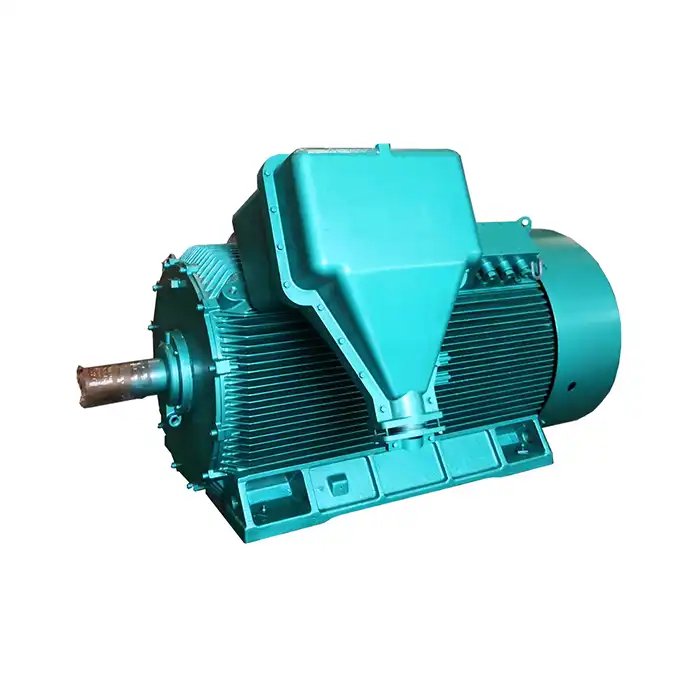
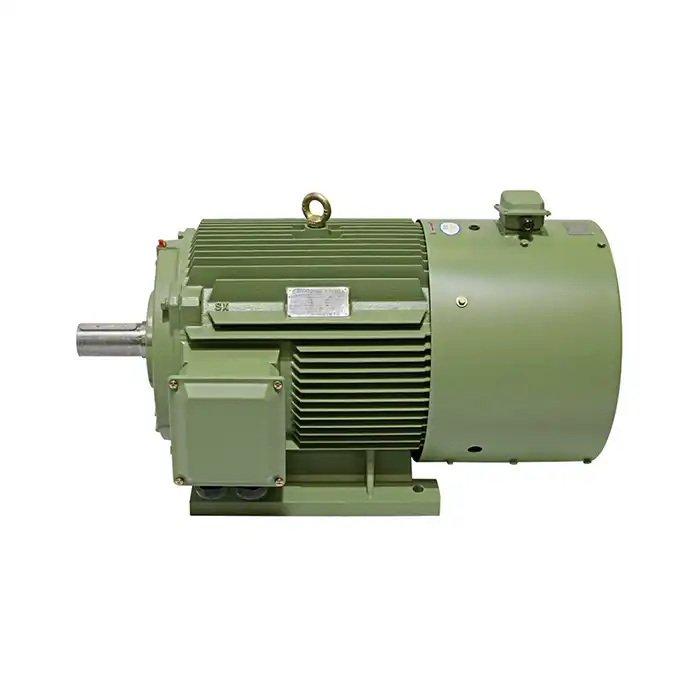
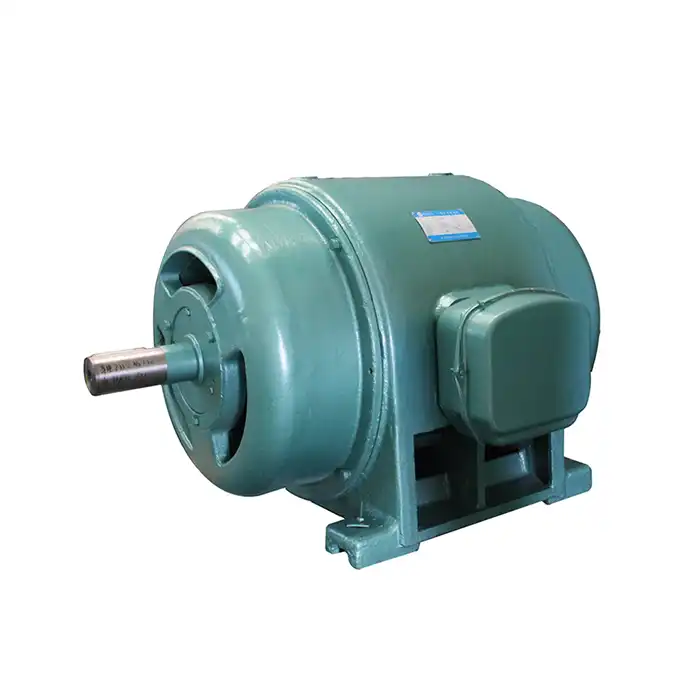
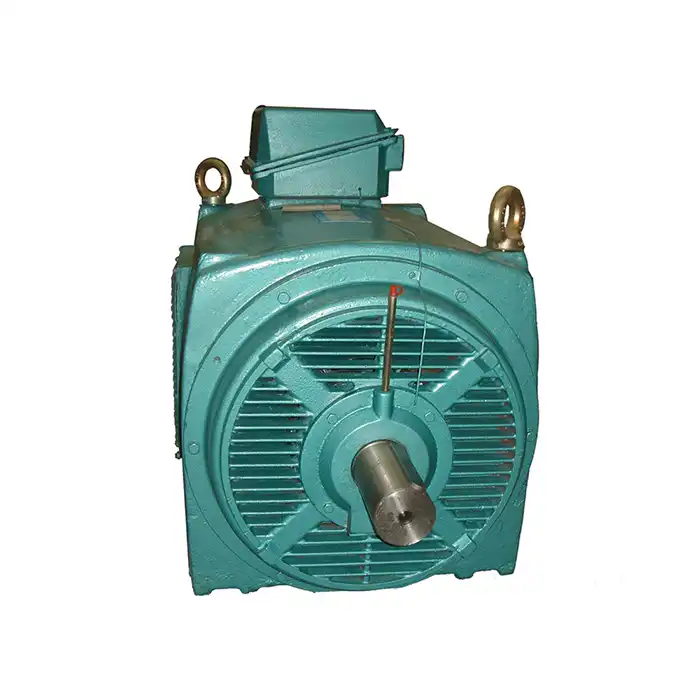
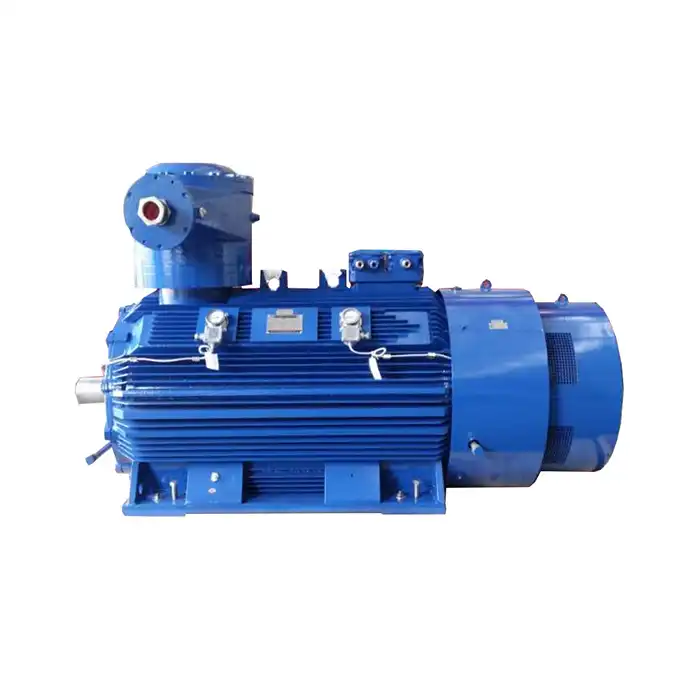
Series:YBX5
Voltage range:380V,660V,415V,380/660V,660/1140V
Power range:0.55-630 kW
Application:places where explosive gas mixtures exist in petroleum, chemical, mining, metallurgy, electric power, machinery and other industries.
Advantage: fully enclosed, self-fan cooling, squirrel cage type, high efficiency.
Explosion-proof mark: Ex d I Mb, Ex d IIB T4 Gb, Ex d IIC T4 Gb
Others: SKF, NSK, FAG bearings can be replaced according to customer requirements.
Understanding ATEX Markings: What Do Ex d and Ex de Mean?
The Regulatory Background of ATEX Certification
The two EU laws that give ATEX certification are ATEX 114 (2014/34/EU) for tools and ATEX 153 (1999/92/EC) for safety at work. Any Atex motor sold in EU Zones 1 or 2 needs to have a Type Examination Certificate from a four-digit informed body, like 0044 for Intertek/SIRA, 0518 for TÜV SÜD, or 0637 for DEKRA. The document has to come after the review of Modules B and C1. It doesn't matter what the nameplate says; the product is not officially ATEX-certified if that four-digit number is not on the license.
What Ex d and Ex de Actually Mean?
The mark "Ex d" means that the shell is flameproof according to IEC 60079-1. The exd motor housing is made so that it can contain any explosions inside and cool any gasses that escape before they reach the air outside. "Ex de" is a combination protection type. The case is made with an Ex d flameproof design, and the junction box is made with an Ex e (increased safety) design, as per IEC 60079-7. This two-pronged method cuts down on ignition sources at the link point while keeping the motor body's structure in check.
Reading the Nameplate: Temperature Classes and Gas Groups
Important safety information is stored on an Atex motor nameplate. One example of a mark is Ex d IIB T4 Gb, which means a flameproof enclosure (d), Gas Group IIB (which includes gasses like propane and ethylene), Temperature Class T4 (with a top temperature of 135°C), and Equipment Protection Level Gb (for Zone 1 use). Gas Group IIC includes hydrogen and acetylene; it has a higher risk and stricter design rules. Most oil and gas applications use T4. T5 and T6 are needed when surface temperatures must stay below 100°C and 85°C, respectively. Always make sure that the gas group and temperature class match the hazardous area classification for your site.
Key Differences Between ATEX Motors and Standard Motors
Structural Design and Safety Engineering
A normal industrial motor isn't made to have problems inside it. An ATEX-certified flameproof motor has cast iron or steel housings with thick walls and joint surfaces that are precisely machined so that gap tolerances are kept to 0.05 mm or less. IEC 60079-1 tests these flame tracks to make sure they don't let a spark spread. The junction box on an Ex de motor has extra features that you won't find on a regular motor. It has longer creepage lengths and arc-resistant insulation materials.
Energy Efficiency and Compliance
Not only are modern Atex motors safe, they also work well. The YBX5 line from XCMOTOR meets the energy economy Level 1 standards set by GB/T 18613-2022. Some models even hit IE4 levels. Cast copper rotors cut rotor loss by over 25% compared to cast aluminum designs. 60W470 high-permeability silicon steel laminations, oxygen-free copper wire windings, and copper wire windings make this possible. When compared to less efficient options, a 15 kW YBX5 motor that runs all the time can save more than 1,800 kWh per year.
Comparing Protection Types and International Standards
Not all motors that are safe from explosions have ATEX marks on them. Some have IECEx, which is based on the same technical standards as IEC 60079 but has a different way of certifying products. Some have GOST for Russia or CCC for the Chinese market. For projects in EU Zone 1, the law only allows ATEX approval with a proper notified body number. IECEx and ATEX are similar in how they work, but they can't be used in the same EU project documentation. The YBX5 is CE-certified, but when looking for parts for European projects, always check the EU Type Examination Certificate number that comes with the part.
Practical Applications and Benefits of ATEX Motors in Industry
Key Industries and Mandatory Use Cases
In classified dangerous places, Atex motors are needed, not optional. In upstream oil and gas activities, Zone 1 includes places like wellheads, separator skids, and gathering station pump rooms where explosive gas mixtures are likely to happen during normal operations. Chemical plants that work with acids, solvents, or hydrocarbons also need motors that are certified to not catch fire. Underground coal mines need to be certified with Ex d I Mb, which covers Group I methane environments.
In the following fields, XCMOTOR's flameproof motors are commonly used:
- Petroleum refineries and upstream production facilities — YBX5 motors with Ex d IIB T4 Gb or Ex d IIC T4 Gb markings power pumps, compressors, and fans in Zone 1 and Zone 2 areas.
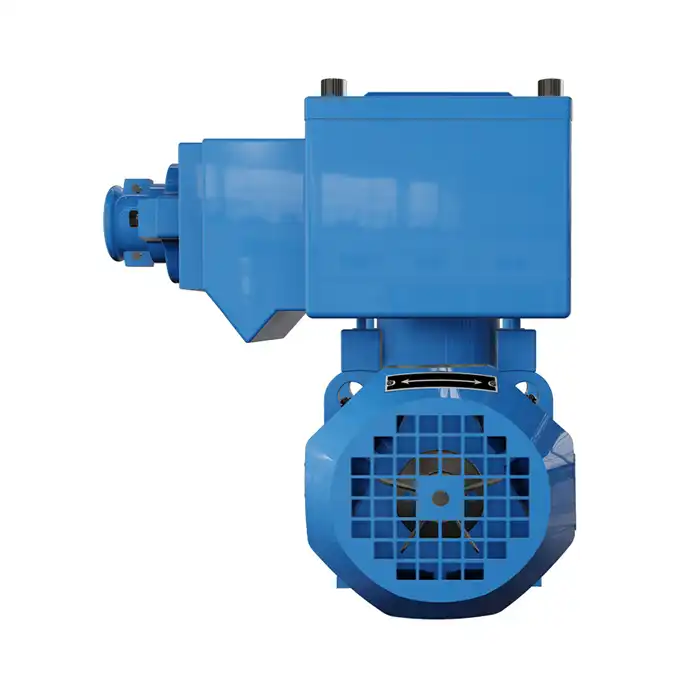
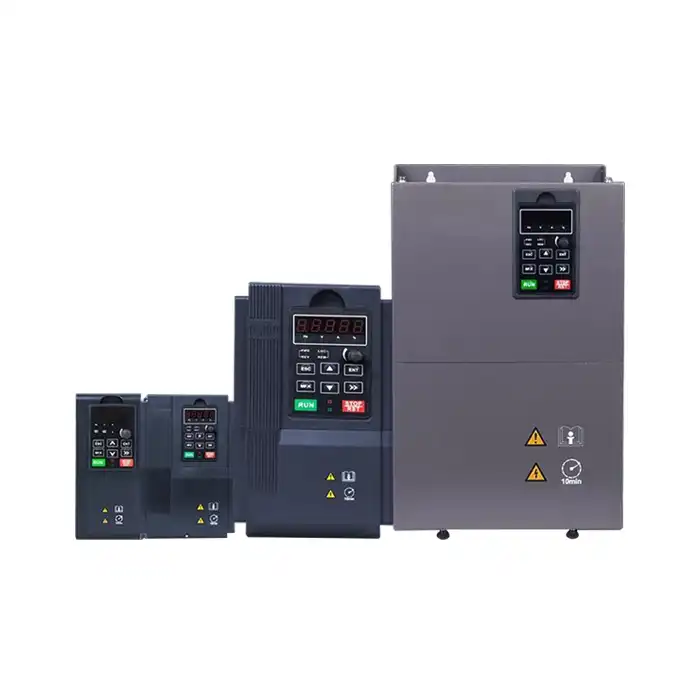
- Chemical and petrochemical plants — YBBP Ex de motors offer VFD-compatible operation with independent IC416 cooling fans, supporting variable-speed drives without compromising protection.
- Underground coal mines — YBK3 motors with Ex d I Mb certification operate conveyors, crushers, and ventilation systems where methane and coal dust are present simultaneously.
- In oil refineries and upstream production facilities, pumps, compressors, and fans in Zones 1 and 2 are powered by YBX5 motors marked with Ex d IIB T4 Gb or Ex d IIC T4 Gb.
- Chemical and petroleum plants: YBBP Ex de motors work with VFDs and have their own IC416 cooling fans, so they can support variable-speed drives without lowering their safety.
Operational Benefits and Insurance Implications
Many facilities find that their plant insurance rates go down when they use properly certified atex motors. HSE inspectors and insurers want to see proof of compliance. A motor with a verifiable notified body certificate number lowers the risk of responsibility for both the plant user and the EPC provider. In addition to insurance, choosing the right motor stops shutdowns that were not planned. A broken motor in Zone 1 not only takes time to fix, but it can also lead to a full safety audit of the whole site.
Maintenance Best Practices for Flameproof Enclosures
Flameproof motors need to be maintained in a certain way to keep their approval. Every three months, the flame path joint surfaces need to be checked for rust, scoring, or deformation. Typically, bearings need to be oiled every 2,000 hours of use. When using VFDs, make sure the separate cooling fan works properly once a month, since slower shaft speed makes it harder for self-cooling air to flow. Before turning the power back on in a secret area, the cage must be reopened for repairs and the joint surface tolerances must be checked again.
How to Choose and Procure the Right ATEX Motor?
Matching the Motor to Your Hazardous Zone
Start with the document that lists the dangerous areas on your site. For Zone 0, you need Ex ia or Ex ma safety; flameproof motors are not approved for Zone 0. Zone 1 can handle Ex d, Ex de, or Ex e, depending on the use. Zone 2 lets in a wider range, which includes Ex nA. Find the right gas group (IIA, IIB, or IIC) and temperature class (T1–T6) for the things that are there. It is a big technical mistake to mix up Ex tb (dust protection according to IEC 60079-31) and Ex d (gas protection according to IEC 60079-1). Any HSE audit will fail because of this.
Verifying Certification Before Purchase
Before making a purchase from an Atex motor supplier, you should ask for the following paperwork:
- EU Type Examination Certificate with the four-digit notified body number
- Module B + C1 Declaration of Conformity
- Factory Acceptance Test (FAT) report covering flameproof gap verification and full-load performance data
- Nameplate photograph confirming the Ex marking matches the certificate
In a catalog, a motor that says it is a "Atex motor" is not certified unless these papers are present and can be linked to a known notified body.
Procurement Considerations for EPC Projects
Most of the time, it takes 12 to 20 weeks from the time the plan is finalized until the motors are delivered to the spot. This plan is sped up a lot by getting Ex d IIB T4 motors from stock. The YBX5 and YBBP series motors that XCMOTOR keeps in stock come in a range of frame sizes and voltages (380V, 660V, 415V, 380/660V, 660/1140V), and can produce power from 0.55 kW to 630 kW. You can choose from SKF, NSK, and FAG bearings, depending on the needs of the job. There are different mounting options, such as B3, B5, B35, and V1.
Conclusion
There are three things you need to do to choose the right Atex motor: make sure the security type is right for the classified area; check that the certification papers are real and full; and make sure that the temperature class and gas group match the substances on site. Ex-d motors have problems inside them. The containment is made safer with exde motor. Neither name is valid without a notified body certificate that can be tracked. The motor marking on the nameplate must match the paperwork, and the paperwork must be real, no matter what kind of project it is (oil and gas upstream, chemical EPC, or underground mining).
FAQ
1. What is the difference between Ex d and Ex de protection?
Ex d (flameproof enclosure) is governed by IEC 60079-1. The enclosure contains any internal explosion and cools escaping gases before they exit. Ex de adds an Ex e (increased safety) terminal box to the Ex d motor body, reducing the risk of arc formation at cable connections. Ex de is commonly used in Zone 1 applications where both housing integrity and terminal safety are required.
2. Does "ATEX motor" on a product listing mean the motor is certified?
No. The term "ATEX motor" alone does not confirm certification. You must request the EU Type Examination Certificate number and verify the four-digit notified body code. Only then can you confirm the motor meets 2014/34/EU requirements for Zone 1 or Zone 2 use.
3. Can ATEX motors work with variable frequency drives?
Yes, with conditions. The YBBP series is designed for VFD operation, featuring inverter-resistant insulation and an independent IC416 cooling fan. Output reactors are recommended for cable runs over 50 meters. Avoid prolonged operation below 5 Hz to prevent thermal stress on windings.
4. What is Ex d I Mb used for?
Ex d I Mb applies specifically to Group I equipment for underground coal mines where methane is present. The YBK3 series carries this marking and is designed for conveyors, ventilation fans, and dewatering pumps in mine working surfaces.
Get the Right ATEX Motor for Your Project — Contact XCMOTOR Today
EPC contractors and industrial buyers in the oil and gas, chemical, and mining sectors can buy certified flameproof motors from XCMOTOR. The YBX5 (0.55–630 kW), YBBP, and YBK3 series are all fully supported by full documentation for Ex d IIB T4 Gb, Ex d IIC T4 Gb, and Ex d I Mb jobs. We send quickly, let you return items for 30 days, and provide technical help 7 days a week. To get a price from a reliable atex motor provider, email our team at xcmotors@163.com or go to motorxc.com.
References
1. International Electrotechnical Commission. IEC 60079-0: Explosive Atmospheres – General Requirements. IEC, 2017.
2. International Electrotechnical Commission. IEC 60079-1: Explosive Atmospheres – Equipment Protection by Flameproof Enclosures "d". IEC, 2014.
3. International Electrotechnical Commission. IEC 60079-7: Explosive Atmospheres – Equipment Protection by Increased Safety "e". IEC, 2015.
4. European Parliament. Directive 2014/34/EU on Equipment and Protective Systems Intended for Use in Potentially Explosive Atmospheres. Official Journal of the European Union, 2014.
5. British Standards Institution. BS EN 60079-14: Explosive Atmospheres – Electrical Installations Design, Selection and Erection. BSI, 2014.
6. National Fire Protection Association. NFPA 70: National Electrical Code, Article 500 – Hazardous (Classified) Locations. NFPA, 2023.