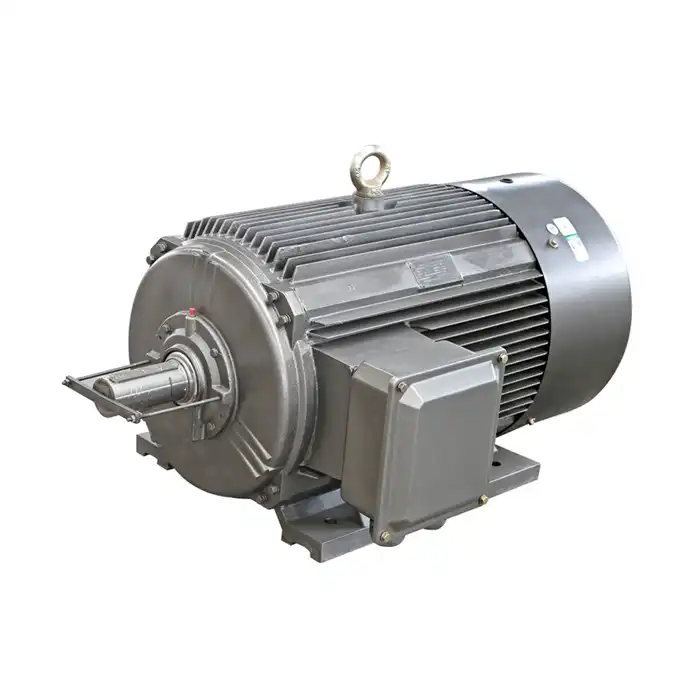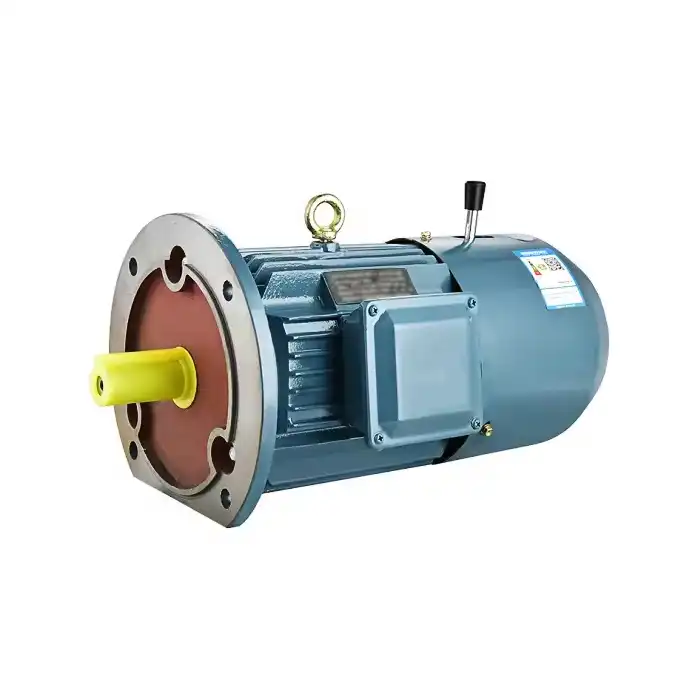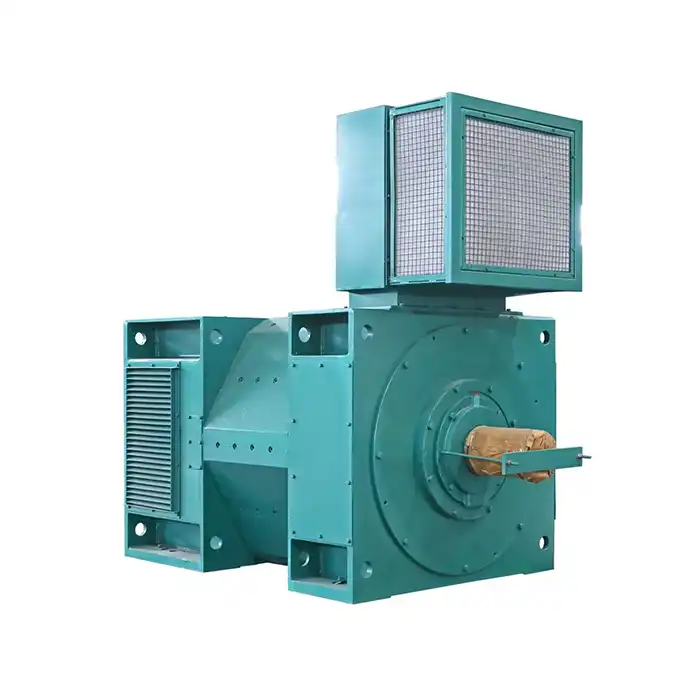




IE3 Electric Motor Efficiency: A Complete B2B Buyer's Guide
When the costs of running your business keep going up and your energy bills keep going up, the problem is often hidden below the surface: the motors that power your tools. The effectiveness that industrial processes need is met by a high efficiency motor IE3, which uses up to 20% less energy than regular motors. This guide tells procurement managers, engineers, and facility operators everything they need to know to make smart buying decisions that balance initial investment with long-term savings. It covers technical specifications, supplier selection, efficiency standards, and maintenance strategies that make motors last longer while getting the best return on investment.
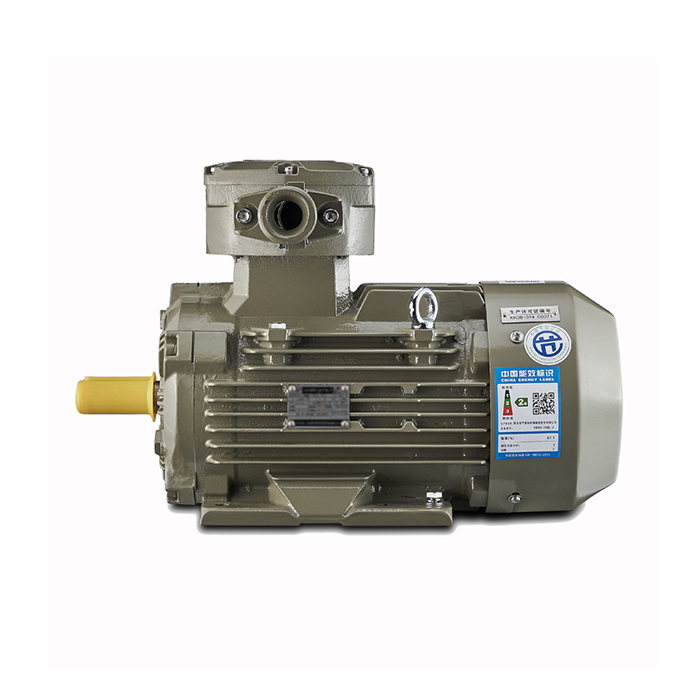
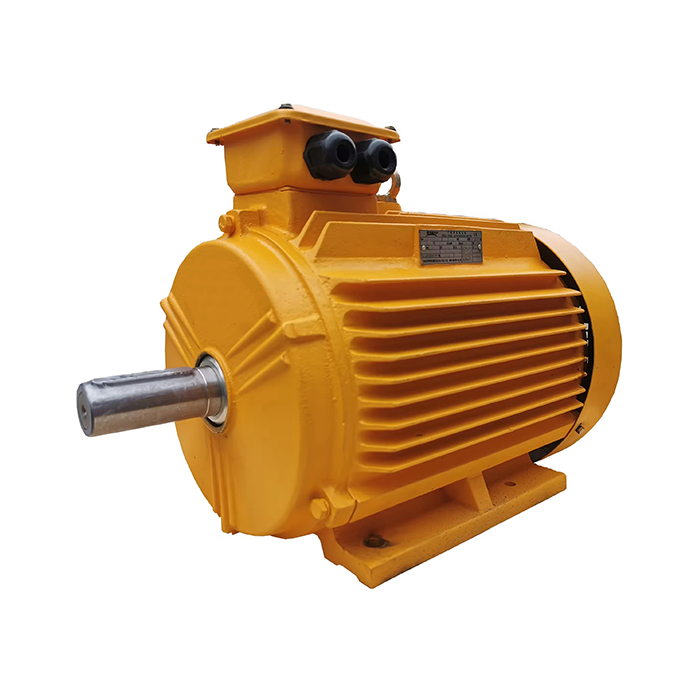
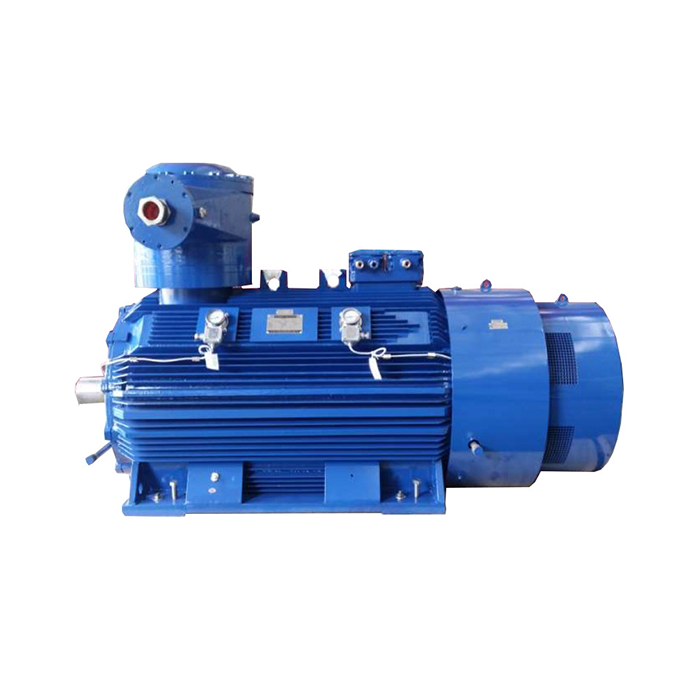
Series:YBX3
Voltage range:380V,660V,415V,380/660V,660/1140V
Power range:0.55-630 kW
Application:places where explosive gas mixtures exist in petroleum, chemical, mining, metallurgy, electric power, machinery and other industries.
Advantage: fully enclosed, self-fan cooling, squirrel cage type, high efficiency.
Explosion-proof mark: Ex d I Mb, Ex d IIB T4 Gb, Ex d IIC T4 Gb
Others: SKF, NSK, FAG bearings can be replaced according to customer requirements.
Understanding IE3 High Efficiency Motors – Essential Knowledge
What Defines an IE3 Motor
Motors are put into classes from IE1 to IE5 by the International Efficiency classification system. Class IE3 motors meet the highest efficiency standards used across all industries. A high efficiency motor IE3 differs from regular motors in that it uses better materials, such as high-grade silicon steel laminations, and more precise manufacturing to lower internal losses. Depending on how much power they produce, these motors have efficiency rates of 87% to 96%. This means that less electrical energy is wasted as heat and more is used to do work. The IE3 label comes from the IEC 60034-30-1 standards, which make sure that performance standards are used consistently around the world and help buyers compare goods from different brands.
Energy Savings Through Optimized Engineering
When factories move to high efficiency motor IE3 units, the costs of running pumps, compressors, and elevators 24 hours a day, seven days a week drop by a huge amount. The technical changes are mostly focused on three main areas: lowering copper losses by making the winding configurations better, lowering iron losses by using better lamination materials, and lowering friction losses by using precision bearings. At average industrial rates, a 75 kW motor that runs for 8,000 hours a year can save about $3,500 a year on power costs. This one motor saves more than $50,000 over its normal 15-year life, which is a lot more than the price extra for equipment with an efficiency rating.
Industrial Applications and Operational Benefits
High efficiency motor IE3 technology is used in a variety of manufacturing processes, from the building of cars to the making of food. When used on an ongoing basis, these motors work very well because their dependability has a direct effect on production output. The completely sealed, self-fan cooling system keeps the inside parts safe from dirt and dust in tough places like chemical plants, mines, and metal fabrication shops. Process control systems gain the most because the motors that power the pumps and valves keep working the same way even when the load changes. When business buildings install HVAC systems, they save a lot of energy, and when power factors get better, demand charges on utility bills go down.
IE3 Motor Efficiency Compared – Making the Right Choice
Performance Differences Across Efficiency Classes
Figuring out where a high efficiency motor IE3 fits in with other types of motors helps people make smart financial decisions. IE2 motors, which were the standard in many places before IE3, usually work 2 to 4 percentage points less efficiently than IE3 motors. This may not seem like a big deal, but when you add up the effects of multiple motors and constant running, you get big differences in costs. Even though IE4 motors are more efficient by another 1-2 points, they cost a lot more and take longer to pay for themselves, which makes them impractical for many uses. For the best balance, the IE3 group offers big improvements in efficiency without the huge price hikes that come with cutting-edge technology.
Cost Implications and Long-Term Value
Instead of just looking at the buy price, procurement teams look at the total cost of ownership. The starting cost of a high efficiency motor IE3 is about 15–30% higher than that of an equivalent IE2 motor, but this additional cost is usually recovered within 18–36 months, based on how often it is used and the cost of electricity in the area. Not only do these motors save energy, they also produce less heat, which lowers the load on HVAC systems in tight areas and makes insulation last longer. Lower working temperatures make bearings and windings less stressed by heat, which means they break down less often and cost less to maintain. When you think about the money you'll save on downtime costs—which can be thousands of dollars an hour in automated production lines—the value argument becomes strong.
Evaluating Specifications for Your Application
By matching the motor's powers to the needs of the application, both over-specification and underperformance problems can be avoided. Power ranges from 0.55 kW to 630 kW, so they can power everything from small systems for moving materials to big industrial engines. Voltage choices like 380V, 415V, 660V, and dual-voltage setups make sure that they can work with the electricity that is already there. The operating speed is based on the number of poles (2, 4, 6, or 8). The choice of poles depends on whether the application needs high-speed performance or high-torque traits. Protection classes IP55, IP56, and IP65 offer different levels of resistance to dust and water. Higher grades are needed for placements outside or in food processing areas that need to be cleaned often.
How to Procure IE3 Motors – A B2B Buying Guide
Identifying Reliable Sourcing Channels
To buy high efficiency motor IE3 units, you need to work with providers who can show they have the technical know-how and quality control to do the job right. Authorised distributors offer direct help from the maker, warranty coverage, and access to spare parts. We've found that providers with flexible voltage options and customisation choices are better at meeting the needs of specific uses than those who only give set specs. Check to see if possible partners keep enough inventory on hand to meet shipping dates. Production delays caused by motor shortages can cost a lot more than differences in price. Ask for proof of certification compliance before confirming an order, since motors that don't comply may have problems with the law or not work as well as they should.
Understanding Pricing Factors
When you buy a lot, you save a lot of money. Depending on the size of your order, the number price ranges from 10% to 25%. Large facilities have more bargaining power when they can get longer payment terms and yearly supply deals. When looking at quotes, make sure you know what's included besides the motor itself. For example, do the rates cover shipping, clearing customs for foreign orders, and help with installation? Long-term happiness is affected by the availability of after-sales service. Suppliers that give technical hotlines, on-site troubleshooting, and quick parts replacement make up for slightly higher unit prices by providing value. When apps need to control speed, you should plan to spend money on accessories like variable frequency drives. These accessories work best when paired with machines that use the least amount of energy.
Supplier Evaluation Criteria
In addition to price, you should look at the supplier's skills in a number of different areas. Responding quickly and fully to technical questions during the inquiry phase is often a good indicator of how well the seller will support the product after the sale. Suppliers who do this will likely keep that level of engagement throughout the relationship. Look at your bearing choices. High-end names like SKF, NSK, and FAG are more reliable in tough situations, even though they cost a little more. Motors meet foreign standards if they have certifications like IEC approval, CE marking, and CCC certification. We suggest asking for customer examples from companies in the same industry as the supplier. This way, you can see how the supplier really works in real life, not just how they say they will in sales pitches.
Technical and Certification Standards for IE3 Motors
Global Regulatory Frameworks
Regulations on energy economy are getting stricter all over the world, and IE3 is now the minimum level that many places will accept. The IEC 60034-30-1 standard sets the standard for how to classify efficiency. This makes sure that motors labelled as high efficiency motor IE3 units meet the same performance standards no matter where they are made. Most types of motors must comply with IE3 rules set by the European Union. Similar rules apply in North America and the Asia-Pacific areas. By understanding these models, procurement teams can make sure that purchases will still be useful in the future, even when standards get tighter.
Interpreting Key Technical Specifications
Nameplates on motors have important information that buyers need to correctly interpret. Ratings for efficiency are based on motors that are fully loaded. Motors that are only partially loaded may perform differently, but good high efficiency motor IE3 designs keep their efficiency curves relatively flat between 50% and 100%. Power factor standards between 0.84 and 0.89 show how well motors turn apparent power into useful work. Higher values lower reactive power fees from utilities. Starting current is usually 6.5 to 7 times the rated current. This means that the electrical system needs to be able to handle inrush current without annoying breaker hits. Maximum working temperatures are set by the insulation class grade (F or H). Class H provides extra thermal margin for high ambient conditions or demanding job cycles.
Specialized Certifications for Hazardous Locations
Motors that work near dangerous gases or dust that can catch fire need to be certified as explosion-proof in the mining, chemical, petroleum, and other related industries. The YBX3 series high efficiency motor IE3 has explosion-proof marks, such as Ex d I Mb for use in mines, Ex d IIB T4 Gb for places with flammable gases, and Ex d IIC T4 Gb for places with hydrogen-rich atmospheres that are easy to start a fire. These approvals show that motors have stronger cases with built-in ignition sources that stop fires from happening outside. Buyers should make sure that the certification scope fits the specific site hazard classifications, since using equipment that isn't rated properly can put people in danger and break the law.
Optimizing Motor Performance and Long-Term Value
Installation Best Practices
Installation that is done correctly sets the stage for effective high efficiency motor IE3 operation. Mounting surfaces must provide hard support to stop vibrations that speed up bearing wear from spreading. Shaft position within the manufacturer's tolerances—usually 0.002 to 0.005 inches for flexible couplings—prevents mechanical breakdowns before they happen. To keep electrical links from having loose leads that cause heat and could break, torque standards are needed. Make sure that the openings for cooling air aren't blocked, because motors can overheat even when they're not working at full load. As part of the initial startup process, vibration analysis should be used to set standard signatures for condition tracking tools.
Preventative Maintenance Strategies
Regular repair times greatly increase the life of a motor. Schedules for lubricating bearings rely on how they are used. For example, continuous-duty uses in clean settings might need service once a year, while harsh conditions need service every three months. We check the insulation resistance on a regular basis to find signs of moisture getting in or coils wearing down before they happen. During operation, thermal imaging finds hot spots that mean there are electrical imbalances or mechanical problems that need to be fixed. Keep the outside of motors clean, because dirt and dust stop heat from escaping and speed up rusting. Keep records of repair efforts so that you can see how things are changing over time and take action before they break down unexpectedly.
Future-Proofing Your Motor Investments
While IE3 motors are the most efficient ones on the market right now, IE4 motors are slowly making their way into general markets as the cost of making them goes down. Procurement strategies should balance instant needs with changing laws. For example, facilities that plan to upgrade their equipment within five years might be able to afford to invest in IE4, even though it's more expensive now, while those with longer time frames can benefit from using tried-and-true IE3 technology. When you pair variable frequency drives with high efficiency motor IE3 units, you can save even more money because the motor speed can be adjusted based on demand instead of being stuck at a set speed with mechanical throttling. Through drive integration, we've seen 20–35% more energy savings in variable-torque uses like fans and pumps. This creates benefits that go beyond motor efficiency alone.
Conclusion
When choosing the right high efficiency motor IE3, you have to weigh the technical specs, costs, and supplier's skills against the operational needs of your building. Motors that meet IE3 standards save measured amounts of energy and usually pay for themselves within three years. They are also more reliable, which lowers repair costs and downtime for production. By learning about how to compare energy efficiency, what certifications are needed, and the right way to put things, you can make smart purchasing choices that improve both short-term performance and long-term value. As pressure mounts on businesses in the industrial sector to cut back on energy use and costs, high efficiency motor IE3 technology offers tried-and-true solutions that balance environmental concerns with business objectives.
FAQ
1.Can IE3 Motors Replace Older IE1 or IE2 Motors Directly?
Most high efficiency motor IE3 units can be used to replace older efficiency classes directly because they have the same fitting dimensions and shaft configurations and come in the same frame sizes. Electrical properties are a little different. For example, IE3 motors usually have lower starting currents and better power factors, which may mean that the control system needs to be tweaked a little. Check to see if the variable frequency drives you already have are still suitable. Some older drives need to have their parameters updated in order to work best with newer motor designs.
2.How Do IE3 Motors Contribute to Sustainability Goals?
Less energy use directly lowers the carbon pollution that come from making power. When compared to standard efficiency versions, a normal 50 kW high efficiency motor IE3 that runs 6,000 hours a year stops about 8 tonnes of CO2 emissions. Longer working lifespans cut down on waste from replacing things too soon, and building materials that can be recycled lower the damage done to the environment when they reach the end of their useful life. As a key measure of sustainability, many procurement teams now keep track of improvements in energy economy.
3.What Warranty Coverage Should I Expect?
Manufacturers with a good reputation offer 12 to 24 month warranties that cover flaws in the products and the work. For an extra fee, premium providers offer guarantees that last longer, up to 36 months. In the warranty terms, it should be clear if work will be done on-site or if the motor needs to be shipped back. Shipping big motors can be very expensive. We think it should be made clear whether warranties are still good after installation by third-party contractors or factory-authorized techs.
Partner with XCMOTOR for Your High Efficiency Motor IE3 Needs
XCMOTOR offers a wide range of power equipment options for tough industry uses in the metalworking, mining, chemical, petroleum, and manufacturing fields. Our YBX3 line high efficiency motor IE3 source ranges from 0.55 kW to 630 kW and comes in 380V, 415V, 660V, and dual-voltage configurations to make sure it works with a wide range of electrical systems. Each motor has explosion-proof certifications (Ex d I Mb, Ex d IIB T4 Gb, and Ex d IIC T4 Gb) and is fully sealed with a self-fan cooling system that works best in harsh settings. Because each customer has different needs, we can make replacements for SKF, NSK, or FAG bearings. We're committed to fixing technical problems quickly by offering original parts from well-known names, fast shipping on all orders, 30-day returns, and dedicated help that covers the weekends. Get in touch with xcmotors@163.com right away to talk about your application needs and get personalised suggestions that will improve both performance and total cost of ownership.
References
1. International Electrotechnical Commission. "IEC 60034-30-1: Rotating Electrical Machines - Part 30-1: Efficiency Classes of Line Operated AC Motors." Geneva: IEC Publications, 2014.
2. U.S. Department of Energy, Office of Energy Efficiency & Renewable Energy. "Premium Efficiency Motor Selection and Application Guide." Washington: DOE Industrial Technologies Program, 2014.
3. European Commission. "Commission Regulation (EU) No 4/2014 on Ecodesign Requirements for Electric Motors." Official Journal of the European Union, 2014.
4. De Almeida, Anibal T., et al. "Energy-Efficient Motor Systems in the Industrial and Commercial Sectors in the European Union." Energy 22.9 (1997): 831-838.
5. Ferreira, Fernando J.T.E., and Aníbal T. de Almeida. "Comparative Analysis of IEEE 112-B and IEC 34-2 Efficiency Testing Standards Using Finite Element Analysis." Proceedings of the International Conference on Electrical Machines, 2006.
6. Saidur, Rahman. "A Review on Electrical Motors Energy Use and Energy Savings." Renewable and Sustainable Energy Reviews 14.3 (2010): 877-898.