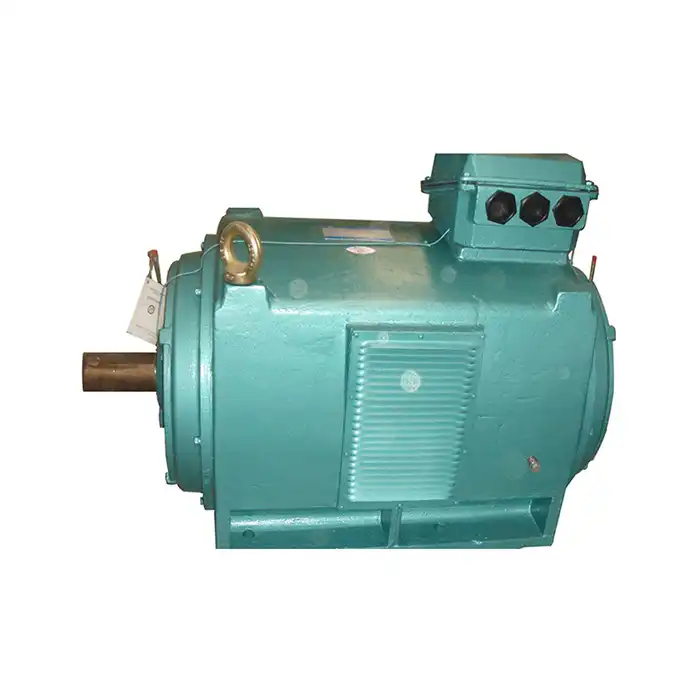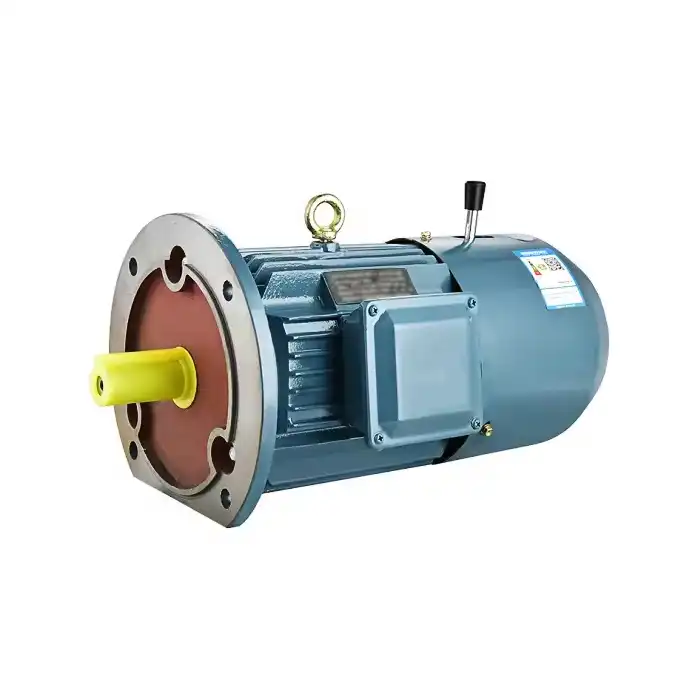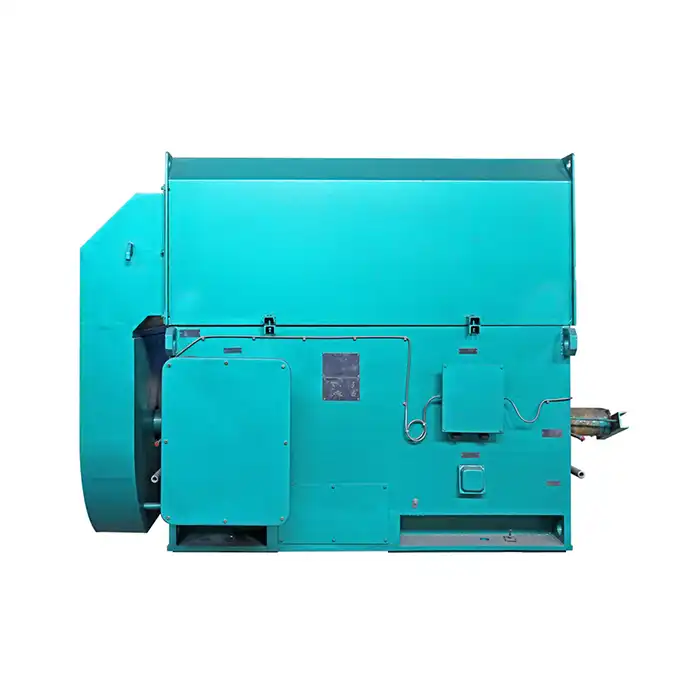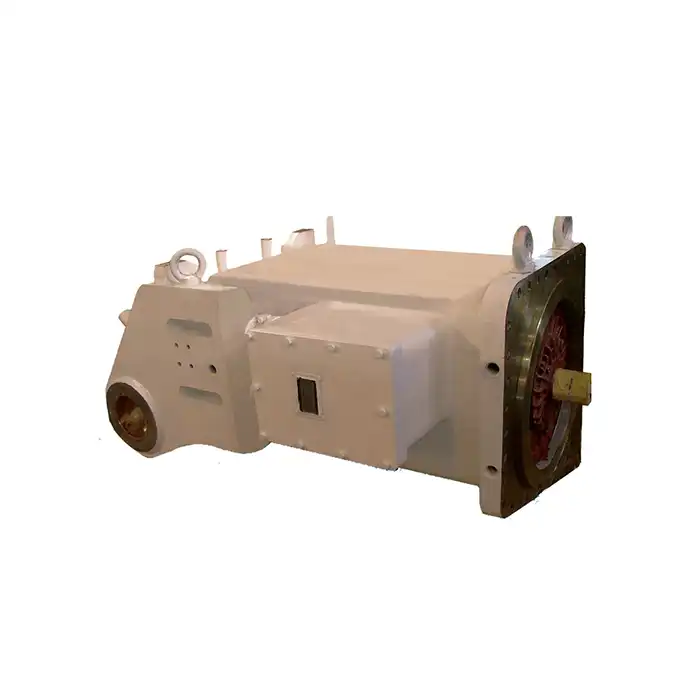




How to choose the right low voltage AC motor for industrial use
How you choose the right Low Voltage AC Motor relies on how much power you need, where you will be using it, and how energy-efficient you want it to be. With voltages below 1,000 volts, these motors work reliably in the green energy, HVAC, industrial, and water treatment industries. When you match the motor's specs—like its power rating, frame size, protection levels, and job cycles—to your application, you get the best performance, lower upkeep costs, and a longer life for the equipment. The right choice cuts down on downtime and increases return on investment across a wide range of business processes.
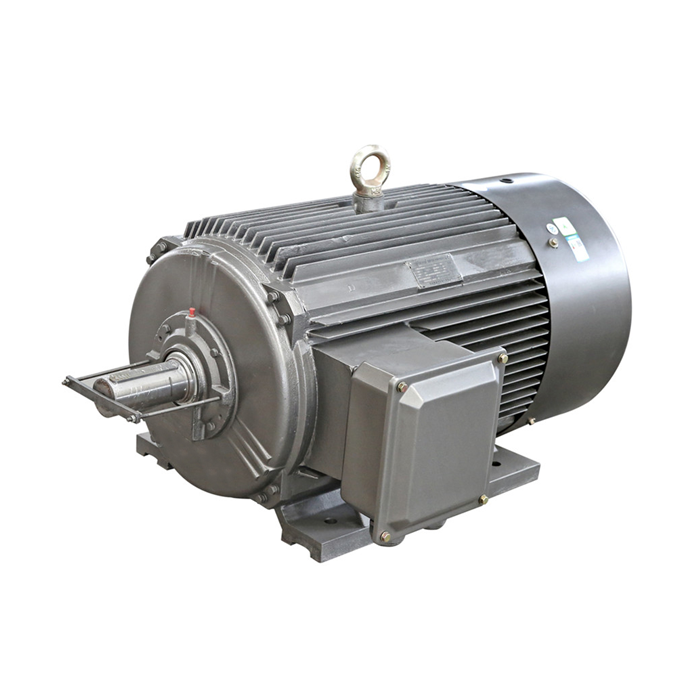
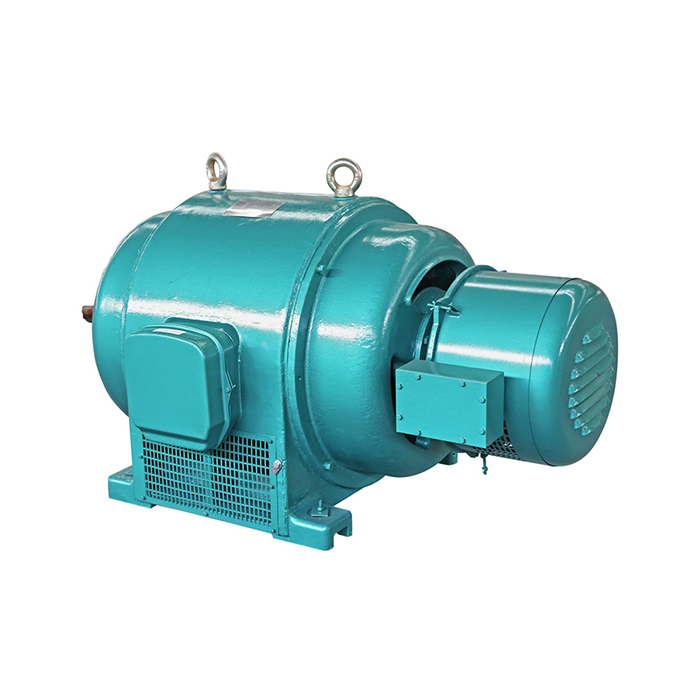
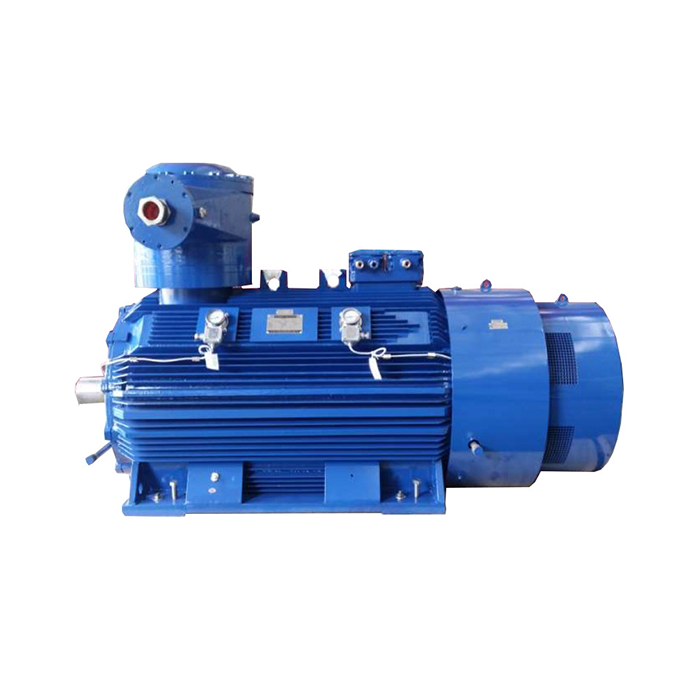
Series:YE3
Frame number: 80-450
Power range:0.75-1000kW
Protection level:IP55
Energy efficiency class: IE3
Voltage range: 380V,400V,415V,660V, etc.
Application:can be used in various fields of the national economy, such as machine tools,water pumps,fans,compressors,and can also be used in transportation, mixing, printing, agricultural machinery, food and other occasions that do not contain flammable, explosive or corrosive gases.
Certificate: international standard IEC60034-30 "Efficiency Classification of Single-speed Three-Phase Squirrel Cage Induction Motors".
Advantage:The high quality of the electric motor guarantees high operational reliability.
Others: SKF, NSK, FAG bearings can be replaced according to customer requirements.
Understanding Low Voltage AC Motors and Their Industrial Role
What Are Low Voltage AC Motors?
Alternating current is used by low voltage AC motors at voltages lower than 1,000 volts. Among the most common values are 380V, 400V, 415V, and 660V. These three-phase squirrel cage induction motors convert electrical energy into mechanical motion using electromagnetic forces. Current flows through the rotor bars as a result of the stator windings' rotating magnetic field. As a result, torque is produced, which powers machines. They are safer to use and simple to integrate into standard industrial electrical systems since they are rated for a certain voltage.
Key Advantages in Industrial Settings
Companies that work in factories like these motors because they are safe to use and useful. Compared to older motor technologies, they use a lot less energy, especially when you choose IE3 or higher efficiency classes. Maintenance needs are still low because the structure is simple and there aren't many parts that wear out. When processes are scaled up, the cost-effectiveness becomes clear because the prices for supplies, installation, and long-term running costs stay doable. Protection levels like IP55 keep dust and water out of internal parts, which extends their useful life in tough workplace settings.
Versatile Application Scenarios
These motors run conveyor systems, packing lines, and equipment that moves things around in factories. They are used in pumps that move fluids, valves that control flow, and compressors that make air power for process control. In both business and private complexes, HVAC systems depend on them to run fans and move air around. They are used to power filter equipment and delivery pumps in water treatment plants. They are used in solar tracking systems and wind turbine auxiliary systems in renewable energy installations, showing how flexible they are in today's industry settings.
Core Criteria for Selecting the Right Low Voltage AC Motor
Evaluating Load Demands and Duty Cycles
Figuring out the mechanical load of your tools is the first step in choosing a motor. When loads stay the same, like on conveyor lines, motors need to give constant power throughout operation. Motors that can handle changing torque needs are needed for machines with variable loads, like mixers and crushers. Duty cycles are important. Motors rated for S1 duty are needed for constant work, while motors rated for S3 or S4 duty may be better for intermittent use. Carefully figure out how much starting torque you need, because motors with higher locked-rotor torque are needed for heavy loads to beat their beginning inertia without damaging them thermally.
Power Ratings and Frame Sizes
Low Voltage AC Motor Motor power levels from 0.75kW to 1000kW can meet a wide range of industry needs. Motors that are too small get too hot and break down early, while units that are too big waste energy and cost more up front. The frame numbers, which range from 80 to 450, tell you about the mounting measurements and shaft heights, which affect how the equipment fits into the layout of other machines. Whether you choose a foot-mounted, flange-mounted, or face-mounted mounting design, it must work with the room you have for installation and the mechanical connection needs in your building.
Environmental Considerations and Protection Standards
The amount of protection needed depends on the operating setting. The IP55 grade guards against dust buildup and water jets, making it ideal for most industrial areas inside and moderately weathered outdoor installations. Temperature differences in the environment affect how well a motor cools and what insulation class to choose. Facilities with toxic air or dust that can explode need barriers that aren't available on the market. Also, the altitude is important because the air is thinner above 1,000 meters, which means that cooling systems may need to be derated or have forced ventilation systems installed.
Energy Efficiency and IE Classifications
Motors are rated from IE1 to IE4 by international economy standards. Motors with higher numbers work better. IE3-rated motors are the standard for most industrial uses right now. They use better electromagnetic design and higher-quality materials to cut down on energy loss. Over the motor's 15–20-year life, the increase in efficiency immediately leads to lower power bills. Figuring out the payback periods helps to explain the higher original investment in IE3 or IE4 motors, especially for equipment that is used all the time or at high levels in places that use a lot of energy.
Comparing Low Voltage AC Motors with Other Motor Types
Performance Against High Voltage Alternatives
High voltage motors work best for large-scale tasks that need more than 1,000kW of power, while low voltage choices are better for middle and small tasks. The cost of installing low voltage equipment goes down because it needs easier safety devices and switchgear. As the voltage drops, it becomes easier to follow safety rules because there are fewer spark flash and shock risks during repair work. Repair and new parts are still easier to find and less expensive, which cuts down on store costs and downtime when service is needed.
DC Motors Versus AC Options
Direct current motors allow for exact speed control by adjusting the voltage, but Low Voltage AC Motors paired with variable frequency drives deliver the same performance with greater dependability. Over time, commutators and brushes in DC systems deteriorate. Because they lack these components, AC motors require less maintenance and have a longer lifespan. AC induction motors are less expensive to manufacture and more economical at the same power levels since they are simpler to construct. When the speed has to be adjusted, modern inverter technology bridges the control precision gap, enabling AC motors to function just as effectively as DC motors.
Brand Selection Considerations
Well-known makers stick to strict quality standards throughout the whole production process. Motors that meet the IEC60034-30 standards for efficiency rating make sure that performance is the same from one provider to the next. Bearing quality has a big effect on durability. High-end motors use SKF, NSK, or FAG bearings, which lower friction and make maintenance times longer. Total ownership costs are affected by warranty coverage and the availability of technical help. This is because fast service networks keep production running as smoothly as possible when problems happen. Checking a company's image by talking to people in the same industry and looking at past achievement records can help you find suppliers who want to build long-term relationships with you.
How to Buy Low Voltage AC Motors: Procurement Best Practices
Supplier Assessment Strategies
Certifications like CE marks and IEC compliance show that a seller is reliable by showing that they can make things. They give you specific scientific information, like performance curves, dimensional models, and instructions on how to put the product. References from current customers in similar fields back up claims of dependability and service quality. Clear information about production capacity and wait times helps make sure that motor deliveries happen on time and on budget, preventing costly delays in starting up equipment.
Balancing Cost and Value
Prices on the market change based on features, reviews for how well they work, and the need for customisation. IE2 motors that are just starting out cost less up front but use more energy over time. Premium IE3 and IE4 motors cost more at first, but they save money in the long run because they use less energy and may even qualify for utility refunds. When figuring out the total cost of ownership, you should add up the price of the motor, the cost of installation, the expected cost of energy, and the amount of upkeep that will be needed over its expected life.
Customization Benefits
Standard catalogue motors can be used in a lot of different situations, but customisation can help with certain operating problems. Custom shaft configurations can be made to fit specific connection needs or mounting limitations in equipment that has been modified. Changing where the terminal boxes are placed makes it easier to route cables in setups with limited room. Corrosive air can be found in chemical processes or marine settings. Special paint finishes or coating systems protect against this. Adaptations for voltage and frequency make it possible for global devices to be used in places with different electrical standards.
Ordering Process Optimization
Clear recording of specifications speeds up the buying process for Low Voltage AC Motor. Include the type of load, the working conditions, the mounting standards, and any other features that are specific to your application. For important applications, you should ask for product acceptance testing records to make sure they work before they are shipped. Set delivery dates that are in line with installation goals, taking into account the time it takes to clear customs and travel within the country if you are buying from abroad. Keep lines of contact open with providers so that you can ask technical questions as the equipment is being put together.
Maintenance, Troubleshooting, and Maximizing Motor Lifespan
Preventive Maintenance Protocols
Regular inspections can help identify flaws before they become serious ones. By glancing at them, one can see worn mounting bolts, loose connections, or damaged cables. Early detection of issues such as worn bearings, misaligned shafts, and imbalanced rotors is possible via vibration analysis. Temperature monitoring reveals when airflow is obstructed or insulation is deteriorating, which lowers cooling efficiency. Because both too little and too much lubrication can harm bearing systems, lubrication schedules must be strictly adhered to as recommended by the manufacturer.
Common Issues and Diagnostic Approaches
Most motor problems are caused by electrical or mechanical problems. Overheating means there isn't enough air flow, there is too much load, or there is an imbalance in the energy between the stages. Strange noises could mean that the bearings are wearing out, parts are loose, or there are problems with the air gap between the rotor and stator. If you have trouble starting, it could be because of a bad battery, damaged windings, or a problem with the control circuit. Voltage, current, and resistance measurements help find electrical problems, and mechanical checks show damage or wear patterns that need to be fixed.
Technology Integration for Operational Excellence
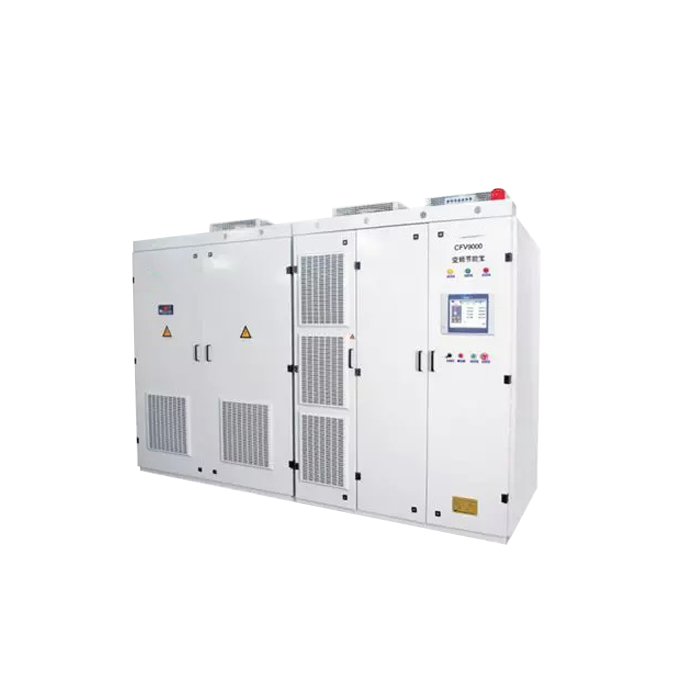
Repair plans may be made in advance thanks to the real-time monitoring of motors provided by modern tracking systems. IoT devices continuously collect vibration, temperature, and current data, identifying anomalous trends before they become serious issues. By precisely matching the motor speed to the load requirements, variable frequency drives conserve energy. This eliminates the waste that results from operating at a steady pace when the load is light. Longer intervals between service visits and increased dependability under challenging circumstances are made possible by upgrades to components like improved cooling fans or high-efficiency bearings.
Conclusion
To choose the right Low Voltage AC Motor, you need to carefully look at the features of the load, the operating surroundings, and the efficiency needs of your unique industrial operation. Motors with IE3 efficiency scores and IP55 protection work reliably in industrial, HVAC, water treatment, and green energy uses. Their power ranges from 0.75kW to 1000kW. The best value is found by weighing the initial investment against the long-term costs of running the business. Preventative upkeep and current monitoring technologies also help to extend the life of equipment and cut down on unplanned downtime.
FAQ
1.What voltage range qualifies as low voltage for industrial motors?
Low Voltage AC Motors usually work between 100V and 1,000V, with popular industrial ratings of 380V, 400V, 415V, and 660V. This class sets them apart from high voltage motors with voltages above 1,000V that are used in large power plants. Because of the voltage range, they can work with standard industrial electrical equipment and keep repair workers safe while they work.
2.How do I calculate the correct motor power for my application?
To find out how much power is needed, multiply the load torque by the working speed and then add the efficiency and service factor limits. Check the real mechanical load, which includes process resistance, friction, and inertia. If your application needs high breaking force, you need to think about how to start it. It is important to get accurate sizing information from equipment makers like load curves and application data to avoid both underpowering and needless oversizing.
3.Can these motors operate in variable speed applications?
Yes, when Low Voltage AC Motors are paired with variable frequency drives, they can precisely control speed over a wide range of positions. The inverter changes both the voltage and the frequency at the same time, so it can give the best power at all speeds. This mixture gets rid of mechanical speed controllers, makes energy use more efficient, and allows soft starting, which lowers the stress on driven and linked machinery.
Partner with XCMOTOR for Your Industrial Motor Needs
Every Low Voltage AC Motor we sell comes from Shaanxi Qihe Xicheng Electromechanical Equipment Co., Ltd., a company that has been making things for 20 years. Our YE3 series motors come in frame sizes 80–450 and power ranges from 0.75kW to 1000kW. They meet IEC60034-30 economy standards and can be customised with high-quality SKF, NSK, or FAG bearings. We are a reliable manufacturer of Low Voltage AC Motors, and we offer full technical help, fast shipping, and committed service six days a week. You can email our team at xcmotors@163.com to talk about your unique needs, or you can visit motorxc.com to see all of our products and get a solution that is made to fit your needs.
References
1. Bonnett, Austin H. "Root Cause AC Motor Failure Analysis." IEEE Industry Applications Society Technical Conference, 2000.
2. Chapman, Stephen J. "Electric Machinery Fundamentals, Fifth Edition." McGraw-Hill Education, 2011.
3. International Electrotechnical Commission. "IEC 60034-30-1: Rotating Electrical Machines - Part 30-1: Efficiency Classes of Line Operated AC Motors." IEC Standards, 2014.
4. National Electrical Manufacturers Association. "NEMA MG 1-2016: Motors and Generators." NEMA Publications, 2016.
5. de Almeida, Anibal T., et al. "Energy-Efficient Motor Systems in the Industrial and Commercial Sectors in the European Union." Energy Journal, Volume 28, Issue 3, 2003.
6. Toliyat, Hamid A. and Kliman, Gerald B. "Handbook of Electric Motors, Second Edition." CRC Press, 2004.