



How to Test the Insulation of a 3.3kV Motor?
It's not just a maintenance task to check the insulation on high-voltage motors; it's also a safety measure against catastrophic breakdowns that can stop production lines and put people in danger. When a 3.3 kV motor is used in harsh conditions like power plants, factories, or water treatment systems, its efficiency and safety depend on how well its protection is kept. During the testing process, special tools are used to measure insulation resistance, polarisation traits are looked at, and the results are compared to industry standards. When insulation resistance falls below accepted levels, which for motors in this voltage class is usually below 100 megohms, there is a much higher chance of an electrical breakdown. When procurement teams and repair experts know how to do these tests correctly, they can use the results to make choices about motor health, when to replace them, and which supplier to choose.
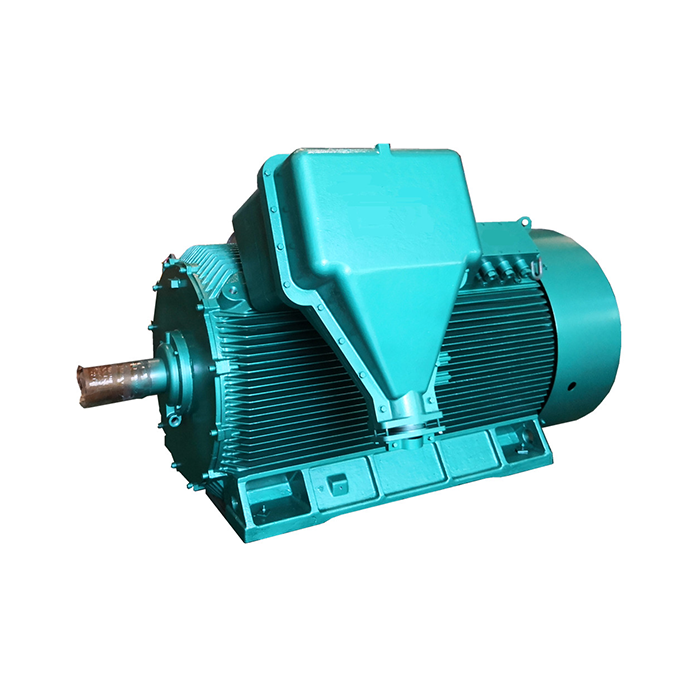
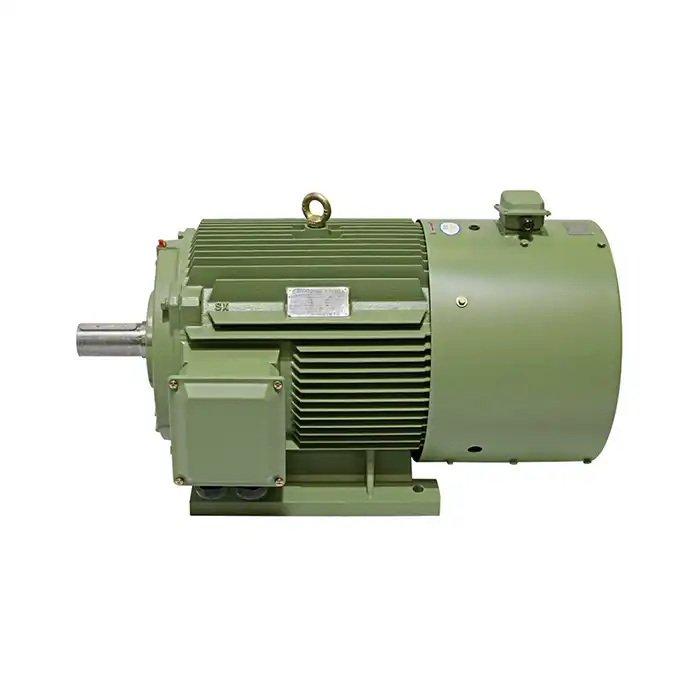
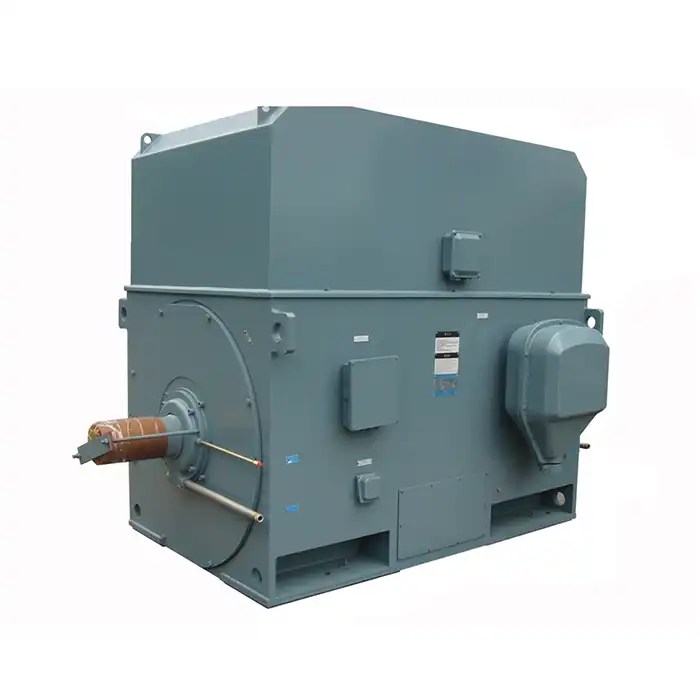
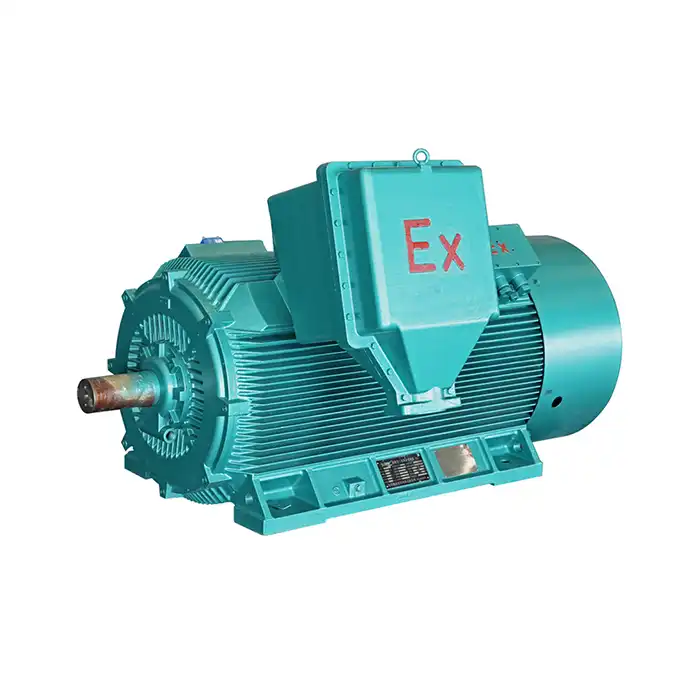
Series:Y2
Protection level:IP54
Voltage range:3000V±5%,3300V±5%,6000V±5%,6600V±5%,10000V±5%,11000V±5%
Power range:160-1600 kW
Application:fans, water pumps, compressors, crushers, cutting machine tools, transportation machinery, etc.
Advantage:compact structure, light weight, low noise, small vibration, long service life, easy installation and maintenance.
Standard: This series of products complies withJB/T10444-2004 standards.
Others: SKF, NSK, FAG bearings can be replaced according to customer requirements.
Introduction
Insulation testing is an important step for high-voltage motors used in transportation infrastructure, energy services, industrial automation, and HVAC systems. These motors are constantly under electrical stress, changing temperatures, and external contaminants that break down insulating materials over time. Weak insulation can cause equipment to shut down unexpectedly, damage that costs tens of thousands of dollars, and safety problems at work if it isn't checked regularly.
This guide is for procurement workers who need to find motors for vital infrastructure, production lines, and process control systems. Whether you're looking at tools for solar panels, business refrigeration compressors, or robots that put together cars, knowing the basics of insulation testing can help you find reliable sources and set up good repair schedules. We'll go over the technical ideas, testing methods, common failure patterns, and selection criteria that will help you make smart buying decisions and ensure long-term operating success.
Understanding the Insulation in 3.3 kV Motors
The Role of Insulation Systems
In high-voltage motors, insulation stops current from leaking between the windings and the motor frame. During the motor's lifetime, this protected layer has to be able to handle constant electrical stress, temperature changes, mechanical shaking, and chemical exposure. When shielding fails, things can go from being less efficient and warming to motors burning out and possibly starting a fire.
Usually, motor insulation systems have several parts that work together. These include groundwall insulation, which separates the windings from the stator core, phase-to-phase barriers, and slot insulation, which protects the stator windings. Depending on how the motor is built and how it is used, each part is under different kinds of stress. Knowing about these layers of safety helps repair teams figure out where problems usually start.
Common Insulation Materials and Their Properties
Modern motor shielding is made from materials that were specifically designed to work well together. This kind of tape is great for motors that work in hot places because it is both dielectrically strong and thermally resistant. Epoxy resin systems are better at keeping out wetness and are stronger, so they protect windings from getting dirty from the surroundings. Polyester and polyimide layers make things more flexible and resistant to heat.
The choice of insulation materials has a direct effect on how long a motor lasts. Premium materials are more expensive at first, but they last longer and break down less often. When procurement teams look at different suppliers, they should make sure that the insulation systems meet well-known standards like IEC 60034 and IEEE 43. These standards set base performance levels for various voltage classes and working situations.
Key Insulation Performance Parameters
The dielectric strength of a shielding material is the highest electric field it can handle before breaking. It is usually given in kilovolts per millimetre. Insulation resistance, which is measured in megohms or gigohms, shows how well a material stops current from leaking. Both of these factors get worse over time because of thermal ageing, water absorption, and pollution.
Class F (155°C) or Class H (180°C) thermal class grades show the highest temperature that insulation systems can work at all times. When you run motors past their temperature limits, the insulation breaks down much faster than it should. If a motor is going 10°C above its recommended temperature, the insulation may only last half as long. When you compare different motor sources, these basic specs should help you decide which ones to choose.
How to Test the Insulation of a 3.3 kV Motor: Step-By-Step Procedure
Preparation and Safety Measures
A thorough preparation phase that covers both people and tools is the first step in conducting a proper test. Take the motor off of all power sources and use an accurate meter to make sure there is no voltage. Ground the motor windings for a few minutes to release any stored energy. Capacitive effects can keep dangerous voltages even after the link is broken.
Get the testing tools you'll need, like a megohmmeter (which should be set at 5,000 volts for testing motors in this voltage range), grounding wires, safety gear, and paper for writing things down. Check to see if the testing tools have up-to-date certificates of calibration and meet safety standards. Keep track of the temperature and humidity in the room because they have a big effect on the test results and how they are interpreted.
Insulation Resistance Measurement
The megohmmeter's positive lead should be connected to one of the motor's phases, and its negative lead should be connected to the motor frame or ground. For 60 seconds, apply the test voltage and watch the resistance number. For a 3.3 kV motor at room temperature, good shielding usually has resistance higher than 100 megohms, though exact standards depend on the size and age of the motor.
Take readings again for each phase-to-ground pair and every time there is a change between phases. If the results are the same across all stages, it means that the insulation quality is uniform. If there are big differences, it means that there is localised degradation that needs to be looked into. When measuring conditions are different from normal reference temperatures, temperature correction is needed because insulation resistance doubles for every 10°C drop in temperature.
Polarization Index and Dielectric Absorption Ratio Testing
The Polarisation Index looks at the difference between the insulation resistance values from 1 minute and 10 minutes. Divide the 10-minute reading by the 1-minute reading to get this number. Values above 2.0 usually mean that the insulation is healthy, while values below 1.5 mean that it is wet or breaking down.
The Dielectric Absorption Ratio works in a similar way, but it compares readings taken every 30 and 60 seconds. This shorter test works well when the motor can't be shut down for a long time. Because they measure the insulation's ability to fight slow current absorption over time, both tests are more accurate than single-point resistance readings at revealing its condition.
High-Potential Testing Considerations
Hi-Pot testing uses voltages higher than usual to make sure that shielding can handle electrical stress without breaking. To test motors with a 3.3 kV rating, the voltage is usually raised to twice the rating + 1,000 volts and kept there for one minute. Because this test can damage minor insulation, many maintenance programs only use it after rewinding or when new motors are accepted.
Modern surge comparison testing is a non-destructive option that can find turn-to-turn insulation faults that can't be seen with regular resistance readings. This complex method looks at waveforms from similar windings and finds small changes that show insulation weakness. Surge testing, which needs special tools, finds problems before they get so bad that the system fails completely.
Common Insulation Problems in 3.3 kV Motors and How to Identify Them
Thermal Stress and Overheating Damage
The main reason why insulation fails too soon in industrial motors is too much heat. Too much stress, not enough air flow, issues with bearings, and voltage mismatches can all cause too much heat, which breaks down insulator polymers. Visual analysis may show that the insulation is getting darker or more brittle, and resistance tests show that the values are going down compared to the starting points.
Motors used for process control, like those that run pumps and motors in chemical plants, are exposed to constant temperature changes that wear down shielding materials. Setting up temperature sensors at key points helps repair teams find thermal problems before they cause a lot of damage to the insulation. Thermal image cameras find hot spots that mean there are problems inside that need to be looked into.
Moisture and Contamination Issues
Infiltration of humidity quickly lowers the resistance of insulation, especially in motors that are kept outside or used in damp places like water treatment plants. When moisture gets into insulation, it makes electrical paths through it, which greatly lowers readings of resistance. If a motor's resistance is fine when it's dry, but not when it's wet, tests may not work.
Pollution from oil mist, chemical vapours, or particles speeds up the breakdown of shielding. Motors in food processing plants have to deal with chemicals that clean them, while motors in transportation use have to deal with road salt and exhaust pollutants. In harsh settings, choosing the right container grade (like IP54 protection) and following regular cleaning instructions can help the insulation last longer.
Electrical and Mechanical Stress Factors
Lightning hits, switching transients, and variable frequency drives can all cause voltage surges that put immediate stress on insulation that is already weak in a 3.3 kV motor. Protect yourself by putting in surge protectors and making sure your grounding systems work right. Motors with less surge protection can be found before a brief event causes failure by testing the insulation on a regular basis.
Over time, mechanical shaking and an uneven blade cause insulation to crack and peel off. Motors that power breakers, cutting tools, and moving equipment are put under a lot of mechanical stress, so they need strong insulation systems. When testing, readings of different resistances across stages often mean that the mechanical parts are damaged. Getting rid of the sources of shaking and keeping the shafts properly aligned can stop insulation breakdown from speeding up.
Best Practices for Maintaining and Extending Insulation Life in 3.3 kV Motors
Establishing Routine Testing Schedules
Creating a planned testing program stops problems from happening out of the blue and makes the best use of upkeep resources. For motors that are always working, like those that make electricity or move water, checking their insulation resistance every three months lets you know early on if it starts to break down. Motors that are in backup service need to be tested before each activity and checked once a year when they are not in use.
Tracking test results over time shows trends of wear and tear that are more useful than single measures. Make insulation resistance trend charts for important motors and keep track of when numbers fall below what they have been in the past. This method of planning ahead lets fixes happen during planned downtime instead of having to be done quickly when something goes wrong.
Environmental and Operational Controls
Insulation lasts a lot longer if the working conditions are stable. Install temperature sensors on motors that are getting close to their thermal limits, especially those that power HVAC fans and compressors. Make sure that the cooling systems work properly and that there are no blocks in the air flow lines.
Control the amount of air that gets in by storing and installing things the right way. Motors that aren't ready to be installed should stay in climate-controlled areas and be turned on and off every so often to get rid of moisture. Space heaters put in motor junction boxes keep mist from forming when the motor is turned off. These easy steps stop problems caused by moisture, which is a big reason why motors need to be replaced too soon.
Storage and Handling Protocols
Insulation can be kept safe from damage and the elements if it is handled properly during travel and storage. Motors should be kept horizontally on supports that don't shake in dry, temperature-controlled areas. Every month, turn the shafts to keep the bearings from getting flat spots, and treat any visible areas to protect them.
Before putting motors back into service after being stored for a long time, you should test their insulation resistance thoroughly and dry them out if the results are below what is considered okay. Running motors that have damaged insulation increases the chance of them breaking down right away and causing a safety issue. Taking the time to do the right pre-commissioning steps can save you a lot of money and time in the long run.
Choosing the Right 3.3 kV Motor and Insulation Testing Solutions for Your Industry
Matching Motor Specifications to Application Requirements
To choose the right motors, including a 3.3 kV motor, you need to look at the specific needs of the application, such as the load factors, duty cycles, and weather conditions. Motors that power tools with varying loads, like crushers and saws, need to be built to last and have better thermal capacity. Water pumps and compressors that work all the time need to be reliable and have long repair gaps.
The voltage range is wide enough to handle different power distribution systems in different places and buildings (from 3,000V to 11,000V with a ±5% tolerance). Power ranges from 160 kW to 1,600 kW, which is enough for most industrial uses, from small machine tools to big process equipment. When choosing motors, make sure that the voltage and power levels are exactly right for your system. This will make them more reliable and efficient.
Evaluating Construction Quality and Component Selection
Our motors use advanced shielding for harsh environments, offering compact, low-vibration, low-noise operation suitable for sensitive sites like hospitals and commercial buildings, with protection above IP54 where needed. Bearing choices (SKF, NSK, FAG) support maintenance compatibility. Compliance with JB/T10444-2004 ensures verified testing and quality. IC411 cooling provides efficient self-ventilation, with alternatives for extreme or explosive environments. Speed range 500–3000 RPM fits diverse applications.
Sourcing Reliable Testing Equipment and Support Services
For good insulation testing, you need tools that are properly calibrated and trained people who can correctly read the results. When looking for testing gear, megohmmeters with the right voltage values and measurement ranges should be at the top of your list. Instruments should have steady readings, the ability to adjust for weather, and the ability to log data for trend analysis.
Your maintenance program will work better if you build relationships with providers that offer full expert help. Having access to application engineers who know the problems your industry faces can help you figure out how to solve difficult diagnostic problems and make testing more efficient. Training programs that keep your repair team up to date on new testing methods and reading standards are worth a lot more than just buying new tools.
Conclusion
In industrial settings, checking the insulation of 3.3 kV motor is an important part of keeping them reliable. Understanding how to test something, correctly reading the results, and following proactive maintenance practices can help protect expensive equipment investments and stop costly unplanned downtime. The step-by-step process described here, from proper planning to advanced testing methods, gives procurement professionals and maintenance teams the information they need to make smart choices about motor health and when to replace them. Insulation lasts a lot longer when it is tested regularly, kept in good shape, and used correctly. This gives you a great return on your investment. As more and more industry processes rely on equipment being available all the time, learning the basics of insulation testing is no longer just a technical skill; it becomes a strategic business skill that supports operational excellence and competitive advantage.
FAQ
1.How Often Should I Test Insulation on High-Voltage Motors?
How often you test relies on the criticality and operating factors. Motors that are used all the time can gain from performance trends being set every three months. In standby uses, equipment needs to be tested before each operating time and checked once a year while it is stored when it is not being used. Harsh settings with harsh temperatures, high humidity, or exposure to contamination should be checked more often. Critical motors that fail and cause big production losses or safety risks should be tested every month, even though it takes more time and money for upkeep.
2.What Insulation Resistance Values Indicate a Motor Needs Attention?
The lowest resistance that can be used depends on the power, size, and temperature of the motor. Insulation resistance in megohms should be higher than the motor's voltage limit in kilovolts + one, times the motor's power in kilowatts. Temperature-adjusted results below this level should be looked into. More importantly, keep an eye out for trends that are going down. If values drop by 50% from the starting point over several tests, that means problems are getting worse and need to be fixed, even if the exact values stay above the minimum levels.
3.Can Insulation Testing Detect All Types of Motor Faults?
Standard tests for insulation resistance can find ground faults and moisture contamination, but they miss some other types of flaws. Turn-to-turn insulation problems in winding coils might not have a big effect on readings of ground resistance. Surge testing is the best way to find these underlying problems. Vibration analysis and thermal imaging work with electrical tests to make full diagnostic programs that look for mechanical and thermal problems that can't be seen with resistance readings alone. Integrated tactics that use more than one testing method give the most full picture of motor health.
Partner with XCMOTOR for Superior High-Voltage Motor Solutions
XCMOTOR makes high-quality motors that are designed to work in harsh industrial settings, like those in industry, energy, HVAC, and transportation. Our wide range of products covers voltages from 3,000V to 11,000V and power levels up to 1,600 kW, meeting the needs of a wide range of applications, from water pumps to industrial engines. Each motor has advanced insulation systems, high-quality bearings from well-known brands, and small designs that make fitting easier and function more efficient.
We know that choices about procurement go beyond the original requirements. Our dedicated technical team can help you choose the best motor setups for your needs by giving you personalised advice. Our dedication to your operational success is shown by our extended 12-month warranty coverage, flexible shipping choices, and access for help on the weekends. Whether you need standard motors or custom solutions for unique situations, XCMOTOR has the technical knowledge and quick customer service to help you reach your long-term goals for efficiency and maintenance. Email us at xcmotors@163.com to talk to one of our application experts about your needs. You can find full specifications and technical tools at motorxc.com, or you can get in touch with a reliable 3.3 kV motor supplier directly to get a price that fits your needs and keeps your business running easily.
References
1. Stone, G.C., Boulter, E.A., Culbert, I., and Dhirani, H. (2004). Electrical Insulation for Rotating Machines: Design, Evaluation, Aging, Testing, and Repair. IEEE Press.
2. Bonnett, A.H. and Yung, C. (2008). "Increased Efficiency Versus Increased Reliability in Industrial Induction Motors." IEEE Transactions on Industry Applications, Vol. 44, No. 1, pp. 96-106.
3. International Electrotechnical Commission (2017). IEC 60034-1: Rotating Electrical Machines - Part 1: Rating and Performance. Geneva: IEC.
4. Institute of Electrical and Electronics Engineers (2013). IEEE Standard 43-2013: Recommended Practice for Testing Insulation Resistance of Rotating Machinery. New York: IEEE.
5. Thorsen, O.V. and Dalva, M. (1995). "A Survey of Faults on Induction Motors in Offshore Oil Industry, Petrochemical Industry, Gas Terminals and Oil Refineries." IEEE Transactions on Industry Applications, Vol. 31, No. 5, pp. 1186-1196.
6. Kaufhold, M., Auinger, H., Berth, M., Speck, J., and Eberhardt, M. (2000). "Electrical Stress and Failure Mechanism of the Winding Insulation in PWM-Inverter-Fed Low-Voltage Induction Motors." IEEE Transactions on Industrial Electronics, Vol. 47, No. 2, pp. 396-402.