



5hp Motor for Pump Applications: How to Select the Right Solution
Selecting a pump system motor involves a careful consideration of technical specifications, operational requirements, and long-term performance goals. A balanced power output and energy economy make a 5hp 3 phase induction motor a good solution for industrial and commercial pumping applications. Knowing how these motors operate and what attributes important helps procurement professionals and facility managers make smart selections that save operating costs and maintain system reliability. This article discusses critical selection criteria, supplier considerations, maintenance practices and financial ramifications to assist you pick the optimal motor for your pump application.
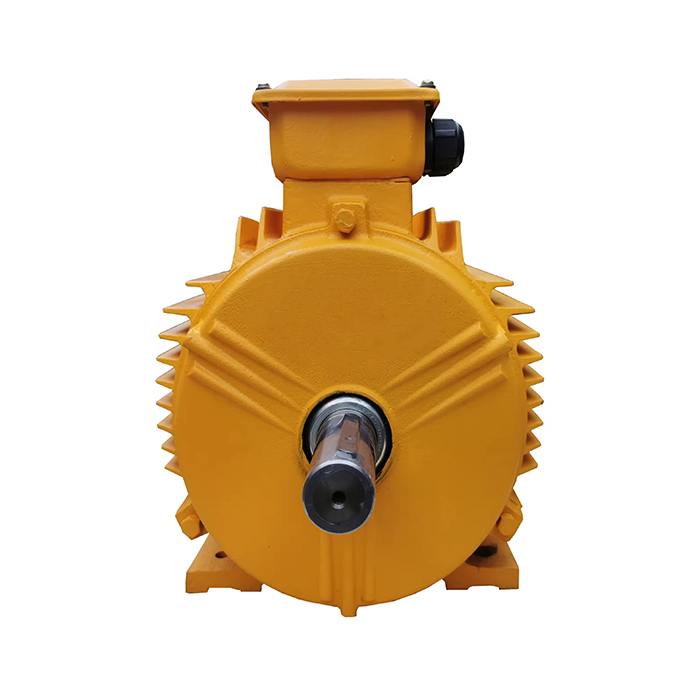
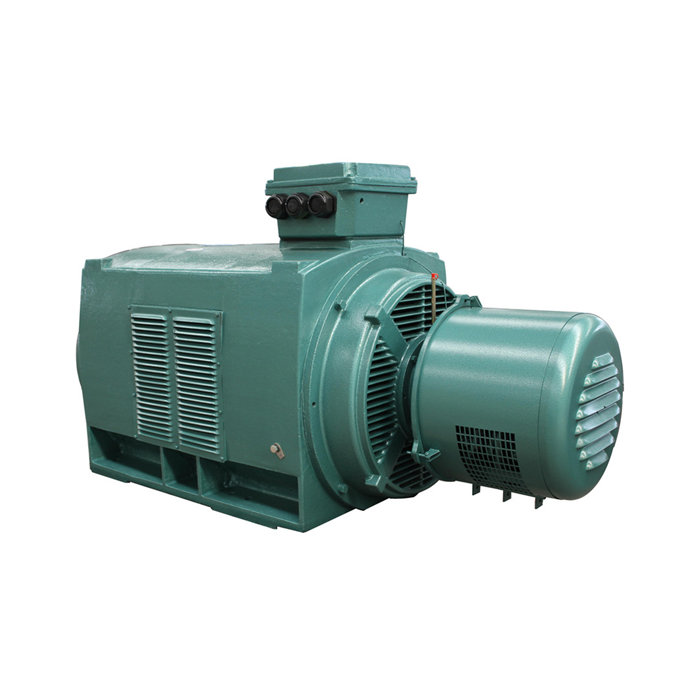
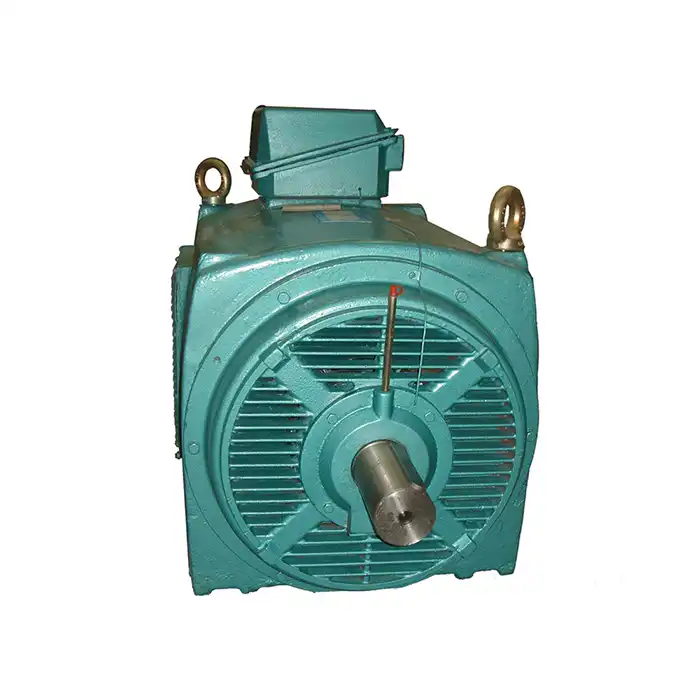
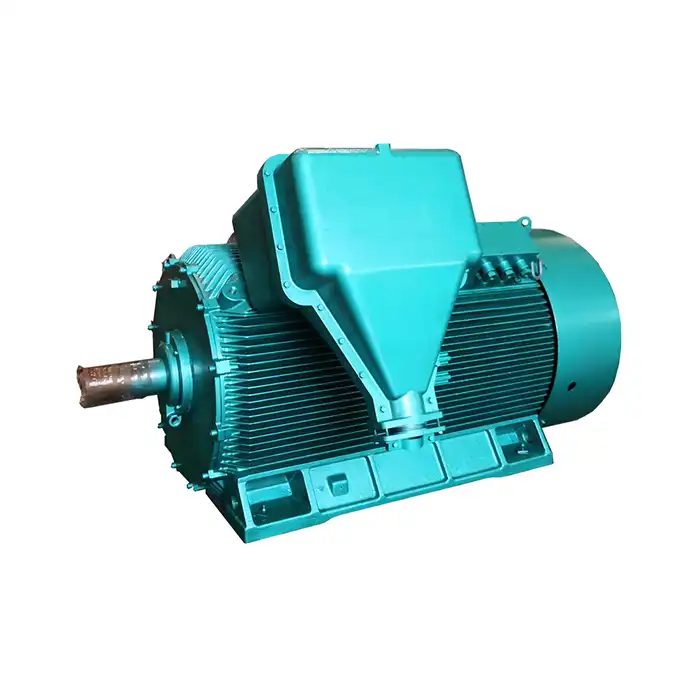
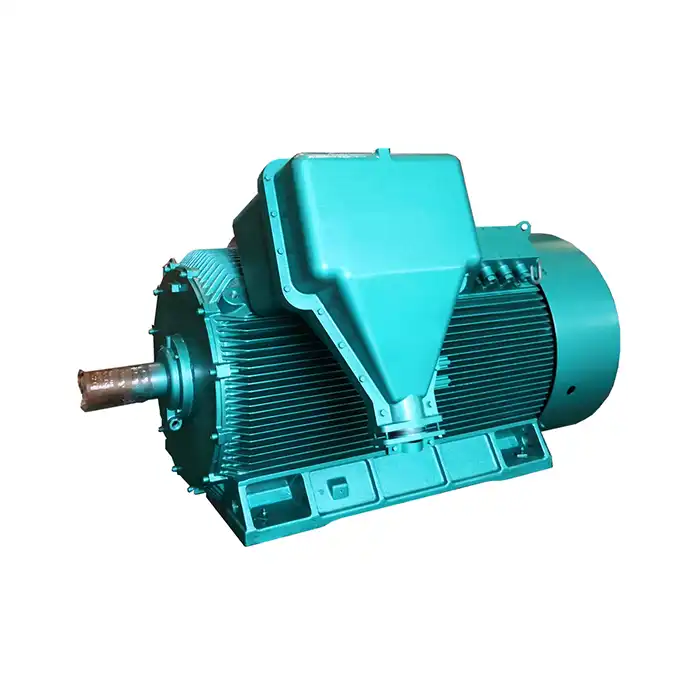
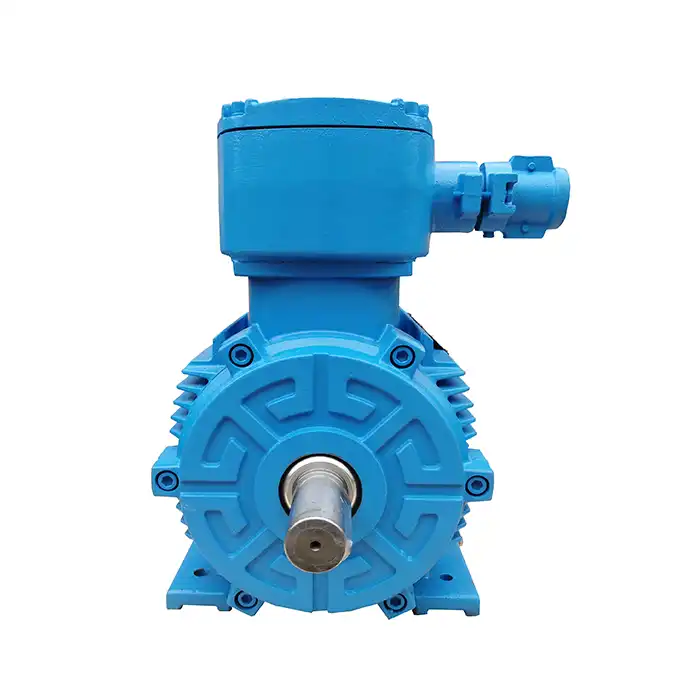
Series:YE5
Frame number: 80-450
Power range:
Protection level:IP55
Energy efficiency class: IE5
Voltage range: 380V,400V,415V, 660V,etc.
Application:can be used in various fields of the national economy, such as machine tools,water pumps,fans,compressors,and can also be used in transportation, mixing, printing, agricultural machinery, food and other occasions that do not contain flammable, explosive or corrosive gases.
Certificate: international standard IEC60034-30 "Efficiency Classification of Single-speed Three-Phase Squirrel Cage Induction Motors".
Advantage:The high quality of the electric motor guarantees high operational reliability.
Others: SKF, NSK, FAG bearings can be replaced according to customer requirements.
Understanding 5HP 3 Phase Induction Motors for Pump Applications
Operational Principles and Performance Characteristics
Three-phase induction motors use electromagnetic induction between the stator and rotor to generate spinning force without touching. This system reduces mechanical wear and maintains torque at various speeds. The motor's torque curve affects pump performance. Enough beginning torque ensures a smooth start, and constant torque maintains flow rates regardless of load. The 500–3000 rpm speed works with centrifugal, positive displacement, and submersible pumps used in industries, water treatment facilities, and HVAC systems.
Energy Efficiency and Operational Cost Impact
Rating a motor's efficiency is important for budgeting because electricity use accounts for 97% of its lifecycle costs. IE5, the maximum economy grade defined by IEC60034-30, uses 2–5% less energy than ordinary motors. This efficiency enhancement pays for itself in less than four years via decreased electricity bills while operating eight hours a day. In water pumping stations, agricultural irrigation systems and commercial refrigeration, a 5hp 3 phase induction motor with high-grade silicon steel laminations and optimised copper windings decreases magnetic field conversion energy loss.
Installation Requirements and Electrical Safety
The motor will run safely and effectively for life if placed properly. Motors must work with 380V, 400V, 415V, or 660V systems, so voltage compatibility is crucial. This motor can withstand dust and water jets from any direction due to its IP55 rating. They can be used in humid or airborne environments. Frame sizes range from 80 to 450 to match various hanging choices and room sizes. Motors with insulation class F can sustain winding temperatures up to 155°C, giving them thermal reserves to live longer in harsh pump conditions with changing ambient temperatures or restricted cooling airflow.
Pump Type Compatibility Considerations
Different pumps need different drive motor technology. Water and air conditioning ducts are moved by centrifugal pumps. They need motors that can handle changing flow needs and keep the pump running smoothly despite pressure changes. In chemical processing and food production, positive displacement pumps need motors that can maintain torque when loads change. Fluid absorption and pressure changes can challenge submersible pump motors. A good 5hp 3 phase induction motor has the right service factors, thermal safety, and starting features to avoid stress during system startup and run continuously during normal duty cycles.
Criteria for Selecting the Right 5HP Motor for Pumps
Assessing Application-Specific Requirements
Analyse your pump system before choosing a motor. Load characteristics determine whether a constant torque or variable torque system is best. Continuous, intermittent, or periodic duty cycles effect heat management and bearing demands. Temperature, height, humidity, and exposure to dangerous agents impact safety class and material. Deep mines, climate-controlled food processing factories, and outdoor water treatment plants have varied needs. Stable temperatures simplify thermal management but create environmental issues.
Critical Technical Specifications
Depending on frame size, a 5hp 3 phase induction motor may be placed on existing equipment bases and heat distribution impacts its performance over time. Service factors indicate how well a motor handles overloads above its nameplate rate. Typical service factor values are 1.0–1.15, giving systems workable margins during demand surges. Heat-resistant Class F insulation keeps windings undamaged in most industrial situations. Choose the right bearing to determine service frequency and reliability. SKF, NSK, and FAG premium bearings have longer service life and lower friction losses, which is especially useful in continuous-duty pump applications where unplanned downtime can disrupt operations.
Starting Method Comparison and Power Supply Implications
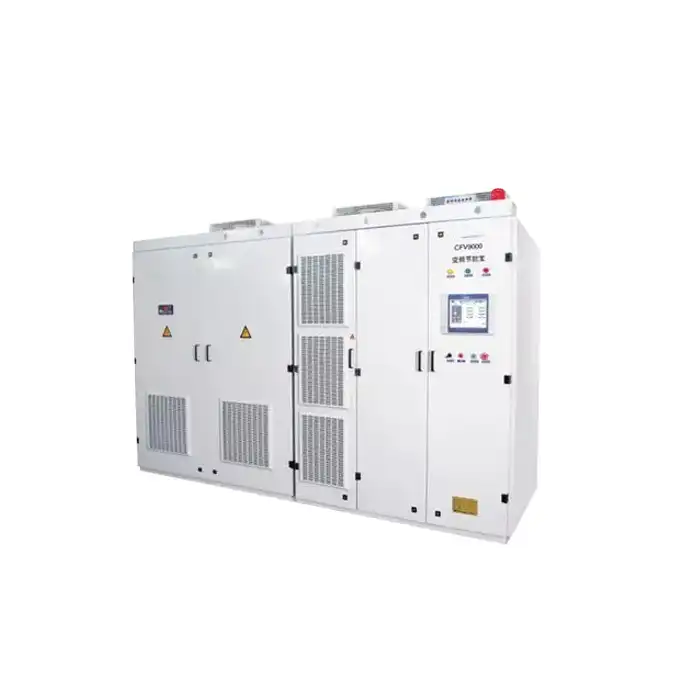
Startup costs and system success depend on starting methods. Direct-on-line starting is simple and cheap, but it generates significant inrush currents that stress electrical and mechanical systems. Low-voltage starting methods reduce electrical stress but are more complicated and expensive. Acceleration characteristics are best controlled using variable frequency drives. They allow soft starts to protect mechanical parts and speed modulation to save energy when partially loaded. Choice relies on power, mechanical system characteristics, and if operational flexibility justifies spending more on more complicated control equipment.
Balancing Efficiency Ratings with Total Cost
High-efficiency motors cost more but save money over time since they consume less energy. IE5 efficiency recommendations are the finest and perform better than IE3 and IE2. To help you choose, calculate the annual energy cost of each option using expected working hours, local power rates, and load patterns. A 92% efficient motor running 4000 hours a year at $0.10 per kWh has very different total ownership costs than a 95% efficient motor. This research is crucial for energy-intensive water utilities, farms, and industries with many pump systems. These sites have great long-term energy savings.
Supplier and Brand Insights for 5HP 3 Phase Induction Motors
Evaluating Supplier Reliability and Service Capabilities
Choice of supplier affects product quality, delivery times, expert help, and after-sales service, all of which are crucial for long-term business success. Reliable vendors have adequate inventory to avoid project delays when equipment has to be replaced. Technical knowledge helps match motor specs to application needs, preventing costly mistakes that hurt performance or require premature replacement. After-sales assistance including warranty fulfilment, spare parts, and troubleshooting protects your investment as long as the motor works. CE marking, ISO 9001:2015 quality management, and GOST compliance demonstrate a company's commitment to manufacturing standards and reassure consumers that their goods will always be the same.
Key Procurement Considerations
Considerations beyond basic specifications are crucial when selecting motors for pump applications, particularly with a 5hp 3 phase induction motor. Delivery reliability helps maintain project schedules and reduces production disruptions. When variable frequency drive control improves operations, inverter connection matters. Some motor designs can withstand VFD PWM patterns' electrical stresses better. Voltage, mounting, and bearing modifications allow you to optimise installation performance. Pump systems utilised in hazardous environments with flammable vapours or dust must be approved. Normal setups work for water treatment, HVAC, and agricultural without explosive atmospheres.
Navigating Procurement Channels Effectively
Modern procurement specialists utilise several channels to source industrial motors. Directly dealing with the maker usually yields better prices on larger orders and ensures that the product is authentic and covered by the warranty. Authorised distributors have local stock, faster shipping, and expert support, making specifications and problems easier to resolve. Online platforms make finding suppliers easier, but you must carefully check supplier qualifications and product certifications. Consider more than unit cost while negotiating rates. Payment conditions, delivery schedules, warranties, and after-sales assistance impact value. Building relationships with dependable sources simplifies future purchases and ensures product consistency across installations.
Maintenance, Troubleshooting, and Long-Term Performance Optimization
Routine Maintenance Practices
Systematic maintenance keeps motors functioning for over ten years and prevents them from breaking down at the worst possible moment, stopping activities. Check mounting nuts for tightness regularly to ensure shaking hasn't loosened mechanical linkages. Oil bearings per manufacturer's specifications. Too much oil causes heat, while too little causes rapid wear. Cleaning the exterior prevents dust and heat loss. This is crucial in industries and farms because flying particles accumulate fast. Coupler alignment prevents mechanical stress, vibrations, bearing wear, and efficiency loss. These basic measures require little time but affect the motor's dependability and lifetime running expenses.
Common Problems and Diagnostic Approaches
Overheating in a 5hp 3 phase induction motor may result from insufficient airflow, high external temperatures, or overuse. Check the cooling pathways for obstructions, ensure sure the environment meets the motor's specifications, and compare the load current to the nameplate. Strange sounds may indicate a worn bearing, an unbalanced rotor, or misaligned bearings. Listen carefully to find the source before small issues become major failures. Start-up problems might result from power, control, or mechanical binding issues. The voltage, control system, and mechanics are checked in systematic troubleshooting. Understanding these common issues allows facility staff to quickly fix small issues, avoiding downtime and costly emergency repairs.
Performance Enhancement Strategies
There are various strategies to boost motor performance and lifespan. Fan or airflow cooling allows motors to operate at lower temperatures. This reduces insulating stress and extends winding life. Service factors give operational margins. Motors having a service factor of 1.15 can handle occasional overloads without compromising dependability. Selecting a quality bearing from SKF, NSK, or FAG reduces friction losses and maintenance. This is useful for frequent uses. Detecting mechanical issues early via vibrations allows for scheduled maintenance rather than emergency repairs. These advancements safeguard capital investments and keep systems functioning smoothly under severe water treatment, industrial, and agricultural pumping environments.
Pricing, Energy Efficiency, and Return on Investment Considerations
Understanding Cost Drivers
Motor prices depend on more than nameplate specs. Quality of manufacturing affects durability and reliability. Precision die-casting, sophisticated winding, and vacuum pressure impregnation improve performance but cost more. Efficiency rates effect prices. IE5 motors cost more than IE3 motors because they employ superior materials and stricter production requirements. Heat safety, bearing quality, and insulation class affect costs. Brand image depends on quality, promise fulfilment, and skilled assistance. When procurement professionals understand these cost drivers, they can fairly compare bids and distinguish between real value and price differences for show.
Energy Consumption Analysis and Operational Savings
A comprehensive energy study reveals how efficiency impacts cost over an operation's lifespan, particularly for a 5hp 3 phase induction motor. A motor that uses 3.73 kW at full load instead of 3.88 kW saves 150W, which seems insignificant until you multiply it by 4000 hours per year. The difference is $60 per year or $600 over ten years at $0.10 per kWh. Facilities use multiple pump units, multiplying these savings. Even if you don't care about energy savings, high-efficiency models make financial sense when the cost of replacing broken motors is comparable to or higher than the cost of upgrading. This analysis is especially useful for water utilities, farms, and factories that use a lot of electricity and can save money by improving efficiency.
Return on Investment Through Case Examples
When used constantly, IE5-rated pump motors pay for themselves in 18–36 months in industries. Agricultural irrigation systems that use pumps during certain seasons have longer payback periods but still make money over time. 24/7 pumping water treatment plants usually make the most money. Efficiency upgrades can reduce energy bills and recoup costs within 12 months, particularly for 5hp 3 phase induction motors. These results depend on local energy rates, working schedules, and the baseline efficiency of the changed equipment. Calculated ROI estimates show that high-efficiency motors are environmentally friendly, financially beneficial, and meet government standards, helping people choose investments.
Warranty and After-Sales Support Value
Comprehensive warranty coverage covers manufacturing flaws and early failures that could cost unexpected replacements. Standard warranties last one to two years, but more expensive items may have longer coverage. After-sales support includes expert installation, troubleshooting tips, and spare parts to minimise downtime during repairs. These services are useful for remote installations or specialised tasks without local expertise. Total ownership costs can be calculated from guarantee and support terms. This shows that sellers with better service may offer better long-term value, even if they charge more at first.
Conclusion
Selecting the appropriate motor for a pump application is a balancing act of technical parameters, application requirements, dependability and supply costs. You know the right 5hp 3 phase induction motor for the right application will perform reliably in HVAC, water treatment plants, farm chores and factory automation. Premium efficiency ratings save on operating costs by consuming less energy. Rugged design with precision die-cast frames, copper windings and silicon steel laminations ensure they will survive in tough conditions. Systematic maintenance and competent troubleshooting can keep things operating their best and safeguarding investments by extending service lives beyond 10 years. Price, efficiency and return on investment are all factors that need to be carefully considered when selecting a motor. High quality motors provide better total ownership value via lower energy costs, enhanced reliability and longer operational lifespans justifying higher initial investment prices.
FAQ
1. What distinguishes three-phase motors from single-phase alternatives for pump applications?
Three-phase motors are more efficient, have a higher power density, and have better starting speed than single-phase types. They work more smoothly and with less vibration because they don't need starting capacitors. Because of these factors, three-phase designs are better for business and industrial pump systems that need to work all the time and be reliable.
2. How do I determine if my pump system requires inverter-compatible motors?
Inverter-compatible motors are useful because they can operate at different speeds, save energy when only partially loaded, and start up slowly. VFD control is useful for situations where the flow needs change, like building water pressure systems or processes with changing needs. Applications that run at full load all the time at constant speed might not need this extra complexity and cost.
3. What maintenance indicators suggest impending motor failure?
Temperature rises that don't make sense, strange noise or sound patterns, lessening performance, and electrical problems like current mismatches are all signs that trouble is coming. When these signs are picked up early by regular monitoring, planned maintenance can be done before a catastrophic failure happens and unexpectedly stops operations.
Partner with XCMOTOR for Your Industrial Motor Solutions
XCMOTOR offers high-quality three-phase induction motors that are designed to work with demanding pumps in a wide range of industries. Our IE5-rated motors are made with high-tech materials, are precisely manufactured, and go through strict quality control to make sure they work well and use little energy. Our products are suitable for a wide range of installation needs in water treatment, HVAC, manufacturing, and agricultural settings thanks to their IP55 protection, insulation class F, and frame sizes ranging from 80 to 450. As an experienced 5hp 3 phase induction motor seller, we can give you a range of voltage choices, high-quality bearings from SKF, NSK, and FAG, and full expert support for as long as your equipment is in use. To talk about your needs, please email our team at xcmotors@163.com. We offer dedicated help seven days a week, easy 30-day returns on all purchases, and fast delivery on all items. This will keep your project on plan and maximise long-term performance and value.
References
1. National Electrical Manufacturers Association, "NEMA Standards Publication: Motors and Generators," 2021 Edition, Washington D.C.
2. International Electrotechnical Commission, "IEC 60034-30-1: Rotating Electrical Machines - Part 30-1: Efficiency Classes of Line-Operated AC Motors," 2014.
3. U.S. Department of Energy, "Energy Efficiency Standards for Electric Motors: Technical Support Document," Office of Energy Efficiency and Renewable Energy, 2020.
4. De Almeida, A.T., Ferreira, F.J., and Fong, J., "Standards for Efficiency of Electric Motors," IEEE Industry Applications Magazine, Vol. 17, No. 1, 2011.
5. Bonnett, A.H. and Yung, C., "Increased Efficiency Versus Increased Reliability in Electric Motor Design," IEEE Transactions on Industry Applications, Vol. 44, No. 4, 2008.
6. European Commission Joint Research Centre, "Electric Motor Systems Energy Efficiency: A Guide to Best Practice in Industrial Applications," Institute for Energy and Transport, 2016.