



How to protect a High Voltage AC Motor from dust?
Dustproofing a High Voltage AC Motor needs many methods. Choose motors with IP54 or IP55 protection ratings to prevent particle penetration. Install labyrinth seals and quality gaskets at key entrance locations. Create contaminant-resistant interior airflow using positive pressure ventilation systems and HEPA filters. Schedule cooling passage cleaning, insulation inspection, and bearing lubrication. These steps guarantee your motors can resist tough industrial settings while maximising efficiency and dependability.
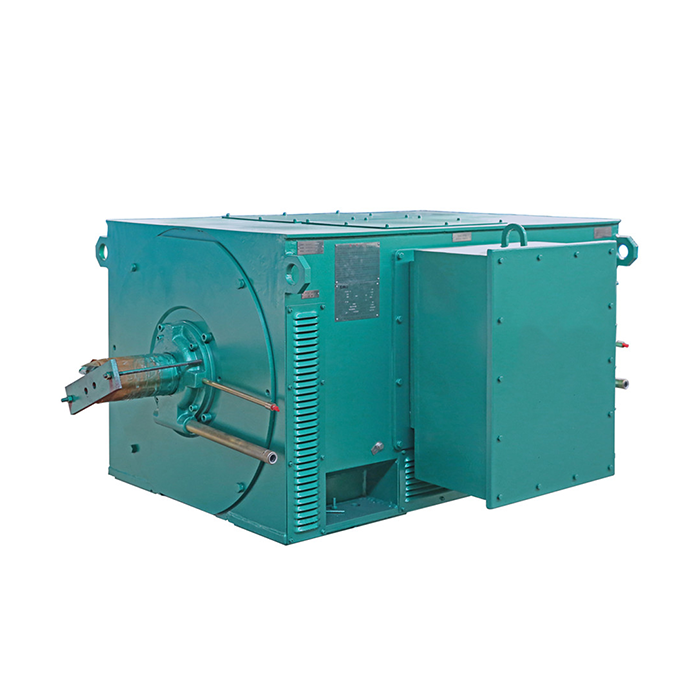
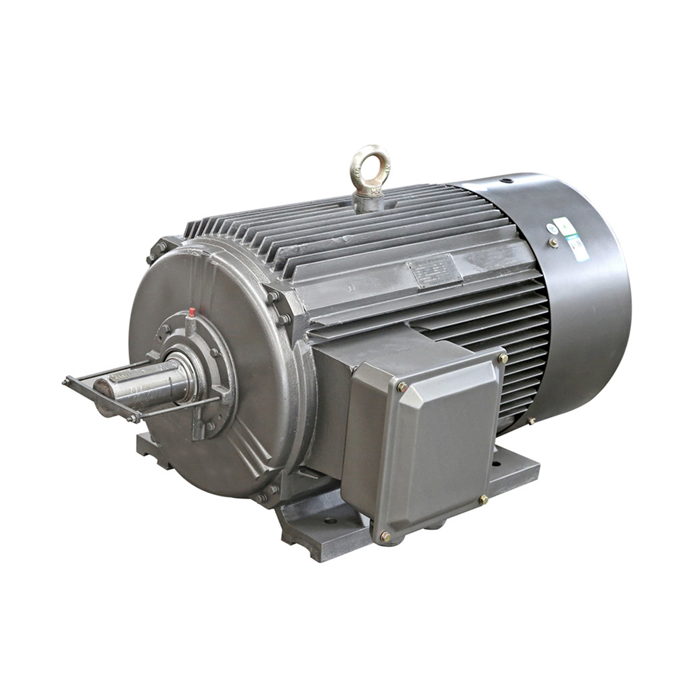
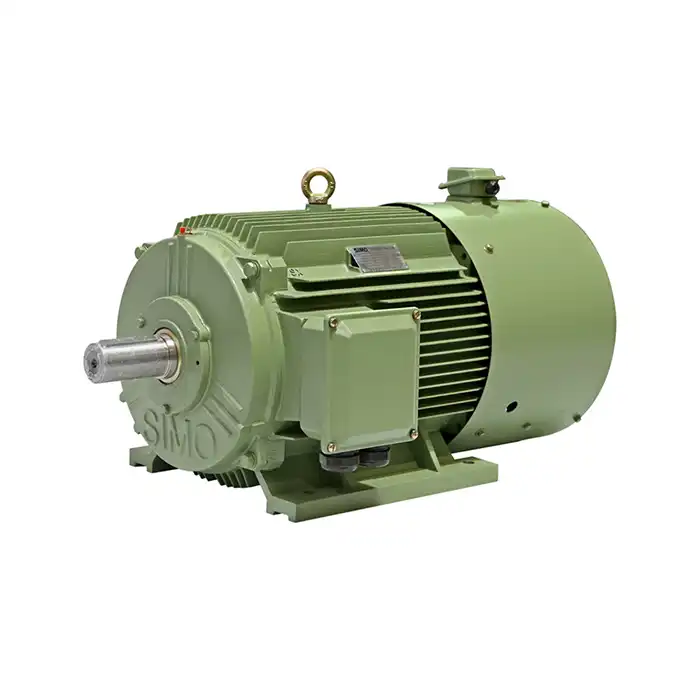
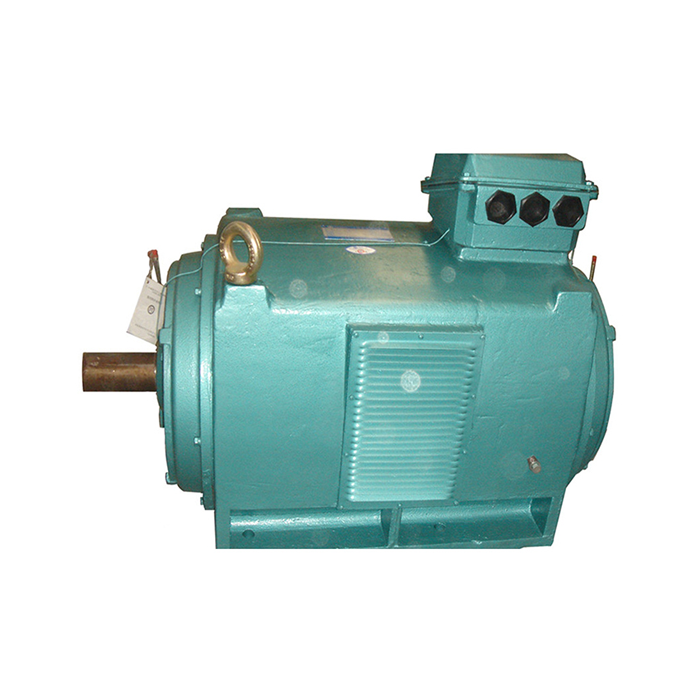
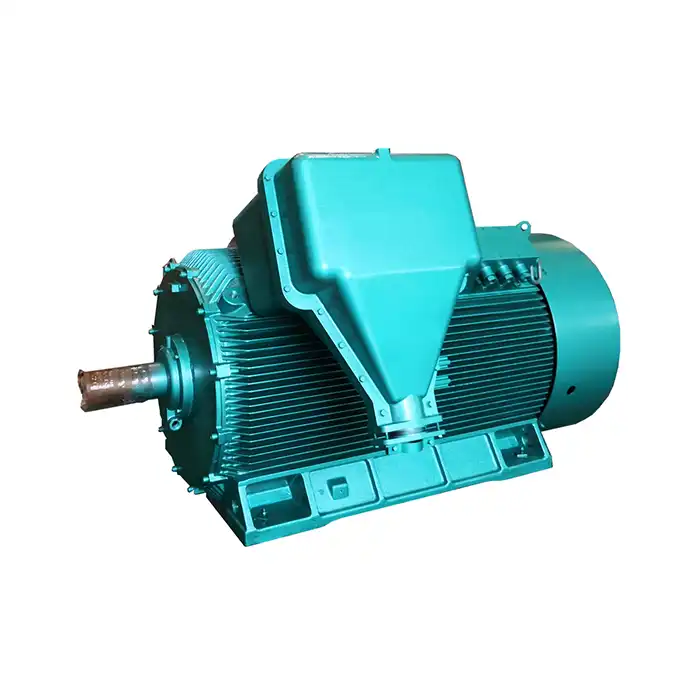
Series:Y-HV
Protection level:IP23
Voltage range:3000V±5%,3300V±5%,6000V±5%,6600V±5%,10000V±5%,11000V±5%
Power range:200-6300 kW
Application:fans, water pumps, compressors, crushers, cutting machine tools, transportation machinery, etc.
Advantage:light weight, low noise, small vibration, long service life, easy installation and maintenance.
Standard: This series of products complies withJB/T 12728 and JB/T 10446 standards.
Others: SKF, NSK, FAG bearings can be replaced according to customer requirements.
Introduction
Factory efficiency requires powerful tools. High Voltage AC Motors from 3kV to 11kV power pumps, compressors, fans and lifts in industries, mines and power plants. Unfortunately, airborne particles endanger these purchases. Dust destroys insulation, inhibits cooling routes, and makes electricity and parts easier to trace and break.
Repair engineers and purchasing managers are under constant pressure to reduce costs and increase equipment uptime. Motor cover dust produces a chain reaction: reduced heat transmission raises winding temperatures, polluted bearings increase friction, and inadequate shielding systems increase catastrophic failures. Each unexpected stop costs a lot due to delayed productivity, emergency repairs, and the risk of damaged equipment.
This article addresses the issues tool buyers and testers confront. The page discusses how dust affects motor parts, the primary causes of contamination, and effective strategies to prevent and remove it. Understanding the basics of dust protection helps you make decisions that improve efficiency and lengthen the life of equipment, whether you're in charge of a fleet of motors in the cement industry, a steel mill, or a water treatment plant.
Understanding the Problem: Dust Impact on High Voltage AC Motors
Dust from high -voltage AC motors is more than simply annoying. Particles a few micrometres wide may get past protective coverings and fall on critical areas. Once inside, these impurities create several problems that harm performance and safety.
How Dust Affects Insulation Systems
Insulation protects the process and windings against electrical breakdown. Modern motors employ Class F or Class H insulation, which can withstand 155°C or 180°C. Dust on these surfaces functions as a thermal blanket, preventing heat loss. Insulation ages faster due to retained heat, lowering dielectric strength and preventing current leakage. Hygroscopic dust absorbs water when moist, allowing electricity to pass through insulation. This tracking effect may generate phase-to-phase or phase-to-ground faults that damage windings beyond repair.
Our motors utilise Vacuum Pressure Impregnation (VPI) to seal working surfaces and prevent water and dirt absorption. While vacuuming, this method presses adhesive deep into insulating materials. This provides a water-resistant shield that's more dependable in dusty situations.
Cooling System Compromises
Heat management is still needed to keep motors running and prevent premature failure. Motors remove heat by cooling tunnels, outward fins, and forced air systems. Dust blocks these channels and slows heat flow. As cooling effectiveness decreases, internal temperatures rise, speeding bearing grease breakdown and increasing electrical connection resistance.
The IC611 and IC37W cooling systems we make prevent dust buildup while eliminating heat. Different cooling channels keep the motor environment distinct from outside air in the IC611 technique. IC37W water-cooled designs don't require airflow, making them ideal for dusty situations.
Bearing Contamination and Mechanical Wear
Precision bearings keep rotor pieces in position and reduce friction. Dust delivers abrasive pieces to bearing surfaces and lubrication tanks, speeding wear and failure. Unfortunately, contaminated bearings generate more noise, shake, and consume more electricity due to friction. It becomes worse until it fails, generally when the rotor hits the stator windings and kills the motor.
Choosing appropriate bearings is crucial for dust prevention. SKF, NSK, and FAG are available for our motors. For filthy settings, these products offer superior sealing arrangements. These sealed bearing systems keep particles out and lubrication in the bearing cavity with many safety layers.
Causes of Dust Penetration and Accumulation in High Voltage AC Motors
Repair teams can prevent dust from entering High Voltage AC Motor casings by understanding how it enters. Pollution may be caused by design, installation, and surroundings.
Inadequate Ingress Protection Ratings
International Protection (IP) scores measure a barrier's ability to keep solids and liquids out. The first number indicates dust and solid object protection. Because they only protect against anything larger than 12 mm and some dust, IP23 motors only function in clean interior environments. Venting apertures in these cages allow air circulate but don't filter.
Cement, mining, and food processing companies need more security. IP54 enclosures allow tiny particles yet prevent harmful dust buildup. IP55 installations keep most dust out in dusty regions. Our product line employs IP54 and IP55 security ratings for 160kW to 6300kW power ranges to operate in tough industrial situations.
Cooling System Design Vulnerabilities
Air-cooled motors require airflow to operate safely. Air is drawn from the outside via screens or louvres, moved around heated things, and expelled back outside using typical cooling systems. This continual airflow lets dust in, particularly when screens are blocked or installation practices harm the enclosure. Over time, inside surfaces build up small particles that block heat and cool electrical elements.
Closed cooling systems prevent these problems by preventing motor parts from touching outside air. Water cooling systems transmit heat to heat exchangers outside the system via internal tubes without airborne pollutants touching the windings or bearings. Our water-cooled motors can take 3000V to 11000V and perform dependably in dusty environments where air-cooled motors would fail rapidly.
Environmental and Operational Factors
Installation location greatly affects dust exposure. Motors are continually assaulted by particles near material handling equipment, breaking processes, and outdoor storage. Related equipment vibrations may transfer dust from flat surfaces into cooling tunnels and bearing housings. Seasonal temperature fluctuations alter dust behaviour: dry particles float, moist particles attach to things.
Operation patterns affect pollution rates. Air enters cages via tiny holes when motors operate more regularly due to temperature fluctuations and pressure variances. Continuous running at consistent loads minimises these respiratory effects, although they may build up over time.
Best Practices and Design Principles to Prevent Dust Damage
You need the suitable High Voltage AC Motor and proper maintenance to prevent dust. Several effective methods reduce pollution and extend motor life.
Selecting Appropriate Protection Ratings
Dust prevention begins with motor enclosure standards matching environmental circumstances. IP54 protection prevents harmful dust from accumulating while permitting regular installation procedures in dusty situations. Cement, coal, and mineral processing plants require IP55 or above ratings for dust-prone operations.
Instead of measuring dust, consider the whole working area when selecting a motor. Extreme temperatures, humidity, and poisonous gases may demand additional safety considerations beyond dust prevention. Our YKK and YXKK motors provide complete security for power rates from 200kW to 6300kW. They are durable and offer superior insulation.
Implementing Effective Sealing Solutions
Even high-IP motors must be sealed at the shaft, wires, and motor mount. Labyrinth seals have convoluted channels that change directions repeatedly, preventing particles from reaching internal sections. The greatest gaskets don't shrink and stay closed when temps fluctuate and machines tremble. Shaft seals must balance dust prevention and friction since too much contact pressure accelerates wear and requires more power.
Regular sealing surface inspections detect degradation before it produces serious pollution. Regular maintenance requires replacing gaskets with compression marks, hardness, or cracking. Grease-leaking or worn shaft seals must be replaced immediately to avoid failure.
Establishing Positive Pressure Ventilation
By changing airflow patterns, maintaining internal pressure slightly high prevents dust from entering. At motor housing entrance locations, clean, filtered air causes outward pressure gradients. This keeps particles out of tiny holes or unsealed seals. This approach is safer than passive shutting but requires constant filtration and pressurisation.
Positive pressure systems must be carefully constructed to avoid overpressurization, which may destroy seals and create new leaks. Pressure relief ensures process safety and ventilation. Filter maintenance is crucial because jammed material reduces system efficiency and might generate negative pressure while the motor is operating.
Conducting Routine Preventive Maintenance
Regular examination and cleaning prevent unsafe dust levels. Particle growth patterns on the exterior might indicate where the covering is failing or where pollution is coming from. Clogged cooling tubes or deteriorated insulation generate thermal imaging hot spots. This allows you clear such places before harm. Vibration tracking detects bearing pollution by detecting frequencies connected to rough surfaces and larger gaps.
Motor parts must be cleaned carefully without hurting them. Water might leak past seals and wet insulation during high-pressure cleaning, worsening the dust accumulation. Soft brushing cleans cooling fins and airflow channels, and hoover extraction eliminates tiny particles without water. Checking bearings during maintenance breaks ensures seals and oil are healthy.
The manufacturer of SKF, NSK, or FAG bearings in your motor will provide care guidelines to maximise lubrication times and procedures. These tips will keep your bearing safety systems working and prevent contaminant-induced wear.
Troubleshooting Dust-Related Issues in High Voltage AC Motors
You may prevent dust pollution by recognising its symptoms early. A variety of troubleshooting techniques assist repair crews diagnose and fix High Voltage AC Motors fast.
Identifying Performance Degradation Symptoms
Temperature rises usually indicate dust accumulation. Clogged passages or insulation may generate higher stator coil temperatures, indicating a poor cooling system. Bearing temperatures over normal indicate lubrication wear or seal failure, allowing dust in. Thermal imaging scans during regular operations reveal interior contamination hot spots.
Dust on bearing surfaces disrupts rotor balance and vibration patterns. Accelerometers on bearing housings detect increased shaking amplitudes over more frequencies, which are associated to rougher surfaces and larger gaps. Plotting these measurements over time distinguishes gradual from abrupt failures. This allows you prepare during scheduled outages, not emergencies.
Electrical considerations also indicate dust contamination's effects. Megohmmeters reveal that water-absorbing hygroscopic dust layers impair insulation. Polarisation index testing provides insulation system health information by comparing short-duration and prolonged resistance data. Lower values below the equipment's nameplate requirements or baselines indicate contamination is worsening and must be repaired immediately.
Conducting Comprehensive Inspections
Scheduled breaks allow for a thorough internal examination. Remove the end covers to see dust and discolouration on the turning surfaces. Mineral dust from cement or limestone operations is white or grey. Carbon pollution from transportation or burning coal causes black deposits. Sticky remnants indicate organic or oil mist combining with airborne particles.
Bearing inspections evaluate seals and lubricant cleanliness. Dust within the bearing causes grease darkening, particle contamination in lubricant tests, and scoring on the bearing races, requiring replacement. Wear patterns on the shaft seal indicate improper installation or runout, which caused it to break prematurely.
Cooling route inspection uses borescopes or endoscopes to inspect the interior without disassembling it. In clean cooling circuits, blocked routes appear as black blotches. This indicates that local pollution sources must be cleansed thoroughly. Air-cooled motors have particle bridging between their fins, reducing cooling.
Implementing Corrective Actions
Cleaning restores motor health when pollution is high enough. Compressed air may remove loose top layers in easy-to-reach areas, but it shouldn't drive particles deeper into twisting crevices. A HEPA-filtered hoover can capture dust without dispersing it over the work area. Chemical cleaning using permitted chemicals removes stubborn contaminants without destroying insulation.
After cleaning, reassembling must return the covering. New, unsqueezed gaskets are used, and shaft seals are fitted per manufacturer's recommendations. Testing insulation resistance ensures electrical integrity before reusing motors. After recommissioning, monitor shaking and temperature to establish baseline values for condition tracking.
Procuring Dust-Protected High Voltage AC Motors: What to Consider
Technical and commercial issues must be considered while choosing High Voltage AC Motors for dusty environments. Knowing their options and their meaning helps purchasing teams make cost-effective and business-sensitive judgements.
Evaluating Protection Class Requirements
Application settings provide baseline protection ratings for successful functioning. Most factories with mild dust may use IP54-rated barriers to keep harmful particles out while permitting fine particles in. Dust-producing facilities including cement, coal, and agriculture processing industries require IP55 ratings for safety.
Think beyond dust defence to address environmental issues. Designs may need to cool quicker or utilise water in hot weather. Corrosive surfaces require protective coatings. Explosive settings need construction features and certifications beyond dust prevention.
Our comprehensive selection of devices can handle 160kW to 6300kW at 3300V, 6600V, 10000V, and 11000V with IP54 or IP55 safety ratings. This vast variety of choices ensures the proper tools are utilised without adding unnecessary requirements that boost expenses.
Assessing Insulation System Design
The insulation class indicates the motor's thermal capability and winding temperature limit. Most applications of Class F 155°C insulation are safe. Class H materials can withstand temperatures up to 180°C, providing a larger thermal cushion for sluggish cooling or frequent overcapacity.
VPI enhances insulation by preventing dampness and dirt from soaking into winding surfaces. This manufacturing approach makes motors more dependable in dusty and humid environments than regular impregnation. All of our motors have VPI treatment, so they are always protected, regardless of power or voltage.
Selecting Appropriate Bearing Configurations
In unclean conditions, motor reliability depends on bearing and seal quality. Superior companies like SKF, NSK, and FAG produce dust-resistant bearing sets with improved sealing systems. These designs use several safety shields to keep particles out and lubrication in the bearing chamber.
Consider shaft direction, speed, and load while selecting a bearing. Horizontal mounting uses deep-groove ball or cylindrical roller bearings depending on rotational stress. Vertical installations may need angular contact or thrust bearings for axial forces. Our motors may use customer-selected bearing names to optimise for varied operating conditions and maintenance preferences.
Comparing Cooling System Options
Air-cooled IC411 designs are an inexpensive approach to remove heat in clean environments. Through inside tubes, these systems transfer heat to outer surfaces and release it into the air. Dust progressively reduces cooling, thus it must be cleaned often to maintain thermal performance.
Water-cooled motors' IC37W designs block outside air to prevent dust from entering cooling channels. Heat is transferred from internal heat exchanges to circulating coolant and cooling equipment outside the machine. This improves dust protection and maintains temperature performance regardless of weather. Water-cooled variants are better for dusty environments including mines, cement plants, and material transport, while costing more.
Understanding Warranty and Service Support
Purchase investments are protected against premature breakdowns by full warranty. Standard warranties cover manufacturing defects for 12–24 months after shipment or use. Longer warranties provide added security, particularly for critical applications where downtime is costly.
Long-term ownership prices are modified by service assistance. Complex crises may be handled faster and better by supplier field service professionals. Technical support teams design, implement, and optimise installations. New parts may be found rapidly via distribution networks. This reduces downtime.
Conclusion
Keeping motors clean of dust requires a wide range of strategies that include choosing the right tools and keeping them in good shape. Knowledge of how dust impacts insulation systems, cooling routes, and bearing assemblies helps maintenance teams spot early warning signs and act quickly. Environmental problems can be avoided by choosing motors with the right IP ratings, improved insulation treatments, and high-quality bearing systems, especially when selecting a High Voltage AC Motor for demanding industrial environments. Setting up regular review times and thorough cleaning routines keeps buildup from getting to dangerous levels. When buying new equipment, checking out the safety features, cooling system designs, and maker support makes sure that the motor's abilities match the needs of the application. By following these rules, businesses can protect their capital and keep the working reliability that is needed to stay competitive.
FAQ
1. How often should motors be inspected and cleaned in dusty environments?
How frequently you examine depends on pollution and High Voltage AC Motor safety. Dusty facilities should be inspected monthly for exterior accumulation and unusual temperature trends. Internal tests are done every three months during scheduled downtime to evaluate how much dust passed enclosure seals. Annual full inspections, which include insulation and bearing testing, help determine how circumstances have changed. Inspection findings determine cleaning strategies when buildup affects cooling or demonstrates contamination beyond primary seals.
2. Can existing motors be retrofitted with additional dust protection?
Increasing safety is often wise. Exterior modifications include filtered air systems that provide positive internal pressure and prevent dust from entering via tiny apertures. Improved gaskets and shaft seals prevent penetration at crucial access sites. An enclosure's weather hoods or shrouds keep particle-filled airflows away from ventilation apertures. The most safe option is to replace the cover, but it's expensive. Comparing retrofitting expenses to purchasing a new motor might help you choose the most cost-effective option.
3. What cost differences exist between standard and dust-resistant motor models?
Initial purchasing costs for safety measures are 15% to 30% more than basic setups. IP55 containers are more expensive than IP54 ones because shutting is harder. Water-cooled motors cost more than air-cooled ones due to better heat exchangers and cooling circuit parts. Due to reduced care, longer repair intervals, and less contamination-related downtime, dust-resistant designs tend to lower total ownership costs. Dusty facilities become more dependable and cost less to maintain in two to three years.
Maximize Motor Reliability with XCMOTOR Dust-Protected Solutions
In industrial settings, you need equipment that works reliably even when the conditions are tough. Dust in the air risks the performance of motors, lowers their efficiency, and raises the cost of upkeep by speeding up the breakdown of parts. Choosing motors that are made to work in dusty conditions will protect your investment and keep your workers productive.
XCMOTOR offers complete systems that are made to work in tough industrial settings. The motors we sell have protection levels of IP54 and IP55, modern insulation systems with VPI treatment, and high-quality bearing assemblies from SKF, NSK, or FAG. Power ranges from 160kW to 6300kW can handle a wide range of uses, and voltage levels from 3000V to 11000V are supported. Whether your operation needs reliable air cooling or dust-free water cooling, we offer tried-and-true designs backed by strict quality control and thorough testing.
As a provider of High Voltage AC Motor solutions with a lot of experience, we know how important it is for tools to work reliably so that operations run smoothly. Our engineering team works directly with buying managers and support staff to come up with the best configurations for each setting. Custom changes are made to meet the specific needs of each placement, ensuring a smooth connection with current systems.
You can email our technical experts at xcmotors@163.com for detailed product information, application guidance, and competitive quotations. We help with every step of the buying process, from coming up with the initial specifications to commissioning and planning for ongoing upkeep. You can see all of our products and get detailed information by going to motorxc.com. Motors that are built to work reliably in the harshest conditions will keep your activities safe.
References
1. "High Voltage Motor Protection Systems in Industrial Applications," Journal of Electrical Engineering Practice, Vol. 47, No. 3, 2023, pp. 156-172.
2. "Dust Contamination Effects on Electrical Insulation Systems," International Conference on Motor Reliability, Proceedings 2022, pp. 89-104.
3. "Ingress Protection Rating Standards and Industrial Motor Applications," IEC Technical Publication Series, 2023 Edition.
4. "Preventive Maintenance Strategies for Motors in Contaminated Environments," Industrial Maintenance and Plant Operation Quarterly, Spring 2023, pp. 34-51.
5. "Bearing Protection Technologies for Dusty Industrial Applications," Tribology and Lubrication Engineering Journal, Vol. 79, No. 2, 2023, pp. 45-59.
6. "Thermal Management Challenges in High Voltage Motors Operating in Harsh Environments," IEEE Transactions on Industry Applications, Vol. 58, No. 6, 2022, pp. 7821-7835.