



How to Ensure Longevity and Reliability of Medium Voltage Electric Motors
You must understand medium voltage electric motors and follow precise repair methods to ensure their longevity and performance. The process, energy, medium voltage electric motors, and industrial sectors all rely on these motors, which typically operate at 1 kV to 11 kV. To preserve your investment, use high-quality equipment, follow rigorous guidelines, and monitor regularly. When procurement teams prioritize motors with high specifications, the correct insulation classes, and sturdy construction, they provide years of dependable service that reduces downtime and enhances operational productivity.
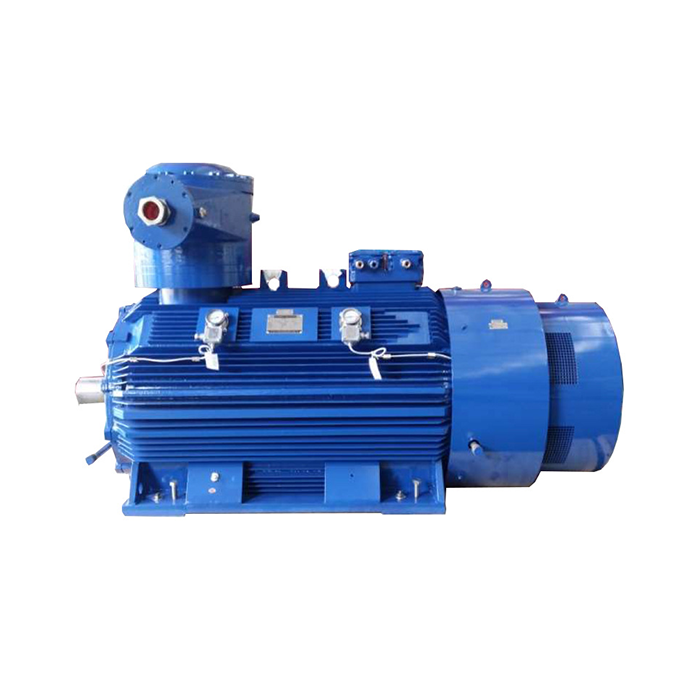
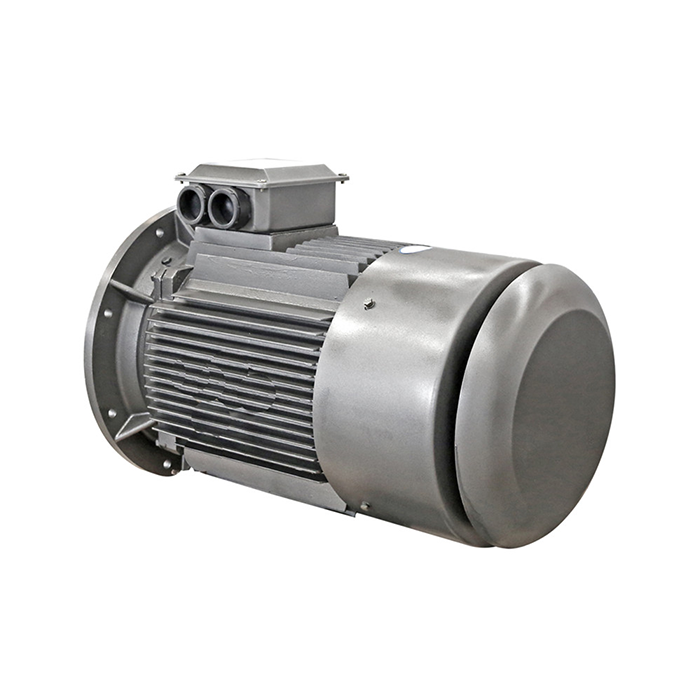
Series:YBBP-HV
Voltage range:3000V±5%,3300V±5%,6000V±5%,6600V±5%,10000V±5%,11000V±5%
Power range:185-1800 kW
Application:compressors, water pumps, crushers, cutting machine tools, transportation machinery.
Advantage: wide modulation range, high efficiency and energy saving, low noise, long life, high reliability.
Others: SKF, NSK, FAG bearings can be replaced according to customer requirements.
Understanding Medium Voltage Electric Motors and Common Reliability Challenges
Defining Medium Voltage Motors and Their Industrial Importance
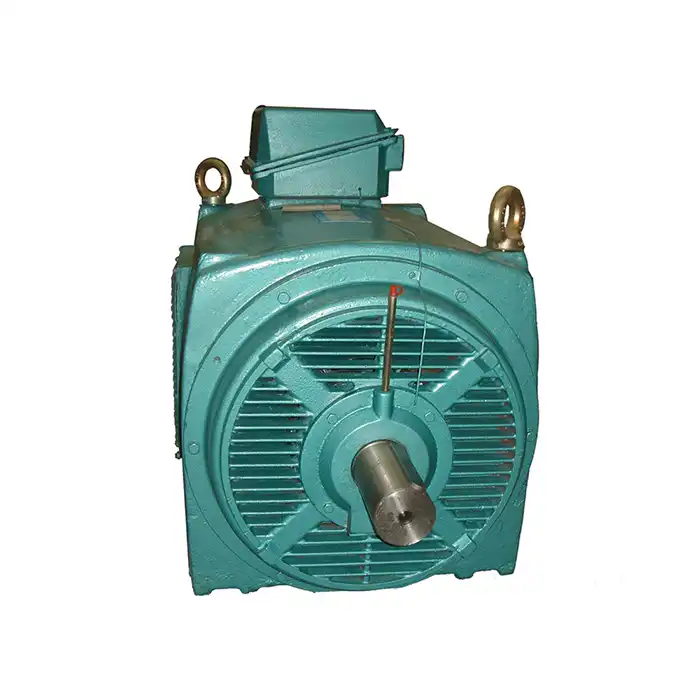
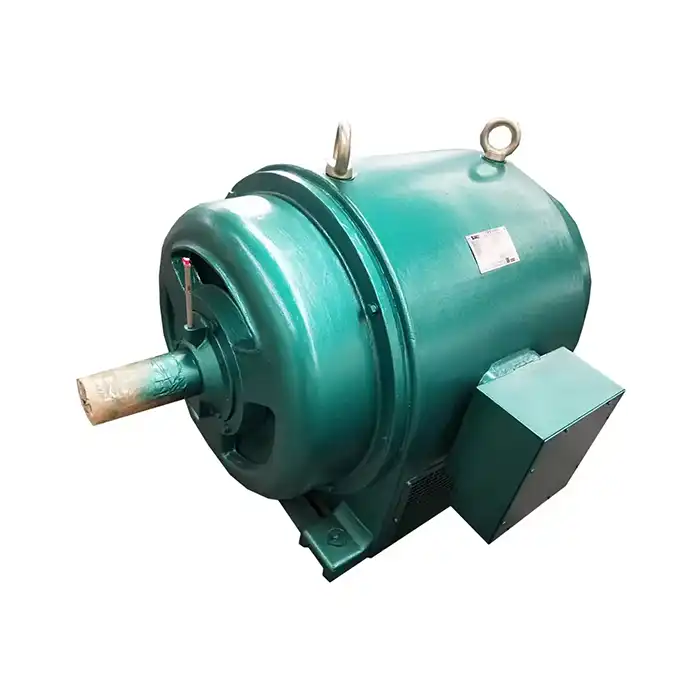
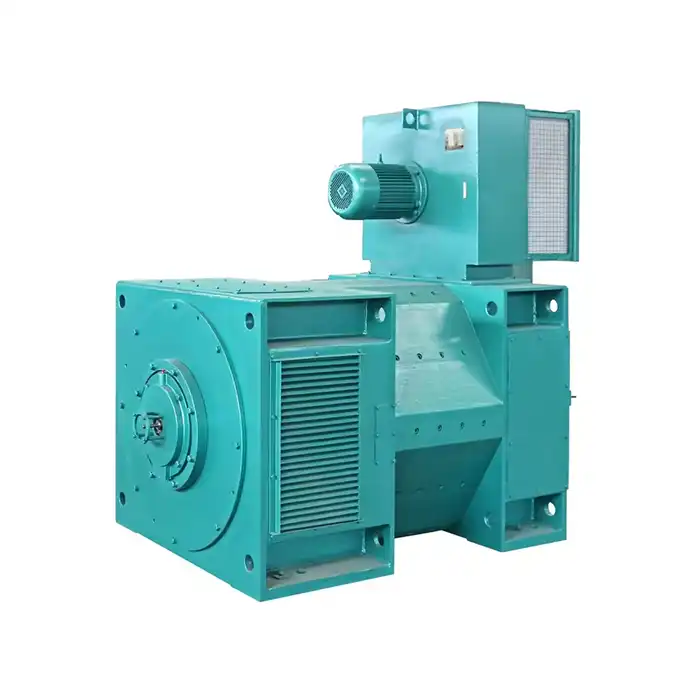
Motors that run between 3 kV and 11 kV are used a lot in factories to power things like pumps, compressors, ventilators, and breakers. Compared to low-voltage units that can only handle 690 V, these motors have much higher power outputs, running from 200 kW to 3550 kW. This makes them essential in places like power plants, water treatment plants, mines, and factories. The YAKK series, which meets GB 10068 standards, is an example of this type. It comes in voltage configurations of 3000V, 6000V, and 10000V, each made to work with a different grid situation and load need.
Common Reliability Challenges in Industrial Settings
Environmental factors are the main thing that can shorten the life of a motor. Extreme temperatures break down insulation, high humidity speeds up the rusting of electrical connections, and flying contaminants get into cooling channels. Electrical problems show up as shielding breaking down when voltage spikes are higher than what was intended or when moisture creates ways for electricity to flow. Bearing systems that are constantly rotated under stress, are out of line, or don't have enough oil on them show mechanical wear. These problems are made worse in fields like cement production, where rough dust gets into equipment cages, and in water treatment plants, where constant humidity tests the strength of seals. Knowing these weak spots helps people medium voltage electric motors who work in buying set reasonable service times and set aside enough money for preventative measures.
Key Maintenance Practices to Maximize Motor Life and Performance
Routine Inspection Protocols
Thermal imaging scans that are done every three months show areas that show connections that are loose, phases that aren't balanced, or bearings that are failing before they fail completely. Using accelerometers on bearing housings for vibration research can find frequency patterns that show when a bearing is out of balance, misaligned, or wearing out. Visual scans look for oil leaks, darkening on the windings that can be seen through the air holes, and make sure the cooling fan blades are still in place and not blocked. These methods for diagnosing find problems early on, when they are still easy to fix and don't cost as much as emergency repairs.
Scheduled Preventive Maintenance Activities
Follow the manufacturer's grease type and quantity directions for lubricating a bearing. Since oil generates heat, too much may be as dangerous as not enough. Quality SKF, NSK, and FAG bearings last longer between service visits if maintained. Megohmmeter insulation resistance testing verify wire integrity. Readings below 1 megohm per kilovolt indicates moisture or insulation breakdown, requiring immediate treatment. Cleaning the cooling tubes removes debris that inhibits airflow, and repairing the electrical connections prevents resistance heating. A repair plan based on working hours rather than date and time shows how things wear down better. Motors that work constantly need more maintenance than those that alter task cycles. Historical records of maintenance chores highlight wear trends and enable proactive component replacement before accidental interruptions disrupt production schedules.
Selecting the Right Medium Voltage Electric Motor to Enhance Longevity
Critical Selection Criteria for Procurement Managers
Finding the right motor specs for the job is the first step in making sure the equipment lasts a long time. Power flow needs to be able to handle medium voltage electric motors that handle high loads with the right service factor ratios, which are usually 1.15 for constant duty uses. The amount of starting torque affects the soft-start equipment that is needed. For example, motors that give 150% of their maximum torque can handle difficult load patterns in crushers and conveyors. When choosing an insulation class, the natural temperature and the expected temperature rise are taken into account. This makes sure that thermal gaps keep things from aging too quickly. Customization choices let motors be made to fit specific work situations. Different processes can be run in the same building with variable speed rates, and security class upgrades can handle harsh weather conditions. The YAKK series is flexible and can be set up in a range of setups from 3000V to 11000V. It can meet the standard power voltages used in North American commercial systems without the need for extra equipment.
Evaluating Supplier Reliability and Support Infrastructure
A supplier's image affects long-term ownership costs in addition to technical specs. Manufacturers who keep a lot of extra parts on hand reduce downtime when parts need to be replaced. A warranty that lasts for three to five years shows that you trust the product to last, and longer service agreements help you plan your budget for upkeep. Access to technical support is very important when trying to fix complicated problems. Suppliers that offer engineering advice and field service help solve problems faster. Shaanxi Qihe Xicheng Electromechanical Equipment Co., Ltd. works with well-known companies around the world to get access to tried-and-true technologies and quick help systems. Processes used for quality control during production have a direct effect on effectiveness in the field. Vacuum pressure impregnation makes insulation systems with no holes that can fight water and partial release. Precise CNC cutting makes sure that the parts fit together perfectly, which reduces shaking. Before actual production starts, computer-aided design simulations make sure that temperature control and electromagnetic performance are at their best. Multiple steps of checking find problems with motors before they are sold, which lowers the number of baby deaths that happen when equipment isn't up to par.
Best Wiring, Installation, and Operation Practices to Avoid Failures
Proper Wiring Techniques and Connection Integrity
Installations of wiring must be able to handle starting currents of up to seven to seventy times the maximum amperage without causing too much voltage drop. The NEC sets the size of the cables, and the right de-rating factors are used for the environment's temperature and the amount of pipe fill. Terminal connections need the right amount of torque. If they aren't tightened enough, resistance joints form that produce harmful heat, and if they are tightened too much, the terminal hardware gets damaged. Using copper compression rings with an anti-oxidant substance ensures that low-resistance links stay strong even when the temperature changes.
Operational Strategies Minimizing Electrical and Mechanical Stress
Soft starters gradually ramp voltage during acceleration, reducing mechanical shock to driven equipment and limiting inrush current, stressing the distribution infrastructure. Variable frequency drives provide precise speed control while enabling optimized energy consumption across varying load conditions. Load management practices avoid prolonged operation significantly below rated capacity, where poor power factor and reduced efficiency increase operating costs. Operational monitoring tracks parameters indicating developing problems. Trending current draw reveals bearing deterioration or process changes affecting load. Temperature monitoring identifies cooling system degradation or electrical imbalances. Establishing baseline signatures during commissioning provides reference points for ongoing condition assessment throughout the motor's service life.
Troubleshooting, Repair, and After-Sales Support for Longevity Assurance
Diagnostic Approaches for Common Motor Issues
Overheating symptoms require systematic investigation, isolating root causes. Excessive ambient medium voltage electric motors temperature, restricted cooling airflow, overloading, voltage imbalance, or single-phasing each produces characteristic signatures. Thermal imaging pinpoints hotspot locations while current measurements reveal electrical abnormalities. Bearing noise manifests through specific acoustic frequencies—grinding indicates contamination, squealing suggests inadequate lubrication, and rumbling points toward wear, creating excessive clearances. Vibration analysis distinguishes between electrical and mechanical faults. Electrical issues generate vibration at twice the line frequency, while mechanical imbalance produces vibration at the rotational speed. Misalignment creates axial vibration components, and bearing defects generate high-frequency signatures modulated by rotational speed.
Leveraging Comprehensive After-Sales Support
Technical support and authentic parts are available quickly via strong distributor connections. Field service manufacturers send skilled experts for sophisticated diagnostics and repairs beyond in-house capabilities. Warranty management should be simple to reduce paperwork and expedite valid claims. Extended service contracts divide maintenance expenses over regular periods and assure emergency assistance. Bulk purchase agreements save per-unit costs for facilities with several identical motors and maintain appropriate spare parts stocks for common wear components like bearings and seals, minimizing downtime awaiting shipments. Maintenance staff training enhances internal troubleshooting and repair skills, minimizing dependency on outside vendors.
Conclusion
Maximizing the longevity and reliability of medium voltage electric motors operating in demanding industrial environments requires comprehensive attention spanning equipment selection, installation quality, maintenance discipline, and operational practices. Procurement decisions emphasizing proven designs with robust construction pay dividends through reduced downtime and lower lifecycle costs. Implementing structured maintenance programs incorporating predictive technologies catches developing issues before they cascade into expensive failures. Partnering with responsive suppliers ensures access to technical expertise and replacement components when needed, protecting production continuity that drives business success across industrial sectors.
FAQ
1. How frequently should insulation resistance testing occur on motors in continuous operation?
Quarterly testing intervals provide adequate monitoring for motors in continuous service under normal environmental conditions. Facilities with high humidity, temperature extremes, or corrosive atmospheres benefit from monthly testing to detect insulation degradation before it precipitates failure. Trending results over time reveal degradation rates informing proactive rewind or replacement decisions.
2. Can existing installations be retrofitted with variable frequency drives for improved efficiency?
Most motors accommodate VFD retrofits with minimal modifications. Motors lacking inverter-duty insulation may require derating or insulation upgrades to prevent bearing currents and winding stress from PWM waveforms. Consulting with drive manufacturers ensures compatibility and proper configuration, maximizing efficiency gains while protecting equipment integrity.
3. What factors most significantly influence bearing service life in industrial applications?
Proper lubrication practices, precision alignment, and contamination prevention represent the primary factors determining bearing longevity. Bearings maintained within specified temperature ranges using appropriate grease types at correct intervals regularly achieve design life expectations exceeding 100,000 operating hours in well-managed installations.
Partner with XCMOTOR for Reliable Medium Voltage Motor Solutions
Selecting the right medium voltage electric motors supplier determines your operational success for years ahead. At XCMOTOR, we bring over twenty years of specialized expertise connecting industrial operations with power solutions matching their exact requirements. Our YAKK series motors deliver power outputs from 200 kW to 3550 kW across voltage ranges spanning 3 kV through 11 kV, backed by certifications including IEC 60034, CE Mark, medium voltage electric motors, and ISO 9001:2015. We provide comprehensive pre-sales consultation, helping you specify optimal configurations, followed by responsive after-sales support, including technical guidance and genuine replacement components. Contact our team at xcmotors@163.com to discuss your specific application and receive a customized quote. Every inquiry receives prompt attention from knowledgeable professionals committed to your operational excellence.
References
1. Bonnett, A.H. & Soukup, G.C. (2007). "Analysis of Winding Failures in Three-Phase Squirrel Cage Induction Motors." IEEE Transactions on Industry Applications, Volume 43, Issue 4.
2. Tavner, P.J., Ran, L., Penman, J., & Sedding, H. (2008). Condition Monitoring of Rotating Electrical Machines. Institution of Engineering and Technology, London.
3. Stone, G.C., Boulter, E.A., Culbert, I., & Dhirani, H. (2004). Electrical Insulation for Rotating Machines: Design, Evaluation, Aging, Testing, and Repair. IEEE Press Series on Power Engineering.
4. Nailen, R.L. (2003). "Proper Installation Extends Motor Life." Plant Engineering, Volume 57, Issue 8.
5. IEEE Standards Association. (2017). IEEE Standard 43-2013: IEEE Recommended Practice for Testing Insulation Resistance of Rotating Machinery. Institute of Electrical and Electronics Engineers.
6. Bellini, A., Filippetti, F., Tassoni, C., & Capolino, G.A. (2008). "Advances in Diagnostic Techniques for Induction Machines." IEEE Transactions on Industrial Electronics, Volume 55, Issue 12.