



How to Choose the Right T series synchronous motor for Your System
Choosing the right motor for a heavy-load industrial system is not a decision you make lightly. When your mill, pump, or compressor runs around the clock, every specification detail matters. This guide walks you through what you actually need to know before selecting a T series synchronous motor — from voltage matching to startup behavior — so your procurement process moves forward with confidence.
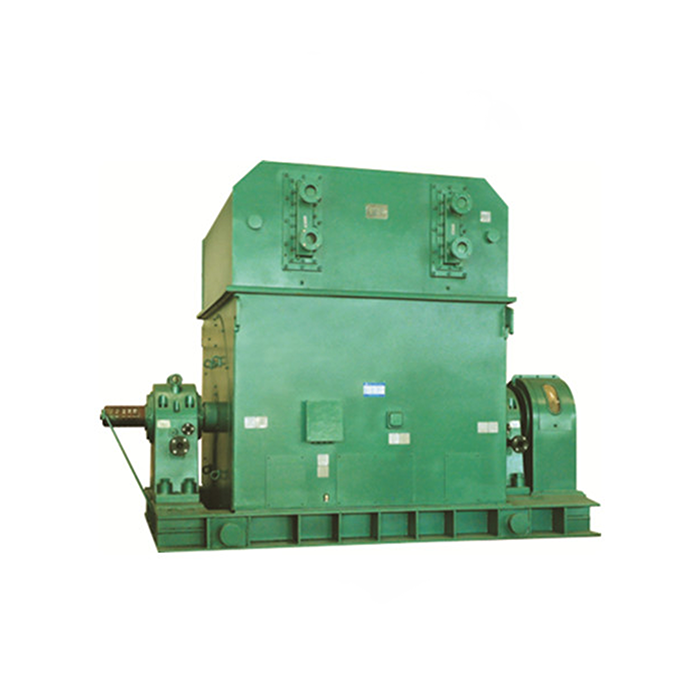
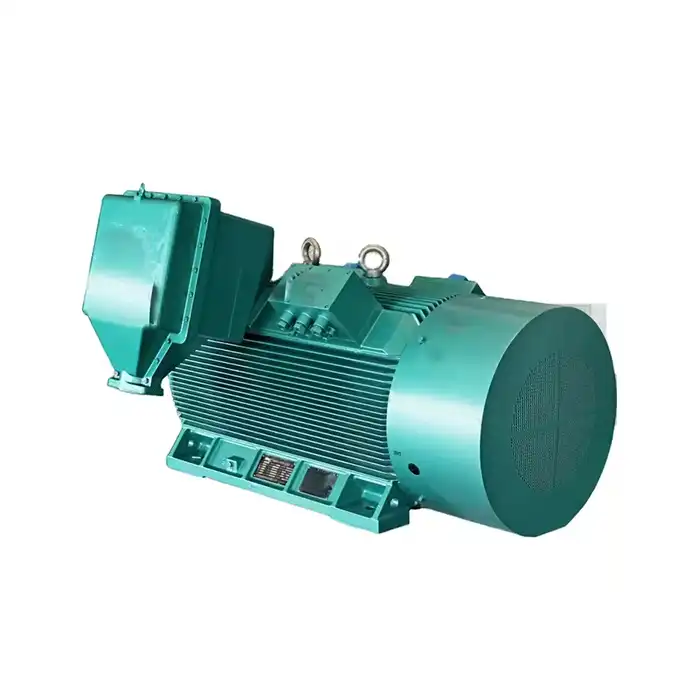
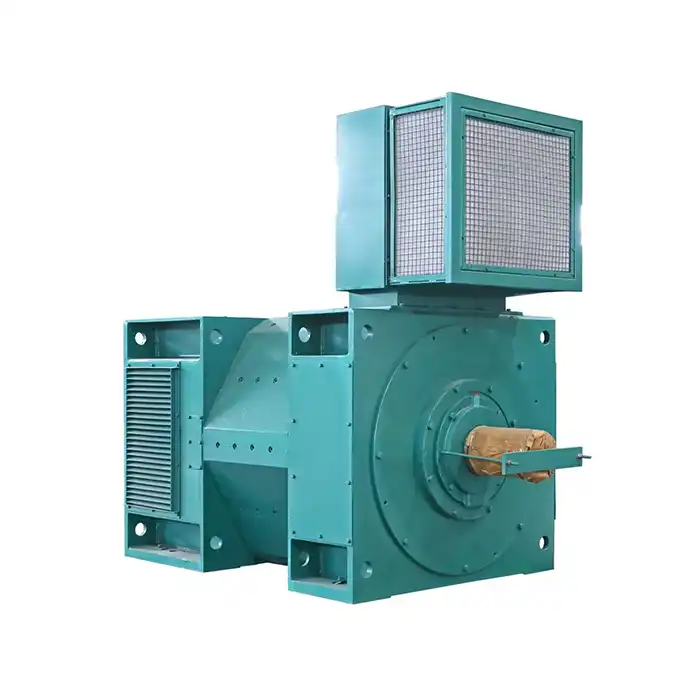
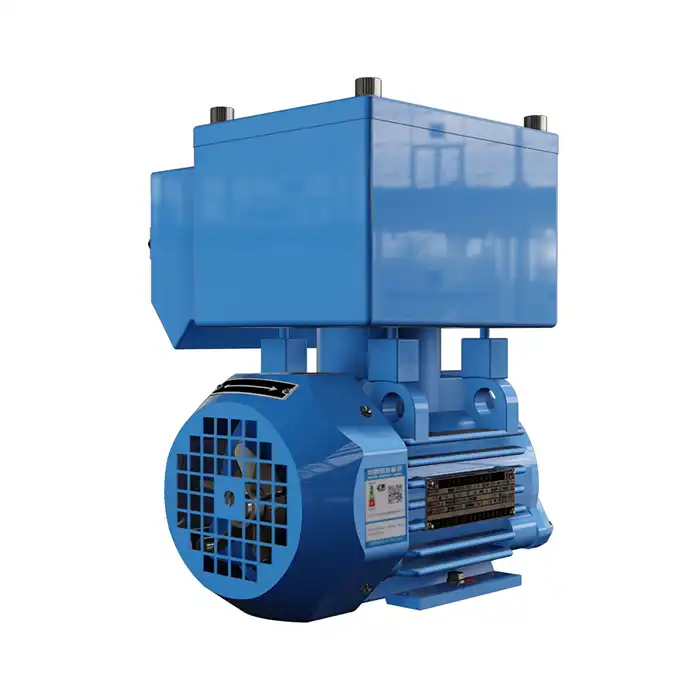
Voltage range:3000V±5%,3300V±5%,6000V±5%,6600V±5%,10000V±5%,
Power range:800-12000 kW
Application:fans, water pumps, compressors.
Advantage:large starting torque.
Others: SKF, NSK, FAG bearings can be replaced according to customer requirements.
Understanding T Series Synchronous Motors
When you need to power a heavy-duty, high-voltage device like a ball mill, a big fan, or a large water pump, the T series synchronous motor is the best option. The T series works at a locked synchronous speed, which means that the rotor turns at the same frequency as the source current. This is different from normal induction motors. This stops slip losses and keeps the shaft speed constant, even if the load changes.
What Sets the T Series Apart
A wound rotor and a DC induction device are used in the T series synchronous motor. This design makes it possible for the motor to adjust power factor, which means it can run at unity or even leading power factor. This lowers the demand for reactive power on your facility's grid. This makes financial sense for places like cement grinding stations and mine concentrators that bill for power with reaction charges included.
Speed and Voltage Range
The T series synchronous motor can work with voltages of 3000V, 3300V, 6000V, 6600V, and 10000V (all ±5%). Its speed range is 150 to 500 RPM. The power ranges from 800 kW to 12000 kW. Because of this, the motor can be used in a wide range of plant layouts without having to buy expensive new transformers.
Key Performance and Technical Specifications to Consider
Before deciding on a motor design, your engineering team needs to look at how it will actually work, not just the data on the nameplate. The T series synchronous motor has an IP20 rating and an Insulation Class F rating. It cools with IC01 air. These are made for industrial settings inside with controlled air.
Load Torque and Starting Behavior
Setting the starting power is one of the most important specs for grinding and pressing tasks. The T series synchronous motor has a high starting torque, which is very important when you need to speed up a ball mill that is full of materials or a compressor that has a lot of inertia. If there isn't enough starting torque, the engine speeds up for a long time, which can cause thermal stress and damage to the motor.
Bearing Customization and Long-Term Reliability
Choice of bearing has a direct effect on how often repair needs to be done and on unexpected downtime. The T series synchronous motor lets you change the bearings with ones from SKF, NSK, or FAG, which are all well-known and trusted names. You can choose which brand to use based on your needs or the supply of spare parts in your area. This is especially important for projects that are done abroad, where consistent buying isn't always possible.
The T series synchronous motor has precisely balanced rotors that keep it from shaking, and heat-resistant insulation materials that keep it working in harsh temperatures. Before leaving the plant, each unit goes through strict quality checks, such as a final review and confirmation of precision machining.
Comparing T Series Synchronous Motors with Alternative Motor Types
Energy Efficiency, Maintainability, and Startup Flexibility
A lot of the time, project engineers wonder if the extra work that comes with a synchronous motor is worth it compared to an induction motor. The answer depends on how much energy you use and how much it costs you.
Let's look at a straight comparison of the three most popular types of motors used in heavy industry:
- T series synchronous motor vs. induction motor: Induction motors are easier to start, but they have slip, which is usually between 2 and 5 percent, which makes the speed change continuously and makes more heat when they're under load. When it's going at zero slip, the T series synchronous motor keeps the shaft speed constant and stops that energy waste. This difference adds up to savings that can be seen after a year of operation for loads above 1000 kW that run nonstop.
- T series synchronous motor vs. permanent magnet synchronous motor (PMSM): PMSMs are very efficient at their maximum load, but their rare-earth magnet parts make them hard to service in remote field areas. The T series synchronous motor's wound-rotor design lets the excitation be changed in the field and problems be fixed on-site without the need for special tools.
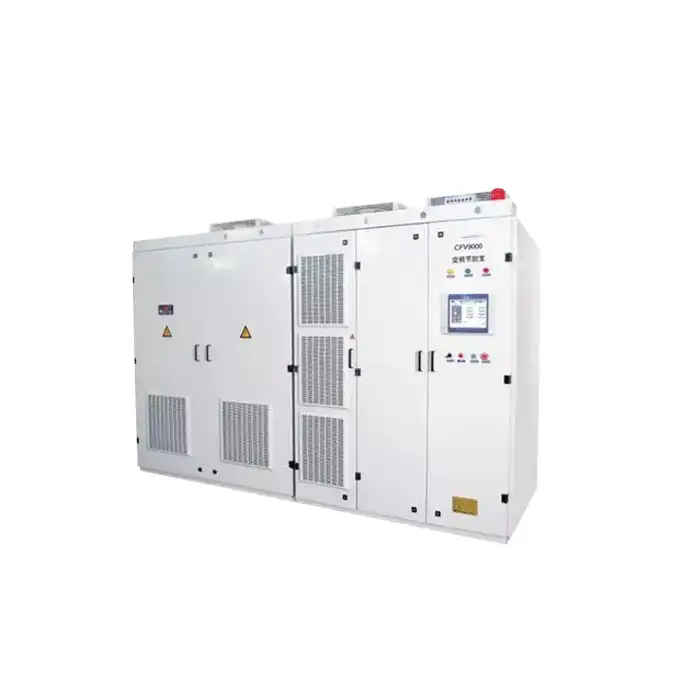
- T series synchronous motor in EPC project context: The T series synchronous motor works well with both variable frequency drive (VFD) startup systems and direct asynchronous startup methods, which is helpful for EPC contractors who are in charge of multiple equipment packages. This dual compatibility makes it easier to plan purchases for sites with different requirements from clients.
These distinctions make the T series synchronous motor a technically sound choice for situations where it needs to work continuously, handle power factors, and be easy to service in the field.
Procurement Considerations for B2B Buyers
Buying a high-voltage T series synchronous motor for a project in another country comes with risks that normal purchases of equipment don't. The total cost of a project depends on things like lead times, the level of customization, certification compliance, and on-site commissioning support.
Defining Your Technical Specification Early
Late-stage changes in power or speed are the most common reason for delays in buying. Before you ask for quotes, you should know your grid voltage, required shaft speed, and load torque profile. The T series synchronous motor comes in five voltage levels and a wide speed range. However, customization needs to be approved before production schedule can begin. When you confirm an order, the standard lead time is 8 to 12 weeks. This means that if you make changes at the last minute, your commissioning window will be shorter.
Certifications That Matter for Global Projects
There are certifications for the T series synchronous motor from CCC, CE, ISO9001, CQC, UL, and GOST from this synchronous motor supplier china. Compliance with GOST and CE is often listed as a must in bidding documents for projects in Russia, Central Asia, Southeast Asia, or Africa. If you check the certification coverage before signing a supply contract, you won't have to pay for expensive retesting later.
Customization Scope
The size of the motor, the brand of bearings used, and the way the windings are set up can all be changed to fit the needs of a non-standard spot. This feature of being able to make changes is especially useful for replacement projects where the new motor needs to fit into an existing base and coupling setup. Precision cutting checkpoints are built into the T series synchronous motor production process so that it can work with special orders that have different size requirements.
Making the Final Decision: Criteria and Best Practices
Once the T series synchronous motor is the only option left, you should make your final choice based on four useful factors.
Power rating and torque must be checked against the worst-case load situation, not the normal working conditions. The motor's excitation system must be compatible with the startup method. This is true whether your site uses VFD startup or asynchronous direct-on-line starting. You should check to see if the brand of bearing you need is available in your area so that routine maintenance doesn't get held up because of long wait times for imports. As part of after-sales technical support, experts must be able to be sent to other countries to help with installation, not just give advice over the internet.
By going through these four steps with your seller before placing your order, you can lower the chance of finding specification errors during installation on-site.
Conclusion
It's important to match the technical specs of the T series synchronous motor with how it will be used and to find a provider, such as a synchronous motor supplier china, that can help you through the whole project lifecycle. The T series synchronous motor meets the main needs of mining, cement, and heavy industry projects with its power range of 800 to 12000 kW, five high-voltage choices, adjustable bearings, and wide range of certifications. Before you buy, make sure you know exactly what your load profile and startup method are, and make sure the provider you work with knows what it means to provide commissioning help in the field.
FAQ
1. What is the difference between a T series synchronous motor and an induction motor?
A T series synchronous motor has a constant synchronous speed and no slip. An induction motor, on the other hand, has slip that causes the speed to change slightly and energy loss to happen all the time when it's loaded. Through its excitation system, the synchronous motor also corrects the power factor, which lowers reactive power charges on industrial sites with high demand.
2. Can the T series synchronous motor support variable frequency drive startup?
Yes. The T series synchronous motor can be started using either a VFD or an asynchronous direct-on-line way. This gives project engineers options based on the equipment at the site and what the client wants.
3. What bearing brands are available for the T series synchronous motor?
SKF, NSK, and FAG bearings can all be used, depending on what the customer wants or what is available in their area.
Request a Custom Quote from XCMOTOR
There is a team of synchronous motor supplier china experts at XCMOTOR ready to help you find the right motor setup for your project. Our engineers can give you customized technical proposals, full certification paperwork, and help with field commissioning whether you need a single unit or a lot of an EPC package. You can email us at xcmotors@163.com or go to motorxc.com to look at product details and ask for a competitive quote.
References
1. Chapman, S. J. Electric Machinery Fundamentals. McGraw-Hill Education, 2021.
2. Mohan, N. Electric Machines and Drives: A First Course. Wiley, 2012.
3. IEEE Industry Applications Society. "Performance Standards for Synchronous Motors in Heavy Industrial Applications." IEEE Transactions on Industry Applications, 2020.
4. International Electrotechnical Commission. IEC 60034-1: Rotating Electrical Machines — Rating and Performance. IEC, 2022.
5. Boldea, I., & Nasar, S. A. The Induction Machine Handbook. CRC Press, 2010.
6. Fitzgerald, A. E., Kingsley, C., & Umans, S. D. Electric Machinery. McGraw-Hill, 2014.