



How to Choose the Right Ball Mill Motor for Your Plant
Selecting the right ball mill motor can dramatically impact your plant's operational efficiency, energy consumption, and bottom line. The decision involves evaluating power requirements, voltage compatibility, starting torque capacity, and long-term reliability to match your specific grinding applications. Whether you're processing minerals in mining operations or producing cement, understanding motor specifications and operational demands ensures you invest in equipment that delivers consistent performance while minimizing downtime and maintenance costs.
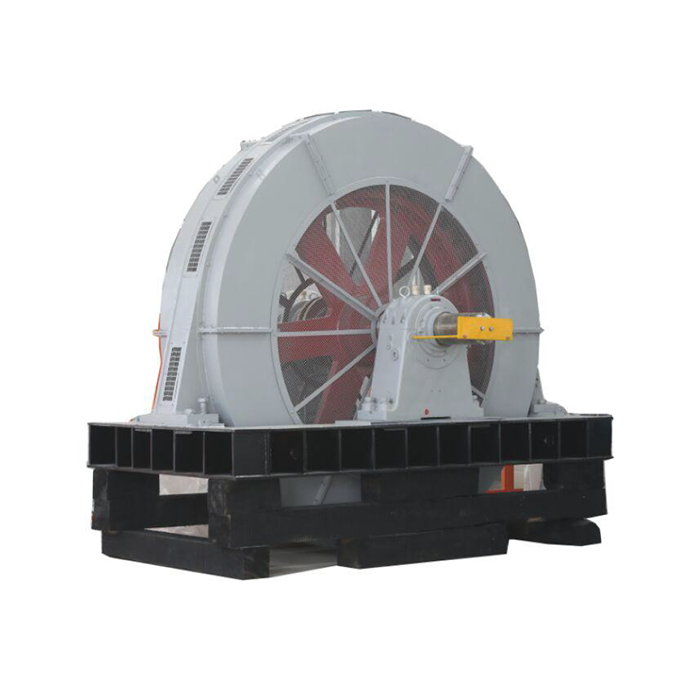
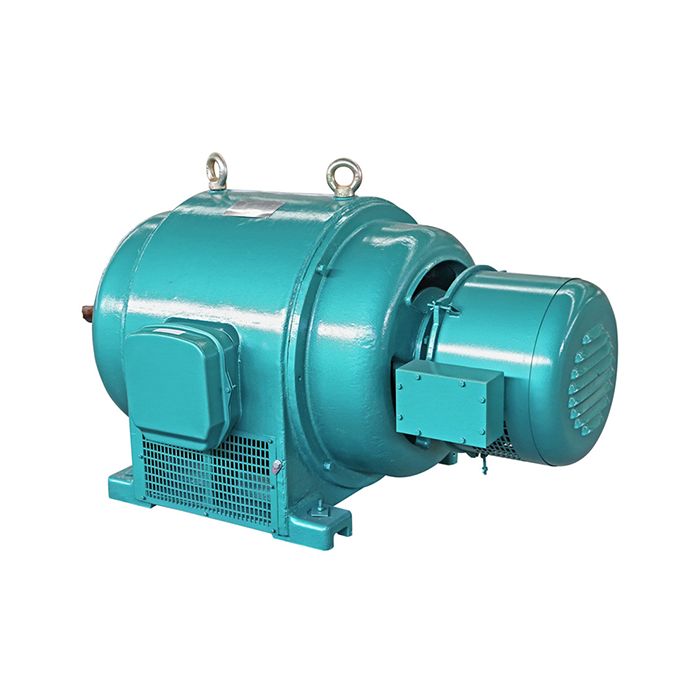
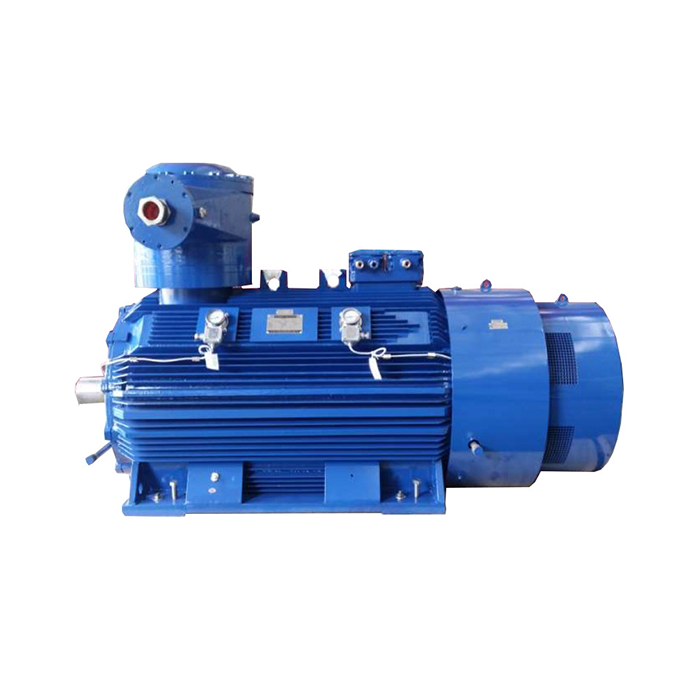
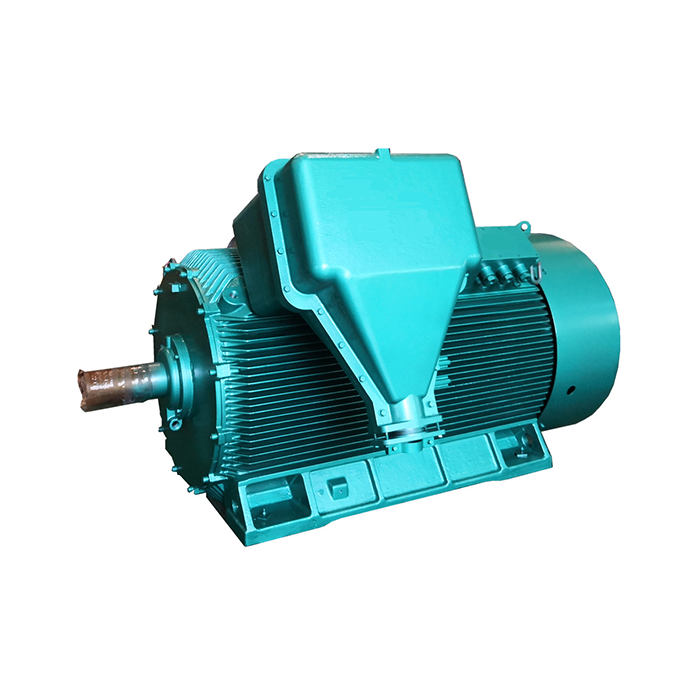
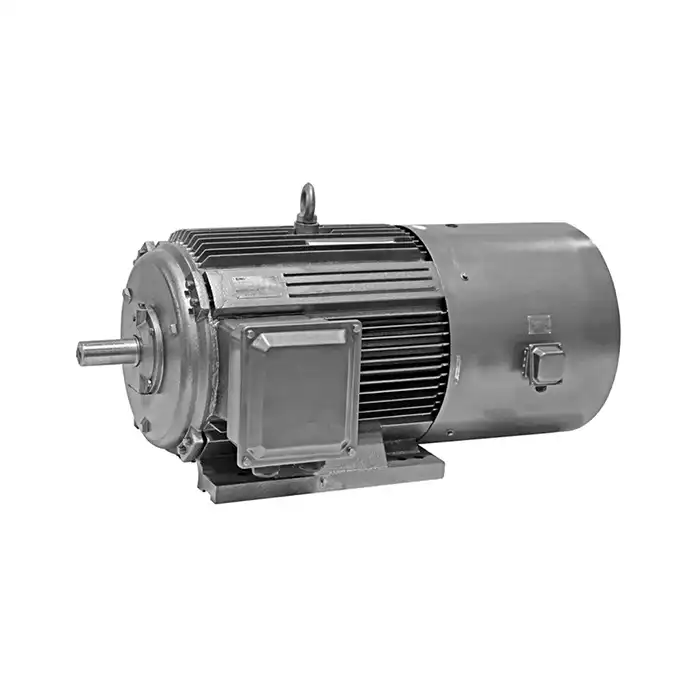
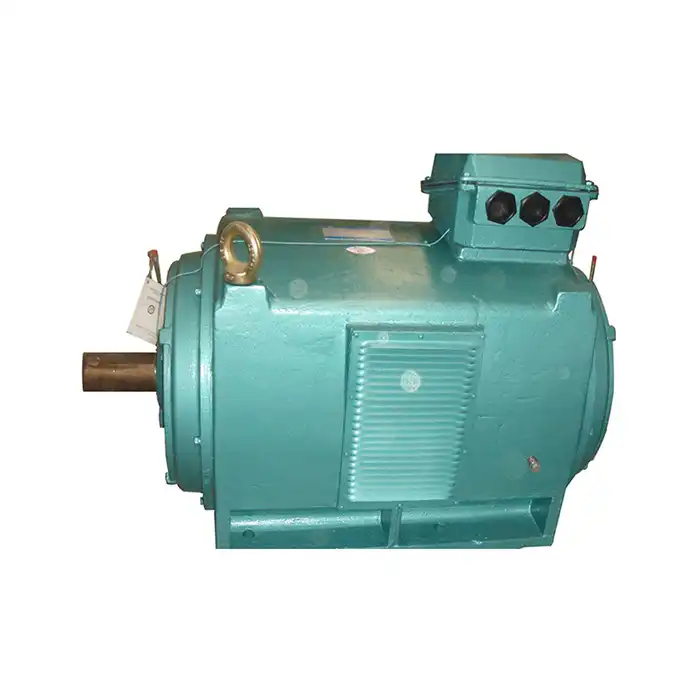
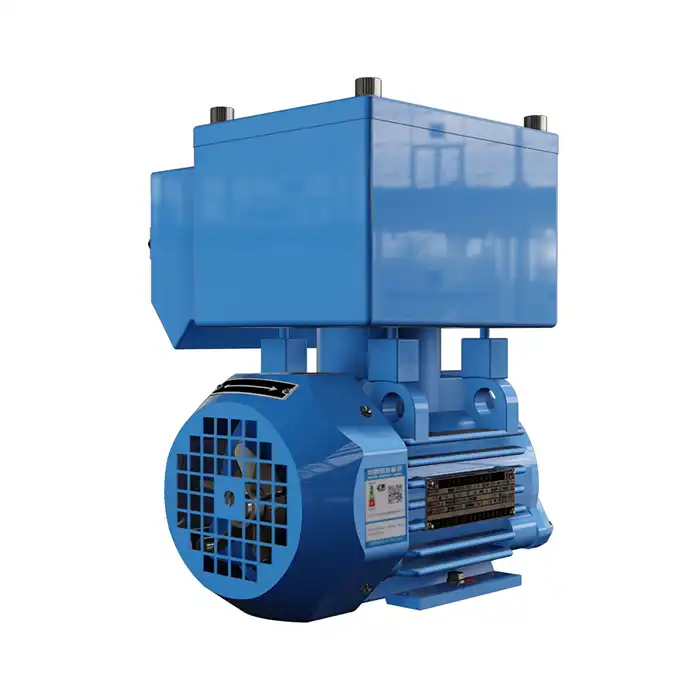
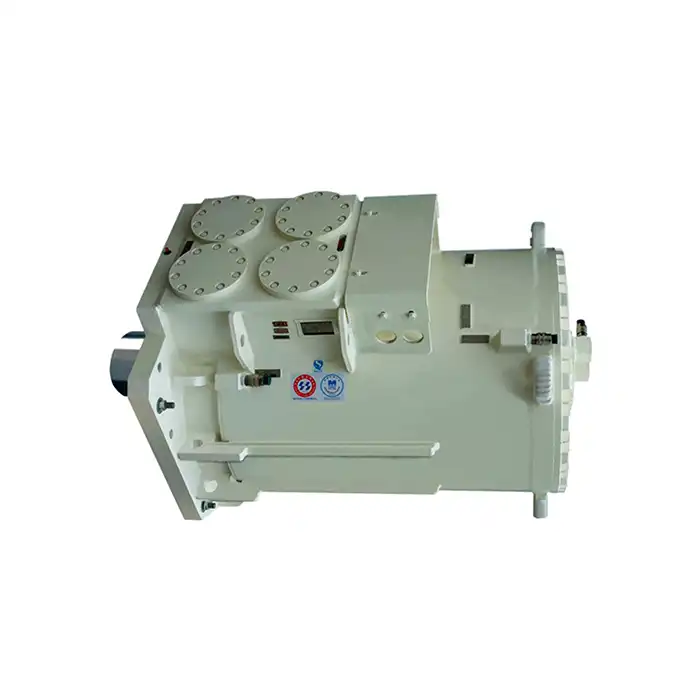
Series:TDMK
Voltage range:3000V±5%,3300V±5%,6000V±5%,6600V±5%,10000V±5%,
Power range:400-2000 kW
Application:Mining, cement.
Advantage:large starting torque.
Others: SKF, NSK, FAG bearings can be replaced according to customer requirements.
Understanding Ball Mill Motors and Their Role in Your Plant
What Is a Ball Mill Motor and How Does It Work?
A ball mill is a circular, cylinder-shaped shell that spins around its axis and is partly filled with grinding media like steel or ceramic balls. The ball mill motor turns electrical energy into mechanical spinning, which turns this cylinder-shaped shell and tumbles the materials inside it until they are as fine as you want them to be. For this change process to work, the motors need to be able to handle heavy loads when they first start up and stay steady during long grinding cycles.
Types of Motors Used in Grinding Applications
AC motors, DC motors, and gear motors are the three main types of motors used for grinding. When it comes to ball mills, AC motors are the most common choice because they are more durable, require less upkeep, and can run continuously. DC motors can be used in rolling mills because they are easy to handle in terms of speed and have a high starting torque. However, they usually cost more and need more upkeep. When grinding on a big scale, synchronous AC motors work really well. They have a horizontal three-phase salient-pole design, an IP20 protection grade, and open ventilation cooling.
Calculating Power Requirements for Your Mill
To figure out how much power you need, you must first know how your mill is loaded, which includes the density of the material, the output you want, and the sharpness of the grind. Motors between 400 and 2000 kW work well for most industrial grinding tasks. Baseline power needs are based on the link between mill diameter, length, and material volume. However, operating factors such as the hardness of the material and the desired particle size affect the end specification. Underestimating the power needed can cause the motor to overheat and break down early, while overestimating loses energy and adds to the cost of capital without being needed.
Key Criteria for Choosing the Right Ball Mill Motor
Power, Torque, and Starting Characteristics
One of the most important things to look at when choosing a ball mill motor is its starting power. When mills are first turned on, they face the most pushback because the grinding media and fixed material need a lot of force to start turning. When they are first turned on, motors made for grinding usually give 220% to 280% of their rated power. This makes sure that the motor speeds up smoothly and doesn't stop. In industries like mines and cement production, where big loads are common, this trait becomes even more important.
Voltage Compatibility and Electrical Infrastructure
The voltage needs of your business are set by its electrical equipment. Industrial grinding motors usually work at 3000V±5%, 3300V±5%, 6000V±5%, 6600V±5%, or 10000V±5%. This is so they can work with different power sources in different buildings. By matching the power of the motor to what you already have, you can avoid expensive electrical changes and keep things running safely and efficiently. Most of the time, higher voltage systems are better at moving energy and drawing less power, which is especially helpful for big installations.
Energy Efficiency and Operating Costs
The amount of energy used is a big ongoing cost in grinding processes. Motors with power factors between 0.85 and 0.92 are very efficient, turning electricity into useful mechanical work with almost no loss. When Class F insulation is paired with Class B temperature rise requirements, motors stay within safe thermal limits while still performing well. During the lifetime of a motor, differences in efficiency lead to big price changes, so this factor is very important when buying one.
Variable Frequency Drive Compatibility
Variable frequency drives improve performance and energy economy by letting you precisely control speed, lowering mechanical stress during starting, and letting you make changes based on the properties of the material. VFDs help keep mechanical parts in good shape, make it easier to handle the process, and save a lot of energy when the machine is only partially loaded. When choosing motors, make sure they work with VFD technology to get the most out of operating freedom and efficiency gains.
Bearing Quality and Replacement Options
Bearing choice has a direct effect on how reliable something is and how often it needs to be serviced. Deep groove ball bearings are the most common type, but quality bearings are better for heavy-duty conditions. Being able to choose between SKF, NSK, and FAG bearings based on practical needs and maintenance choices gives you a lot of freedom. Premium bearings usually last longer between service times and cut down on unplanned downtime, which makes up for their higher original cost by making the machine more reliable.
Maintaining and Troubleshooting Your Ball Mill Motor
Common Motor Issues and Their Symptoms
The most common ball mill motor problems in grinding uses are overheating, too much shaking, and electrical problems. Overheating is often a sign of poor airflow, overloading, or worn-out bearings. Vibration can be a sign of imbalance, uneven loads, or worn bearings. Electrical faults show up as starting problems, changes in power, or the initiation of safety devices. Small problems can't turn into expensive fails if they are caught early through regular tracking.
Preventive Maintenance Practices
Motors last longer and work better when they get regular repair. Schedules for lubrication should be based on what the maker says and use the right greases for the conditions. Regular cleaning keeps dust from building up, which makes cooling less effective. This is especially important in places like cement and mines where flying particles are common. Thermal imaging to find hot spots that are starting to form, vibration analysis to find mechanical problems, and electrical tests to make sure the stability of the windings are all part of the inspection process.
Energy Consumption Monitoring
Monitoring trends of energy use shows areas of inefficiency and problems that are starting to form. Baseline data on power use during regular operation lets you know when the power draw goes up, which could mean there is a problem with the electrical wiring or the mechanical resistance. Modern tracking systems can connect to plant control systems, letting you see how motors are working in real time and allowing you to plan preventative repair that cuts down on unplanned downtime.
Procurement Considerations for Ball Mill Motors
Sourcing Strategies and Supplier Evaluation
Cost concerns must be balanced with quality security and source dependability for procurement to go well. When compared to wholesalers, working directly with manufacturers can often offer better customization, expert support, and lower prices. When you evaluate sources, you should check for certifications like ISO 9001:2015, CE, and CCC. These show that the seller is committed to quality management and safety standards.
Warranty Coverage and After-Sales Support
Full guarantee terms protect your investment against flaws in the making process and failure before its time. Carefully look at the length of the warranty, the spread of the service, and the reaction time promises. Total cost of ownership is affected by after-sales support features such as expert help access, spare parts inventory, and service reaction times. Suppliers who offer committed support seven days a week, including weekends, help keep operations running smoothly when problems arise out of the blue.
Custom Solutions and Specification Flexibility
Standard ball mill motor designs work well for many uses, but they might be better for some operations if they are customized. Being able to choose which bearing types to use, change how the equipment is cooled, or change how it is mounted guarantees that it will work perfectly with current equipment. Custom solutions should weigh the benefits of better performance against the costs and delivery times.
Cost-Benefit Analysis Framework
To properly evaluate a motor investment, one must consider not only the buying price but also the total cost of ownership. This includes how much energy it uses over its projected working life, how often it needs to be maintained, its history of dependability, and the availability of replacement parts. In most cases, a motor that costs more up front but works better and lasts longer will save you money in the long run. Figuring out the payback periods for gains in efficiency helps make the original investment in high-quality equipment more logical.
Case Studies and Expert Insights: Real-World Applications
Mining Operation Motor Replacement Success
A copper processing plant swapped old units with a modern ball mill motor that had more starting force and were more efficient. The change made the machine more reliable and better at controlling speed, which cut energy use by 18% while increasing cutting capacity by 12%. Through joint energy savings and higher output, the investment paid for itself in just 22 months.
Cement Plant Modernization Results
A cement company put VFD-compatible motors in several grinding lines so that the process could be optimized based on the properties of the material and the needs of production. Modernization cut the amount of energy used per ton of cement by 15% and increased the time between upkeep by 40% by reducing the stress on the machinery caused by frequent starts and stops.
Lessons from Motor Selection Mistakes
Sometimes, procurement teams put beginning cost ahead of operational needs. This can result in motors that are too small and break down early or units that are too inefficient and raise running costs. One chemical company had repeated problems with motors that didn't have enough starting power for the material they were using. This caused downtime costs that were much higher than the price difference for properly designed equipment. This experience shows how important it is to carefully look over all applications when hiring.
Future-Proofing Your Investment
New technologies, such as IoT-enabled condition tracking and predictive repair systems, make it possible to improve motor performance in new ways. When choosing motors today, make sure they are compatible with these technologies to get the most out of their lives and flexibility. Scalability features let you increase production without replacing all of your tools. This protects your investment against changes in how your business works.
Conclusion
When picking the right ball mill motor for grinding, you need to carefully consider how much power you need, how well it works with electricity, how efficient it is, and how reliable it is. Motors used in mines and cement must have a lot of starting power and be able to keep running efficiently even when conditions are tough. You can make sure that your choice supports your productivity goals and gives you a good return on your investment by weighing the initial investment against the long-term operational costs, thinking about the need for upkeep, and choosing respected providers with strong support capabilities. As we've talked about, the specifications give you the information you need to make choices that are in line with your plant's practical needs and strategy goals.
FAQ
1. How do I calculate the correct motor size for my ball mill?
The right size ball mill motor relies on the mill's size, the properties of the material, and the output that is needed. The basic estimate looks at the size of the mill, the density of the material, and the resistance to grinding. A mill that is 3 meters in diameter and 4 meters long and works with medium-hard materials usually needs between 800 and 1200 kW of power. Talk to sellers who have a lot of experience and can use tried-and-true math methods that are tailored to your particular application.
2. What advantages do AC motors offer over DC motors for grinding applications?
When compared to DC motors, AC motors are more reliable, require less upkeep, and are easier to use. They work well in constant operation, don't need as much skilled maintenance knowledge, and are cheaper to buy and run. DC motors are great for controlling speed, but current AC motors paired with VFDs work just as well with less complexity and better long-term economy.
3. How can I extend the service life of my grinding motor?
Regular upkeep is the key to making a motor last longer. Keep up with the right lubrication plans, make sure there is enough air flow and cooling, keep an eye on shaking and temperature trends, and take care of small problems right away before they get worse. Operating motors within their stated capacity, avoiding frequent overloads, and using the right safety devices against electrical spikes can greatly increase their useful life.
Partner with XCMOTOR for Your Ball Mill Motor Supplier Needs
XCMOTOR is an expert at providing high-performance ball mill motor solutions that are designed to work in tough industrial settings. Our wide range of 400–2000 kW power outputs and voltages from 3000V to 10000V covers mining, cement production, and process industries around the world. Each motor is built to last and has great starting power. It also comes with a choice of high-quality bearings from SKF, NSK, and FAG, and it has all the necessary certifications to make sure it meets quality and safety standards. We help our clients through the whole procurement process by giving them expert technical advice, offering low prices, and having specialized support available seven days a week. You can talk to our team at xcmotors@163.com to talk about your specific needs and get a personalized price that meets your business needs and makes the most of your investment.
References
1. Wills, B.A. & Finch, J.A. (2015). Wills' Mineral Processing Technology: An Introduction to the Practical Aspects of Ore Treatment and Mineral Recovery. Butterworth-Heinemann, Oxford.
2. Chatterjee, A.K. (2018). Cement Production Technology: Principles and Practice. CRC Press, Boca Raton.
3. Gupta, A. & Yan, D.S. (2016). Mineral Processing Design and Operations: An Introduction. Elsevier, Amsterdam.
4. IEEE Standards Association (2020). IEEE Standard for Motors and Generators, IEEE Std 115-2019. Institute of Electrical and Electronics Engineers, New York.
5. Boldea, I. & Nasar, S.A. (2017). The Induction Machines Design Handbook. CRC Press, Boca Raton.
6. Austin, L.G., Klimpel, R.R. & Luckie, P.T. (2016). Process Engineering of Size Reduction: Ball Milling. Society for Mining, Metallurgy, and Exploration, Littleton.