




Why IEC Low Voltage Motors with IE4 Efficiency Reduce Costs
Energy costs keep going up in factories across the country, which forces buying managers to look closely at every expense. By significantly reducing power consumption while improving operational stability, IEC low voltage motors with IE4 efficiency ratings offer a proven answer to this problem. Compared to older IE2 or IE3 types, these motors use 10-15% less electricity, which means that your monthly energy costs will go down. IE4-rated motors not only save you money right away, but they also produce less heat, experience less thermal stress, and need less upkeep over the course of their life. Improvements to IE4 efficiency are a smart investment that pays off by lowering energy costs, making equipment last longer, and reducing unexpected downtime in HVAC, process control, and industrial settings.
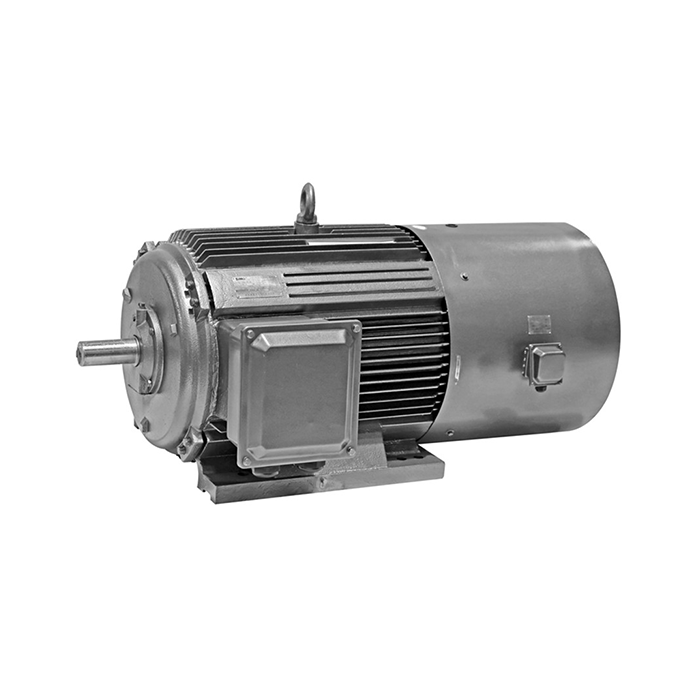
Series:YVFE4
Frequency conversion range:30hz~50hz,5hz~70hz,5hz~100hz
Power range:0.75-1000kW
Protection level:IP55
Application:are suitable for driving various mechanical equipment that require continuous and frequent forward and reverse rotation, such as steel rolling, lifting, transportation, machine tools, printing and dyeing, papermaking, chemicals, textiles, pharmaceuticals, etc., and can be used with various domestic and foreign variable frequency power supplies.
Advantage:high efficiency, wide speed range, high precision, stable operation, and easy operation and maintenance.
Certificate:installation dimensions comply with International Electrotechnical Commission (IEC) standards.
Others: SKF, NSK, FAG bearings can be replaced according to customer requirements.
Introduction
In today's corporate world, balancing cost reduction with environmental responsibility is essential. This guide offers insights into IEC low voltage IE4 motors for industrial energy management. As utility rates rise and sustainability rules tighten, choosing energy-efficient IE4 motors helps control operating costs. Procurement managers, plant engineers, and equipment sellers learn how IE4 technology delivers efficiency, durability, and long-term savings for new or retrofit projects.
Understanding IEC Low Voltage Motors and IE4 Efficiency
Due to their adaptability and durable design, IEC low voltage motors are uniform electric tools that meet the standards of the International Electrotechnical Commission. These motors can handle voltages between 220V and 690V, which means they can be used for a wide range of tasks, from small machines to large-scale process equipment.
What Sets IEC Standards Apart?
IEC low voltage motors have standardized requirements that make buying and maintaining them easier for businesses that do business all over the world. Because the mounting measurements, terminal configurations, and performance measures are all the same, you can always get replacement parts, no matter where your provider is located. This consistency makes inventory less complicated and makes managing tools easier across multiple sites.
The IE4 Efficiency Rating Explained
The IE4 efficiency grade is at the center of this discussion. It is the very best in the IE efficiency classes, which go from IE1 to IE4. IE4 motors work much better than lower classes because they use advanced materials and an optimized electromagnetic design to keep energy waste to a minimum. IEC 60034-30-1 set up a scoring system that makes it easy to compare the performance of motors from different makers.
How IE4 Motors Achieve Superior Performance?
IEC low voltage motors with an IE4 rating are more efficient thanks to a number of tech changes. Magnetic losses are cut down with high-grade electrical steel laminations, and slip is kept to a minimum and power transfer is improved with optimized rotor designs. The rotors are precisely tuned to make sure they work smoothly and with little vibration, and the better copper windings improve the conductivity. Together, these building features turn more electricity input into helpful mechanical output while wasting less energy as heat.
Why IE4 Efficiency IEC Low Voltage Motors Cut Operational Costs?
When you look at real operating data from industrial buildings, it's easy to see how IE4 efficiency can save you money. IEC low voltage motors with IE4 grades save money by using less power, which means they often save 10-15% on energy costs compared to IE2 or IE3 versions that are used to power the same load.
Direct Energy Cost Reduction
A normal 75-kW motor that runs all the time at 75% load uses about 56 kW. An IE4 motor with the same load uses about 5 to 7 kW less power than an IE3 motor of the same size. This gap saves between 40,000 and 56,000 kWh per year, which is more than 8,000 hours of operation per year. With industrial energy rates averaging $0.08 to $0.12 per kWh, that saves each motor $3,200 to $6,720 per year. When you do this for dozens or even hundreds of motors in a normal building, the saves add up quickly.
Extended Equipment Lifespan
IE4 IEC low voltage motors lose less heat and are less stressed by heat while operating. When working temperatures are lower, insulation lasts longer, bearings last longer, and parts are under less mechanical stress. Because they are more thermally efficient, motors need to be replaced less often, which helps capital equipment funds go further and lowers the costs of removal and installation that come with motors breaking down too soon.
Reduced Maintenance Requirements
Unplanned downtime can't happen when reliability is higher, which is very important for production lines that run all the time. Because they are better built, IE4-rated motors need fewer bearing repairs, less rewinding, and fewer hours of upkeep work. Maintenance teams can switch from fixing problems as they happen to doing planned preventative work, which will make all of the facilities' tools work better overall.
Environmental Compliance Benefits
Because IE4 motors have a smaller carbon impact, they are in line with companies' goals for sustainability and with stricter environmental rules. Facilities that use energy-efficient motors release fewer greenhouse gases per unit of output. This helps meet ESG reporting requirements and could make facilities eligible for utility company and government program incentives or refunds for energy efficiency.
Types and Applications of IEC Low Voltage Motors with IE4 Efficiency
IEC low voltage motors come in a variety of designs, each of which is tailored to meet a particular industry need. When buying teams know these differences, they can better choose the right tools for each job.
Squirrel Cage Induction Motors
These are the most popular type of IEC low voltage motors, and people like them because they are easy to use, reliable, and don't need much upkeep. The squirrel cage design has a rotor with bars made of metal or copper that are short-circuited at both ends, making a structure that looks like a cage. These motors work great in situations with steady speed, like fans, pumps, and conveyors, where the starting power needs are low.
Variable Frequency Drive Compatible Motors
Modern IE4 IEC low voltage motors work with a wide range of frequency ranges, from 30Hz to 50Hz, 5Hz to 70Hz, and 5Hz to 100Hz. They also combine smoothly with variable frequency power sources. This adaptability helps machines that need to change speeds often and continuously, like steel rolling mills, lifting equipment, machine tools, printing equipment, papermaking lines, chemical processing equipment, textile machinery, and pharmaceutical production systems. The ability to operate over a wide range of speeds allows for precise control while keeping operation stable.
Application-Specific Industrial Uses
IEC low voltage motors are used on assembly lines for cars, in factories that make gadgets, in factories that make food, and in factories that make rocket components. In process control applications, these motors power pumps that deal with toxic fluids, valves that need to be placed precisely, and compressors that keep important pressure levels. The IP55 standard for security makes sure that equipment works well in dusty or wet industrial settings. For tougher conditions, you can choose the IP56 or IP65 grades.
IE4 motors serve HVAC systems including air handling, temperature control, and refrigeration compressors. Energy and utility sectors use them for wind turbine pitch control and water treatment pumping. Transportation applications include airport conveyors, train maintenance, and marine auxiliary systems. Agricultural irrigation, healthcare HVAC, and medical equipment also benefit. Power ranges from 0.75kW to 1000kW suit small ancillaries to main drives.
How to Choose the Best IE4 Efficiency IEC Low Voltage Motor for Your Business?
To choose the best IE4-rated motor, you need to carefully look at a number of scientific and business factors. Managers in charge of buying things have to weigh the current costs against the total cost of ownership while also making sure that the tools they choose meets operational needs.
Assessing Power and Performance Requirements
First, make sure you know exactly how much mechanical strength your product needs. With a force capacity of up to 6500 Nm, IEC low voltage motors can produce power between 0.75kW and 1000kW. The speed needs to be between 750 and 3000 rpm and must match the needs of your process. Motors that are too big waste money and energy, while motors that are too small break down early and stop production.
Environmental and Operational Conditions
Temperature ranges, humidity levels, and the amount of pollution present determine the safety class that is needed. IEC low voltage motors are reliable in temperatures ranging from -40°C to +40°C, but higher heat standards may be needed for certain uses. The IP55 standard is enough for most industrial settings because it protects against dust and water jets. However, IP65 specs may be needed for chemical processing or outdoor installations.
Total Cost of Ownership Analysis
In addition to the purchase price, you should also look at the total running costs, which include things like energy use, upkeep labor, new parts, and costs for downtime. An IE4 motor that costs 15-20% more than an IE3 comparable usually pays for itself in energy savings within two to three years, and it continues to save money for the rest of its 15-20 year life. Use your real energy rates and business hours to figure out payback periods. This will help you make investment decisions based on accurate financial projections.
Supplier Reliability and Support
When you buy from reputable manufacturers, you can be sure that you will get original parts, expert documentation, and help after the sale. The CE mark and any necessary certifications should be present on IEC low voltage motors that meet international standards. Check to see if the sellers offer warranties that cover both the products and the work. These warranties usually last between 12 and 24 months. Bearings from known names like SKF, NSK, and FAG are examples of replacement parts that make sure there is little downtime during maintenance cycles.
Integration Considerations
The cost and time of installation are affected by how well they work with the current power infrastructure, control systems, and mounting arrangements. Most industrial power distribution systems can be accommodated by IEC low voltage motors, which accept voltage ranges between 220V and 690V. Motors made to work with a variable frequency drive can handle frequency ranges from 5Hz to 100Hz, which makes them useful for controlling speeds. Make sure that the sizes of the motor frame and fixing holes match the sizes of your mechanical systems to avoid having to make expensive changes.
Maintenance Tips for Sustaining IE4 IEC Low Voltage Motor Efficiency
Maintaining the efficiency benefits of IE4 motors over the course of their useful lives requires regular repair and proactive tracking. IEC low voltage motors that have been properly kept operate reliably and experience fewer unanticipated problems.
Routine Inspection Protocols
Set up regular eye checks to look for damage in the motor housings, make sure the air holes are clear, and make sure the mounting is secure. Make sure that the electrical links stay tight and don't rust. Any strange sounds could mean that the bearings are wearing out or the rotor isn't balanced. If you do these simple checks once a month or every three months, based on how often you use the machine, you can find problems before they become major ones.
Lubrication Management
IEC low voltage motors' life and performance are directly impacted by bearing lubrication. Follow the manufacturer's instructions for the type of oil to use, how much to use, and how often to re-apply it. Too much grease raises the temperature and friction, and not enough grease speeds up bearing wear. Premium motors that use SKF, NSK, or FAG bearings work better with high-quality oils that are made to work with those bearings and in those situations.
Alignment and Vibration Control
Misaligned shafts stress bearings, increase vibration, and waste energy. Precision alignment during installation and laser tool checks maintain power transfer. Vibration analysis with portable analyzers or permanent sensors detects imbalances, misalignments, or worn bearings early. This enables scheduled repairs during planned downtime instead of emergency fixes, extending IEC low voltage motor life and reducing unexpected production interruptions across industrial facilities.
Thermal Monitoring
By keeping an eye on the temperature, problems can be found before they do any damage. Infrared thermography scans find hot spots that mean links aren't working right, insulation is wearing down, or there are cooling issues. IEC low voltage motors with Class F insulation can withstand temperatures up to 155°C, and Class H insulation can withstand temperatures up to 180°C, but the motors should not be operated at temps above these ranges. Too much heat speeds up the age of insulation and shortens the life of motors.
Electrical Testing
Regular electrical tests verify motor health by measuring insulation resistance, checking winding continuity, and analyzing current draw. Declining insulation resistance indicates moisture ingress or insulation breakdown. Unbalanced phase currents suggest winding or supply problems. Performing these tests during planned maintenance outages provides objective data supporting condition-based maintenance decisions. This proactive approach prevents unexpected failures and extends the operational life of IEC low voltage motors.
Conclusion
In conclusion, IEC low voltage motors can be upgraded to IE4 efficiency, which is a smart investment that pays off in the form of lower energy costs, longer equipment lifespans, and less upkeep. When compared to older motor technologies, these new ones use 10-15% less energy, which directly leads to lower running costs that build up over decades of use. IE4 motors help with both financial goals and environmental promises because they are more reliable and cause fewer output problems. If procurement teams know about IE4's features, what applications need, and how much it will cost to own the whole thing, they can make decisions that are good for business and the environment.
FAQ
1. What certifications validate IE4 motor efficiency claims?
IEC low voltage motors must meet strict efficiency standards that have been verified by approved testing methods, according to certification standards like IEC 60034-30-1 and CE marking. Performance claims are checked by independent testing labs, which gives customers peace of mind that motors will work as efficiently as they say they will. Reliable makers give out test certificates that show how efficient the motor is across its entire working range.
2. How quickly do IE4 motors pay for themselves?
Depending on working hours, power costs, and replaced motor efficiency, businesses switching to IE4 efficiency IEC low voltage motors usually see a return on investment within two to four years. The fastest payback is seen in places that run all the time, use a lot of energy, and have older IE1 or IE2 motors. Over the motor's 15–20-year life, the energy savings add up, resulting in big net savings over time.
3. Can IE4 motors replace existing equipment without modifications?
Since IEC low voltage motors adhere to standardized mounting measurements and electrical standards, compatibility with current industrial setups is usually very high. When retrofitting, most of the time, only minor changes need to be made. However, integration of the control system and small differences in performance should be taken into account. Consulting with technology experts makes sure that the change goes smoothly and doesn't cause any problems with production.
Partner with XCMOTOR for Your IE4 Motor Solutions
Industrial automation, HVAC, energy, and process control uses all require high-efficiency IEC low voltage motors, and XCMOTOR is a leader in providing these motors. As a trusted iec low voltage motors manufacturer, we provide comprehensive support from initial specification through installation and ongoing maintenance. Our YVFE4 series motors deliver IE4 efficiency across power ranges from 0.75kW to 1000kW, with IP55 protection, wide frequency operation from 5Hz to 100Hz, and compatibility with all major variable frequency drive brands.
Choosing XCMOTOR means partnering with a supplier committed to your operational success. We offer original components from trusted bearing manufacturers, fast delivery on all products, 30-day return policies, and dedicated technical support available throughout weekends. Our team provides detailed quotations, application consultations, and post-installation assistance ensuring your equipment performs optimally. Contact our specialists at xcmotors@163.com to discuss how IE4 IEC low voltage motors can reduce your operational costs while enhancing reliability across your facilities.
References
1. International Electrotechnical Commission, "IEC 60034-30-1: Rotating Electrical Machines - Part 30-1: Efficiency Classes of Line Operated AC Motors," 2014.
2. European Commission Joint Research Centre, "Electric Motor Systems Energy Efficiency: A Technical Assessment of Industrial Applications," 2017.
3. U.S. Department of Energy Advanced Manufacturing Office, "Premium Efficiency Motor Selection and Application Guide: A Handbook for Industry," 2014.
4. International Energy Agency, "Energy Efficiency 2019: Motor Systems in Industrial Applications," 2019.
5. Institute of Electrical and Electronics Engineers, "IEEE Standard 112: Test Procedure for Polyphase Induction Motors and Generators," 2017.
6. National Electrical Manufacturers Association, "NEMA Standards Publication MG-1: Motors and Generators Energy Efficiency Specifications," 2016.
YOU MAY LIKE
 VIEW MOREthree phase slip ring induction motor
 VIEW MOREYRQ(JR) 380V wound rotor motor
 VIEW MOREbutterfly valve full lug type
 VIEW MOREWound Rotor Induction Motors
 VIEW MOREYAKK high voltage increased safety motor
 VIEW MOREYBSD explosion-proof conveyors motors
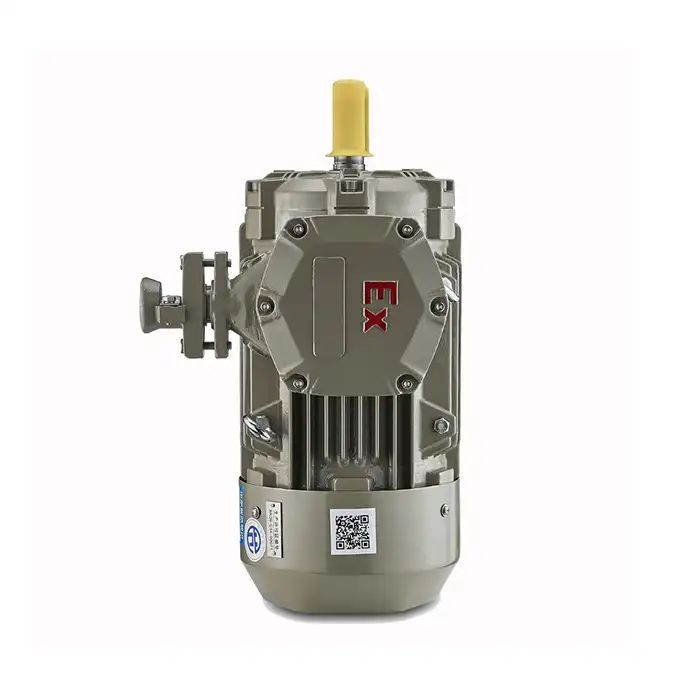 VIEW MORE5 hp explosion proof motor
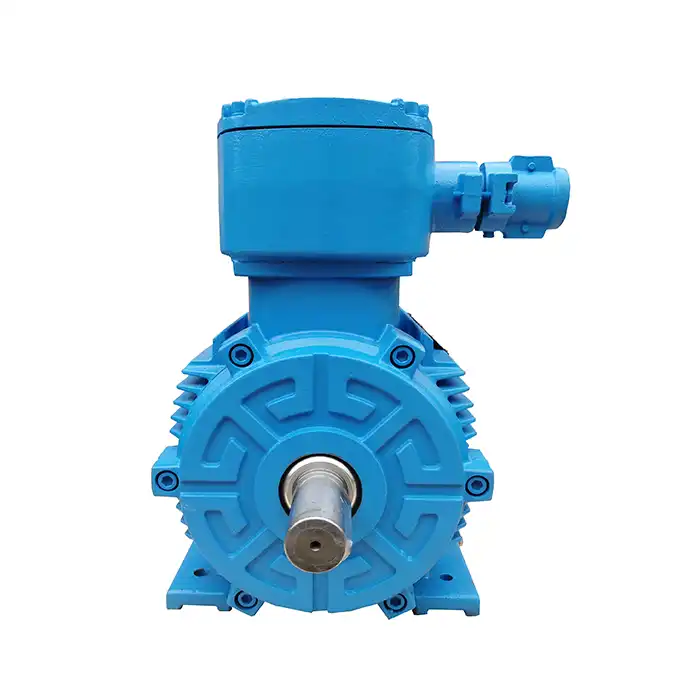 VIEW MOREex eb motor