



How to Choose a Medium Voltage Induction Motor for Pumps
When you choose the right medium voltage induction motor for your pump system, it's not just about matching voltage levels and power outputs. It's also about making sure that the system works efficiently, keeping costs low over its lifetime, and avoiding unplanned downtime that can throw off production plans. We've seen buying teams have a hard time making this choice, and it's usually because the technical details look too complicated at first. This guide walks you through the most important things to think about, from figuring out how these motors work to confidently managing the buying world. Our goal is to give you useful information that combines technical needs with business realities so you can make decisions that deliver both performance and value, whether you're an engineer choosing equipment for a water treatment plant, a purchasing manager looking for motors for a chemical processing plant, or a distributor weighing your supplier choices.
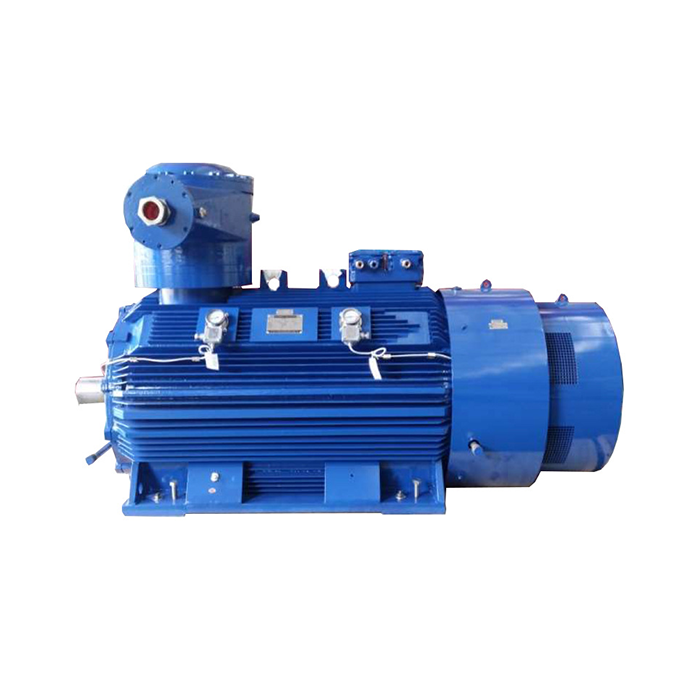
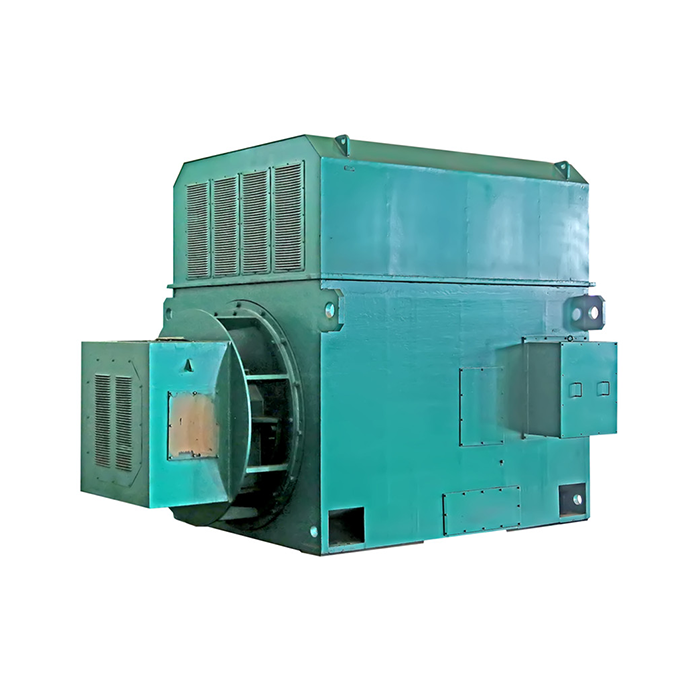
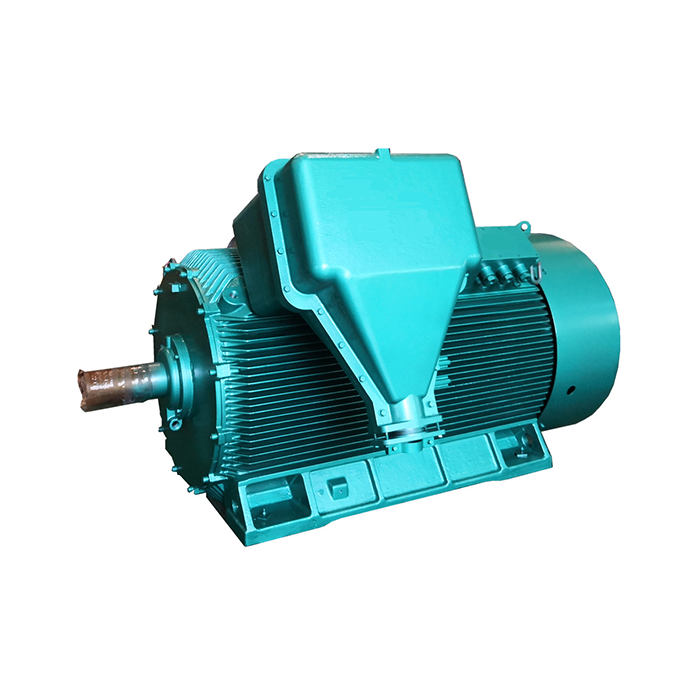
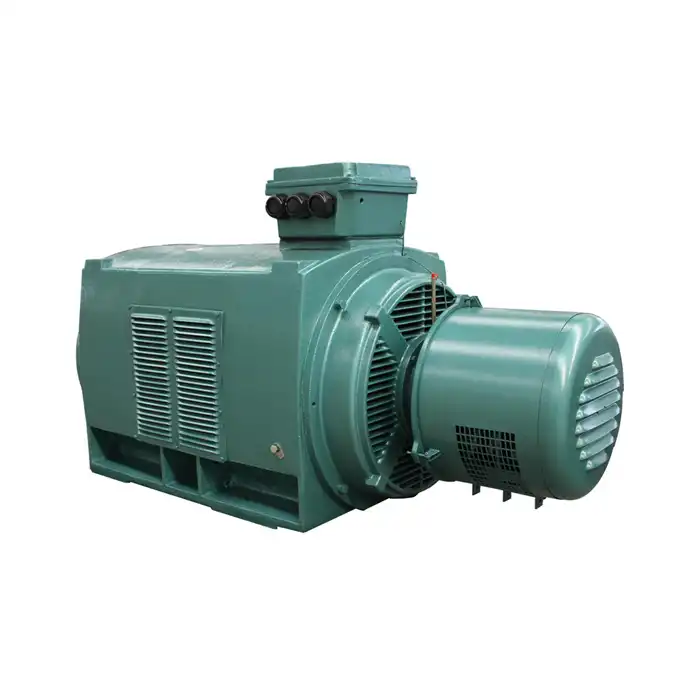
Series:YBBP-HV
Voltage range:3000V±5%,3300V±5%,6000V±5%,6600V±5%,10000V±5%,11000V±5%
Power range:185-1800 kW
Application:compressors, water pumps, crushers, cutting machine tools, transportation machinery.
Advantage: wide modulation range, high efficiency and energy saving, low noise, long life, high reliability.
Others: SKF, NSK, FAG bearings can be replaced according to customer requirements.
Understanding Medium Voltage Induction Motors for Pumps
Before you can choose a medium voltage induction motor, you need to know where it works best. These motors usually work with voltages between 3kV and 11kV. This makes them perfect for industrial pumping tasks that need more power than low-voltage tools can provide easily. The basic idea is simple: electromagnetic induction makes a magnetic field that spins and moves the rotor, turning electrical energy into mechanical motion. This motion is what makes your pumps work, whether they're moving water through city water systems, cooling through power plants, or process fluids through factories.
Core Characteristics and Operating Principles
When we talk about medium voltage motors, we're talking about machines that are built to constantly handle heavy loads. With a ±5% error, the voltage range for these motors is from 3000V to 11000V. They can produce power rates from 185kW to 1800kW. This feature has a direct effect on the pump's performance, allowing steady flow rates and pressure maintenance even when the load changes. The motors do this with high-quality copper windings that cut down on resistive losses and optimized rotor designs that lower mechanical friction. This keeps power delivery stable throughout operating cycles.
Motor Types and Cooling Considerations
For each type of pump use, a different motor setup is needed. Designs that use IC416 cooling methods and are cooled by air work well in places where the temperature is reasonable and it's easy to do upkeep. The cast iron frame is strong and long-lasting, and the heat can be removed through carefully planned airflow channels. The class F insulation grade and class B temperature rise make sure that parts stay within safe thermal limits, which keeps them from breaking down too quickly. These design choices have an impact on both short-term and long-term dependability, which is something we'll talk about in more detail when we talk about selection criteria.
Criteria for Selecting the Right Medium Voltage Induction Motor
To match motor specs to pump needs, you have to carefully look at working factors. Whether the tools you choose will work as intended or have trouble in real life depends on how flow rate, head pressure, and motor torque are connected.
Analyzing Pump Operational Parameters
Your pump's duty point where flow and head meet on its performance curve determines medium voltage induction motor power and speed requirements. Urban water pumps with stable loads suit a medium voltage induction motor running continuously. Chemical plant process pumps that start and stop frequently require a medium voltage induction motor with varying load capability. Medium voltage induction motor units rated for 3000, 1500, or 1000 rpm suit different pump types. Custom speeds available for your medium voltage induction motor. Quality medium voltage induction motor offers wide modulation range without pushing pumps beyond optimal operation.
Efficiency and Environmental Factors
Energy use dominates motor lifetime costs, making efficiency critical. Advanced insulation and balanced components save energy, but verify exact efficiency scores when comparing options. Installation environment matters greatly. Standard temperature range is -20°C to +40°C. Extreme conditions may require protection above IP55 rating. Sites above 1000 meters altitude need additional consideration because thinner air reduces cooling effectiveness and may require motor derating.
Maintenance Planning and Service Support
It's easier to avoid problems later if you plan for upkeep before the installation. Motors with clear service points and bearing housings that are easy to get to make regular checks easier. Motors that are compatible with high-quality bearing names like SKF, NSK, and FAG make it easier to find replacement parts. The way you choose to start the motor—direct-on-line (DOL), soft start, or variable frequency drive (VFD) compatibility—affects both how the motor parts are stressed at first and how they wear over time. VFD support is especially useful for businesses that want to fine-tune their control over pump speed and flow, but they need to pay extra attention to shielding and grounding the cables to avoid problems with electrical noise.
Comparing Medium Voltage Induction Motor Options in the Market
Figuring out where medium voltage equipment fits in the bigger picture of motors helps you decide when these motors are the best choice over other voltage classes.
Voltage Class Distinctions
Low-voltage motors that can handle up to 690V work well for smaller pumps but can't be used for bigger ones when the power needs go up because bigger current demands need bigger wire cross-sections and stronger switching equipment. On the other hand, motors that are more than 10kV go into what is usually called "high-voltage" area, which is more complicated by the need for protection and safety rules. For industrial pumps, the 3kV to 11kV range is a good compromise between the ability to deliver power and the need for reasonable equipment. Being able to run motors at voltages of up to ±5% of their full range (3000V, 3300V, 6000V, 6600V, 10000V, and 11000V) gives you the freedom to match them to existing building electrical systems without having to make expensive changes to the infrastructure.
Performance Metrics That Matter
When procurement teams are looking at different motor choices, they should focus on measures that have a direct effect on how well the pump system works. How well the motor handles starting loads and changes in pressure in the pumping system are based on its torque features. Quality motors have an optimized rotor design that makes acceleration smooth and operation stable. This keeps the mechanical stress on the pump bearings and seals to a minimum. Noise levels are important in places where workers' comfort or government rules need to be followed. Motors with precisely balanced parts and advanced positioning systems tend to make less noise when they're running, which makes workplaces more pleasant. Even though it's harder to put a number on reliability measures right away, they can often be guessed from quality signs for parts like bearing specifications and winding insulation systems.
Procurement Process and Best Practices for B2B Buyers
To make good choices about procurement, you need to know both the technical details and the business facts that affect those decisions.
Sourcing Strategies and Supplier Networks
There's more to finding good providers for a medium voltage induction motor than just checking price lists. Buyers should check suppliers' flexibility with medium voltage induction motor customization, responsiveness to technical help requests, and delivery reliability. Production quality signals like rigorous testing at different stages and final performance verification show if a supplier can consistently deliver a medium voltage induction motor meeting specifications. Authorized sellers of well-known medium voltage induction motor lines help with warranty issues and parts access, but direct manufacturer relationships may offer better customization for large medium voltage induction motor purchases needing special terms.
Managing Commercial Terms and Lead Times
When negotiating a price, the total cost of ownership should be taken into account, not just the initial purchase price. Motors with high-quality parts and strong construction may cost more, but they're worth it because they last longer between service visits and have less chance of breaking down. If you're buying standard catalog items or custom setups, the lead time will be different. Standard motors within common voltage and power ranges usually ship within weeks, but custom windings or specialized safety classes may need longer manufacturing windows. It's important to carefully read the warranty terms, especially the parts that say what kinds of failures are covered and what kind of paperwork is needed for installation in order for the guarantee to stay valid.
Collaborating on Custom Specifications
Getting motor providers involved early in the planning phase is helpful for projects with specific needs. Shaanxi Qihe Xicheng Electromechanical Equipment Co., Ltd. helps customers match motor specs to the needs of their applications, whether those needs include unique shaft shapes, mounting setups, or safety for the environment. For collaboration to work, working factors, installation limitations, and performance standards must be clearly communicated. This lets suppliers come up with solutions that are both technically possible and financially viable. Writing down the agreed-upon specs saves both sides and makes sure that production goes as planned, as agreed upon by both sides.
Ensuring Long-Term Success with Your Medium Voltage Induction Motor
Getting the most out of your car investment goes beyond the decision to buy it. It also includes how it is installed and how it is managed on an ongoing basis.
Installation and Commissioning Best Practices
Aligning the motor and pump correctly is probably the most important thing to think about when installing. Misalignment causes shaking and uneven loads, which speeds up the wear on both motor bearings and pump seals. This lowers performance and shortens the life of the equipment. The foundation design has to take into account the weight of the motor and how it vibrates during operation. This makes sure that the mounting is stable and stays in place over time. When VFD control is involved, it's especially important to pay attention to the right way to terminate and ground electrical lines. During the commissioning process, the direction of spin should be checked, vibrations should be measured at different load points, and the thermal behavior should be checked to make sure it stays within the predicted range.
Preventative Maintenance Protocols
Setting up regular repair plans keeps small problems from getting worse and leading to expensive failures. Here's what you should keep an eye on regularly:
1. Bearing inspection and lubrication for a medium voltage induction motor directly affects motor reliability: A quality medium voltage induction motor can use standard bearing types from SKF, NSK, and FAG, making replacement easier. Lubrication intervals for your medium voltage induction motor depend on operating conditions, but a regular schedule prevents premature bearing failure. Monitoring bearing temperatures and vibration in a medium voltage induction motor helps detect problems before they become critical. Proper care extends medium voltage induction motor service life significantly.
2. Winding Condition Monitoring: Insulation resistance testing checks the condition of the winding on a regular basis to find signs of moisture getting in or insulation wearing down before problems happen. When motors are properly made, the advanced insulation system stops common ways that they break down. However, tracking lets you know right away if environmental conditions or working stresses are higher than what was planned.
3. Cooling System Maintenance: To keep their heat performance, air-cooled motors need to have their airflow paths cleaned every so often. When dust builds up, it blocks airflow, which raises working temperatures and speeds up the age of parts. Simple cleaning steps done as part of regular maintenance keep the cooling system working well and extend the life of the motor.
Future-Proofing Through Technology Integration
Condition tracking and predictive maintenance tools are being used more and more in modern factories. Vibration sensors, thermal imaging, and motor current signature analysis can tell you about the health of your equipment and help you make choices about repair based on data. It can be hard to add tracking capabilities to motors that are already in use, but mentioning sensor requirements during the initial purchase makes updates easier in the future. As factories try to go digital, motors that have mounting holes that work with other motors and tracking places that are easy to get to fit more easily into smart manufacturing ecosystems.
Conclusion
When choosing a medium voltage induction motor for a pump, technical specs must be weighed against practical issues like cost, installation, and control over the motor's lifetime. Motors that work between 3kV and 11kV and give 185kW to 1800kW are used for a wide range of industrial pumping tasks, from treating water to processing chemicals. Matching the motor's features to the pump's needs, picking dependable providers, and following good repair methods are all important for success. We've gone over the most important things you need to know to make a good decision, from knowing operational principles to navigating buying processes. Now you can make choices that will help your business meet its short-term and long-term performance needs.
FAQ
1. What factors most significantly influence motor efficiency in pump applications?
There are a number of things that affect how well a motor works. The quality of the copper wire lowers resistive losses, and the optimal form of the rotor lowers mechanical friction. It's very important that the motor speed and working point of the pump match up perfectly. Running pumps far from their design point wastes energy, no matter how good the motor is. Load profile is also important. Motors that run constantly at or near rated load are usually more efficient than those that cycle loads often or run at partial loads for long periods of time.
2. How do cooling methods affect motor performance and reliability?
How you cool things has a direct effect on how well you handle heat and how long parts last. For normal use, the IC416 cooling setup found in many industrial motors works well at getting rid of heat. Enough cooling keeps insulation from breaking down and bearings from getting damaged by high temperatures. In places where airflow is limited or temperatures are high, you might need better cooling or better thermal protection to keep things running smoothly.
3. What lead times and warranty coverage should buyers expect?
Standard motor configurations usually ship between 4 and 8 weeks, but this depends on how much stock the provider has and how quickly they can make the motors. Lead times may go up to 10 to 14 weeks if custom specs call for special windings or voltage rates that aren't standard. Most warranties cover the product for 12 to 24 months after it is first used or 18 to 36 months after it was shipped, whichever comes first. Coverage details vary from supplier to supplier, so going over the insurance terms while negotiating the purchase protects your interests and makes it clear who is responsible for what when it comes to installation instructions and working parameters.
Partner with XCMOTOR for Reliable Medium Voltage Solutions
Shaanxi Qihe Xicheng Electromechanical Equipment Co., Ltd. knows that picking the right medium voltage induction motor supplier affects more than just your current equipment needs. It also affects your long-term operating reliability and bottom line. We have motors with voltages from 3kV to 11kV and power outputs from 185kW to 1800kW. These motors are designed for demanding pump uses in the chemical processing, power generation, water treatment, and industry manufacturing sectors.
Our dedication goes beyond just delivering products; it also includes technical advice, the ability to make changes, and quick help that answers your questions. You can email our team at xcmotors@163.com to talk about your needs with experts who know how to integrate pump systems. We can help you with your project from the beginning (specification) to the end (commissioning), whether you need a medium voltage induction motor maker that can make custom configurations or a trusted source for standard configurations.
References
1. National Electrical Manufacturers Association (NEMA). "Standards Publication MG 1: Motors and Generators." Rosslyn, VA: NEMA, 2021.
2. International Electrotechnical Commission. "IEC 60034: Rotating Electrical Machines - Part 30: Efficiency Classes of Line-Operated AC Motors." Geneva: IEC, 2020.
3. Bonnett, Austin H. "Root Cause AC Motor Failure Analysis with a Focus on Shaft Failures." IEEE Transactions on Industry Applications, Vol. 36, No. 5, 2000.
4. Chapman, Stephen J. "Electric Machinery Fundamentals, Fifth Edition." New York: McGraw-Hill Education, 2011.
5. De Almeida, Anibal T., et al. "Technical and Economic Considerations in the Application of Variable-Speed Drives with Electric Motor Systems." IEEE Transactions on Industry Applications, Vol. 41, No. 1, 2005.
6. Beaty, H. Wayne and James L. Kirtley Jr. "Electric Motor Handbook." New York: McGraw-Hill Professional, 1998.