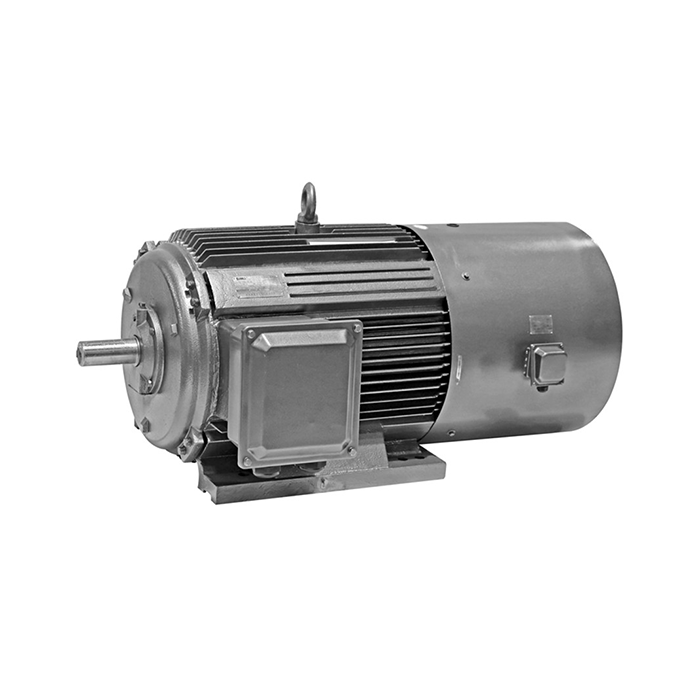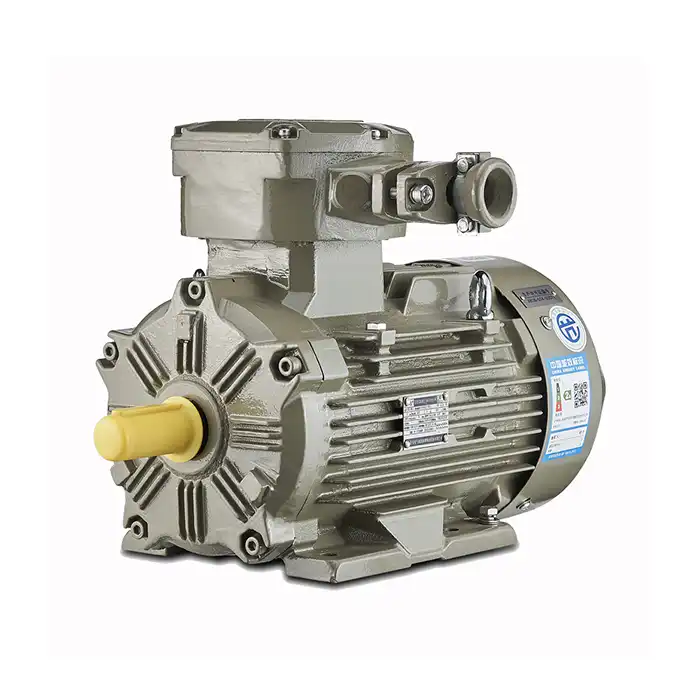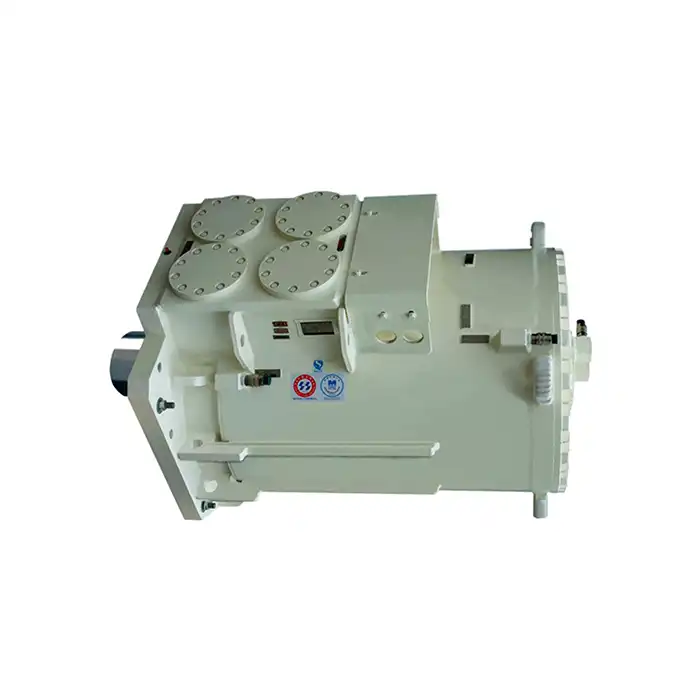




How to choose a low voltage ac motor?
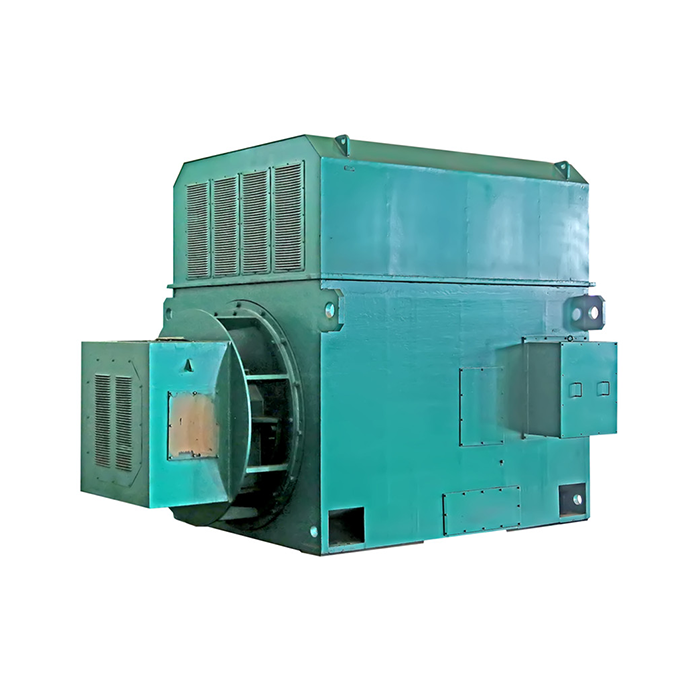
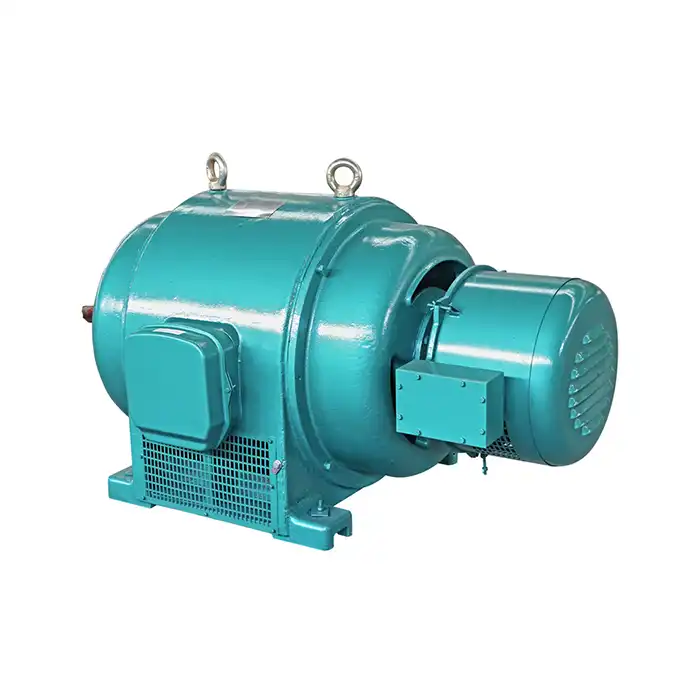
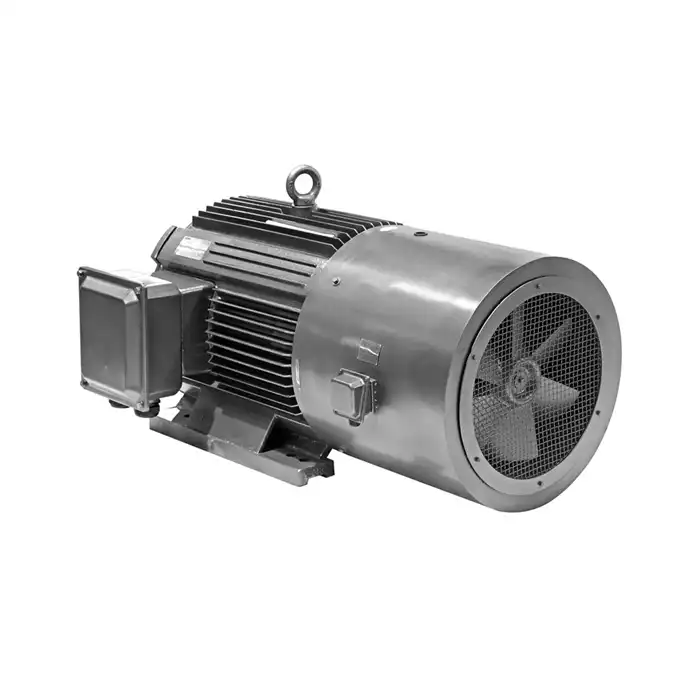
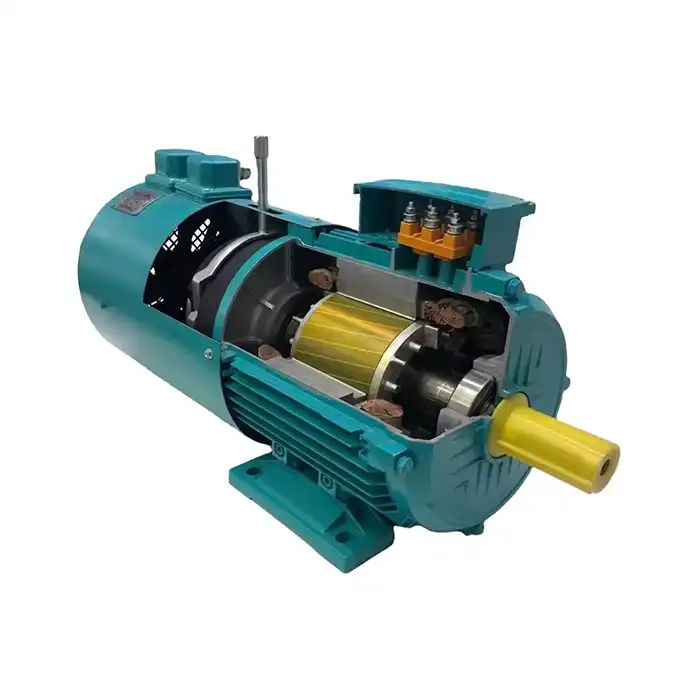
Choosing the right Low Voltage AC Motor starts with understanding your specific application requirements. Match the motor's power rating (measured in kilowatts), torque characteristics, and speed to your operational demands. Evaluate environmental factors like temperature, humidity, and protection levels—IP55 ratings work well for most industrial settings. Consider energy efficiency classifications (IE2, IE3, IE4) to reduce long-term operational costs. Assess voltage compatibility with your existing electrical infrastructure, typically ranging from 380V to 660V. Review the motor's duty cycle, frame size, and mounting options to ensure seamless integration with your machinery. Always verify certifications like IEC60034-30 to guarantee compliance with international standards.
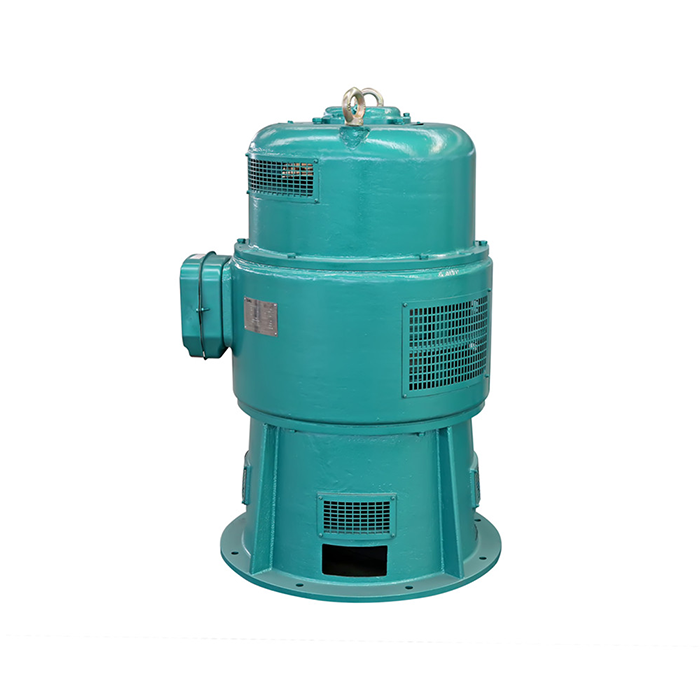
Series:YE3
Frame number: 80-450
Power range:0.75-1000kW
Protection level:IP55
Energy efficiency class: IE3
Voltage range: 380V,400V,415V,660V, etc.
Application:can be used in various fields of the national economy, such as machine tools,water pumps,fans,compressors,and can also be used in transportation, mixing, printing, agricultural machinery, food and other occasions that do not contain flammable, explosive or corrosive gases.
Certificate: international standard IEC60034-30 "Efficiency Classification of Single-speed Three-Phase Squirrel Cage Induction Motors".
Advantage:The high quality of the electric motor guarantees high operational reliability.
Others: SKF, NSK, FAG bearings can be replaced according to customer requirements.
Understanding Low Voltage AC Motors: Basics and Key Concepts
It comes up a lot when I talk to plant managers and buying specialists at different factories about how to figure out what makes these motors work. A Low Voltage AC Motor works with less than 1000V and is now essential in many industry settings. Through electromagnetic induction, these motors turn electrical energy into mechanical motion. They power everything from air systems to conveyor systems.
Induction Versus Synchronous Motors
Induction and synchronous motors are the two main types, and they are used for different things. Induction motors, especially three-phase squirrel cage designs, are the most common type used in industry because they are tough and don't need much upkeep. The spinning magnetic field of the stator and the induced currents in the rotor work together to make force. Synchronous motors, on the other hand, keep their speed constant by being tied directly to the supply frequency. This makes them perfect for uses like compressors and big fans that need to control speed very precisely.
Single-Phase and Three-Phase Configurations
Single-phase motors work well for home HVAC systems and light-duty tasks that don't need more than 3 kW of power. Because they produce more power and torque more smoothly, three-phase setups are the usual choice for big manufacturing, industrial automation, and process control equipment. In addition, the three-phase system is more efficient and lasts longer when used continuously.
Why Voltage Matters in Motor Selection?
Choosing the right voltage affects both safety and efficiency. The electricity distribution system in your building must work with motors that are made for 380V, 400V, 415V, or 660V. When voltages aren't matched, things get too hot, work less well, and break down early. Our YE3 series motors can work with a range of voltages, making them suitable for placements in countries with different grid requirements.
If buying teams understand these basic ideas, they can choose motors that really meet business needs instead of going for generic ones. This information is very helpful when talking to engineering teams and judging the technical ideas that sources send.
Key Factors to Consider When Choosing a Low Voltage AC Motor
To choose the right motor, you have to carefully look at it from a lot of different angles. I've seen bad buying choices happen when teams only look at the costs up front and don't consider the operating factors that affect long-term value.
Power Rating and Torque Requirements
First, figure out how much power your program really needs. A Low Voltage AC Motor needs to have enough power across the whole range of its operation. The YE3 line has power ranges from 0.75 kW to 1000 kW, so it can be used for everything from small mixers to big industrial fans. Motors that are too small get too hot and break down early, while units that are too big waste energy and money. When using machines with a lot of inertial loads, like crushers or centrifuges, you might want to think about starting torque.
Environmental Conditions and Protection Levels
The operating setting has a huge effect on how long a motor lasts. IP55 protection keeps dust and water jets out. It's good for most factory floors, food processing plants, and outdoor sites. Temperature affects both the insulation of the windings and the lubrication of the bearings. Motors that are used in hot places or near heat sources need thermal protection and may need higher insulation classes. Specifications also take into account chemical exposure, temperature levels, and altitude.
Efficiency Classifications and Energy Consumption
Using less energy has a direct effect on running costs. Over the course of their life, IE3 motors use about 15 to 20 percent less energy than older IE1 versions. Our YE3 model meets the IEC60034-30 standards for IE3 efficiency, which means that places that run motors all the time will save money. When looking at the overall cost of ownership, the extra money spent on higher-efficiency motors is usually paid back in 18 to 36 months, based on how much they are used and how much electricity costs.
Frame Size and Mounting Compatibility
Physical measurements must match existing equipment footprints. YE3 series frame numbers from 80 to 450 standardize motor sizes, simplifying repairs and retrofits. Verify mounting options (foot-mounted, flange-mounted, or face-mounted) work with your driven equipment. Mechanical integration depends on shaft diameter, keyway specifications, and output flange positioning. Proper matching prevents installation delays and ensures reliable operation across the equipment fleet.
Control Compatibility and Starting Methods
Variable frequency drives (VFDs) are now commonly used in places where speed variation or soft starting is needed. Make sure the motor works with the VFD. Inverter-duty motors have better protection to handle power spikes. Direct-on-line starting works best for fixed-speed tasks with a low starting current. Star-delta starters, on the other hand, lower the initial power draw for bigger motors.
Bearing Quality and Customization Options
Bearing quality determines maintenance intervals and operational reliability. XCMOTOR installs premium SKF, NSK, or FAG bearings based on customer requirements. Premium bearings handle misalignment better, produce lower noise levels, and extend time between relubrication cycles compared to standard options. Customization addresses application-specific stresses including axial loads or contaminated environments. These factors collectively determine optimal motor specifications for reliable production systems.
Comparing Low Voltage AC Motors With Other Motor Types
Knowing about other options can help you feel better about your choice of motor or find better ones for certain uses. I've worked as a consultant on projects where switching motor types solved long-lasting problems with how they worked.
Low Voltage Versus High Voltage AC Motors
High voltage motors (above 1000V) are good for large-scale tasks that need more than 500 kW of power. These tasks are popular in power plants, water treatment plants, and mines. Because they take less power, they keep wire sizes and voltage drop over long distances to a minimum. On the other hand, high voltage systems need special equipment, trained staff, and strict safety rules. In most industrial and HVAC uses, a Low Voltage AC Motor makes installation easier, lowers infrastructure costs, and raises safety.
AC Motors Versus DC Motors
DC motors have great starting power and good speed control without any extra controls. Before VFD technology got better, they were the most common type of variable-speed device. Today, DC motors need more upkeep because the brushes wear out and the commutators need to be serviced. When AC induction motors are paired with VFDs, they give the same performance but require much less upkeep and last longer. For pumps, fans, and transport systems, the AC method works out cheaper.
Standard Motors Versus Servo and Brushless Designs
Servo motors work best in robots, CNC machinery, and automatic packaging lines where exact positioning, fast acceleration, and synchronized multi-axis motion are needed. They need more complex controls and cost a lot more than regular induction motors. Brushless motors don't need any upkeep, but they cost more to buy at first. Standard AC induction motors are still the best choice for uses with fixed or variable speeds and simple positioning needs. These types of motors are used in most commercial settings.
This comparison helps you understand when a Low Voltage AC Motor is the best choice and when other technologies are better for the job. Both over-engineering and under-specification can be avoided by knowing these differences.
Maintenance, Troubleshooting, and Wiring: Ensuring Long-Term Performance
Consistent care and quick problem resolution are needed for motors to work reliably. I've seen that sites with structured maintenance plans get 30–40% more motor life than those that use reactive maintenance.
Scheduled Maintenance Protocols
Set up check times that work with your business's hours and the weather. Inspections should be done every three months to make sure the fixing is solid, listen for strange noises or vibrations, and check the electrical connections for damage or looseness caused by heat. When to grease the bearings depends on the size and job cycle of the motor. Small motors with sealed bearings don't need to be greased, but bigger units do need to be greased every 2000–4000 hours. Keep the outside of the motor clean; dust and other debris can stop airflow that cools the motor and cause it to overheat.
Common Troubleshooting Scenarios
Overheating results from excessive current, poor ventilation, or power quality issues. Compare running current to nameplate values, checking for balanced loads across phases. Unusual bearing noise indicates low lubrication or contamination, requiring immediate attention. Vibration problems stem from unbalanced loads, misalignment, or worn bearings. Electrical faults show as inconsistent operation or tripped protection devices. Systematic testing using current readings, vibration analysis, and thermal imaging identifies root causes.
Wiring and Installation Considerations
Proper wiring ensures safe operation. Follow diagrams and size conductors per current standards with adequate margin. Ground connections must have low resistance for personnel and equipment safety. Terminal tightness directly affects reliability; loose connections cause heat and failure. Mount motors on solid bases to reduce vibration transmission. Allow adequate space for airflow and maintenance access. These steps extend equipment life and prevent unplanned downtime. Procurement teams should include maintenance costs in total ownership calculations.
Procurement Guidance: How to Buy the Right Low Voltage AC Motor?
Technical requirements, source dependability, and business needs to all be taken into account when buying is done well. I work with purchasing managers who know that buying a Low Voltage AC Motor is more than just looking at price lists and data sheets.
Finding Reliable Manufacturers and Suppliers
Choosing the right supplier has a big effect on long-term happiness. Look for manufacturers that have the right certifications for your business, well-established quality control systems, and proof that they can provide technical help. Shaanxi Qihe Xicheng Electromechanical Equipment Co., Ltd. has been making products for 20 years and works with top technology companies to make sure that quality and performance are always the same. We have strict quality control throughout the whole production process, from carefully winding the wires to checking them one last time to make sure they meet international standards.
Standard Versus Custom Motor Solutions
Standard stock motors are cost-effective and have faster lead times for most uses. Custom designs are used for things like voltages that aren't standard, unusual shaft shapes, harsh weather conditions, or specific fitting needs. Check to see if the needs of the application really call for customization or if standard goods with only small changes will do. Custom solutions usually cost 20 to 40 percent more and take 4 to 8 weeks longer to deliver. However, these extra costs are worth it when regular goods don't work well or reliably.
Pricing Dynamics and Volume Considerations
Motor prices depend on the power level, economy class, frame size, and number of orders. Buying in bulk takes advantage of economies of scale. Projects that need a lot of the same units should talk about getting mass savings. Certification standards affect prices. Motors with CE marking, UL listing, or other specialized certifications cost more because they have to go through more testing and compliance. Energy-efficient designs cost more at first, but they save money over time because they use less power.
Lead Time Planning and Supply Chain Management
Planning ahead for lead times and managing the supply chain: Carefully plan when to buy things for big jobs or to fix up old tools. Standard motors usually ship between 2 and 4 weeks, but custom setups can take anywhere from 6 to 12 weeks, based on how complicated they are. International packages take longer to get to their destination and go through customs. Keep working with responsive sellers who let you know about the state of production ahead of time and can speed up important orders when needed.
Why Partner With XCMOTOR?
Our YE3 line motors meet efficiency standards with IP55 protection and IE3 certification. These squirrel cage induction motors serve machine tools, pumps, fans, compressors, conveyors, mixers, and agricultural equipment. Frame sizes 80 to 450 deliver 0.75 kW to 1000 kW, handling multiple voltages (380V–660V). We select premium SKF, NSK, or FAG bearings based on your needs. XCMOTOR provides application engineering, stocking common configurations for quick delivery, and after-sales support for procurement professionals managing complex supply chains.
Conclusion
When choosing a Low Voltage AC Motor, you need to carefully look at the technical specs, the needs of the business, and the supplier's abilities. Knowing the basics of motors, like the difference between induction and synchronous designs, three-phase setups, and efficiency classifications, is important for making smart choices. Systematic testing of power ratings, environmental conditions, protection levels, and control compatibility ensures motors match application needs. Comparing motor types clarifies when AC induction motors excel versus alternative technologies. Structured maintenance and troubleshooting improve reliability and service life. Strategic procurement includes evaluating trusted manufacturers, weighing standard versus custom solutions, and planning supply chain logistics.
FAQ
1. What voltage range qualifies as low voltage for AC motors?
Low Voltage AC Motors work below 1000V, with typical setups at 380V, 400V, 415V, and 660V. Most industrial, business, and household uses can be met by these voltage values. The power you choose will depend on how the electricity is distributed in your building and the rules in your area. Motors made for 380V to 415V work in places with normal three-phase power sources, and motors made for 660V work in places that need higher voltage to cut down on current and cable size.
2. How do IE3 efficiency motors reduce operational costs?
When they are loaded, IE3-rated motors use about 15 to 20 percent less energy than older IE1 types. This increase in efficiency directly leads to lower energy bills, which is especially important for motors that are going all the time or at high utilization rates. Depending on runtime hours and local power costs, the saves on energy usually cover the slightly higher purchase price in 18 to 36 months. Over the normal 15 to 20 years that a motor lasts, making it more efficient saves you a lot of money and lowers your facility's carbon footprint.
3. Can I replace my current motor with a different frame size?
In order to replace a motor, more than just the power flow needs to be matched. Standardizing frame sizes is helpful, but you still need to check the mounting hole patterns, shaft measurements, and general physical environment. When you replace a motor with one that has a different frame size, you usually have to change the mounting bolts or the mechanical connections. Before you place an order, talk to the application engineers at your provider. They can look at your current system and suggest alternatives that will work or tell you what changes need to be made.
Ready to Specify Your Next Low Voltage AC Motor?
XCMOTOR offers industrial motor solutions based on 20 years of experience making things and a strong dedication to quality. Our YE3 line motors give your processes the dependability, efficiency, and customization options they need. Our expert team is ready to help you with your needs, whether you're looking for motors for new installations, upgrading old equipment, or setting up preferred source relationships. We provide full application tech support, reasonable prices for large purchases, and reliable delivery schedules. Get in touch with our experts right away at xcmotors@163.com or motorxc.com to talk about your unique needs. As a well-known provider of Low Voltage AC Motors to the industrial, HVAC, energy, and automation industries, we can offer solutions that improve your business's performance and lower its overall cost of ownership.
References
1. Chapman, Stephen J. Electric Machinery Fundamentals. McGraw-Hill Education, 2021.
2. International Electrotechnical Commission. IEC 60034-30-1: Rotating Electrical Machines – Part 30-1: Efficiency Classes of Line-Operated AC Motors. IEC Standards, 2014.
3. Nasar, Syed A. Handbook of Electric Machines. CRC Press, 2018.
4. U.S. Department of Energy. Improving Motor and Drive System Performance: A Sourcebook for Industry. Office of Energy Efficiency & Renewable Energy, 2014.
5. Toliyat, Hamid A., and Gerald B. Kliman. Handbook of Electric Motors. Marcel Dekker, 2004.
6. Boldea, Ion, and Syed A. Nasar. The Induction Machines Design Handbook. CRC Press, 2010.