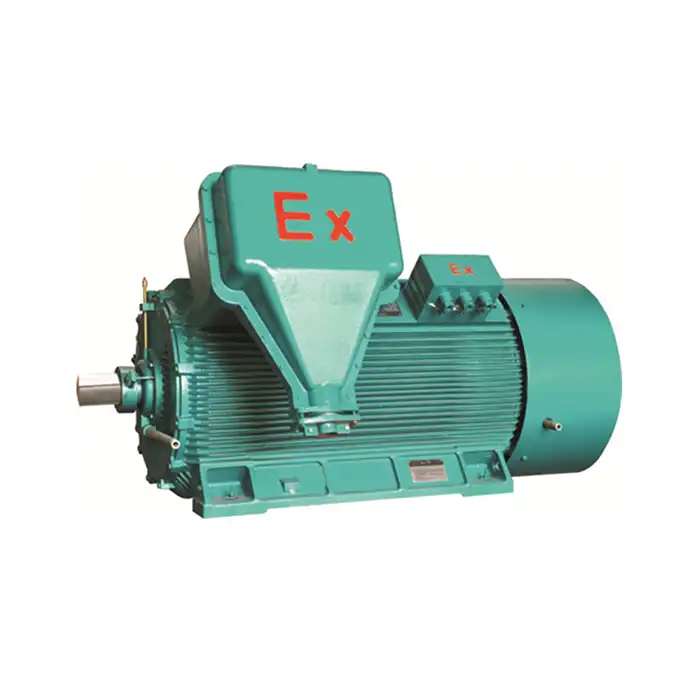




How IE5 Motors Achieve Ultra-Premium Efficiency?
IE 5 motor technology achieves ultra-premium efficiency through several interconnected innovations. At the core, these motors utilize synchronous reluctance motor (SynRM) designs or advanced permanent magnet systems that dramatically reduce rotor losses compared to traditional induction motors. Enhanced stator winding configurations maximize copper utilization while minimizing resistive losses. Sophisticated electronic controls continuously optimize magnetic field alignment, ensuring that energy converts to mechanical work with minimal waste. Advanced cooling architectures dissipate heat more effectively, maintaining optimal operating temperatures that preserve efficiency across varying load conditions.
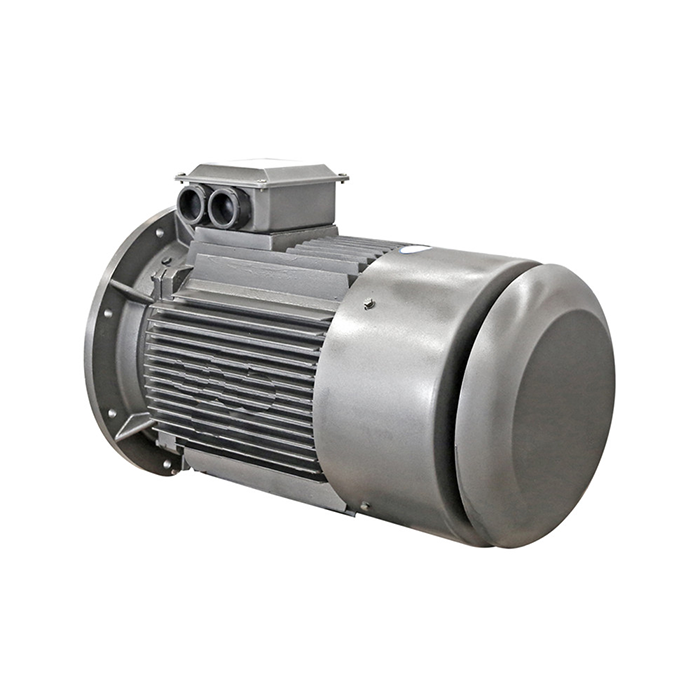
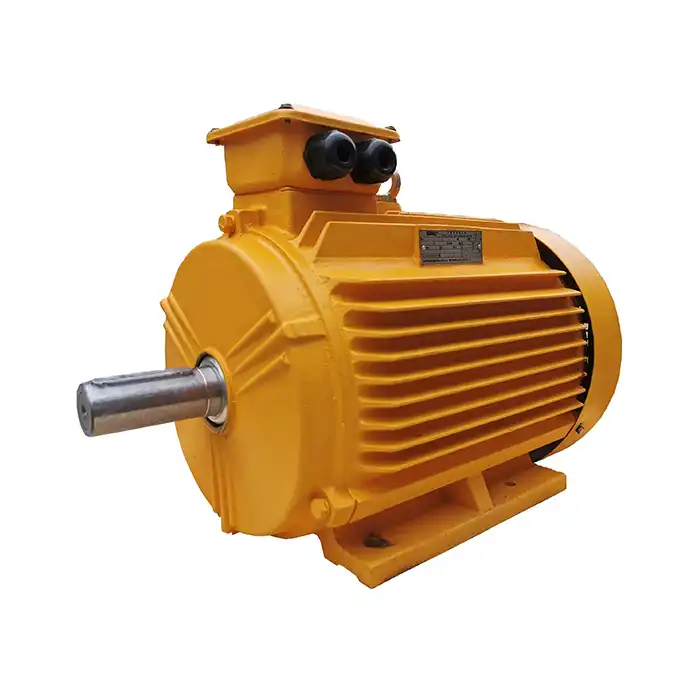
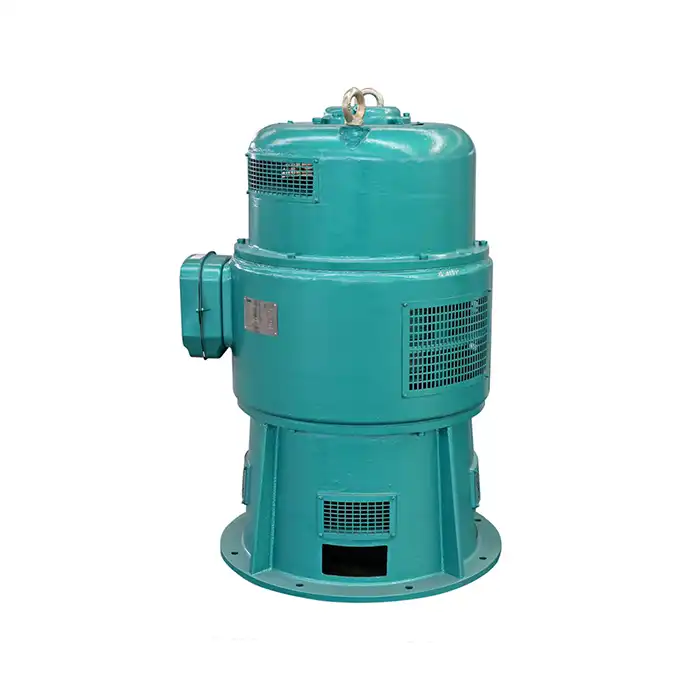
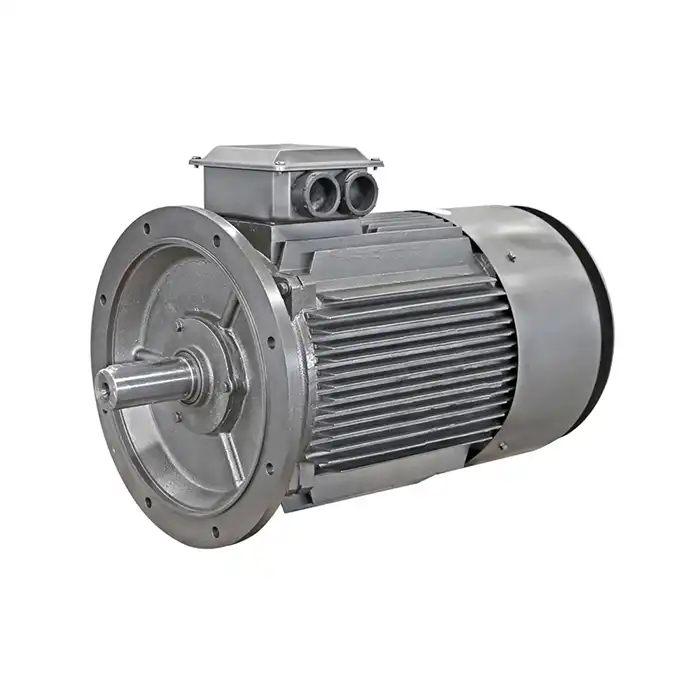
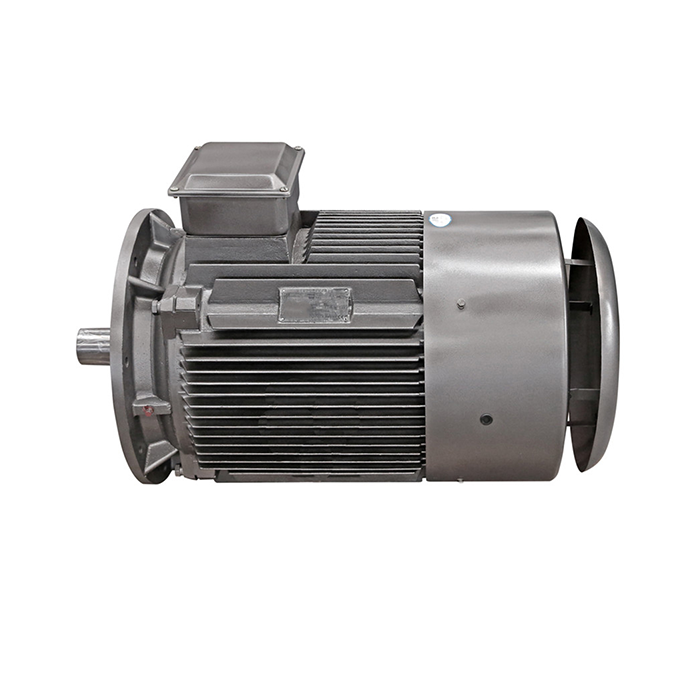
Series:YE5
Frame number: 80-450
Power range:0.75-1000kW
Protection level:IP55
Energy efficiency class: IE5
Voltage range: 380V,400V,415V, 660V,etc.
Application:can be used in various fields of the national economy, such as machine tools,water pumps,fans,compressors,and can also be used in transportation, mixing, printing, agricultural machinery, food and other occasions that do not contain flammable, explosive or corrosive gases.
Certificate: international standard IEC60034-30 "Efficiency Classification of Single-speed Three-Phase Squirrel Cage Induction Motors".
Advantage:The high quality of the electric motor guarantees high operational reliability.
Others: SKF, NSK, FAG bearings can be replaced according to customer requirements.
Understanding IE5 Motor Technology and Ultra-Premium EfficiencyWhat Makes IE5 Technology Different from Previous Standards?
From IE1 to IE5, there have been decades of improvements in technology. In earlier efficiency classes, the main goal was to lower rotor losses. The IE 5 motor, on the other hand, optimises the whole system. For "Efficiency Classification of Single-speed Three-Phase Squirrel Cage Induction Motors," the international standard IEC60034-30 sets clear standards. IE 5 motor rated equipment goes above and beyond these standards, reaching up to 96.5% efficiency. This performance comes from getting rid of friction points that aren't needed, cutting down on magnetic flux leakage, and using materials that have better electromagnetic properties.
Core Engineering Innovations Behind Ultra-Premium Efficiency
Modern ultra-high efficiency motors use a lot of different types of new technology that all work together. With precision die-casting, the rotor and stator parts are made with tighter specs, which means there are fewer air holes that normally let energy escape. Modern methods for winding make sure that the conductors are placed correctly, and advanced bearing technologies, such as those for SKF, NSK, and FAG bearings, reduce mechanical friction. What this means is that the motor runs cooler and quieter, and it delivers the same amount of power from 500 to 3000 rpm.
Why Efficiency Matters for Industrial Operations
For factories, process plants, and commercial buildings, energy costs are one of the biggest costs of doing business. At normal U.S. industrial rates, running a motor that uses 100 kW of power nonstop can cost over $60,000 a year just in electricity. Even small improvements in efficiency add up to big savings. In addition to lowering costs directly, motors with higher efficiencies produce less waste heat, which means less cooling is needed and the workplace is better. Lower operating temperatures also make parts last longer, which means less maintenance and unplanned downtime.
IE5 Motors vs. Legacy Motors: Efficiency Comparison and Performance Analysis
Quantifying the Efficiency Gap
When you look at how much energy an IE 5 motor and IE3 tools use, you can see big differences. Upgrading a 110 kW motor that runs at 1500 rpm can cut its energy use by 20–40% per year, depending on the load profile and duty cycle. These savings add up a lot over a normal 15-year work life. When you figure out the total cost of ownership, the difference in the initial cost is almost nothing. Payback times are usually between 13 and 24 months, depending on the number of hours worked and the cost of energy in your area.
Performance Metrics That Matter
Besides the big numbers for efficiency, ultra-premium motors are different from older equipment in a number of ways. When the power factor goes above 0.9, the demand for reactive power goes down. This could lead to lower utility bills. Less harmonic distortion means less electrical noise, which can mess up sensitive equipment. Less shaking means less damage to mounting systems and equipment that is tied to them. These operational changes help make production processes more effective and reduce quality problems in factories.
Real-World Case Studies
Motor changes have been shown to have big benefits for industrial buildings in the manufacturing, HVAC, and process control sectors. A food processing plant in the Midwest replaced thirty IE3 motors with ultra-high-efficiency units. This cut the plant's annual electricity use by 180,000 kWh and got rid of two unplanned shutdowns that were caused by motors overheating. A business building complex updated the motors in the chillers and air handlers. This cut the energy use for HVAC systems by 32% and made it easier to keep all the rooms at the same temperature.
Key Applications of IE5 Motors in Global Industries
Industrial Automation and Manufacturing
In manufacturing settings, motor solutions that are reliable and work well for many uses are needed. When driving machine tools, the IE 5 motor does its best because it can precisely control speed and deliver consistent torque, which have a direct effect on the quality of the parts. Ultra-high efficiency motors power conveyor systems, robotic positioning systems, and equipment for moving things around in automated production lines. With a power range of 0.75 kW to 1000 kW, this motor can be used for a wide range of tasks, from small devices to heavy-duty processing equipment.
These motors are very reliable, which makes them useful in places like aerospace, electronics, food processing, and cars. The IP55 security class keeps dust and water from getting into internal parts, which is common in industrial areas. Different buildings and areas in the world have different electricity infrastructure needs, which is why voltage configurations like 380V, 400V, 415V, and 660V are available.
HVAC and Refrigeration Systems
Commercial and private climate control devices use a lot of energy in buildings across the country. Bringing pumps, fans, and compressor motors up to the highest standards of efficiency directly lowers operating costs and raises comfort levels. The ability to change speed allows for exact capacity modulation, which matches output to real demand instead of turning on and off too often, which wastes power. Less motor noise makes people more comfortable in homes, hospitals, schools, businesses, and other places.
Better effectiveness and dependability are also good for refrigeration uses. Cold storages, stores, and food delivery centers use refrigeration equipment all the time, so saving energy is very important for making money. Less heat loss from efficient motors means that these systems don't have to work as hard to cool down, which is a double benefit.
Energy and Utilities Sector Applications
Strong motor solutions are needed in places like power plants, water treatment plants, and green energy sites. A lot of electricity is used by pumps in municipal water systems that move millions of gallons of water every day. Upgrading to pumping equipment with an IE 5 motor rating saves money right away and helps meet environmental goals. In blade pitch control systems and other parts of wind energy plants, which must work reliably in harsh situations, advanced motors are used.
Motors in water treatment plants have to deal with a lot of problems because they are exposed to high humidity and corrosive gases. When you mix corrosion-resistant coatings with IP55-rated enclosures, you get better security that lasts longer in these harsh settings. Standard distribution voltages and specialised power systems that are common in utility infrastructure can both work with voltage flexibility.
Diverse Applications Across Other Sectors
More and more, farms are using motors that are more energy efficient for things like irrigation pumps, tools for moving grain, and temperature control systems in barns for animals. In medical imaging tools, HVAC systems, and lab instruments where dependability is essential, healthcare institutions use precise motors. Transportation infrastructure, like airports, train stations, and shipping terminals, depends on motors that work well for systems that move things, handle bags, and let air flow.
Ultra-premium efficiency motors can be used in a wide range of industrial processes, from mixing equipment in chemical processing to printing presses in publishing, and many more. Upgrading to IE 5 motor technology could be helpful for any application that uses three-phase induction motors now, as long as the application doesn't work in environments that are flammable, explosive, or very corrosive.
How to Select and Procure IE5 Motors for Your Business
Critical Technical Specifications
Understanding your application needs is the first step in choosing the right motor, such as an IE 5 motor. Carefully figure out how much power you actually need—motors that are too big work inefficiently at light loads, while units that are too small struggle and break down early. Think about the duty cycle, the starting torque needed, and the environment. Operating temperature ranges, altitude, and the humidity level in the air all affect the choice of motor and may need special configurations.
Voltage stability is very important. Check the voltage and frequency of the electricity in your building before you choose equipment. In the United States, most factories run on 460V, 60Hz. In other countries, 380V, 400V, and other voltages are common. Depending on the speed needed, either standard synchronous speeds are enough or a variable-frequency drive needs to be added.
Ensuring Compliance and Quality
When making purchases, approved goods that meet foreign standards should be given the most weight. The IEC60034-30 approval makes sure that claims about economy are backed up by strict testing procedures. Extra approvals, such as the CE mark, show that safety and electromagnetic compatibility standards have been met. Reliable motors are distinguished from problematic ones by thorough testing under a range of load conditions, which is an important part of quality production processes.
Motor life and maintenance needs are greatly affected by the quality of the bearings. Premium bearings from well-known brands can handle more weight and keep working for longer before they need to be serviced. You can choose between SKF, NSK, and FAG bearings, which gives you the freedom to match the needs of a specific application or your existing maintenance stock.
Optimizing Total Cost of Ownership
The buying price is important, but the total cost of ownership gives a more true picture of how much something costs to own. Use actual operating hours and local utility rates to figure out how much energy you can expect to save. Think about lower upkeep costs and longer periods between service. Think about how much it would be worth to avoid downtime and production problems. Many sites find that high-efficiency motors pay for themselves just by saving money on energy costs. Improving dependability adds to the value.
Long-term value is also affected by warranty terms and the availability of technical support. Quick response from customer service helps with installation questions, fixing working problems, and limiting downtime when issues happen. Support that is available on weekends and holidays can be especially helpful for sites that run processes all the time.
Future Outlook and Environmental Impact of IE5 Motor Adoption
Supporting Corporate Sustainability Initiatives
More and more people and groups around the world are pushing businesses to cut down on carbon emissions and show they care about the environment. Motor systems use about 45% of the world's energy, so it makes sense to focus on them when trying to be more efficient. When you switch to an IE 5 motor, you can measure how much pollution you're reducing, which helps your company meet its green goals and carbon reduction aims.
The environmental benefits go beyond just using less energy. Longer motor lifespans lower the need for making and the resources needed for it. Less cooling is needed, which means less energy is used overall. A quieter operation makes the workplace better, which makes employees happier and more productive.
Regulatory Trends and Compliance
Regulations on energy saving keep getting stricter around the world. The US Department of Energy changes the minimum efficiency standards for electric motors every so often. New rules bring the basic needs closer to IE4 levels. Directives from the European Union also require all types of industry tools to be more efficient. Companies that use IE 5 motor technology are ahead of the rules and won't have to go through time-consuming retrofitting projects when the new standards go into effect.
A lot of utility companies and government bodies give rebates and other benefits to people who install motors that use less energy. These programs can help pay for a lot of the costs of upgrades, which makes the job more profitable. During project planning, procurement teams should look into available incentives to get the most money out of the deal.
Emerging Technologies and Future Standards
Motor technology keeps getting better. When IoT platforms are connected, devices can check for problems in vibration, temperature, and electrical factors before they happen. This is called predictive maintenance. Data algorithms improve working factors in real time, making designs that are already very efficient even better. New magnetic materials and manufacturing methods promise even more improvements, which could lead to IE6 classifications in the next few years.
As more transportation and manufacturing processes become electric, the need for efficient motor options grows. Electric cars, warehouse automation, and electric industry tools all need motors that are small and work well. Experience learned in stationary industrial uses can easily be applied to these new markets. This means that well-established motor technologies will continue to be useful.
Conclusion
Ultra-high-efficiency motor technology has measurable benefits in a wide range of industrial settings. If you compare new equipment to old equipment, you can save 20 to 40 percent on energy costs. This means lower operating costs and less damage to the environment. More operational benefits include higher reliability, lower noise, and longer service life. These motors are useful for almost any business building because they can be used in many different fields, such as manufacturing, HVAC, utilities, and specialised areas. Even though the initial investment is higher than the normal cost of equipment, the short payback periods and long-term savings make the case for it very strong. Companies that care about the environment, running their business well, and keeping costs low will find that IE 5 motor rated motors perfectly match their strategy goals.
FAQ
1. How do IE5 motors compare with IE3 motors in real costs?
There are clear financial benefits when you compare a 110 kW IE 5 motor to an IE3 motor that runs at 1500 rpm. The rise in efficiency cuts the amount of electricity used each year by a large amount—often by 15,000 to 25,000 kWh, based on the load profile. If you pay $0.10 per kWh, this will save you $1,500 to $2,500 a year. The initial price increase is usually between $1,500 and $3,000. It is paid back in 13 to 24 months. Savings can add up to more than $30,000 per motor over its 15-year working life, and reliability is better.
2. Can ultra-premium efficiency motors replace existing equipment directly?
Most motors with an IE 5 motor rating can be used in place of standard induction motors in frames that are the same size. Standard configurations for the industry are usually used for mounting dimensions, shaft specifications, and electrical connections. Compatibility with existing control systems is ensured by variable-frequency drives. Some uses might need small changes to account for small differences in size or electrical parameters, but retrofit projects usually go smoothly as long as they are well planned and the specifications are carefully looked over.
3. What maintenance do high-efficiency motors require?
Most of the time, ultra-high efficiency motors need less upkeep than older equipment. Lower operating temperatures slow down the wear on bearings and the breakdown of insulation. Recommended upkeep includes lubricating the bearings on a regular basis according to the manufacturer's instructions, checking the machine visually for damage or contamination, and making sure the electrical connections are correct. A lot of setups go 5 to 7 years without major maintenance. Bearing replacement is the main task of maintenance, which is made easier when standard bearing types from well-known manufacturers are used.
Partner with XCMOTOR for Your Ultra-Premium Efficiency Motor Needs
XCMOTOR offers tried-and-true IE 5 motor options that are built to last in the industrial world and use very little energy. Our wide range of products, which is protected by IP55, includes everything from 0.75 kW to 1000 kW and is used in industrial, HVAC, utilities, and other specialised areas. We keep a lot of stock on hand so that we can send quickly, and you have 30 days to return items, so your purchase goes smoothly. Technical support is still available seven days a week, even on weekends, so you can get help whenever you need it. We are dedicated to quality throughout the whole lifecycle of the product. We use only the best SKF, NSK, and FAG bearings and have strict quality control at every stage of production. Our team at xcmotors@163.com is here to help, whether you're a manufacturer looking for a trusted IE 5 motor supplier partner or a site manager hoping to make your building more energy-efficient. At motorxc.com, you can find detailed information about specs and uses.
References
1. International Electrotechnical Commission. "IEC 60034-30-1:2014 Rotating Electrical Machines - Part 30-1: Efficiency Classes of Line-Operated AC Motors." Geneva: IEC Standards, 2014.
2. De Almeida, Anibal T., et al. "Beyond Induction Motors—Technology Trends to Move Up Efficiency." IEEE Transactions on Industry Applications, vol. 50, no. 3, 2014, pp. 2103-2114.
3. United States Department of Energy. "Energy Conservation Program: Energy Conservation Standards for Electric Motors." Federal Register, Office of Energy Efficiency and Renewable Energy, 2016.
4. Boglietti, Aldo, et al. "Evolution and Modern Approaches for Thermal Analysis of Electrical Machines." IEEE Transactions on Industrial Electronics, vol. 56, no. 3, 2009, pp. 871-882.
5. European Copper Institute. "Motor Systems Energy Efficiency: Industrial Energy-Related Products Directive Impact Assessment." Brussels: European Commission Directorate-General for Energy, 2018.
6. Ferreira, Fernando J.T.E., and Aníbal T. de Almeida. "Overview on Energy Saving Opportunities in Electric Motor Driven Systems—Part 1: System Efficiency Improvement." Proceedings of the 51st IEEE-IAS/PCA Cement Industry Technical Conference, 2009, pp. 1-8.