



IE5 Motors for Compressors: Energy Savings Explained
When compressor systems consume 30-40% of industrial electricity budgets, every percentage point of efficiency improvement matters. An IE 5 motor delivers ultra-premium efficiency that transforms how compressors operate across manufacturing, HVAC, and energy sectors. These advanced electric motors achieve efficiency ratings up to 96.5%, dramatically reducing operational expenses while meeting stringent IEC60034-30 standards. By integrating synchronized reluctance technology and optimized magnetic designs, IE5-rated motors provide measurable cost reductions within the first year of deployment, making them practical solutions for procurement managers seeking both immediate financial returns and long-term sustainability goals.
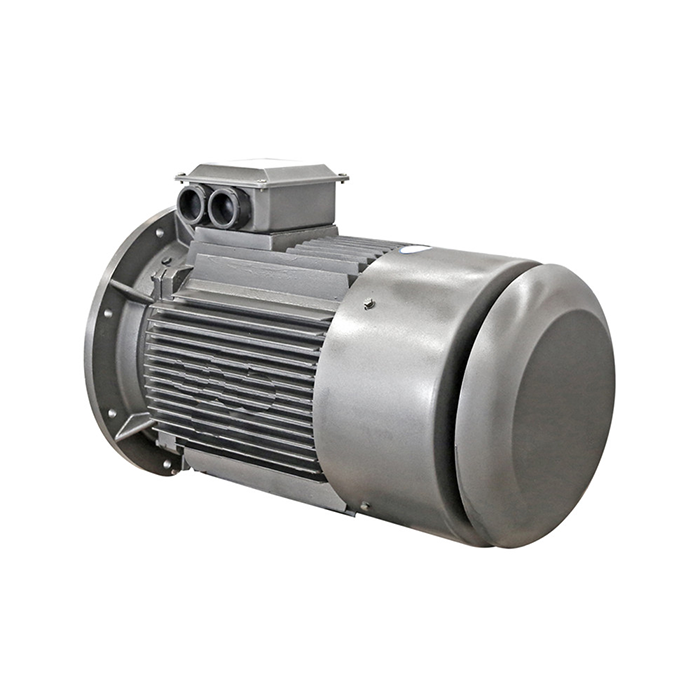
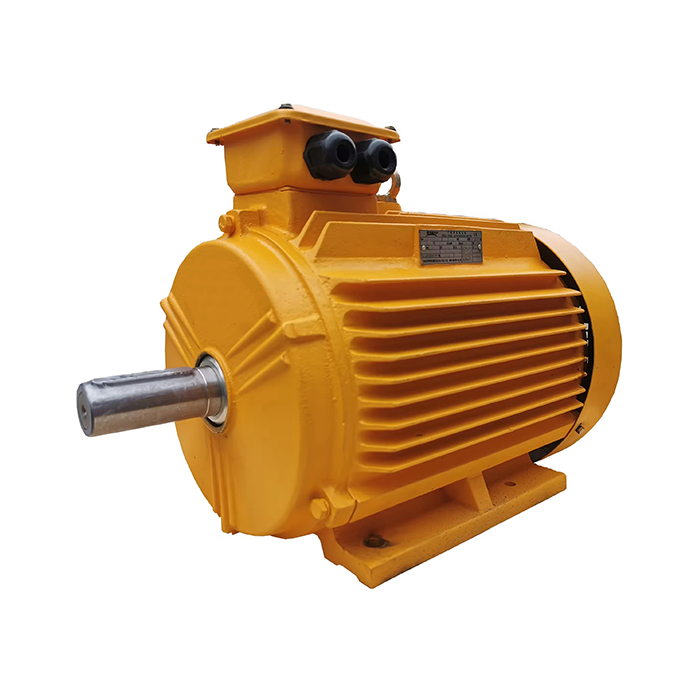
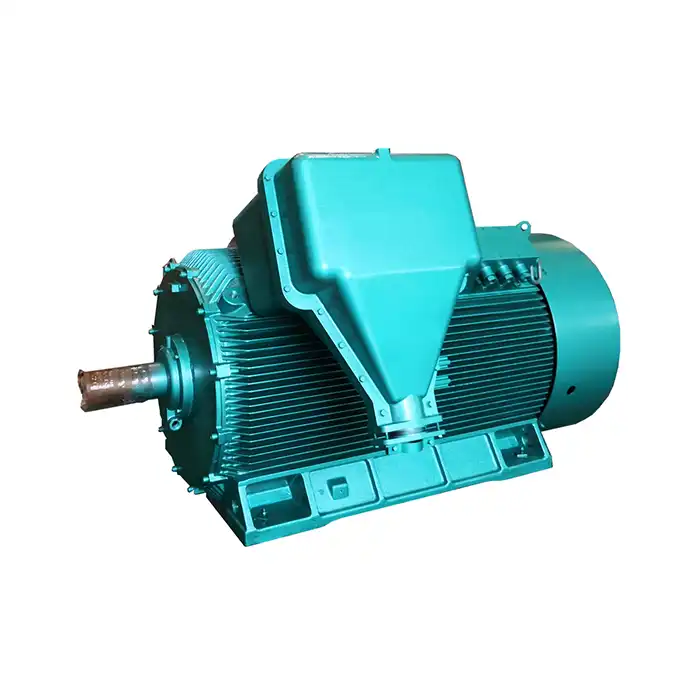
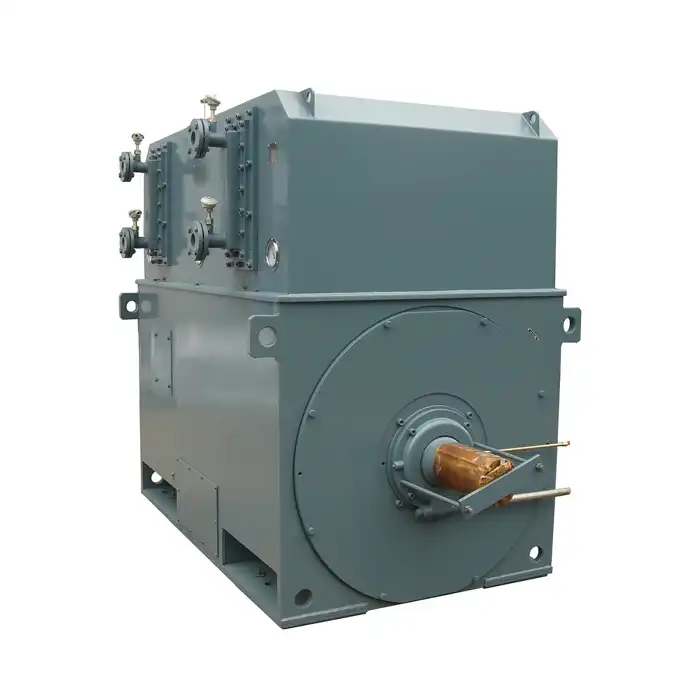
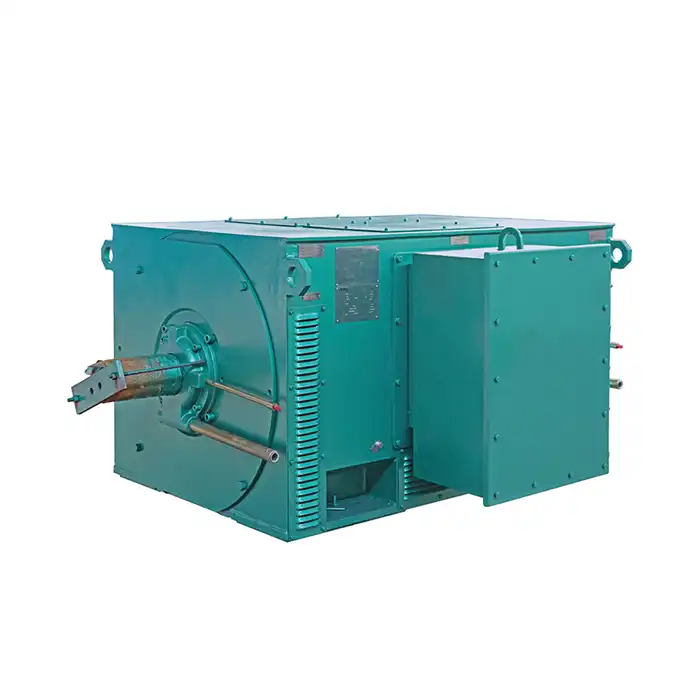
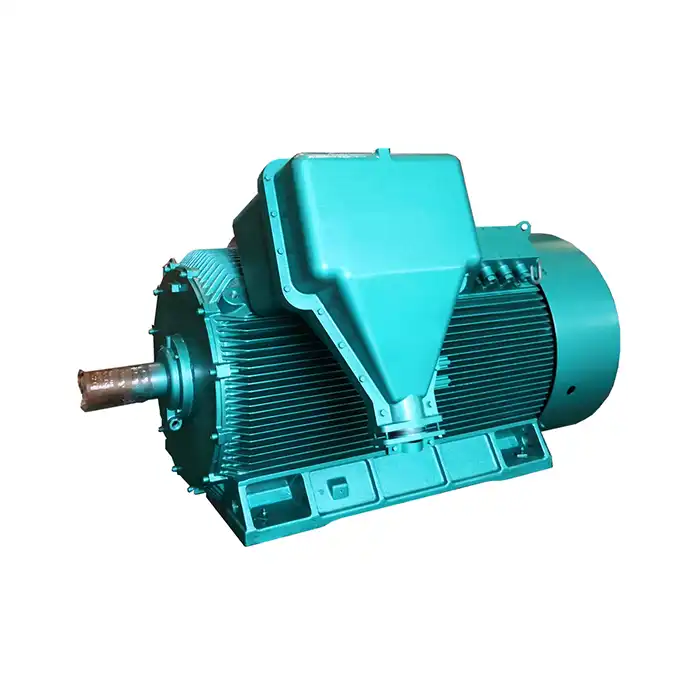
Series:YE5
Frame number: 80-450
Power range:0.75-1000kW
Protection level:IP55
Energy efficiency class: IE5
Voltage range: 380V,400V,415V, 660V,etc.
Application:can be used in various fields of the national economy, such as machine tools,water pumps,fans,compressors,and can also be used in transportation, mixing, printing, agricultural machinery, food and other occasions that do not contain flammable, explosive or corrosive gases.
Certificate: international standard IEC60034-30 "Efficiency Classification of Single-speed Three-Phase Squirrel Cage Induction Motors".
Advantage:The high quality of the electric motor guarantees high operational reliability.
Others: SKF, NSK, FAG bearings can be replaced according to customer requirements.
Understanding IE5 Motor Technology for CompressorsWhat Makes IE5 Efficiency Possible
The IE 5 motor has the highest efficiency rating according to IEC standards. Ten years ago, this seemed like an impossible goal to reach. This efficiency comes from synchronized reluctance motor (SynRM) technology, which gets rid of rare earth materials while keeping performance at a high level. Unlike regular induction motors, SynRM designs make magnetic fields through the shape of the rotor instead of electrical excitation. This means that they lose 20 to 40 percent less energy than IE 3 motors.
Precision die-casting is used for the rotor and stator parts of XCMOTOR's IE 5 motors. This makes magnetic paths that work better and waste less energy. Better designs for the stator windings cut down on copper losses, and new bearing technology from SKF, NSK, or FAG makers lowers mechanical friction. Because of these improvements, motors run quieter, last longer, and use a lot less power over the course of their 10–15-year lives.
Key Technical Innovations Driving Performance
IE 5 motors are more efficient than motors in earlier efficiency classes thanks to a number of new technologies. The power factor is higher than 0.9, which means that more of the energy that is provided is directly turned into useful mechanical work. Voltage changes can damage electrical infrastructure and equipment that is linked to it. Low harmonic distortion saves these things from damage. Less rotor loss means less heat production, which extends the life of parts and lowers the need for cooling.
Because they can work with voltages from 380V to 660V, these motors can be used with a wide range of industrial electrical systems without any changes. The IP55 protection class keeps dust and water out of the internal parts, so they can work reliably in the rough conditions that are common in compressor setups. Power levels from 0.75 kW to 1000 kW can be used for a wide range of tasks, from small process compressors to big industrial refrigeration systems.
How IE5 Motors Integrate with Compressor Systems
Compressors need torque output that stays the same under different load situations, so choosing the right motor is very important. Older motors waste energy when they are only partially loaded, but an IE 5 motor stays efficient from 50 to 100% of its rated load. Variable speed drives work perfectly with IE 5 technology, which lets you precisely control flow and match compressor output to real-time demand.
These motors are easy to install because they can be used as drop-in replacements for standard motor configurations. Frame sizes between 80 and 450 are compatible with current fastening patterns, and normal shaft sizes are compatible with current coupling systems. Class F insulation can handle high temperatures in tough situations, and Class H insulation is offered for places with very high temperatures.
IE5 Motors vs IE4 Motors: Efficiency and Performance Comparison
Quantifying Energy Savings in Real-World Operations
Differences in how efficiently different types of motors work directly lead to lower operating costs. When running at 1500 rpm, a 110 kW IE 5 motor uses about 8–10% less electricity than a 110 kW IE 4 motor running in the same conditions. With over 8,000 hours of use a year, which is normal for commercial compressors, this difference saves between 7,040 and 8,800 kWh a year.
At industrial electricity rates of $0.12 to $0.15 per kWh, which are common in manufacturing areas of the United States, each motor can save $845 to $1,320 per year. These numbers don't include the extra benefits that come from lower cooling loads, longer maintenance intervals, and better power quality. When a facility uses more than one compressor system, the total financial impact is much bigger.
Total Cost of Ownership Analysis
IE 5 motors cost 15–25% more than IE 4 motors at first, but they pay for themselves in 13–18 months just by saving energy. IE 5 motors not only have a fast return on investment, but they also run more quietly (3-5 dB less noise in the workplace) and have 15-20% less shaking than older models. These changes make connected devices last longer and wear less quickly.
Warranty terms and supplier help are very important when looking at B2B purchasing choices. XCMOTOR offers full technical support throughout the entire lifecycle of a motor, from the initial size selection to planning for installation and maintenance. Premium bearings from reputable manufacturers cut down on unplanned downtime, and CE and GOST certifications make sure that they are compatible with international markets.
Environmental Impact and Carbon Footprint Reduction
Based on average grid mix figures from the United States, every kilowatt-hour saved means about 0.92 pounds of CO2 emissions are avoided. Compared to IE 4 alternatives, a single 110 kW IE 5 motor stops 6,477-8,096 pounds of carbon emissions every year. Scaling up across a whole facility's fleet of compressors makes real progress toward meeting legal requirements and meeting company environmental goals.
Magnet-free SynRM designs get rid of the need for rare earth materials, which fixes problems with the supply chain and the environment that come with mining neodymium. This way of making things fits with the ideas of the circular economy, which means that IE 5 motors are good for businesses that care about the environment as well as their bottom line.
Practical Applications and Case Studies of IE5 Motors in Compressors
Industrial Automation and Manufacturing Sectors
Compressed air systems are very important for pneumatic tools, part handling, and process control in auto plants, rocket facilities, and electronics factories. Screw compressors with IE 5 motors keep the pressure steady while changing the output to fit production plans. A big company that sells car parts replaced twelve 75 kW IE 3 motors with IE 5 motor units. This saved them $47,000 a year in energy costs and let them get $18,500 in utility refunds.
Reciprocating compressors are used to move gases and raise pressure in chemical processing plants. IE 5 motors protect sensitive process control equipment by having a better power factor and less harmonic distortion. They also reduce stress on the electrical grid. One petrochemical plant saved 94,000 kWh per 160 kW motor every year, which meant less maintenance work and less need for spare parts.
HVAC and Refrigeration Applications
Centrifugal compressors are what make chillers work in commercial HVAC systems like those in hospitals, office buildings, and data centers. A 250 kW chiller compressor driven by an IE 5 motor lowers building running costs by 9–12% compared to systems with an IE 3 motor. Quieter operation is especially good for hospitals because it makes patients more comfortable without affecting the climate control.
Industrial refrigeration works all year long in places that process food and store it cold. The IE 5 motors that power ammonia compressors can work in harsh conditions and still be very efficient. A frozen food delivery center changed four 200 kW motors, which saved a total of $62,400 a year and cut CO2 emissions by 114,000 pounds, which is the same as taking 11 passenger vehicles off the road.
Energy Generation and Water Treatment Infrastructure
Instrument air compressors are used in power plants to move gas controls and valves. Aeration blowers, which are basically compressors that move low-pressure, high-volume air, are needed in water treatment plants. Municipalities that switch to IE 5 motors report 15-year lifecycle savings that are 400–600% higher than the initial equipment costs. This makes these investments one of the best ways to improve infrastructure because of their high return on investment.
For repair tools and energy storage, renewable energy projects need compressor systems. Because IE 5 motor technology is more reliable over a longer period of time, service visits to wind farms and solar installations that are far away are cut down. This lowers both maintenance costs and system downtime. It's possible to get higher IP ratings if needed, but protection class IP55 works well for outdoor installations.
How to Choose the Right IE5 Motor for Your Compressor Needs
Critical Technical Parameters for Selection
Accurate load analysis is the first step in finding the right motor size. The amount of power a compressor needs depends on the duty cycle, flow rate, and pressure ratio. In normal situations, an IE 5 motor should work at 75 to 95% of its rated capacity. This gives it room for starting fluctuations while keeping its peak efficiency. Between 500 and 3000 rpm, the speed range can work with both direct-drive and geared compressors.
The choice of voltage relies on the electrical system of the building. Most industrial installations around the world can use the standard options of 380V, 400V, 415V, and 660V. Ratings for ambient temperature are important, especially in compressor rooms that don't have a lot of air flow. The IE 5 motors from XCMOTOR can work in temperatures as high as 40°C, and they have thermal safety features that keep them from breaking down in unusual situations.
Evaluating Supplier Capabilities and Certifications
The teams that buy things should check that the claims of efficiency are backed up by IEC60034-30 certification. This worldwide standard makes sure that motor performance is checked by a third party, which protects buyers from false specs. Extra certifications, such as the CE mark, show that safety rules have been followed. This lowers the risk of responsibility and makes the accepting process easier.
Superior suppliers are different from commodity vendors because they can provide technical support for an IE 5 motor. XCMOTOR's tech staff can be reached at xcmotors@163.com for help with applications, problems, and planning retrofits. It's easier to connect to existing compressor systems when you have access to detailed technical documentation like dimensional drawings, performance curves, and installation manuals.
Procurement Strategy and Negotiation Considerations
By getting detailed quotes from approved IE 5 motor makers, you can compare costs that go beyond the initial purchase price. Estimates of how much energy will be saved, how often upkeep will be needed, and the length of the warranty should all be included in the total cost of ownership estimate. When you upgrade multiple compressors at the same time, you can get volume discounts. This makes the project more cost-effective and standardizes your spare parts inventory.
Delivery times affect both project schedules and the continuity of operations. XCMOTOR delivers all of its products quickly, which keeps equipment from having to be shut down during retrofits. The 30-day return policy lowers the risk of buying something because it lets you check the performance before accepting it for good. Technical help that works with industrial working schedules is available 24 hours a day, seven days a week.
Maximizing Energy Savings with IE5 Motors: Best Practices and Future Trends
Maintenance Protocols for Sustained Performance
Even motors that are very efficient need to be properly maintained in order to save money over their lifetime. Every 2,000 to 3,000 hours of use, a bearing check finds wear before it causes failure. Thermal imaging can find electrical problems that aren't visible when everything is working normally. Vibration analysis finds mechanical problems in connected compressors so that they can be fixed before they fail completely.
Keeping the motor's cooling passages clear helps the heat escape as quickly as possible. When dust builds up on the outside fins, they don't cool as well, which could lead to thermal derating, which uses more energy. Cleaning every three months keeps the design running well, especially in places where airborne particles tend to gather, like woodworking, food processing, or cloth manufacturing.
Integrating Smart Controls and Monitoring Systems
When IE 5 motor installations are paired with condition monitoring systems, performance can be seen in real time. Current monitors pick up on strange filling patterns that mean there are problems with the compressor. Temperature tracking finds problems with the cooling system before they hurt the motor. These digital tools change maintenance from being reactive to being predicted. This cuts down on unexpected downtime by 30–50% and increases the life of equipment.
By getting rid of slowing losses, variable frequency drives make even more efficiency gains possible. While outlet valves control pressure when compressors are running at a fixed speed, VFDs change the motor speed to precisely match demand. When IE 5 motors and VFD control are used instead of regular IE 3 motors and throttle valves, the combined efficiency gains are 15 to 25 percent higher.
Future Developments in Ultra-Efficient Motor Technology
Even more efficiency is being sought through research, but as the benefits of progress fade, it becomes harder and harder to make more progress. The difference between how well IE 5 works and its ideal thermodynamic limits gets smaller. Now the focus is on making it last longer, work in more situations, and be easier to make. Through built-in sensors, predictive analytics, and self-optimization algorithms, digitalization promises more value.
People who use IE 5 motor technology early on have an edge over their competitors because their operating costs are lower and they are better positioned in the market. Customers, employees, and investors who care more about sustainability are drawn to companies that show environmental leadership. Through tax breaks, faster depreciation, and easier permitting, regulatory trends are moving in favor of technologies that use less energy. These benefits are amplified by upgrading equipment ahead of time.
Conclusion
It is possible for IE 5 motors to make compressors much more efficient in a wide range of businesses. IE 4 motors use 8–12% more energy than IE 3 motors, so the payback time is short (usually 13–18 months), and the carbon footprint is much smaller. The magnet-free SynRM technology gets rid of the need for rare earth materials, which makes the supply chain more reliable and protects the environment. These motors can handle power levels from 0.75 kW to 1000 kW and voltage levels that meet global electrical standards. They can be used in almost any compressor installation. Early adoption puts businesses in a good situation as rules on efficiency get stricter and energy costs rise. IE 5 motors are important for B2B procurement strategies that focus on long-term value creation because they provide immediate financial returns, improve operational reliability, and protect the environment.
FAQ
1. How much can I realistically save by switching to an IE 5 motor?
Savings depend on how many hours the motor is used, how much electricity costs, and how efficient it is now. When industrial compressors that run 6,000 to 8,000 hours a year switch from IE 3 to IE 5, they usually save $800 to $1,500 per 110 kW IE 5 motor. Facilities that use more electricity or have higher electricity costs see proportionally more benefits. XCMOTOR has tools for figuring out how much money can be saved for different uses.
2. Will IE5 motors work with my existing compressor system?
Most installations don't need to be changed to fit IE 5 motor retrofits. The frame's measurements are in line with standard IEC guidelines, and the shaft's setups work with current couplings. The electrical links are still interchangeable, but adding variable frequency drives makes the system work better. Before you buy, our technical team at xcmotors@163.com checks to make sure that the system will work with yours.
3. What makes XCMOTOR's IE5 motors different from competitors?
Based on what the customer wants, XCMOTOR combines tried-and-true SynRM technology with high-quality parts such as SKF, NSK, or FAG bearings. Tough quality control during the whole manufacturing process makes sure that the product always works well and is reliable. As part of our promise, we will deliver quickly, offer full technical support seven days a week, and let you return items within 30 days. These benefits lower the risk of buying while increasing practical value.
Partner with a Trusted IE 5 Motor Supplier for Your Compressor Upgrade
XCMOTOR makes motors with very high efficiency that are designed to work with challenging compressors in the energy, HVAC, and industrial industries. Our IE 5 motor line includes models from 0.75 kW to 1000 kW and has been certified to meet international IEC60034-30 standards. This means that you can check the performance claims made by us. Shaanxi Qihe Xicheng Electromechanical Equipment Co., Ltd. offers full solutions for power equipment, with fast delivery, dedicated expert support, and a range of bearing choices from top makers. You can talk to our engineering team at xcmotors@163.com or visit motorxc.com to talk about your specific compressor needs and get personalized efficiency analyses that show how much money your facility will save.
References
1. International Electrotechnical Commission. "IEC 60034-30-1:2014 Rotating Electrical Machines - Part 30-1: Efficiency Classes of Line Operated AC Motors." Geneva: IEC Publications, 2014.
2. de Almeida, Anibal T., Fernando J.T.E. Ferreira, and João A.C. Fong. "Standards for Super-Premium Efficiency Class for Electric Motors." IEEE Industry Applications Magazine, vol. 25, no. 3, 2019, pp. 12-22.
3. Boglietti, Aldo, Andrea Cavagnino, and David Staton. "Thermal Analysis of Synchronous Reluctance Motors." IEEE Transactions on Industry Applications, vol. 54, no. 2, 2018, pp. 1184-1192.
4. United States Department of Energy. "Premium Efficiency Motor Selection and Application Guide: A Handbook for Industry." Washington: DOE Office of Energy Efficiency and Renewable Energy, 2020.
5. Ferreira, Fernando J.T.E., Georgios Baoming, and Anibal T. de Almeida. "Reliability and Operation of High-Efficiency Induction Motors." IEEE Transactions on Industry Applications, vol. 52, no. 6, 2016, pp. 4628-4637.
6. Boldea, Ion, and Lucian N. Tutelea. "Reluctance Electric Machines: Design and Control." Boca Raton: CRC Press, 2018.