




Low Voltage Induction Motor Efficiency: What You Need to Know
When selecting motors for industrial applications, understanding efficiency ratings becomes essential for controlling operational expenses and meeting sustainability targets. A low voltage induction motor typically operates at voltages up to 1000V and converts electrical energy into mechanical power with varying degrees of effectiveness depending on design quality and operating conditions. Motor efficiency directly determines how much electricity transforms into useful work versus heat loss, impacting everything from monthly utility bills to equipment longevity. Knowing what drives efficiency helps procurement teams make informed decisions that balance initial investment with long-term energy savings.
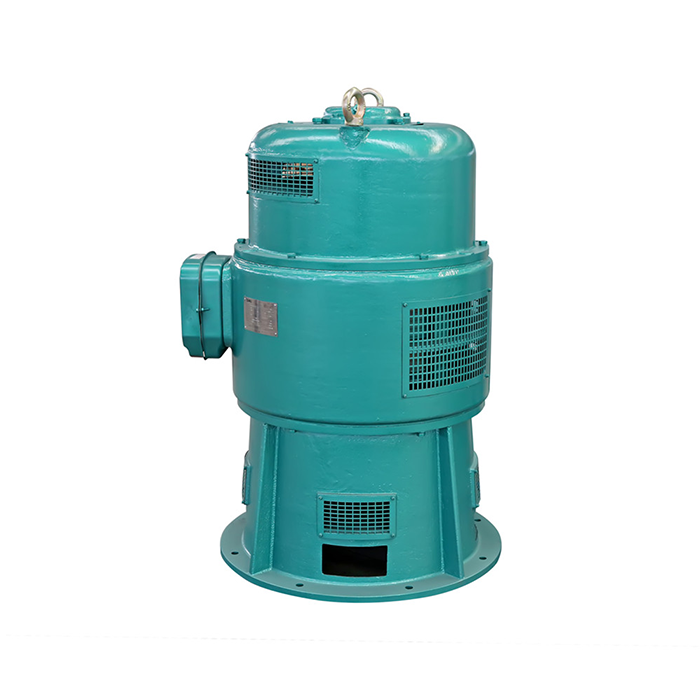
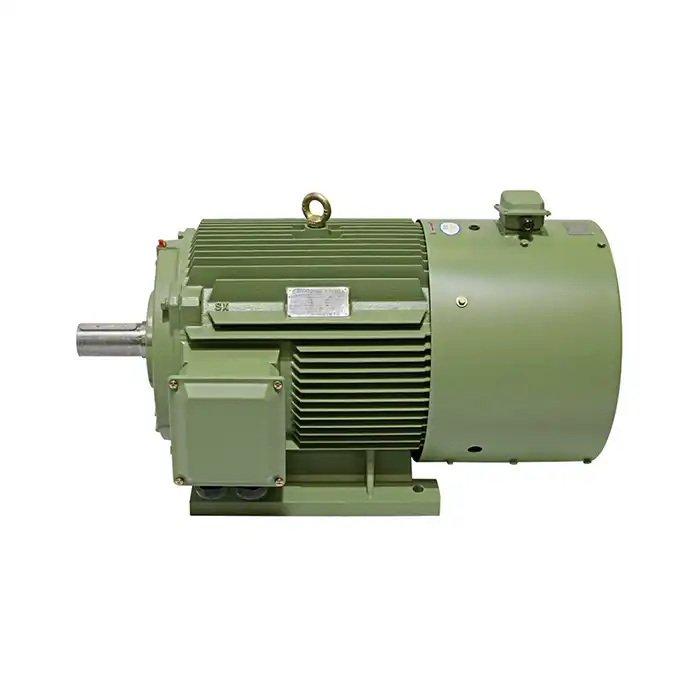
Series:YRQ
Voltage range:380V±5%
Power range:45-800kW
Protection level:IP23
Application:YRQ(JR) series medium-sized motors can drive a variety of different machinery, such as fans, compressors, water pumps, crushers, ball mills, cutting machine tools, transportation machinery and other equipment, and can be used in coal mines, machinery industries, power plants and various industrial and mining enterprises. Used as prime mover.
Advantage: The JR series medium-sized motors have very powerful driving capabilities and can not only drive conventional mechanical equipment, but also some complex mechanical equipment. For example, it can drive heavy machinery such as ships, cranes, and wind turbines, as well as small household appliances, purifiers, compressors, etc.
Others: SKF, NSK, FAG bearings can be replaced according to customer requirements.
Understanding Low Voltage Induction Motor Efficiency
What Efficiency Really Means in Motor Performance
As a number, motor efficiency shows how much mechanical output power there is compared to electrical input power. When a motor operates at 95% efficiency, it converts 95% of consumed electricity into mechanical work while losing 5% to heat through friction, resistance, and magnetic losses. These losses accumulate over thousands of operating hours, making even small efficiency improvements financially significant in continuous-duty applications like water treatment pumps or HVAC systems.
Design Factors That Impact Energy Conversion
The choice of materials has a big impact on how well a motor works. Copper windings in both stator and rotor assemblies reduce electrical resistance compared to aluminum alternatives, minimizing heat generation during operation. Our YQR series motors combine copper rotor and stator windings especially to improve energy conversion rates. The cast iron frame construction provides thermal stability, allowing consistent performance across varying ambient temperatures from -20°C to +40°C.
How well magnetic fields form inside low voltage induction motor housing depends on how the windings are set up. Precision wrapping technology makes sure that the distance between the wires is just right. This improves magnetic coupling and lets air flow to get rid of heat. Rotor balancing eliminates vibration that would otherwise waste energy and accelerate bearing wear, contributing to smoother operation and extended service life.
Operating Conditions and Real-World Performance
Load matching has a big effect on how efficient things really are. When motors are running at 75 to 100% of their rated capacity, they usually work at their most efficient. When partial loads are below 50%, they work less efficiently. Stable voltage within certain ranges, like 380V±5% for our standard motors, keeps the magnetic field strength constant and stops efficiency loss from too much or too little excitation.
Temperature affects winding resistance and insulation properties. When ambient temperatures are higher than what was planned, internal heat rises, which raises resistance and lowers efficiency. When you use the right cooling methods, like IC01 (natural ventilation), you can keep the temperature balanced during ongoing job cycles. This keeps the performance high for long periods of time.
Types of Low Voltage Induction Motors and Their Efficiency Characteristics
Single-Phase Versus Three-Phase Configurations
Three-phase motors are more common in industrial settings than single-phase motors because they are more efficient and have more power density. Three-phase designs produce constant torque with balanced current distribution across windings, removing the oscillating torque characteristic of single-phase motors. Since three-phase units work more smoothly, they convert energy better and lose less power to vibration. This makes them the best choice for power ranges from 45kW to 800kW in manufacturing and process control settings.
Squirrel Cage and Wound Rotor Variants
Aluminium or copper bars short-circuited by end rings make up squirrel cage motors. This makes for a simple, strong rotor design that needs little upkeep. Fans, compressors, and conveyor systems are all good examples of things that need motors that work reliably and at a steady speed. Their efficiency stays stable across normal load ranges, making them perfect for continuous-duty scenarios in power generation and water transfer systems.
Wound rotor motors let you add external resistance to control the speed and give them a high starting torque, unlike a standard low voltage induction motor. Even though they give you more operational options, they add some extra losses through slip rings and external resistors, making them slightly less efficient overall than squirrel cage designs. In certain situations, like crushers and ball mills, where controlled starting is more important than economy, these motors are used.
Power Ratings and Application Suitability
Motor size has a direct effect on both how well it works and how much energy it uses. Motors that are too big work less efficiently at partial loads, while units that are too small get too hot and break down early. Our YQR series line covers 45kW to 800kW, which is the usual range for industrial automation, HVAC systems, and utility uses. There are different speed choices (500 to 1500 rpm) and 2, 4, 6, or 8 poles to meet the needs of different mechanical loads without lowering the economy.
Small to medium-sized motors can be used in a wide range of machines. The fans in industrial HVAC systems are powered by these units. They also power compressors in refrigerator plants, water pumps in treatment plants, and cutting tools in factories. Their flexibility makes them ideal for coal mines, machinery production, power stations, and various industrial businesses needing reliable prime movers.
How to Optimize and Maintain High Efficiency in Low Voltage Induction Motors
Common Bottlenecks That Reduce Performance
Incorrect loading represents the most frequent efficiency killer in industrial installations. When motors are always running below 50% of their full capacity, they lose energy because of magnetisation losses that don't change no matter how much load they are under. If the voltage changes outside the 5% tolerance window, it leads to more losses because the current draw goes up or the magnetic field strength goes down. This makes the conversion less efficient.
When bearings wear out, friction losses happen that raise absorbed power without increasing shaft output. Contaminated or drained lubrication increases wear, raising working temperatures and reducing efficiency. Unbalanced rotors caused by dirt buildup or broken parts cause vibrations that waste energy and put stress on mechanical connections.
Maintenance Practices That Preserve Efficiency
Protocols for regular inspections find problems as they arise before they affect performance. Visual inspections show that there are loose connections, damaged insulation, or an unusual buildup of debris around the cooling passages. Thermal imaging can find spikes that mean problems with the windings or bearings are starting to form under motor housings.
Maintenance on bearings is essential for keeping a low voltage induction motor working well. Quality bearings from SKF, NSK, or FAG—all of which can be used as replacements—need to be oiled at the right times based on how they are used. Monitoring vibrations keeps track of the state of bearings, which lets maintenance be planned ahead of time and stop catastrophic breakdowns and the lost efficiency that comes with them.
Electrical measures make sure that the working parameters stay within the limits that were set. Voltage readings show that the supply is stable, and current readings show that there are growing imbalances between phases, which means that the windings are breaking down. Insulation resistance testing finds moisture intrusion or insulation breakdown before they cause problems.
Advanced Optimization Techniques
Variable Frequency Drives change how well a motor works when the load changes. VFDs change the supply frequency and voltage to match the motor speed to the needs of the machine. This keeps losses from throttling down in uses like fans and pumps. When used with variable-torque motors instead of constant-speed motors, which waste power by limiting flow, energy saves can reach 20 to 50 percent.
When replacing old tools, upgrading to high-efficiency types gives you measured returns. Modern motors use better materials and better designs than older ones, which cuts costs by 2 to 5 percent. Electricity costs make up about 97% of all lifecycle costs. This means that the small price premium for efficient motors can be recouped in less than four years for operations that run for more than eight hours a day.
Comparing Low Voltage Induction Motors for Industrial Use
Efficiency Metrics Beyond Nameplate Ratings
Efficiency ratings provide a starting point for comparison, but real-world performance relies on working conditions meeting design specs. Power factor indicates how effectively motors convert apparent power into useful work, with higher values reducing current draw and associated distribution losses. Lifecycle cost study accounts for initial buy price, installation fees, energy consumption over expected service life, and maintenance needs.
Our YQR series motors feature insulation class B rated for 130°C temperature rise, ensuring reliable operation in demanding environments. Protection class IP23 protects against solid objects bigger than 12 mm and water spray up to 60° from above, so it can be used in normal industrial settings without the need for special enclosures. Duty cycle S1 approval proves it can be used continuously without worrying about heat overload.
Matching Specifications to Application Demands
To choose the right power rating for a low voltage induction motor, you have to look at the duty cycles and mechanical load characteristics. Motors that are made close to the average power need are good for systems with steady loads, like conveyor belts. Cutting tools and farm equipment with variable loads need capacity gaps to keep them from overloading during times of high demand.
The choice of pole count is based on the speed requirements. Fans and centrifugal pumps work at high speeds using 2-pole motors that deliver 3000 rpm at 50Hz. On the other hand, crushers and mixers work at lower speeds using 6 or 8-pole motors that deliver higher torque at lower rotational speeds. Matching motor characteristics to load profiles makes equipment more efficient and lasts longer.
Mounting flexibility works with a variety of installation limitations. Foot-mounted configurations work well with floor installations that have rigid foundations, flange-mounted configurations fit with machinery housings, and combined foot-flange configurations give you more options when retrofitting. Proper mounting lowers the gearbox of vibration and keeps the bearings in the right place, which is important for their long life and smooth operation.
Procurement Guide: Buying Efficient Low Voltage Induction Motors
Identifying Trustworthy Suppliers and Distribution Channels
Suppliers you can trust show their technical know-how by providing thorough product documentation and quick pre-sales support. Accurate application planning is possible with full specs that include efficiency curves, thermal characteristics, and mechanical models. Authorised distributors keep factory-trained technicians on staff who can help with installation problems and questions about how to get the best performance.
There are more ways to source things online, but vendors' credentials need to be carefully checked. Certifications from well-known suppliers show that they follow quality control systems and related standards. Referrals from customers who have used similar products can give you an idea of how well the product actually works and how good the after-sales service is.
Evaluating Price-Performance Trade-offs
The purchase price only makes up 1% to 2% of the total cost of a motor over its lifetime. This means that economy is much more important than differences in the original cost. Estimating the annual operating hours, electricity rates, and expected service life are needed to figure out the total cost of ownership. Premium-efficiency motors usually pay for themselves in shorter amounts of time because they use less energy. This is especially true for continuous-duty uses.
Customisation services for the low voltage induction motor meet the specific needs of each program without slowing things down. Customised shaft configurations for direct-coupled loads, voltage adaptation for regional power systems, and environmental protection upgrades for harsh conditions all work together to make sure that certain installations work at their best. These changes keep the benefits of speed while also meeting business needs.
Warranty Coverage and Long-Term Support
Comprehensive guarantees protect investments against flaws in the way they were made and mistakes that happen before they should. Coverage terms should say what parts and labour are covered, how long it takes to get service requests answered, and what conditions make the warranty invalid. Options for longer warranties offer extra security for important applications that lose a lot of money when they go down.
The availability of technical support affects the long-term success of operations. Suppliers who give advice on best practices for installation, debugging, and speed optimisation tips are more valuable than just delivering the product. When repair is needed, having easy access to replacement parts through established supply lines cuts down on downtime.
Conclusion
Energy use, which makes up the vast majority of lifetime costs, has a direct effect on operating costs through motor efficiency. Knowing how things like copper windings, precise manufacturing, and the right size affect performance helps you make better decisions about what to buy. Regular maintenance that protects the condition of the bearings, the integrity of the electrical system, and the control of temperature keeps the system working well for longer periods of time. The financial benefit of high-efficiency motors is clear when you compare them based on their total cost of ownership instead of just their buying price. Choosing the right specifications for the job improves both the initial performance and the long-term dependability, which helps keep industrial operations going.
FAQ
1. How does motor efficiency affect operational cost savings?
The cost of energy makes up about 97% of all motor ownership costs, while the price of the motor itself only makes up 1-2%. High-efficiency motors can pay for themselves in four years of lower electricity use if they are used for eight hours a day. For continuous-duty applications, choosing efficiency is one of the most important buying decisions because every percentage point of improvement in efficiency directly leads to lower utility bills.
2. Can existing motors be retrofitted with Variable Frequency Drives?
Most three-phase induction motors can be retrofitted with a VFD, which saves a lot of energy in variable-torque uses. Fans and pumps can often save 20 to 50 percent on energy costs by matching motor speed to real demand instead of using devices that slow them down. When choosing the right VFD, you need to think about the motor's insulation value. Older motors may need better insulation to handle voltage spikes caused by drive swapping. Talking to application engineers makes sure that everything works together and gets the most out of the upgrade benefits.
3. What maintenance schedule preserves motor efficiency?
Visual inspections done once a month can find problems like loose connections or buildups of debris before they get worse. Vibration analysis and thermal imaging done every three months find problems with bearing wear and windings before they become fails. Electrical testing once a year checks the insulation and phase balance. When to grease a bearing depends on how it's being used. Depending on the duty cycle and the environment, it should be done every three months to once a year. Following the manufacturer's instructions and keeping records of upkeep tasks will keep the motor running efficiently for a long time.
Partner with a Trusted Motor Supplier
To choose the right tools, you need both good items and advice from professionals. At XCMOTOR, we're experts at giving you energy-efficient options that are perfect for your business. Our YQR series motors, which range from 45kW to 800kW and have been tested and proven reliable in the manufacturing, HVAC, energy, and transportation sectors, are built to last and work as efficiently as possible. We offer full technical support from the time you make your first choice until you're up and running. Get in touch with our team at xcmotors@163.com to talk about your specific needs and get a quote. Working with a dedicated low voltage induction motor manufacturer who wants you to succeed is a big plus. You can see all of our products at motorxc.com and find out how we can help you run your business better.
References
1. Energy Efficiency in Electric Motor Systems: Technology, Energy Savings Potential and Policy Options, International Energy Agency, 2011.
2. McCoy, G.A. and Douglass, J.G., Energy Management for Motor Driven Systems, Washington State University Extension Energy Program, 2007.
3. Bonnett, A.H., Root Cause AC Motor Failure Analysis with a Focus on Shaft Failures, IEEE Transactions on Industry Applications, 2000.
4. Nailen, R.L., Motor Selection and Application, IEEE Industry Applications Magazine, 2004.
5. Andreas, J.C., Energy-Efficient Electric Motors: Selection and Application, Marcel Dekker Inc., 1992.
6. Beaty, H.W. and Kirtley, J.L., Electric Motor Handbook, McGraw-Hill Professional, 1998.
YOU MAY LIKE
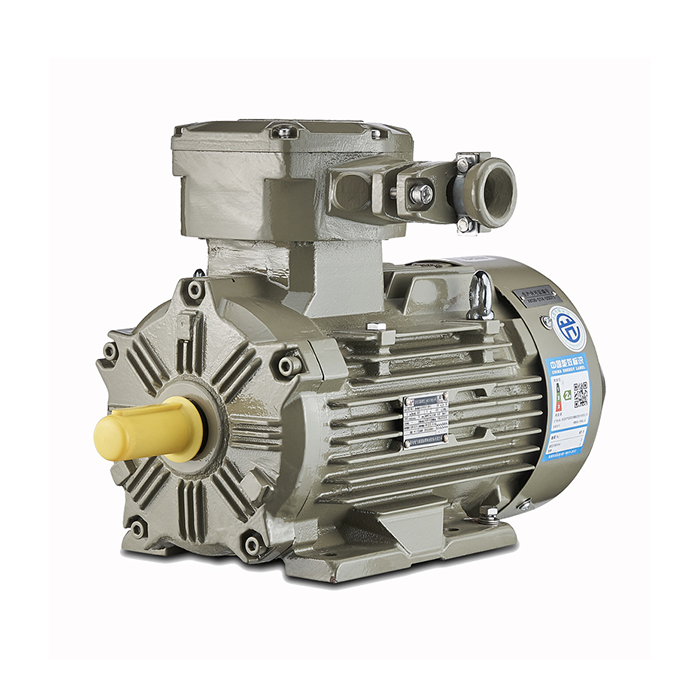 VIEW MOREexplosion proof motor
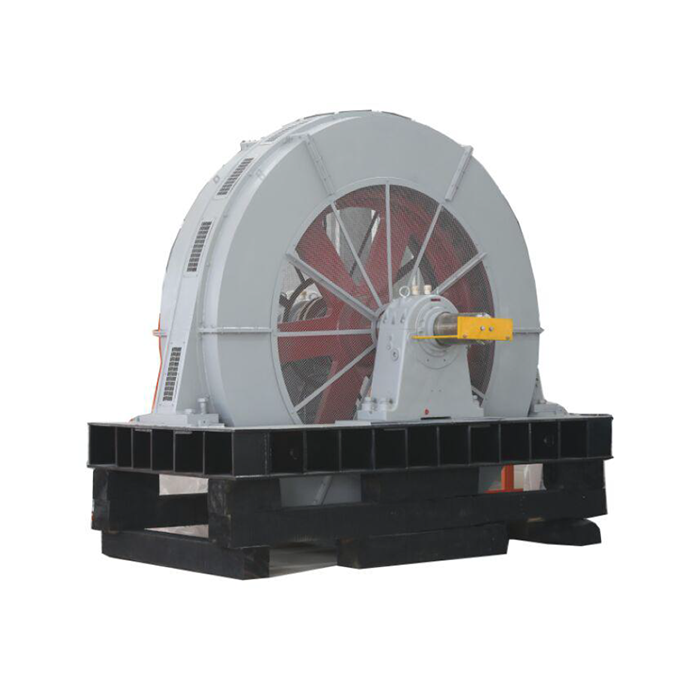 VIEW MORETDMK series synchronous motor
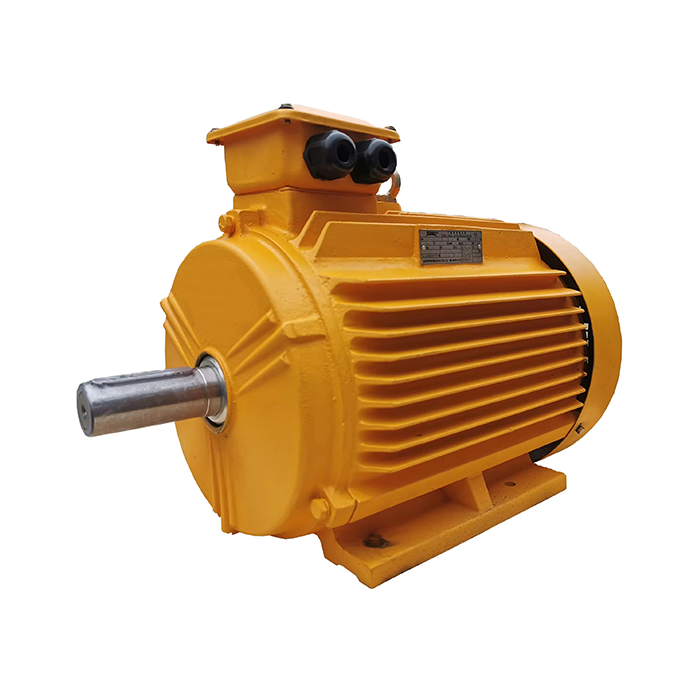 VIEW MOREYE4 high efficient three-phase asynchronous motor
 VIEW MOREinverter duty induction motor
 VIEW MOREY high voltage series motor
 VIEW MOREflame proof motor enclosure
 VIEW MORE3 phase asynchronous induction motor
 VIEW MORE200 hp soft starter