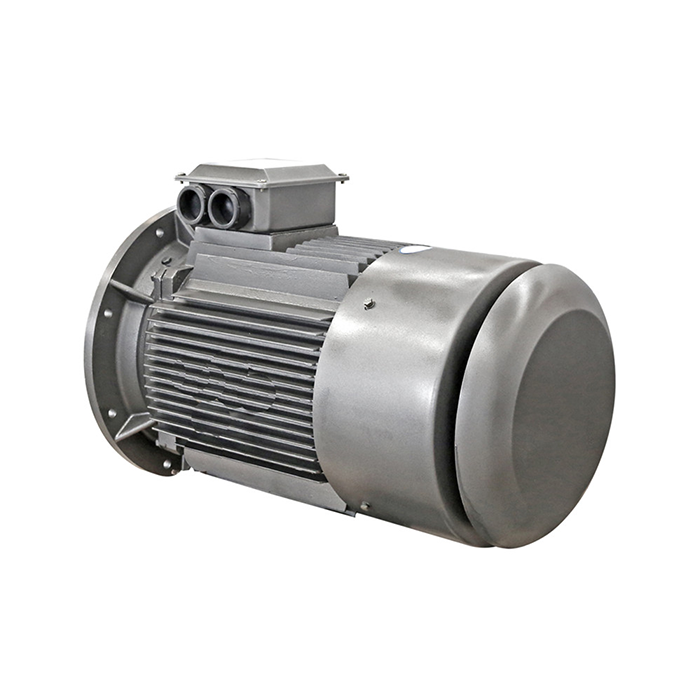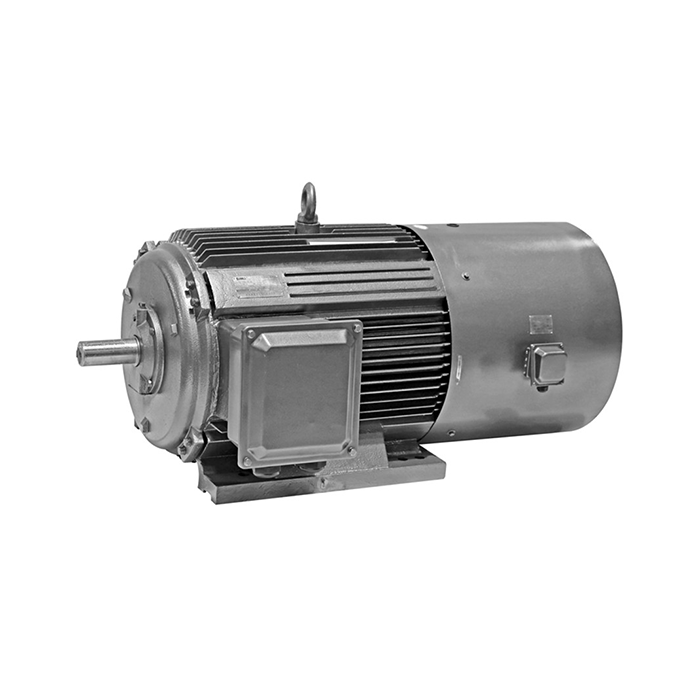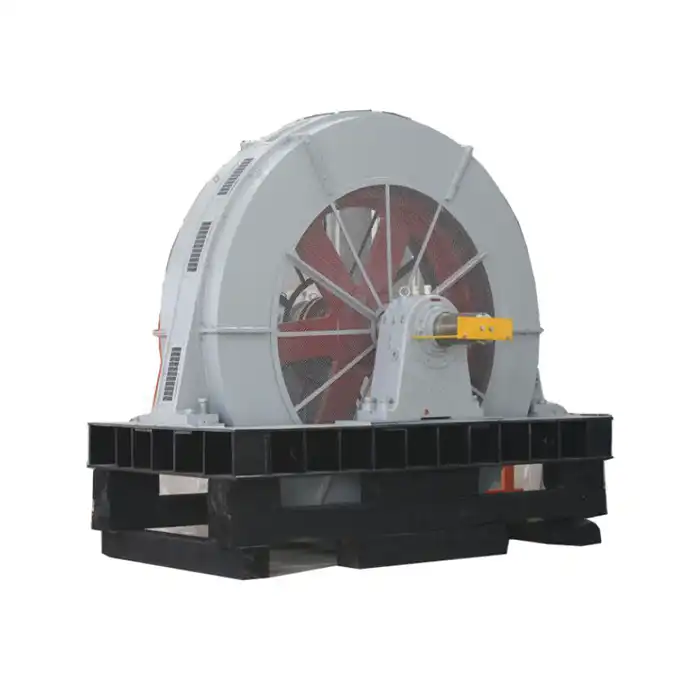




Heavy Equipment 400V DC Motors: Choosing the Right Motor for Your Needs
If your production line depends on a direct current drive system, choosing the right 400v dc motor is one of the most consequential decisions you will make. Whether you manage a metallurgical rolling mill, a paper mill, or a plastic extrusion line, motor failure means downtime — and downtime means money lost. A properly selected 400v dc motor matched to your existing speed controller delivers stable output, predictable torque response, and long service intervals. This article walks you through the technical factors, procurement steps, and maintenance practices that matter most when specifying a 400v dc motor for heavy industrial equipment.
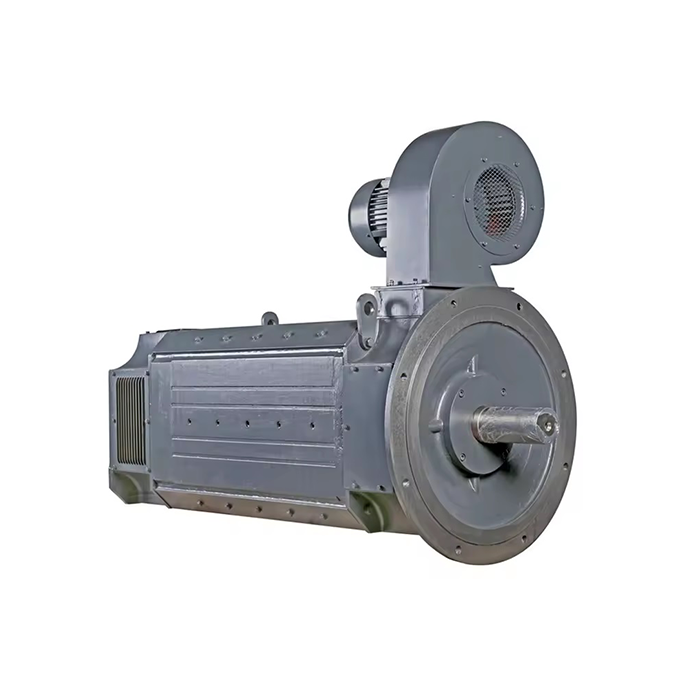
Frame number: 100-450
Application:Z4 series motorsThis series of motors can be widely used in various industrial sectors such as metallurgical industrial rolling mills, metal cutting machine tools, papermaking, dyeing and weaving, printing, cement, and plastic extrusion machinery.
Power range:1.5-600kW
Voltage range: 160V,440V, etc.
Certificate: The performance of this series of motors not only complies with the national standard GB/T755 "Basic Technical Requirements for Rotating Electrical Machines", but also basically complies with the German VDE0530 standard.
Advantage:Z4 series DC motor has greater advantages than Z2 and Z3 series. It can not only be powered by DC unit power supply, but also suitable for static rectifier power supply. It has small moment of inertia, good dynamic performance, and can withstand high load change rates. It is especially suitable for control systems that require smooth speed regulation, high efficiency, automatic speed stabilization, and responsive response. It has reached the current international advanced level..
Others: SKF, NSK, FAG bearings can be replaced according to customer requirements.
Understanding 400V DC Motors: Specifications and Working Principles
Core Voltage and Power Ratings
The stator windings and magnetic field of a 400v dc motor work together to turn direct-current electrical energy into mechanical movement. The 400V number is the nominal armature input voltage, which tells you how the motor's speed and torque work together. The XCMOTOR Z4 series has frame sizes 100 to 450 and power ranges from 1.5 kW to 600 kW. This means that it is possible to stock a variety of ratings from the same product family.
Torque Profile and Dynamic Response
Maintenance engineers like 400v dc motors better than AC motors in variable-speed situations because they can give full power at low speeds. The Z4 series has a small moment of inertia, which cuts down on the time it takes to speed up or slow down. This trait directly helps metal cutting tools and printing presses, where speed changes often and needs to settle down quickly without going too far.
Insulation Class and Efficiency Benchmarks
The Z4 series 400v dc motor meets the requirements of both the GB/T755 national standard and the German VDE0530 standard. These standards spell out the insulating class, the maximum temperature rise, and the ways to measure efficiency. With these two certificates, purchasing managers can be sure that every unit meets performance standards that are recognized around the world before it leaves the plant.
Comparing 400V DC Motors with Alternatives: Making an Informed Decision
400V DC vs. AC Variable Frequency Drives
New setups often use AC motors with variable frequency drives. However, adding an AC package to an existing DC drive system means changing the controller, cables, and sometimes the mechanical coupling. If the original DC speed limiter is still working, a direct-replacement 400v dc motor keeps the whole control design and gets rid of the risk of having to re-commission.
Voltage Variant Selection: 160V vs. 440V
The Z4 series comes with armature voltages of 160V and 440V, as well as custom options. Which one you choose will depend on what power your current thyristor or static rectifier driver can handle. Mismatching armature voltage to controller output is one of the most common reasons why speed regulation is poor after a motor swap. Making sure of this parameter before placing an order saves you the trouble of having to make expensive changes in the field.
Practical Guide to Procuring 400V DC Motors for Heavy Equipment
Defining Your Technical Requirements
Before calling a 400v dc motor supplier, get the nameplate information from the broken or old unit. This includes the frame size, rated power, armature voltage, field voltage, rated speed, and insulation class. By comparing these numbers to the Z4 series specification sheet, you can be sure that a normal stocking unit will work for your needs or that a different setup is required.
Standard Stock vs. Custom Configuration
XCMOTOR keeps 400v dc motors in stock so that they can be shipped within seven days of receiving an order. If you need a frame size or bearing specification that isn't normal, the Z4 line can substitute SKF, NSK, or FAG bearings. Whether a stock unit or a short-run custom build is best depends on how much wait time you can afford. For example, emergency repairs usually need delivery in three to seven days.
Evaluating Supplier Reliability
To judge a company that makes 400v dc motors, request factory test records that show the no-load current, full-load performance, and speed control curves. Every unit from XCMOTOR comes with full outgoing inspection paperwork. Certifications like CCC, CE, ISO 9001, UL, and GOST give buying teams the records they need to do compliance checks. Make sure the supplier offers technical support for commutator and carbon brush maintenance after the installation is complete. This will directly cut down on unplanned downtime in the months following the installation.
Maintenance and Troubleshooting: Maximizing the Lifespan of Your 400V DC Motor
Routine Inspection Priorities
A 400v dc motor that is used a lot should have regular checks that look at the length and pressure of the carbon brushes, the state of the commutator surface, the insulation resistance (using a megohmmeter to measure this), and the temperature of the bearings. When the commutator surface is too rough, the brush wear rate goes up sharply. This is why early score stops increased wear cycles.
Diagnosing Commutator Spark and Wiring Faults
If the commutator of a 400v dc motor has too many sparks, it could be because the brushes are worn out and don't fit properly, the armature windings have short circuits, or the controller output pattern is distorted. Starting with brush seating and moving on to measuring armature resistance is a methodical check that finds the problem without having to take the whole thing apart. The expert support team at XCMOTOR is open seven days a week to help with remote testing.
Preventive Maintenance Schedule
Here is a useful maintenance plan for keeping your 400v dc motor working well:
- Monthly: Check carbon brush length against minimum wear limit; measure commutator surface temperature under load; verify bearing grease condition.
- Quarterly: Clean commutator with dry lint-free cloth; check armature insulation resistance; confirm brush spring pressure with a tension gauge.
- Annually: Perform a full load test matching factory test conditions; replace brushes regardless of remaining length; inspect winding connections for corrosion or loosening.
If you stick to this plan, your motor will last longer and the speed control will work the same way all year long, even during different production cycles and seasons. Commutator damage in industrial DC motors is most often caused by not maintaining the brushes. It can cost as much or more to fix a scored commutator than to buy a new one.
Optimizing Performance and Future-Proofing Your Heavy Equipment Motors
System Diagnostics and Bottleneck Identification
How well a 400v dc motor system can control speed depends on both the motor and the controller. If the speed of your production line drops when it's under load, check the armature circuit resistance, field weakening settings, and quality of the return signal before you say the motor is broken. A methodical approach to diagnosis saves time and keeps parts that are still usable from having to be replaced.
Material and Control Upgrades
The Z4 series motors are better designed than the Z2 and Z3 series motors because they have less armature inertia and can work with static rectifier power supplies. Because of these features, the Z4 is a good choice for facilities that want to switch from older thyristor drives to newer digital controls without having to update the whole system.
Balancing Upfront Cost Against Lifecycle Value
A 400v dc motor for heavy machinery is an investment that should be judged not only by its price, but also by how long it is expected to last. Total cost of ownership is affected by things like the quality of the bearings, the grade of the insulation, and the ease of getting replacement carbon brushes. Buying from a company that keeps extra parts in stock and gives written test reports lowers the chance that the product will fail again soon after installation.
Conclusion
To choose the best 400v dc motor for heavy equipment, you need to make sure that the voltage, frame size, and power level are all compatible with your current system. You should also buy from a company that offers confirmed test reports and good customer service after the sale. With dual-standard certification and recorded factory testing, XCMOTOR's Z4 line meets all of these needs across a wide power range. This mix of technical standard breadth and supply reliability is what keeps equipment going and production plans on track for maintenance engineers who are in charge of old production lines.
FAQ
1.What factors matter most when selecting a 400v dc motor for an existing DC drive system?
The three most important things are that the armature voltage works with the driver you already have, that the frame size fits your mechanical mount, and that the power level matches your load needs. By making sure of all three before placing an order, you can avoid having to do extra work during installation.
2.How does the Z4 series compare to Z2 and Z3 series motors?
It has lower armature inertia and can handle higher load change rates. The Z4 series works with both DC unit power supplies and static rectifier supplies. Because of these features, it can be used as a direct replacement for older Z2 or Z3 units.
3.What are typical lead times for in-stock units?
It takes seven days for XCMOTOR to ship 400v dc motor units that are in stock. For non-standard bearing specs or custom configurations, you need a different lead-time quote.
4.What certifications come with each motor?
Each Z4 series unit comes with certifications from CCC, CE, ISO 9001, UL, and GOST, as well as test results from the factory that show how well it works at no load, full load, and speed regulation.
5.Is after-sales technical support available?
Yes, XCMOTOR offers expert support seven days a week, even on the weekends, for commutator upkeep and carbon brush replacement.
Partner with XCMOTOR for Your Next 400V DC Motor Purchase
For more than 20 years, XCMOTOR has been a supplier of industrial-grade 400v dc motors. Our Z4 line covers the full 1.5–600 kW power range that heavy equipment sites need to keep production going. Every unit comes with full test paperwork, and our expert team is here to help you after installation and beyond. To get a price from a reliable 400v dc motor provider, email us at xcmotors@163.com or go to motorxc.com right now. All orders come with free shipping and a 30-day return policy.
References
1. International Electrotechnical Commission. IEC 60034-1: Rotating Electrical Machines — Part 1: Rating and Performance. IEC, 2022.
2. Wildi, Theodore. Electrical Machines, Drives, and Power Systems. Pearson Prentice Hall, 2006.
3. Chapman, Stephen J. Electric Machinery Fundamentals. McGraw-Hill, 2012.
4. National Standards of China. GB/T 755: Basic Technical Requirements for Rotating Electrical Machines. Standardization Administration of China, 2019.
5. Verband der Elektrotechnik Elektronik Informationstechnik. VDE 0530: Rotating Electrical Machines. VDE, 2014.
6. Mohan, Ned; Undeland, Tore M.; Robbins, William P. Power Electronics: Converters, Applications, and Design. Wiley, 2003.