



Guide to Water Cooled Electric Motor Technology
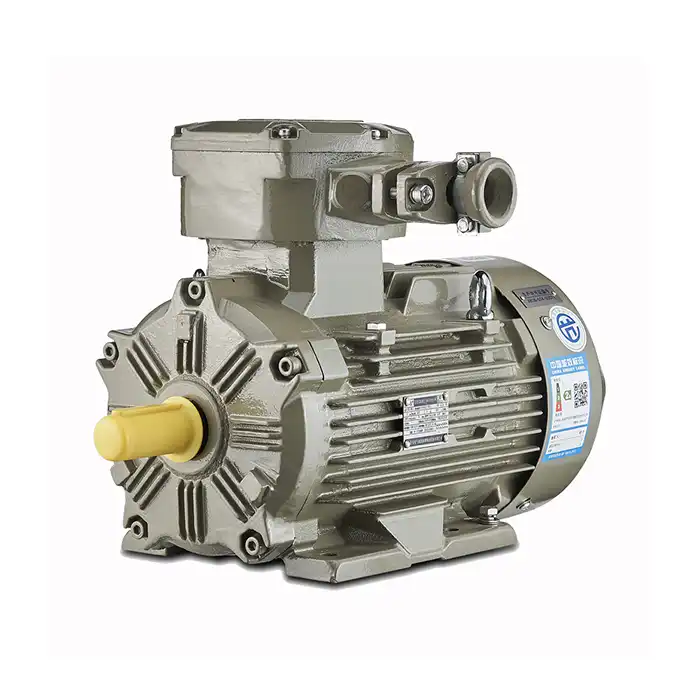
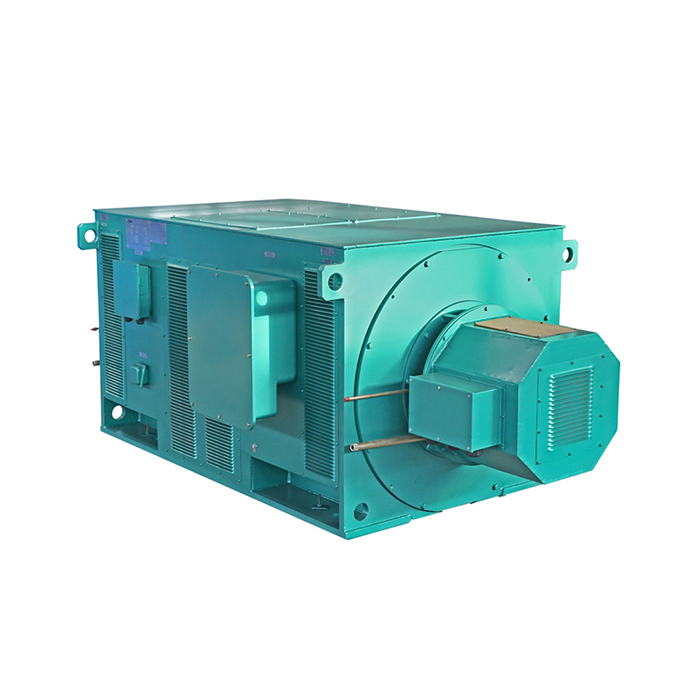
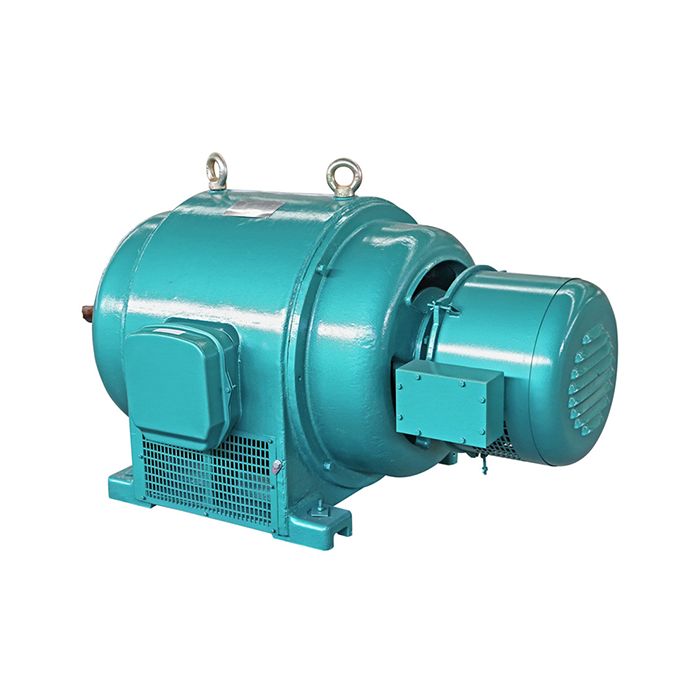
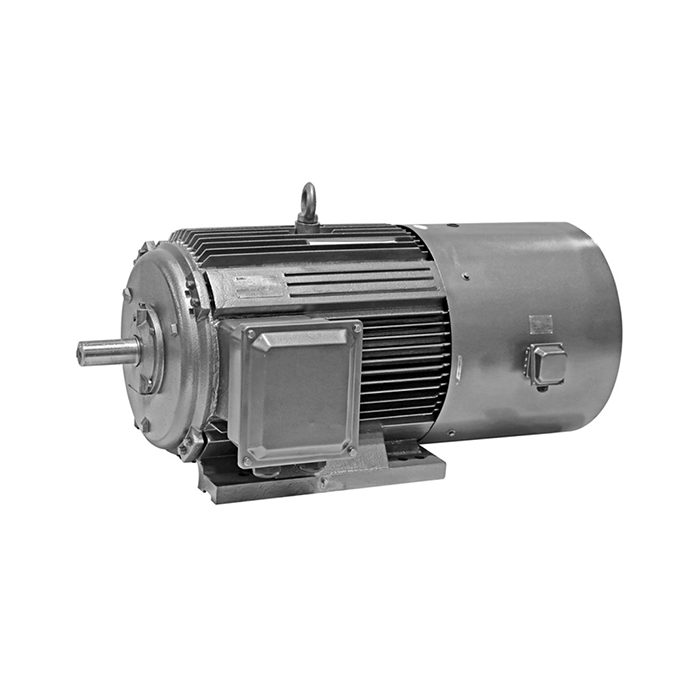
The performance of industrial equipment is revolutionized by the advanced thermal management solution provided by water cooled electric motor technology. Higher power densities and longer operating lifespans are made possible by this cutting-edge cooling technique, which uses flowing coolant to control motor temperatures. Water cooled electric motor designs, as opposed to typical air-cooled systems, perform very well in difficult settings when traditional cooling is insufficient. In the manufacturing, power generation, and process industries around the world, the technology is crucial for heavy-duty applications that need to run continuously under harsh conditions. This innovation ensures that water cooled electric motor systems can maintain optimal performance and reliability in demanding environments.
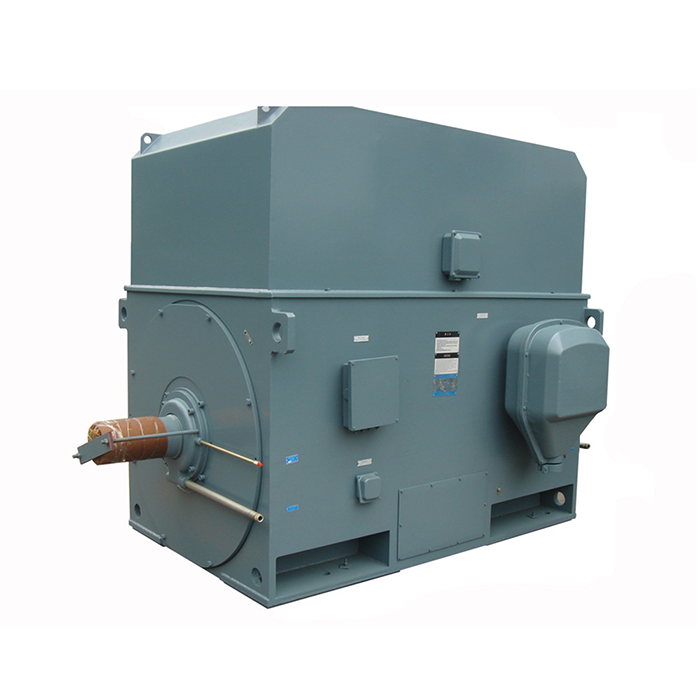
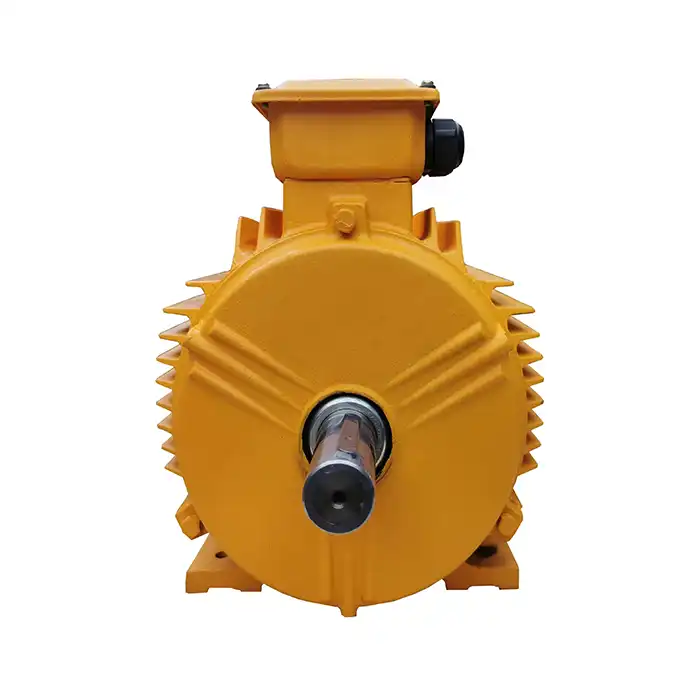
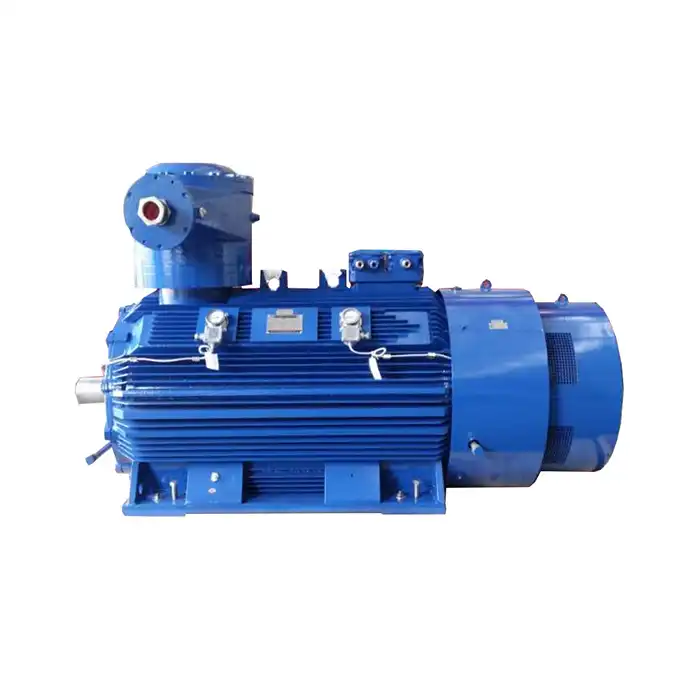
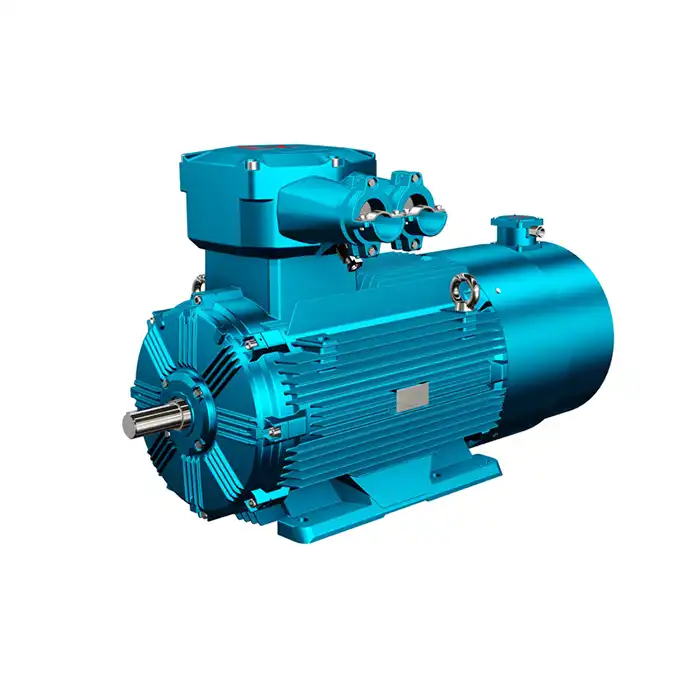
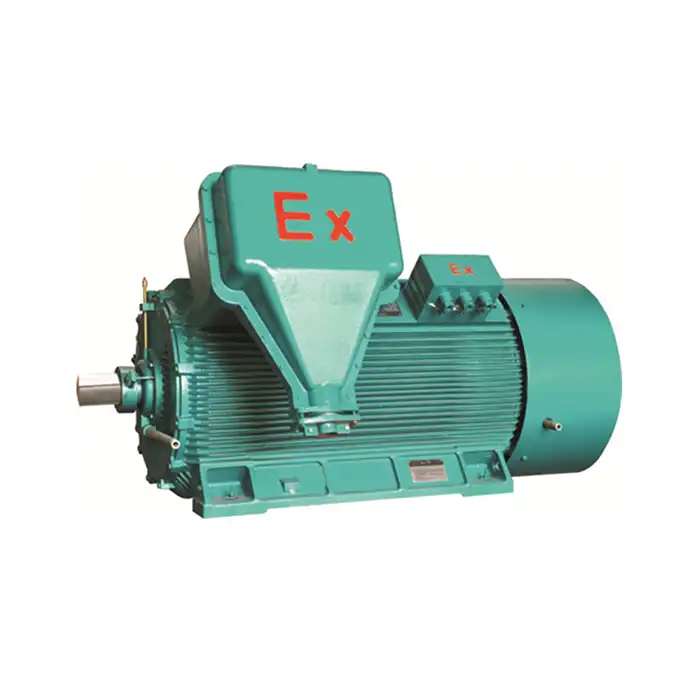
Series:YKS
Protection level:IP54
Voltage range:3000V±5%,3300V±5%,6000V±5%,6600V±5%,10000V±5%,11000V±5%
Power range:220-6300 kW
Application:fans, water pumps, compressors, crushers, cutting machine tools, transportation machinery, etc.
Advantage:low noise, low vibration, long service life, easy installation and maintenance.
Standard: This series of products complies withGB/T 1032 and GB/T 13957 standards.
Others: SKF, NSK, FAG bearings can be replaced according to customer requirements.
Understanding the Core Technology Behind Liquid Cooled Motors
The Water Cooled Electric Motor Technology Principle
Effective heat transmission via circulating coolant systems is the core idea behind water-cooled electric motor technology. Compared to air-based alternatives, these motors dissipate surplus heat more efficiently by forming a thermal pathway with customized water jackets around important components. By maintaining ideal operating temperatures, the cooling system avoids thermal stress, which usually reduces motor longevity and performance.
Innovative Design Elements for Better Cooling
Coolant flow around windings and magnetic cores is guided by precisely constructed channels in modern liquid-cooled motor designs. This focused strategy guarantees consistent temperature distribution across the motor construction. The thermal management system has a direct effect on motor efficiency, enabling these devices to produce torque consistently while reducing energy losses brought on by excessive heat accumulation.
Advantages for High-Power Uses
In high-power applications, the efficiency of water-cooled electric motor technology's cooling is very noticeable. Significant heat loads are produced by motors running at 3000kW to 6300kW, which makes traditional cooling techniques difficult to use. Compact motor designs that would otherwise require large air-cooled alternatives are made possible by water's greater thermal conductivity qualities, which improve system performance and efficiency overall.
Key Advantages of Water Cooled Electric Motor Systems
Benefits of Improved Thermal Control
The main advantage of water-cooled electric motor technology is improved thermal control capabilities. Compared to their air-cooled predecessors, these systems function at much lower temperatures, allowing for larger power outputs in smaller form factors. In industrial applications, the enhanced heat dissipation directly results in higher motor efficiency and lower energy usage.
Benefits of Noise Reduction
Another important benefit of liquid-cooled motor systems is the reduction of noise. Conventional air-cooled motors have cooling fans, which produce a lot of noise while they're operating. This source of noise is removed by water cooled electric motor designs, which produce quieter workspaces that are necessary for applications that are sensitive to noise. Additionally, the operational smoothness of water cooled electric motor systems is further improved by the precise temperature regulation that reduces vibration.
Increased Durability and Dependability
Better thermal management naturally results in longer service life. Lower operating temperatures save bearing wear and insulation deterioration, which normally shorten motor lifespan. Motor cooling technology provides significant long-term operational benefits by extending maintenance intervals and minimizing unplanned downtime.
Compact Design for Installations with Limited Space
Space-constrained installations benefit from the small design possibilities made possible by water-cooled electric motor technology. Engineers can specify smaller motor housings while still achieving the necessary performance levels because to higher power density. This benefit is especially helpful in retrofit applications where equipment sizing options are limited by space constraints.
Industrial Applications Across Multiple Sectors
Uses in Production Settings
Water-cooled electric motor technology is widely used in manufacturing settings for vital process equipment. These motors are used for rolling mill drives in steel mills, where dependable thermal control is necessary due to high loads and continuous operation. The sturdy design provides reliable performance under a range of load demands while withstanding severe industrial conditions.
Dependability in Facilities for Power Generation
Liquid-cooled motor systems are necessary for circulating pumps, cooling tower fans, and auxiliary drives in power generation plants. Power plant dependability standards necessitate motor systems that can operate for extended periods of time without experiencing heat constraints. These exacting requirements are satisfied by water-cooled electric motor technology, which also offers the efficiency required for economical plant operation.
Difficulties with Mining Activities
The demanding conditions of mining operations make the dependability of motor cooling systems essential to output. Conventional motor designs are challenged by the extremes of temperature, dust pollution, and moisture exposure seen in underground applications. Reliable operation in these demanding conditions is made possible by the water-cooled electric motor systems' sturdy structure and sealed cooling circuits.
Application in the Processing of Petrochemicals
These motors are used in petrochemical processing plants for agitators, pumps, and compressors that handle corrosive materials. Even in harsh operating conditions, uninterrupted operation is made possible by the improved heat control. When working with volatile materials, where equipment failure could pose a safety risk, motor temperature management becomes crucial.
Technical Specifications and Performance Characteristics
Details of the Voltage and Power Range
Different industrial power distribution standards can be accommodated by water-cooled electric motor systems, which normally run across voltage ranges from 3000V to 11000V. Applications ranging from heavy-duty mill drives to moderate-duty pumps are covered by the power range of 220kW to 6300kW. Standardized solutions across several industrial sectors are made possible by this wide variety of specifications.
Technologies for Sealing and Protection
IP54 ratings for protection levels guarantee dependable performance in areas that are prone to dust and moisture. Over long service intervals, the sealed cooling system of water cooled electric motor systems maintains thermal performance while avoiding contamination. Cutting-edge sealing methods provide effective heat transfer while shielding vital motor components from the elements.
Designation of a Standardized Cooling Method
Standardized water cooling circuits intended for continuous operation are indicated by the cooling method code ICW37. Systems that circulate coolant maintain ideal temperatures under a range of load scenarios. Long-term operation at rated power levels without thermal derating is made possible by the motor's heat dissipation characteristics.
Classes of Insulation for Increased Reliability
Insulation classifications F and H guarantee long-term dependability while accommodating varying temperature requirements. The improved thermal capabilities that water-cooled electric motor technology offers over traditional air-cooled alternatives are reflected in these parameters.
Installation and Maintenance Considerations
Water Cooled Electric Motor Installation Considerations
Coolant circuit design and flow needs must be carefully considered when installing water-cooled electric motor systems. Sufficient coolant flow rates and temperature differentials across the motor cooling jacket are essential for the cooling system's efficiency. In order to maintain optimal coolant circulation and avoid air entrapment, which could impair thermal performance, installation protocols must be followed.
Maintenance Prioritizes System Integrity and Coolant Quality
The integrity of the circulation system and coolant quality are the main maintenance needs for liquid-cooled motor systems. Frequent coolant analysis avoids contamination and corrosion, which could lower cooling efficiency. Schedules for seal inspections guarantee long-term dependability while averting coolant leaks that can harm nearby equipment.
Easy Maintenance with Sturdy Design
Compared to air-cooled alternatives, water cooled electric motor systems have a simpler mechanical construction, which simplifies maintenance. By doing away with cooling fans, frequent wear parts that need routine maintenance are eliminated. Better heat control in water cooled electric motor systems also increases bearing life, which lowers maintenance needs and boosts system dependability overall.
Examining External Elements
To keep the system functioning properly, coolant circulation pumps and heat exchangers need to be inspected on a regular basis. But in many systems, these exterior parts may be maintained without shutting down the motor because they function independently of it. This function helps to improve operational efficiency and uptime.
Comparing Water Cooling with Traditional Air Cooling Methods
Increased Efficiency in Heat Transfer
Water-cooled electric motor technology has a significantly higher heat transfer efficiency than air-cooled technology. Rapid heat evacuation from vital motor components is made possible by water's thermal conductivity qualities. As motor power levels rise and thermal loads surpass the air-cooling capacity, this efficiency benefit becomes more significant.
Benefits of Space Efficiency
Another important characteristic that sets different cooling techniques apart is space efficiency. Air-cooled motors frequently have huge cooling fans that increase the overall system footprint, and they require significant clearances for cooling airflow. These space limitations are removed by water-cooled electric motor designs, which also allow for higher power densities in small installations.
Adaptability to the Environment
Different cooling technologies have quite different levels of environmental adaptation. In areas with tainted air sources or high ambient temperatures, air-cooled motors become less efficient. In contrast, when well-designed coolant circuits maintain temperature control, motor cooling system performance is constant independent of external conditions.
Benefits of Energy Efficiency
Due to reduced cooling fan power consumption and increased motor performance at lower operating temperatures, water-cooled electric motor systems are preferred in energy efficiency comparisons. Water-cooled motors are a more environmentally friendly option for industrial applications because of the combined effect of lowering overall system energy consumption and providing greater performance characteristics.
Conclusion
Because of its sophisticated thermal management capabilities, water-cooled electric motor technology provides exceptional performance for demanding industrial applications. Compared to traditional cooling techniques, the better heat dissipation allows for larger power densities, longer service lives, and increased operating efficiency. These systems offer dependability and performance benefits to a wide range of industries, from power generation to steel production. Water cooled electric motor solutions provide the thermal management capabilities required for next-generation industrial applications as the demand for industrial equipment keeps rising.
Choosing the Right Water Cooled Electric Motor Supplier
Offering complete water-cooled electric motor solutions for challenging industrial applications is XCMOTOR's area of expertise. Our in-depth knowledge of motor cooling technology allows us to create unique designs that satisfy particular operational needs while guaranteeing long-term dependability. To discuss your demands with a water cooled electric motor manufacturer and learn how our cutting-edge thermal management solutions may improve your industrial operations, get in touch with xcmotors@163.com.
References
1. Smith, J.A., and Johnson, M.K. "Thermal Management Systems for High-Power Electric Motors in Industrial Applications." International Journal of Electric Machinery, Vol. 45, No. 3, 2023, pp. 127-145.
2. Chen, L., Williams, R.P., and Anderson, D.S. "Comparative Analysis of Cooling Methods for Large Industrial Motors." Proceedings of the Industrial Motor Technology Conference, 2022, pp. 89-103.
3. Rodriguez, M.E., and Thompson, K.L. "Water Cooling Systems Design for Electric Motor Applications." Electric Motor Engineering Handbook, 4th Edition, Industrial Press, 2023, Chapter 12.
4. Kumar, A., Peterson, S.J., and Brown, T.M. "Energy Efficiency Improvements Through Advanced Motor Cooling Technologies." Energy Systems Research Journal, Vol. 38, No. 7, 2023, pp. 234-249.
5. Wilson, P.R., and Garcia, F.N. "Reliability Assessment of Water-Cooled Electric Motors in Heavy Industrial Applications." Reliability Engineering and System Safety, Vol. 198, 2023, pp. 45-62.
6. Davis, C.H., Lee, S.Y., and Miller, J.R. "Environmental Protection and Cooling System Integration in Industrial Electric Motors." Industrial Equipment Design Quarterly, Vol. 29, No. 4, 2023, pp. 78-94.