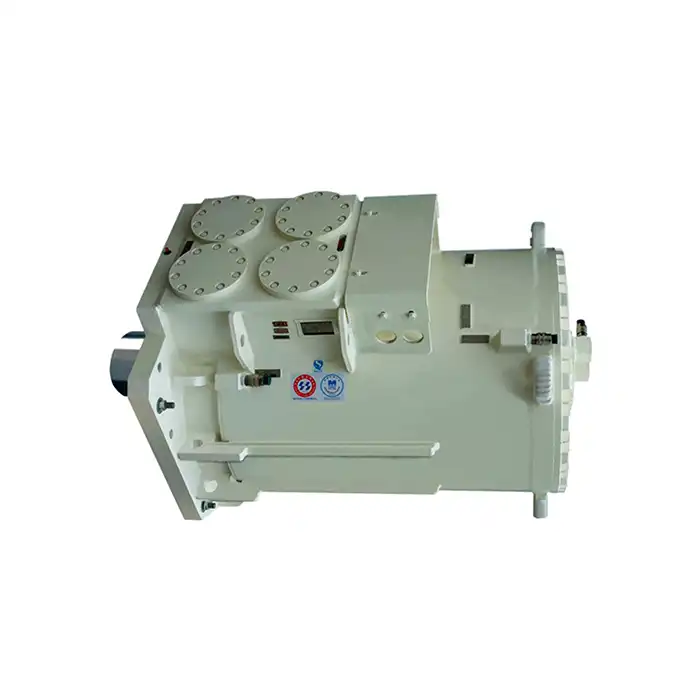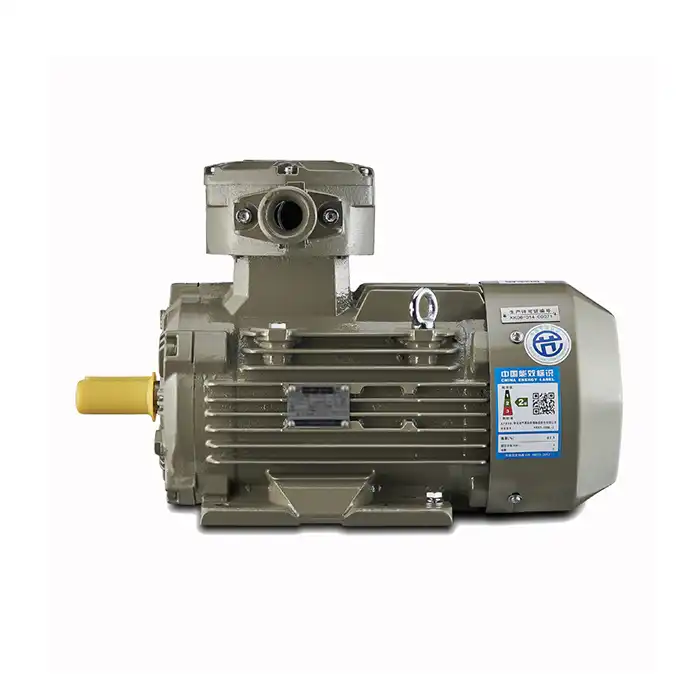




Best 3.3 kV Motors for Industrial Performance
The appropriate 3.3 kv motor is essential for manufacturing, HVAC, and energy applications that require high-performance industrial motors. The best power efficiency and operational reliability for modern industrial facilities is 3.3 kilovolt motors. These motors operate well in challenging applications that require energy efficiency, durability, and consistency. We found the top performers that meet rigorous industrial standards and deliver measurable value to businesses worldwide after extensive analysis of market options, technical specifications, and real-world applications in automotive, aerospace, water treatment, and renewable energy sectors.
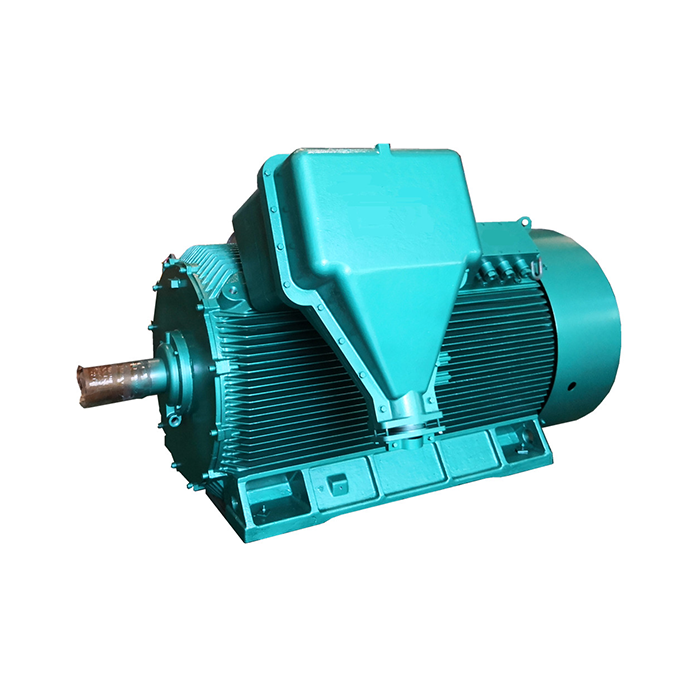
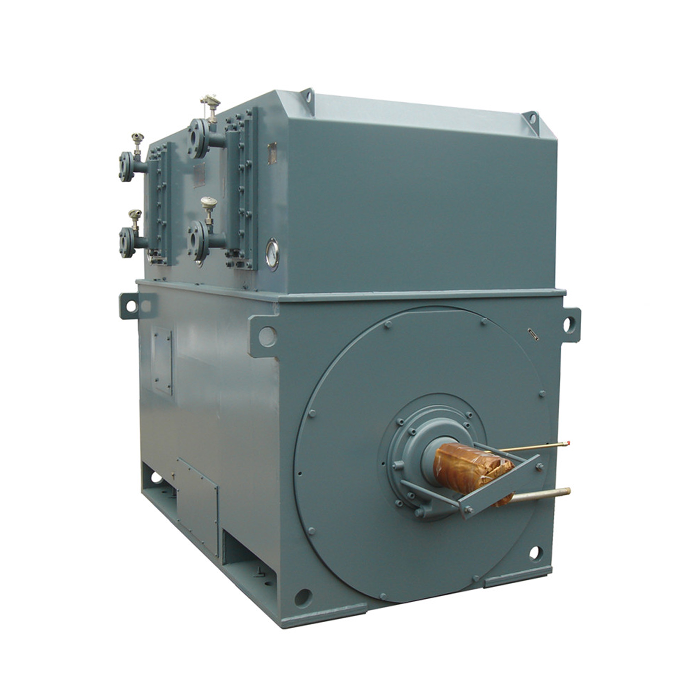
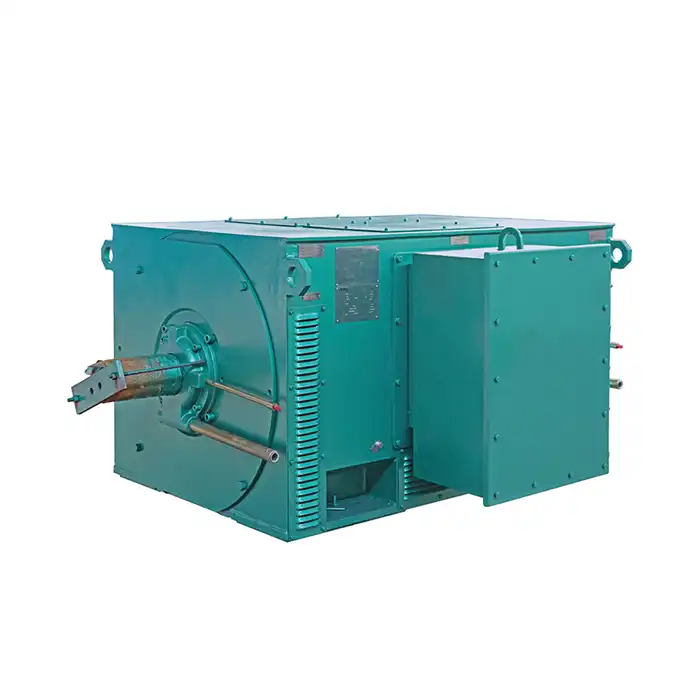
Series:Y2
Protection level:IP54
Voltage range:3000V±5%,3300V±5%,6000V±5%,6600V±5%,10000V±5%,11000V±5%
Power range:160-1600 kW
Application:fans, water pumps, compressors, crushers, cutting machine tools, transportation machinery, etc.
Advantage:compact structure, light weight, low noise, small vibration, long service life, easy installation and maintenance.
Standard: This series of products complies withJB/T10444-2004 standards.
Others: SKF, NSK, FAG bearings can be replaced according to customer requirements.
Introduction
The Value of Reliable Motor Solutions
Reliable motor solutions that can handle high power requirements efficiently are essential for industrial operations. For high-voltage applications, the 3.3 kV motor category is ideal, delivering advantages over lower voltage options while being more accessible than ultra-high voltage systems.
Modern Application Performance Needs
Motors for modern factories, power plants, and process control systems must work consistently under extreme conditions. The appropriate high voltage motor selection affects operational efficiency and maintenance costs whether powering fans in big HVAC systems, water pumps in treatment facilities, or compressors in chemical plants.
Industry Applications and Market Trends
Automation and energy efficiency need are growing the worldwide industrial motor market. These motors keep automotive, aerospace, electronics, and food processing companies competitive. Engineers and procurement teams can make long-term operational decisions by knowing which models work best for specific applications.
Why High-Voltage Motors Matter in Industrial Applications?
Manufacturing Efficiency and Reliability Needs
Manufacturing environments now require unprecedented efficiency and reliability. Traditional lower-voltage systems struggle with crushers, cutting machine tools, and transporting machinery. High-voltage motors reduce current and increase power-to-weight ratios, decreasing cable diameters and infrastructure costs.
High-Voltage Solutions Benefits
Properly sized high-voltage solutions reduce industrial energy usage. The 3.3 kV motor design reduces transmission power losses and provides precise speed control with modern variable frequency drives. Applications requiring consistent torque delivery under different load circumstances require this combination.
Process Control Applications
Process control applications benefit from these motors' improved performance. They power pumps that transport millions of gallons daily in water treatment facilities. Chemical processing plants depend on their compressor and mixing equipment reliability, as downtime means output losses.
Selection Criteria for Industrial Motor Evaluation
Our evaluation focused on numerous key industrial buyer variables.
Performance Consistency
Motors must sustain rated output over long durations, hence performance consistency was best. We studied 160 kW to 1600 kW power ranges to address mid-size and large-scale applications.
Durability Standards Matter
Durability was a major consideration. Industrial motors face harsh temperatures, vibration, dust, and moisture. Bearing quality, protection grades, and enclosure structure affect operational lifespan and maintenance. Motors with IP54 or higher protection were more environmentally resistant.
Considering Energy Efficiency
Energy efficiency measures heavily affected our advice. Operating savings from high-efficiency motors in variable load settings are significant as energy costs rise. We prioritized models with consistent performance, low energy waste, and sophisticated motor controller integration.
Maintenance and Installation Factors
Installation and upkeep influenced our choices. Compact motors with standard mounting configurations and easy maintenance lower ownership costs. Compatible with SKF, NSK, and FAG bearings enables global spares availability, supporting global operations.
Top 3.3 kV Motor Solutions for Industrial Performance
XCMOTOR High-Voltage Industrial Series
The XCMOTOR industrial motor family excels in many voltage settings, including 3000V±5%, 3300V±5%, 6000V±5%, 6600V±5%, 10000V±5%, and 11000V±5%. This versatility allows simple connection into current electrical systems and future expansion upgrades. Power output spans from 160 kW to 1600 kW, covering applications from medium-duty pumps to heavy-duty crushers and cutting equipment. The robust construction features premium materials designed for extended operation in harsh industrial environments. Engineering teams consistently report excellent reliability when deployed in automotive manufacturing lines, aerospace component production, and electronics assembly facilities.
Motor efficiency exceeds industry standards while being compact for installation planning. The lightweight design decreases structural needs without sacrificing durability. Advanced cooling systems keep motors running at ideal temperatures even under severe load, extending longevity. Maintenance requirements remain minimal thanks to high-quality bearing systems and accessible service points. Technicians like the simple design that allows routine inspections without disassembly. Global distribution networks provide spare parts for fast maintenance response. Operating vibration is minimized, decreasing equipment wear and boosting system reliability. Sound emissions fulfill tight industrial noise requirements, ensuring workplace safety. For operations that need precise environmental controls, these motors are quiet and smooth.
Advanced Process Control Motors
Process control applications require variable-load motors with accurate speed regulation. This category excels in pumping applications, valve actuation systems, and compressor drives where consistent performance directly affects process quality and efficiency. Water treatment facilities benefit tremendously from the robust construction and corrosion-resistant materials used in these designs. IP54 protection against treatment plant moisture and pollutants is excellent. Longer bearing life maintains operation throughout important processing periods and lowers maintenance.
Chemical processing environments require motors that withstand aggressive atmospheres while delivering reliable performance. These devices have chemical-resistant coatings and improved sealing. Temperature stability remains excellent across varying ambient conditions, supporting year-round outdoor installations. Motor diagnostics provide predictive maintenance to prevent unexpected failures in systems like the 3.3 kV motor. Advanced monitoring systems measure vibration, temperature, and electrical characteristics to detect issues before they affect operations. This proactive strategy optimizes maintenance scheduling and reduces downtime. Speed control and energy optimization are achieved with modern variable frequency drives. Motor controller compatibility supports advanced automation systems and smooth startup. Monitoring energy use helps facilities optimize efficiency and find possibilities.
Heavy-Duty Manufacturing Motors
Continuous operation, frequent starts and stops, and variable load conditions put motor systems under high stress in manufacturing. These specialized units reliably handle cutting machine tool, material handling, and production line equipment requirements. These motors power assembly line conveyors, robotic systems, and precision machining equipment in automotive factories. Product quality and high-speed production are supported by consistent torque delivery. Aerospace component manufacturing benefits from the precise speed control and low vibration characteristics essential for maintaining tight tolerances.
Food processing applications require motors meeting strict sanitary standards while providing reliable operation in wash-down environments. Sealing mechanisms prevent contamination and corrosion-resistant surfaces enable rigorous cleaning. Equipment arrangement and cleaning time between production runs are simplified by the compact structure. Ultraclean operation with low electromagnetic interference is required in electronics manufacturing. During production, these motors' shielding and filtering mechanisms protect sensitive electrical components. Precision balancing eliminates vibration that could disrupt careful assembly. Transportation machinery benefits from shock-resistant construction and continuous duty cycles. These motors power critical material handling equipment in railway maintenance facilities, shipping terminals, and airport ground support operations, where reliability affects schedules.
Global Market Analysis and Regional Considerations
Due to local electrical, environmental, and regulatory norms, international markets have different requirements.
Asian and North American focus
Cost-effective solutions that support rapid industrial expansion and performance criteria are valued in Asian markets. In contrast, North American applications often demand motors that meet electrical and safety requirements. Motors supporting advanced monitoring systems are in demand due to predictive maintenance and automation integration. Canada's harsh temperatures require improved cold-weather performance.
Challenges in the Middle East and Africa
Middle Eastern and African markets present unique challenges, including extreme heat, dust exposure, and limited maintenance infrastructure. Motors serving these places need better protection and easier maintenance. Arid water treatment applications require high reliability due to vital infrastructure.
Latin American Opportunities
Motor vendors with flexible voltage settings and local support networks benefit from Latin American industrial growth. Mining requires specialist motors that can handle heavy duty cycles safely in hazardous situations. Agricultural processing facilities need cost-effective solutions supporting seasonal operation patterns.
Purchasing Recommendations and Implementation Considerations
Assessing Current and Future Needs
Assessing immediate needs and future expansion plans is crucial to motor procurement. Select voltage ratings based on electrical infrastructure capabilities for system compatibility and upgrade flexibility. Power requirements should account for load growth to avoid premature replacement.
Environment Affects Selection
Environmental factors strongly influence motor choice. Moist, chemical, or extreme temperature facilities need additional protection features that justify higher initial costs through longer service life. Indoor systems may prioritize compactness and quiet operation over environmental protection.
Ability to Maintain and Motor Selection
Your company's maintenance capabilities affect motor choice. Advanced diagnostic systems can be handled by qualified technicians. Simplified designs that prioritize reliability over features assist operations with limited maintenance resources.
Total Ownership Cost Budget
Budgets should incorporate entire ownership expenses, not just purchase pricing. Continuous savings balance greater upfront costs in energy-efficient versions. Unit reliability reduces maintenance costs and production disruptions that hurt profits.
Importance of Supplier Support
Supplier assistance is crucial for worldwide operations. Select manufacturers with local service networks, spare parts, and multilingual technical assistance. Maintenance personnel training improves motor performance and lifespan.
Industry Trends and Summary
Changing Industrial Motor Market Standards
The industrial motor market is improving efficiency and diagnostics. Manufacturers want motors with integrated monitoring systems and predictive maintenance for Industry 4.0.
Energy Efficiency Regulations' Effect
Premium efficiency motors are adopted due to energy efficiency standards, but automation trends necessitate precise speed control and rapid reaction. This change is necessary to be competitive in an energy-conscious world.
The Digital Integration Role
Digital integration is the future of high-voltage motors. Smart sensors and connectivity provide real-time performance monitoring and automated maintenance scheduling.
Enhancing Performance and Reducing Downtime
These innovations minimize energy consumption and reduce unplanned downtime through proactive maintenance. Organizations can improve operating efficiency and motor system dependability with technology.
Conclusion
Performance, environmental circumstances, and long-term operational goals must be considered when choosing a 3.3 kv motor for industrial applications. These motors have demonstrated reliability in a variety of industrial applications. Understanding your application needs and assessing total ownership costs rather than initial purchase pricing is key to motor procurement success. Quality manufacturers with extensive support networks give higher long-term value through stable products and timely service. Properly selected high-voltage motors improve operational efficiency, maintenance costs, and production dependability. Partner with industrial-savvy providers who can support the motor throughout its life.
Frequently Asked Questions
1. What factors determine the optimal power rating for my application?
Load, duty cycle, and performance criteria determine power needs. Engineers must evaluate power needs, peak load safety margins, and energy efficiency consequences of oversizing. Application specialists help size for unique operational circumstances.
2. How do environmental conditions affect motor selection?
Extreme temperature, humidity, dust, and chemical atmospheres affect motor design. Higher protection ratings cost more but last longer in tough conditions. Successful environmental assessment prevents premature breakdowns and ensures reliability.
3. What maintenance practices maximize motor lifespan?
Most failure modes are prevented by vibration monitoring, bearing lubrication, and thermal examinations. Motor insulation lasts longer when cleaned and aired. Warranty coverage and performance are optimized by following manufacturer maintenance intervals and procedures.
Partner with XCMOTOR for Reliable High-Voltage Motor Solutions
XCMOTOR meets your industrial motor needs with proven 3.3 kV motor solutions for demanding applications. As a 3.3 kV motor supplier, our skilled engineers analyze your application to determine the best motor for your needs. We provide outstanding value through superior product quality and quick customer service, whether you require a high voltage motor manufacturer that can customize solutions or reliable products meeting international standards. Talk to our experts at xcmotors@163.com to learn why major industrial firms trust XCMOTOR for crucial motor applications worldwide.
References
1. International Electrotechnical Commission. "Rotating Electrical Machines - Part 30-1: Efficiency Classes of Line Operated AC Motors." IEC 60034-30-1:2014 Standard Documentation.
2. Institute of Electrical and Electronics Engineers. "IEEE Standard Test Procedure for Polyphase Induction Motors and Generators." IEEE Std 112-2017 Technical Publication.
3. National Electrical Manufacturers Association. "Energy Efficient Motors and Adjustable Speed Drives in Industrial Applications." NEMA Technical Guidelines MG 1-2016.
4. American Bureau of Shipping. "High Voltage Motor Systems in Marine and Industrial Applications." ABS Technical Report 2023-Industrial Equipment Classification.
5. European Committee for Electrotechnical Standardization. "Energy Efficiency Requirements for Electric Motors in Industrial Applications." CENELEC EN 50598-2:2018 Standard.
6. International Organization for Standardization. "Industrial Automation Systems and Integration - Manufacturing Execution Systems." ISO 15746-1:2021 Technical Specification.