




Guide to IP23 Motor Ratings & Protection Explained
Understanding motor protection ratings becomes essential when selecting industrial equipment for demanding environments. The motor ip23 protection standard offers particular shields against strong particles and water entrance, while keeping up ideal cooling execution. This rating gives viable security against finger-sized objects and splashing water from points up to 60 degrees, making these engines perfect for different mechanical applications. Companies in the fabricating, HVAC, and vitality segments depend on IP23-rated engines to balance natural assurance with cost-effectiveness in controlled indoor settings.

Series:Y
Voltage range: 380V±5%
Power range: 55~355 kW
Protection level:IP23
Application: This series of motors can be used to drive various machinery. Such as ventilators, compressors, water pumps, crushers, cutting machine tools and other equipment, and can be used as prime movers in coal mines, machinery industries, power plants and various industrial and mining enterprises.
Advantage: This series of motors has the advantages of high efficiency, energy saving, low noise, small vibration, light weight, reliable performance, and convenient installation and maintenance.
Certificate: The motor complies with JB5271-91
Others: SKF, NSK, FAG bearings can be replaced according to customer requirements.
Understanding IP Rating Systems for Electric Motors
The Worldwide Assurance (IP) rating framework gives a standardized strategy for classifying engine walled in areas based on their security capabilities. Each IP rating comprises two digits that show particular assurance levels against distinctive natural factors.
The digit to begin with ranges from 0 to 6 and speaks to security against strong particles. A rating of 2 implies the engine security framework avoids passage of objects bigger than 12.5mm in breadth, counting fingers and similar-sized things. This level viably squares clean aggregation, while permitting appropriate ventilation for engine cooling systems.
The moment digit ranges from 0 to 8 and shows water resistance capabilities. A rating of 3 gives security against water showered at points up to 60 degrees from vertical, covering scenarios like rain or gear cleaning procedures.
Motor-walled-in area plan straightforwardly impacts execution, efficiency, and life span. Engineers must consider natural conditions, support prerequisites, and operational requests when selecting suitable security levels for their applications.
Breaking Down IP23 Motor Protection Standards
The motor ip23 rating combines moderate solid particle protection with basic water resistance, creating an optimal balance for many industrial applications. This protection standard allows motors to operate safely in environments where minimal dust exposure and occasional water contact may occur.
Solid molecule assurance at level 2 anticipates inadvertent contact with live parts, whereas blocking objects surpassing 12.5mm distance across. This assurance level suits indoor situations where huge flotsam and jetsam pose the essential concern, or maybe than fine clean particles.
Water security level 3 shields against showering water from different points, making these engines appropriate for ranges with incidental cleaning or where condensation might happen. The engine cover framework remains secured from dampness that seems to cause electrical flaws or execution degradation.
The open ventilation plan inherent in IP23 engines gives predominant warm dissemination compared to higher assurance appraisals. This improved cooling capability permits higher control densities and makes strides effectiveness, especially advantageous in ceaseless operation scenarios.
Advantages of IP23 Motors in Industrial Applications
Thermal Performance Advantages
Manufacturing offices advantage essentially from engine units with open ventilation structures. The plan gives uniquely superior cooling productivity than completely encased choices, avoiding overheating during amplified operation cycles. This warm advantage stems from the open development that permits persistent wind current through basic components, disseminating heat quickly indeed beneath supported overwhelming loads. The cooling execution is particularly profitable in applications requiring reliable yield over long periods, where temperature management specifically impacts operational steadiness and component life expectancy. IP23 appraised engines provide this predominant warm direction without requiring assistant cooling systems.
Economic and Maintenance Benefits
Cost-effectiveness speaks to another major advantage of these engine units, killing superfluous security highlights while providing satisfactory shields for controlled situations. Companies can accomplish ideal execution without paying for higher assurance evaluations they do not require. Support availability makes strides through the open development, as professionals can effectively assess inner components, perform schedule upkeep, and distinguish potential issues some time recently they gotten to be exorbitant issues. This combination of fitting beginning venture and diminished long-term benefit costs makes a favorable financial profile for offices with appropriate working conditions and set up support protocols.
Operational Efficiency and Design Flexibility
Energy productivity picks up happen through decreased warm push and progressed cooling wind current. Engines working at lower temperatures keep up superior electrical characteristics and involve less cover degradation over time, contributing to maintained execution all through the operational life expectancy. The flexible plan obliges different mounting setups and installation requirements, rearranging gear integration over distinctive applications. This adaptability empowers clear adjustment to existing hardware formats whereas keeping up ideal warm administration, making these engines a commonsense choice for different mechanical settings where execution consistency and establishment comfort are similarly valued.
Ideal Applications for Motor IP23 Protection
Power generation facilities utilize motor ip23 units for auxiliary equipment like fans, pumps, and compressors where controlled indoor environments provide adequate protection from environmental extremes. These motors excel in power plant buildings where dust levels remain minimal, and water exposure stays limited.
Manufacturing operations over car, aviation, and gadgets businesses depend on IP23 engines for handling gear. Machine instruments, transport frameworks, and assembly line hardware advantage from the upgraded cooling and cost-effective security these engines provide.
HVAC frameworks in commercial and mechanical buildings utilize IP23 engines for controlling units, circulation fans, and ventilation gear. The direct security level suits mechanical rooms and hardware spaces where natural conditions are controlled.
Food handling offices utilize IP23 engines in regions where coordinate water presentation doesn't happen, but incidental cleaning exercises might make splash conditions. These engines serve blending gear, bundling apparatus, and fabric handling systems effectively.
Textile manufacturing operations utilize motor ip23 units for spinning machines, weaving equipment, and material processing systems where lint and fiber accumulation requires protection against larger particles.
Technical Specifications and Performance Characteristics
Modern motor ip23 designs incorporate advanced materials and manufacturing techniques to optimize performance across demanding applications. Cast iron frames provide excellent mechanical strength while offering superior heat dissipation properties essential for continuous operation.
Copper windings convey proficient electrical execution with negligible misfortunes, contributing to generally vitality proficiency. High-quality orientation diminish grinding and commotion levels while extending operational life through legitimate oil systems.
Insulation lesson F development gives dependable electrical confinement with warm resistance appraisals reasonable for lifted working temperatures. This separator framework ensures against electrical breakdown whereas keeping up execution characteristics over expanded benefit periods.
Motor control frameworks coordinated consistently with IP23 engines through standardized mounting and association interfacing. Variable recurrence drives, delicate starters, and assurance transfers work effectively with these engine plans over different application requirements.
Voltage compatibility ranges standard mechanical ranges, with 380V frameworks speaking to common setups for medium-power applications. Control ranges from 55kW to 355kW to suit different hardware prerequisites over numerous industries.
Comparing IP23 with Other Protection Ratings
Lower protection ratings like IP21 or IP22 offer reduced environmental protection but may suffice for extremely controlled environments. However, the modest increase in protection level provided by motor ip23 units often justifies the small cost difference for improved reliability.
Higher protection ratings, such as IP44 or IP55 provide enhanced environmental protection but sacrifice cooling efficiency and increase costs. These ratings suit outdoor applications or environments with significant dust or moisture exposure where IP23 protection proves insufficient.
Motor monitoring systems work effectively across different protection ratings, but IP23 motors offer optimal accessibility for sensor installation and maintenance. Temperature sensors, vibration monitors, and current measurement devices integrate easily with open motor designs.
Industrial motor selection requires careful evaluation of environmental conditions, operational requirements, and cost considerations. IP23 motors provide an excellent compromise for many applications where extreme protection isn't necessary but basic safeguards remain important.
The motor enclosure design impacts noise levels, with IP23 motors typically producing less operational noise than fully enclosed alternatives due to improved airflow and reduced thermal stress.
Installation and Maintenance Considerations
Proper installation of motor ip23 units requires attention to environmental factors and mounting requirements. Adequate ventilation clearances ensure optimal cooling airflow while preventing debris accumulation around the motor enclosure.
Electrical connections must receive appropriate protection even though the motor itself carries IP23 rating. Terminal boxes and cable entry points require sealing to maintain the overall protection level of the installation.
Regular maintenance schedules should address bearing lubrication, electrical connection inspection, and cooling passage cleaning. The accessible design of IP23 motors simplifies these maintenance tasks compared to higher protection rating alternatives.
Motor insulation testing helps identify potential problems before they cause failures. Megohm testing, insulation resistance measurements, and thermal imaging provide valuable diagnostic information for preventive maintenance programs.
Environmental monitoring around motor ip23 installations helps ensure operating conditions remain within acceptable ranges. Temperature, humidity, and dust level monitoring can prevent premature failures and optimize performance.
Conclusion
Understanding motor protection ratings empowers engineers and facility managers to make informed decisions about equipment selection. The motor ip23 standard provides an excellent balance of environmental protection, cooling efficiency, and cost-effectiveness for numerous industrial applications. These motors excel in controlled environments where basic protection suffices while maintaining optimal thermal management. Companies benefit from reduced operating costs, simplified maintenance, and reliable performance when they select appropriately rated motors for their specific applications. Proper installation and maintenance practices ensure IP23 motors deliver years of dependable service across diverse industrial sectors. XCMOTOR specializes in providing high-performance motor ip23 solutions tailored to your specific industrial requirements. Our extensive experience across manufacturing, HVAC, and power generation applications ensures you receive motors engineered for optimal performance and reliability. Contact our technical team at xcmotors@163.com to discuss your motor protection needs and discover why leading companies choose XCMOTOR as their trusted motor ip23 supplier for critical applications.
References
1. International Electrotechnical Commission. "Degrees of Protection Provided by Enclosures (IP Code) - IEC 60529 Standard." Geneva: IEC Publications, 2013.
2. National Electrical Manufacturers Association. "Motors and Generators - Protection Classifications and Installation Guidelines." NEMA MG 1-2016 Standard.
3. IEEE Industry Applications Society. "Electric Motor Protection Systems and Rating Classifications." IEEE Transactions on Industry Applications, Vol. 58, 2022.
4. British Standards Institution. "Rotating Electrical Machines - Environmental Protection and Cooling Methods." BS EN 60034-5:2020.
5. American National Standards Institute. "Industrial Motor Selection and Protection Rating Guidelines." ANSI/IEEE C50.41-2020 Standard.
6. German Institute for Standardisation. "Electric Motors - Protection Degrees and Testing Methods." DIN EN 60529:2014 Standard.
YOU MAY LIKE
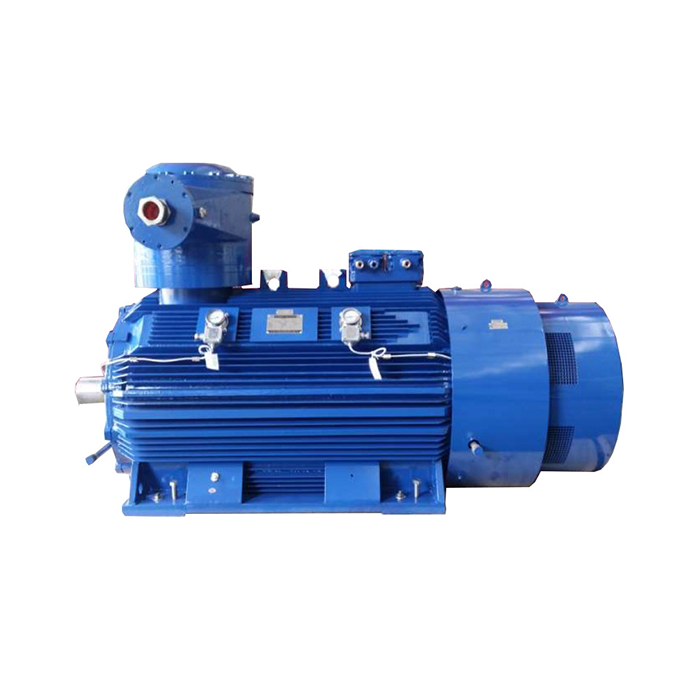 VIEW MOREYBBP high-voltage explosion-proof frequency motor
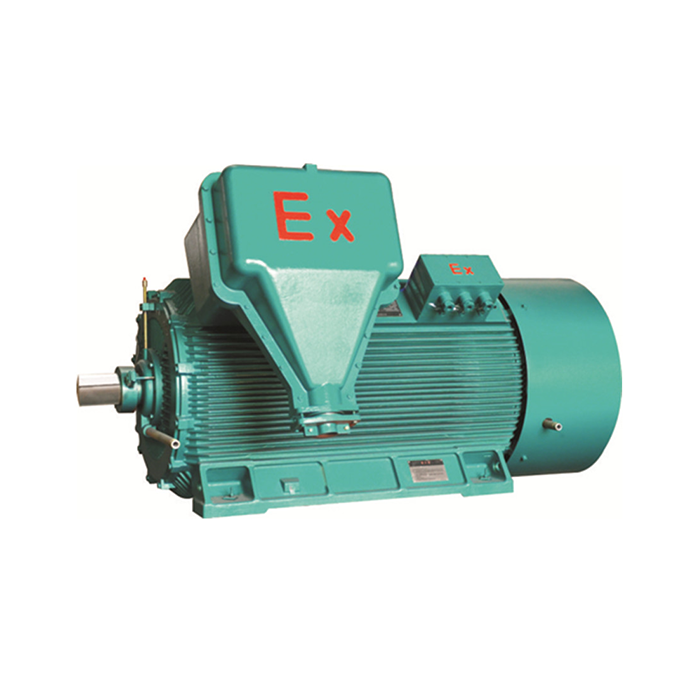 VIEW MOREYB2 series high voltage explosion-proof motor
 VIEW MOREglobe valve for steam line
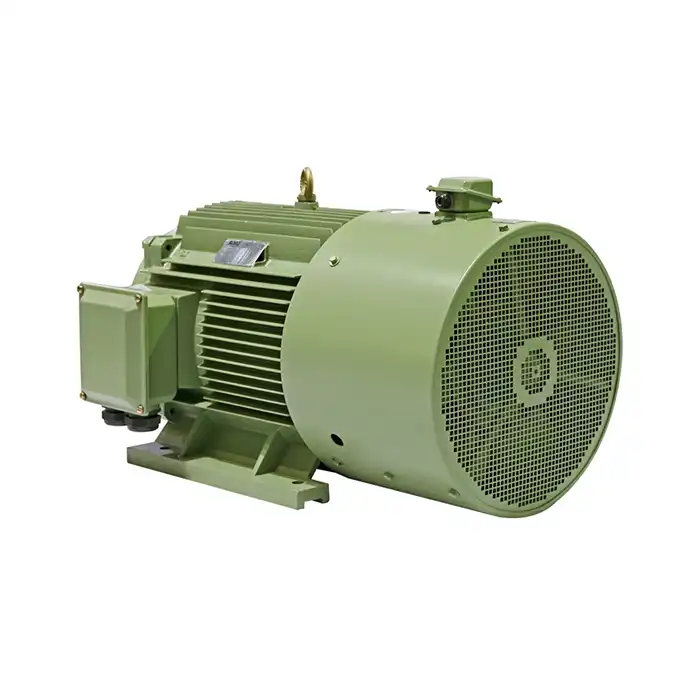 VIEW MORE5 hp inverter duty motor
 VIEW MOREwater cooled electric motor
 VIEW MOREexplosion proof brake motor
 VIEW MOREflame proof motor enclosure
 VIEW MORElow voltage dc inverter ac