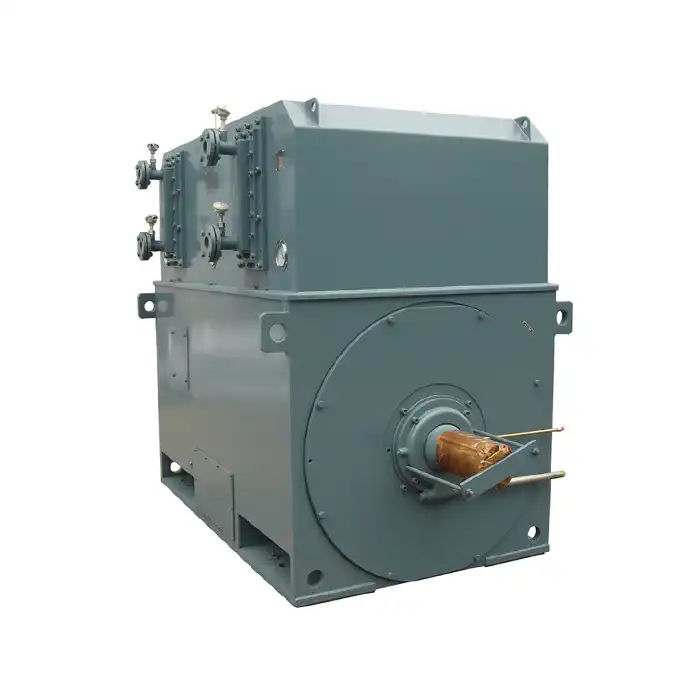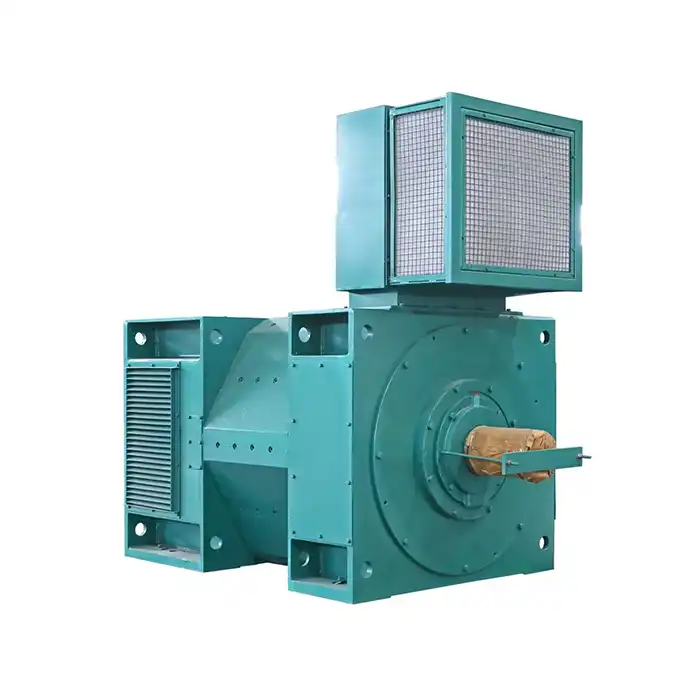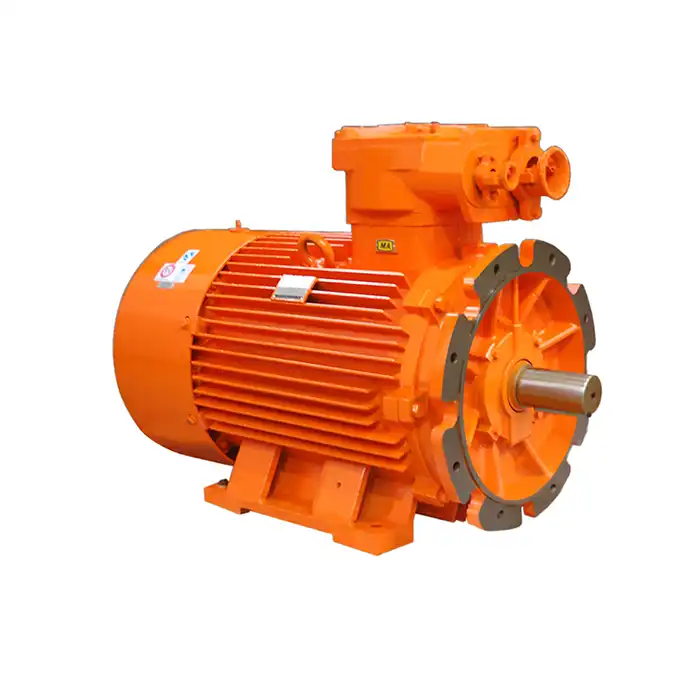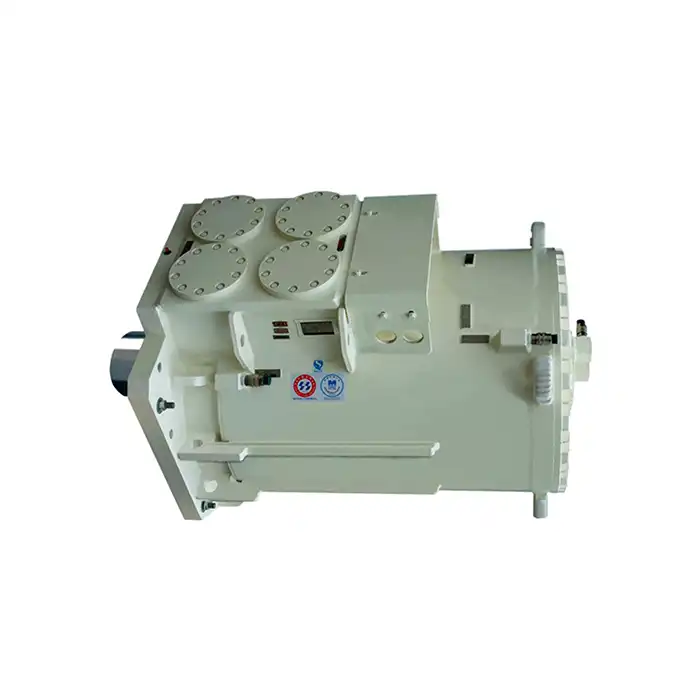




Construction and Structure of IEC Low Voltage Motors
Procurement experts must comprehend building basics when selecting electric motors for industrial facilities, HVAC installations or renewable energy projects. IEC low voltage motors represent the highest quality power solutions, manufactured to international standards with harmonised frame sizes, quality materials and proven design protocols. These motors are often rated from 220-690V and from 0.75kW to 1000kW and satisfy the needs of demanding applications from automobile assembly lines to water treatment plants. They are designed to last, to be efficient and to work anywhere in the world – attributes that reduce total cost of ownership and ensure reliable performance in demanding industrial environments.
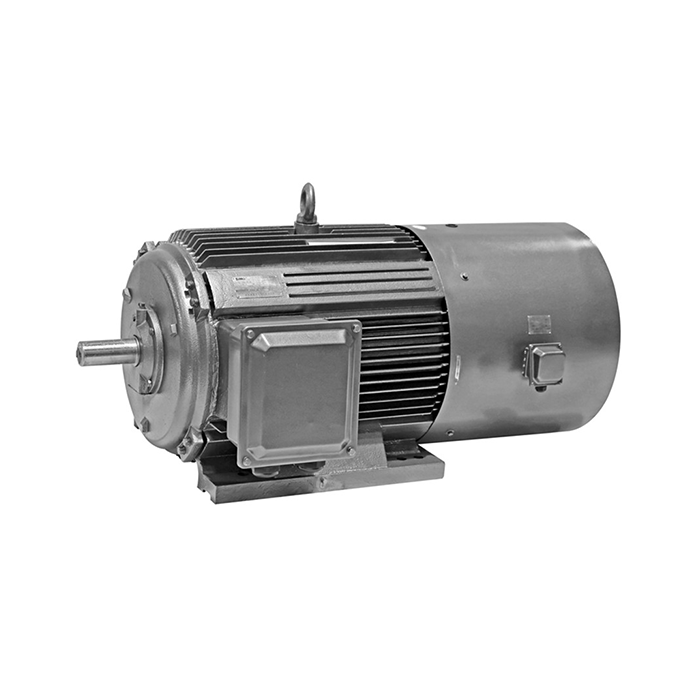
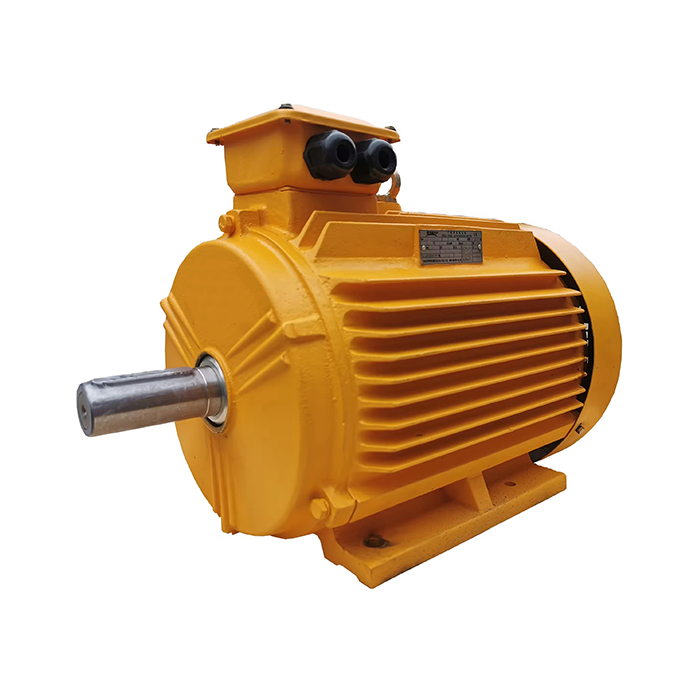
Series:YVFE4
Frequency conversion range:30hz~50hz,5hz~70hz,5hz~100hz
Power range:0.75-1000kW
Protection level:IP55
Application:are suitable for driving various mechanical equipment that require continuous and frequent forward and reverse rotation, such as steel rolling, lifting, transportation, machine tools, printing and dyeing, papermaking, chemicals, textiles, pharmaceuticals, etc., and can be used with various domestic and foreign variable frequency power supplies.
Advantage:high efficiency, wide speed range, high precision, stable operation, and easy operation and maintenance.
Certificate:installation dimensions comply with International Electrotechnical Commission (IEC) standards.
Others: SKF, NSK, FAG bearings can be replaced according to customer requirements.
General Overview of IEC Low Voltage Motor Construction
The key is understanding what makes these motors so unique . They are IEC 60034 compliant . IEC 60034 is a standard used globally for consistent dimensions , performance , and safety . These standardised motors provide smooth integration no matter where you are, unlike localised options.
Core Components and Design Philosophy
The basic architecture consists of three key components connected with each other. When the motor is powered on, copper windings in the stator embedded in high-grade electrical steel laminations create rotating magnetic fields. The rotor is generally of the squirrel cage type. The magnetic interaction effects mechanical rotation of the rotor . Frame is cast iron for demanding use, or aluminium for smaller installations where heat must be dissipated fast. It's good for the environment and it maintains the building robust.
IEC standardization makes cross-border procurement easier for iec low voltage motors by eliminating confusion about mounting dimensions, shaft heights, and connection specifications. A motor specified as IEC frame size 132 maintains identical mounting footprints whether manufactured in Europe, Asia, or North America—a critical advantage for multinational operations managing equipment inventories.
Distinction from Alternative Motor Standards
In North America , NEMA motors are the most common , but IEC designs are metric and have different efficiency classifications . For a given power rating the footprint of IEC motors is often smaller which is a positive characteristic for installations with space restrictions often seen in process control settings or robotics applications. The IE efficiency classes IE1 to IE4 give unambiguous criteria for energy performance. For example, IE4 motors are more efficient, which is key for decreasing operating costs in continuous-duty applications like compressors or conveyor systems.
Detailed Breakdown of the Structural Elements
Each component within these motors directly influences operational reliability and maintenance requirements, making detailed knowledge essential for informed procurement decisions.
Stator Construction and Winding Systems
The stator is the static electromagnetic part where the energy conversion starts. High-quality electrical steel laminations stacked and bonded minimise eddy current losses and maximise the density of the magnetic flux. Copper windings are carefully twisted through stator slots and fixed with insulating materials appropriate for certain temperature conditions. Copper is more conductive than aluminium , and thus is chosen .
Insulation classes determine temperature tolerance levels. Class F insulation, standard in many industrial motors, withstands continuous operation at temperatures up to 155°C, while Class H variants extend this capability to 180°C for extreme ambient conditions found in steel rolling or chemical processing plants. Industry reliability studies show that approximately 37% of motor breakdowns are caused by premature winding failure, which can be avoided by choosing the right insulation.
Rotor Types and Performance Characteristics
The most common industrial squirrel cage rotors are the robust, maintenance-free and cost-effective rotors used in industrial applications. These rotors are made up of aluminium or copper bars short-circuited by end rings, giving a simple but reliable structure which can withstand continuous mechanical stress. They are designed for applications that need frequent starting, reversing or variable frequency operation, all of which are critical to printing presses, textile machines and pharmaceutical processing equipment.
Wound rotors are not very popular in IEC low voltage motors but they do provide a greater control of starting torque by putting resistance outside. The concept is helpful for heavy load applications like crushers or large fans, where controlled acceleration lessens mechanical stress and spikes in electrical demand. The disadvantage of brush and slide ring assemblies is that they need more maintenance and are thus only acceptable if the operating advantages outweigh the higher maintenance.
Frame Design and Mounting Configurations
The frame design consists of mechanical support and thermal management. Cast iron frames are ideal for heavy industrial environments as they absorb vibration and provide rugged protection from impact damage common in mining, cement production or material handling applications. Aluminium frames cut the weight by around 40%, making them a good option for installations on buildings with load restrictions, and they also have great heat transmission qualities.
Standard IEC mounting solutions include foot-mounted (B3), flange-mounted (B5) and combination designs satisfy a wide variety of installation needs without the need for special construction. Ingress protection ratings of IP55 to IP65 describe dust and moisture protection. IP55 is the standard for most indoor industrial applications and IP65 is the standard for washdown environments (food processing or pharmaceutical manufacturing, for example).
Working Principle and Efficiency Factors Linked to Construction
The operational mechanism converting electrical input to rotational output depends entirely on construction quality and precision manufacturing practices.
Energy Conversion Process
A three-phase alternating current energising the stator windings produces a spinning magnetic field that moves around the stator circle. This moving field uses electromagnetic induction to create currents in rotor conductors. This creates a secondary magnetic field. The interplay of the stator and rotor fields creates a torque (rotation force) in the shaft and attached load. This is the efficiency of the conversion ( mechanical output / electrical input ) . The better the materials , the better the tolerances in manufacturing and the better the thermal management system , the higher this will be .
The contemporary iec low voltage motors with IE4 efficiency are so efficient that they convert about 95% of the energy input, with 5% being wasted as heat and other losses. The efficiency improvements are obtained by use of better grades of lamination steel, optimised winding designs and the precise balance of the rotors to avoid friction and vibration losses.
Construction Elements Affecting Efficiency
There are a number of design considerations that separate premium motors from standard offerings. Precision air gap tolerances (typically 0.3-0.8mm) between the stator and rotor minimise magnetic reluctance while avoiding rotor contact. Advanced ventilation systems with internal or exterior fans maintain ideal working temperatures, avoid insulation degeneration and increase bearing life. High quality bearings such as those supplied by manufacturers like SKF, NSK or FAG decrease friction losses and may operate for thousands of hours with no maintenance.
Motors designed for variable frequency drive compatibility incorporate enhanced insulation systems that withstand voltage spikes inherent in PWM switching. These units operate effectively across frequency ranges from 5Hz to 100Hz, enabling precise speed control for applications requiring adjustable flow rates, conveyor speeds, or process timing—advantages particularly valuable in automation systems controlling manufacturing sequences or HVAC optimization.
Maintenance Insights and Troubleshooting Based on Motor Structure
Understanding structural details transforms maintenance from reactive repair to predictive preservation, maximizing asset availability and return on investment.
Preventive Maintenance Protocols
Critical wear sites should be inspected at regular intervals. Bearing condition monitoring using vibration analysis or thermal imaging may identify emerging issues before catastrophic failure occurs. Lubrication intervals are dependent on bearing type and operating circumstances. Sealed bearings are maintenance free, while regreasable types need periodic lubrication generally every 2,000-4,000 running hours depending on speed and load variables.
Progressive deterioration of stator winding insulation is caused by thermal cycling, moisture and chemical contamination. Periodic insulation resistance testing with a megohmmeter may detect worsening conditions before ground problems develop. Readings should be > 1 megohm / kilovolt rated voltage. Downward trends should be checked even if absolute readings are still acceptable.
Common Structural Issues and Diagnostic Approaches
In general, the over-vibration of iec low voltage motors is a sign of rotor imbalance, bearing wear or loose installation, which may be related to some structural features. The vibration frequency patterns may be utilised to find the root cause . Imbalance causes peaks at running speed . Bearing faults induce harmonic frequencies . Looseness provides broadband signatures . Understanding these connections enables you to take action in a focused way rather than replacing parts wholesale.
Overheating concerns are closely related to the quality of construction and matching of applications. Insufficient ventilation , too high ambient temperatures , or operating outside of nameplate ratings increase the ageing of insulation . Thermal imaging may detect hot patches suggesting blockages in cooling tubes, overworked windings or bearing friction. Most industrial applications will use motors with IP55 protection and Class F insulation, suitable for working in ambient temperatures between -20°C to +40°C. But severe applications need specification improvements like IP65 enclosures or Class H insulation systems.
Wiring Integrity and Connection Quality
Terminal box design affects long-term dependability. Correctly designed connections avoid resistive heating at the termination points and secured cable glands maintain ingress protection ratings. The voltage and configuration (star or delta) connection diagrams must be followed precisely or the motor will not run efficiently, draw too much current or fail immediately upon energisation.
Procurement Considerations for IEC Low Voltage Motors
Strategic sourcing decisions balance technical requirements, operational costs, and supplier capabilities to achieve optimal long-term value.
Matching Motor Construction to Application Demands
When selecting power ratings consideration must be given to such aspects as load characteristics, duty cycles and environmental considerations. If the application involves continuous running at full load, the motor must be certified for S1 duty, however smaller frames rated for the proper duty cycles may be used for intermittent operations. The power range is from 0.75kW to 1000kW and will suit everything from tiny pumps to huge industrial compressors. Careful selection avoids the dangers of under sizing and the inefficiencies of over sizing.
Mechanical interfaces should be compatible with mounting arrangements and shaft arrangements. Foot-mounted motors are well-suited for baseplate mounting common in pump and fan applications, and flange mounting allows direct coupling to gearboxes or driven equipment. During preparation of the procurement specification, shaft extensions and essential dimensions and terminal box placements must be checked against installation limitations.
Evaluating Total Cost of Ownership
The first purchase price of iec low voltage motors is just 2-3% of the lifetime cost of the motor in typical industrial applications. It is the energy consumption during 15-20 years of operation that dominates the overall cost. IE4 efficient motors are expensive yet the payback time is frequently less than 2 years due to lower electricity use. When you run three shifts a day, 365 days a year, these savings add up. Upgrading a 100kW motor from IE2 to IE4 efficiency, for example, may save $3,000-$5,000 per year in power expenses, depending on your local electricity rates.
Maintenance access impacts long-term expenditures. Service time and spare parts inventory needs are minimised by motors with readily replaceable bearings, easy terminal connections and modular architecture. The IEC standard dimensions also make it easier to locate replacement parts and allow you to choose from several different suppliers instead of being locked into a single source proprietary design.
Selecting Qualified Motor Suppliers
The key to procurement success is collaborating with manufacturers who exhibit technical expertise, quality assurance and quick support. Certifications including CE marking and adherence to IEC 60034 standards ensure conformity to safety and performance standards. Production methods use stringent testing techniques including load tests, vibration analysis and insulation verification to verify delivered products satisfy requirements.
You will be supported by the full technical support of reliable suppliers for any enquiries on applications, problems and even bespoke adaptations if the standard range has to be adapted. The long-term ownership experience is influenced by the availability of replacement parts, warranty coverage, and access to a service network, especially in critical applications where downtime incurs significant costs.
Conclusion
Motor construction fundamentals directly impact operational performance, maintenance requirements, and long-term costs across industrial applications. IEC-compliant designs offer standardized dimensions, proven reliability, and global compatibility that simplify procurement while ensuring predictable performance. Understanding structural elements—from stator winding systems and rotor designs to frame materials and protection ratings—enables informed specification decisions aligned with application demands. Strategic sourcing considers not only initial costs but lifecycle efficiency, maintenance accessibility, and supplier capabilities. These motors serve critical roles driving pumps, compressors, conveyors, and process equipment across manufacturing, HVAC, energy, and countless industrial sectors where reliable rotational power remains essential.
FAQ
1. What efficiency standards apply to modern motor construction?
IEC 60034-30-1 establishes efficiency classifications ranging from IE1 (standard efficiency) through IE4 (super premium efficiency). Electric motor driven systems consume 53% of global electricity according to International Energy Agency data, making efficiency standards crucial for reducing operational costs and environmental impact. IE4 motors incorporate advanced materials and precision manufacturing that minimize losses, delivering measurable energy savings in continuous-duty applications common across industrial facilities.
2. How do IEC and NEMA motor construction differ?
IEC motors utilize metric dimensions with standardized mounting specifications defined in IEC 60034, while NEMA motors follow inch-based dimensions common in North American markets. IEC designs typically offer more compact frames for equivalent power ratings and different efficiency classification systems. Both approaches deliver reliable performance, but IEC standardization facilitates global sourcing and equipment interchangeability across international operations.
3. What protection class suits different industrial environments?
IP55 protection, standard for most industrial motors, prevents dust ingress and withstands water jets from any direction—adequate for typical manufacturing, HVAC, and process control environments. IP65 ratings provide enhanced protection against pressurized water spray, appropriate for food processing, pharmaceutical, or outdoor installations exposed to washdown procedures. Selecting appropriate protection levels prevents premature failure from environmental contamination.
Partner with XCMOTOR for Reliable IEC Low Voltage Motor Solutions
Shaanxi Qihe Xicheng Electromechanical Equipment Co., Ltd. (XCMOTOR) delivers engineered motor solutions backed by technical expertise and customer-focused service. Our YVFE4 series motors, ranging from 0.75kW to 1000kW with IE4 efficiency ratings, suit demanding applications across manufacturing, HVAC, renewable energy, and process industries. These units operate reliably across frequency ranges from 30Hz to 100Hz, providing precise speed control for equipment requiring continuous and frequent reversals including steel rolling, material handling, machine tools, and chemical processing systems.
What distinguishes us as an IEC low voltage motors supplier extends beyond product specifications. We provide customization options including premium SKF, NSK, or FAG bearing upgrades tailored to your operational requirements. Our commitment includes fast delivery, 30-day returns, and dedicated support available throughout the week including weekends. Technical teams assist with application engineering, installation guidance, and ongoing troubleshooting to maximize equipment uptime and performance.
Procurement professionals seeking trusted manufacturers for critical motor applications find value in our comprehensive approach combining quality components, rigorous testing, and responsive service. Contact our team at xcmotors@163.com to discuss your specific requirements and discover how precision-engineered power solutions can enhance operational reliability while reducing total ownership costs.
References
1. International Electrotechnical Commission. "IEC 60034-30-1: Rotating Electrical Machines - Part 30-1: Efficiency Classes of Line Operated AC Motors," 2014.
2. International Energy Agency. "Energy Efficiency Indicators: Fundamentals on Statistics," IEA Publications, 2021.
3. Bonnett, A.H. "Root Cause AC Motor Failure Analysis with a Focus on Shaft Failures," IEEE Transactions on Industry Applications, Vol. 36, No. 5, 2000.
4. European Committee of Manufacturers of Electrical Machines and Power Electronics. "Guide to the Efficient Use of Electric Motors and Drives," CEMEP Technical Report, 2018.
5. Institute of Electrical and Electronics Engineers. "IEEE Standard Test Procedure for Polyphase Induction Motors and Generators," IEEE Std 112-2017.
6. Nailen, R.L. "How to Select and Apply IEC Motors," Electrical Apparatus Service Association Technical Manual, 2019.