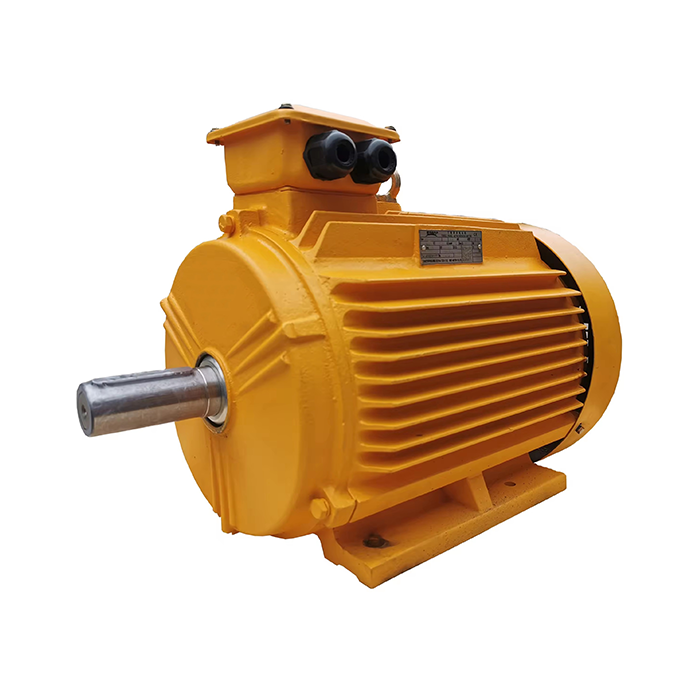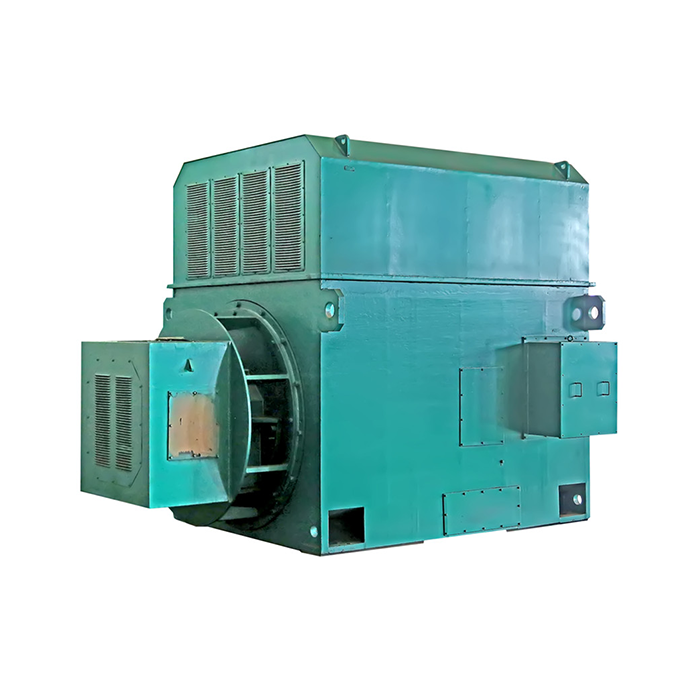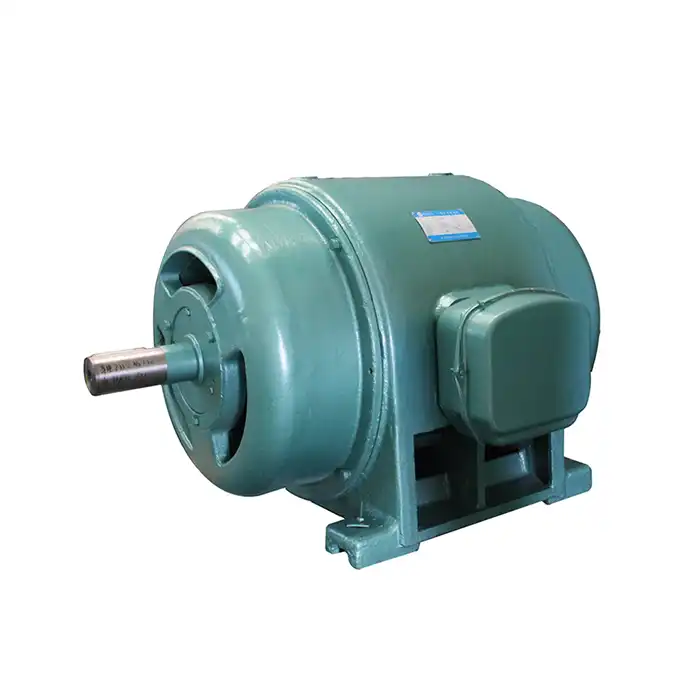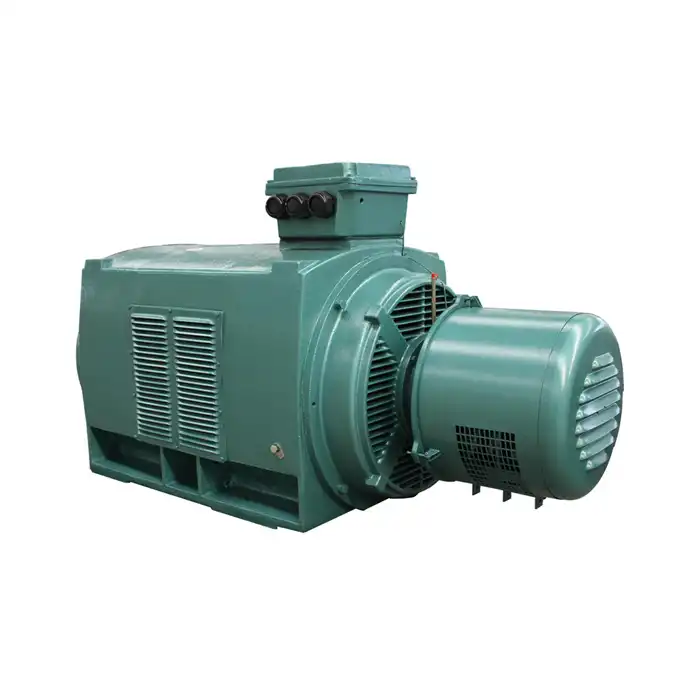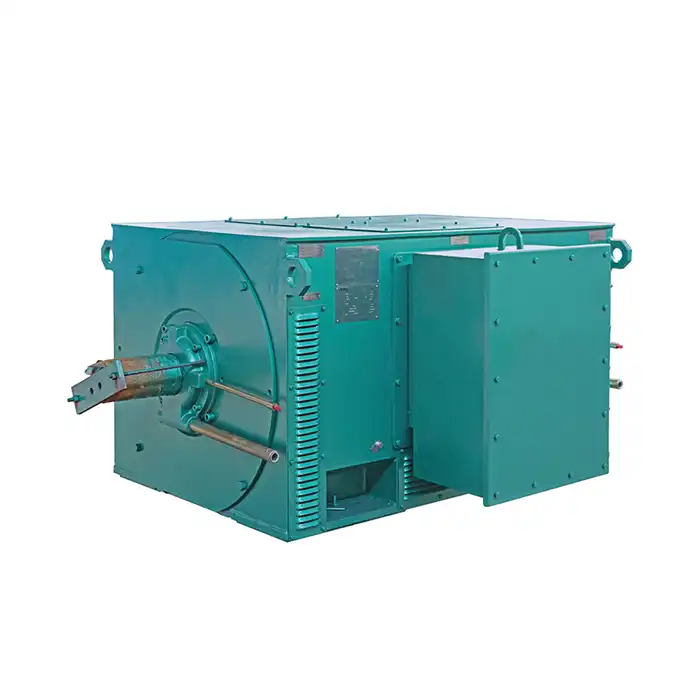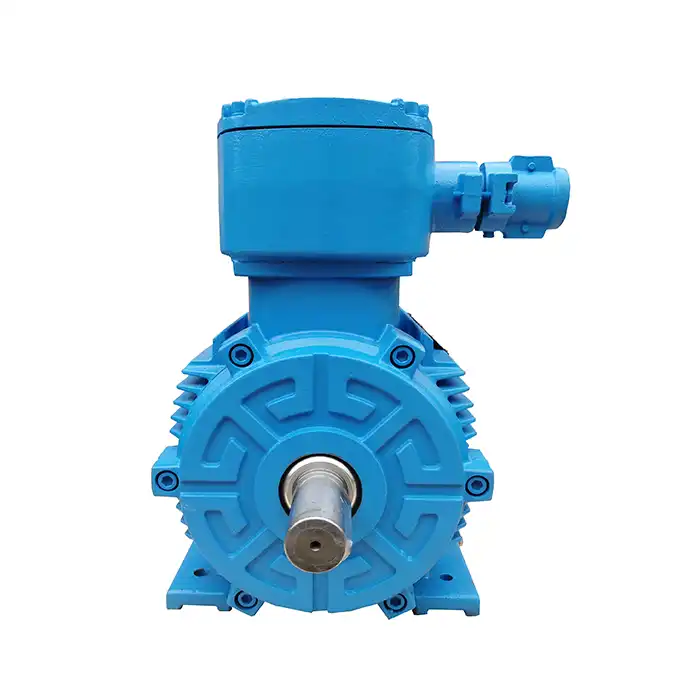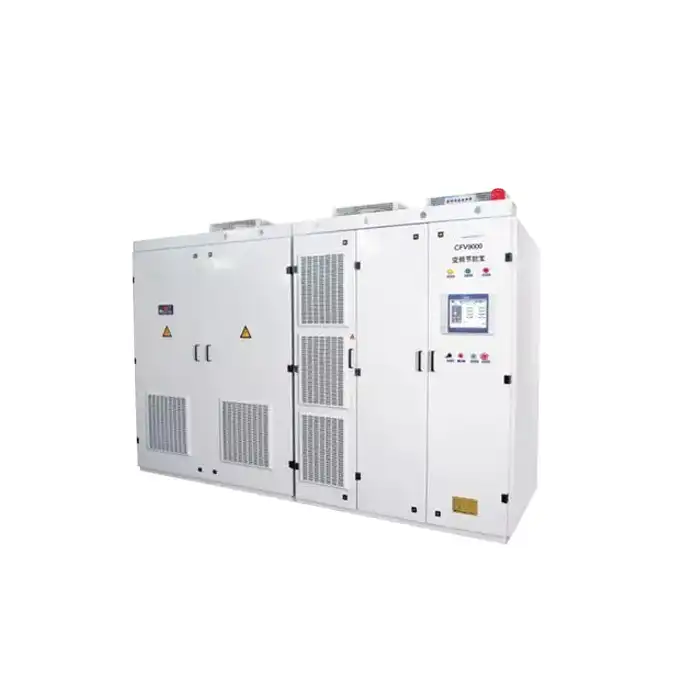




The slip ring rotor motor represents a sophisticated electrical machine that combines versatility with exceptional performance characteristics. This induction motor features a unique rotor design where windings connect through slip rings to external resistance circuits, enabling precise control over starting torque and speed characteristics. Unlike squirrel cage motors, wound rotor motors provide superior starting performance with reduced current draw, making them ideal for heavy-duty industrial applications. The external resistance control mechanism allows operators to adjust motor behavior according to specific load requirements, delivering optimal performance across various operating conditions.
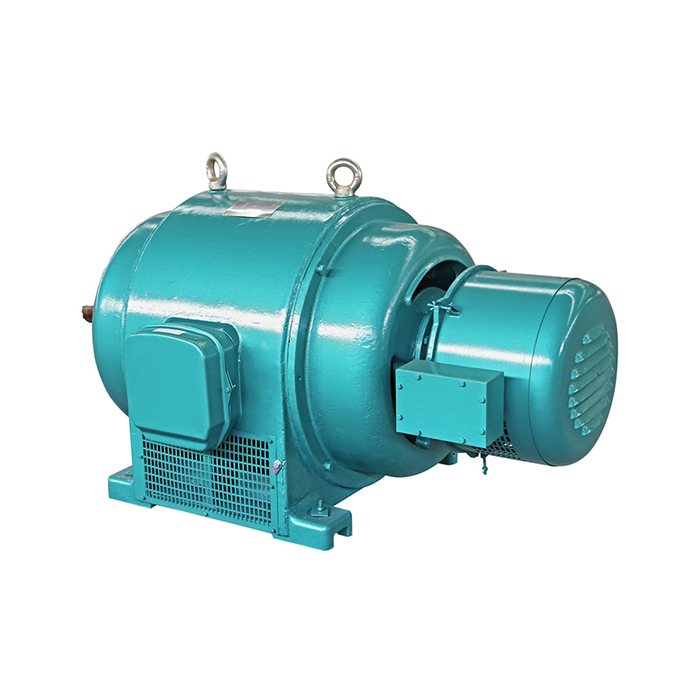
Series:YRQ
Voltage range:380V±5%
Power range:45-710kW
Protection level:IP23
Application:YRQ(JR) series medium-sized motors can drive a variety of different machinery, such as fans, compressors, water pumps, crushers, ball mills, cutting machine tools, transportation machinery and other equipment, and can be used in coal mines, machinery industries, power plants and various industrial and mining enterprises. Used as prime mover.
Advantage: The JR series medium-sized motors have very powerful driving capabilities and can not only drive conventional mechanical equipment, but also some complex mechanical equipment. For example, it can drive heavy machinery such as ships, cranes, and wind turbines, as well as small household appliances, purifiers, compressors, etc.
Others: SKF, NSK, FAG bearings can be replaced according to customer requirements.
Understanding the Fundamental Construction of Wound Rotor Motors
The construction of a wound rotor motor involves several critical components that work together to create its distinctive operating characteristics. The stator houses three-phase windings similar to standard induction motors, generating a rotating magnetic field when energized. However, the rotor design sets this motor apart significantly.
The rotor contains three-phase windings arranged in a star configuration, with each winding terminal connected to individual slip rings mounted on the motor shaft. These conductive rings, typically manufactured from brass or silver-plated materials, maintain continuous electrical contact with stationary carbon brushes. This arrangement enables external circuit connections while the rotor rotates freely.
Carbon brushes play a vital role in maintaining electrical continuity between the rotating slip rings and stationary external resistance circuits. The brush assembly requires regular maintenance to ensure optimal contact and prevent excessive wear. High-quality bearings, including SKF, NSK, and FAG options, support the rotor assembly and ensure smooth operation throughout the motor's service life.
The external resistance bank connects to the slip ring assembly through the brush system, allowing operators to insert variable resistance into the rotor circuit. This configuration provides precise control over motor starting characteristics and operational performance.
How Slip Ring Motor Operation Principles Work?
The working principle of slip ring rotor motors relies on electromagnetic induction and external resistance control to achieve desired performance characteristics. When three-phase power energizes the stator windings, a rotating magnetic field develops at synchronous speed, determined by the supply frequency and number of poles.
This rotating magnetic field induces currents in the rotor windings through electromagnetic induction. The induced rotor currents create their own magnetic field, which interacts with the stator field to produce torque. The amount of slip between the rotor speed and synchronous speed determines the magnitude of induced currents and resulting torque.
External resistance insertion into the rotor circuit modifies the rotor current characteristics significantly. Higher resistance values increase the rotor circuit impedance, reducing starting current while maintaining or increasing starting torque. This unique capability allows smooth motor acceleration with controlled current draw.
As the motor accelerates toward operating speed, operators gradually reduce external resistance, allowing the rotor currents to increase and maintain adequate torque production. Many installations employ automatic resistance control systems that progressively short-circuit resistance steps as motor speed increases.
The slip ring assembly enables this external resistance control while maintaining electrical continuity during rotor rotation. Proper brush tension and ring surface condition ensure reliable electrical contact throughout all operating conditions.
Key Advantages of Slip Ring Rotor Motor Technology
Slip ring rotor motors offer numerous advantages that make them particularly suitable for demanding industrial applications. The ability to control starting characteristics represents one of the most significant benefits, enabling smooth acceleration of high-inertia loads without excessive current draw.
High starting torque capability, reaching up to 280% of rated torque, allows these motors to start heavily loaded equipment that would stall other motor types. This characteristic proves invaluable in applications such as crushers, ball mills, and conveyor systems where high breakaway torque requirements exist.
Speed control flexibility provides another major advantage, allowing operators to adjust motor speed by varying external resistance. This capability enables process optimization in applications where variable speed operation enhances efficiency or product quality.
Reduced starting current, typically 350-450% of rated current compared to 600-800% for standard induction motors, minimizes electrical system stress and reduces voltage dip effects on other connected equipment. This characteristic proves particularly valuable in installations with limited electrical supply capacity.
The robust construction and high overload capacity of these motors ensure reliable operation in harsh industrial environments. The external resistance control system provides inherent protection against locked rotor conditions, as maximum resistance insertion limits current draw during stall conditions.
Industrial Applications and Performance Requirements
Manufacturing industries extensively utilize wound rotor motors for critical process equipment where reliable performance and controlled starting characteristics are essential. Cement mills represent a primary application where the high starting torque and smooth acceleration capabilities ensure reliable operation of these massive machines.
Ball mills in mining and mineral processing operations benefit from the precise speed control and high torque characteristics of slip ring motors. The ability to vary operating speed allows optimization of grinding processes for different materials and desired product fineness.
Conveyor systems in heavy industries employ these motors to handle variable load conditions and frequent starting cycles. The controlled acceleration prevents belt slippage and mechanical stress while maintaining consistent material flow rates.
Pumps and compressors in process industries utilize wound rotor motors where precise flow control and reliable starting performance are critical. The ability to soft-start these machines reduces mechanical stress and extends equipment life significantly.
Power generation facilities employ large slip ring motors for auxiliary equipment such as cooling water pumps, coal mills, and induced draft fans. The reliable performance and maintenance accessibility make them ideal for these critical applications.
Water treatment plants rely on these motors for primary equipment drives where continuous operation and precise control are essential for maintaining treatment process efficiency and compliance with environmental regulations.
Maintenance Practices and Troubleshooting Guidelines
Effective maintenance of slip ring rotor motors focuses primarily on the brush and slip ring assembly, as these components experience the most wear during normal operation. Regular brush inspection ensures proper contact pressure and surface condition, preventing excessive sparking or poor electrical contact.
Slip ring surface condition demands regular monitoring, as pitting, scoring, or contamination may impact motor performance and increase brush wear rates. Periodic ring cleaning and minor machining retain acceptable surface smoothness and electrical contact qualities.
Bearing maintenance follows traditional practices for industrial motors, with regular lubrication and vibration monitoring providing smooth operation and early diagnosis of probable difficulties. Quality bearing selection, including established brands like SKF, NSK, or FAG, helps to extended service intervals.
External resistance bank inspection encompasses assessing connection integrity, resistor element condition, and switching mechanism working. Loose connections or faulty resistor components may cause unbalanced rotor currents and poor motor performance.
Insulation testing of both stator and rotor windings helps detect increasing faults before they cause motor failure. The rotor circuit testing necessitates special attention to slip ring connections and brush contact resistance.
Temperature monitoring during operation helps identify emerging difficulties such as insufficient brush contact, uneven rotor currents, or inadequate cooling airflow. Thermal imaging delivers important insight regarding component condition and performance trends.
Comparing Performance Characteristics with Alternative Motor Types
When comparing slip ring rotor motors with squirrel cage induction motors, several key differences emerge that influence application suitability. Squirrel cage motors offer simplicity and lower maintenance requirements but lack the starting torque and speed control capabilities of wound rotor designs.
Starting current parameters vary widely across different motor types. While squirrel cage motors generally draw 600-800% of rated current at starting, slip ring motors limit beginning current to 350-450% via external resistance control. This reduction is important in settings with limited electrical supply capacity.
Torque characteristics also vary substantially, with wound rotor motors delivering higher initial torque and more flexible torque curves via resistance control. Squirrel cage motors have reasonably steady torque characteristics dictated by their rotor bar design.
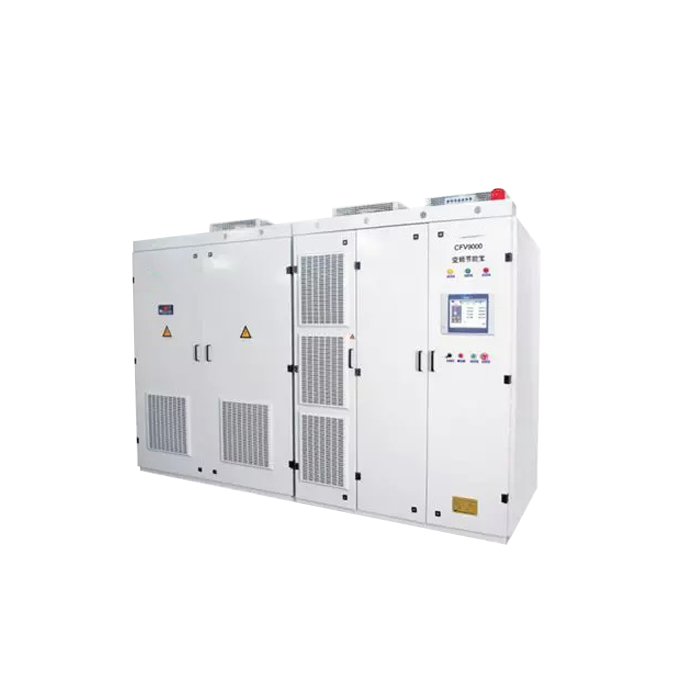
Speed control options show another major difference. Slip ring motors enable speed control via rotor resistance change, whereas squirrel cage motors require variable frequency drivers for equal speed control capabilities. The choosing between these solutions hinges on application demands and economic variables.
Maintenance requirements favor squirrel cage motors due to their simpler form and absence of sliding rings and brushes. However, the operational advantages of wrapped rotor motors typically exceed the higher maintenance demands in appropriate applications.
Conclusion
Slip ring rotor motors provide exceptional solutions for industrial applications requiring high starting torque, controlled acceleration, and variable speed capabilities. Their unique construction enables precise performance control through external resistance circuits, making them invaluable for heavy-duty equipment in manufacturing, mining, and process industries. While maintenance requirements exceed those of simpler motor designs, the operational advantages justify this complexity in appropriate applications. Understanding these motors' working principles, advantages, and maintenance needs ensures optimal performance and extended service life. XCMOTOR's comprehensive range of wound rotor motors delivers the reliability and performance modern industries demand.
Choose XCMOTOR as Your Trusted Slip Ring Rotor Motor Supplier
XCMOTOR offers high-performance wound rotor motors (45kW-800kW), featuring robust YRQ series construction with IP23 protection, precision winding, and comprehensive customer support for reliable, efficient industrial applications. Quality component selection includes premium bearings from trusted slip ring rotor motor manufacturers, with SKF, NSK, and FAG options available according to customer requirements. Our 12-month warranty coverage and global service network provide peace of mind for critical industrial applications. Contact us at xcmotors@163.com to discuss your specific application requirements and discover how our slip ring rotor motor solutions can enhance your operational efficiency and reliability.