



Choosing the Right 200hp DC Motor for Renewable Energy Installations
It can be hard to pick the right motor for a green energy project, but making the right choice will pay off in system efficiency and dependability. A 200hp DC motor is a flexible way to get power for wind, solar, and hydroelectric systems that need to carefully control speed and give strong force. When the load changes, which is common in green systems, these motors work great because they are easier to handle than other options. Knowing the technical details, business benefits, and buying factors will help you get the most out of your investment while reducing downtime and repair costs. This guide tells you everything you need to know to choose, get, and use the best motor option for your green energy project.
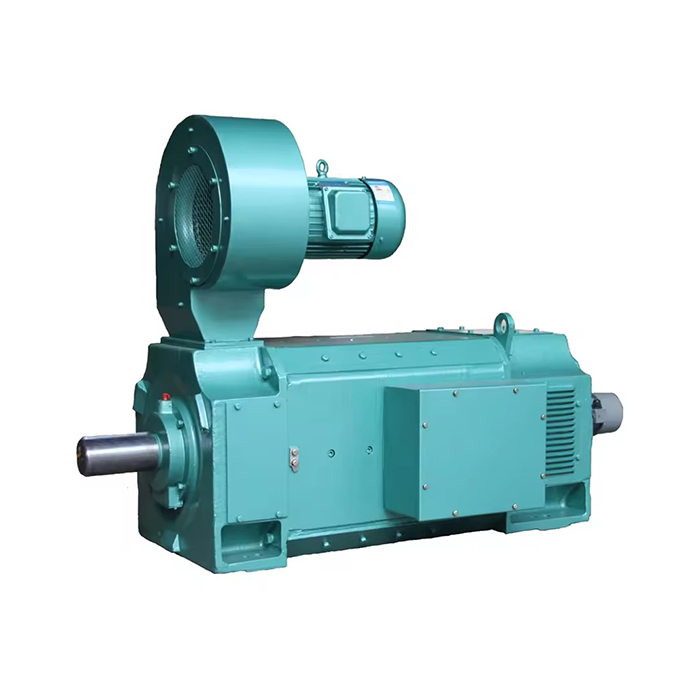
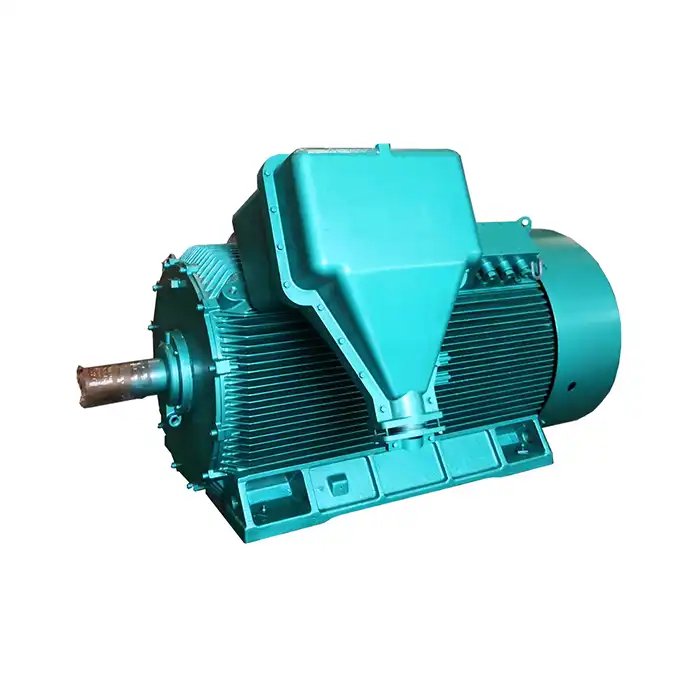
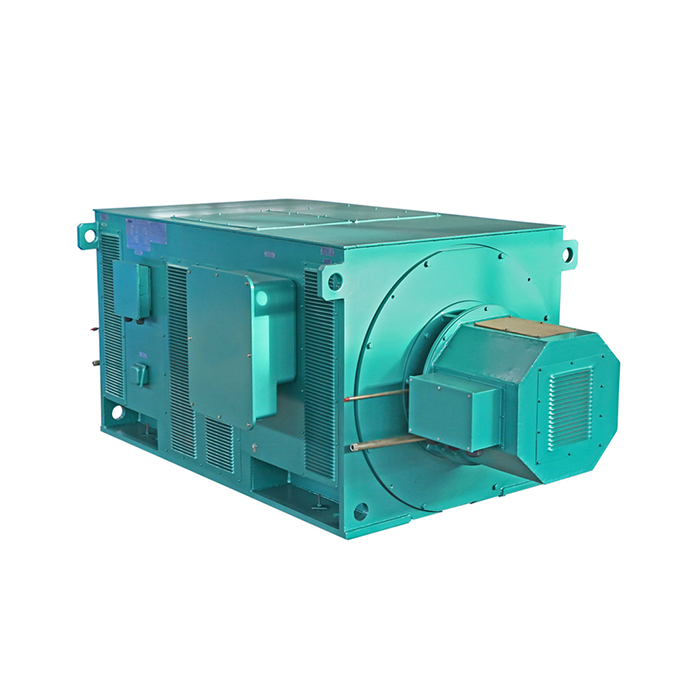
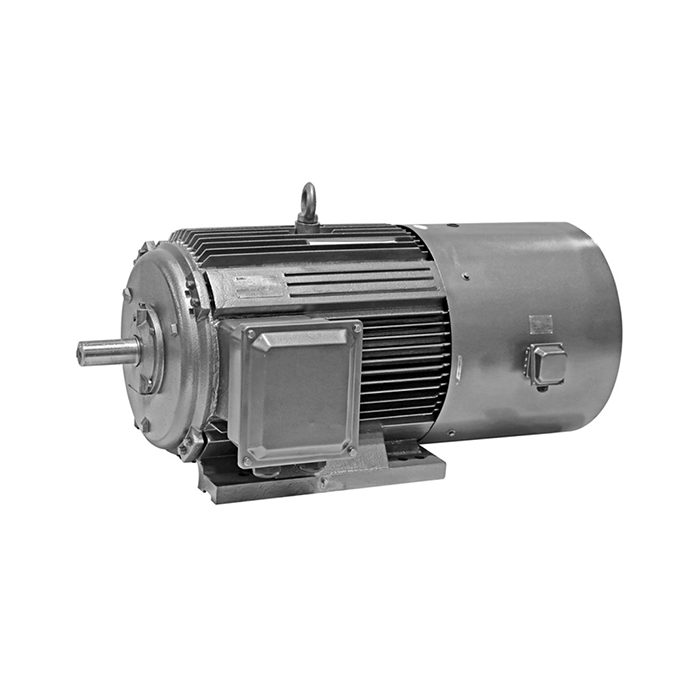
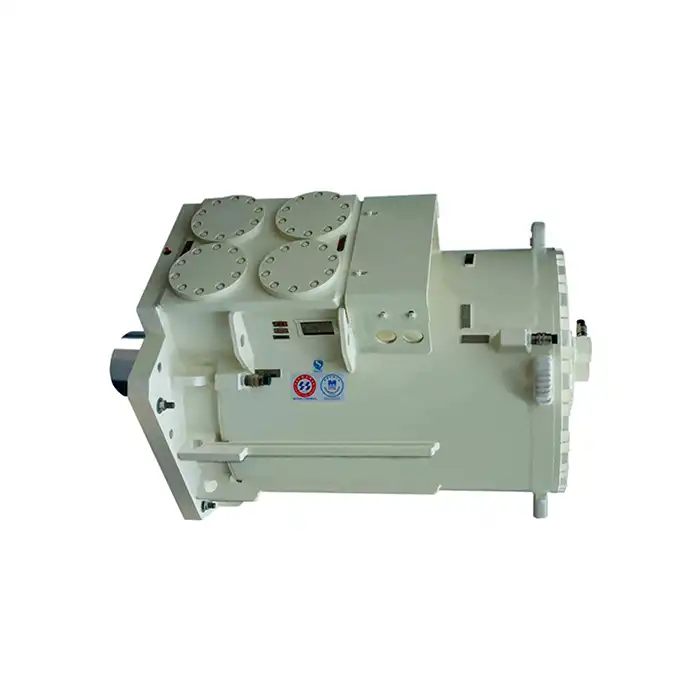
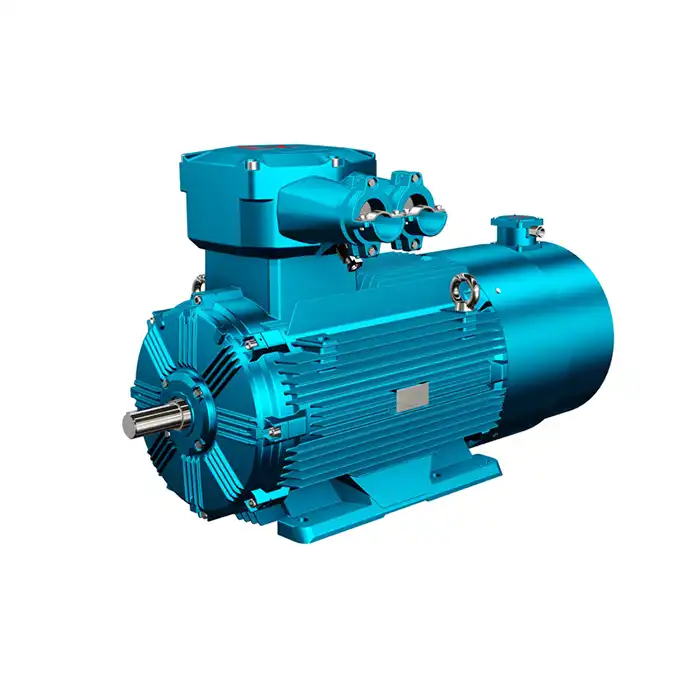
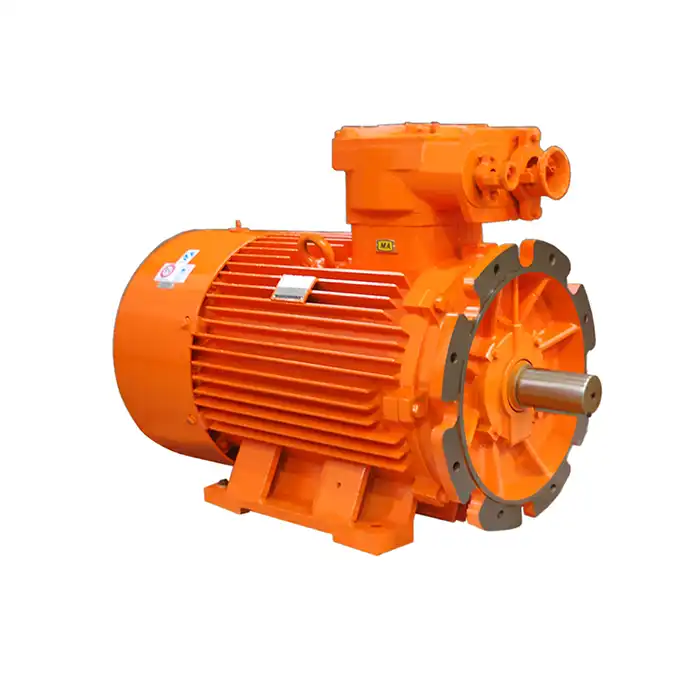
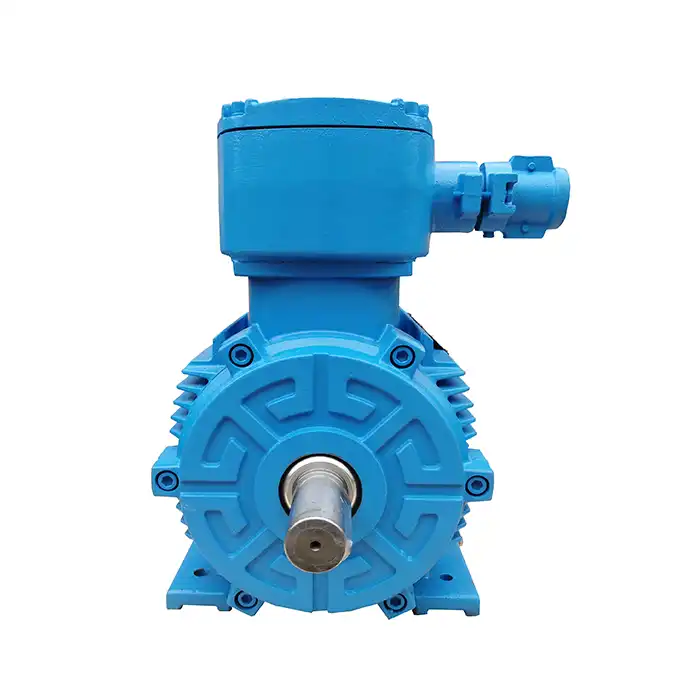
Series:Z4
Frame number: 100-450
Application:Z4 series motorsThis series of motors can be widely used in various industrial sectors such as metallurgical industrial rolling mills, metal cutting machine tools, papermaking, dyeing and weaving, printing, cement, and plastic extrusion machinery.
Power range:1.5-600kW
Voltage range: 160V,440V, etc.
Certificate: The performance of this series of motors not only complies with the national standard GB/T755 "Basic Technical Requirements for Rotating Electrical Machines", but also basically complies with the German VDE0530 standard.
Advantage:Z4 series DC motor has greater advantages than Z2 and Z3 series. It can not only be powered by DC unit power supply, but also suitable for static rectifier power supply. It has small moment of inertia, good dynamic performance, and can withstand high load change rates. It is especially suitable for control systems that require smooth speed regulation, high efficiency, automatic speed stabilization, and responsive response. It has reached the current international advanced level..
Others: SKF, NSK, FAG bearings can be replaced according to customer requirements.
Understanding 200hp DC Motors and Their Role in Renewable Energy
Motors that can handle changing power sources and harsh environmental conditions are needed in renewable energy systems. 200hp DC motors give these uses the freedom and reliability they need.
Core Specifications That Matter
There is a power output of 200hp DC motor, which is equal to about 149 kilowatts of constant running. Our Frame 100-450 line offers a power range of 1.5 to 600 kilowatts, meeting a wide range of needs for green energy. Customers can choose between 160V and 440V voltages, and the voltage can be changed to fit your power grid. With an insulation class F rating of up to 155°C, the device will still work reliably even when the temperature outside rises. The level of protection starts at IP23, and for sites that are likely to be exposed to water or dust, better sealing is possible. Forced air cooling methods keep the motor at the best temperature even when it's under a lot of stress. This keeps the motor from breaking down due to heat, which shortens its life.
How well a motor handles starting needs and changes in load is determined by its torque characteristics. Renewable energy systems can beat inertia during startup without drawing too much power when they have a high starting torque. The speed regulation feature keeps the output constant even when the input factors change. This is very important when wind speeds or sun energy change throughout the day. In normal configurations, the operating temperature range is from -15°C to +40°C. For harsh climates, wider ranges are possible. These requirements are the same as both the national standard GB/T755 and the German VDE0530. This makes sure that they can be used with foreign safety standards and project requirements.
Motor Types and Their Applications
There are different types of 200hp DC motors, and each one is best for a certain type of work. Physical commutators are used in brushed versions to change the direction of current in the armature. This makes control easier and lowers the starting cost. These work well in hydroelectric uses where entry for upkeep is easy and the environment stays mostly stable. Brushless systems don't use motorised commutation, so there are fewer places where things wear out and more time between service visits. These motors are better for sun tracking systems that need to be precise because the electronic coupling makes them run more smoothly and with less electrical noise.
Series motors connect the field and armature windings one after the other. This makes a lot of starting power, which is great for getting past static loads in systems that control the pitch of wind turbines. When you use a shunt setup, the field windings are lined up parallel to the armature. This makes the speed very stable even when the load changes. Compound motors have both series and shunt features, which makes them good for situations that need to control both power and speed. Our motors have a low moment of inertia and great dynamic performance, so they can handle the high load change rates that are common in green systems. This response is very important for control systems that need to smoothly regulate speed and stabilise things on their own.
Energy Conversion in Renewable Systems
Wind turbines use 200hp DC motors to change the pitch and yaw of their blades and keep them at the right angle even when the wind changes direction and speed. The 200hp DC motor does these placement jobs very accurately, capturing as much energy as possible while keeping mechanical parts from being overworked. These motors are used in solar tracking devices to move photovoltaic panels along with the sun as it moves across the sky. Different tracking methods can be used with the speed range that can be changed. These can be simple dual-axis systems or complicated concentrated solar setups that need fine angular changes.
Motors with this much power are used to handle gates, run pumps, and run other systems in hydroelectric plants. Installation options are broadened by the fact that it can work with both classic 200hp DC motor power sources and more modern static converter systems. In pumped-storage systems, variable speed control makes the pumps work more efficiently and cuts down on energy loss during water transfer cycles. The strong construction can handle the damp conditions and changing temperatures that are common in hydroelectric sites. This means that it will stay reliable even as the seasons change and the system goes through its working cycles.
Comparing 200hp DC Motors with Other Motor Types for Renewable Installations
When choosing a motor, you have to weigh a lot of different factors against the needs of the job. Knowing how different tools work can help you find the best option.
DC Versus AC Motor Performance
200hp DC motors offer better speed control over a wide range and don't need extra variable frequency drives, which makes the system simpler and lowers the cost of the parts. A 200hp DC motor is naturally controllable, so you can change the torque precisely by changing the armature voltage or field current. This kind of responsive control is important for green uses. For similar control, alternating current motors usually need frequency converters, which raises the cost of the equipment and creates possible failure points. Different technologies have different efficiency curves. 200hp DC motors stay more efficient at partial loads, which is typical in renewable systems where power supply changes.
200hp DC motors can return energy to the system when they slow down. This is called regenerative braking. Without it, the power would be lost as heat. This function helps wind rotor brake systems and solar tracker repositioning, which makes the whole system work better. Our motors have a power factor of 0.85 fading, which is better than AC options and makes managing power quality easier. Starting current needs for 200hp DC motors with the same horsepower values are still lower, which puts less stress on the electrical system during initialisation.
Supplier Evaluation Criteria
When making sourcing choices, you need to look at both technical specs and business factors. Quality marks are direct proof of how well a product was made and how reliable it is. The fact that our motors have CE and CCC licenses shows that they follow the rules in Europe and China. These credentials make it easier for foreign projects to get approved and for supplies to be bought, which makes it easier to join global green energy projects. Technical specs should meet what the application needs, and there shouldn't be too much over-design that drives up costs for no reason.
Long-term ownership depends on after-sales support, especially for specialised apps that need customisation or fixing help. Technical teams that are quick to respond to problems cut down on downtime, which protects project timelines and income creation. The length of the warranty shows how confident the maker is in the product's reliability, and full covering shows that the quality control is very strict. At every step of the production process, we check the quality of each motor to make sure it meets our high performance standards before it is shipped. Delivery times and transportation skills affect project schedules, so trustworthiness of suppliers is an important thing to think about when buying things.
Key Factors to Consider When Selecting a 200hp DC motor for Renewable Energy
Installations that work well and ones that don't depend on matching motor traits to application needs. When choosing a 200hp DC motor, there are a number of things that should be carefully considered.
Analysis of Efficiency and Power Output Analysis
Efficiency charts show how well motors work across their entire working range by showing losses at different loads. At full load, a 200hp DC motor is up to 95% efficient, which means that only 5% of the power it receives is wasted as heat and not used to make things. This high efficiency lowers running costs and the amount of heat that needs to be removed, which makes designing a cooling system easier. When power comes from green sources and changes all the time, partial load economy is more important. Motors that stay highly efficient at 50–75% load perform better overall than units that are only designed to work at full capacity.
Renewable energy systems have variable loads. For example, the output of wind blades changes as the weather does, and the power output of solar panels changes throughout the day. Our motors' small moment of inertia lets them respond quickly to these changes, so they waste as little energy as possible during shifts. Automatic speed stabilisation keeps the output constant even if the input changes. This makes the power delivery to linked devices more stable. This trait makes power quality better, which is important for systems that are linked to the grid, and lessens the stress on electrical parts further down the line.
Torque and Temperature Performance
Torque requirements vary by application, with high starting torque ensuring reliable startup and preventing stall conditions. Stable speed control maintains consistent torque output under variable loads, supporting renewable energy applications. Standard operating ranges are typically -15°C to +40°C, with extended options for extreme environments. Thermal protection systems prevent overheating through output reduction or shutdown, while forced air cooling maintains safe operating temperatures under heavy load conditions.
Maintenance and Longevity Considerations
Total cost of ownership estimates are affected by how long the 200hp DC motor is expected to last, since motors that need to be replaced often or have a lot of upkeep have ongoing costs on top of the initial purchase price. Our motors are made with high-quality materials and strong building methods that make them last longer and fail less often. Customers can choose premium bearings from SKF, NSK, or FAG based on their needs. This gives them the freedom to balance beginning costs with long-term dependability. These bearing choices make service periods longer and lower vibration, which speeds up the wear on linked parts.
Maintenance plans should take into account how easy it is to get to the site and how it can be used. Designs that reduce the need for service help remote sites, even if they cost more at first. Accessible places may be willing to have repair done more often if it means less money is spent on new equipment. Offering warranties protects you financially against early fails, and the manufacturer's trust is shown by the terms that cover a lot of ground. As part of our promise, we will provide special support on both weekends, so you can get help when projects need it, no matter what time it is.
Procurement and Logistics: How to Source the Best 200hp DC Motor
Technical review and business factors work together in buying to make sure reliable supply lines and good business terms. To find the best 200hp DC motor in logistics and procurement, technical review and business factors work together to ensure reliable supply lines.
Supplier Assessment Process
Supplier assessment should consider both certifications and real manufacturing capability, including production site evaluation and quality control processes. Comprehensive testing at each production stage ensures 200hp DC motors meet performance and durability requirements. Beyond standard products, suppliers offering customization—such as tailored mounting, gearing, protection levels, voltage ranges, and speed settings—provide better adaptability. Compact designs also simplify integration and reduce installation and structural modification costs.
Pricing and Lead Time Management
200hp DC motor pricing depends on materials, manufacturing complexity, and quality standards, with higher specs increasing costs. Volume discounts benefit large or multi-site orders. Lead time management is critical for project scheduling, while free shipping and a 30-day return policy reduce procurement risk. International sourcing increases options but adds customs complexity, whereas local sourcing simplifies logistics but may limit availability and raise prices, making total cost evaluation essential.
Technical Support and Service Contracts
Installation support ensures correct integration of 200hp DC motors, preventing setup errors that could affect performance or lifespan. Ongoing service contracts define response times and maintenance schedules, reducing operational risk and minimizing downtime through access to expert support. Warranty terms cover defects and workmanship, with clear claim procedures. Compliance with national and international standards ensures reliability and facilitates project approval and regulatory acceptance.
Case Studies: Successful Implementations of 200hp DC Motors in Renewable Energy
In the real world, examples show that choosing the right motor can have clear benefits in many areas of green energy.
Wind Turbine Efficiency Improvements
A Midwest wind farm upgraded pitch control systems by replacing AC motors with 200hp DC motors, improving blade angle precision and increasing energy capture by 8% across 50 turbines. Reduced mechanical stress lowered gearbox maintenance needs and cut annual service costs by about 15%, achieving payback within 18 months. Simplified control electronics improved reliability, diagnostics, and responsiveness to wind fluctuations.
Solar Tracking System Performance
A California commercial solar system used 200hp brushless DC motors for dual-axis tracking, increasing energy yield by 32% compared to fixed arrays through precise sun-following control. The system maintained stable performance across extreme temperature ranges. Over five years, maintenance costs remained low due to brushless design, requiring only routine inspections. With 99.7% uptime, reliability supported strong project financing confidence.
Hydroelectric Plant Modernization
A Pacific Northwest hydropower plant modernized its pump-back system with 200hp DC motors to transfer water to upper reservoirs during low demand. Variable speed control improved efficiency across head conditions and reduced energy use by 12% compared to fixed-speed systems. The motors maintained stable performance in humid, variable environments, while IP23 protection proved adequate. Voltage customization ensured seamless integration without costly infrastructure upgrades.
Conclusion
When choosing a 200hp DC motor for green energy installations, you have to weigh the technical specs against the budget and operating needs. These motors are very easy to handle, very efficient, and very reliable. They work well in wind, solar, and hydroelectric uses with changing loads and tough weather conditions. By learning about the different kinds of motors, comparing them, and checking important things like efficiency curves, power performance, and temperature tolerance, you can make smart choices that improve system performance. Finding providers with a history of quality, full support, and the ability to customise ensures long-term success after the original installation. The case studies show the real-world benefits that can come from choosing the right motor, which proves that the money spent on good power solutions was well spent.
FAQ
1.What efficiency should I expect from a DC motor in renewable applications?
Good motors can get efficiency rates of up to 95% at full load, but the real performance relies on how they are used and how much load they are carrying. 200hp DC motors that keep their high efficiency at partial capacity, usually 85–90% at 50–75% load, are good for renewable energy uses with changing loads. Compared to motors that are only designed for full-load operation, these features minimise energy waste and lower the need for cooling.
2.How does a 200hp DC motor compare to AC alternatives in wind turbine drives?
200hp DC motors offer better speed control without the need for extra frequency conversion tools. This makes system design easier and lowers the cost of parts. Because they are easy to control and work well with changing loads, they are best for pitch control and yaw systems that need to be accurate. To get similar control, AC motors need variable frequency drives, which makes the system more complicated and increases the number of places it could fail.
3.Can I request customizations for specialized mounting or environmental protection?
Customisation choices include voltage ranges, speed specs, higher protection classes than IP23, unique mounting arrangements, and gearboxes that are built in. Premium bearings from SKF, NSK, or FAG can meet special needs for stability or ease of upkeep. Talking to sellers about the specifics of an application helps you figure out which customisations add value and which ones add extra complexity and cost.
Partner with XCMOTOR for Your Renewable Energy Motor Needs
XCMOTOR offers complete 200hp DC motor options for green energy installations that need high performance and dependability. Our Frame 100-450 line offers power ranges from 1.5 to 600 kilowatts and voltage choices such as 160V and 440V, so it can be used for a wide range of projects. We keep our approvals up to date, such as CE and CCC, which makes sure that we meet foreign standards and lets us make changes for specific uses. When procurement teams work with our network of suppliers, they get access to competitive prices, dedicated technical help that covers weekends, free delivery on all goods, and 30-day open purchase protection.
You can email our team at xcmotors@163.com to talk about your unique needs, get full technical specifications, or get quotes for your project. We help engineers and purchasing managers find the best motor options by giving them advice from the time they make the first choice to the time they are installed and are running. You can look at our full line of products at motorxc.com, download technical tools, and find out how working with an experienced 200hp DC motor manufacturer can give your green energy projects the dependability they need. Let us help you succeed by giving you tried-and-true power options made for tough jobs.
References
1. Chapman, S. J. (2021). Electric Machinery Fundamentals (6th ed.). McGraw-Hill Education.
2. Bose, B. K. (2020). Power Electronics and Motor Drives: Advances and Trends (2nd ed.). Academic Press.
3. Hughes, A., & Drury, B. (2019). Electric Motors and Drives: Fundamentals, Types and Applications (5th ed.). Newnes.
4. Sen, P. C. (2022). Principles of Electric Machines and Power Electronics (4th ed.). Wiley.
5. Fitzgerald, A. E., Kingsley, C., & Umans, S. D. (2020). Electric Machinery (7th ed.). McGraw-Hill Education.
6. Toliyat, H. A., & Kliman, G. B. (2018). Handbook of Electric Motors (3rd ed.). CRC Press.