



Where to find energy-efficient 5hp 3 phase induction motors
It's hard to find 5HP 3 phase induction motors that use little energy because there are so many providers, certifications, and technical requirements to sort through. Industrial buyers can get these motors from specialised makers, authorised distributors, and business-to-business (B2B) sites that give quality standards that have been checked. The important thing is to find providers who offer clear efficiency rates, like the IE5 classification, full certifications like IEC60034-30, and a history of success in industrial automation, HVAC, and process control. This method is used by Shaanxi Qihe Xicheng Electromechanical Equipment Co., Ltd. (XCMOTOR), which offers high-quality motors with IP55 protection, voltage settings that can be changed, and quick technical support for procurement professionals looking for reliable power solutions.
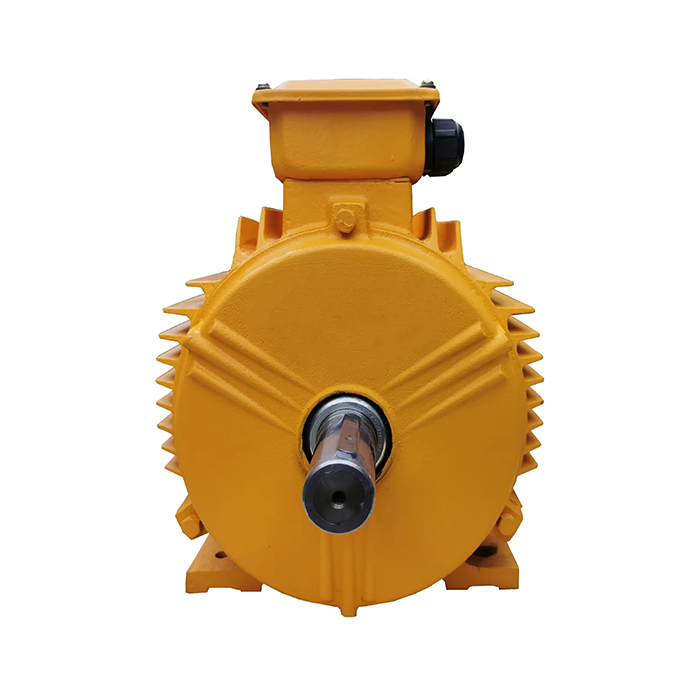
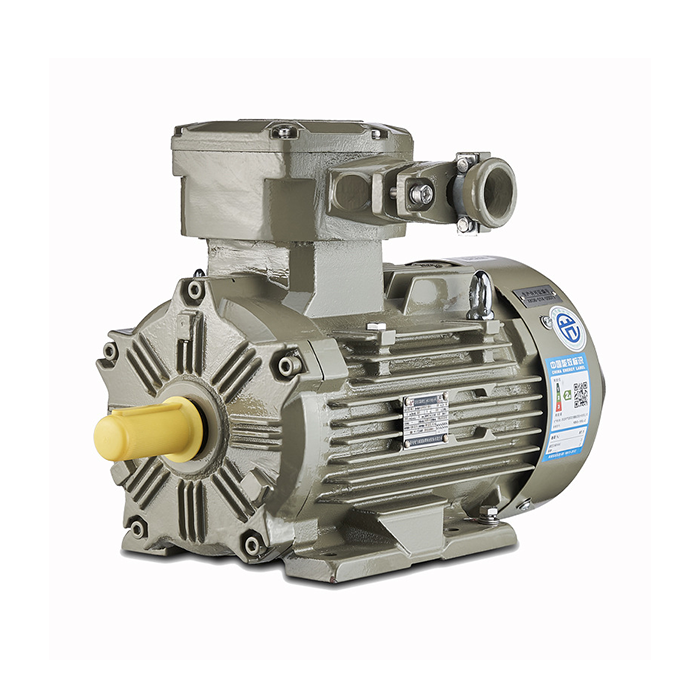
Series:YE5
Frame number: 80-450
Power range:
Protection level:IP55
Energy efficiency class: IE5
Voltage range: 380V,400V,415V, 660V,etc.
Application:can be used in various fields of the national economy, such as machine tools,water pumps,fans,compressors,and can also be used in transportation, mixing, printing, agricultural machinery, food and other occasions that do not contain flammable, explosive or corrosive gases.
Certificate: international standard IEC60034-30 "Efficiency Classification of Single-speed Three-Phase Squirrel Cage Induction Motors".
Advantage:The high quality of the electric motor guarantees high operational reliability.
Others: SKF, NSK, FAG bearings can be replaced according to customer requirements
Understanding Energy Efficiency in 5HP 3 Phase Induction Motors
How well your industrial machines use energy has a direct effect on your bottom line. When looking at a 5HP 3-phase induction motor, buying managers can make better choices that lower costs and meet environmental standards if they know about the different levels of efficiency.
What IE5 Efficiency Actually Means for Your Operations
The International Electrotechnical Commission sets guidelines for motor efficiency that range from IE1 to IE5, with IE5 being the most efficient level. A motor that meets IE5 standards uses a lot less energy than older types that meet IE2 or IE3 standards. This means real cost savings, since energy costs make up 97% of a motor's lifecycle costs, while the purchase price only makes up 1% to 2% of total ownership costs. Industry research shows that buying a 5HP 3-phase induction motor with an IE5 rating will pay for itself in less than four years if it is used for more than eight hours a day. High-quality silicon steel laminations and precision copper windings are some of the new materials that have made these efficiency gains possible. These materials reduce electromagnetic losses and heat generation.
Key Factors That Influence Motor Performance
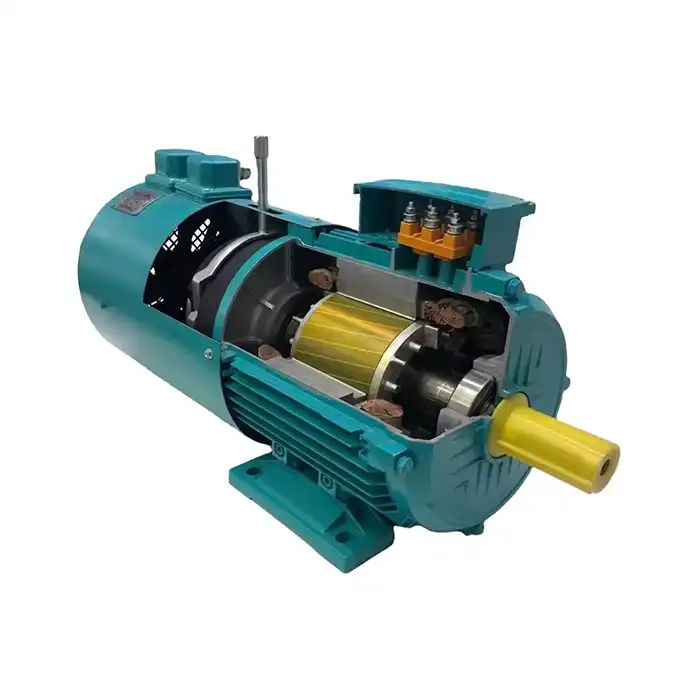
How well a three-phase induction motor turns electrical input into mechanical output depends on its power factor, how it handles heat, and its electromagnetic design. Motors with higher power factor ratings need less reaction power from your electrical infrastructure. This lowers your energy costs and makes the system more stable. There is a direct link between making heat and losing effectiveness. Too much heat buildup means lost energy and faster insulation breakdown. Using strong cast iron for the frame and making sure there are good air flow paths keeps the working temperatures lower. The precise die-casting method makes sure that the material is spread out evenly, so there are no hot spots that lower performance. Advanced wrapping technology, such as vacuum pressure impregnation treatment, keeps moisture and other contaminants out and improves heat conductivity. These technical details are important to keep in mind when choosing motors for harsh settings like factories, water treatment plants, and farms.
Compliance and Long-Term Reliability Benefits
Regulatory systems are requiring better efficiency standards across all industries more and more. Motors that are approved to IEC60034-30 meet international standards. This makes sure that your equipment meets current and future rules for industry, energy services, and HVAC. In addition to meeting regulations, energy-efficient motors have a service life of more than ten years because they put less heat stress on the insulation and gears. Premium bearings from SKF, NSK, and FAG can be used as replacements, which makes operations last even longer. When you combine good care with designs that work well, you get a solid base for important process equipment like pumps, compressors, and elevators that can't have unplanned downtime.
How to Choose an Energy-Efficient 5HP 3 Phase Induction Motor for Your Business
To choose the right motor, you need to match the technical specs to how you plan to use it. Generic methods rarely improve performance across a wide range of workplace settings.
Defining Your Operational Requirements
Start by writing down your load profile. Motors need to be built differently for steady job cycles compared to intermittent operation with lots of starts and stops. Conditions in the environment are very important. The necessary safety rates are based on ambient temperatures, humidity levels, and exposure to dust or chemical vapours. An IP55-rated motor is resistant to water jets and dust, making it good for use in food processing, cloth manufacturing, and outdoor farming tools. Voltage needs depend on where you live and what kind of electrical infrastructure you already have. Motors that can be set to 380V, 400V, 415V, or 660V give you more installation options without having to pay for expensive electrical upgrades. To avoid losing efficiency due to mechanical mismatches, speed needs between 500 and 3000 rpm should match the specs of the driven equipment.
Evaluating Critical Technical Metrics
Beyond the efficiency class, look at the starting torque traits to make sure that your motor can handle the beginning load needs without using too much inrush current. Insulation class F protects against heat up to 155°C, which works for variable frequency drive uses and tough environmental conditions. Frame sizes from 80 to 450 can be used for a variety of mounting arrangements while still keeping the structure rigid to reduce vibrations. Dynamic rotor balancing lowers noise and mechanical stress, which is very important in healthcare and precision manufacturing settings. Certifications like CE marking, ISO 9001:2015, and GOST approval show that the product meets regional safety standards and quality control systems. The terms of the warranty show how confident the maker is in the product. Full coverage means that the product was built well and went through strict testing procedures that include no-load testing, insulation resistance verification, and temperature rise validation.
Practical Procurement Considerations
Standard catalogue motors and custom-engineered options are different in terms of lead times. Standard 5HP 3 phase induction motors usually ship within days, but custom designs that need different shaft sizes or end arrangements might need more time. When technical questions come up during installation or testing, after-sales support is very important. Suppliers who offer dedicated engineering help via email (xcmotors@163.com) and weekend support are able to solve problems faster than sellers who are only available during certain times. OEMs and wholesalers who are working on multiple projects or keeping supplies for service operations can save money by buying in bulk. Flexible minimum order numbers allow for both large-scale installs and buying new units. When you offer reasonable prices, reliable delivery, and quick technical help, you build relationships that go beyond single transactions.
Where to Find and Purchase Energy-Efficient 5HP 3 Phase Induction Motors
To find good motors, you need to find sources whose production skills have been proven and whose business practices are open and honest.
Direct Manufacturer Relationships
By going directly to makers like XCMOTOR, you can avoid the markups that come from middlemen and get access to engineering advice throughout the selection and design process. Direct sellers can customise products in ways that wholesalers can't, such as by changing the shape of the shafts, using special paint finishes for environments that are prone to corrosion, or adapting the voltage for projects that span international borders. Buyers can check quality control measures like precise die-casting, advanced winding methods, VPI treatment application, and full final testing because of manufacturing openness. By visiting production sites or asking for specific process documentation, you can be sure that the standards being claimed are being met. Direct relationships also make it easier to solve problems faster when they happen in the field, since technical teams know everything there is to know about the product that isn't available through multiple marketing methods.
Evaluating Supplier Credentials and Capabilities
Reliable sellers keep up with certificates that show they are dedicated to quality control and always getting better. Having ISO 9001:2015 approval means that there is organised quality control in the buying, making, and delivering processes. Product-specific certifications, such as the CE mark and IEC60034-30 compliance, show that motors meet guidelines for safety and efficiency. To make sure the specs are correct, you should ask for test results, efficiency curves, and thermal performance data. Standard products and custom engineering services should both be available from suppliers. The ability to change motors for specific uses is what sets comprehensive providers apart from limited-scope vendors. The payment terms, return policies, and processes for managing warranties show how mature the business is and how customer service-focused it is. A 30-day return policy shows that you are confident in the quality of the product and protects buyers from mistakes in the specifications or unexpected problems with how the product works in their environment.
Pricing Structures and Value Assessment
The price of a 5HP 3 phase induction motor depends on how efficient it is, the quality of the materials used, the licensing standards, and the number of orders that are placed. IE5 motors cost more than IE3 motors, but lifetime cost analysis always shows that investments that are more efficient are better. Instead of just looking at the purchase price, figure out the total costs of ownership, such as how much energy it uses, how often it needs to be maintained, and how long it's expected to last. Depending on the number of items ordered and how complicated the customisation is, bulk orders usually get savings between 10 and 25 percent. Compare prices for the same technical specs. Differences in insulation class, bearing quality, and safety grade have a big effect on the long-term value. Transparent providers give detailed quotes that list the features that are included, the choices that aren't included, and the prices for common changes. This clarity keeps expensive shocks from happening during the planning and installation stages.
Maintenance Tips to Maximize Efficiency and Lifespan of Your 5HP 3 Phase Induction Motor
Without proper upkeep, even the most efficient machine will break down.
Establishing Preventative Maintenance Schedules
Regular checks find new problems before they get worse and cause expensive crashes. Set up visual checks once a month to look for strange vibrations, loud noises, or odd working temps. Bearings should be oiled every three months using greases recommended by the maker; too much lubrication hurts seals, and not enough lubrication speeds up bearing wear. To keep the cooling working at its best, keep the outside surfaces and air holes clean. This is especially important in dusty places like factories and farms. Every year, full inspections are done to check the electrical connections are still tight, measure the resistance of the insulation, and check the state of the bearings by analysing vibrations. Keep track of all the maintenance tasks you do so you can set standard performance metrics that show how things are slowly breaking down.
Addressing Common Performance Issues
Overheating can be caused by poor air, too much work, an uneven voltage supply, or problems with the bearings. Make sure that the environment stays within the limits that were set and that the driven equipment works at the right levels. Unusual sound patterns could mean that the rotor isn't balanced, the bearings are wearing out, or the driven equipment isn't lined up correctly. Fixing mechanical problems quickly stops damage to the motor's internals from getting worse. Electrical problems, like phase mismatch or voltage changes, put stress on the windings and make them less efficient. Set up monitoring tools that keep an eye on voltage stability, current draw, and power factor to find problems in the electrical system that are affecting the performance of the motor. When repair efforts fail to bring efficiency levels back up to acceptable levels, you should decide whether adding variable frequency drives or replacing the motors with newer technology will provide better long-term value. Modern IE5 motors are more efficient than older motors, so it's better to change them than to keep using old equipment that isn't working right.
Comparing 5HP 3 Phase Induction Motors to Alternative Motor Types
Understanding comparative benefits helps you choose the best tools for a wide range of uses.
Three-Phase Versus Single-Phase Configurations
Three-phase motors are more reliable, efficient, and have a higher power density than single-phase motors. Without the shaking and shifting of power that come with single-phase designs, a 5HP 3 phase induction motor runs easily. Three-phase power delivery evens out the load on all of the electrical equipment. This lowers the stress on the neutral conductor and makes the power quality better. Not having starting capacitors makes building easier and gets rid of typical places where single-phase motors break down. Industrial buildings that already have three-phase power should only use three-phase motors to save money and make upkeep easier.
Proper Motor Sizing Principles
To choose between 5HP and 7.5HP grades, you need to carefully look at the load. Motors that are too big use more energy and cost more to run because they have lower efficiency and power factors when they are underloaded. Continuous overload operation puts thermal stress on motors that are too small, shortening their useful life and increasing the chance of sudden breakdowns. Figure out the real load needs, taking into account safety factors for starting inertia and rare peak needs. By changing the speed to match the load needs at any given time, variable frequency drives make it possible for single motor platforms to work in a wider range of conditions. This adaptability makes inventory less complicated while increasing efficiency in all working situations.
Starter Selection Impact on Performance
How you start the motor has a big effect on how long it lasts and how much energy it uses. Direct-on-line starting puts stress on the machine's parts by applying sudden torque while taking 600–800% of the full-load current. This could damage sensitive equipment that is connected to shared electrical lines. Star-delta starters lower the starting current to about 33% of direct-on-line values. This protects the electrical infrastructure and increases the service life of the motor by lowering the mechanical shock. Soft starters slowly raise the voltage, which lets you change the acceleration profiles to fit the features of the load. Variable frequency drives give you the most freedom because you can control both the starting and running conditions. They also save energy by changing the speed to match the needs of the process. After two to three years of continued use, the initial investment in soft starters or VFDs is usually paid back by lower mechanical wear and higher energy saves.
Conclusion
To find 5HP 3 phase induction motors that use little energy, you need to carefully look at efficiency standards, the supplier's skills, and the cost over their whole life. It is possible to measure how much money IE5-rated motors that meet IEC60034-30 standards save while also meeting stricter regulations in many industries. To be successful, you need to work with manufacturers who offer clear specifications, thorough certifications, and quick expert help. Following the right upkeep steps will protect your machine investment and make it work better for longer. When looking for motors for use in manufacturing, HVAC, water treatment, or farming, give priority to providers that can show quality through rigorous testing, high-quality materials, and the ability to make changes that fit your unique operating needs.
FAQ
1.What certifications validate motor efficiency and quality standards?
Look for motors that have been approved to meet the IEC60034-30 efficiency standards. These standards set up objective testing procedures for classifying efficiency. CE marking shows that the product meets European safety standards, and ISO 9001:2015 approval shows that the product is managed with structured quality throughout the manufacturing process. Regional licenses, such as GOST, show that you meet the needs of a certain market. These approvals show that motors work as promised, without any help from a third party.
2.How often should I perform maintenance to sustain efficiency?
Visual checks once a month catch obvious problems early, and upkeep every three months should include cleaning and lubricating the bearings. Performance trends are set by yearly full evaluations that measure insulation resistance and shaking traits. In harsh working conditions with high or low temperatures, dust, or constant use, repair times may need to be longer. Consistent paperwork helps figure out when the best time is to change something before it loses its usefulness and raises costs.
3.Do energy-efficient motors justify higher initial costs?
Electricity costs make up 97% of a motor's total costs, so efforts in economy are very cost-effective. When used for more than eight hours a day, IE5 motors usually pay for themselves in four years because they use less energy. Other benefits include longer service life due to less heat stress, lower upkeep needs, and following the rules to avoid possible fines. Total cost of ownership analyses always show that high-efficiency motors are better than cheaper options.
Partner With XCMOTOR for Reliable 5HP 3 Phase Induction Motor Solutions
XCMOTOR specialises in providing power equipment that uses less energy and is designed for tough industrial uses. We offer IE5-rated motors with IP55 protection, voltage choices that can be changed, and thorough certifications to ensure compliance in all global markets. We are an experienced 5HP 3 phase induction motor maker. Our line of products is expertly designed and built, using high-quality bearings, cutting-edge winding technology, and strict quality checks at every stage of production. We help the production, energy utilities, industrial automation, and HVAC industries with fast shipping, 30-day returns, and specialised expert support seven days a week. Get in touch with our team at xcmotors@163.com to talk about your unique needs and find out how our motor solutions can help your important tools work more efficiently, cost less, and be reliable for a long time.
References
1. International Electrotechnical Commission (2014). "Efficiency Classification of Single-Speed Three-Phase Squirrel Cage Induction Motors - IEC60034-30 Standard." Geneva: IEC Publications.
2. National Electrical Manufacturers Association (2016). "Energy Efficient Motor Systems: Lifecycle Cost Analysis and Selection Guidelines." Rosslyn: NEMA Technical Standards.
3. Department of Energy (2018). "Industrial Motor System Optimization: Best Practices for Efficiency and Reliability." Washington: U.S. DOE Advanced Manufacturing Office.
4. Bonnett, A.H. (2008). "Root Cause AC Motor Failure Analysis with a Focus on Shaft Failures." IEEE Transactions on Industry Applications, 44(5), 1435-1448.
5. De Almeida, A.T., Ferreira, F.J., & Fong, J. (2011). "Standards for Efficiency of Electric Motors." IEEE Industry Applications Magazine, 17(1), 12-19.
6. Nadel, S., Elliott, R.N., Shepard, M., Greenberg, S., Katz, G., & de Almeida, A.T. (2002). "Energy-Efficient Motor Systems: A Handbook on Technology, Program, and Policy Opportunities." Washington: American Council for an Energy-Efficient Economy.