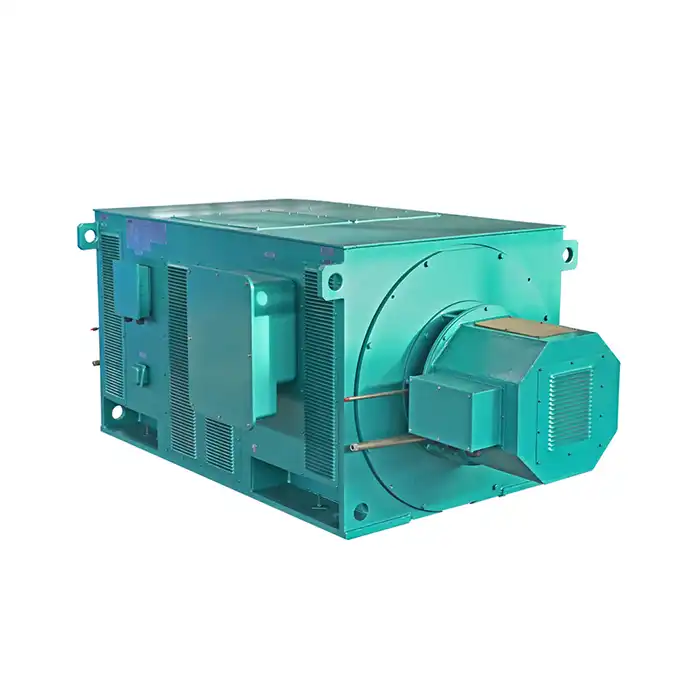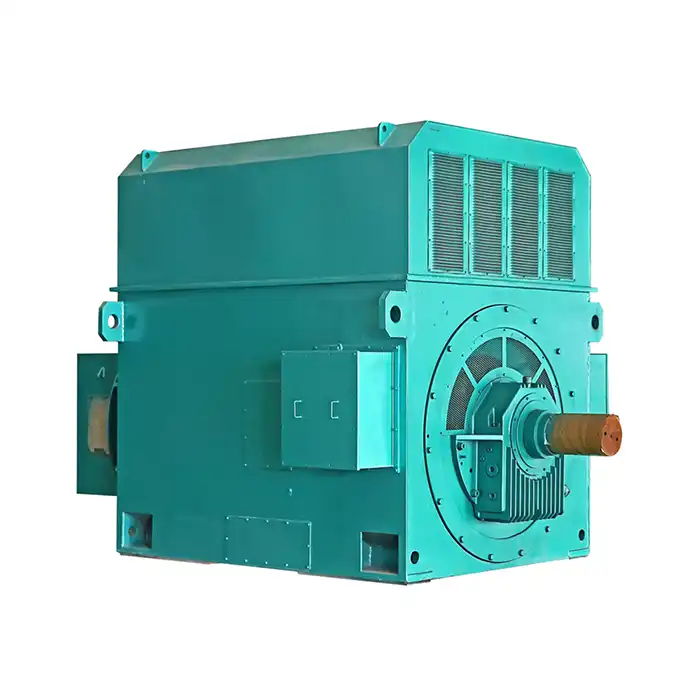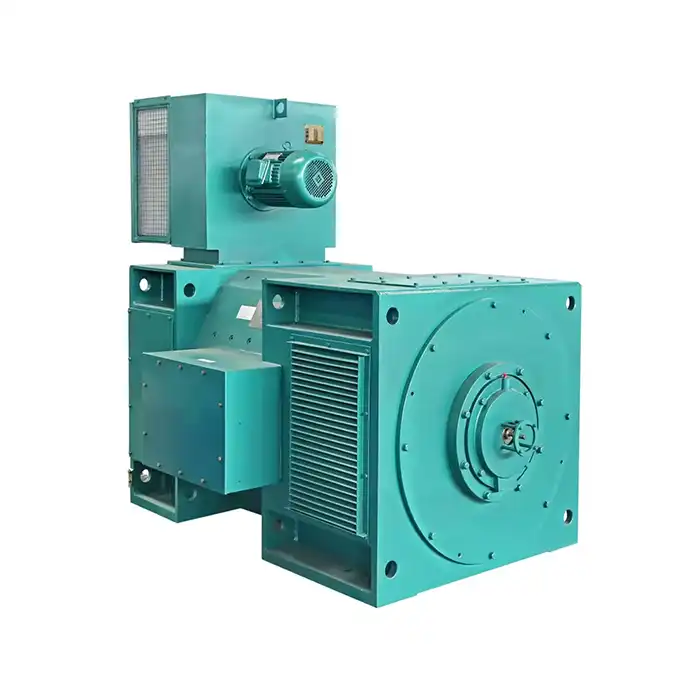




Why Water Treatment Plants Use Medium Voltage Induction Motor
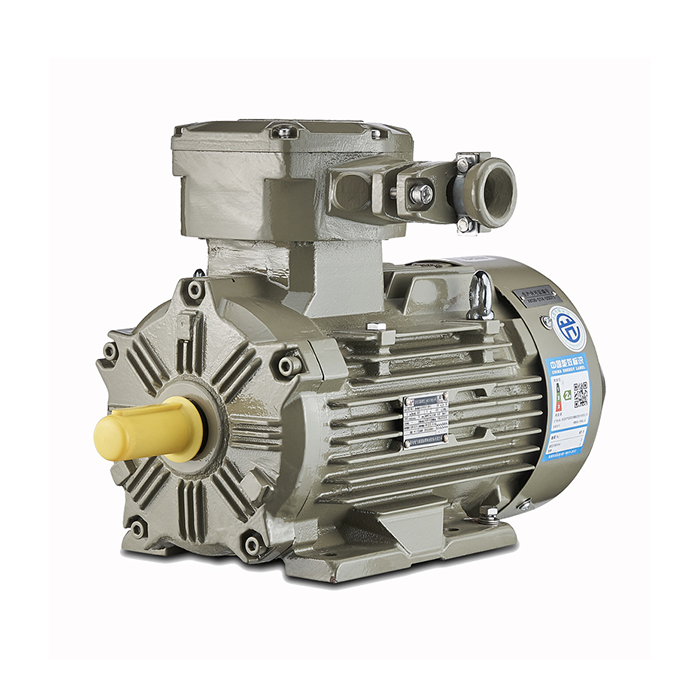
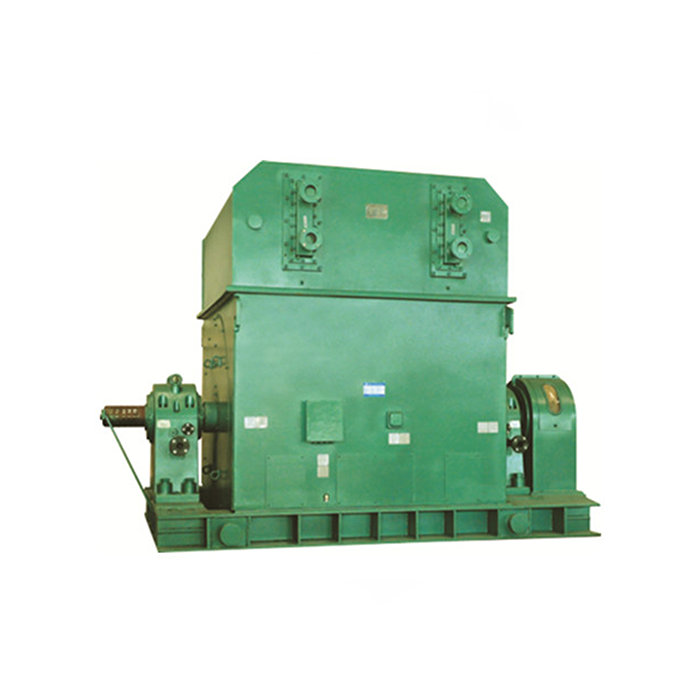
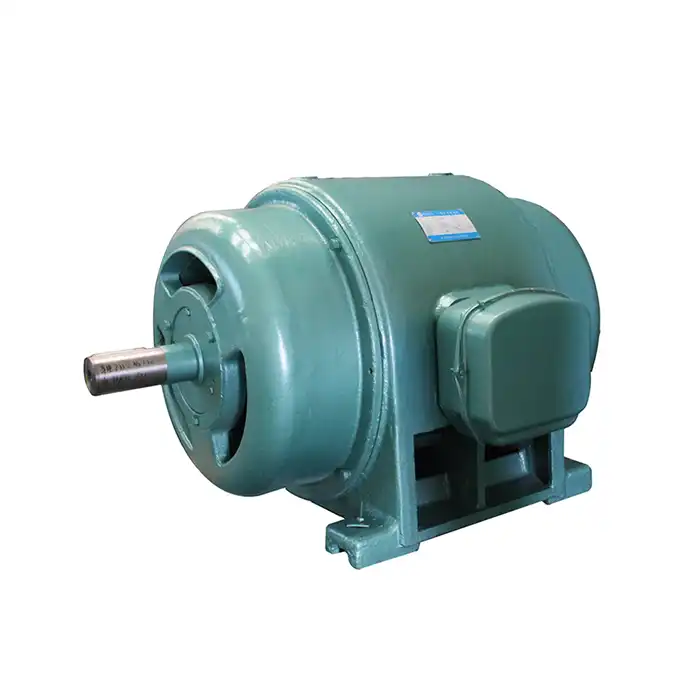
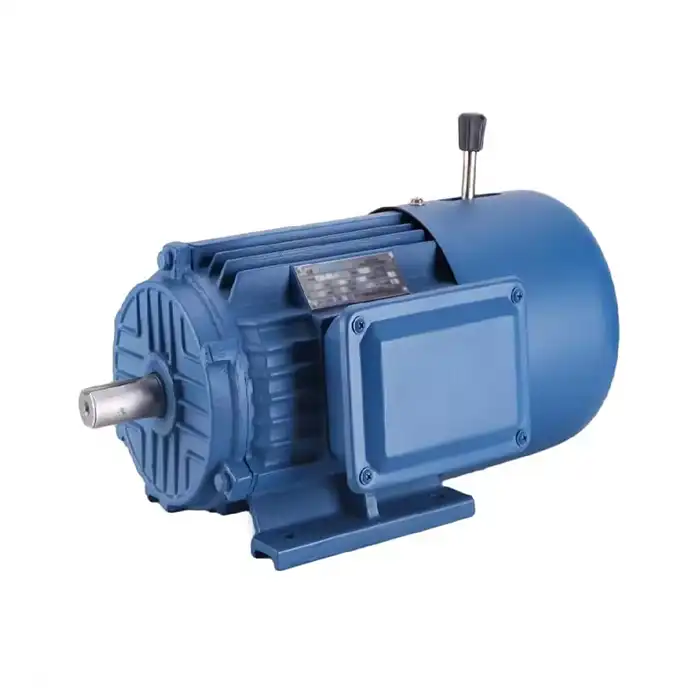
Water treatment plants across the United States rely on medium voltage induction motor technology to power critical operations like pumping, filtration, and distribution systems. Operating in the voltage range between 3kV and 11kV, these motors deliver superior performance for continuous-duty applications where reliability and operational costs matter most. Unlike low-voltage alternatives, medium voltage systems handle higher power outputs—from 185 kW to 1800 kW—while minimizing energy losses through reduced current flow. This makes them particularly valuable for large-scale water treatment facilities that operate pumps and compressors around the clock, ensuring communities receive clean, safe water without interruption.
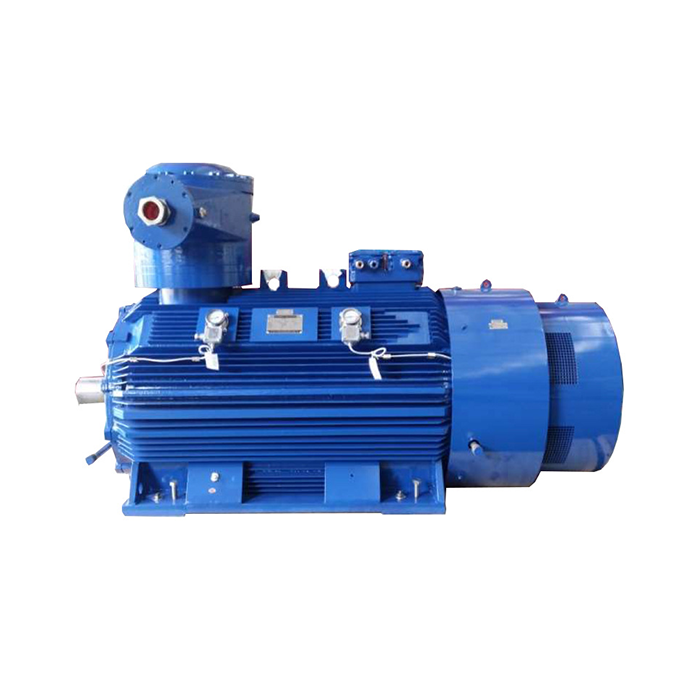
Series:YBBP-HV
Voltage range:3000V±5%,3300V±5%,6000V±5%,6600V±5%,10000V±5%,11000V±5%
Power range:185-1800 kW
Application:compressors, water pumps, crushers, cutting machine tools, transportation machinery.
Advantage: wide modulation range, high efficiency and energy saving, low noise, long life, high reliability.
Others: SKF, NSK, FAG bearings can be replaced according to customer requirements.
Understanding Medium Voltage Induction Motors in Water Treatment Applications
When treating water, businesses need strong tools that can handle heavy amounts every day. A medium voltage induction motor is great for this job because it has the power and longevity needed for chemical dosing tools, pumping stations, and aeration systems.
What Defines Medium Voltage Motors
IEC 60038 standards say that motors that need energies higher than 1000V are in the medium voltage group. Usually, these motors work with a range of voltages from 3000V to 11000V and a tolerance of ±5%. Because the power can be changed, facilities can easily add motors to their current electrical systems. XCMOTOR's motors come in a variety of voltage ranges, such as 3300V, 6000V, 6600V, and 10000V, so they can be used in a wide range of plant conditions.
When you look at wire size, the difference between low and medium voltage becomes clearer. When the voltage is higher, less current is needed to get the same amount of power. This means smaller cable cross-sections, lower material costs, and easier fitting. This is especially helpful in large treatment plants where cable runs go for a long way.
Motor Types Used in Water Treatment
Most water treatment plants use squirrel cage induction motors because they are easy to build and don't need much upkeep. The rotor bars in these motors are made of copper or aluminium and are permanently cast into the structure of the rotor. This means that brushes or slip rings are not needed. The cast iron frame design that XCMOTOR uses makes the motors very durable and protects the interior parts from water, dust, and corrosive environments that are common in water treatment settings.
Premium copper windings are a key part of keeping energy losses as low as possible. High conductivity lowers resistive heating, which keeps working temps doable and increases the life of the insulator. Our high-tech insulation system, which is rated Class F (155°C) with a B temperature rise, stops short circuits and keeps working properly even when it's being used all the time.
How These Motors Support Treatment Processes
The process that uses the most power in water cleaning is pumping. Pumps that take in raw water move large amounts of water from waterways or lakes. Pumps in the treatment process move water through filter beds and clarifiers. Pumps with high pressure move cleaned water through the city's networks. A three-phase induction motor's ability to produce consistent torque under a range of load situations is one of its strengths.
We use an optimised rotor design that makes sure the rotor spins smoothly and loses little friction. Precision-balanced parts lower shaking, which is very important when motors are mounted close to sensitive equipment or in residential areas where noise is a problem. Our motors don't make a lot of noise, so they can be used in places where noise control is important.
Advantages of Medium Voltage Induction Motors for Water Treatment Plants
When procurement teams look at motor expenses, they need a clear reason to choose medium voltage systems over other options. The perks go beyond the original specifications and include the total cost of ownership.
Superior Energy Performance Reduces Operating Costs
The biggest ongoing cost for water cleaning activities is the energy they use. A medium voltage induction motor running at 6600V needs a lot less current than a low-voltage unit of the same size. This cuts down on resistive losses in the wires and switches that distribute the power. Over the course of 20 years, these improvements in economy add up to big saves.
We pay close attention to the electromagnetic design of our motors so that they have high efficiency scores. During production, the gap between the rotor and the stator is carefully controlled. Before it is shipped, each motor goes through a lot of tests at different steps to make sure it works as expected. This method of quality control makes sure that customers get equipment that works as efficiently as promised from the start.
Motors can work well with a wide range of loads because they have the ability to modulate. Demand for water changes throughout the day and with the seasons. Motors that stay highly efficient when only partially loaded save energy during off-peak hours, when less power is needed.
Extended Service Life in Harsh Environments
Motors in water treatment plants are exposed to wetness, chemical vapours, and changes in temperature that make the equipment less durable. Ratings for protection class show how well motor covers protect parts inside. Our normal IP55 rating keeps dust and water jets from coming from any way out. Optional IP56 and IP65 ratings offer better security for sites that need it the most.
The way we cool the IC416 successfully uses air flow from the outside to get rid of heat. This way of cooling keeps the inside from getting too hot, which speeds up the breakdown of insulation. When Class F shielding materials are used with motors, they can safely work in temperatures ranging from -40°C to +40°C without losing power.
Maintenance times and sudden breakdowns are directly affected by the quality of the bearings. We let customers choose which bearings to use, using SKF, NSK, or FAG depending on their needs. Premium bearings can handle the constant spinning and axial loads that come with pump coupling, which means that repair times are longer and downtime is shorter.
Reliability That Minimizes Unplanned Downtime
Long-term outages can't happen in water distribution. Communities rely on having steady water flow and access. In this important system, equipment has to be very reliable or not at all. The high dependability of medium voltage induction motors comes from their simple design—fewer parts mean fewer places where something could go wrong.
DC motors don't need as much upkeep because they don't have brushes, commutators, or complicated control systems. Normal maintenance includes simple tasks like lubricating bearings, checking insulation resistance, and keeping an eye on vibrations. Maintenance teams can do these tasks without any special training.
Our motors are compatible with a number of different ways to start them, such as direct-on-line (DOL), soft start, and variable frequency drive (VFD). Soft start features lower mechanical stress when the motor is turned on, which increases the life of mechanical parts. VFD compatibility lets you control the speed for uses that need to change the flow rate. This gives you more practical freedom while keeping the reliability.
Selecting the Right Medium Voltage Induction Motor for Water Treatment
To choose the right motor specs, you need to know both the mechanical load characteristics and the electrical source factors at your location. Making the right choices here will ensure the best results and keep you from making costly design mistakes.
Critical Technical Specifications to Consider
Before choosing a power grade, you should figure out how much hydraulic pressure your pumping system needs. The needed motor power is based on the head pressure, flow rate, and pump efficiency. Our motors have power ranges from 185 kW to 1800 kW, which is enough for most water treatment pumping needs. Motors that are too big lose energy and cost more to buy at first, while motors that are too small could overheat and break down early.
The choice of speed relies on the type of pump and the flow qualities that are wanted. Sync speeds at 60 Hz that are often seen are 3600 rpm (2-pole), 1800 rpm (4-pole), and 1200 rpm (6-pole). We have speeds of 3000 rpm, 1500 rpm, and 1000 rpm, as well as unique speeds that are made to fit the needs of each application. Lower speeds usually make the motor less noisy and increase the life of the bearings, but they need bigger motor frames.
It may seem easy to match voltages, but you need to pay attention to source voltage stability. If the voltage changes more than 5% in your building, you might want to choose motors with a higher voltage tolerance or put in voltage control equipment. Standard energies like 3000V, 3300V, 6000V, 6600V, 10000V, and 11000V can be used with our motors.
Evaluating Customization Needs
Catalogue motors work well in a lot of situations, but water treatment can have special problems that need custom solutions. For installations with limited room, mounting options may need to be changed. To fit certain types of couplings, shaft extensions may need to be made longer. Due to environmental concerns, higher security classes or special coats may be needed.
At XCMOTOR, we work closely with buying teams to figure out when customisation really adds value and when stock products are enough. When compared to stock things, customised motors usually take a few weeks longer to deliver. Finding the best way to buy something is easier when you compare project plans to standard needs.
Understanding Warranty and Support Considerations
Most industrial-grade motors come with warranties that cover flaws in the way they were made and material problems for 12 to 24 months. The warranty terms should make it clear how to file a claim, how long the policy lasts, and what regular wear and tear and defect are. We have clear guarantee paperwork and quick technical support that you can reach at xcmotors@163.com for help with fixing problems.
Support after the sale goes beyond the guarantee time. Long-term ownership experience is affected by how easy it is to get replacement parts, expert documentation, and field service tools. As part of our promise, we keep parts for the motors we sell in stock and offer expert support for as long as the motor is in use.
Installation, Troubleshooting, and Maintenance Best Practices
Installing the motor correctly sets the stage for its effective function. Detail-oriented work during licensing stops a lot of common operating problems before they happen.
Installation Guidelines for Optimal Performance
Preparing the environment starts before the motor arrives. The site of the placement should have enough air flow to cool the air. For normal motors, the temperature outside should stay between -20°C and +40°C. The cooling capacity changes with elevation. Our motors can work up to 1000 meters above sea level without losing power, but frames need to be bigger at higher elevations.
Mounting surfaces need to be solid, level, and strong enough to hold the weight of the motor plus operating forces. When mounting feet don't touch the base evenly, this is called a "soft foot condition." It causes the frame to warp, which causes the bearings to become misaligned and break down early. Before you tighten the last bolt, use accurate measure tools to make sure that all of the mounted feet touch the base at the same time.
Aligning the shafts of the motor and the tools it drives is one of the most important steps in the fitting process. When something is out of line, it causes too much vibration, speeds up the wear on the bearings, and sends damaging forces through the drive train. Laser alignment tools are very accurate and are needed for installing medium voltage induction motors where small misalignments in angles or offsets can cause big problems.
When making electrical connections, it's important to pay close attention to safety rules and the right power specs. Medium voltage poses major safety risks; work should only be done by trained electricians who follow lockout/tagout procedures. Make sure the supply voltage fits the motor's nameplate values before turning it on. To keep people and equipment safe, grounding connections must meet area electrical rules.
Common Issues and Troubleshooting Approaches
When something overheats, it usually means that it needs more cooling, more work, or an uneven power. Check to see if any cooling paths are blocked, make sure the temperature inside stays within the recommended range, and check the voltage at the motor connections. When the three-phase voltage mismatch is more than 1%, the motor windings get hotter than they should.
Too much shaking can be a sign of mechanical problems like misalignment, uneven moving parts, or worn-out bearings. Set standard measures for vibrations during commissioning, and then use regular tests to keep an eye on trends. Vibration analysis finds specific problems; for example, bearing flaws produce frequencies that are different from those caused by imbalance.
Insulation resistance testing lets you know early on when a wire is breaking down. Use a megohmmeter that is designed for medium voltage tests to find the insulation resistance between the windings and the ground. Resistance values should stay the same; falling trends mean that moisture is getting in or the insulation is breaking down, which needs to be fixed before it fails.
Maintenance Schedules That Extend Motor Lifespan
Most motor failures can be prevented through routine maintenance. Bearings should be lubricated every 2,000–4,000 operating hours using compatible grease. Cooling air paths must be checked quarterly and kept clean to prevent overheating. Annual insulation testing and thermography help detect winding deterioration and hotspots early. Vibration monitoring every three months enables early detection of mechanical issues, with continuous monitoring used for critical motors.
Comparing Medium Voltage Induction Motors and Alternatives in Water Treatment
Knowing when medium voltage induction motors are better than other options helps buying teams make smart choices that meet the needs of the building and stay within the budget.
Medium Voltage Versus Low Voltage Systems
Low-voltage motors (below 1000V) are typically used for applications under 200 kW, while medium-voltage systems are more efficient for higher power demands. At higher voltages, current is significantly reduced, allowing smaller and cheaper cables and minimizing losses over long distances. Medium voltage is preferred for distributed pumping systems. However, it requires more complex control, specialized switchgear, and trained maintenance personnel compared to low-voltage setups.
Synchronous Motors as an Alternative
Power factor correction and precise speed control are two benefits of synchronous motors. However, stimulation systems make them more complicated. Usually, water treatment pumping doesn't need the precise, constant-speed performance that synchronous motors offer. Induction motors are better for pumping applications because they are easier to build and require less upkeep.
Variable frequency drives let you change the speed of an induction motor when flow modulation is important. This gives you practical freedom while still relying on the induction motor's built-in reliability. This method lets you set the speed without having to deal with the hassles of synchronous motor stimulation systems.
Cost Considerations and Value Assessment
Total cost should consider more than the initial purchase price, including installation, energy consumption, and long-term maintenance. Although medium-voltage motors cost more upfront than low-voltage options, energy savings typically offset the premium within 3–5 years. Pump-intensive operations can achieve significant savings through efficiency gains. Induction motors offer lower maintenance requirements than DC or synchronous motors, mainly needing periodic bearing inspection and lubrication.
Conclusion
Medium voltage induction motors are an important part of water treatment plants all over the United States. Because they are reliable, efficient, and long-lasting, they are perfect for continuous-duty pumps and process uses where downtime can have big effects. Different facilities have different voltage needs, but the voltage range from 3kV to 11kV meets all of them and works better than low-voltage options in high-power situations.
To choose the right specs, you need to carefully look at the power needs, the surroundings, and the electrical infrastructure. If you place these motors correctly and keep up with their upkeep, they will last for decades and protect communities' access to clean water while keeping costs down.
FAQ
1.What power rating do I need for my water treatment pumps?
The amount of power needed is based on hydraulic estimates that take into account pump speed, head pressure, and flow rate. Use the method BHP = (Flow × Head × Specific Gravity) / (3960 × Pump Efficiency) to find the brake horsepower. Change it to kilowatts and add 10 to 15 percent as a safety cushion. Our 185–1800 kW range meets most pumping needs for water treatment, from small booster stations to big intake pumps that move millions of gallons of water every day.
2.Which cooling method maximizes motor lifespan in water treatment environments?
Our motors use the IC416 cooling method, which moves air from the outside through internal pathways. This successfully gets rid of heat without letting dirty air into the internal parts. This method works well in places where chemicals and humidity are present during water treatment. Cleaning the outside cooling surfaces on a regular basis keeps the temperature performance up. Facilities that are in very tough settings should think about the IP65 security class for better sealing against water and dirt.
3.What warranty coverage should I expect for industrial medium voltage motors?
Manufacturers of good products usually offer guarantees that cover problems with the materials and the work for 12 to 24 months. Normal wear and tear items like bearings should not be covered by the warranty, but it should cover premature winding failures or production flaws. At XCMOTOR, we provide clear guarantee paperwork that spells out the length of coverage and how to file a claim. Before they are sent out, our motors go through a lot of tests in the plant. This keeps guarantee claims to a minimum and makes sure you get equipment that meets all the requirements. For important uses that need extra safety, you may be able to get extended warranties.
Partner With XCMOTOR for Reliable Medium Voltage Induction Motor Solutions
Shaanxi Qihe Xicheng Electromechanical Equipment Co., Ltd. makes high-quality medium voltage induction motors that are designed to work in tough water treatment situations. Our motors provide 185 kW to 1800 kW of power across voltage bands that include 3300V, 6600V, and 10000V. They are reliable and can meet the needs of a wide range of facilities.
We know that water treatment companies have trouble getting the supplies they need. Our team offers full expert support to help you choose the best motor specs for your pumping systems. Before it is shipped, every motor goes through a lot of quality checks to make sure it works the way you want it to from the very first start-up.
Working with a specialised provider of medium voltage induction motors has benefits that go beyond the quality of the products. We keep a stock of parts, offer quick expert support at xcmotors@163.com, and stand behind our products with clear guarantee coverage. Our motors have high-quality parts, like cast iron frames, Class F insulation, and bearings that can be SKF, NSK, or FAG. These parts are meant to last a long time.
Get in touch with our sales team right away to talk about the needs of your project. We'll help you look over the specs, answer your technical questions, and give you thorough quotes. You can look at our whole product line at motorxc.com and learn how XCMOTOR can help your business with its power equipment needs.
References
1. National Electrical Manufacturers Association. (2021). NEMA Standards Publication MG 1-2021: Motors and Generators. Rosslyn, VA: NEMA.
2. Institute of Electrical and Electronics Engineers. (2020). IEEE Std 841-2020: Standard for Petroleum and Chemical Industry - Severe Duty Totally Enclosed Fan-Cooled (TEFC) Squirrel Cage Induction Motors. New York: IEEE.
3. International Electrotechnical Commission. (2017). IEC 60034-1:2017 Rotating Electrical Machines - Part 1: Rating and Performance. Geneva: IEC.
4. Water Environment Federation. (2019). Energy Conservation in Water and Wastewater Facilities: Manual of Practice No. 32. Alexandria, VA: WEF Press.
5. American Water Works Association. (2020). Water Treatment Plant Design (Fifth Edition). Denver, CO: AWWA.
6. Bonnett, Austin H. (2018). Root Cause AC Motor Failure Analysis: A Practical Approach. Piscataway, NJ: IEEE Press.