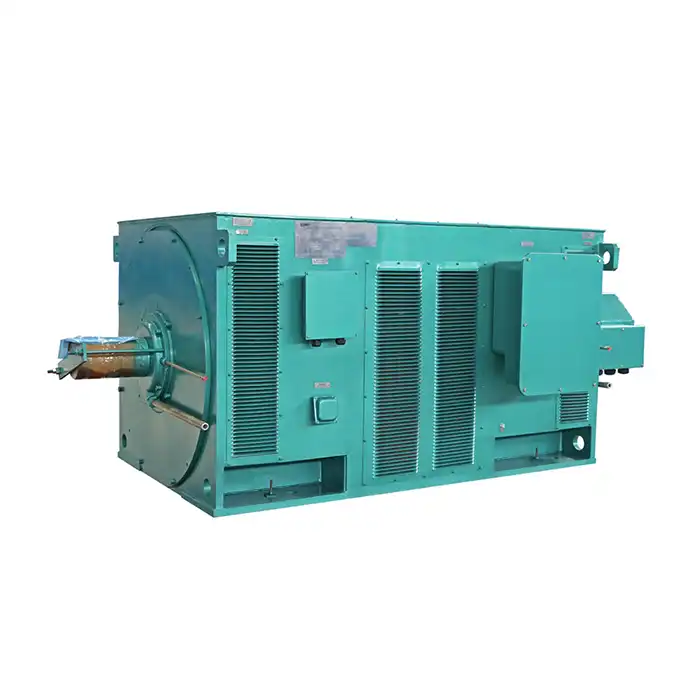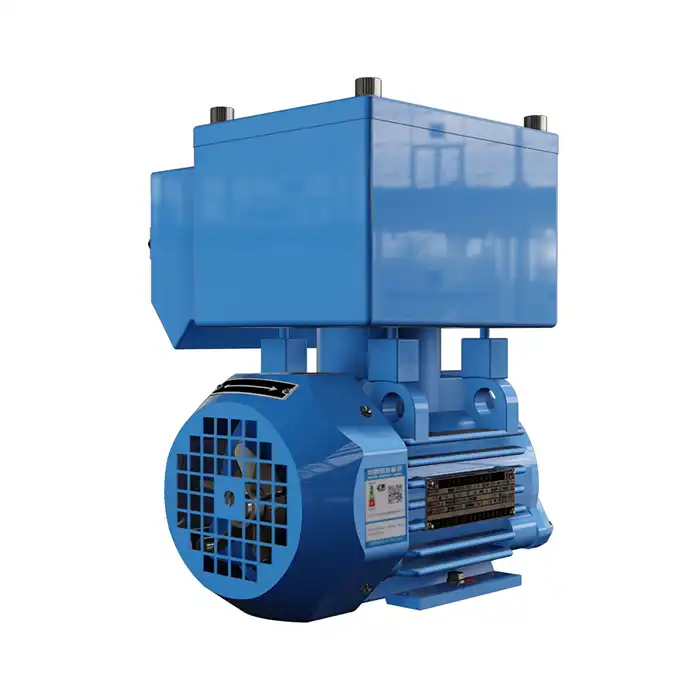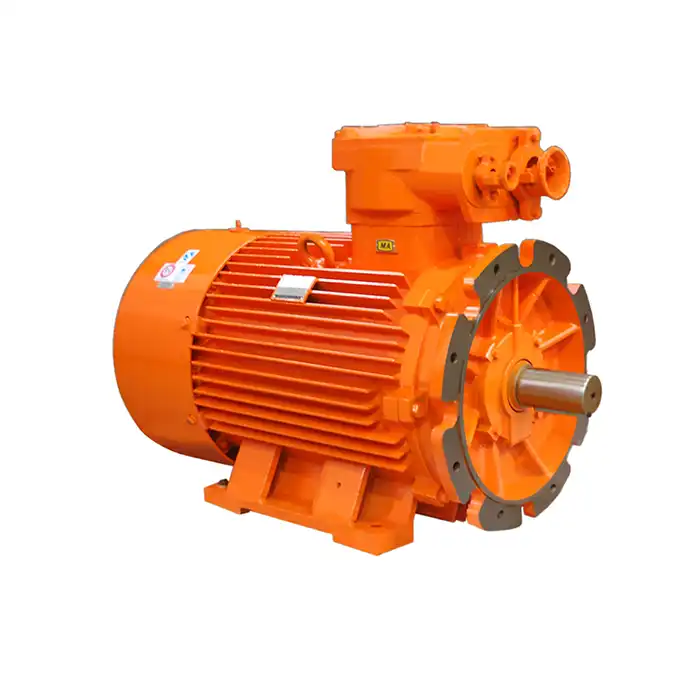




Choosing the Right 1440 RPM Motor for Heavy-Duty Applications
For hard manufacturing tasks, picking the right 1440 RPM motor is very important. It guarantees dependable performance in the energy, robotics, and industrial fields. The right choice of motor affects output, energy use, and system stability by increasing efficiency, lowering repair costs, and increasing operating life.
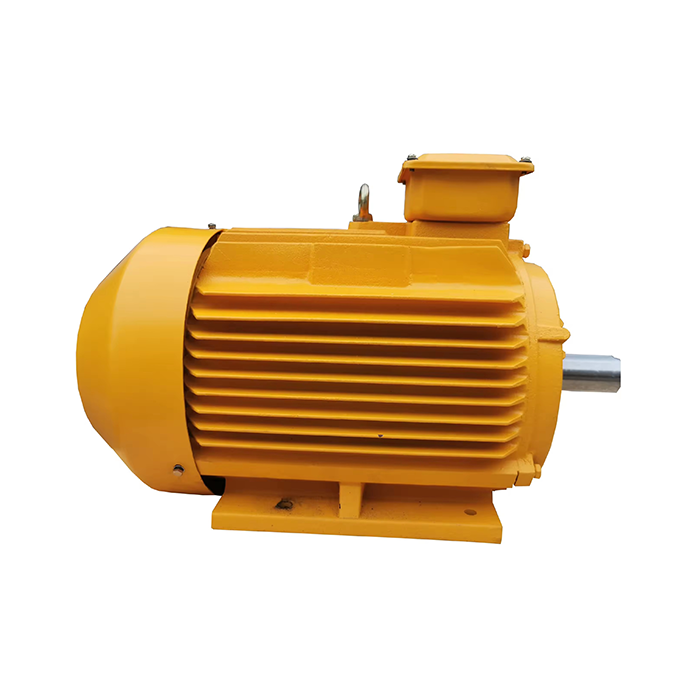
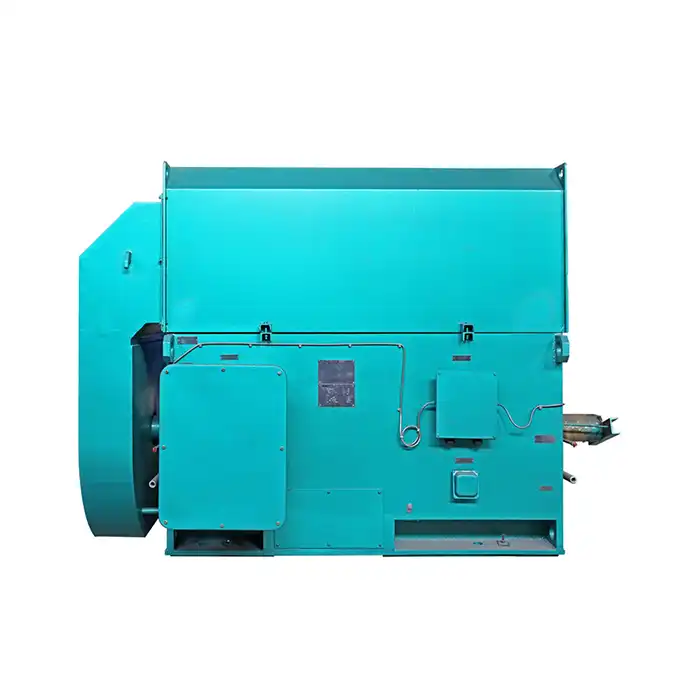
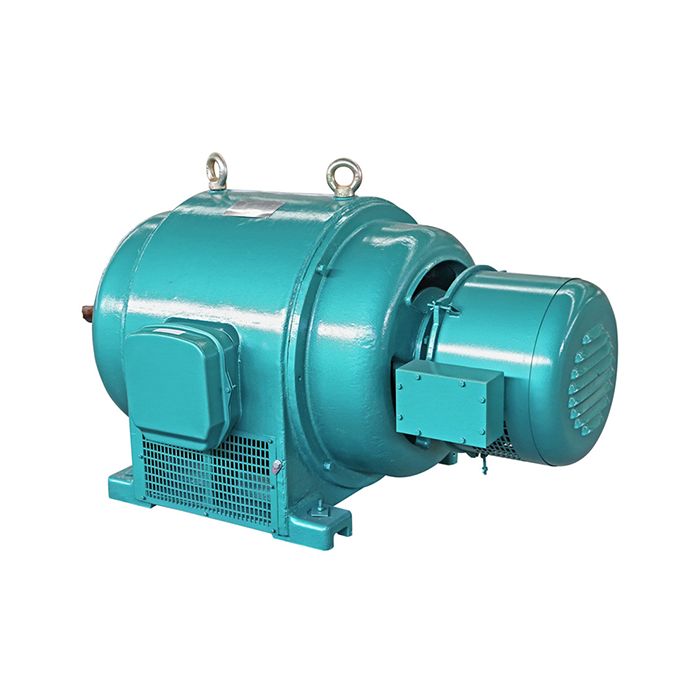
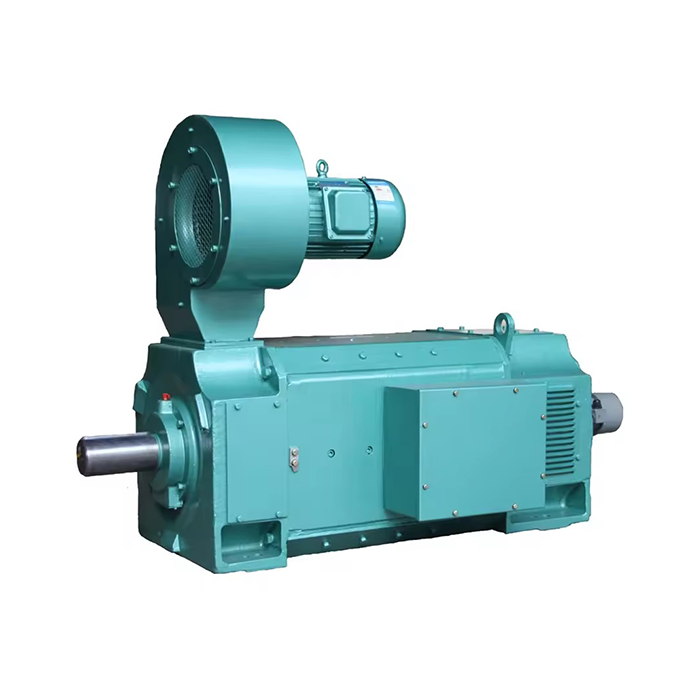
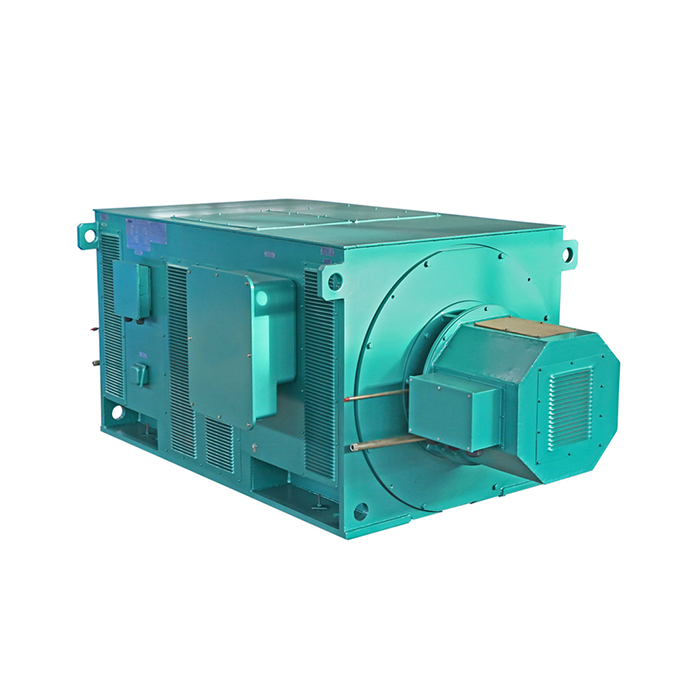
Series:YE4
Frame number: 80-450
Power range:0.75-1000kW
Protection level:IP55
Energy efficiency class: IE4
Voltage range: 380V,400V,415V, 660V,etc.
Application:can be used in various fields of the national economy, such as machine tools,water pumps,fans,compressors,and can also be used in transportation, mixing, printing, agricultural machinery, food and other occasions that do not contain flammable, explosive or corrosive gases.
Certificate: international standard IEC60034-30 ""Efficiency Classification of Single-speed Three-Phase Squirrel Cage Induction Motors"".
Advantage:The high quality of the electric motor guarantees high operational reliability.
Others: SKF, NSK, FAG bearings can be replaced according to customer requirements.
Understanding 1440 RPM Motors in Industrial Applications
Overview of 1440 RPM Motors
The 1440 RPM motor operates at a rotational speed ideal for industrial applications requiring moderate speed and high torque. Typically featuring four-pole configurations, it delivers reliable performance under standard load conditions.
Precision and Efficiency in Manufacturing
For example, these motors work great in industrial processes where there needs to be a steady spinning speed. As long as they don't use too much energy, they're efficient enough to work all the time.
Benefits for Industrial Automation
With 1440 RPM motors, systems like conveyors, pumps, and processing equipment work well together, so complicated gear arrangements aren't needed. Improving system stability and lowering downtime, this makes installation easier and upkeep less frequent.
Versatility Across Applications
With a speed of 1440 RPM, these motors can be used for a wide range of commercial jobs. The fact that they can keep working well even in tough situations makes them useful in a wide range of automation and machinery uses.
Key Performance Characteristics for Heavy-Duty Operations
High Torque Delivery for Heavy Loads
Heavy-duty motors are made to give a lot of power, which makes sure they work reliably even when there is a lot of resistance or load. These high-demand uses are supported by strong construction, which ensures longevity and a long service life.
Energy Efficiency and Cost Savings
IE4 efficiency class motors have better energy performance because they use less electricity while keeping the same output. This makes the system work better generally, cuts down on costs, and helps the earth stay healthy.
Advanced Thermal Protection
Effective thermal management systems, including advanced insulation and cooling capabilities, are crucial in heavy-duty motors. These systems prevent overheating during extended operations, enhancing motor longevity and ensuring stable performance.
Vibration Reduction for Reliability
To cut down on noise and mechanical stress, heavy-duty motors use advanced gear systems and precise balance. This decrease in shaking not only makes operations more reliable, but it also cuts down on repair needs, which helps the motor last longer.
Core Applications and Implementation Strategies
Pumping Systems and Water Management
In pumping uses, 1440 RPM motors are necessary to reliably power rotary pumps and water treatment equipment. In order for the hydraulics to work well, their speed must be just right for the propeller. Industrial cooling systems, water treatment systems, and filter systems can't work without these motors. They keep flow rates stable and temperatures at the right level for manufacturing processes.
Ventilation and Air Handling Systems
Commercial HVAC systems, process ventilation, and cooling fan applications rely on 1440 RPM motors for efficient air movement. These motors power fans and blowers in buildings, manufacturing facilities, and industrial processes. Their reliable operation ensures optimal airflow, compliance with safety standards, and effective cooling in high-temperature environments, making them essential in diverse industries.
Conveyor and Material Handling Systems
Material handling systems, including conveyors and assembly lines, rely on 1440 RPM motors for efficient operation. These motors provide precise speed control for transporting materials, ensuring smooth processes, reducing defects, and maintaining production schedules. In packaging, they enable accurate sorting, positioning, and handling, contributing to reliable and streamlined operations across industries.
Compressor and Pneumatic Systems
Industrial compressors, pneumatic systems, and process air applications often rely on 1440 RPM motors for consistent operation. These motors provide stable air compression, ensuring optimal system pressure for tools and production. Their reliability is crucial for maintaining efficiency and quality in industries such as chemical processing, food production, and pharmaceuticals.
Machine Tool and Manufacturing Equipment
1440 RPM motors are essential in machine tools for manufacturing, including lathes, milling machines, and grinders. Their consistent speed ensures precision in cutting, forming, and metalworking operations, maintaining dimensional accuracy. These motors provide reliable torque for variable loads, crucial for industries like aerospace, electronics, and medical device production.
Agricultural and Food Processing Equipment
For grain silos, sorting machines and processing machines, 1440 RPM motors are essential. Mixers, moving belts, and wrapping systems used in food preparation are also powered by these motors. By making sure that water pumps work reliably, they improve the economy of large-scale farming activities and cut costs.
Transportation and Logistics Systems
Transportation industries like shipping, airport baggage handling, and train repair all use 1440 RPM motors for sorting, transport, and goods handling systems. For steady operation, these motors cut down on delays and help operations go smoothly in transportation settings. Their strong structure can handle constant job cycles and tough situations.
Selection Criteria and Technical Considerations
Load Capacity and Power Requirements
To figure out the right power levels, you must first figure out the load ability. Knowing the features of the load makes sure that the motor chosen has the right amount of force and power for safe operation.
Operating Environment Considerations
Temperature ranges, humidity levels, and contamination levels all have a big effect on how well and how long a motor works. Protection grades make sure that the motor can work in harsh conditions.
Power Supply Compatibility
Voltage needs, frequency limits, and power quality all have an effect on how well and whether a motor will work. Making sure that the electrical connections are properly matched stops operating problems and increases motor efficiency.
Motor Controller Compatibility
It's very important that the motor's electrical properties match the controller's requirements for uses that need exact control or changeable speed. When systems are compatible, they work better and use less energy.
Installation and Maintenance Best Practices
Proper Installation Procedures
Motor efficiency and life depend on accurate alignment, stable placement, and strong electrical contacts. Assuring effective operation and avoiding earlier breakdowns by following the manufacturer's instructions during installation is important.
Regular Maintenance for Longevity
Regular upkeep, such as lubricating the bearings, checking the electrical connections, and keeping an eye on the temperature, is necessary to keep the motor running well. Regular repair cuts down on unplanned downtime, which improves business efficiency and lowers costs.
Vibration Monitoring and Analysis
Periodic vibration tracking finds possible problems like worn bearings, alignment issues, and mechanical faults. Detecting problems early allows for preventative maintenance, which keeps things running smoothly and saves money on expensive emergency fixes.
Thermal Monitoring for Safe Operation
Monitoring the temperature of motors makes sure they work within safe ranges. By controlling temperature well, temperature monitors and thermal safety systems help keep motors from burning, extending their life and keeping them working efficiently.
Energy Efficiency and Cost Optimization
Energy Efficiency and Cost Savings
Motors that use less energy keep working at their best while lowering costs. As a result, IE4 efficiency class motors use less energy than normal units, which means they cost less to run and use less electricity.
Variable Speed Operation
Variable speed operation can further enhance energy efficiency in suitable applications. Motor controllers adjust speed to match load requirements, reducing energy consumption during light load conditions and offering additional cost savings in variable load scenarios.
Power Factor Considerations
Keeping a high power factor makes the system work better and saves money on electricity. Most of the time, better motors keep their power factors, which can lower reactive power charges and lower energy costs in business settings.
Lifecycle Cost Analysis
The investment in good motors is justified by lifecycle cost analysis. Initial purchase price, energy use, maintenance costs, and projected lifespan are some of the things that affect the total owning costs. Despite costing more at first, high-quality motors often offer better value.
Safety and Compliance Standards
Motor Safety Features
During usage, motor safety measures protect both the tools and the people who are using it. Thermal protection, overcurrent protection, and mechanical safety features all help keep things safe by stopping damage and lowering the chance of an accident.
International Safety Standards
Motors, including the 1440 RPM Motor, must meet internationally recognized safety standards, which are created by international safety standards. The presence of CE certification, safety agency approvals, and industry-specific licenses shows that the product meets the necessary standards, ensuring safe operation.
Environmental Compliance
In business settings, following environmental rules becomes more and more important. Standards for motor efficiency, rules for protecting the environment, and thoughts about sustainability all affect the choice of motor, helping companies reach their environmental goals.
Electrical Safety Considerations
Protective devices, grounding, and electrical separation are all important parts of electrical safety. With these features, electricity dangers are avoided, making sure that installation and use are safe for both people and machinery.
Quality and Reliability Factors
Bearing Quality and Impact on Reliability
Bearing quality significantly impacts motor reliability and maintenance requirements. Premium bearing brands provide extended life and reduced maintenance needs. Quality bearings handle operational stresses better and offer smoother operation.
Manufacturing Standards and Performance
Consistent engine performance and dependability are ensured by manufacturing quality standards. Motor quality is affected by quality control methods, material requirements, and testing routines. The performance and life of motors are guaranteed by these guidelines.
Warranty Coverage and Manufacturer Confidence
Warranty coverage shows that the maker trusts the quality and dependability of the motor. Full service terms protect against flaws and failures before they happen. Most of the time, good manufacturers offer warranties that cover a lot.
Technical Support and Ongoing Performance
The provision of technical help ensures that the motor works at its best throughout its entire life. Help with applications, help with fixing problems, and advice on care are all important for motor running to go smoothly. Suppliers that are good at what they do offer full expert help.
Conclusion
To pick the best 1440 RPM motor for heavy-duty tasks, you need to think about performance goals and how the motor will be used. You can depend on these motors more, they require less maintenance, and they make tools work better in many areas. It's worth it to spend money on good motors because they work well and last as long as possible in rough circumstances.
Frequently Asked Questions
1. What makes a 1440 RPM motor suitable for heavy-duty applications?
High starting power, stable performance, and strong construction are all features of motors that run at 1440 RPM. Their clean design means that complicated gearbox systems aren't needed, which makes them reliable in harsh conditions.
2. How do I determine the correct power rating for my application?
The load, job cycle, and surroundings all affect the choice of power level. To make sure the machine works reliably, you should think about safety limits, starting power, and derating for temperature or altitude.
3. What protection levels should I consider for different environments?
Picking the right protection level varies on the factors of the area. Although IP55 protects against dust and water, higher levels may be needed in places that are washed often or are dirty. Check the grades for entry and temperature.
4. How do efficiency ratings impact operational costs?
Motors with higher efficiency (IE4) use less energy and cost less. The higher cost up front is worth it because they will save money in the first few years because they use less. Use energy rates and working hours to figure out how much you can save.
5. What maintenance requirements should I expect with these motors?
As part of regular upkeep, bearings are oiled, electrical systems are checked, and performance is tracked. If you place and use a good motor properly, it doesn't need much maintenance. In harsh situations, checks may need to happen more often.
6. Can these motors work with variable frequency drives?
When chosen properly, modern motors can work with variable frequency drives. Guarantee that the motor insulation is rated for use with a drive, and think about how much cooling is needed at lower speeds for the best performance.
Get Premium 1440 RPM Motors from XCMOTOR Today
XCMOTOR offers exceptional 1440 RPM motors with IE4 efficiency, ranging from 80-450 frame sizes and up to 1000kW power. Featuring premium bearings and international certifications, we provide comprehensive support. Contact xcmotors@163.com to optimize your operations with our reliable motor solutions.
References
1. International Electrotechnical Commission. "IEC 60034-30-1: Efficiency Classes of Line Operated AC Motors." Geneva: IEC Publications, 2014.
2. National Electrical Manufacturers Association. "NEMA MG 1-2016: Motors and Generators." Rosslyn: NEMA Standards Publication, 2016.
3. Institute of Electrical and Electronics Engineers. "IEEE 841-2009: Standard for Petroleum and Chemical Industry - Premium Efficiency Severe Duty Totally Enclosed Fan-Cooled Motors." New York: IEEE Press, 2009.
4. Austin H. Bonnett and Christian Yung. "Increased Efficiency Versus Increased Reliability." IEEE Industry Applications Magazine, vol. 14, no. 1, 2008, pp. 29-36.
5. Energy Efficiency and Renewable Energy Office. "Premium Efficiency Motor Selection and Application Guide." Washington: U.S. Department of Energy, 2014.
6. International Organization for Standardization. "ISO 12100:2010 Safety of Machinery - General Principles for Design." Geneva: ISO Publications, 2010.