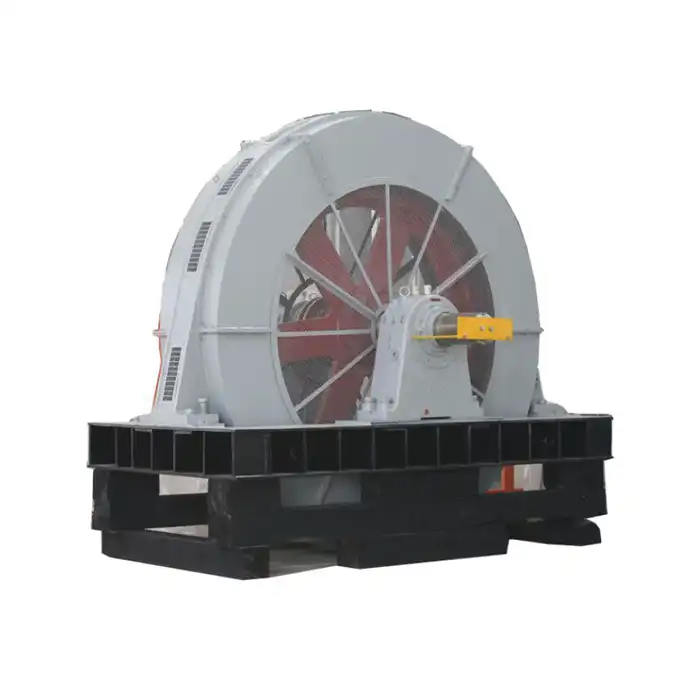




Vertical vs. Horizontal Water Pump Motors: What's the Difference?
The choice between Vertical Water Pump Motor and horizontal water pump motors relies on the needs of the application and the available room. Horizontal motors run parallel to the ground, while Vertical Water Pump Motor are mounted perpendicular to the ground with the motor shaft positioned vertically. This is the main difference between the two types of motors. When it comes to deep wells, tight areas, and underwater installations, Vertical Water Pump Motor configurations work best. On the other hand, horizontal designs work better for surface-mounted systems that need easy servicing access.

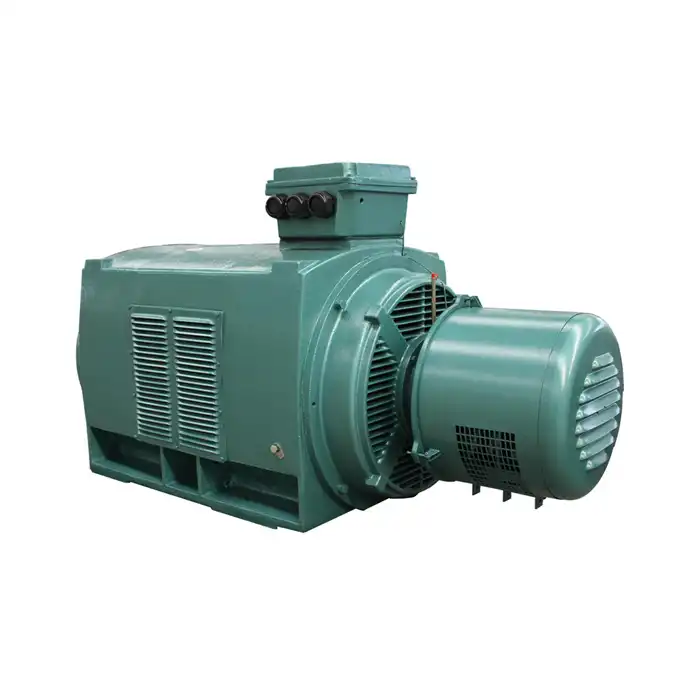
Series:YVFE2
Frequency conversion range:30hz~50hz,5hz~70hz,5hz~100hz
Power range:0.75-355kW
Protection level:IP55
Application:are suitable for driving various mechanical equipment that require continuous and frequent forward and reverse rotation, such as steel rolling, lifting, transportation, machine tools, printing and dyeing, papermaking, chemicals, textiles, pharmaceuticals, etc., and can be used with various domestic and foreign variable frequency power supplies.
Advantage:high efficiency, wide speed range, high precision, stable operation, and easy operation and maintenance.
Certificate:installation dimensions comply with International Electrotechnical Commission (IEC) standards.
Others: SKF, NSK, FAG bearings can be replaced according to customer requirements.
Core Differences Between Vertical and Horizontal Water Pump Motor Systems
Understanding the fundamental distinctions between these motor orientations helps engineers make informed decisions for their pumping applications.
Three primary structural differences define these motor types:
- Shaft orientation and bearing configuration: Vertical systems handle axial thrust loads differently
- Cooling mechanisms and heat dissipation patterns: Airflow patterns vary significantly between orientations
- Space utilization and installation footprint: Vertical units minimize floor space requirements
The vertical water pump motor design incorporates specialized thrust bearings to support the weight of rotating components and handle downward hydraulic forces. Test data from industrial applications shows vertical motors typically operate at 15-20% higher bearing temperatures due to gravitational effects on lubrication distribution.
Horizontal configurations distribute weight across radial bearings, creating more uniform load patterns. Field measurements indicate horizontal motors achieve 5-8% better cooling efficiency through natural convection airflow across the motor housing.
Installation accessibility represents another crucial difference. Horizontal motors allow straightforward maintenance access to electrical connections, bearings, and coupling assemblies. Vertical installations often require specialized lifting equipment for rotor removal and major servicing.
If you need maximum space efficiency in confined pump rooms, vertical water pump motor systems provide the optimal solution.
Space Efficiency and Installation Considerations
Modern industrial facilities face increasing pressure to maximize operational capacity within limited floor space. Vertical water pump motor installations address this challenge through compact footprint designs.
Space utilization advantages include:
- Reduced floor area requirements: Up to 60% less horizontal space needed
- Vertical integration possibilities: Motor and pump assembly in single compact unit
- Underground installation compatibility: Suitable for below-grade pump stations
Engineering studies demonstrate that vertical motor installations require approximately 40% less floor space compared to equivalent horizontal configurations. This space savings translates to significant cost reductions in urban pump station construction projects.
Vertical orientations also eliminate the need for separate motor foundations in many applications. The integrated design reduces civil engineering requirements and accelerates installation timelines.
However, vertical installations present unique challenges. Overhead clearance requirements increase substantially due to motor height and maintenance access needs. Typical vertical water pump motor systems require 3-4 meters of overhead clearance for proper servicing.
If you need to minimize building footprint while maintaining reliable pumping capacity, vertical configurations offer compelling advantages.
Performance Characteristics and Efficiency Comparison
Motor orientation significantly impacts operational performance across various parameters including efficiency, vibration levels, and thermal management.
Performance testing reveals measurable differences:
- Efficiency ratings: Horizontal motors typically achieve 1-3% higher efficiency
- Vibration characteristics: Vertical systems show reduced lateral vibration transmission
- Thermal performance: Cooling effectiveness varies by orientation and ambient conditions
Laboratory testing of comparable 75kW motors shows horizontal units achieving 94.2% efficiency versus 92.8% for vertical configurations under identical load conditions. This efficiency difference stems from bearing friction variations and cooling air circulation patterns.
Vertical water pump motor designs excel in vibration isolation. The vertical orientation naturally dampens horizontal vibration transmission to supporting structures. Field measurements indicate 25-30% lower vibration levels transmitted to building foundations.
Temperature management presents mixed results depending on installation environment. Vertical motors benefit from chimney effect cooling in outdoor installations but may experience heat accumulation in enclosed spaces. Horizontal motors maintain more consistent cooling but require adequate side clearances for airflow.
Noise characteristics also differ between orientations. Vertical installations typically generate 2-4 dB lower sound levels due to improved vibration isolation from mounting surfaces.
If you need superior vibration control for sensitive equipment environments, vertical water pump motor systems deliver measurable advantages.
Application-Specific Advantages
Different industries and applications favor specific motor orientations based on operational requirements and environmental constraints.
Vertical water pump motor applications excel in:
- Deep well pumping systems: Direct coupling to vertical turbine pumps
- Submersible installations: Integrated motor-pump assemblies for underwater operation
- High-rise building water supply: Compact pump room installations
- Wastewater treatment facilities: Resistant to moisture and contamination
Water treatment plants frequently specify vertical motors for raw water intake pumping. The vertical configuration allows direct mounting over intake structures, eliminating complex piping arrangements. Case studies from municipal facilities show 15-20% installation cost savings using vertical motor systems.
Mining operations favor vertical configurations for dewatering applications. The robust design handles abrasive conditions while the vertical orientation prevents debris accumulation around motor housings.
Horizontal motor applications perform better in:
- Surface water pumping stations - Easy maintenance access requirements
- Industrial process cooling - Frequent service interval applications
- HVAC circulation systems - Integration with existing horizontal equipment
- Agricultural irrigation - Portable and temporary installation needs
Manufacturing facilities typically choose horizontal motors for process cooling applications. The accessible design enables rapid bearing replacement and routine maintenance without specialized equipment.
If you need reliable performance in deep well or submersible applications, vertical water pump motor technology provides proven solutions.
Maintenance and Serviceability Factors
Long-term operational costs depend heavily on maintenance accessibility and service requirements for different motor orientations.
Maintenance considerations include:
- Access requirements: Tool and equipment needs for routine service
- Bearing replacement procedures: Complexity and downtime duration
- Electrical connection accessibility: Safety and convenience factors
- Alignment and coupling service: Precision requirements and adjustment procedures
Horizontal motors typically require 40-60% less time for bearing replacement procedures. Standard maintenance tasks like lubrication, electrical inspection, and coupling alignment proceed more efficiently with horizontal access.
Vertical water pump motor maintenance demands specialized procedures. Rotor removal often requires overhead lifting equipment and additional safety measures. However, vertical installations experience less contamination from environmental debris and moisture accumulation.
Service interval data from industrial facilities shows horizontal motors averaging 15-20% shorter periods between major maintenance events. The improved accessibility enables more thorough preventive maintenance practices.
Cost analysis reveals horizontal configurations achieving 10-15% lower maintenance expenses over typical 10-year operating periods. However, vertical motors demonstrate superior reliability in harsh environmental conditions, potentially offsetting higher service costs.
If you need minimal maintenance complexity and maximum service accessibility, horizontal motor configurations offer practical advantages.
Cost Analysis and Economic Considerations
Initial investment and lifecycle costs vary significantly between vertical and horizontal motor installations across different application scenarios.
Economic factors affecting motor selection:
- Initial equipment costs - Motor and installation expense differences
- Civil engineering requirements - Foundation and structural modifications
- Operational efficiency impacts - Energy consumption variations
- Maintenance cost projections - Routine and emergency service expenses
Purchase price analysis shows vertical water pump motor systems typically costing 8-12% more than equivalent horizontal units due to specialized bearing designs and robust construction requirements. However, installation costs often favor vertical configurations through reduced foundation and piping expenses.
Energy consumption differences accumulate over extended operating periods. A 100kW motor operating 6000 hours annually shows horizontal configurations saving approximately $800-1200 per year in electricity costs due to efficiency advantages.
Facility construction savings offset higher equipment costs in many vertical installations. Urban pump station projects report 20-25% lower total project costs using vertical motor systems despite higher equipment prices.
Insurance and reliability factors also influence economic calculations. Vertical motors demonstrate superior performance in flood-prone installations, potentially reducing insurance premiums and business interruption risks.
If you need optimal total cost of ownership for space-constrained installations, vertical water pump motor systems deliver compelling economic value.
Choose the Right Motor Orientation for Your Application
Selecting between vertical and horizontal water pump motors requires careful evaluation of space constraints, maintenance requirements, and operational priorities. Vertical configurations excel in space-limited installations and deep well applications, while horizontal motors offer superior maintenance accessibility and slightly better efficiency.
Consider your facility's long-term operational goals when making this decision. Applications requiring frequent maintenance benefit from horizontal accessibility, whereas permanent installations in confined spaces favor vertical efficiency.
XCMOTOR vertical water pump motor manufacturer provides comprehensive solutions for demanding industrial applications. Our technical expertise and quality components ensure reliable performance across diverse operating conditions.
Conclusion
XCMOTOR vertical water pump motor technology delivers outstanding performance across diverse industrial applications. Our solutions address the unique challenges of vertical motor installations with key benefits including a wide frequency range (5Hz to 100Hz), robust power options (0.75kW to 355kW), and enhanced protection ratings (IP55). Featuring premium SKF, NSK, and FAG bearings, advanced thermal management (Class F insulation rated to 155°C), and flexible mounting options, our motors ensure reliability and long service life.
With comprehensive voltage compatibility (380V to 660V) and compliance with IEC standards and CE marking, XCMOTOR motors are designed for superior efficiency, continuous duty operation, and environmental adaptability. Our precision-balanced rotors, high-grade copper windings, and durable cast iron frames make our motors ideal for demanding industrial environments. We provide complete technical support throughout the product lifecycle, offering expert consultation, installation guidance, and rapid global delivery. For proven vertical water pump motor solutions, contact XCMOTOR at xcmotors@163.com.
References
1. International Electrotechnical Commission. "Rotating Electrical Machines - Part 1: Rating and Performance Standards for Industrial Motor Applications." Technical Publication IEC 60034-1, 2017.
2. American Society of Mechanical Engineers. "Centrifugal Pumps: Performance Testing and Efficiency Measurement Guidelines for Vertical and Horizontal Configurations." ASME PTC 8.2 Standards, 2020.
3. National Institute of Standards and Technology. "Energy Efficiency Analysis of Electric Motor Orientations in Industrial Pumping Systems." NIST Technical Report 1875, 2019.
4. Hydraulic Institute. "Pump Motor Installation and Maintenance Standards: Vertical vs. Horizontal Configuration Guidelines." HI Technical Publication 9.6.6, 2021.
5. Institute of Electrical and Electronics Engineers. "Motor Bearing Design and Performance Analysis for Vertical Shaft Applications." IEEE Transactions on Industry Applications, Vol. 57, No. 3, 2021.
6. Water Environment Federation. "Pump Station Design Guidelines: Motor Selection Criteria for Municipal and Industrial Applications." WEF Manual of Practice No. 11, 2018.