



Can 4160V Motor Handle High Starting Torque Demands Efficiently?
Yes, a 4160V motor can handle high starting power needs well if it is built and set up correctly. These medium-voltage motors provide strong electromagnetic force thanks to an improved rotor design and better thermal management. This makes them perfect for heavy-duty industrial uses like big pumps, compressors, and breakers. The important thing is to pick motors with the right insulation class, cooling methods, and starting control strategies so that they cause the least amount of electrical stress while still producing the most power during beginning sequences.
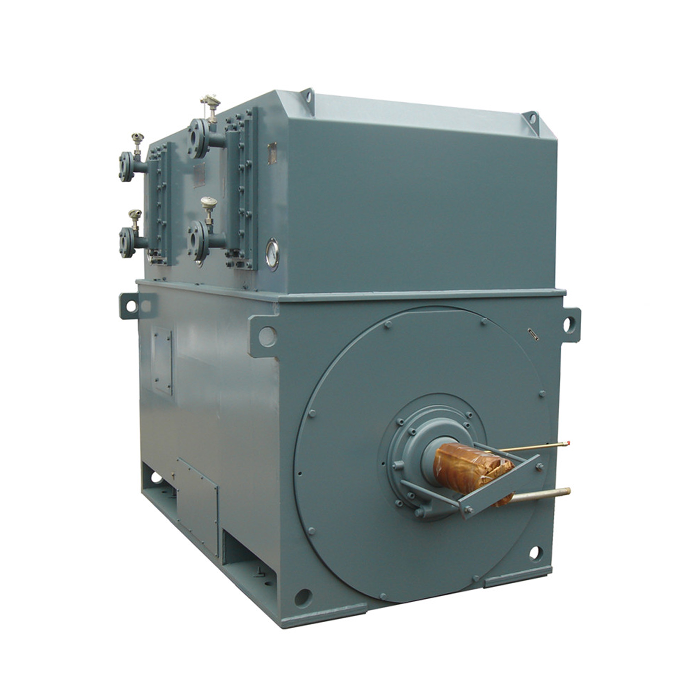
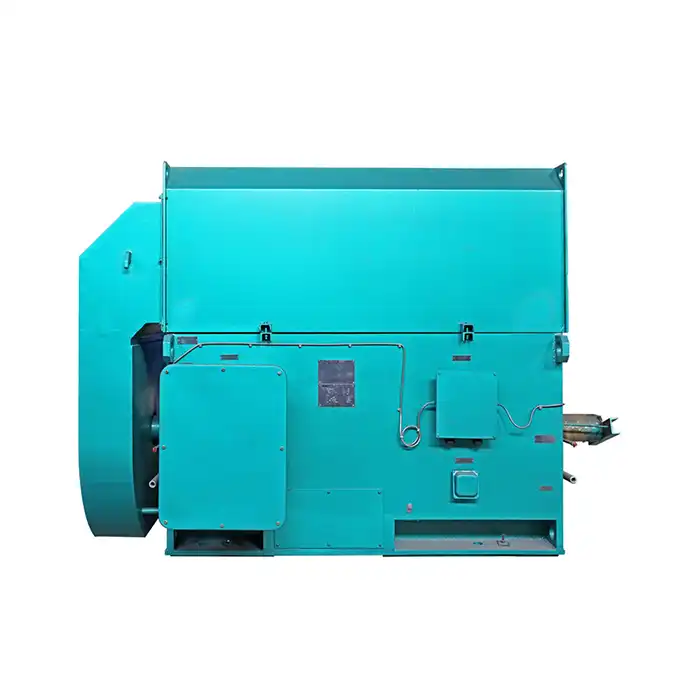
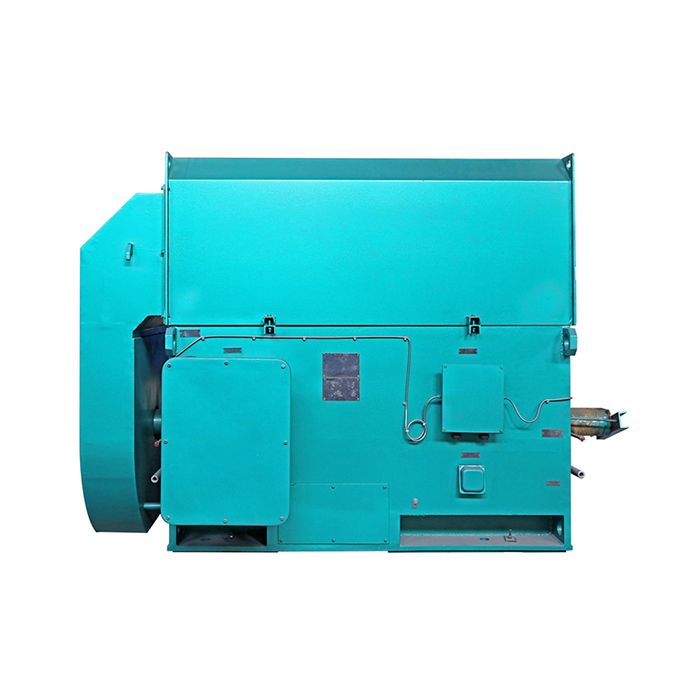
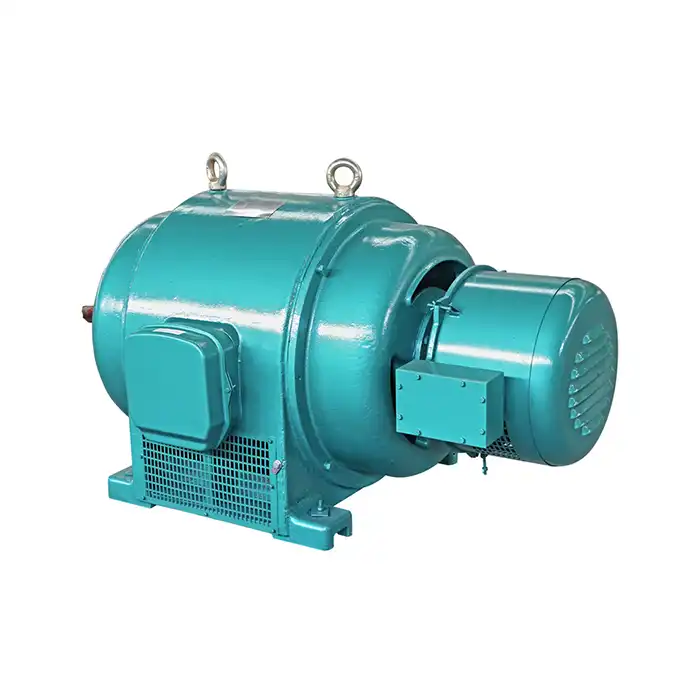
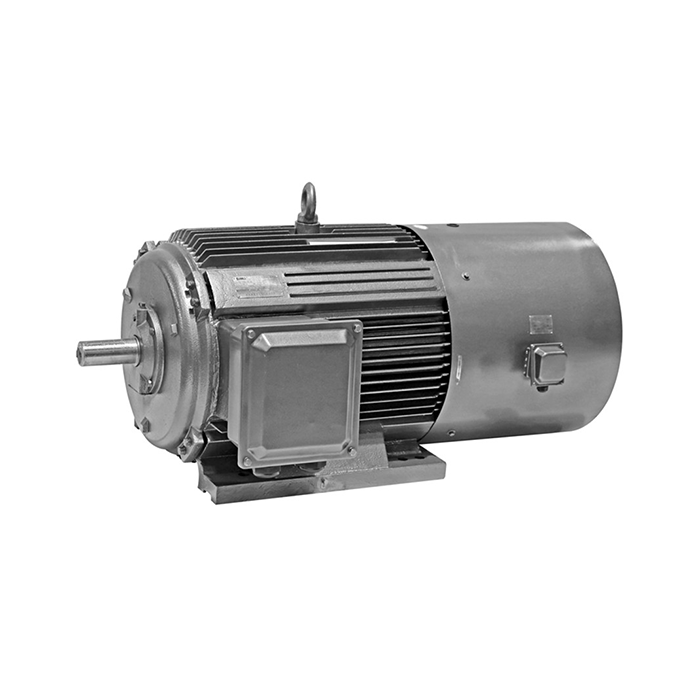
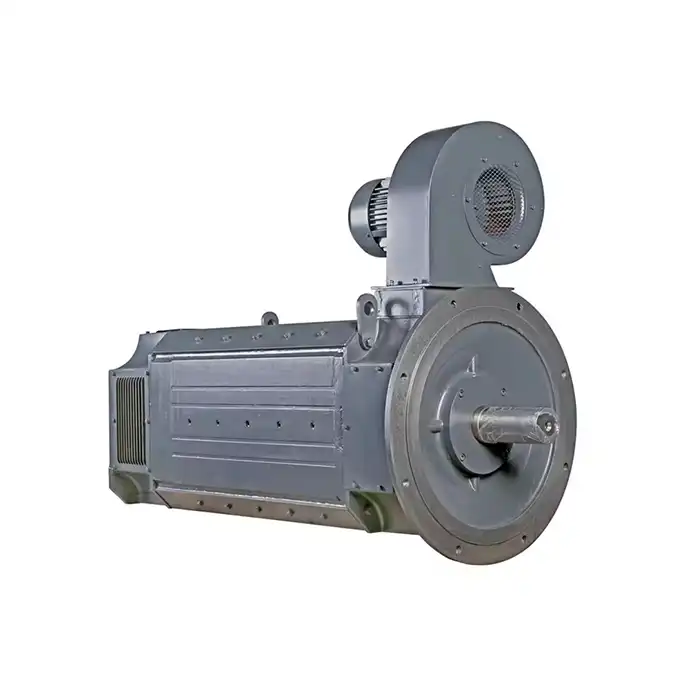
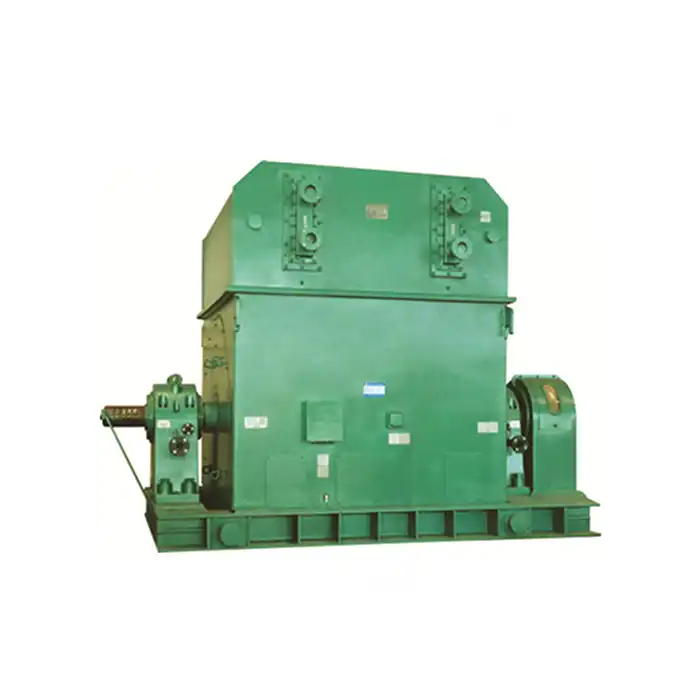
Series:YKS
Protection level:IP54
Voltage range:3000V±5%,3300V±5%,6000V±5%,6600V±5%,10000V±5%,11000V±5%
Power range:220-6300 kW
Application:fans, water pumps, compressors, crushers, cutting machine tools, transportation machinery, etc.
Advantage:low noise, low vibration, long service life, easy installation and maintenance.
Standard: This series of products complies withGB/T 1032 and GB/T 13957 standards.
Others: SKF, NSK, FAG bearings can be replaced according to customer requirements.
Understanding 4160V Motors and High Starting Torque Demands
When purchasing, teams are looking for stable power options, they need to know what makes a 4160V motor able to handle rough startup conditions. In manufacturing plants, energy facilities, and process industries, these motors work at medium voltage levels, which is a good mix between power supply and system efficiency.
What Defines a 4160V Motor's Torque Capability
The electromagnetic contact between the stator windings and rotor wires in a 4160V motor is what makes power. The amount of electricity has a direct effect on the strength of the magnetic field, which is then translated into mechanical force. The power output of our motors ranges from 220 kW to 6300 kW, and the speed ranges from 500 rpm to 3000 rpm. This wide range can handle a variety of load patterns, from slow-moving breakers that need a lot of starting force to fast-moving compressors that need to speed up quickly.
How Starting Torque Differs Across Motor Types
Due to their ease of use and long life, squirrel cage induction motors are the most common type used in commercial settings. When these motors are turned on, torque is created when the rotor bars contact with the spinning magnetic field. The starting torque is based on the shape of the rotor. For example, thicker bar configurations increase resistance during startup, which raises the initial force while lowering the starting current.
When you control the external resistance, wound rotor designs let you change the torque shapes. They are complicated technically, but they work well in situations where slow acceleration keeps driven equipment from being shocked by the force of the acceleration. Synchronous motors work at a steady speed, but they usually need extra starting systems or changing frequency drives to keep the torque from building up. A 4160V motor has more power per unit area and uses less current than 460V or 208V motors. This cuts down on the size of the conductors needed and keeps voltage drops in distribution systems to a minimum.
Challenges and Common Problems in Handling High Starting Torque with 4160V Motors
Any motor that has to start with a lot of power faces technical problems that lower its durability and raise its costs. Knowing about these problems helps procurement teams come up with the right answers and repair schedules.
Starting Current Surges and Electrical Stress
When a 4160V motor starts up, it needs a lot more power than it normally would. For short times, this inrush current can reach six to eight times the usual working current. It is during this time that the electromagnetic forces put stress on the stator windings, rotor bars, and connection points. Repeated contact makes insulation less effective and can cause it to fail early if temperature limits are passed. Voltage drops in the building's electrical systems often happen when big motors start up. Other equipment that is linked may have short-term problems with the power, which could stop production.
Insulation Degradation and Thermal Overload
Motor windings and rotor parts get very hot when they need to start with a lot of power. Insulation materials are exposed to temperature cycles, which makes them age faster. Our motors have Class F insulation that can withstand constant operation at 155°C. This gives them a safety cushion in case they suddenly get too hot. But temperatures can go above safe levels if there isn't enough cooling or if the engine starts too often. The way we cool the ICW37 moves air through ventilation holes, getting rid of the heat that is generated during starting and operation. Failures caused by heat can be avoided by checking the cooling pathways and fan function on a regular basis.
Comparison and Evaluation: 4160V Motor vs Other Voltage Motors for High Starting Torque
To choose the best voltage class, you need to look at the power limits, the efficiency of the system, and how it will be installed. Depending on the needs of the application and the construction of the building, each voltage level has its own benefits.
Torque Output and Energy Efficiency Comparison
While taking about the same amount of power, a 4160V motor creates the same amount of torque as a lower voltage motor. This connection comes from the power equation, which says that voltage and current work together to make mechanical output. Resistance losses in wires and switchgear are cut down when the current is low. This makes the system 2-3% more efficient than 460V setups with the same amount of power. For a given motor type, the starting torque as a portion of the rated torque stays the same across voltage classes. At high power levels, lower voltage motors can't be used because they can't carry enough current, and the cables are too small.
Cooling Method Impact on Performance
Designs that use the ICW37 method and are cooled by air for a 4160V motor remove heat reliably without the need for external cooling water. Fans on the motor's shaft move air through it, and cooling fins on the motor's frame get rid of heat. This method works well in most industrial settings and makes installation easier by getting rid of water pipes and cleaning systems. Conditions in the environment affect how well cooling works. High ambient temperatures make heat movement less efficient, so de-rating or better ventilation is needed. Our IP54 security grade keeps dust and water out while still letting enough air flow to keep you cool.
Optimizing Performance: How to Ensure Efficient High Starting Torque Handling with 4160V Motors
Paying attention to design specs, installation methods, and ongoing maintenance schedules is necessary to get the most out of operating efficiency. All of these parts work together to make sure that the motor always has stable high-torque performance.
Design and Sizing for Application Requirements
Accurate motor sizing stops both breakdowns caused by not having enough power and useless oversizing. Engineering teams should figure out how much starting torque is really needed by looking at the process conditions, the inertia of the moving equipment, and the friction losses. A 4160V motor needs to make enough power to speed up the load in a reasonable amount of time while staying within safe operating temperatures. Our power range, which goes from 220 kW to 6300 kW, is big enough for most commercial uses. Fans and pumps usually work with less power, but they might need more starting torque to get past static head pressure or beginning airflow resistance.
Control Strategies to Manage Startup Stress
By slowly raising the voltage as the motor speeds up, soft starts lower electrical and mechanical stress. Instead of 600–800% for direct online starting, these devices limit the inrush current to values that can be controlled. Variable frequency drives let you precisely control the speed and power of a motor over its entire working range. A VFD changes the output frequency and voltage at the same time, which lets the 4160V motor produce full power even when it's not moving. This feature works well for programs that need to control the starting process or change the speed while they're running normally.
Procurement Guide: How to Choose and Buy the Right 4160V Motor for High Torque Applications
Strategic procurement strikes a mix between technology needs and business concerns to get the best value. As part of this process, specifications are made, suppliers are evaluated, and lifetime costs are calculated.
Aligning Specifications with Operational Demands
Teams in charge of buying things should write down the real working conditions, such as load patterns, job cycles, and environmental factors. A 4160V motor design needs to include voltage tolerance ranges. Our motors can handle variations of up to ±5% across a range of voltages, such as 3300V, 6000V, 6600V, 10000V, and 11000V. At 50Hz, standard synchronous speeds are 500, 750, 1000, 1500, and 3000 rpm. Our motors meet the standards set by GB/T 1032 and GB/T 13957, ensuring compatibility with industrial infrastructure and international quality standards.
Custom Manufacturing for Specialized Applications
Standard stock motors work well in many situations, but sometimes specific needs call for special solutions. Our tech team works with customers to change things like mechanical connections, cooling systems, or winding setups. Custom mounting arrangements, shaft extensions, or special bearing choices make it possible to work with current equipment or make the most of limited room. This joint method makes sure that custom features add real value without adding extra cost or complexity. Custom motors usually have longer lead times than regular goods, by four to six weeks.
Evaluating Supplier Capabilities
Certifications and process controls show that a company is reliable by showing that its products are of high quality. Our ISO 9001:2015 certification proves that we handle quality in a planned way at every stage of production. Following the rules set by IEC 60034 ensures that motor performance meets the highest standards for safety, economy, and dependability around the world. Precision die-casting is used to make the rotor and endshield parts, which helps us keep the dimensions accurate. Performance is checked through testing processes before shipments, providing thorough test paperwork that serves as a standard for commissioning.
Conclusion
Applications that need a lot of starting torque need motors that have a strong electromagnetic design, good heat control, and long mechanical life. A 4160V motor has these features because it has a well-designed rotor, the right insulator systems, and good cooling methods. To be successful at procurement, you need to write clear specifications, evaluate suppliers, and pay attention to costs that go beyond the initial buy price. Our motors are used in many fields, from mines to water treatment, and they work reliably even in tough situations. Medium-voltage motors are useful for important industrial processes that need to be able to reliably start up with a lot of force because they can handle a range of power levels, are well-made, and have helpful customer service.
FAQ
1. How long can a 4160V motor withstand frequent high starting torque cycles?
The motor's life depends on how well it handles heat and how much room it has for error in the design. When they are the right size, our 4160V motor with Class F insulation and ICW37 cooling can handle 10 to 15 starts per hour. Soft starts or VFD control that lowers heat and mechanical stress are helpful for applications that go above this frequency. Regular maintenance, like testing the insulation and checking the bearings, can make the service last longer.
2. What maintenance prevents failure in high torque applications?
A good maintenance plan checks for worn bearings or misalignment every three months, checks the insulation's resistance once a year to make sure the windings are solid, and checks the cooling system often to make sure it's working right. Premature wear can be avoided by lubricating bearings according to the manufacturer's instructions. Our motors have high-quality bearings from SKF, NSK, or FAG that work well between service times. Keeping the motor and the equipment it drives in the right position during startup lowers the mechanical stress.
3. Do 4160V motors offer better energy efficiency than lower voltage options?
At the same amount of power, a 4160V motor runs at less current, which lowers resistive losses in distribution systems and raises the total efficiency by 2% to 3%. Even though the motor itself isn't much more efficient than lower voltage versions, the system as a whole benefits from less cable loss and easier installation of power transfer infrastructure. Medium voltage systems are better for applications over 1000 kW because low voltage systems can't carry as much power.
Partner with XCMOTOR as Your Trusted 4160V Motor Manufacturer
XCMOTOR specializes in providing high-performance 4160V motor options that are designed to meet the strict power needs of industrial applications. We make motors that work great in crushers, compressors, water pumps, and other big industrial equipment by using precise die-casting, advanced winding technology, and strict testing routines. We offer flexible setups with voltages ranging from 3000V to 11000V, and power amounts from 220 kW to 6300 kW, so we can make sure that they work best for your needs. Our goods are a great deal for procurement teams that are in charge of vital infrastructure because they are protected against IP54/IP55 threats, operate quietly, have long service lives, and come with full support. Contact our technology experts at xcmotors@163.com for more information, competitive pricing, or help with your application. We maintain Shaanxi Qihe Xicheng Electromechanical Equipment Co., Ltd.'s commitment to reliable power solutions with weekend support availability and prompt delivery schedules that keep your projects on track.
References
1. Chapman, Stephen J. "Electric Machinery Fundamentals, Fifth Edition." McGraw-Hill Education, 2012.
2. Nasar, Syed A. "Handbook of Electric Machines." CRC Press, 1987.
3. Stone, Greg C., et al. "Electrical Insulation for Rotating Machines: Design, Evaluation, Aging, Testing, and Repair, Second Edition." IEEE Press, 2014.
4. Boldea, Ion, and Syed A. Nasar. "The Induction Machines Design Handbook, Second Edition." CRC Press, 2010.
5. Melkebeek, Jan A. "Electrical Machines and Drives: Fundamentals and Advanced Modelling." Springer International Publishing, 2018.
6. IEEE Standard 112-2017. "IEEE Standard Test Procedure for Polyphase Induction Motors and Generators." Institute of Electrical and Electronics Engineers, 2018.