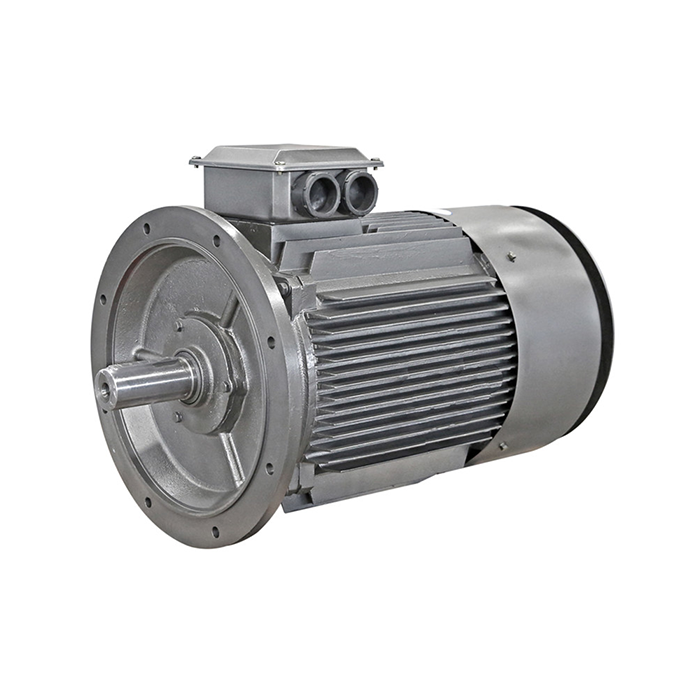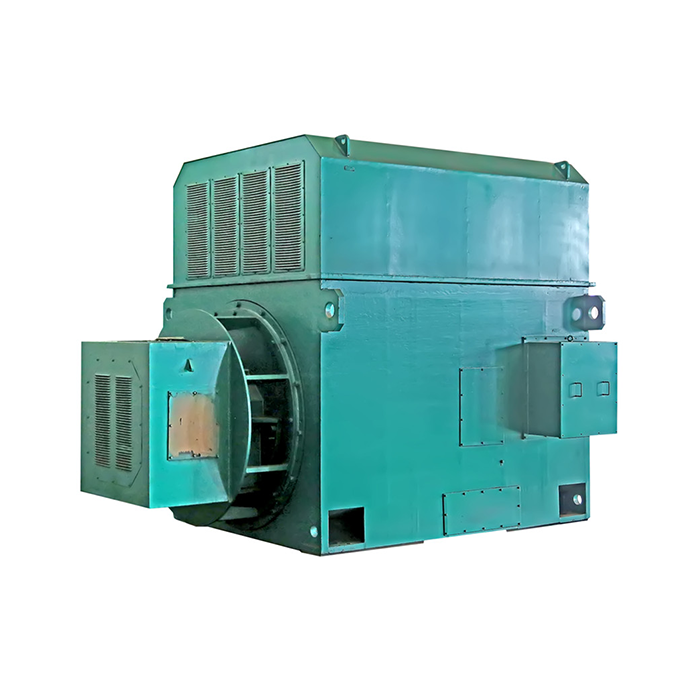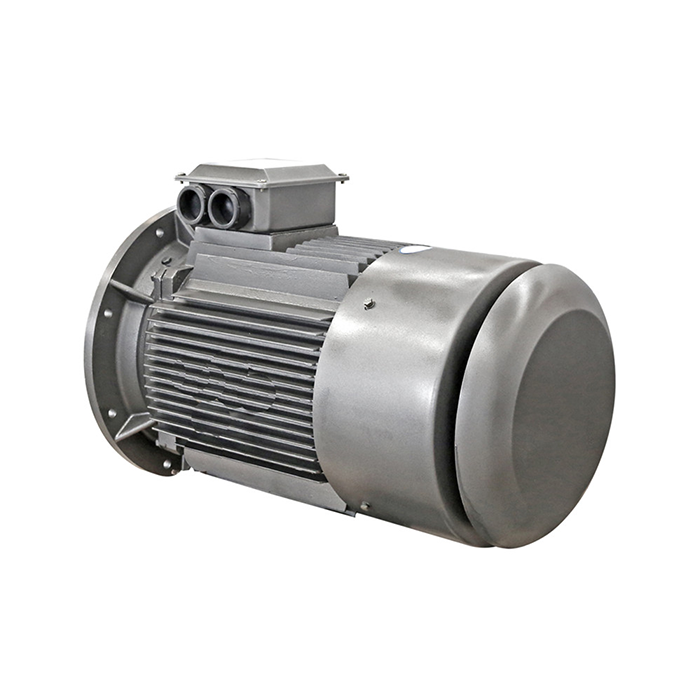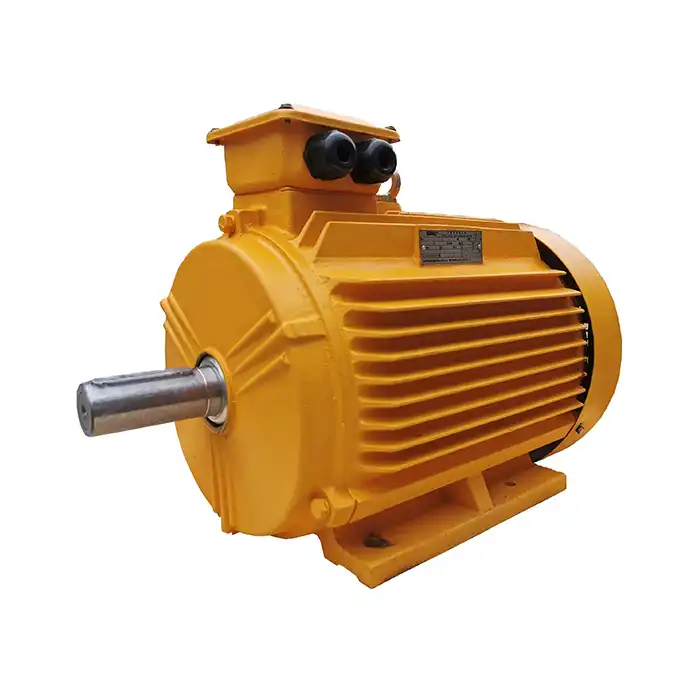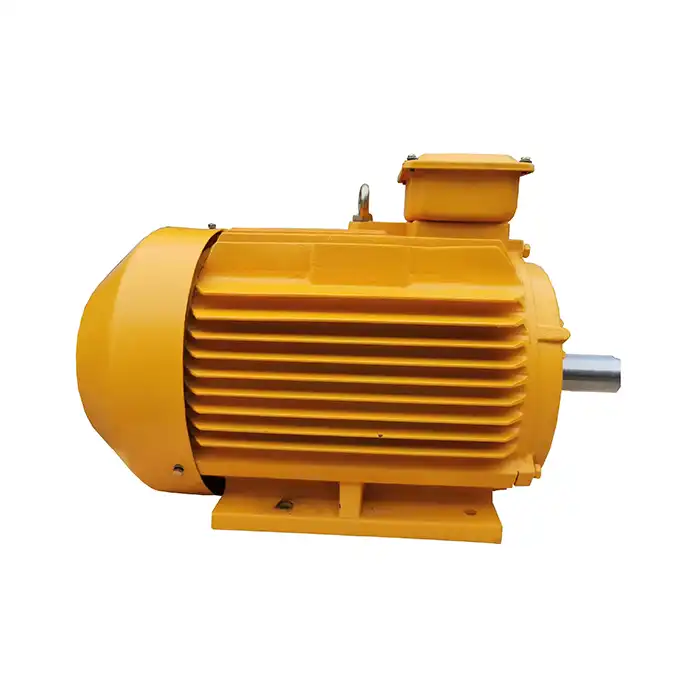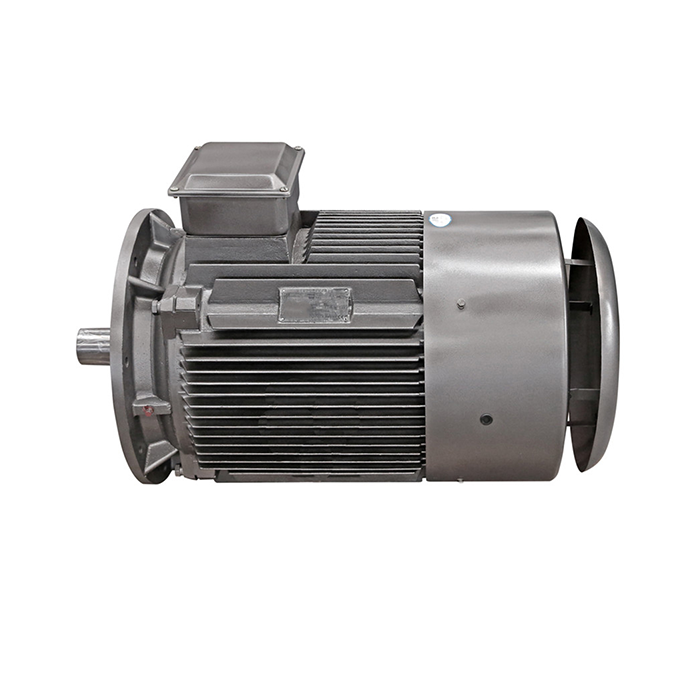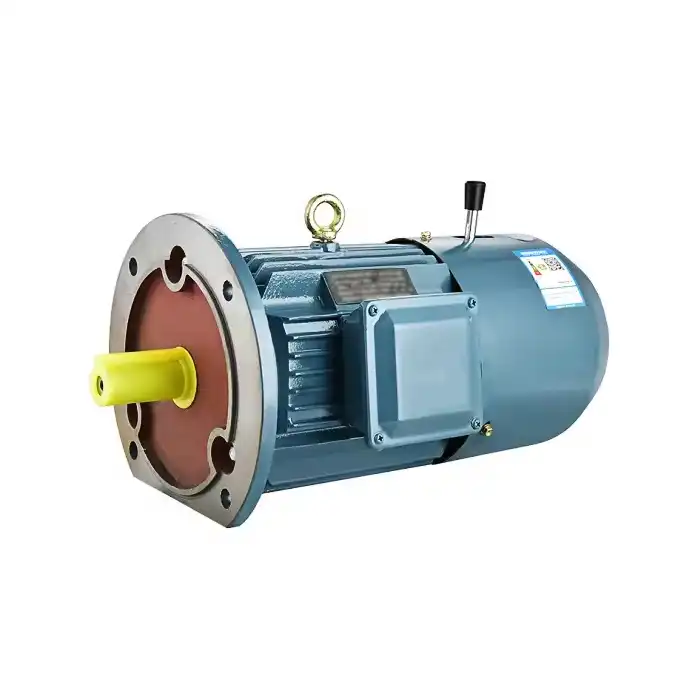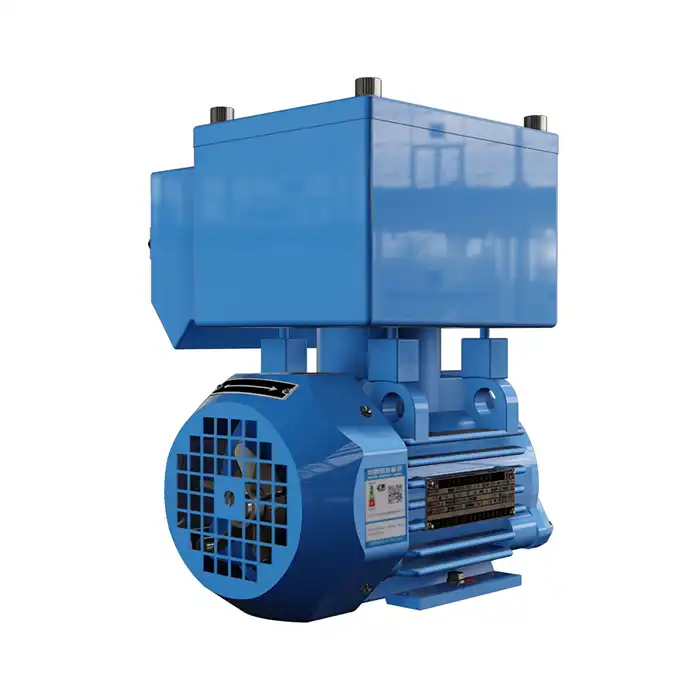




200hp DC Motor: High Efficiency, Low Noise, and Long Life
A 200hp DC motor gives your building the power it needs when it needs power that won't go out. Because they have a high output and exact control, these motors are necessary for industrial processes that can't afford downtime or lost energy. With efficiency rates of up to 95% at full load, these powerhouses lower operating costs while still providing the speed that heavy-duty applications need every day.
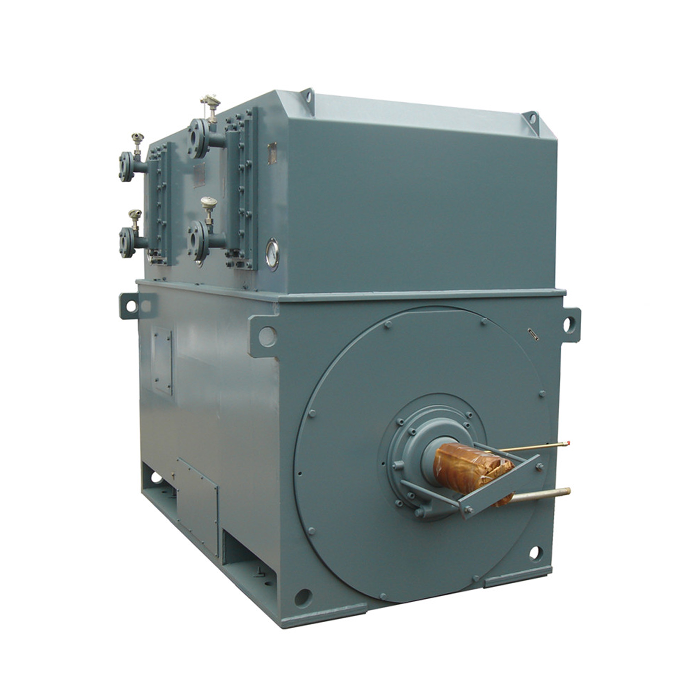
Series:Z4
Frame number: 100-450
Application:Z4 series motorsThis series of motors can be widely used in various industrial sectors such as metallurgical industrial rolling mills, metal cutting machine tools, papermaking, dyeing and weaving, printing, cement, and plastic extrusion machinery.
Power range:1.5-600kW
Voltage range: 160V,440V, etc.
Certificate: The performance of this series of motors not only complies with the national standard GB/T755 "Basic Technical Requirements for Rotating Electrical Machines", but also basically complies with the German VDE0530 standard.
Advantage:Z4 series DC motor has greater advantages than Z2 and Z3 series. It can not only be powered by DC unit power supply, but also suitable for static rectifier power supply. It has small moment of inertia, good dynamic performance, and can withstand high load change rates. It is especially suitable for control systems that require smooth speed regulation, high efficiency, automatic speed stabilization, and responsive response. It has reached the current international advanced level..
Others: SKF, NSK, FAG bearings can be replaced according to customer requirements.
Understanding 200hp DC Motors: Key Specifications and Operational Principles
What Does 200 Horsepower Really Mean?
The number of 200 horsepower is equal to about 149 kilowatts of motor power. This number shows how much work the 200hp DC motor can do continuously in normal factory circumstances. In real life, this amount of output is good for heavy-duty jobs in steel mills, paper factories, and mining equipment that needs steady power. The frame sizes are usually between 100 and 450 mm, so they can fit a variety of fitting needs while still meeting high performance standards.
How DC Motors Operate in Industrial Settings
DC motors use electromagnetic induction between fixed field coils and a spinning armature to turn electrical energy into mechanical rotation. You have a lot of control over speed and power in the 200hp class because you can change these factors by changing the voltage or field strength. Because they can be controlled, they are useful in situations where smooth movement, exact positioning, or changing speeds are needed. Our motors have a low moment of inertia, which means they can respond quickly when the load changes without warning.
Critical Specifications That Drive Performance
Voltage settings for 200hp units usually come in 160V and 440V versions, but they can be changed to fit the needs of a particular building. The amount of current drawn depends on the voltage and the load, but the right size guarantees the best efficiency across the whole working range. High starting values are seen in torque traits, which are necessary for big machinery to overcome static friction. Thanks to sensitive field control systems, speed regulation stays the same even when loads change. The insulation class F rating (155°C) protects against heat for continued use, and the IP23 rating keeps dust and water out of normal industrial settings.
Performance and Efficiency: Why 200hp DC Motors Deliver Optimal Results
Energy Efficiency That Impacts Your Bottom Line
At full load, modern 200hp DC motors are up to 95% efficient, which means that they turn most of the electricity they receive into useful mechanical work. When compared to older motor designs that waste energy as heat, this economy makes monthly power bills a lot lower. The improved winding methods and optimized magnetic circuit design keep losses to a minimum across the whole working range. When you think about how motors often use the most electricity in factories, even small changes in efficiency add up to big savings every year. Our motors meet both the national standard GB/T755 and the German VDE0530 standard. This means that you can be sure of their performance measures.
Advanced Noise Reduction Technologies
Noise pollution in industrial settings is getting more and more attention. Our 200hp DC motors address these issues through a number of built-in design features. The forced air cooling system keeps the temperature just right while running quietly. Precision-balanced armatures cut down on vibrations that would otherwise travel through mounting structures and make the noise louder. Depending on your taste, high-quality SKF, NSK, or FAG bearings will run smoothly with little noise. The end result is a motor that works at a noise level that is suitable for modern buildings, where worker safety and following the rules are important.
Durability Through Materials and Cooling
For the magnetic circuit, high-grade electrical steel is used, and the copper windings don't break down when heated. Forced ventilation moves air through carefully planned pathways, getting rid of heat before it can damage insulation or shorten the life of parts. Most workplace settings can work with ambient temperatures between -15°C and +40°C, but wider ranges can be provided if your building needs them. Checking the cooling paths, brush state, and bearing lubrication on a regular basis greatly increases operating life. Many places say that they get serviced every year instead of months when they follow the recommended repair plans.
How to Choose the Right 200hp DC Motor for Your Industry Needs
Balancing Critical Selection Factors
When picking the right 200hp DC motor, you need to think about a number of linked factors that affect your long-term happiness. Ratings for efficiency have a direct effect on how much the motor costs to run over its lifetime, so comparing specs between choices shows what the real value is. Making noise is important in places with strict environmental rules or where people work close to tools. The expected lifespan varies on how well the structure is built, which bearings are used, and how well the heat is managed. Accessibility for maintenance affects how often downtime happens and how much work technicians have to do. A product's cost-effectiveness goes beyond its buying price and includes factors like how much it costs to install, run, and eventually replace.
Brushed Versus Brushless Configurations
In classic brushed designs of 200hp DC motors, current in the armature windings is switched by carbon brushes that ride on a commutator. This tried-and-true technology is easy to use and doesn't cost as much at first, but brushes need to be checked and replaced every so often. The brush's life depends on how it's used, but it can usually go months without needing to be serviced. By using electrical switching, brushless configurations get rid of this need for upkeep, but they need more complex control systems. At the 200hp power level, both technologies work well. Which one you choose depends on how easy it is to maintain your building and how important speed is to you. For most industrial uses, our basic products have brushed designs that are a good mix between price and function.
Customization Options and Lead Time Realities
Standard motors ship within an acceptable amount of time, but production plans are longer when unique voltage needs, special shaft configurations, or different mounting arrangements need to be made. You can choose the voltage, speed ranges, bearing names, and safety class upgrades that work best for you. Changes can be made to the Frame 100-450 line without affecting its structural stability or performance standards. Customization usually adds two to four weeks to normal lead times, but if the needs are very specific, it could take longer. Project delays can be avoided by basing procurement plans on realistic delivery standards. During the quote process, our team gives you clear estimates of when the work will be done, so you can work the installation around the facility's plans.
Maintenance, Troubleshooting, and Long-Term Operation of 200hp DC Motors
Essential Maintenance Protocols
200hp DC motors work regularly between major service intervals thanks to inspection plans. Visual checks once a month find clear problems like strange wear patterns, loose connections, or blocked cooling before they get worse. Brush inspections every three months show wear rates that help figure out when to replace the brushes, avoiding problems that were not expected. Bearings should be oiled according to the manufacturer's instructions, which is usually every 2,000 hours of use, using the right types of grease that keep the film strong. Cleaning the cooling system gets rid of the dust that builds up and blocks airflow, which raises the working temperature. These simple steps greatly increase the life of motors while taking very little time from technicians.
Troubleshooting Common Operational Issues
Overheating is often a sign of a clogged cooling system, too much load, or power problems. Most of the time, the reason can be found by checking the load levels and airflow routes. When commutator surfaces get rough or dirty and need to be cleaned or resurfaced, brush wear speeds up. Electrical problems show up as noises, changes in how much current is drawn, or inconsistent performance. By checking the resistance levels in the field and armature circuits, broken parts can be found before they cause more damage. When our own experts aren't enough to answer a question, our technical support team at xcmotors@163.com can help with diagnostics.
Predictive Maintenance and Condition Monitoring
Condition tracking systems in advanced facilities keep an eye on vibration patterns, thermal patterns, and electrical factors all the time. These systems notice slow damage before it leads to a functional failure. This lets fixes happen during planned breaks instead of having to be done quickly in an emergency. Early on in the creation process, vibration research can find bearing wear, imbalance, or misalignment. Thermal imaging shows hot spots that mean links aren't working right or there are cooling issues. Electrical problems in windings or control circuits can be found using current signature analysis. Even though not every building needs a full tracking system, taking measurements on a regular basis during routine checks can still give you useful information about trends.
Procurement Insights: How to Buy the Best 200hp DC Motor for Your Business
Understanding True Cost Dynamics
For 200hp DC motors, the buying price is only one part of the total costs of ownership. Energy use over a normal 10-15-year work life often exceeds the cost of purchase by five to ten times. Differences in efficiency of only a few percentage points add up to big savings over time. Maintenance needs affect staff costs and downtime costs over the life of a business. Dependability impacts the ongoing production and the hidden costs of breakdowns that happen out of the blue. By looking at all of these factors together, you can see which choices really offer value and not just low starting costs.
Identifying Reliable Suppliers and Certifications
Teams in charge of buying things should make sure that any possible suppliers have quality control systems that meet foreign standards. Our motors have been certified by CE and CCC, which shows that they meet safety and efficiency standards in major markets. A supplier's image is based on how customers have felt about them over many deals. References from similar fields show how well something works in the real world and its quality. The ability to manufacture something determines whether or not calls for customization can be reliably met. Clear communication during the question and quote process can often tell you a lot about the quality of help you'll get throughout the lifecycle of the product.
Ordering Process and Installation Considerations
When placing an order, whether it's through an online store or a straight special order, it's important to be clear about the specifications. Suppliers can suggest the best designs by having detailed information about the application, such as load factors, job cycles, and environmental conditions. Lead times depend on how customized the product needs to be and how busy the factory is right now, so getting accurate shipping figures early on helps plan the project. Professional installation makes sure that the positioning, electrical connections, and initial setup are done correctly so that the system works well and lasts a long time. Many facilities find that having installation services or advice from the provider stops costly mistakes from happening during launch.
Conclusion
To choose the right 200hp DC motor for your building, you have to weigh its efficiency, operating features, and lifecycle costs. These motors give demanding industrial uses the precise control and reliable performance they need every day. If you choose, install, and take care of them correctly, they will last for years and years while saving you money on energy costs compared to less efficient options. Because they have a high starting torque, good speed control, and a history of longevity, they are useful in big equipment, manufacturing, and processing.
FAQ
1. How long can a 200hp DC motor run continuously?
How long something can run continuously relies on how it handles heat, how much it's being used, and the temperature outside. When motors are the right size, well-maintained, and placed in the right setting, they can run forever with only regular service breaks. The class F insulation grade and forced ventilation cooling allow for continuous service at the maximum load. Most factories plan short repair breaks every three months so that they can be inspected without stopping production.
2. Can DC motors operate with different power supply types?
It is possible for 200hp DC motors to work with both old-fashioned DC unit power sources and newer static rectifier systems. This adaptability makes integration easier in buildings with different kinds of electricity systems. The motor's performance stays the same no matter what kind of power it gets as long as the voltage and current specs are met.
3. What maintenance tasks require professional technicians versus in-house staff?
Regular checks, cleaning, greasing, and brush replacement are usually things that can be done by in-house support staff. For more difficult tasks, like cleaning the commutator, fixing the windings, or replacing the bearings, it's often best to use professional knowledge and tools. A lot of sites do their own preventative maintenance and hire expert service providers to do the big repairs.
Partner with XCMOTOR for Your 200hp DC Motor Requirements
Shaanxi Qihe Xicheng Electromechanical Equipment Co., Ltd. (XCMOTOR) offers a wide range of power equipment options that can be customized to meet your needs. As a 200hp DC motor provider with a lot of experience, we offer high-efficiency motors along with professional support and help that is quick to respond. As part of our promise, we will only sell original parts from well-known brands, send all of our goods quickly, and let you return any purchases within 30 days. We offer technical support every day, even on weekends, because we know that industry activities don't stop. Email our team at xcmotors@163.com to talk about your unique application needs and get full specs that are perfect for your facility.
References
1. Chapman, S. (2012). Electric Machinery Fundamentals. McGraw-Hill Education, Fifth Edition.
2. Hughes, A. and Drury, B. (2019). Electric Motors and Drives: Fundamentals, Types and Applications. Newnes, Fifth Edition.
3. Toliyat, H.A. and Kliman, G.B. (2004). Handbook of Electric Motors. CRC Press, Second Edition.
4. National Electrical Manufacturers Association (2016). Application Guide for AC Adjustable Speed Drive Systems. NEMA Standards Publication.
5. IEEE Standard 112-2017. IEEE Standard Test Procedure for Polyphase Induction Motors and Generators. Institute of Electrical and Electronics Engineers.
6. Bonnett, A.H. (2008). Root Cause AC Motor Failure Analysis with a Focus on Shaft Failures. IEEE Transactions on Industry Applications, Volume 36, Issue 5.