



Global HV AC Motor Market Trends: Moving Toward Digitalization and Smart Monitoring
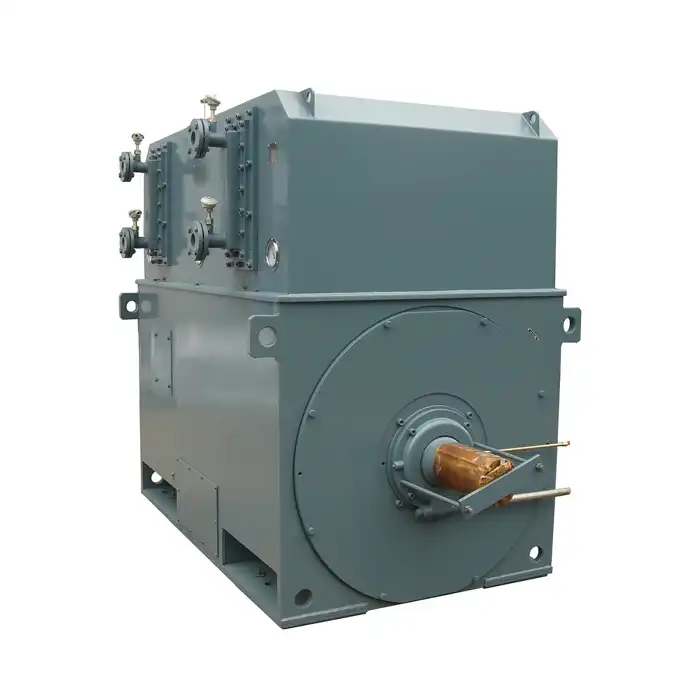
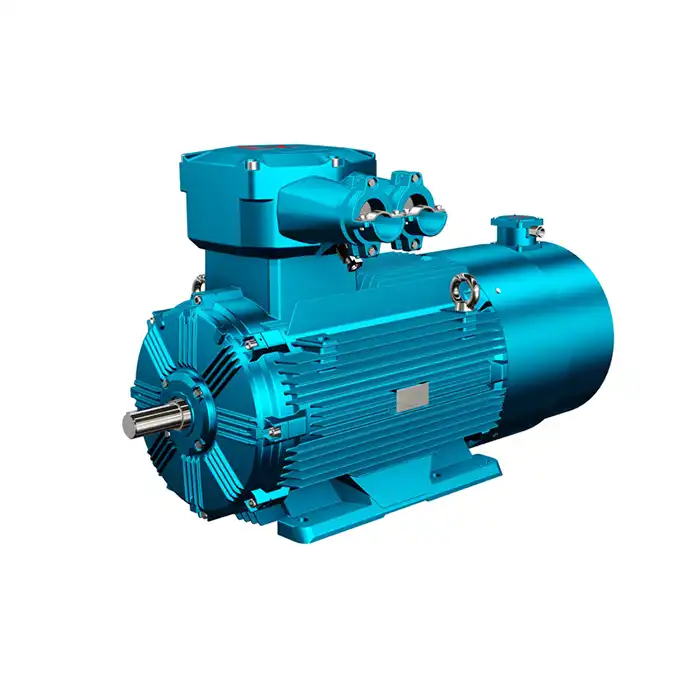
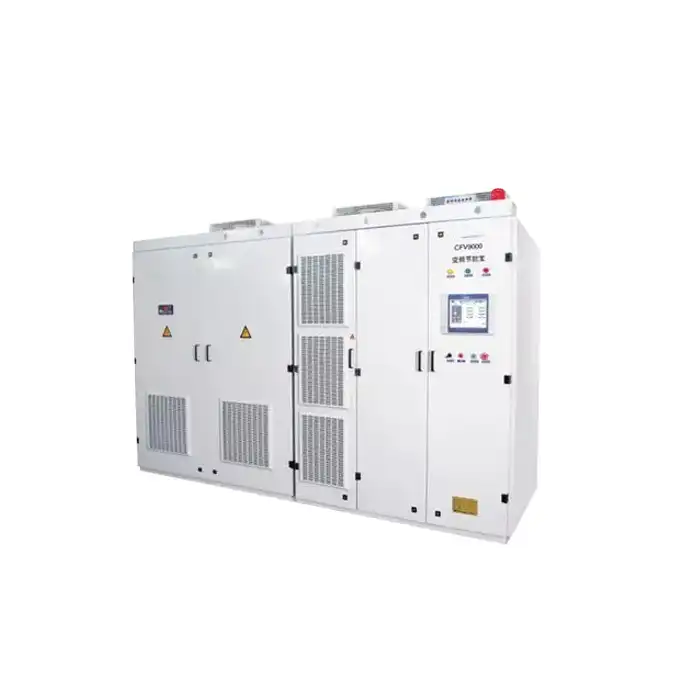
Digitalization and smart tracking innovations are reshaping the global High Voltage AC Motor market. More and more, industries need motors that can work with voltages between 3 kV and 11 kV and produce power between 160 kW and 6300 kW. IoT devices, predictive analytics, and remote diagnostics are now built into these tools. This lets workers know when problems will happen before they do. This change solves problems that have been around for a long time in fields like mining, petrochemicals, and power production, where unexpected downtime causes big losses in money and problems with operations.
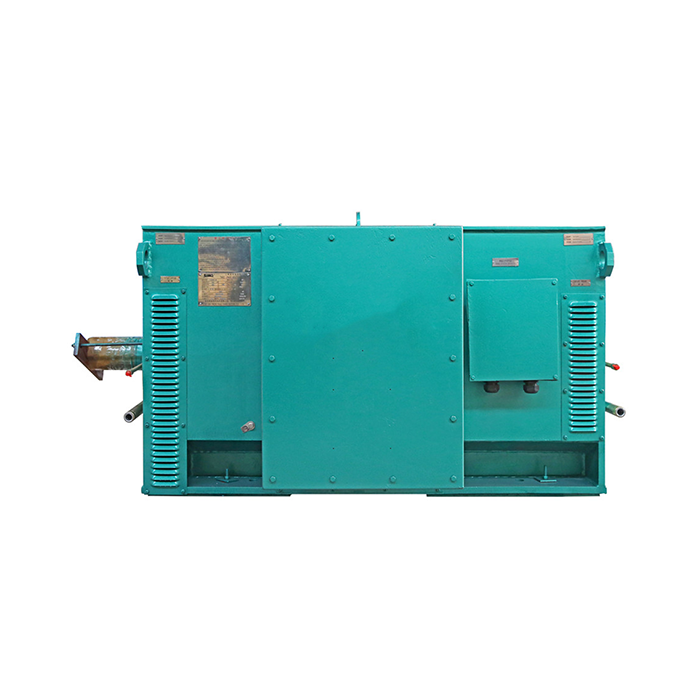
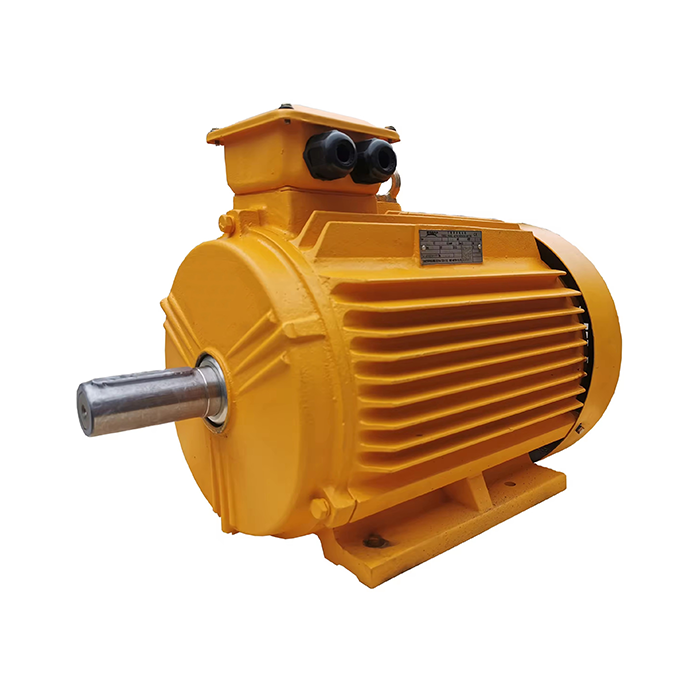
Series:YX
Protection level:IP23
Voltage range:3000V±5%,3300V±5%,6000V±5%,6600V±5%,10000V±5%,11000V±5%
Power range:220-3550 kW
Application:fans, water pumps, compressors, crushers, cutting machine tools, transportation machinery, etc.
Advantage:high efficiency and energy saving, light weight, low noise, small vibration, long service life, easy installation and maintenance.
Standard: This series of products complies with JB/T 12728 and JB/T 10446 standards.
Others: SKF, NSK, FAG bearings can be replaced according to customer requirements.
Current Landscape of the Global High Voltage AC Motor Market
The energy infrastructure, heavy industrial, and process industries require more high-voltage tools. Analysts expect the High Voltage AC Motor market to develop gradually until 2030. In growing economies, existing buildings must be replaced and new ones built. Operators of oil refineries, water treatment facilities, and steel mills prioritize stability and energy economy in the US, a large market.
Understanding Motor Types and Configurations
Many methods exist for building high-voltage circuits. Most centrifugal pumps and forced draft fans use squirrel cage induction motors for stable speed. Their precision-balanced design and die-cast aluminum rotors reduce vibrations and increase mechanical longevity. These units have IP54 or IP55 security ratings to protect the interior from dust and water.
Wound rotor designs allow outside resistance control to adjust speed. Hoists, rolling mills, and wire drawing machines benefit from initial torque adjustments. Controlling movement speed with the slip ring assembly reduces mechanical stress on associated equipment. Powerful industries like mining and metallurgy demand 200–5600 kW.
By connecting to the supply frequency, synchronous motors provide accurate speed control. These instruments are utilized in power plants and large compressor stations for precise RPM maintenance. You must understand their excitation devices and field windings throughout building and commissioning.
Evaluating Premium Versus Standard Offerings
Premium motor lines frequently have Class H temperature ratings for 180°C, greater than Class F. This thermal cushion extends device life in hot environments or when overworked. Manufacturers employ vacuum pressure impregnation to coat winding insulation in temperature- and chemical-resistant resin compositions.
Quality of high voltage AC motors depends on bearings. Premium units use SKF, NSK, or FAG L10 parts with longer lifespans, reducing maintenance and replacement costs. Flying particles accelerate wear in cement plants and mines, thus sealed bearings keep dirt out.
Product lines vary in cooling technology complexity. ICW37-based water-cooled motors are compact and always can manage heavy loads. Hotspots reduce insulation, but the water jacket's structure uniformly distributes warmth. Air-cooled IC411 or IC611 models with exterior fans function effectively when cooling water infrastructure isn't feasible.
Digitalization and Smart Monitoring – Transforming HV AC Motor Operations
Maintenance used to include scheduled overhaul programs and manual inspections. Operators gathered oil samples every three months and assessed insulation resistance once a year to catch issues before they caused catastrophic failures. This reactive strategy caused parts to break down at the worst conceivable moments or demand premature replacement.
Smart Monitoring System Architecture
Temperature sensors are now incorporated into stator windings to track thermal trends throughout stages. The PT100 resistance thermometers provide accurate readings to programmable logic controllers or state tracking systems. Similar sensors in bearing housings alert maintenance personnel when temperatures climb beyond specific thresholds, which might indicate grease wear or misalignment.
Motor frame vibration monitors detect unbalance, loose parts, and bearing race issues. Accelerometers detect early failure signals at high frequencies. This allows weeks of repair before noise or performance loss is noticeable. Frequency spectrum analysis helps distinguish electrical imbalance from mechanical issues by identifying failure indications.
High-voltage pulses from insulation tracking devices assess polarization indices during shutdowns and compare them to commissioning values. As things worsen, maintenance work orders are sent out to plan outages instead of emergencies. Partial discharge detection finds thermal stress or contamination-induced insulating defects.
Real-World Implementation Benefits
A Midwest power plant installed smart tracking in sixteen high-voltage AC Motor units that operate forced draft fans and boiler feed pumps. Predictive analytics detected bearing lubrication issues in three motors that needed quarterly repairs in the first year. Early response prevented bearing grabs that would have shut down generators and cost over $2 million in output.
Nevada mining enterprises use wireless sound monitors on engines that run remote crushers. Since the shaft was out of alignment for two weeks, the system could repair it during maintenance. Similar instances caused catastrophic coupling breakage that required quick repairs and extra downtime.
Continuous motor insulation monitoring in corrosive environments benefits chemical processing industries. Gradual insulation resistance loss alerts you to contamination via sealing systems, allowing you to replace the gasket before the winding breaks.
Comparing High Voltage AC Motors with Alternatives – Making Informed Decisions
Compare performance parameters to product demands to determine the best motor technology. In addition to the original purchase price, voltage categorization, control complexity, and maintenance access impact long-term operating expenses.
High Voltage AC Versus DC Motor Systems
DC motors start faster and can be speed-controlled by shaft voltage. DC technology is ideal for speed-changing or reversing applications. However, commutator maintenance and brush replacements cost more. Spark manufacturing in hazardous areas requires explosion-proof containers, increasing system complexity.
High Voltage AC Motors eliminate commutators and carbon brushes, reducing wear and maintenance. Modern variable frequency drives allow AC motors to regulate speed like DC motors while retaining induction motor reliability. AC designs are usually more energy-efficient, particularly when the speed is constant and the supply frequency matches the motor's optimum operating regions.
Power levels and application details affect capital costs. After adding drive electronics and control infrastructure expenditures, mid-range industrial motors from 500 kW to 2000 kW have lower fixed costs for AC systems. If the application requires significant starting torque or four-quadrant operation, configurations above 3000 kW may need specialized DC equipment.
Voltage Level Considerations
Low-voltage 460V or 575V motors are appropriate for purposes under 500 kW and don't require huge wires or switches. Medium voltage equipment between 2.3 and 4.16 kV fills the gap. Industrial facilities that employ dispersed generation or have utility power issues often do this.
When True High Voltage AC Motor grade reaches 6 kV, current drops. This allows longer cable runs without voltage loss or wire cross-sections. Motors located from energy distribution hubs save copper and improve power quality. Starting currents decrease uniformly, minimizing grid interruption during motor acceleration.
Procurement Best Practices and Supply Chain Trends for HV AC Motors
To buy industrial motors, you have to deal with technical specs, business terms, and coordinating supplies. Professionals in procurement have to balance a lot of different objectives, such as shipping times, warranty coverage, and estimates of the total cost of ownership for high-voltage AC Motor equipment.
Specification Development and Supplier Communication
Detailed motor data sheets inform prospective suppliers of key aspects. Voltage limitations, typically ±5%, enable grid adjustments without impacting efficiency. Power output standards enable brief overloading when the process goes wrong due to service factor gaps. Mounting, shaft, and end box placement must fit the installation or facility layout.
Environment impacts motor choice and pricing. When it's above 40°C outdoors, decrease or boost the cooling. Above 1000 meters, air density diminishes, making cooling less efficient and requiring power output adjustments. Protection classes go beyond IP54 standards and consider chemical exposure, dampness, and harmful atmospheres.
Application task cycles assist choose insulation class and verify thermal design. Continuous service at rated load differs from intermittent service. Mining hoist drives must have powerful mechanics and heat capacity to withstand heavy starting and inertia loads. Centrifugal pump drivers prioritize efficiency above short-term performance.
Evaluating Commercial Proposals
The warranty goes beyond manufacture faults. Leading suppliers now guarantee efficiency and operational dependability. The five-year insulation system warranty gives you piece of mind concerning winding construction quality and impregnation effectiveness.
Delivery lead times depend on production capacity and raw material availability. Shipment takes eight weeks for typical stock products, twelve to sixteen weeks for unique voltage or frame size combinations. Procurement techniques with backup stock for critical items decrease long lead time hazards.
Payment periods and currency fluctuations effect total purchasing costs. Business with other nations may subject you to foreign currency risks. Financial mechanisms or fixed-price contracts in the buyer's currency may mitigate these risks. Suppliers get operating capital from manufacturing goal-based progress payment schemes but buyers retain authority until final approval.
Maintaining High Voltage AC Motors in the Era of Smart Monitoring
Continuous tracking data is used by proactive maintenance methods to find the best times to intervene and the best way to use resources. Condition-based methods take the place of fixed-interval overhauls, which cut down on needless downtime and increase the availability of assets.
Common Failure Modes and Detection Methods
High-voltage AC Motor units fail due to insulation wear. Time, thermal cycling, water infiltration, and chemical contamination diminish dielectric strength. Polarization index measurements during annual shutdowns may assess insulation quality by comparing one-minute and ten-minute resistance values. Values below 2.0 indicate deterioration and demand investigation.
Vibration and high operating temperatures indicate bearing failure. Lubrication contamination, imbalance, and overload accelerate wear patterns, which ultrasonic monitoring and oil analysis may show. Greased bearing systems must be relubricated three to twelve months a year, depending on speed and load, depending on operating circumstances.
Turn-to-turn shorts and phase imbalances may result from insulation failure or manufacturing defects in high voltage AC Motor windings. The harmonic content of motor current signature analysis might indicate an electrical imbalance. Thermal imaging during machine operation indicates localized overcurrent or cooling system issues.
Predictive Maintenance Program Structure
A software establishes performance signatures when it's initially used or after a major upgrade. Motor performance is indicated by vibration patterns, temperature profiles, and electrical features. Measurements may monitor modest changes before failure by regularly comparing current findings to reference data.
Alarm levels trigger greater response routines. Level one reports alert workers to minor changes that require greater attention. Engineers review level two alerts and schedule maintenance for the next open outage. Level three alerts indicate a system breakdown, requiring immediate shutdown and repair.
Maintenance task libraries offer smart tracking inputs to common inspection activities. Temperature observations determine bearing cleaning intervals, not calendar dates. Insulation testing increases when partial discharge exceeds safe limits. This dynamic technique maximizes labor usage and asset reliability.
Insulation Class Impact on Service Life
Class F insulation systems that can operate at 155°C are suitable for most commercial applications. Temperature rise checks keep fully loaded motors below their rated limits during plant acceptance testing. Extra areas are included for temperature variations and short-term overloads.
Class H insulation, rated to 180°C, enhances operating range in hot areas or overloaded circuits. Better insulation resists heat, slowing aging and doubling heavy-duty cycle service life. Even though Class H insulation costs more, premium motor specifications include it because it saves money throughout the life of the motor.
Vacuum pressure impregnation quality affects shielding lifespan. When you properly saturate the glue, you eliminate empty areas that enable electrical tension build up and accelerate insulator breakdown. Reliable manufacturers record VPI process factors and microscopy test samples.
Conclusion
Through the combination of smart tracking and digitalization, the High Voltage AC Motor market is still changing, fundamentally altering the way manufacturing facilities handle their most important rotating assets. These technological improvements allow for predictive repair plans, which cut down on unexpected downtime and make the best use of energy. When choosing equipment for tough jobs, procurement workers should know about the different motor configurations, how to evaluate suppliers, and how much the equipment will cost over its entire life. Smart tracking systems let you see into motor health in a way that has never been possible before. This lets you make data-driven repair decisions that extend the life of assets and make them more reliable. For projects to go well, suppliers must be carefully chosen, detailed specifications must be written, and people must commit to proactive maintenance programs that use constant condition monitoring.
FAQ
1. What distinguishes high voltage from low voltage AC motors in operational terms?
High Voltage AC Motor systems work at 3 kV or higher, which means they need less current flow to send the same amount of power as low voltage systems. In this way, smaller conductors can be used in longer wire runs, and voltage drop across distribution networks is kept to a minimum. Starting currents go down equally, which lowers grid interruptions and switchgear ratings. To be able to handle high electrical stress, insulation systems need to meet stricter requirements, which makes production more difficult and raises unit costs. Applications with more than 500 kW usually support using high voltage by improving efficiency and making the equipment work better.
2. How does digital integration enhance predictive maintenance capabilities?
Temperature, vibration, and electrical monitors built into motor assemblies send constant streams of data to smart tracking systems. Patterns are analyzed by advanced algorithms, which can spot small changes that point to growing faults weeks before traditional inspection methods can find them. Operators get early signs that let them plan repairs for planned outages instead of having to deal with emergencies. Tracking energy use shows when efficiency is going down, which leads to fixes that lower running costs. Expert assistance can be done remotely, so there is no need for site visits. This speeds up problem-solving and reduces downtime.
3. What criteria identify trustworthy suppliers for custom high voltage motors?
Reliable providers show their technical know-how by offering full engineering consultations that focus on meeting the particular needs of each application. Verification of manufacturing skills is done with a lot of paperwork, such as approved test results, compliance certificates, and quality management system credentials. References from installations in the same field give you trust in the supplier's work and help after the sale. Giving clear information about wait times, price, and warranty terms helps people set realistic goals. Site visits that let you look inside factories show you how they're made and how they keep an eye on quality, which backs up what the provider says about their skills and capacity.
Partner with XCMOTOR for Advanced High Voltage AC Motor Solutions
When it comes to demanding industrial uses in the manufacturing, energy, and process industries, XCMOTOR has a wide range of power equipment options. Our High Voltage AC Motor product line includes models with 160 kW to 6300 kW of power and voltage ranges from 3 kV to 11 kV to meet a wide range of needs. Each unit has high-quality parts like SKF, NSK, or FAG bearings, precision-balanced rotors, and insulation systems that are saturated with vacuum pressure and are rated for Class F or H work.
We know that choosing the right tools requires a lot of technical and business thinking. Our engineering team gives thorough application advice by looking at things like load factors, environmental conditions, and the needs for integration. Custom making lets you work with voltages, mounting arrangements, and shaft specs that aren't standard, all while keeping delivery times and quality standards high.
As your provider of high-voltage AC Motors, we keep our prices low while also enforcing strict quality control throughout the entire production process. Modern CNC lathes and automatic winding machines make precise parts that meet international standards like GB/T and IEC 60034, as well as any regional approvals that apply. Before being shipped, thorough testing procedures make sure that the electrical performance, thermal properties, and mechanical stability are all correct.
Smart tracking integration choices improve asset management, letting you use predictive repair plans that make operations more reliable. We offer expert support that goes beyond just setting up the equipment. Throughout the lifecycle of the equipment, we help with troubleshooting, coordinate extra parts, and make suggestions for improving performance. Email our team at xcmotors@163.com to talk about your unique needs, get thorough technical proposals, and find out how our motor solutions can help your facility be more productive and efficient.
References
1. Anderson, T.M. "Industrial Motor Systems: Technology Trends and Efficiency Opportunities." Journal of Electrical Engineering Practice, vol. 48, no. 3, 2023, pp. 112-128.
2. Chen, W. and Rodriguez, M. "Predictive Maintenance Strategies for High Voltage Rotating Machinery." International Conference on Industrial Asset Management Proceedings, 2024, pp. 245-261.
3. Industrial Motors Technical Committee. "High Voltage Motor Application Guide and Specification Standards." National Electrical Manufacturers Association Technical Publication, 2023.
4. Kumar, S. "Digital Transformation in Heavy Industrial Equipment: Case Studies and Implementation Frameworks." Manufacturing Technology Review, vol. 31, no. 2, 2024, pp. 67-84.
5. Peterson, L.R. and Williams, D.J. "Comparative Analysis of Motor Technologies for Large Industrial Applications." Energy Efficiency in Manufacturing Quarterly, vol. 19, no. 4, 2023, pp. 201-219.
6. Zhang, H. "Smart Monitoring Systems for Electrical Machines: Architecture and Deployment Considerations." IEEE Industrial Electronics Magazine, vol. 17, no. 1, 2024, pp. 34-46.