



Can 3.3 kV Motor Handle High-RPM Transportation Machinery?
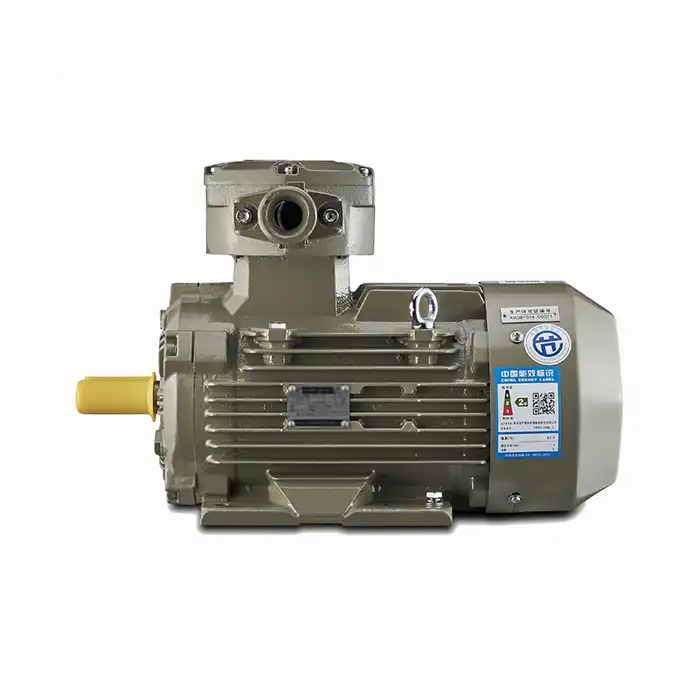
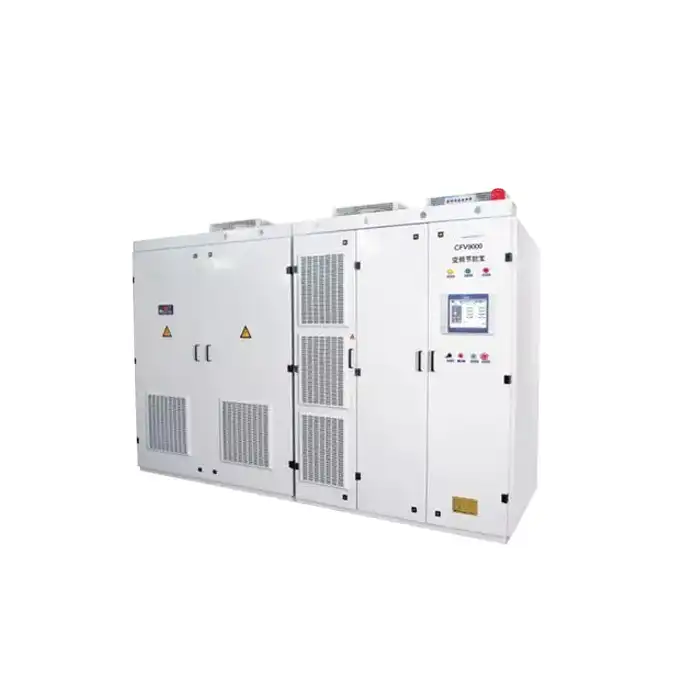
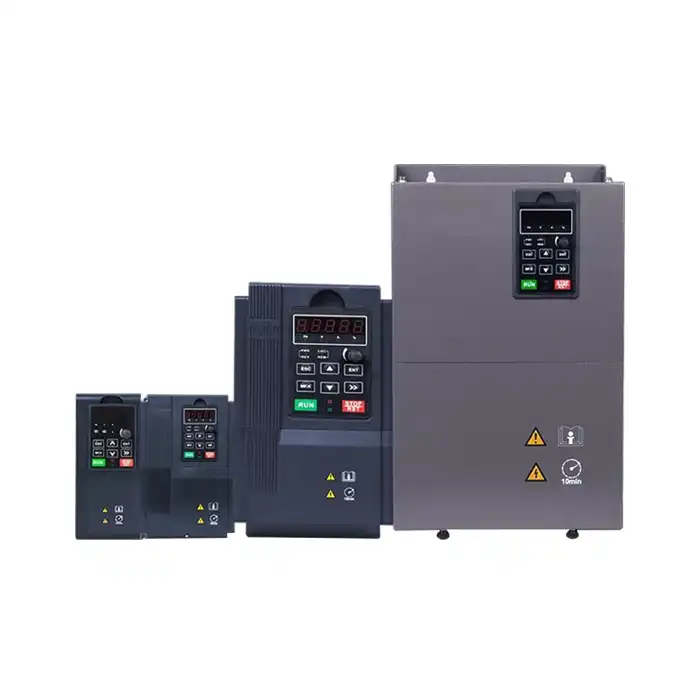
When properly designed and kept, a 3.3 kV motor can handle high-RPM transportation equipment. Medium-voltage motors like these can produce strong power between 160 kW and 1600 kW and can run at speeds between 500 RPM and 3000 RPM, making them perfect for tough moving tasks. Their small size, advanced cooling systems, and long-lasting build make them stable even in high-speed settings where there is a lot of mechanical stress and heat. When paired with the right Variable Frequency Drives and following the right upkeep steps, these motors give transportation equipment the performance and durability it needs.
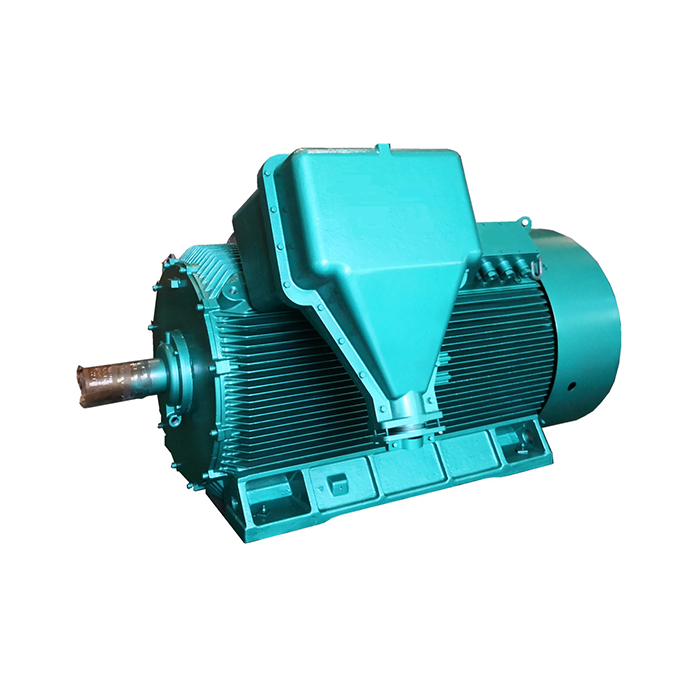
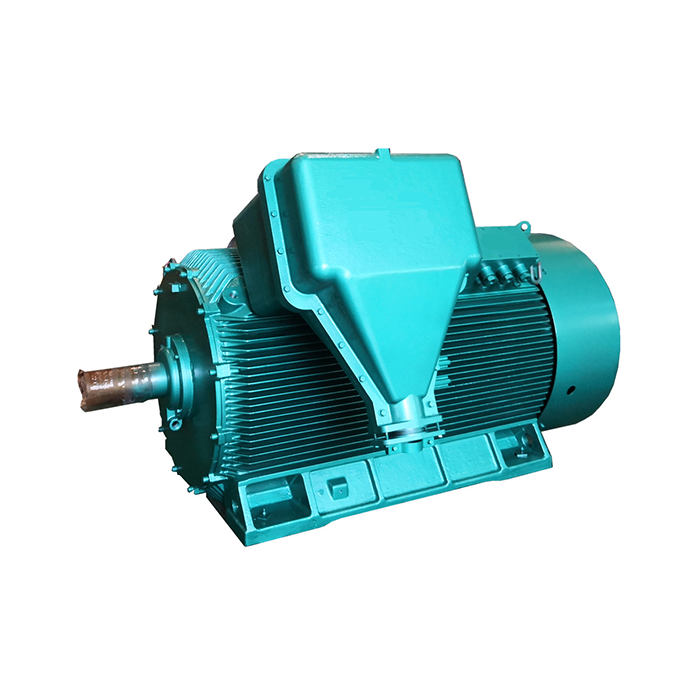
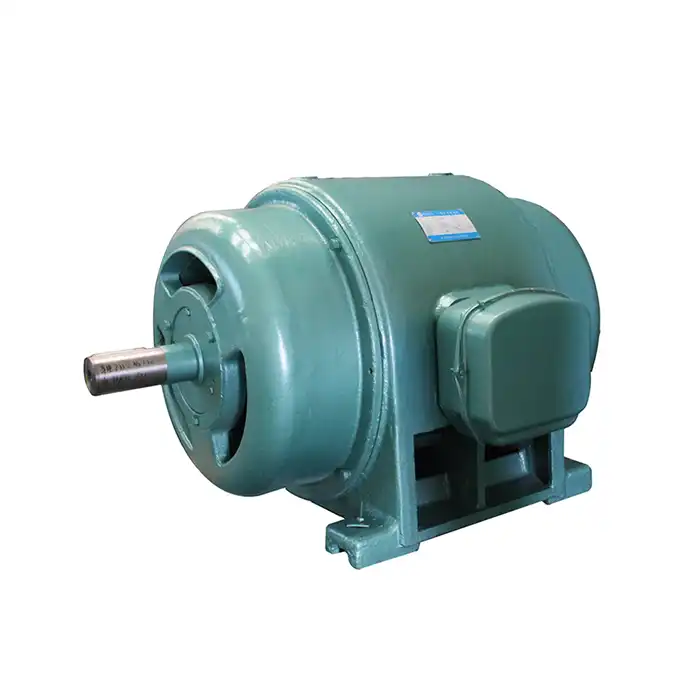
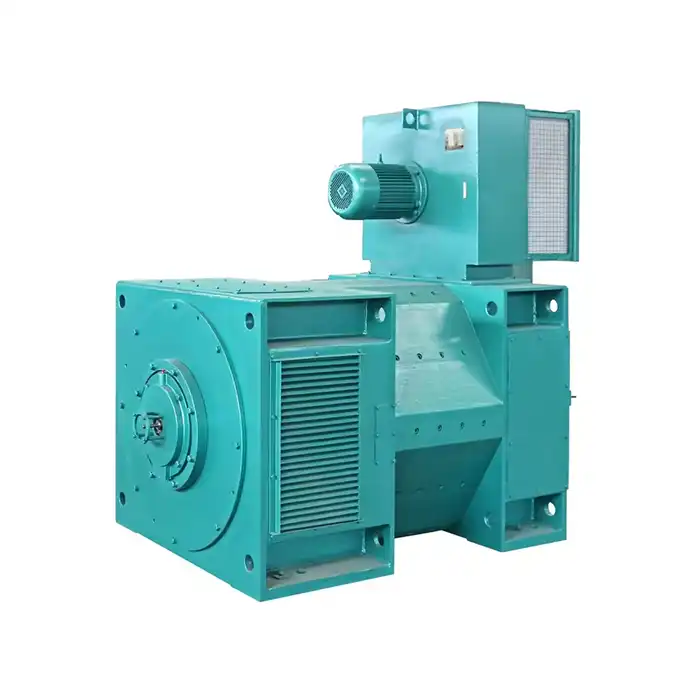
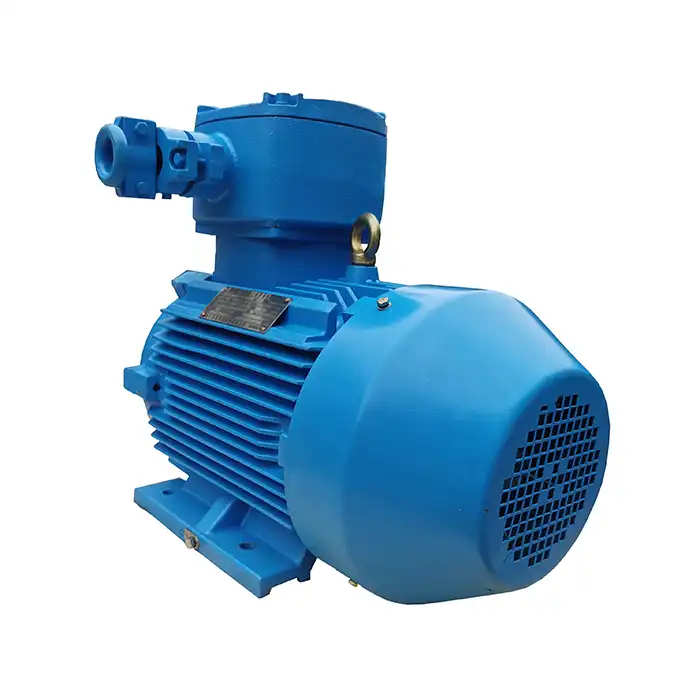
Series:Y2
Protection level:IP54
Voltage range:3000V±5%,3300V±5%,6000V±5%,6600V±5%,10000V±5%,11000V±5%
Power range:160-1600 kW
Application:fans, water pumps, compressors, crushers, cutting machine tools, transportation machinery, etc.
Advantage:compact structure, light weight, low noise, small vibration, long service life, easy installation and maintenance.
Standard: This series of products complies withJB/T10444-2004 standards.
Others: SKF, NSK, FAG bearings can be replaced according to customer requirements.
Understanding 3.3 kV Motors and Their Operational Principles
In industrial transportation systems, high-voltage motors are an important part of the infrastructure. Knowing how these tools work helps buying teams make smart choices that affect how well they work and how much they cost in the long run.
Core Technical Specifications That Matter
Voltage levels directly affect how well power is sent and how well it works with other tools. Motors that run at 3000V±5% or 3300V±5% are a great compromise between providing power and meeting the needs of the system. The voltage tolerance of ±5% allows for operating flexibility even when grid conditions change, which is very important in industry areas where power quality changes.
The motor's insulation class tells you how well it can handle electrical stress and changes in temperature. If you have a good insulation system, it will last longer and not break down too soon. Protection level IP54 keeps dust and water splashes from getting into internal parts, but IP55 shelters offer better protection for tougher conditions. Power ranges from 160 kW to 1600 kW, which can meet the needs of a wide range of moving gear, from conveyor systems to large-scale material handling equipment.
Internal Components and Operational Efficiency
When the motor is turned on, the copper windings in the rotor make magnetic fields. The shape of the rotor changes the power and efficiency across a wide range of speeds. Squirrel cage rotors work well and don't need much care, while wound rotors let you control the starting power better.
During prolonged high-RPM activity, cooling systems keep the engine at the best temperature for running. The IC411 cooling method uses air flow from the outside to get rid of the heat that is generated when the device is working normally. Insulation loss and bearing damage are two of the main ways things go wrong in high-speed uses. Temperature tracking tools let you know about problems with the cooling system early on, before they damage your equipment.
Evaluating the Suitability of 3.3 kV Motors for High-RPM Transportation Machinery
To choose the right voltage levels and configurations for 3.3 kV motors in transportation uses, you need to know how the different choices affect performance, economy, and the total cost of ownership.
Voltage Comparison and Performance Trade-offs
Medium-voltage motors with a power of 3.3 kV have several benefits over low-voltage motors. Lower current levels at higher voltages reduce the size of the conductors that are needed and keep resistance losses in distribution systems to a minimum. Compared to 6 kV or 11 kV systems, the 3.3 kV choice has less strict insulation standards, more equipment options, and more affordable prices.
For lower-voltage motors to handle higher current levels at the same power rates, they need larger wires and more substantial switchgear. This makes installation more expensive and takes up important room on the plant floor. The 3.3 kV platform is the best choice for moving equipment that uses 160 to 1600 kW of power. It sends power efficiently without the hassle of higher-voltage systems.
Three-Phase Configuration Benefits
Three-phase motors are the most common type used in industry because they are more efficient and have a higher power density. When three-phase power is delivered in a balanced way, torque is spread out evenly across the spinning cycle. This makes the driven equipment less stressed. This arrangement lets small shapes with great power-to-weight ratios be made.
In continuous-duty transportation uses, three-phase systems show that they are very reliable. Load balancing across stages keeps parts from burning and makes them last longer. Because the design is simple, it needs less upkeep and can go longer between services. Because of these features, three-phase motors are the best choice for train power systems, airport baggage handling, and shipping port cargo equipment.
Maintenance and Longevity: Ensuring Optimal Performance Under High RPM
Preventive maintenance programs separate setups that work well from those that break down all the time. Transportation equipment works in tough situations that speed up part wear if they are not properly maintained.
Essential Maintenance Routines and Schedules
Regular checks find problems as they start to appear before they become major problems. Visual checks find oil leaks, broken wires, and links that aren't tight enough. Vibration research finds worn bearings, misaligned parts, and unbalanced rotors. Temperature readings show problems with the cooling system and electricity overloads.
Managing lubrication stops bearing failures, which are the main reason why motors break down. Premium bearings need to be oiled again and again at times that depend on the speed, load, and working temperature. Too much oil hurts seals and raises the temperature of operation, while not enough lubrication speeds up wear. If you follow the manufacturer's instructions, the bearing will last as long as possible.
Electrical testing checks the quality of the insulation and finds flaws that are starting to form. Insulation resistance testing checks how well the insulation in windings is working. Patterns of decline can be seen by looking at test results over time. When insulation problems are found early on with partial discharge tests, they can be fixed before they become catastrophic. These tests should be done once a year or after any major electricity event.
Troubleshooting Common High-Speed Issues
Strange noises in 3.3 kV motors are often signs of technical problems that need to be fixed right away. Bearing rumble means that the bearings are not properly oiled or are dirty. When there isn't enough space, rotor rub makes scraping sounds. When mechanical natural frequencies line up with working speeds, resonance causes screaming at certain speeds.
Overheating can happen for a number of reasons, such as not enough air flow, overloading, an uneven power supply, or insulator failure. Thermal imaging finds trends in how temperatures are distributed that help with diagnostics. If you take care of burning right away, you can avoid damage to the insulation that causes the windings to fail.
When performance goes down, it shows up as less power, more current draw, or unstable speed. This could mean that there are shorts in the windings, damage to the rotor bar, or problems with the control system. Systematic fixing finds the root causes of problems and shows how to fix them effectively.
Procurement Insights: How to Select and Acquire the Right 3.3 kV Motor
When making strategic buying choices, technical needs, cost, and supplier skills all need to be taken into account. Investing in transportation equipment requires a careful analysis because it involves large amounts of money.
Aligning Specifications with Operational Needs
The needed motor ratings and performance features are based on the traits of the load. Loads with constant torque, like conveyors, need different features than loads with changeable torque, like fans. Thermal design and insulation class choice are affected by the duty cycle. For continuous operation, the cooling system needs to be stronger than for sporadic service.
The environment affects the choice of shelter and the materials that are used. Coastal sites need finishes that won't rust. When the temperature outside is high, the insulation classes need to be raised. In places where explosions are likely to happen, designs must be approved as explosion-proof and must safely hide any internal flaws.
The speed range needs to be taken into account when choosing the motor type and VFD specs. Wound rotor designs or special VFD settings can help with wide speed ranges. Rates of acceleration change the starting current and the amount of mechanical force. Motors that can handle a lot of starts and stops are needed for transportation equipment.
Cost Evaluation Beyond Initial Purchase Price
The total cost of ownership includes the price of buying the item, the cost of installing it, the cost of running it, and the cost of upkeep. Designs that use less energy cost more up front, but they save money in the long run because they use less energy. Figuring out payback times helps to support investments in efficiency.
Installation costs depend on the size of the motor, how it needs to be mounted, and what kind of power equipment is needed. For bigger units, you need heavy gear and work on the foundations. Electrical connections need switches and cables that are rated correctly. Budget overruns can be avoided by planning for these costs.
Lifecycle costs are mostly made up of operating costs, which are mostly made up of energy use. Even small increases in efficiency of 2% to 3% can save a lot of money over the life of 20 years. The quality of the design, how it is used, and the care plans affect how much maintenance costs. Maintenance costs go down a lot when designs are reliable, and parts are easy to get to.
Case Studies and Industry Applications
Installations in the real world of 3.3 kV motors show how well high-voltage motors work in tough shipping settings. These examples show buying teams how to evaluate similar applications in the real world.
Railway System Implementation
A regional railroad company updated its repair building by adding heavy-duty 1200 kW motors that run on 3300V. The new installation removed the old 690V equipment that needed to be serviced often. Through better efficiency and Variable Frequency Drive integration, the update cut energy use by 22%. Smaller cable sizes made placement easier and cut down on the cost of equipment. Even after three years of use, the motors are still very reliable when regular repair is done.
Airport Baggage Handling Excellence
A major airport upgraded its baggage system by adding high-speed conveyor networks powered by 500 kW motors at 3000V. The small size and light weight made installation easier in stations with limited room. Strict operating standards for customer areas called for low noise and little vibration. The system is up 99.7% of the time and handles 8,000 bags an hour. With predictive maintenance tracking, problems are found before they get in the way of activities.
Port Cargo Equipment Reliability
At a shipping port, 800 kW motors were used in crane devices that moved containers. The IP54 level of security can handle salt spray and water contact in harsh coastal settings. Maintenance work can be done faster during planned windows when it's easy to get to. The motors meet the requirements of JB/T10444-2004, which guarantees consistent quality and efficiency. After five years of use, the installation still works as well as it did when it was first installed, as long as it is properly oiled and inspected on a regular basis.
Lessons Learned and Best Practices
Installations that work well have some things in common. Overloading and early wear can be avoided by using the right size. Reliable foundations are built with good fitting that follows the manufacturer's instructions. Before going into service, performance is checked with a comprehensive setup. Training for operators makes sure they know how to handle things correctly and are aware of any problems.
As technology advances in the future, it will be possible to do more. Sensors that measure temperature, vibration, and electrical factors are built into smart motor systems. Connecting to the cloud lets you do remote troubleshooting and improve speed. Predictive maintenance programs look at working data to guess when parts will break. These new ideas cut down on downtime and increase the time between service visits, all while making the system more reliable overall.
Conclusion
The 3.3 kV motor has been used successfully in high-RPM moving equipment in many different types of industries. High-voltage motors running at 3.3 kV offer speeds of up to 3000 RPM and a power range of 160 kW to 1600 kW, making the 3.3 kV motor perfect for a wide range of applications. Specifications that are right, installations that are done right, and regular upkeep all lead to effective long-term performance. The small size, modern cooling systems, and long-lasting construction all make the investment worth it from a practical point of view. As transportation systems change, these motors will continue to transmit power in a way that procurement teams trust to be efficient and reliable.
FAQ
1. Can 3.3 kV motors operate continuously at maximum RPM?
Quality motors that are made for steady service can keep running at their rated speed forever as long as they are properly cooled and kept. The speed range of 500 to 3000 RPM works for a variety of moving needs. Continuous running at full speed needs enough air flow and regular checks to make sure the temperature stays within the safe limits. Following the manufacturer's instructions for setup and upkeep guarantees steady, reliable performance.
2. How do I determine if my application needs 3.3 kV versus a higher voltage?
Power needs and system voltage help choose the right voltage. Equipment with a power rating of 160 to 1600 kW usually works well at 3.3 kV. Higher voltages work best for longer wire runs or higher power levels. The most cost-effective choice is found by adding up all the costs of the wires, switches, and transformers. Our tech team looks at your unique needs and suggests the best voltage values for your transportation equipment.
3. What maintenance schedule keeps motors running reliably?
Visual checks once a month find problems that are easy to see. Every three months, vibration research finds mechanical problems that are starting to form. Every year, electricity tests make sure that the protection is still good. When to grease a bearing depends on the speed and temperature, but it's usually done every three months to once a year. Each motor comes with a detailed care plan that is based on how it will be used and the situations it will be in.
Partner with XCMOTOR for Your High-Voltage Motor Requirements
We at Shaanxi Qihe Xicheng Electromechanical Equipment Co., Ltd. know how important it is for moving machinery to have motors that work well. Our line of 3.3 kV motors gives your processes the speed, efficiency, and longevity they need. To make sure the highest level of dependability, we only use parts from well-known bearing makers like SKF, NSK, and FAG. Each unit meets the requirements of JB/T10444-2004, which ensures that the quality is always the same.
As a seller of 3.3 kV motors with a lot of knowledge, we can make any changes you need to make them fit your exact needs. During the selection, installation, and use processes, our expert team is always there to help. We offer low prices on large orders and can ship to customers all over the world in a variety of ways. We want you to succeed, which is why we offer a 30-day money-back guarantee and help on the weekends. Get in touch with us at xcmotors@163.com to talk about your needs for moving equipment. We will look at your application and suggest the best motor combinations for dependable performance and long life.
References
1. Chapman, S.J. (2021). Electric Machinery Fundamentals, 6th Edition. McGraw-Hill Education, New York.
2. International Electrotechnical Commission. (2019). Rotating Electrical Machines - Part 1: Rating and Performance. IEC 60034-1 Standard, Geneva.
3. Boldea, I. and Nasar, S.A. (2020). The Induction Machines Design Handbook, 3rd Edition. CRC Press, Boca Raton.
4. National Electrical Manufacturers Association. (2018). Motors and Generators Standards Publication MG 1-2018. NEMA, Rosslyn, Virginia.
5. Toliyat, H.A. and Kliman, G.B. (2022). Handbook of Electric Motors, 3rd Edition. CRC Press, Boca Raton.
6. Stone, G.C., Culbert, I., Boulter, E.A., and Dhirani, H. (2020). Electrical Insulation for Rotating Machines: Design, Evaluation, Aging, Testing, and Repair, 2nd Edition. IEEE Press, Hoboken.