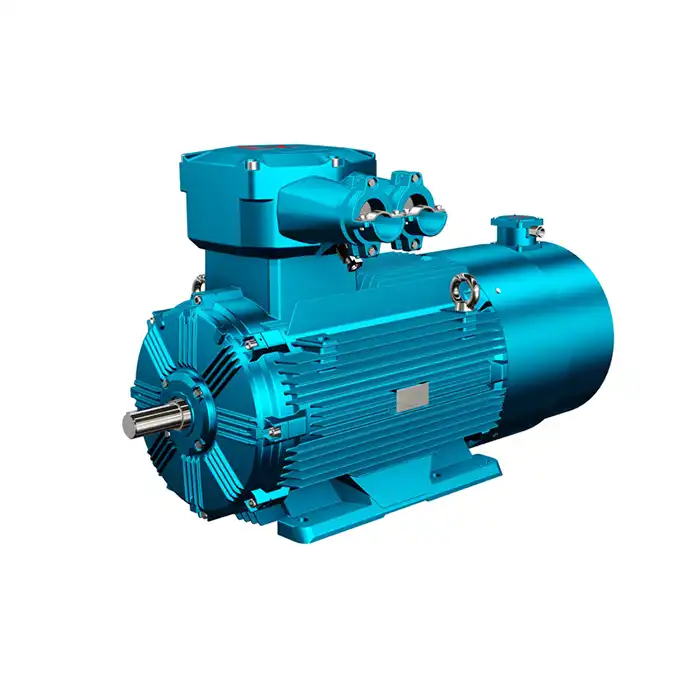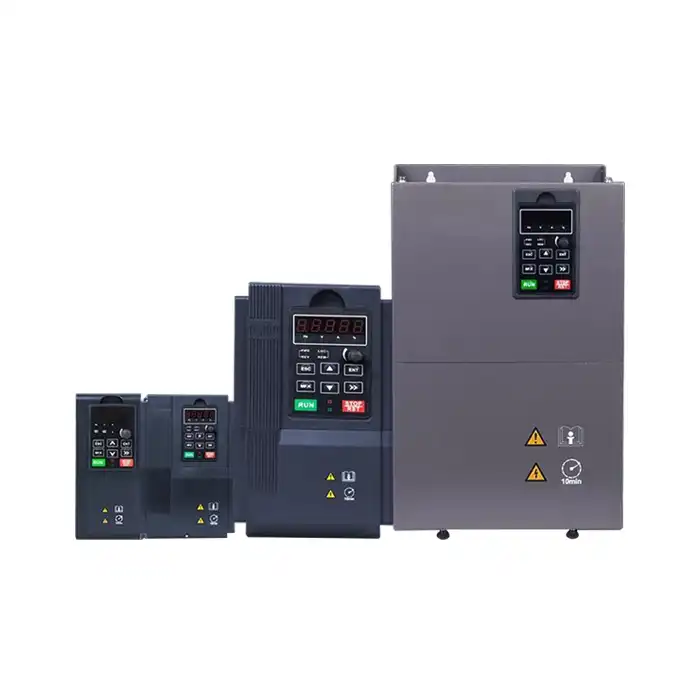




Boost Energy Efficiency with High Voltage AC Motors | Key Benefits
When heavy-duty, constant performance is needed in an industrial setting, a high voltage AC Motor is the best way to save energy. At voltage levels above 1,000 volts, these strong machines give the large amounts of power needed in large-scale industry, utilities, and automation settings. High Voltage AC Motors keep electrical losses to a minimum by using advanced insulation materials, precise winding methods, and high-grade silicon steel cores. This economic benefit directly leads to lower energy bills and a smaller carbon footprint, making it a must-have for businesses that want to make money and be good to the environment. From working in a lot of different businesses, we know that choosing the right motor technology is the key to long-term, low-cost output.
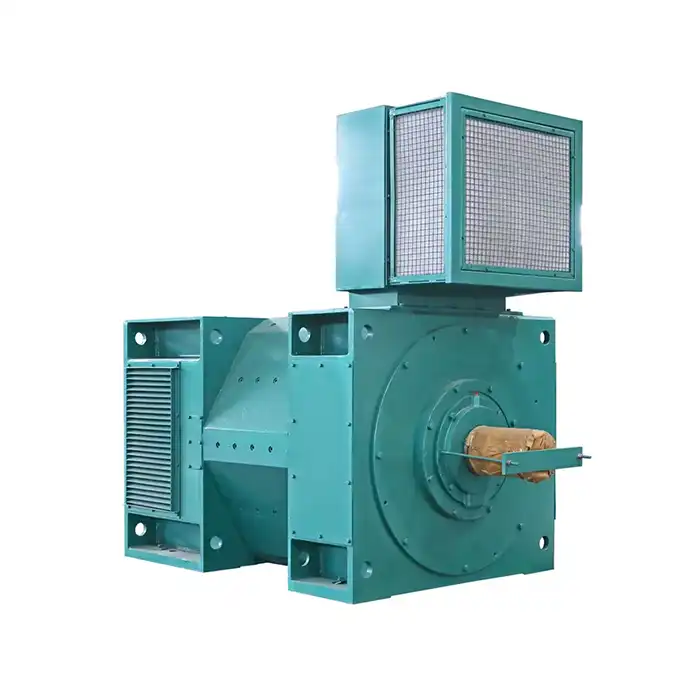
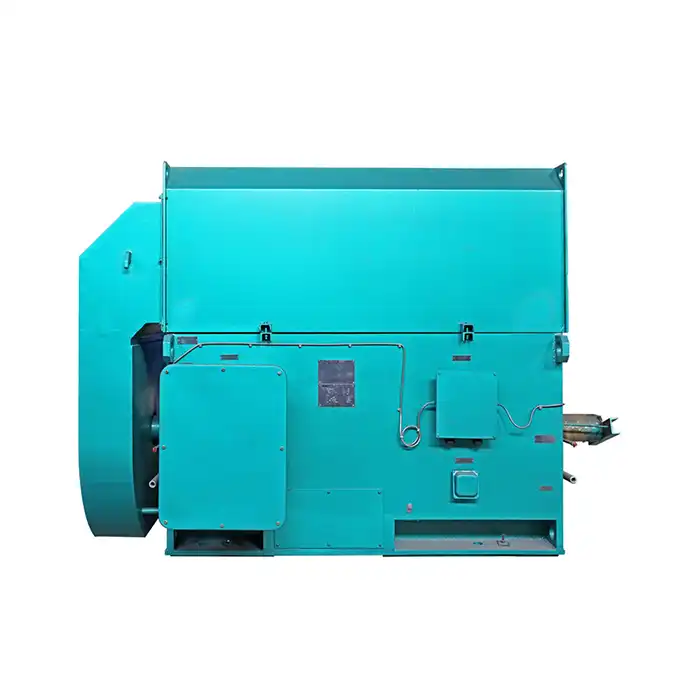
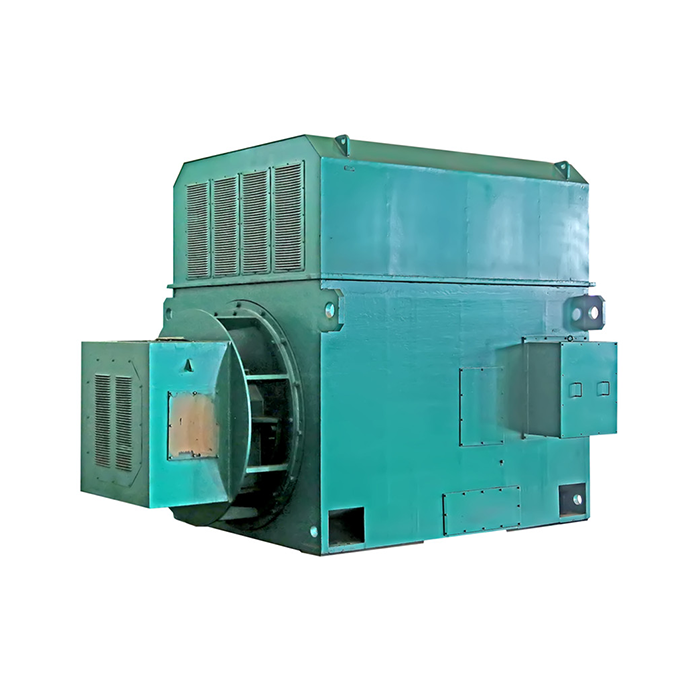
Series:Y-HV
Protection level:IP23
Voltage range:3000V±5%,3300V±5%,6000V±5%,6600V±5%,10000V±5%,11000V±5%
Power range:200-6300 kW
Application:fans, water pumps, compressors, crushers, cutting machine tools, transportation machinery, etc.
Advantage:light weight, low noise, small vibration, long service life, easy installation and maintenance.
Standard: This series of products complies withJB/T 12728 and JB/T 10446 standards.
Others: SKF, NSK, FAG bearings can be replaced according to customer requirements.
Understanding High Voltage AC Motors and Their Energy Efficiency
High-voltage AC Motors are a big step forward in how power is delivered to factories. These machines, which usually run between 3,000V and 11,000V, can handle heavy loads that would be too much for machines with smaller voltages. A well-thought-out engineering process makes them work so well: the stator windings use Class F or H insulation materials that can handle temperatures up to 155°C, and a vacuum pressure impregnation (VPI) treatment gives them better electrical strength and resistance to moisture.
Laminated silicon steel sheets cut down on core losses in the electromagnetic design by cutting eddy currents and hysteresis effects. Instead of aluminum, copper windings offer better conductivity with less resistant warmth. Precision-balanced wheels help keep things running smoothly by lowering mechanical stress and increasing the life of the bearings. These parts of the design work together to get efficiency rates that are often higher than 95%, especially when motors are running close to their rated load.
High-voltage AC Motors work better in big setups than low-voltage motors. According to simple electrical theory, transmission losses go down a lot when the power is carried by higher voltages. This benefit is especially clear in places where motors power fans, pumps, or compressors that are rated above 200 kW. Higher voltages also make it possible for smaller cables and cheaper building costs because they slow down the flow of power.
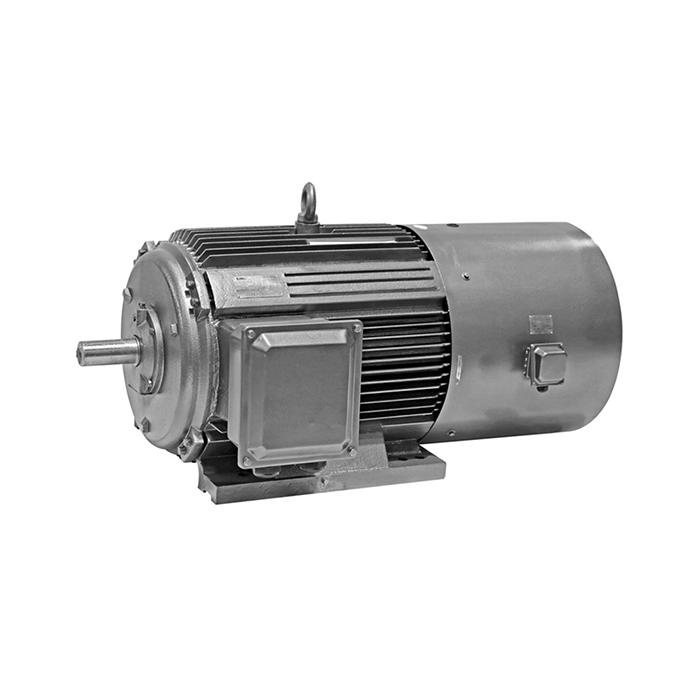
We've seen that three-phase induction motors are the most common type used in high-power situations because they are easy to use and reliable. Induction motors are easy to use and don't need much upkeep, unlike synchronous motors that need to be excited from outside or DC motors that need complicated control systems. The die-cast aluminum or copper bars that make up the squirrel cage rotor design get rid of brushes and slip rings, which are typical places where things go wrong. Different types of wound rotors let you change the speed for specific uses, like hoists or rolling mills, that need a lot of starting power.
Core Benefits of Using High-Voltage AC Motors for Industrial Applications
Investing in high voltage AC Motor technology is a great idea because it saves energy. Motor-driven devices usually use between 60 and 70% of an industrial facility's energy budget. When motors run all the time, even a small improvement in efficiency of two to three percentage points saves a lot of money every year. We work with steel mills that found that switching to motors with higher efficiency cut energy use by 180,000 kWh per unit per year, which saved them tens of thousands of dollars.
The high stability of these motors makes them useful in manufacturing settings. Cast iron frames can handle rough situations like changes in temperature, chemical exposure, and physical effects. Premium bearings from well-known companies make sure that spinning goes smoothly even when there are heavy radial and axial loads. Advanced thermal management uses the best cooling methods to keep working temperatures safe, even during times of high demand. This is true for designs that are sealed, cooled by water (ICW37), or cooled by air (IC411).
With the right motor choice, maintenance intervals get a lot longer. Sealing off bearing units keeps them from getting dirty, and strong protection systems keep them from breaking down when they're exposed to moisture or high voltage. We have records of setups where motors run for 15 to 20 years without major repairs, just regular checks and cleaning. This durability cuts down on downtime and repair costs, which directly raises the dependability of production.
Many improvements are driven by the need to protect the environment. Motors that meet IE3 economy standards are in line with international rules such as IEC 60034 and NEMA Premium standards. These licenses show that you care about the environment and help you avoid fines in places with strict rules about how much energy you use. Less energy use directly lowers greenhouse gas pollution from power plants, which helps companies meet their environmental goals. Our motors help businesses reduce their carbon footprint in a way that can be measured. This is becoming more important in environmentally aware industries when it comes to buying things.
Comparing High Voltage AC Motors with Other Motor Types
Learning about the different kinds of motors available helps buying teams make smart choices. Low-voltage AC motors (usually 380V to 690V) work well in smaller jobs but are less efficient when they have to handle more power. As the amount of current needed rises, so do the prices of the cables. This means that low-voltage installations above 500 kW are not realistic. High Voltage AC Motors get around this problem by lowering the flow of power as the voltage rises.
In the past, DC motors were the most common way to precisely control speed. Now, variable frequency drives (VFDs) can do the same thing with AC motors. DC designs need to have their brushes and commutators maintained on a regular basis, which raises the cost of ownership over time. When carbon brushes wear down, they make dust that can get into sensitive production areas and make them dirty. High Voltage AC Motor designs completely avoid these problems, so they can work for decades without any repairs.
Synchronous motors are a little more efficient than induction motors, and they can also help fix power factor problems. But their complicated starting and firing systems make them more expensive and harder to use. We think that for most commercial uses, the ease of use and proven dependability of induction motors are more important than the small efficiency gains that synchronous designs give. Slip ring wound rotor motors fill in this gap by mixing the dependability of an induction motor with the ability to change speed by controlling the rotor resistance from the outside.
Leading improvements keep making High Voltage AC Motors work better. New magnetic core materials cut down on losses when the motor is not running, and better cooling systems increase the heat capacity. Digital tracking systems keep an eye on vibration, temperature, and electrical factors, which allows repair plans to be planned ahead of time. Smart motors talk to plant control systems and send real-time information about how efficient they are. This helps with efforts to keep making things better. Precision die-casting, automated winding technology, and thorough testing procedures are all part of our production process. These steps make sure that every motor meets our high-quality standards before it is shipped.
Best Practices to Optimize Energy Efficiency Using High Voltage AC Motors
Installing something correctly sets the stage for reliable, effective use. The motor and the equipment it drives must be lined up according to the manufacturer's instructions. For direct-coupled systems, this is usually 0.05 mm. Misalignment causes too much load on the bearings and shaking, which lowers efficiency and speeds up wear. It doesn't matter how hard the foundation is; mounting surfaces that are too floppy make vibrations worse and stop proper alignment upkeep.
During testing, you need to pay close attention to the electrical lines. To stop resistive heating at connection places, make sure that the tightness of the terminals matches the torque values that were given. Phase sequence verification makes sure that the spin is going in the right way, which is especially important for fans and pumps. Insulation resistance tests done before the first power up make sure that shipping and storage haven't damaged the windings. Using the right test voltages, values for new motors should be higher than 100 megohms.
Specific motor traits and working situations should be taken into account in maintenance schedules. Bearings need to be oiled every so often, depending on their speed, load, and the temperature outside. For grease-lubricated designs, this is usually every 2,000 to 4,000 hours of use. Oil-lubricated bearings need to have their oil analyzed on a regular basis to find any pollution or wear. During commissioning, vibration tracking sets standard readings. Regular measurements find wear and tear before they cause a failure. More than 50% more than the norm warrant study.
When dealt with quickly, common problems have simple answers. Unusual noises are often caused by bearing problems or an imbalanced rotor. A quick check can stop a catastrophic failure before it happens. When temperatures rise above the standard values, it means that the system isn't cooling properly, is overloaded, or the voltage isn't balanced. Watching the phase voltages makes sure they stay within ±1% of the average. A bigger mismatch makes the motor heat up too much and shortens its life. Testing the insulation's strength every six months can find moisture getting in or the insulation breaking down early.
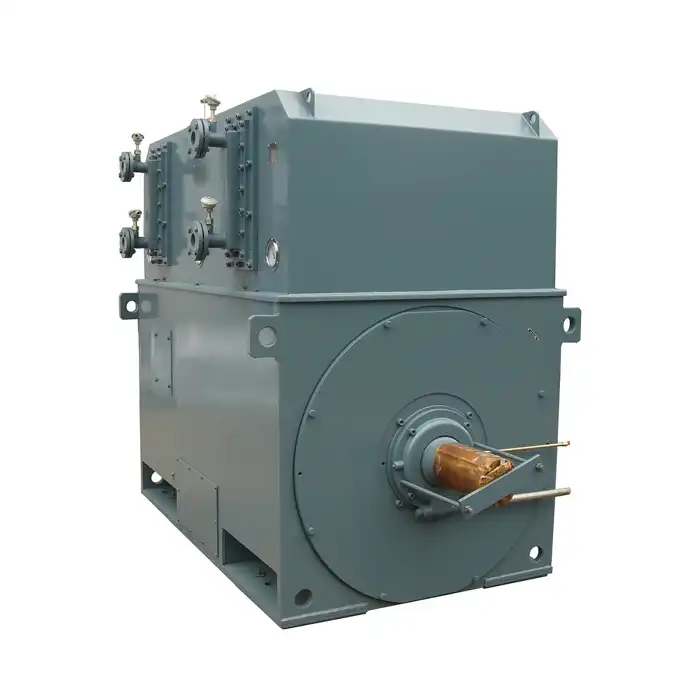
There are options for customization for specific needs. Designs that are cooled by water work well in hot places where air cooling isn't enough. Our water-cooled motors have strong cast iron frames with built-in water jackets that cool the whole motor body evenly. With this design, it is possible to keep working continuously in temperatures up to 40°C without changing how well it works. Protection classes from IP23 to IP55 can handle a wide range of weather conditions, from clean indoor settings to dirty outdoor ones.
Procurement Considerations for High Voltage AC Motors
When judging providers, you need to look at more than just the price. Long-term dependability and total cost of ownership are closely related to the quality of the manufacturing process. To make sure accuracy and regularity, we use high-tech CNC machining centers and automatic winding tools. Dynamic rotor balance gets rid of sources of vibration, and vacuum pressure impregnation treatment makes the shielding better. Before leaving our plant, each motor goes through a full set of tests, such as no-load operation, heat run tests, and dielectric strength checks.
Certifications for a High Voltage AC Motor show that you meet the standards for your business and the needs for your area. Our goods have ISO 9001:2015 quality management certification, which shows that they are checked for quality in a planned way. CE marking shows that the product meets European safety standards, and CCC approval lets the product be sold all over China. Following the IEC 60034 worldwide motor standards and different national standards (GB/T, JB/T) makes sure that the motor is compatible with the world's electrical infrastructure.
Technical help skills are what set good providers apart from great partners. We have application engineers with a lot of experience who know how to choose the right motor for a wide range of businesses. Our team can help you choose the right frame sizes, cooling methods, and safety classes for motors for mine crushers, petrochemical compressors, or water treatment pumps. This knowledge prevents design mistakes that cost a lot of money and hurt performance or lives from happening.
Service after the sale should be given the same amount of weight when judging a seller. The coverage times and limits should be made clear in the warranty terms. We offer full guarantees that cover problems with the way the products were made, and we fix problems quickly when they happen. Spare parts are readily available so that there is little downtime during fixes or maintenance. We keep thorough records that make it easy to find parts for motors that were shipped years ago, and our inventory includes popular replacement parts.
Shaanxi Qihe Xicheng Electromechanical Tools Co., Ltd. helps people who need solid power tools. We promise to offer motors that use little energy, work with stable power output, and are very energy efficient. Our products can be used for 160 kW to 6,300 kW of power at voltages ranging from 3 kV to 11 kV. We have options that fit your needs, whether you need water-cooled designs for harsh environments, slip ring motors for uses that need variable speeds, or standard squirrel cage induction motors. Our support team handles questions before the sale, technical questions, and service needs after the sale. They are also available on the weekends in case of emergencies.
Conclusion
High Voltage AC Motor technology keeps raising the standards for stability and economy in industry. These tools meet the needs of current industries by providing the right amount of power, using energy efficiently, and lasting a long time. The big benefits these motors offer, like lower energy bills and longer machine life, can be fully realized with the right selection, installation, and care methods. As rules about the environment get stricter and the price of energy changes, buying high-efficiency motors becomes more important. Through smart motor upgrades, we've seen a huge number of businesses change how much they make and how much they spend. The key is to work with suppliers who are skilled, understand your needs, and offer full help throughout the lifecycle of the tools.
FAQ
1. What makes high-voltage motors more efficient than low-voltage alternatives?
When the power level stays the same, high-voltage AC Motors lower the flow of current, which lowers resistance losses in the wires and windings. When the power is lower, the wire sizes can be smaller, and the system as a whole produces less heat. Advanced design features like quality silicon steel laminations, optimized winding patterns, and better insulating materials make the efficiency even higher, especially for power levels above 200 kW.
2. How do I determine the right motor size for my application?
When choosing the right size motor, you need to look at a number of things, such as the mechanical load, the duty cycle, the weather conditions, and the altitude. We look at your unique needs, like torque curves, starting frequency, and environmental conditions, to figure out what frame types and grades will work best. When something is too big, it loses energy and money, and when it's too small, it gets too hot and breaks early. Our tech team does math to make sure you make the right choice based on your operational description.
3. What maintenance practices extend motor lifespan?
Regularly greasing bearings according to the manufacturer's instructions stops them from wearing out too quickly. Monitoring vibrations finds problems before they become failures. Insulation resistance tests done on a regular basis can find moisture entry or degradation early on. Keeping the cooling ducts clean is important for getting rid of heat properly. Thermal stress can be avoided by keeping motors within their label limits for voltage, frequency, and load. We give customers thorough maintenance instructions for each series of motors, which helps them set up effective preventive maintenance plans.
Partner with a Trusted High Voltage AC Motor Supplier for Your Industrial Needs
Customized motor solutions from XCMOTOR can help your business run more efficiently and save you money in the long run. Our wide range of products includes all normal high voltage levels, and power ranges from 160 kW to 6,300 kW, so we can meet all of your needs. From making sure that each part is perfectly matched to checking its end performance, every motor goes through strict quality control. You can change things about your order by choosing from premium bearing upgrades, specialized cooling systems, and different security class choices. Our technical team gives expert advice during design, helps with installation during testing, and fixes problems quickly throughout the motor's life. Email us at xcmotors@163.com to talk about your unique application needs and find out how our High Voltage AC Motor for sale solutions can make your building more reliable and save you money on energy costs.
References
1. Electric Motor Performance Standards and Efficiency Classifications, International Electrotechnical Commission Technical Specification, 2021 Edition
2. Industrial Motor Applications and Energy Conservation Strategies, Society of Manufacturing Engineers Technical Publication, 2022
3. High Voltage Electrical Equipment Design Principles, Institute of Electrical Engineers Reference Manual, 2020
4. Predictive Maintenance Techniques for Rotating Machinery, Reliability Engineering Society Guidelines, 2023
5. Comparative Analysis of Motor Technologies in Heavy Industry, American Society of Mechanical Engineers Research Report, 2022
6. Energy Efficiency in Industrial Systems: Motor Selection and Optimization, Department of Energy Industrial Technologies Program, 2021