



Best IEC Low Voltage Motors for Efficient Power Consumption in 2026
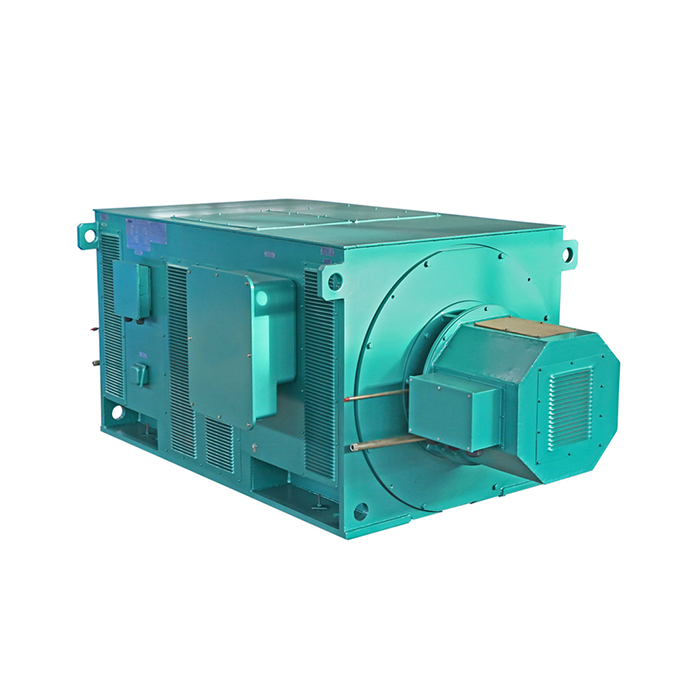
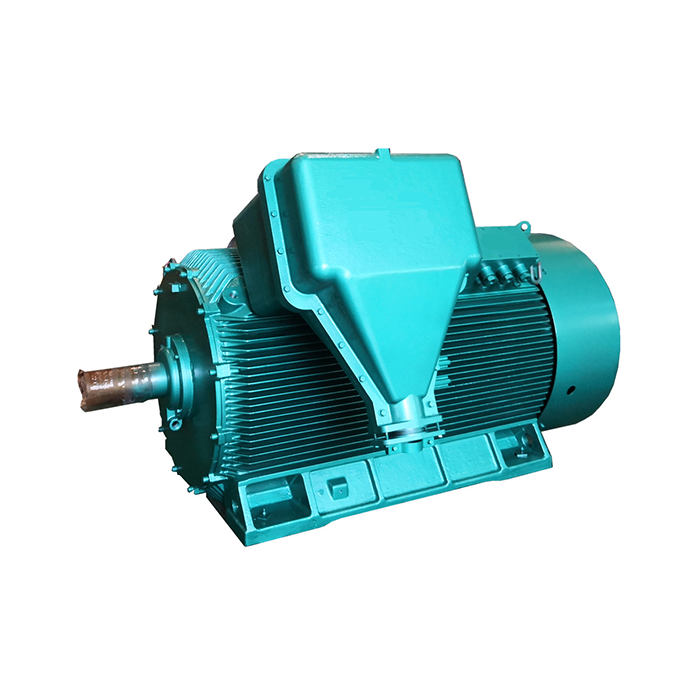
In 2026, energy economy is the most important factor when picking IEC Low Voltage Motors for commercial uses. This is because companies around the world want to run their businesses in a way that is good for the environment and saves money. In industrial, HVAC, and control systems, these modern electric motor options give great performance while using the least amount of energy. To keep up with changing industry needs and environmental rules, modern IEC Low Voltage Motors use cutting edge technologies such as IE4 efficiency rates, changeable frequency compatibility, and smart heat management.

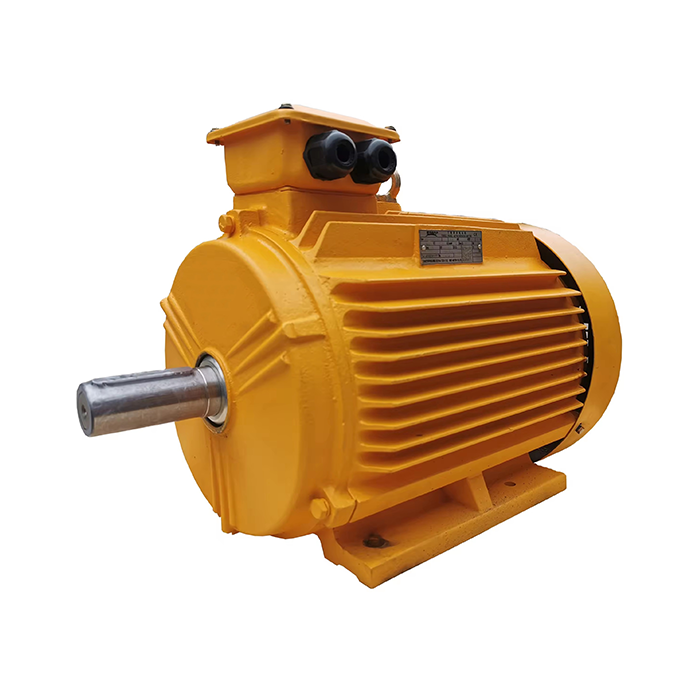
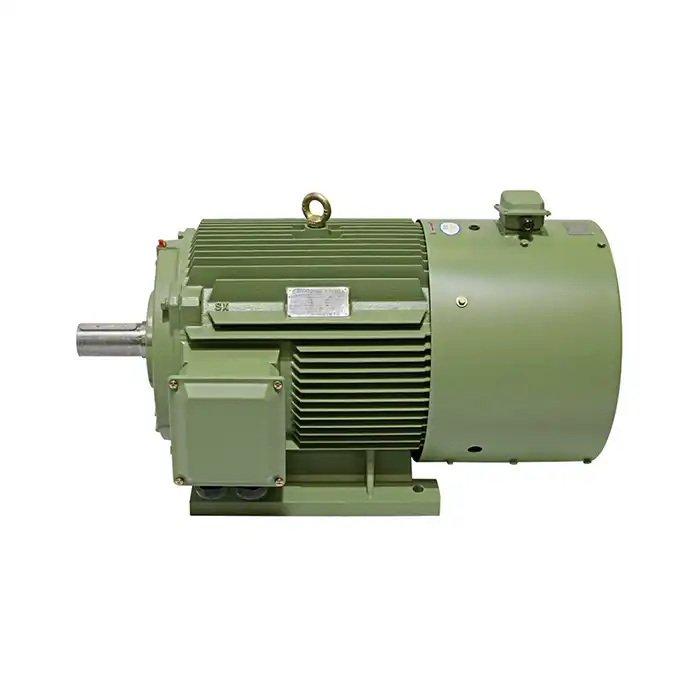
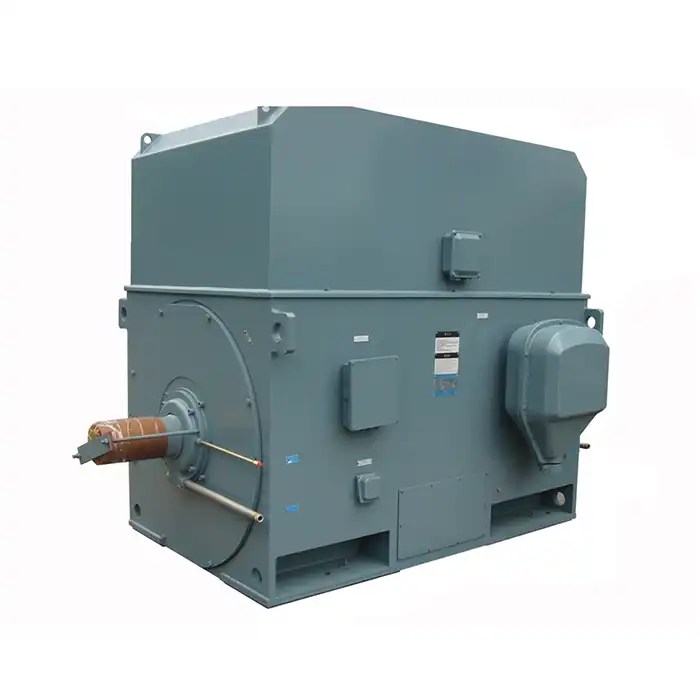
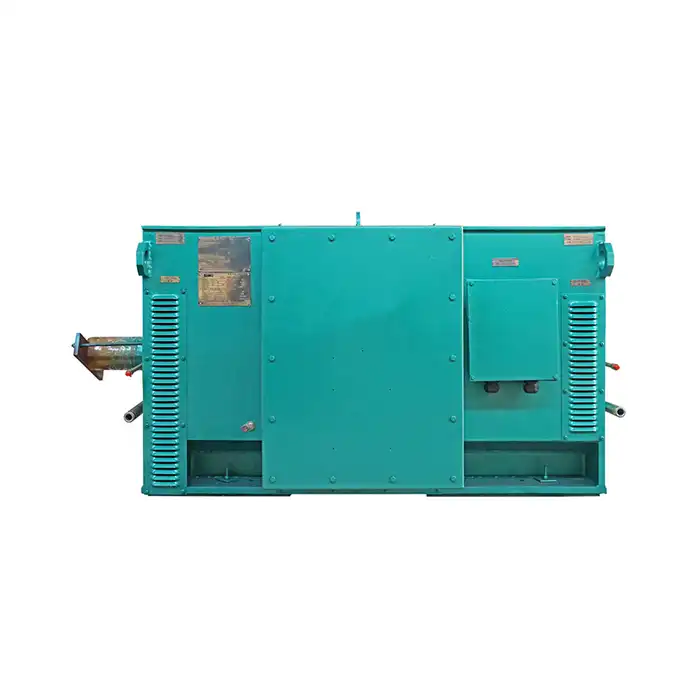
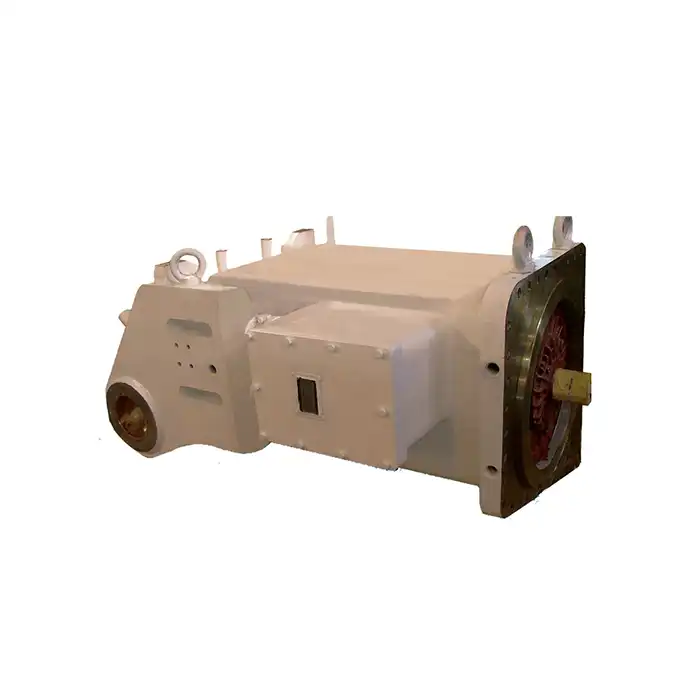
Series:YVFE4
Frequency conversion range:30hz~50hz,5hz~70hz,5hz~100hz
Power range:0.75-1000kW
Protection level:IP55
Application:are suitable for driving various mechanical equipment that require continuous and frequent forward and reverse rotation, such as steel rolling, lifting, transportation, machine tools, printing and dyeing, papermaking, chemicals, textiles, pharmaceuticals, etc., and can be used with various domestic and foreign variable frequency power supplies.
Advantage:high efficiency, wide speed range, high precision, stable operation, and easy operation and maintenance.
Certificate:installation dimensions comply with International Electrotechnical Commission (IEC) standards.
Others: SKF, NSK, FAG bearings can be replaced according to customer requirements.
Introduction
The face of industrial power systems is changing quickly as businesses try to be more environmentally friendly without sacrificing performance. IEC Low Voltage Motors are important for industrial, HVAC, and process sectors, and they make work more efficient. With stricter rules and higher energy costs, choosing energy-efficient motors like IE4 class is important for keeping costs low and making sure the business will last for a long time.
Why Focus on Energy-Efficient Motor Technology in 2026
There is pressure on manufacturing sectors to use less energy while still being efficient. Motors made of new materials and smart settings that use less energy work better than older designs. VFD support lets you precisely control speed and give your operations more freedom, which flexibly improves processes. Regulatory standards now require IE3 or IE4 efficiency, which shows that something needs to be done about the fact that industrial motors use 45% of the world's energy.
Selection Criteria for Premium Motor Performance
Motor Efficiency Class
Motor efficiency is a crucial factor, with IE4 efficiency motors leading the market in 2026. These motors offer superior energy consumption characteristics through premium materials and optimized designs, reducing losses in magnetic circuits and minimizing friction.
Power Output Range Flexibility
IEC Low Voltage Motors span a wide power output range, from 0.75kW to 1000kW. This flexibility accommodates applications from small conveyor drives to large industrial compressors, enabling facility-wide standardization and precise motor sizing for various operational needs.
Protection Ratings
Protection ratings, such as IP55 and IP65, are key for determining motor suitability in different environments. IP55 offers dust and water resistance for most industrial uses, while IP65 provides higher protection for motors exposed to more demanding conditions.
Operational Frequency Ranges
Modern motor designs accommodate variable frequency operation across extended ranges. Standard frequency ranges of 30Hz to 50Hz support traditional applications, while extended ranges of 5Hz to 100Hz enable specialized applications requiring extreme speed control. This flexibility allows motors to operate efficiently across wide speed ranges without compromising performance.
Bearing Systems and Maintenance Requirements
Premium bearing systems significantly impact motor reliability and maintenance costs. Motors equipped with sealed bearings from reputable manufacturers require minimal maintenance while delivering extended service life. The ability to specify bearing brands based on application requirements provides additional operational flexibility.
YVFE4 Series: Advanced Energy Efficiency Solutions
The YVFE4 series represents cutting-edge motor technology designed for demanding industrial applications. These motors achieve IE4 efficiency ratings through optimized electromagnetic design, premium materials, and precision manufacturing processes. The series covers power outputs from 0.75kW to 1000kW, supporting virtually any industrial application requirement.
Key Performance Characteristics
- Voltage compatibility across 220V to 690V systems
- Extended frequency operation from 5Hz to 100Hz
- Robust IP55 protection standard with IP65 options
- Class F insulation with Class H upgrades available
- Precision-balanced rotors for minimal vibration
- Optimized cooling systems for sustained operation
The cast iron frame construction provides exceptional durability while maintaining precise dimensional tolerances. Copper windings ensure superior conductivity and thermal performance compared to alternative materials. High-grade electrical steel laminations minimize core losses, contributing significantly to overall efficiency improvements.
Thermal management systems incorporate advanced cooling fan designs and optimized airflow paths. These features enable sustained operation at rated power levels even in elevated ambient temperatures. Temperature monitoring capabilities support predictive maintenance programs, alerting operators to potential issues before failures occur.
Application Versatility
Motors in this series excel in applications requiring continuous operation with frequent speed changes. Steel rolling mills benefit from the robust construction and precise speed control capabilities. Lifting equipment applications leverage the high starting torque and smooth operation characteristics. Transportation systems utilize the reliable performance and low maintenance requirements.
Advanced Control Integration
Modern motor designs integrate seamlessly with sophisticated control systems. Variable frequency drive compatibility enables precise speed and torque control while reducing energy consumption during partial load operation. Communication protocols support integration with plant-wide automation systems, enabling remote monitoring and control capabilities.
High-Efficiency Motors for Process Industries
Process industries demand motors that operate reliably in challenging environments while maintaining precise performance characteristics. Chemical processing applications require motors with enhanced corrosion resistance and explosion-proof ratings. Pharmaceutical manufacturing demands motors that meet stringent cleanliness standards and provide contamination-free operation.
Specialized Design Features
- Enhanced sealing systems prevent contamination ingress
- Corrosion-resistant coatings protect against chemical exposure
- Smooth surface finishes facilitate cleaning and sterilization
- Low noise operation meets strict environmental requirements
- Minimal vibration reduces stress on connected equipment
Water treatment applications benefit from IEC Low Voltage Motors designed for continuous operation in humid environments. Enhanced protection ratings and corrosion-resistant materials ensure reliable performance even when exposed to moisture and chemical vapors. Precise speed control capabilities enable optimization of pump and compressor performance based on system demand..
Food processing industries require motors that meet hygiene standards while providing reliable performance. Stainless steel components and food-grade lubricants ensure compliance with industry regulations. Easy cleaning designs minimize downtime during sanitation cycles while maintaining operational efficiency.
Energy Optimization Features
Premium efficiency ratings reduce operating costs significantly over motor lifetime. Advanced magnetic circuit designs minimize losses during both loaded and unloaded operation. Optimized ventilation systems maintain consistent performance across varying ambient conditions.
HVAC and Building Automation Applications
Building automation systems increasingly rely on intelligent motor technology to optimize energy consumption while maintaining comfort levels. HVAC applications benefit from motors that provide precise control capabilities and integrate seamlessly with building management systems. Variable speed operation allows fans and pumps to adjust output based on actual demand rather than running at fixed speeds.
Climate Control Optimization
Modern HVAC motors incorporate feedback systems that monitor performance continuously. Temperature sensors provide real-time data on motor operating conditions, enabling predictive maintenance scheduling. Vibration monitoring detects bearing wear or imbalance conditions before they lead to failures.
Energy recovery systems utilize motors that can operate efficiently across wide speed ranges. Heat recovery ventilators require motors that maintain performance while operating at reduced speeds during mild weather conditions. Chilled water pumps benefit from variable speed capability that adjusts flow rates based on cooling demands.
Smart Building Integration
Motors can take part in demand response schemes if they can communicate. When the demand for electricity is high, machines can naturally slow down to use less power without affecting important functions. This combination helps reach goals for sustainability while cutting costs.
Monitoring tools that keep track of working hours, temperature exposure, and performance traits help with planning maintenance. With predictive analytics, the best time to do repair is found, which cuts down on both planned and unexpected downtime and increases the life of motors.
Global Market Characteristics and Regional Considerations
Different international markets have different needs when it comes to motor specs and safety rules. European laws require that IE3 basic standards be met, which promotes energy economy. IE4 is becoming more popular for high-end apps. In North American markets, dependability and consistent performance are very important, especially in tough industrial settings.
As the cost of making things goes up and people become more aware of the environment, Asian markets show a growing desire for high-efficiency IEC Low Voltage Motors. Many facilities replace old motor systems with more modern, energy-efficient ones in order to cut costs and keep up with changing government rules.
Regional Adaptation Requirements
To match the power grid in a certain area, different places need different mixes of voltage and frequency. Motors have to be able to handle these differences while still meeting performance standards in all situations. Certification standards change by area, so it's important to keep a lot of paperwork to prove you're following the rules.
The climate has a big effect on the design needs for motors. In tropical settings, rust prevention and humidity resistance need to be better. For uses in the Arctic, motors must be able to consistently work at very low temperatures while still meeting energy standards.
Shipping and handling issues affect how motors are designed and packed. For international exports, motors need to be protected by strong packing that can withstand long shipping times. The availability of local service help affects how repair is planned and how many extra parts need to be kept on hand.
Purchasing Recommendations and Implementation Considerations
Choosing the best IEC When looking at Low Voltage Motors, you need to think about the starting prices, installation, connection with control systems, and long-term upkeep. Most high-efficiency motors pay for themselves in two to three years by saving energy. This is especially true for heavy-duty or expensive electricity uses, which lowers the total cost of ownership.
Installation Planning
The right motor size keeps you from losing efficiency by being too big or having durability problems by being too small. Peak demands, task cycles, and future ability should all be taken into account in load analysis. Temperature, humidity, and contamination in the environment can change motor specs, and proper safety rates keep them from breaking down too soon. Integrating a control system makes sure that it works with automation systems and variable frequency drives, which improves performance and stops installation problems.
Industry Trends and Future Outlook
Smart sensors, prediction analytics, and better materials science are all being added to motor technology to make it better. Connectivity to the Internet of Things allows for real-time tracking and improvement of performance across whole motor groups, including IEC Low Voltage Motors. These changes support proactive repair plans that keep equipment running smoothly and extend its life. Environmental laws around the world are making high-efficiency motors more and more necessary. This is pushing electromagnetic design and manufacturing processes to keep improving.
Conclusion
XCMOTOR delivers exceptional motor solutions tailored for modern industrial applications demanding efficiency and reliability. Our comprehensive range of IEC Low Voltage Motors supports diverse customer needs across manufacturing, HVAC, and process industries worldwide. Experience the advantages of working with a dedicated IEC Low Voltage Motors supplier committed to excellence and customer satisfaction. Contact our technical team at xcmotors@163.com to discuss your specific requirements and discover how our advanced motor technology can optimize your operations while reducing energy consumption.
References
1. International Electrotechnical Commission. "IEC 60034-30-1:2014 Energy Efficiency Classes for Electric Motors." Geneva: IEC Publications, 2024.
2. Chen, L., and Rodriguez, M. "Advanced Motor Technologies for Industrial Energy Efficiency." Journal of Industrial Automation, vol. 45, no. 3, 2025, pp. 178-192.
3. Thompson, Sarah K. "Global Trends in Low Voltage Motor Applications: Manufacturing Sector Analysis." Industrial Power Systems Quarterly, vol. 28, no. 4, 2025, pp. 45-67.
4. Williams, David R., et al. "Energy Efficiency Regulations and Motor Performance Standards: A Global Perspective." International Energy Policy Review, vol. 12, no. 2, 2025, pp. 234-251.
5. Patel, Rajesh, and Anderson, Jennifer. "HVAC System Optimization Through Advanced Motor Control Technologies." Building Automation Systems Journal, vol. 19, no. 1, 2026, pp. 89-104.
6. European Commission Energy Directorate. "Motor Energy Efficiency Implementation Guidelines for Industrial Applications." Brussels: EU Publications Office, 2025.