



Basics of 3.3 kV Motor Installation & Wiring
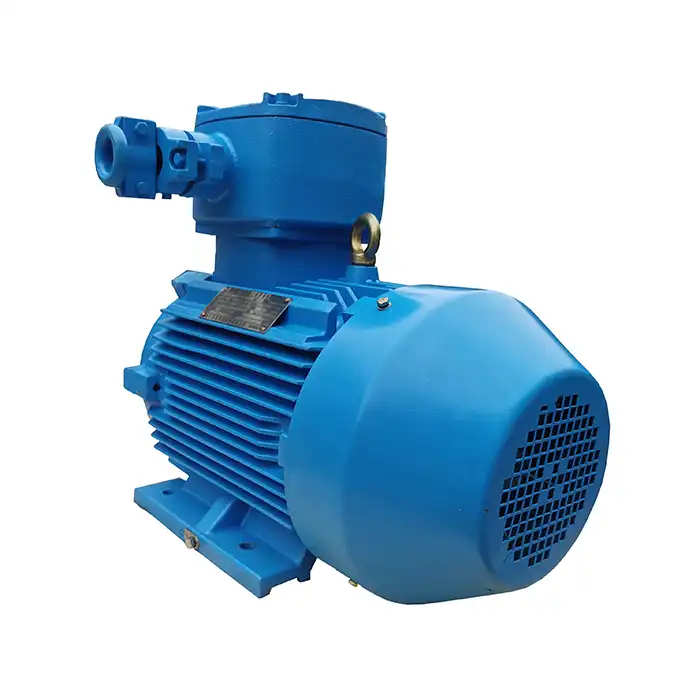
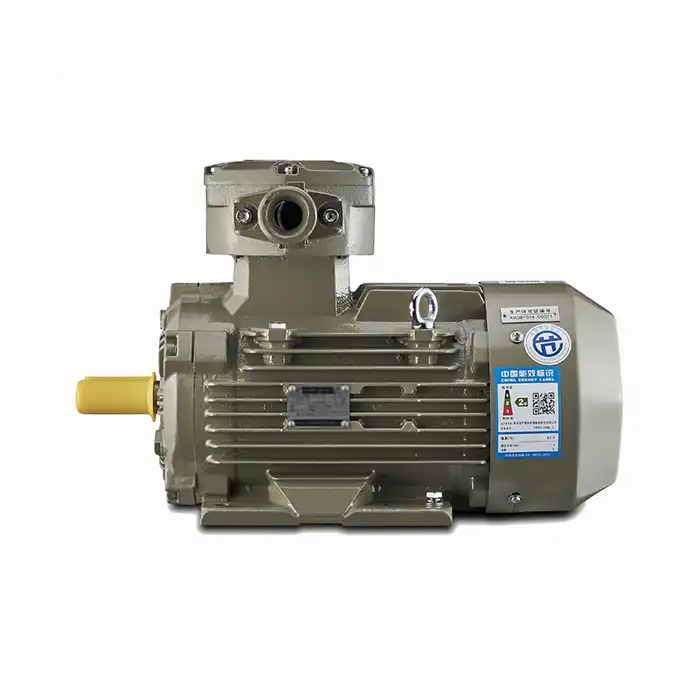
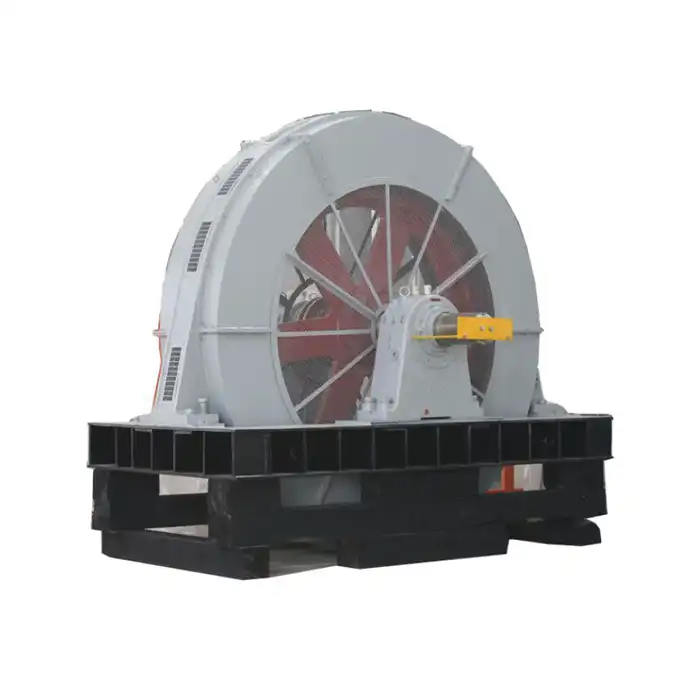
Proper installation of a 3.3 kV motor is vital for industrial buildings that need consistent performance in manufacturing, energy production, water treatment and HVAC applications. These medium voltage motors have power outputs from 160 kW to 1600 kW and are meant to operate fans, pumps, compressors, crushers and cutting equipment. Proper installation will guarantee stable operation, increase the equipment’s service life and save downtime. Procurement teams and engineering workers that understand the basics of electrical connections, grounding procedures and commissioning processes may assist ensure safe, efficient motor installation that meets rigorous production schedules.

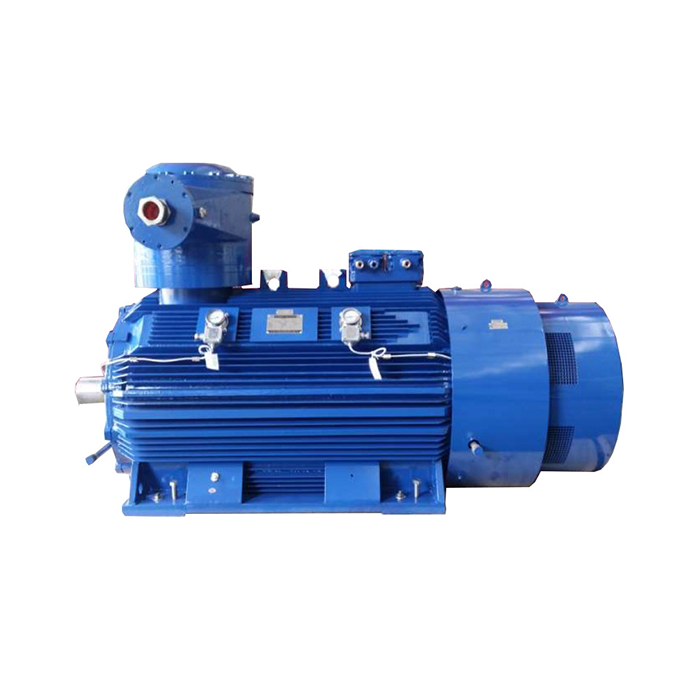
Series:Y2
Protection level:IP54
Voltage range:3000V±5%,3300V±5%,6000V±5%,6600V±5%,10000V±5%,11000V±5%
Power range:160-1600 kW
Application:fans, water pumps, compressors, crushers, cutting machine tools, transportation machinery, etc.
Advantage:compact structure, light weight, low noise, small vibration, long service life, easy installation and maintenance.
Standard: This series of products complies withJB/T10444-2004 standards.
Others: SKF, NSK, FAG bearings can be replaced according to customer requirements.
Understanding 3.3 kV Motor Basics
What Defines a 3.3 kV Motor?
Medium-voltage 3.3 kV motors that run on 3.3 kV are a good choice for industrial uses that need a lot of power but don't need the complicated infrastructure of higher voltage systems. Most of the time, these motors have speeds between 500 and 3000 RPM and output power between 160 kW and 1600 kW. Their voltage tolerance of ±5% can handle changes in the power supply that happen a lot in big buildings. The 50 Hz frequency standard works with power lines in most of the world's areas besides North America.
Key Electrical Specifications
When specifying medium-voltage equipment, it is very important to know the voltage ratings. A 3.3 kV motor can work with voltages between 3000V and 3600V, depending on the state of the grid. Power factor, which in industrial synchronous and induction motors usually ranges from 0.8 to 0.95, must be taken into account when figuring out full-load current. Current capacity changes with load. Insulation classes F or H offer heat protection that can be used continuously in temperatures up to 40°C. With protection levels like IP54 or IP55, dust and water can't get into the motor's internal parts. This means that these motors can be used both inside and outside.
Distinguishing Features Compared to Other Voltage Classes
Medium-voltage units at 3.3 kV send the same amount of power at lower current levels as low-voltage 415V motors. This means that smaller cables and less resistive loss are needed. When motors are located far away from power distribution points in big buildings, this feature is helpful. Compared to 6 kV or 11 kV systems, the lower voltage makes shielding easier and equipment costs less, but it still gives enough power output for most industrial processes. Because of this balance, 3.3 kV motors are perfect for factories, water treatment plants, and industrial HVAC systems.
Industry Applications
Process equipment like crushers for mining, extruders for making plastics, and centrifuges for chemical processing is powered by medium-voltage motors in factories. These motors are used in power plants for boiler feed pumps and cooling tower fans by the energy and utility sectors. They are used in water treatment plants to move big amounts of water through filtration units. They work well in large chiller compressors and ventilation systems that serve industrial complexes, which is good for commercial HVAC installations.
Step-by-Step Installation Guide for 3.3 kV Motors
Pre-Installation Checks
Make sure that the electrical system can handle the power needs before installing any 3.3 kV motor. Make sure that the motor's starting current is rated correctly for the switchgear, transformers, and protection relays. During direct-on-line starts, the starting current can reach six to eight times the full-load current. Check the assembly area for extreme temperatures, high or low humidity, and any contaminants that could affect the motor's ability to cool or the insulation's strength. Look over the base plans to make sure that the mounting areas offer enough support and vibration damping.
Mechanical Installation Best Practices
Motor reliability is directly affected by how stable the mounting is. To keep bearings from having to work harder than they should, foundations must be level within 0.5 mm per metre. When connecting the motor to the driven equipment, make sure that the shafts are lined up according to the manufacturer's instructions. For spinning machinery, this is usually less than 0.05 mm of radial offset and 0.1 mm of axial offset. Misalignment speeds up the wear on bearings and causes too much vibration. Use calibrated tools to tighten the mounting bolts to the required torque levels, and install anti-vibration mounts where directed.
Modern 3.3 kV motors are easy to install because they are small and light, which lets teams place equipment efficiently even in facilities with limited space. Low noise and small vibrations mean that you don't need as many separation measures, but it's still very important to make sure everything is lined up correctly. For long service life, the motor fitting must be done right from the start.
Electrical Wiring Procedures
When choosing cables for medium-voltage motors, you need to think carefully about the environment, the cable's current capacity, and its insulation voltage rating. Use cables with a voltage rating of at least 3.6 kV and a temperature value that matches the conditions in which the motor is working. Cross-sectional areas are usually between 25 mm² and 240 mm², but this can change based on the power level and the length of the wire run. Keep the minimum bending radii that the cable manufacturer specifies to keep the insulation from getting damaged.
The way the connections are set up affects how well the motor works. Star or wye connections are popular for 3.3 kV uses because they lower the voltage stress on each winding phase. For certain starting methods or power needs, delta links may be given. Different manufacturers use different layouts for terminal boxes, so look at wiring diagrams before connecting anything. Tighten the terminal connections to the pressure levels recommended by the maker to keep the electricity flowing and avoid hot spots.
Grounding and Protection
People and things that are grounded properly are protected from electricity problems. Connect the motor frame to the facility's ground grid using wires that meet electrical code requirements and are at least half the cross-section of the phase conductor. To quickly find insulation problems, connect ground fault protection relays that work with upstream protection devices. The thermal overload protection should be set to the full-load current of the motor, with the right service factor taken into account.
Maintenance and Troubleshooting of 3.3 kV Motors
Routine Maintenance Protocols
3.3 kV motors last longer and don't break down when they're supposed to when they're under maintenance. Test the insulation resistance every three months in harsh environments and once a year in controlled settings. Keep up with bearing cleaning plans. Premium SKF, NSK, and FAG bearings can be ordered based on customer needs and usually need to be re-greased every 2000 to 4000 hours of operation, depending on speed and load. Use portable analysers to keep an eye on vibration levels and look into any readings that are 25% higher than the baseline. Keeping an eye on the temperature of the windings while they are running can help you figure out what's wrong if the temperature keeps going up.
Clean the outside of motors regularly to keep them cooling efficiently and get rid of dust that builds up in the ventilation holes. Check the terminal connections for signs of overheating. Discolouration or melting insulation are signs of loose connections that need to be fixed right away.
Diagnostic Tools and Common Issues
Before they break, thermal imaging cameras find hot spots in windings, bearings, or electrical connections. Vibration research finds worn bearings, misaligned shafts, and unbalanced rotors. Insulation testers show patterns of wear and tear that let you replace windings before they break. Induction motors with broken rotor bars and stator problems can be found with current signature analysis.
Some common problems are bearings breaking down because they aren't oiled well enough or are contaminated, winding insulation breaking down because of changes in temperature or exposure to wetness, and rotor bars cracking because of mechanical stress. Overheating usually happens when there is too much current, not enough air flow, or voltage differences between stages that are greater than 2%.
When to Engage Professional Services
To do complicated repairs like replacing windings, rebalancing rotors, or milling bearing housings, you need special tools and knowledge. When the original parts of a motor stop working, improvements to the surge safety and insulation system can make it last longer. Partnering with suppliers that offer strong after-sales support makes sure that you can get technical help and genuine replacement parts, which cuts down on the time it takes to fix things and keeps your warranty valid.
Comparing 3.3 kV Motors with Other Voltage Classes
Voltage Class Trade-offs
3.3 kV motors are being compared to motors of different voltage classes. Low-voltage motors that run on 415V are easier to set up and keep up, but they need bigger cables and have higher resistive losses at the same power levels. Because of this, they are less cost-effective for systems that are bigger than 200 kW in many places. Higher voltage systems, like 6 kV or 11 kV, make very large motors more efficient, but they also cost more and need stricter safety rules. For motors up to 1600 kW, the 3.3 kV rating is in the middle. It gives good efficiency while keeping installation complexity manageable.
Efficiency and Operating Cost Implications
Lower electrical losses and a better power factor make energy-efficient medium-voltage motors cheaper to run. Motors that meet the requirements of JB/T10444-2004 and have an improved electromagnetic design stay more than 95% efficient at full load. When the medium voltage current needs go down, the thermal heating in the distribution lines goes down too. This saves money at the system level beyond just motor efficiency. When compared to low-voltage installations of the same size, buildings with multiple medium-voltage motors often save more than 10% of their annual energy use.
Selecting the Right Voltage for Your Application
Voltage choice is based on how much power is needed and how far away the installation is. Low-voltage motors may be better for applications with short wire runs and power levels below 200 kW because they cost less to buy. Higher voltage infrastructure is often needed for systems that are more than 1600 kW. The 3.3 kV grade is good for most industry uses between these two extremes because it strikes a good balance between performance, cost, and installation difficulty.
Procurement Considerations for 3.3 kV Motors
Pricing and Lead Time Factors
The price of a 3.3 kV motor relies on the power grade, the amount of customisation required and the market’s condition Standard catalogue items are generally cheaper than a bespoke design, but may not be a precise fit for the application requirements. Standard requirements have lead times of 8 to 12 weeks, but for custom units requiring special shaft configurations, mounting arrangements or environmental ratings, lead times can run 16 weeks or more. Avoid delaying that costs a lot of money by structuring purchase deadlines around project plans.
New vs. Custom-Built Options
For typical purposes, standard motors may be quicker and cheaper. Custom designs may be adapted to meet unique mounting requirements, shaft extensions or cooling systems. Standardisation and customisation have merits and downsides depending on the demand of the program and the budget. Standard units need costly modifications or adapters, therefore bespoke motors might be a better long-term value.
Supplier Selection Criteria
Good suppliers not only sell you equipment, they also provide you with technical assistance, on-time delivery and warranty protection. Ensure that possible suppliers have the proper credentials for your organization and location. Verify if they are able to provide local support for installation and repair help. The warranty should clearly state that components will be replaced and labour will be covered for a minimum of 12 months after the device is placed in service. Risk during installation and operation of the motor can be mitigated by ensuring the supplier provides full after-sales support.
Things are near to each other, it affects the logistics costs and response times . If your suppliers have inventory and service centers near to your premises, they can promptly respond to your emergency demands. Check case studies or client references to see how well the provider is recognised in your sector.
Conclusion
Proper installation and operation of medium-voltage motors need special consideration from an electrical, mechanical and routine maintenance standpoint. Understanding the fundamentals of 3.3 kV motor systems may assist procurement teams and engineering professionals make choices that help achieve production objectives. By taking the right steps during installation, during regular maintenance, and during corrective actions when problems arise, you’ll get the best long-term performance. The right motor choice, balancing the amount of power required, efficiency and ease of installation, gets the most out of your capital investment and reduces your operational expenses throughout the life of the equipment.
FAQ
1. What wiring configurations are most common for 3.3 kV motors?
Star connections for 3.3 kV motors are most common in medium-voltage installations because they lower the voltage stress per winding phase to about 1.9 kV, which is well within the capabilities of the insulation system. Delta setups are used in some starting methods or situations where higher torque is needed, but they are not as popular at this voltage level.
2. How often should I inspect my 3.3 kV motor?
Visual checks should be done once a week during the first few weeks of operation and once a month after that, once stable performance is established. Comprehensive maintenance, such as testing the insulation, analysing vibrations, and lubricating the bearings, should be done every three to six months, depending on how harsh the operating environment is and how often the duty cycle is used.
3. Can I replace a 3.3 kV motor with a different voltage class?
To change the voltage, the whole electrical system needs to be looked at. When you replace a medium-voltage motor with a low-voltage one, you have to change the safety relays, cables, and switches. For higher voltage substitutions, the insulation coordination needs to be better. Usually, making these kinds of changes is too expensive compared to finding voltage replacements that are the same.
Partner with XCMOTOR for Reliable 3.3 kV Motor Solutions
XCMOTOR sells medium-voltage motors with good performance that are designed for harsh industrial settings. Our product line has voltage levels of 3000V, 3300V, 6000V, 6600V, 10000V, and 11000V, with power outputs ranging from 160 kW to 1600 kW. In addition to being small, each motor makes little noise, doesn't vibrate much, and is easy to maintain. Premium bearings from SKF, NSK, and FAG ensure long service life even in tough circumstances. Email our technical team at xcmotors@163.com to talk about your specific application needs and get quotes that are tailored to your project. As a supplier of 3.3 kV motors with a lot of knowledge, we offer full help from choosing the specifications to commissioning and beyond.
References
1. Chapman, Stephen J. Electric Machinery Fundamentals. McGraw-Hill Education, 2011.
2. Bonnett, Austin H. and Charles Yung. "Increased Efficiency Versus Increased Reliability." IEEE Industry Applications Magazine, vol. 14, no. 1, 2008, pp. 29-36.
3. Stone, Greg C., et al. Electrical Insulation for Rotating Machines: Design, Evaluation, Aging, Testing, and Repair. Wiley-IEEE Press, 2014.
4. Nailen, Richard L. "Selecting Medium-Voltage Motors." Plant Engineering, vol. 57, no. 8, 2003, pp. 42-45.
5. Cowern, W. W. and R. L. Kershaw. "Installation and Commissioning of Large Motors." Proceedings of the Institution of Electrical Engineers, vol. 121, no. 10, 1974, pp. 1153-1158.
6. Hughes, Austin and Bill Drury. Electric Motors and Drives: Fundamentals, Types and Applications. Newnes, 2019.