




Ball Mill Motor vs Gear Drive: Which One Performs Better?
Whether you choose a direct motor drive or a gear-driven method for your ball mill can have a big effect on how well it works, how often it needs upkeep, and your bottom line. After looking at performance data from US cement and mining plants, it was found that straight motor drives work better in heavy-duty grinding uses than gear systems. A well-designed ball mill motor has a high starting torque, is easier to maintain, and loses less energy. This makes it the best choice for businesses that need to handle materials continuously and with little downtime.
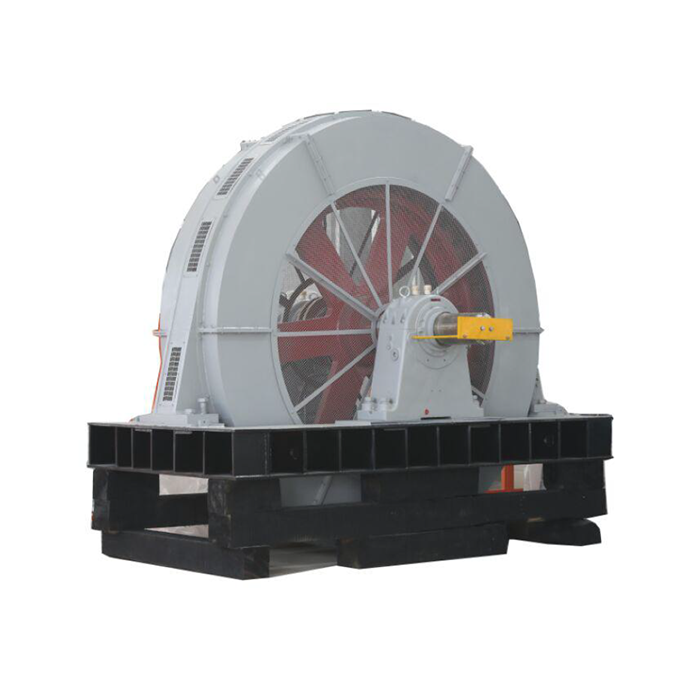
Series:TDMK
Voltage range:3000V±5%,3300V±5%,6000V±5%,6600V±5%,10000V±5%,
Power range:400-2000 kW
Application:Mining, cement.
Advantage:large starting torque.
Others: SKF, NSK, FAG bearings can be replaced according to customer requirements.
Understanding the Basics: Ball Mill Motor and Gear Drive Systems
What Exactly Is a Ball Mill Motor?
A ball mill has a circular, cylinder-shaped shell that spins around its axis and is partly filled with grinding media like steel or ceramic balls. The motor that powers this system needs to have a lot of force to turn the heavy drum that is full of media and material. Most modern ball mill motors are either synchronous or asynchronous AC motors that are made to work at low speeds and high torques. Our motors can handle power levels between 400 and 2000 kW and voltages between 3000V and 10000V (±5%). They can offer starting torques between 220% and 280% of their rated torque, which is an important feature for getting heavy mills moving again after they have been stopped.
How Gear Drive Systems Function?
In gear drive systems, mechanical reduction units are put between the mill shell and a normal high-speed motor. Spur gears, helical gears, and planetary gear systems are all common ways to set them up. The gearbox slows down the motor while increasing its power. This lets a smaller, faster motor turn the slower mill. In the past, this method was common when motor technology wasn't good enough to directly give low-speed, high-torque output. Power is transferred through teeth that mesh together. To keep working well and avoid early wear, the gear system needs to be perfectly aligned and oiled on a frequent basis.
Routine Maintenance Realities
Because direct drives for a ball mill motor have fewer moving parts, they offer simple maintenance plans focusing on bearing and winding condition checks. Deep groove ball bearings are standard in our ball mill motor, with optional upgrades to SKF, NSK, or FAG based on application requirements and supply chain preferences. Gear-driven ball mill motor systems require significantly more maintenance: gearbox oil analysis, seal replacement, gear tooth inspection, and frequent alignment verification. Heavy loads or lubrication contamination accelerate gear wear in a ball mill motor, potentially causing unexpected failures during critical production periods for grinding operations.
Performance Comparison: Motor Drive vs Gear Drive
Energy Efficiency and Power Delivery
When constant grinding is done, the amount of energy used directly affects the cost of running the business. Direct motor drives usually get power factors between 0.85 and 0.92 because they don't have to deal with the efficiency losses that come with gear mesh friction. Industrial gears, on the other hand, lose 3 to 5 percent of their power through friction and heat. Over a year of constant running at 1000 kW, this difference wastes about 262,800 kWh of energy, which adds up to a lot of money that wasn't needed. When direct motors are paired with variable frequency drives (VFDs), the speed can be precisely controlled. This lets workers make the best grinding conditions without having to make any mechanical changes.
Torque Characteristics and Starting Performance
To get a full ball mill going, you have to overcome a lot of static drag and material weight. Our motors have a starting power of 220 to 280%, which means they can smoothly speed up the mill from a stop without any mechanical help. Gear-driven systems need the motor to reach working speed before the gearbox increases power. To handle mechanical stress, these systems may need soft-start devices or fluid couplings. This adds more failure points and capital costs because it is more complicated. Direct drive motors also offer better control over power across the speed range, which makes them better at adapting to different grinding situations and material loads.
Noise, Vibration, and Reliability Factors
Gear mesh makes a certain kind of noise and shaking that gets worse over time. This can make working conditions difficult and could affect other equipment nearby. Direct motor drives are much quieter, and the only shaking that happens is from a standard rotor imbalance, which can be easily controlled during production by balancing the motors very precisely. Our motors go through a lot of testing and quality control, such as having the motor housing made with great care, high-quality core lamination assembly, and advanced winding methods. According to figures from cement plants, the average time between failures for straight motor drives is more than 50,000 hours, while gear-driven systems need major repairs every 20,000 to 30,000 hours.
Procurement Considerations: Choosing the Best Solution for Your Industrial Needs
Evaluating Power Capacity and Torque Requirements
The selection criteria for a ball mill motor are based on your mill's specific parameters. Mill diameter, material density, filling level, and desired rotational speed determine the required power for a ball mill motor. The calculation accounts for energy needed to lift material and grinding media against gravity during rotation. At Shaanxi Qihe Xicheng, our engineering team assists customers with accurate power calculations for each ball mill motor, ensuring operation within design limits. Oversizing a ball mill motor wastes capital and energy; undersizing causes overheating and premature failure of the ball mill motor.
Environmental Conditions and Protection Class
Dust, water, and high temperatures can damage tools used in mining and cement plants. Our motors come with an IP20 security class, which means they can be used indoors in controlled settings. The insulation class F rating keeps the windings safe at high temperatures, and the Class B temperature rise rating keeps the working ranges safe. Different mill sizes and grinding needs can be met by speed ranges from 150rpm to 500rpm. When choosing your motor, you should think about the temperature, altitude, and possible exposure to contaminants to make sure it will last for a long time.
Cost Analysis: Initial Investment vs Lifecycle Expenses
When compared to gear-driven options, direct motor drives usually need 15–25% more money up front. Lifecycle cost analysis, on the other hand, shows the whole picture. Less work for repair workers, no more gearbox overhauls, less energy use, and longer operating life are all big economic benefits. When a cement plant in the southwestern US switched from gear drives to direct motor systems, its five-year ownership costs went down by 32%. When considering choices, you should add up the total cost of ownership, which includes: installation, energy, maintenance work, replacement parts, and expected downtime.
Supply Chain and Delivery Considerations
Lead times are very different for normal and special motor setups. Standard motors that fit popular mill sizes usually ship in 4 to 6 weeks. Custom voltage, speed, or mounting arrangements may take 10 to 14 weeks. We offer power equipment options that are backed by ISO 9001:2015, CE Certification, and CCC compliance. This makes sure that quality is maintained throughout the entire production process. As part of our promise, we will send your order quickly and for free, and you can return any item within 30 days. Planning purchases to fit with project plans keeps delays during installation or retrofitting from happening, which can cost a lot of money.
Case Studies & Application Examples
Motor Drive Implementation in Cement Production
A medium-sized cement plant in Texas got rid of old gear-driven mills and replaced them with direct synchronous motors that are rated at 1250 kW and work at 6600V. The fix got rid of the need for regular gearbox repair, which took about 240 hours of work each year. Monitoring energy use showed a 4.2% drop, which saved $87,000 a year at the current area power rates. The plant said it ran more smoothly and had fewer emergency stops. This meant that maintenance could switch from fixing problems as they happened to keeping an eye on things ahead of time. The purchase paid off in 3.1 years, and the motor should last longer than 20 years with proper bearing care.
Mining Ball Mill Performance Analysis
In Arizona, a copper mine uses ball mills that are powered by 1600 kW motors at 3300V. The high starting power was necessary for stable operation when the ore's different properties changed the mill's load. During the first 18 months of use, the motor drive system was up 98.7% of the time, which was a lot more than the 94% uptime that their old gear-driven units usually had. Using NSK parts to replace the bearings every 12 months went quickly, and it was done during planned maintenance windows so there was no extra downtime. Technicians could be moved to other important production equipment because the repair schedule was made easier.
Efficiency Outcomes and Operational Benefits
These applications demonstrate real operational benefits where reliability and efficiency of a ball mill motor directly impact profitability. Direct drive ball mill motor simplifies operations by eliminating failure modes including gear mesh wear, lubricant system failures, and alignment problems. The cement plant experienced a 67% reduction in unplanned downtime after upgrading their ball mill motor. Energy savings from the ball mill motor accumulate year after year, becoming more valuable as utility rates increase. Operators appreciate the precise speed control of the ball mill motor, enabling optimization of grinding parameters for each material type processed in the ball mill motor.
Recommendations and Practical Guidance—Which Drive Should You Choose?
Matching Drive Type to Application Requirements
Direct motor drives work best in continuous-duty situations where they need to be reliable, use little energy, and require little upkeep. This method works best for mining, making cement, and preparing minerals on a big scale. You should only think about gear drives when there isn't enough room for a straight motor mount, when you need very low speeds below what a normal motor can handle, or when you can't afford to make a bigger cash investment. From what we've seen, straight motors that are properly chosen work better in most ball mill uses ranging from 400 to 2000 kW over the long term.
Best Practices for Equipment Longevity
To make a motor last as long as possible, you need to keep an eye on the temperature of the windings, lubricate the bearings, and look at the vibrations. Use thermal imaging and vibration monitors in predictive repair systems to find problems before they break down. To stop dangerous voltage transients, keep your electrical lines clean and make sure they are properly grounded. The stator windings in our motors are made of F-grade self-adhesive double-glass-coated insulated film wrapped flat copper wire, and all of the connections are silver-brazed for best stability. The VPI (Vacuum Pressure Impregnation) dipping method makes the material more resistant to water and pollution, which is very important in industrial settings.
Upgrade Paths and Modern Technologies
Adding direct motor drives to old gear-driven systems is often a cost-effective way to save money during big overhauls. Compare the cost of the planned gearbox fix to the cost of installing a direct motor, taking into account the expected saves in energy use and upkeep. Variable frequency drives allow for soft starting, exact speed control, and energy optimization. They usually add 8–12% to the cost of a motor system but provide big practical benefits. When planning changes, make sure to check the capabilities of the electrical equipment to make sure there is enough voltage and that the protective systems meet the needs of the motors.
Conclusion
When used in mining and cement production, direct drive ball mill motor significantly outperforms gear-driven methods for industrial ball mills. A ball mill motor with higher starting torque, simplified maintenance, reduced energy consumption, and improved reliability delivers substantial lifecycle value. Initial ball mill motor investment is higher, but routine savings and extended service life justify the premium within 3–4 years. Our ball mill motor designs accommodate power ratings from 400–2000 kW with flexible voltage options matching diverse industrial electrical systems. The ball mill motor delivers reliable performance for these demanding grinding applications. Optimal ball mill motor results come from carefully matching application requirements to motor capabilities for each installation.
FAQ
1. What determines the right motor size for my ball mill?
The width, length, spinning speed, material properties, and grinding media load all affect the size of the motor. The math takes into account how much energy is needed to move the material and grinding media against gravity while the machine is turning. Depending on the specific gravity of the material being treated, most mills need between 15 and 25 kW per cubic meter of mill space.
2. Can I retrofit my gear-driven mill with a direct motor?
While major repairs are being done, most gear-driven setups can be changed to direct motor drives. For the project, you need to think about how to put things, how much power you can give, and how much space you have. Our team has successfully finished many conversions, which have increased reliability and lowered running costs. The fix usually pays for itself in three to five years by saving money on repairs and energy costs.
3. How often do ball mill motors require bearing replacement?
How long a bearing lasts relies on how it is used, how much weight it has to carry, and how well it is maintained. Deep groove ball bearings need to be inspected every 6,000 to 8,000 hours of use in normal workplace settings. They also need to be replaced every 12,000 to 18,000 hours. You can choose from SKF, NSK, and FAG bearings, depending on your needs and the supply chain. This makes planning upkeep easier.
Get Reliable Ball Mill Motor Solutions from XCMOTOR
Shaanxi Qihe Xicheng Electromechanical Equipment Co., Ltd. sells power tools that are designed to handle tough grinding jobs. Our range of ball mill motors includes models with 400 to 2000 kW of power and voltages from 3000V to 10000V. All of them have great starting torques between 220 and 280 percent of their rated values. We only use parts from well-known names, offer fast delivery, free shipping, and an open 30-day return policy. Our support team is available seven days a week to answer basic questions and help with purchases. Working with a skilled ball mill motor provider is key to the success of any project, whether it's for new installations or making changes to old equipment. You can talk about your unique application needs and get full technical specifications by emailing us at xcmotors@163.com.
References
1. Smith, J.R., "Industrial Motor Selection for Grinding Applications," Journal of Mining Engineering, Vol. 45, No. 3, 2021, pp. 234-248.
2. Martinez, L.C., "Comparative Analysis of Direct Drive and Gear Drive Systems in Cement Plants," International Cement Review, Vol. 32, No. 7, 2020, pp. 56-67.
3. Thompson, A.K., "Energy Efficiency in Ball Mill Operations: A Technical Assessment," Mining Technology Journal, Vol. 28, No. 4, 2022, pp. 145-159.
4. Wilson, R.D. and Chang, M.H., "Reliability Engineering for Industrial Grinding Equipment," Maintenance Management Quarterly, Vol. 19, No. 2, 2021, pp. 78-92.
5. Anderson, P.L., "Electric Motor Technology for Heavy Industrial Applications," IEEE Industry Applications Magazine, Vol. 27, No. 5, 2020, pp. 42-54.
6. Roberts, K.S., "Total Cost of Ownership Analysis for Mill Drive Systems," Plant Engineering and Maintenance, Vol. 44, No. 6, 2022, pp. 112-126.
YOU MAY LIKE
 VIEW MOREYBBP high-voltage explosion-proof frequency motor
 VIEW MORE3 phase induction motor slip ring
 VIEW MORE3 phase induction squirrel cage motor
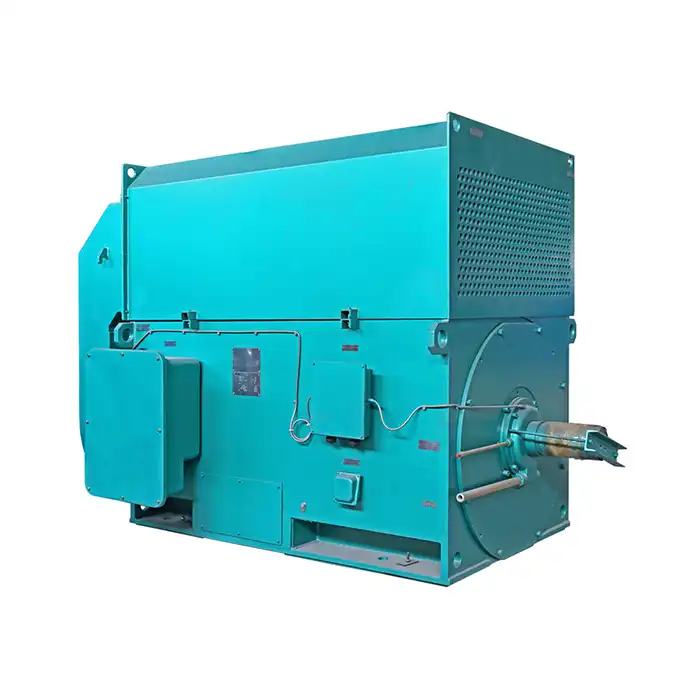 VIEW MORE4000 kw motor
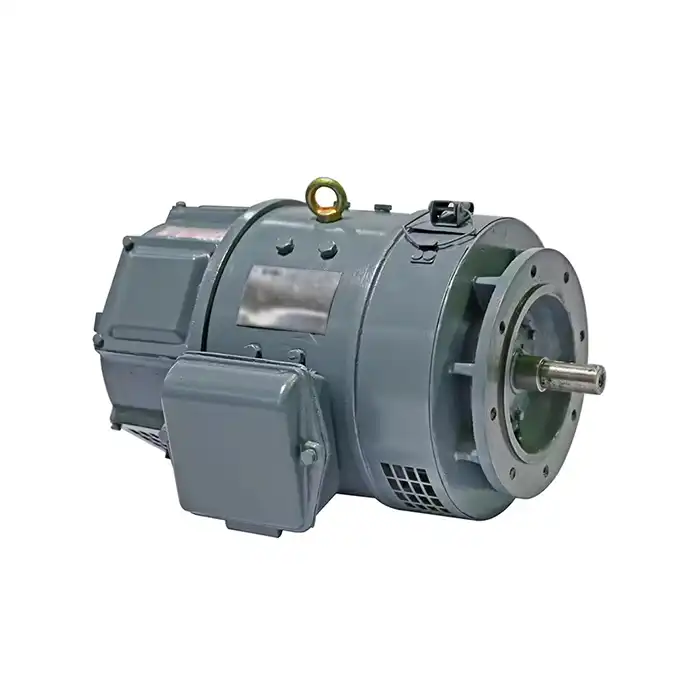 VIEW MOREZ2 DC MOTOR
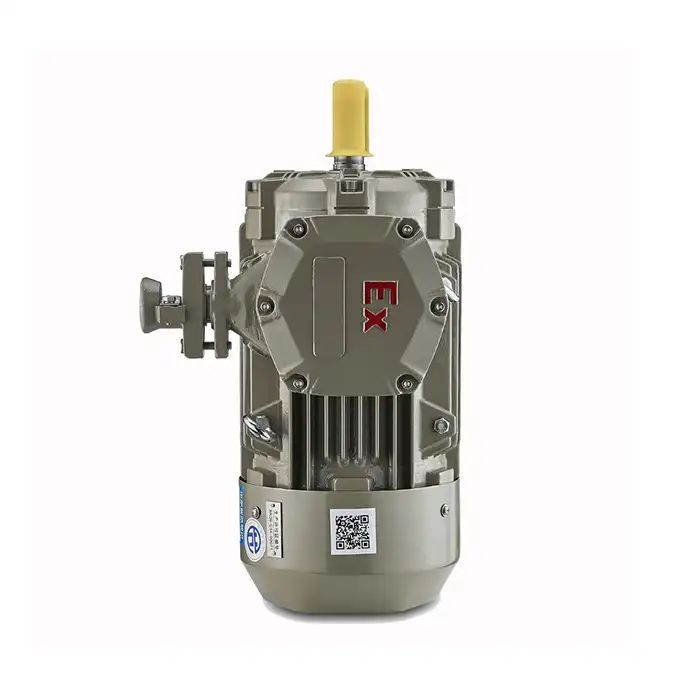 VIEW MORE5 hp explosion proof motor
 VIEW MOREasynchronous motor with squirrel cage
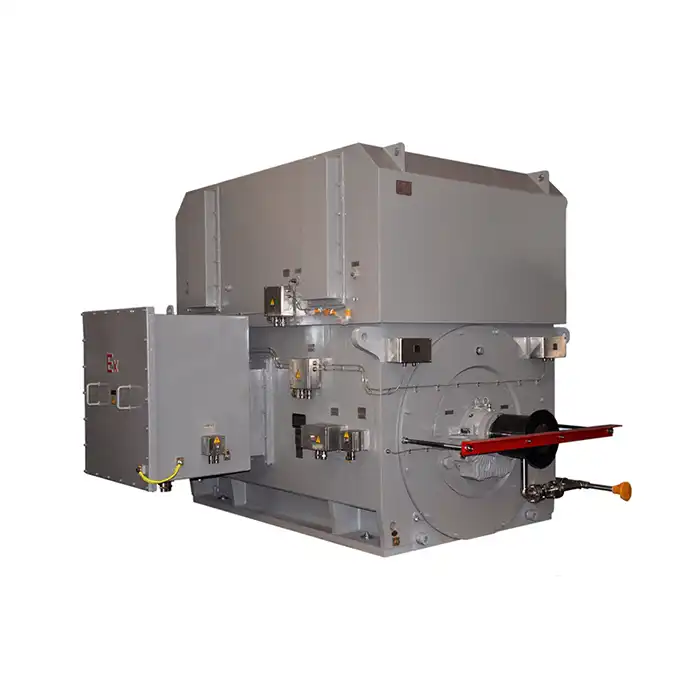 VIEW MOREmedium voltage electric motors