



AC Motor Maintenance Checklist: Daily to Annual
A well-structured ac motor maintenance plan is the most direct way to protect your production line from unplanned shutdowns. Whether you manage pumps, fans, compressors, or cranes, keeping your motors in good condition through consistent daily, weekly, monthly, quarterly, and annual checks cuts repair bills, extends motor service life, and keeps your team safe. This guide walks through each stage of that schedule — from quick daily walk-arounds to full annual diagnostics — so procurement and engineering teams have a single, practical reference to follow.
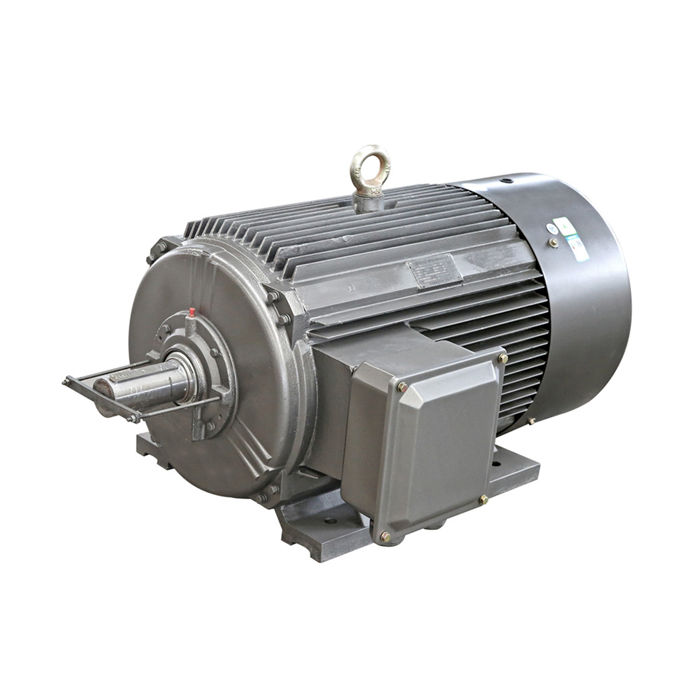
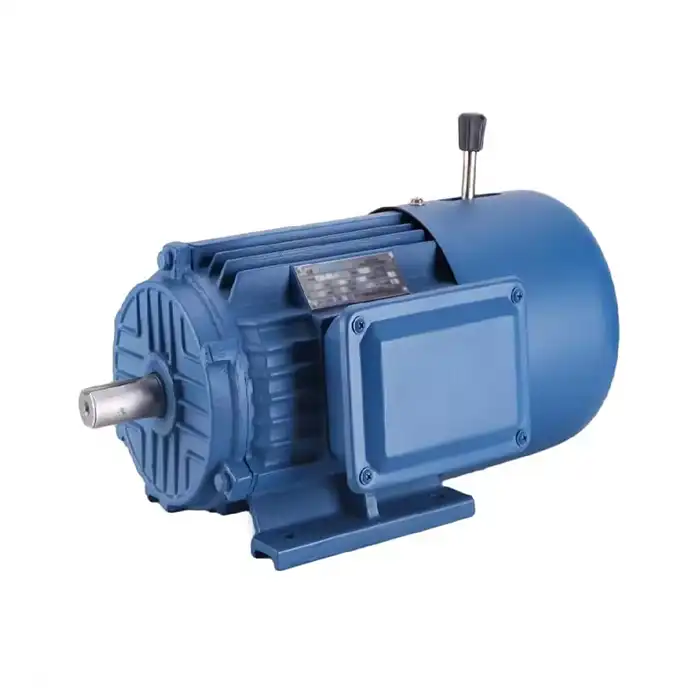
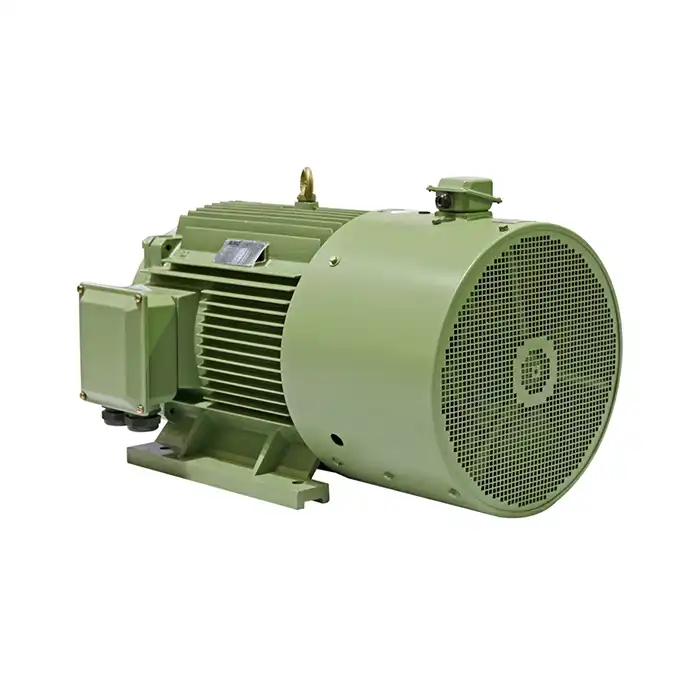
Series:YE3
Frame number: 80-450
Power range:0.75-1000kW
Protection level:IP55
Energy efficiency class: IE3
Voltage range: 380V,400V,415V,660V, etc.
Application:can be used in various fields of the national economy, such as machine tools,water pumps,fans,compressors,and can also be used in transportation, mixing, printing, agricultural machinery, food and other occasions that do not contain flammable, explosive or corrosive gases.
Certificate: international standard IEC60034-30 "Efficiency Classification of Single-speed Three-Phase Squirrel Cage Induction Motors".
Advantage:The high quality of the electric motor guarantees high operational reliability.
Others: SKF, NSK, FAG bearings can be replaced according to customer requirements.
Daily AC Motor Maintenance Checklist
A quick check at the start of each shift takes less than ten minutes and finds the problems that will do the most damage if they are not fixed. Check out this picture of a good daily practice.
Visual Inspection
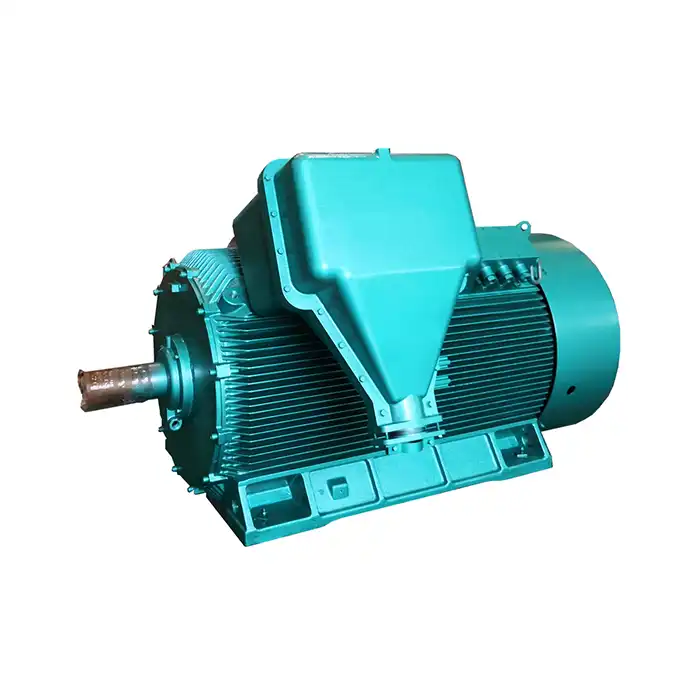
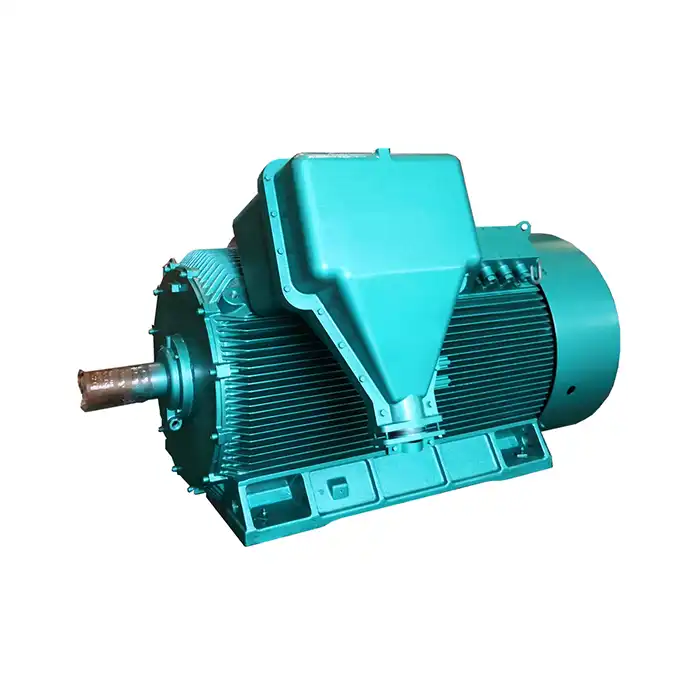
Look for cracked housings, loose mounting bolts, damaged conduit, or signs of water getting into the motor as you walk around it. Check to see if the ventilation holes are free of anything. On motors with an IP55 rating, like the YE3 or YVFE3 series, the case is designed to keep moisture out. However, the cooling airflow path still needs to be clear for the IC411 or IC416 cooling system to work right.
Operational Checks
Listen for grinding, buzzing, or humming that doesn't sound right. These sounds often mean that a bearing is wearing out early or that the windings are not balanced before a trouble code shows up. Use a touch thermometer or an infrared thermometer to check the temperature of the casing. A quick rise above the standard is a good early warning sign. Also, make sure that there are no harmonic alarms on the VFD monitor for motors that are run by an inverter.
Data Logging
Keep a shift log and write down the working current, the temperature of the room, and any strange events. Over weeks, this data shows patterns. For example, slow current drift indicates that the winding is breaking down. This is now paired with simple software dashboards that automatically show when something isn't right in a lot of facilities. Regularly collecting data changes reactive guesswork about when to do Ac motor maintenance into evidence-based planning.
Weekly and Monthly Preventive Maintenance Tasks
Moving beyond daily checks, weekly and monthly tasks address the mechanical and electrical factors that degrade motors gradually rather than abruptly.
Cleaning and Cooling Efficiency
Dust and oil film on motor casings act as insulation, trapping heat inside the windings. A monthly wipe-down with a dry or slightly damp cloth — never compressed air directed into terminal boxes — keeps surface temperatures honest. For motors operating in grain, chemical, or textile environments, cleaning frequency may need to increase. Blocked cooling fins can raise winding temperature by 10°C or more, which meaningfully shortens insulation service life.
Lubrication Schedule
Bearing re-greasing intervals depend on frame size, speed, and load. A general guideline for medium-frame motors running two shifts is greasing every 2,000 operating hours, but always defer to the motor nameplate or manufacturer specification. Over-greasing is as damaging as under-greasing; excess grease generates heat and contaminates windings. For motors fitted with SKF, NSK, or FAG bearings — all standard bearing options across the product range — use only the grease grade specified for that bearing series.
Insulation Resistance Testing
Monthly insulation resistance checks with a megohmmeter catch moisture ingress and winding degradation before they cause turn-to-turn shorts. IEEE 43-2013 recommends a minimum insulation resistance of 1 MΩ per kV of rated voltage plus 1 MΩ as a rough baseline for three-phase motors. A trending drop across consecutive monthly readings is more informative than any single reading in isolation. When a value falls below the threshold, escalate to a qualified electrician before returning the motor to service.
Quarterly and Annual Advanced Maintenance
Work done every three months or once a year is more than just regular checks. This is where tools for checking the condition, diagnosing windings, and making smart decisions about whether to repair or replace come in.
Winding Inspection and Alignment
Every three months, use a dial indicator or laser alignment tool to check the alignment of the shaft. Even a small misalignment of 0.1 mm at the coupling causes vibrations that wear out bearings ,seals and motor lifespan on the shaft faster. A polarization index (PI) test and a winding resistance test should be done once a year. A PI value below 2.0 on a Class F motor usually means that there is moisture or contamination that needs to be dried or rewound before safe operation can begin again.
Condition-Based vs. Scheduled Maintenance
Scheduled maintenance always happens on the same day, no matter how the motor is doing. Condition-based maintenance uses heat imaging, vibration sensors, and partial discharge monitors to make sure that work is only done when parameters go beyond what is considered reasonable. Condition-based monitoring cuts down on unnecessary strip-downs and finds real faults earlier in big, valuable motors, like a 200 hp inverter duty motor that drives a critical compressor. The initial cost of monitoring hardware is usually returned within one or two unplanned power outages that were avoided.
Repair vs. Replacement Decisions
There are three things that determine whether to fix or replace: the age of the motor compared to its design life, the cost of rewinding versus the price of a new unit, and the efficiency gain from a new IE3 motor versus an old standard-efficiency unit. It is usually cheaper to get a new motor than to rewind one that has already been used twice and is losing its insulation resistance. So that a choice about a repair doesn't slow down production, procurement teams should keep a spare motor inventory that is matched to criticality levels.
Selecting the Right AC Motor Maintenance Solutions
It is just as important to pick the right tools and service partners as it is to stick to the schedule. Here are the most important things to think about when making choices in this area.
When buying teams look at repair tools and service models, they usually think about these things:
- In-house teams give faster response for routine tasks and lower per-incident cost once staff are trained, but they require investment in instruments such as megohmmeters, vibration analyzers, and alignment tools, plus ongoing training as motor technology changes.
- Outsourced service contracts make sense for specialized diagnostics — partial discharge testing, dynamic balancing, or full rewind work — where the equipment investment and skill level required exceed what an in-house team can justify for occasional use.
- Supplier-backed service networks are worth prioritizing when purchasing motors. A supplier with 20+ years of experience, 7-day technical support, and documented supply chain traceability reduces the risk of counterfeit parts and inconsistent repair quality.
Both models can work together: daily to monthly tasks can be done by in-house staff, and advanced work can be done by contracted specialists three times a year. The important thing is to write down which tasks belong to which team and make sure that there are clear ways to escalate problems before they happen.
Maximizing the Benefits of Regular AC Motor Maintenance
Motor care that is done regularly has a clear return. Based on research from the U.S. Department of Energy, electric motors use about 70% of the energy that factories need for commercial purposes. The energy bill goes down directly when the motors are kept running at their rated efficiency through proper ac motor maintenance. In addition to saving energy, a 2019 study in Reliability Engineering & System Safety discovered that plants with official preventative motor maintenance programs had 25–40% fewer unplanned motor failures than plants that relied on run-to-failure methods.
Following safety rules is also a very important driver. NFPA 70E and OSHA 1910.303 are the basic rules for inspecting and documenting electrical equipment in the United States. If a motor isn't inspected on time, it can put a facility at risk of both equipment liability and a fine from the government.
The buying part of upkeep is also important for procurement teams. If you use genuine OEM-grade bearings, insulation materials, and terminal components from a reputable supplier with full traceability records, you can avoid the silent degradation that comes from using fake or mismatched parts. Getting to know a supplier that sells both new motors and maintenance and repair parts makes reordering easier and leads times more predictable.
Conclusion
Ac motor maintenance doesn't have to be difficult, but it should be done regularly. Every day walk-arounds find the first signs of trouble. The slow-burn failure modes are lubrication, insulation, and cleanliness. These are tasks that are done once a week and once a month. Diagnostics done every three months and once a year do the more in-depth work that keeps motors reliable for their entire design life. The loop is closed by having a good maintenance plan, genuine replacement parts, and a quick line of technical support. Motors last longer, energy bills stay lower, and production schedules stay on track when every step of the checklist is done.
FAQ
1. How often should I perform ac motor maintenance?
Motors that are used continuously in industry should at least be inspected visually and operationally every day. Cleaning and lubricating tasks are done every week to once a month, depending on the working conditions. Insulation resistance testing should be done once a month or three times a year, and full winding diagnostics and alignment checks should be done once a year. The exact times should always be based on the information on the motor's nameplate, the service manual from the manufacturer, and how important the load being driven is.
2. What safety precautions are required before starting maintenance?
Follow the lockout/tagout (LOTO) steps in OSHA 1910.147 before you touch any motor. Make sure that all energy sources are disconnected and drained. This includes the control voltage and the VFD bus voltage. Wear the right PPE, like gloves that are protected and rated for the power in the circuit. Before turning on explosion-proof motors like the YBX3 series again in a dangerous area, make sure that the flameproof enclosure fasteners are tightened to the right level.
3. Is outsourcing motor maintenance more cost-effective than keeping it in-house?
It depends on how important the motor is, how big the fleet is, and how skilled the staff is. When trained in-house staff do routine jobs, they are almost always cheaper. If the motor fleet isn't big enough to have committed experts, it's usually best to outsource specialized work like rewinds, dynamic balancing, and partial discharge testing. For most sites, the best mix of cost and coverage is a hybrid model, where daily to monthly chores are handled by in-house staff and yearly tests are handled by hired experts.
Partner With XCMOTOR for Dependable Motor Support
XCMOTOR, which stands for Shaanxi Qihe Xicheng Electromechanical Equipment Co., Ltd., sells IE3-rated AC motors in both low-voltage and high-voltage power ranges. They have more than 20 years of experience in the field and work with more than 30 confirmed makers. Our team is here for you seven days a week, whether you need a new motor, genuine MRO spare parts, or help planning your ac motor maintenance. We are a trusted ac motor maintenance supplier. You can get a quote or set up a technical consultation by emailing us at xcmotors@163.com or going to motorxc.com.
References
1. IEEE Std 43-2013 — IEEE Recommended Practice for Testing Insulation Resistance of Electric Machinery. IEEE, 2013.
2. U.S. Department of Energy, Office of Energy Efficiency & Renewable Energy — Improving Motor and Drive System Performance: A Sourcebook for Industry. DOE, 2014.
3. Mobley, R. K. — An Introduction to Predictive Maintenance, 2nd ed. Butterworth-Heinemann, 2002.
4. Tavner, P. J., Ran, L., Penman, J., & Sedding, H. — Condition Monitoring of Rotating Electrical Machines. IET, 2008.
5. Hamid A. Toliyat & Gerald B. Kliman (Eds.) — Handbook of Electric Motors, 2nd ed. CRC Press, 2004.
6. Reliability Engineering & System Safety — "Preventive Maintenance Strategies for Induction Motors in Industrial Plants." Elsevier, 2019.