



A Practical Guide to Explosion Proof AC Motor Selection
How safe you are at work, how well you follow the rules, and how well your business runs in dangerous areas all depend on the explosion proof ac motor you choose. If your building has gases, vapors, or dust that can catch fire, standard motors are very likely to catch fire. A spark- and heat-proof AC motor is made to keep them inside, so they can't start fires in places where they could spread. If you work in a dangerous field like mining, chemicals, oil, or gas, this guide will help you choose the right motors. It helps engineers and people in charge of buying things make good decisions.

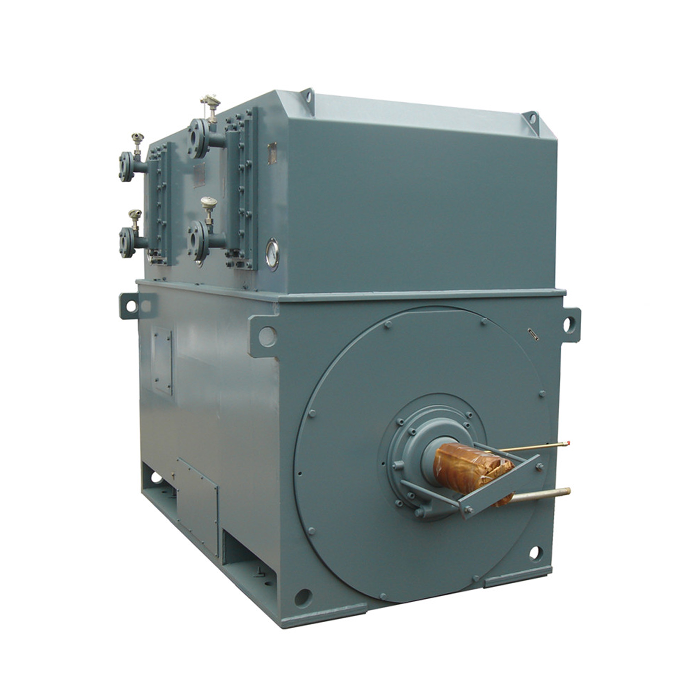
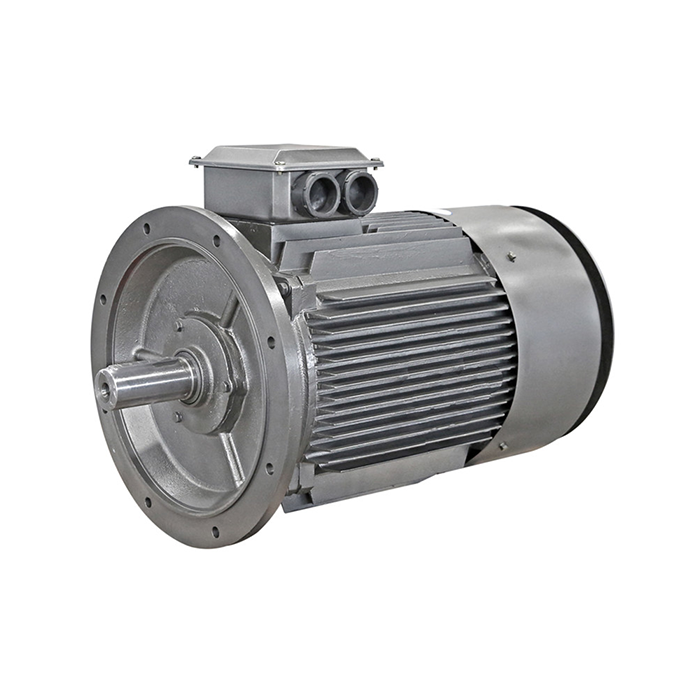
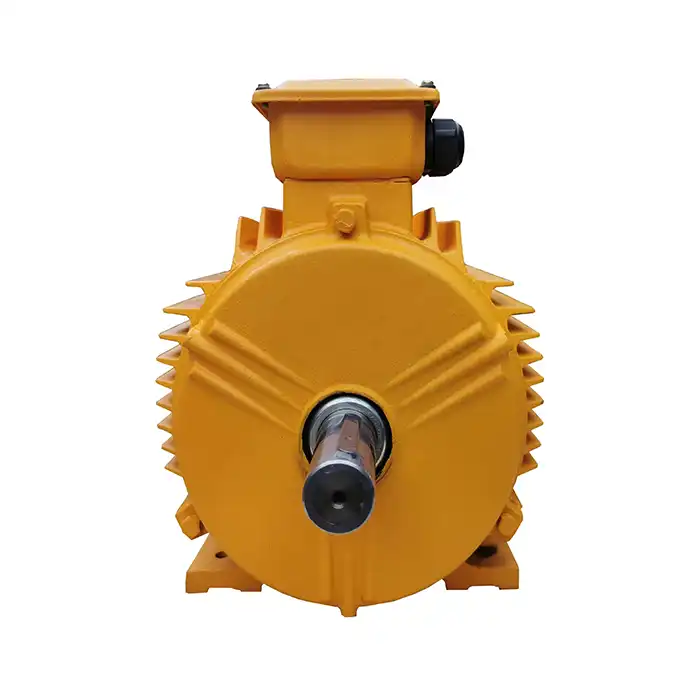
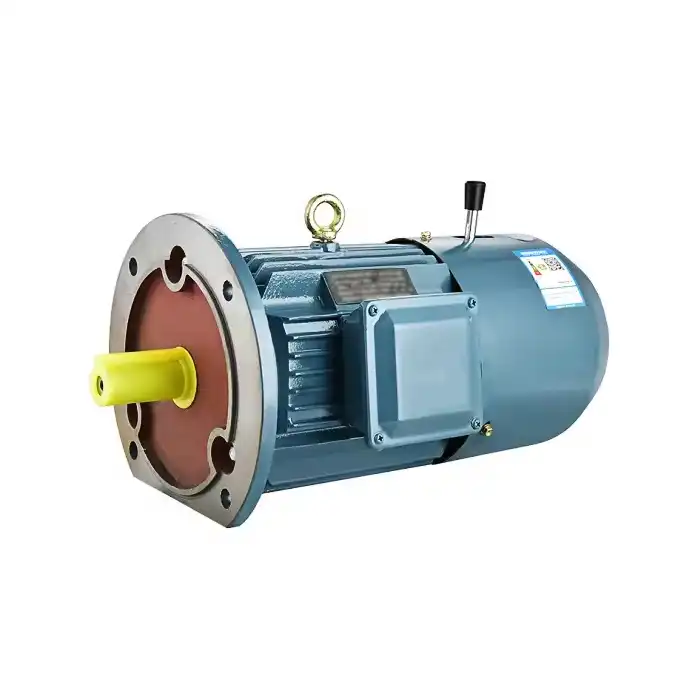
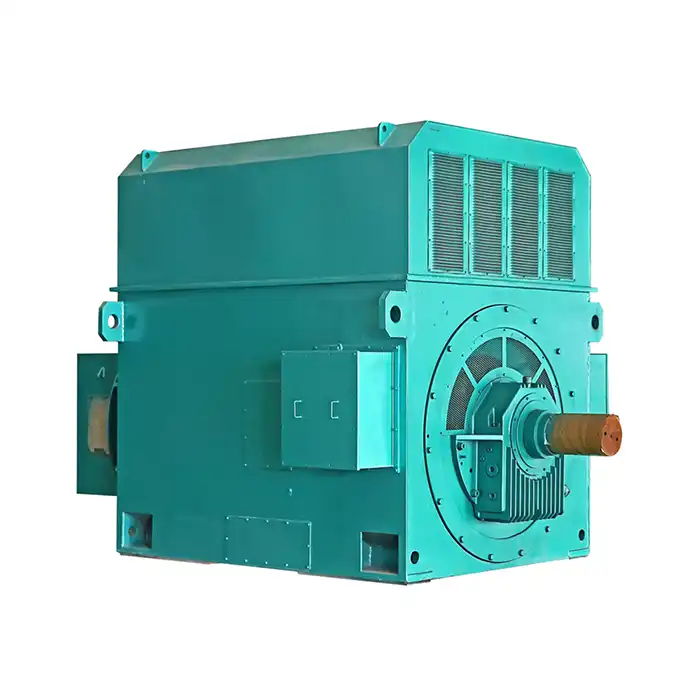
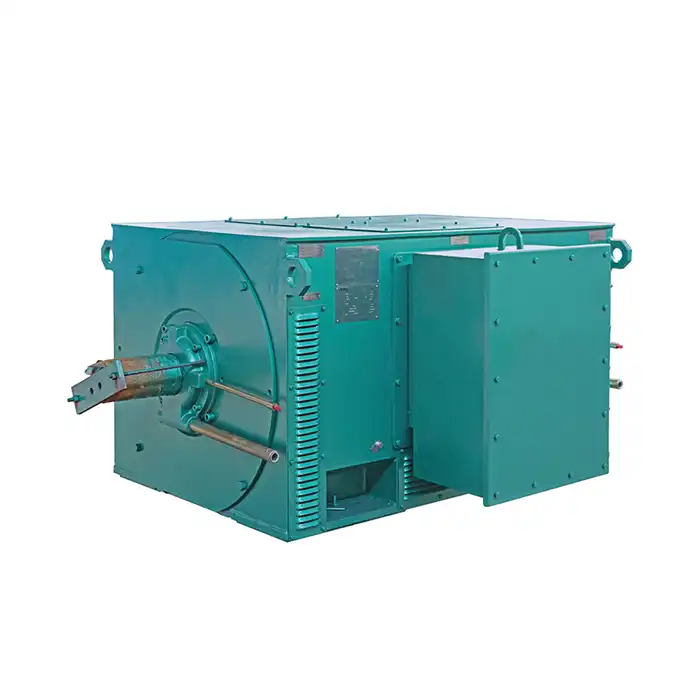
Series:YBX3
Voltage range:380V,660V,415V,380/660V,660/1140V
Power range:0.55-630 kW
Application:places where explosive gas mixtures exist in petroleum, chemical, mining, metallurgy, electric power, machinery and other industries.
Advantage: fully enclosed, self-fan cooling, squirrel cage type, high efficiency.
Explosion-proof mark: Ex d I Mb, Ex d IIB T4 Gb, Ex d IIC T4 Gb
Others: SKF, NSK, FAG bearings can be replaced according to customer requirements.
Understanding Explosion-Proof AC Motors: Fundamentals and Key Features
What Makes a Motor Explosion-Proof?
An explosion-proof AC motor is different from a regular motor in how it is contained. When they explode inside, these specialized units have strong walls that keep flames and sparks from going to dangerous places. The gasket is made of strong cast iron, and the joints are carefully machined to keep the gaps between them at a certain level (usually 0.15 mm or less). This keeps the flame inside. Because of how the motor was built, it can reliably work in places that are marked as Zone 1, Zone 2, or Division 1 and Division 2 by different regulatory bodies. They have a lot of important safety features that make new explosion-proof AC motor units safer than old ones. Flammable sealing rings are put on the junction box where the cables enter to keep sparks from moving through the wiring channels. A lot of tests are done on the inside to make sure that the parts can handle the pressure of an explosion without breaking. When conditions are tough, the protection rating goes up to IP65 or higher, which means that the enclosure also keeps dust and water out.
Explosion-Proof Certifications and Standards
It is important to know how to deal with certification needs when buying explosion-proof AC motor products for dangerous places. In Europe, ATEX certification keeps an eye on things that are used in places that could be explosive, and IECEx certification makes sure that every country follows the same rules. In North America, the National Electrical Code (NEC) sets up systems for putting places into groups that show where the danger zones are and what kinds of tools can be used there safely. With markings like Ex d I Mb, Ex d IIB T4 Gb for gases like propane and ethanol, and Ex d IIC T4 Gb for the strictest hydrogen and acetylene environments, our YBX3 series is safe for use in mines. People can match the motor's specs to the conditions at the site better if they know what these markings mean. These labels—"Ex d" for flameproof—let you know that the enclosure is built to last. "IIB" and "IIC" for maximum experimental safe gap (MESG) of flammable gases show how much of them are present. Class ratings for temperature, like T4, tell you the hottest temperature that the motor's surface can get to. This is very important to know when working with things that don't have high temperatures at which they can catch fire. Test certificates that show the explosion proof ac motor the product meets the standards should be sent by the manufacturer along with the compliance paperwork.
How to Choose the Right Explosion-Proof AC Motor for Your Needs
Assessing Your Hazardous Area Classification
In order to choose the right explosion-proof AC motor, you must first accurately categorize your work area according to established standards. Areas in Zone 0 or Division 1 are always or often filled with explosives, so they need the most protection. Places in Zone 1 or Division 1 sometimes have dangerous conditions when everything is running normally. Ashes that explode only happen in Zone 2 or Division 2 when strange things happen, or tools break down. Motor certification that fits these categories makes sure that rules are followed and that workers are safe. Along with the zones' names, you need to list the specific substances that are in your building. Things are put into groups by gas grouping systems based on how quickly and easily they catch fire. Acetone and ammonia are in Group IIA, ethylene and hydrogen sulfide are in Group IIB, and hydrogen and acetylene are in Group IIC. These are the gases that can catch fire the most easily. Temperature levels are based on the point at which a substance will start to burn on its own. Motors in a chemical plant must be able to handle solvents with auto-ignition temperatures of 200°C or higher. This means that the surface temperatures must stay below the ignition thresholds.
Evaluating Power and Voltage Requirements
To pick the right power ratings, you need to look closely at how the mechanical load works. They can be used for everything from small agitators to big industrial compressors because their power ranges from 0.55 kW to 630 kW. Motors that are too small work past their thermal limits, which shortens their life and makes it more likely that they will break. Too big a unit could waste money and energy and be hard to work with. To make sure you use the right service factors, which are usually between 1.15 and 1.25 to account for changes in how the load is being used, you need to know exactly how much torque the load needs, including how much torque it needs to start up. How voltage-compatible your building is will depend on the rules in your area and how the electricity is set up. It is normal for three-phase supplies to have 380V, 415V, and 660V. Two voltages can be used for installation, such as 380/660V and 660/1140V. Higher voltages make high-power installations more efficient and lower the cost of conductors used over long distances. You should make sure that the motor insulation system can handle the voltage stresses that the variable frequency drives (VFDs) cause before you add them. The repeated voltage spikes that happen when pulse-width modulation switching is used keep the windings from breaking down too soon. This is done with drive-rated insulation systems.
Maintenance, Troubleshooting, and Lifespan Optimization for Explosion-Proof AC Motors
Establishing Preventive Maintenance Schedules
Systematic maintenance plans make sure that explosion-proof AC motor equipment is always available and that safety standards are always high. Every three months, the housing should be looked at to see if there are any cracks, rust, or other damage that could make the explosion protection less effective. Make sure that all of the screws are still tightened up the right way. When bolts are loose, they can leave holes that are too big for a flame to safely travel through. Check to see if the sealing elements in the cable glands are kept compressed. This keeps gas from getting into the junction box. How well a cooling fan works with heat depends on how well it is built. When fan blades are broken, they vibrate and block airflow, which makes the fan get too hot. It depends on what kind of bearing it is and how it is used to tell you how often to clean it. Most of the time, permanently lubricated sealed bearings need to be replaced instead of being oiled again. Most of the time, they last between 20,000 and 40,000 hours. Greaseable bearings need to be oiled again every 2,000 to 4,000 hours of use. It is important to use only approved lubricants that are safe for construction and that can't explode. Too much grease puts too much pressure on seals, which can damage them. Not enough grease, on the other hand, speeds up wear. Using infrared thermography to keep an eye on the temperatures of explosion proof ac motor can help find worn-out bearings before they break completely. This way, maintenance can be planned ahead of time instead of having to be done quickly.
Common Issues and Troubleshooting Strategies
If a motor won't start, you should always check the power supply first to make sure it's not broken. Measure the balance of all three phases to make sure that the supply voltage matches what is written on the motor's nameplate. More than 1% of voltage difference can make the motor heat up unevenly and lose torque. The full-load current of the motor must match the settings of the overload relay. If the settings are off, the relay will trip when it's not supposed to or won't protect enough. If the reading for insulation resistance is less than 1 megohm, it means that there is moisture damage or winding wear that needs to be fixed. Too much shaking means there are issues with the mechanics that need to be fixed right away. Rotors that aren't balanced cause a single-frequency vibration that is easy to spot when the machine is running. When the motor and the things it drives are not lined up correctly, the equipment vibrates in one direction, which wears out the bearings faster. Worn bearings make high-frequency noise and vibration patterns that aren't steady. Measurements of baseline vibrations taken during commissioning are used as a guide by condition monitoring programs. By keeping an eye on how vibration levels change over time, you can plan maintenance ahead of time, before small issues turn into big ones.
Exploring Applications and Industry Use Cases of Explosion-Proof AC Motors
Oil and Gas Industry Applications
In the oil and gas business, the explosion-proof AC motor is essential because plants further up the line are very likely to explode from hydrocarbon vapors and hydrogen sulfide. Motors for wellhead pumping units need to be rated for Class I, Division 1 places and have the right gas groups. A lot of the time, offshore platforms ask for hardware made of stainless steel and better coatings to protect it from salt spray. In natural gas compression stations, big motors with 200 kW to 500 kW of power are used. Dependability has a direct effect on how much can be produced and how much money can be made. It is just as hard to do business in the environments for downstream refining operations. Alkylation processes, fluid catalytic crackers, and crude distillation units all make different dangerous areas. Motor selection strategies need to be coordinated in these areas. Most of the time, pumps move different kinds of oil at certain temperatures and pressures. It is very important to save energy because fans in cooling towers and process air blowers often run all the time. Having the same motor brands and frame sizes can help refineries keep track of spare parts and teach workers how to do maintenance.
Chemical Processing and Manufacturing
Chemical plants make a lot of different things by reacting flammable solvents, reactive gases, and dusts that can catch fire. For agitator drives in reactor vessels to work safely and accurately, they need to be able to control speed with a VFD. In solvent recovery systems, motors for distillation column pumps and condenser fans cannot explode. People who make paints and coatings have to follow extra strict rules because the solvents they use have low flashpoints. This means that very small sparks can start very dangerous fires. Keeping an eye out for explosions and making sure there is no contamination are both important parts of making medicines. Organic solvents that can catch fire are often used in Class I environments to make active pharmaceutical ingredients. When you coat tablets, you make clouds of flammable dust that need Class II equipment ratings. Motors in areas that need to be kept clean must have surfaces that can be cleaned with chemicals without affecting their ability to prevent explosions from happening. In these important steps in the manufacturing process, our fully enclosed, self-fan-cooled designs keep contamination at bay while keeping safety standards high.
Leading Brands and Supplier Insights in the Explosion-Proof AC Motor Market
Evaluating Supplier Capabilities and Support
How much do explosion-proof AC motor units cost? Evaluating supplier capabilities involves an explosion proof ac motor, more than just comparing prices. Certifications are the building blocks. Check with outside testing labs to make sure that suppliers' ATEX and IECEx certifications are up to date. Quality management systems that are ISO 9001-certified show that their production methods and control of documentation are consistent. When a factory can test its products on-site, it can give customers more custom configuration options and faster service for special orders. Good suppliers are different from average ones because they can offer technical support. During procurement, it is very helpful to have access to application engineers who know how to label dangerous areas and pick motors. Suppliers that offer site assessments can help you figure out the best ways to install things that are more complicated. The total cost of ownership goes down when you get help after the sale with things like setting up, training for maintenance, and fixing problems. We at XCMOTOR make sure that our customers get the most out of their purchases by providing them with full support for as long as the product is in use.
Spare Parts Availability and Customization Options
It costs a lot more than just lost production when equipment breaks down in tasks that are dangerous. Safety systems might not work properly during emergency repairs. When suppliers keep a lot of spare parts on hand, it's easy to fix important machines quickly. We keep parts like bearings, terminal boxes, and cooling fans in stock because we promise to do so. A customer can choose between high-end bearing brands like FAG, SKF, or NSK if they want to. This lets facilities set up standard ways to do maintenance. You can meet specific application needs with customization options that you can't get with catalog goods. You can get custom shaft extensions that fit some types of couplings. By changing how the mounts are set up, installation can be done in places with little room. There are special paint systems that make paint more resistant to chemicals that are used in places that are very chemically harsh. Lead times for custom configurations are not the same. During the planning phase of procurement, setting goals that are attainable helps keep schedules on track. If a supplier puts engineering resources into a custom project, it does better than if they just make changes once.
Conclusion
You should pay close attention to safety certifications, application needs, and operational parameters when looking for explosion proof ac motor solutions for dangerous places. If you know the basics of explosion protection, correctly figure out the hazardous area classifications for your building, and look at key performance specifications, you can be sure that the motors you buy will work safely and reliably. When you fix problems the right way and do preventative maintenance, your equipment will last longer and be safer. It's valuable to match the motor's capabilities to its actual operating conditions because it cuts down on downtime, lowers energy costs, and raises worker safety, no matter what industry you're in (oil refining, chemical processing, mining, or pharmaceutical production). It is possible to turn procurement from a one-time thing into a strategic advantage by working with knowledgeable suppliers who offer full services and technical support for the whole equipment lifecycle.
FAQ
1. What certifications are required for explosion-proof motors in hazardous locations?
In dangerous places, what kinds of licenses do explosion-proof AC motor units need? The type of license you need will depend on where you live and the rules in your field. In Europe, places that could be explosive need to be certified by ATEX. IECEx certification is recognized by all countries that take part in the international program. In North America, buildings follow NEC rules and have safety gear for Class I (gases and vapors) or Class II (combustible dusts) hazardous areas. For mining jobs, you need extra licenses that are only needed for underground coal operations. Check the motor's certification to make sure that the markings match the hazardous area classification of your building and the materials that are flammable there. Having proof from well-known testing labs that the gear is safe is a good way to be sure.
2. Can explosion-proof motors work with variable frequency drives?
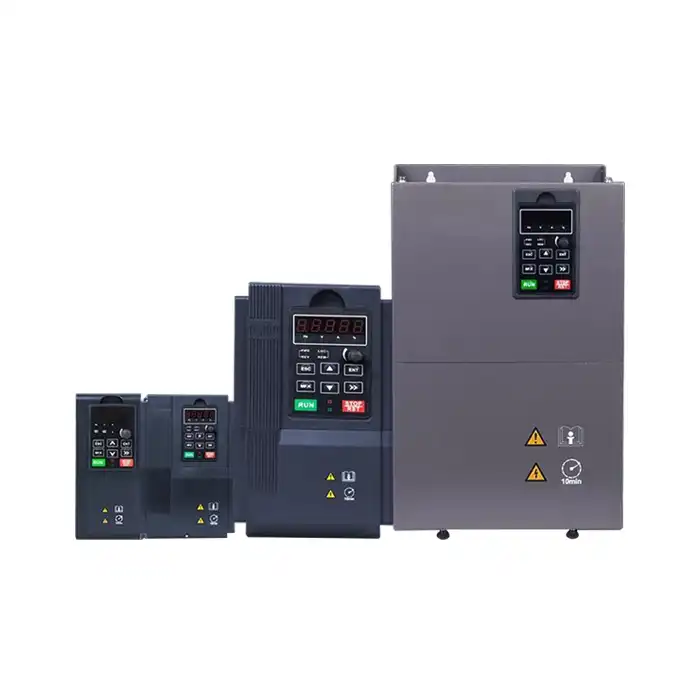
New motors that don't get damaged by explosions can work well with VFDs as long as certain conditions are met. PWM switching puts a lot of stress on the voltage, and the motor insulation system needs to be able to handle it. Look for insulation that is rated for use with a drive, or ask the manufacturer if it works with a VFD. The explosion-proof certification is still valid even when the VFD is running, since the safety comes from the way the mechanical enclosure is built, not the electrical parts. VFDs may send out harmonic currents that make motors heat up more quickly. This could mean that the motors need to be derated. It's important to know where the VFD installation will go. Compliance is easier when drives are not in dangerous areas, but they need the right enclosures when they are in classified areas. With the right grounding and cable choice, electromagnetic interference can be kept to a minimum.
3. How often should explosion-proof motors be checked for damage?
How often maintenance is done depends on the weather and how hard the equipment is being used. Visual checks every three months to make sure the housing is still in good shape, the fasteners are tight, and the seal is still in good shape work well for most uses. Every 2,000 to 4,000 hours of use, greaseable bearings need to be oiled. Every 20,000 to 40,000 hours, sealed bearings need to be replaced. Insulation resistance testing, vibration analysis, and thermal imaging should all be done once a year as part of a full inspection. This way, problems can be found before they get worse. More often, checks need to be done in places where there is a lot of vibration or an atmosphere that is corrosive. With condition-based maintenance programs that track how well something works over time, it may need to be checked every month for safety reasons.
Partner with XCMOTOR for Your Explosion-Proof AC Motor Needs
It's been a long time since Shaanxi Qihe Xicheng Electromechanical Equipment Co., Ltd. has helped dangerous industrial settings find the right power equipment. As a dependable provider of explosion proof AC motor solutions, we know how important it is to find a balance between cost-effectiveness, safety, and operational dependability. Manufacturers, miners, oil and gas companies, and chemical companies have all used our YBX3 series and found it to work well. It has been approved to meet standards around the world. We offer full technical support throughout the whole procurement process, from reviewing the initial application to putting the system into service and keeping it running. Our engineering team makes suggestions based on what you need for your operations, whether you want standard configurations or custom ones with specific voltage ratings, mounting arrangements, or bearing choices. Connect with us today to discuss your requirements. Contact us at xcmotors@163.com for personalized help, full product catalogs, and low bulk prices on long-lasting, high-quality motors. We ship all of our items quickly, and you have 30 days to return anything you bought from us.
References
1. National Fire Protection Association. NFPA 70: National Electrical Code Handbook, 2023 Edition. Quincy, Massachusetts: NFPA Publications, 2023.
2. International Electrotechnical Commission. IEC 60079-0: Explosive Atmospheres - Part 0: Equipment - General Requirements. Geneva: IEC Publications, 2017.
3. European Committee for Standardization. EN 60079-1: Explosive Atmospheres - Part 1: Equipment Protection by Flameproof Enclosures. Brussels: CENELEC Standards, 2014.
4. American Petroleum Institute. API RP 500: Recommended Practice for Classification of Locations for Electrical Installations at Petroleum Facilities Classified as Class I, Zone 0, Zone 1, and Zone 2. Washington, DC: API Publishing Services, 2021.
5. Institute of Electrical and Electronics Engineers. IEEE Standard 1349: Guide for Application of Electric Motors in Class I, Division 2 and Class I, Zone 2 Hazardous Locations. New York: IEEE Standards Association, 2018.
6. Occupational Safety and Health Administration. OSHA Technical Manual Section IV: Chapter 4 - Electrical Hazards in Hazardous Locations. Washington, DC: U.S. Department of Labor, 2019.