



200HP DC Motor vs AC Motor: Key Differences Explained
Comparing spec sheets is only one aspect of choosing between a 200hp dc motor and an AC engine. It's approximately finding the right innovation for your trade based on your operational needs, budget, and arranging for long-term upkeep. When responsive execution is required, DC engines are the as it were way to go since they offer exact torque control and fabulous speed direction. On the other hand, AC engines are less demanding to utilize, last longer, and take less of a toll up front. They are best for operations that require a consistent speed. Knowing these contrasts makes a difference. Obtaining groups maintain a strategic distance from mistakes that take a toll on a portion of cash and get the best execution out of hardware in manufacturing, HVAC, vitality, and control settings. With this directive, you can discover what specialized, operational, and budgetary variables are the most critical when choosing a mechanical motor.

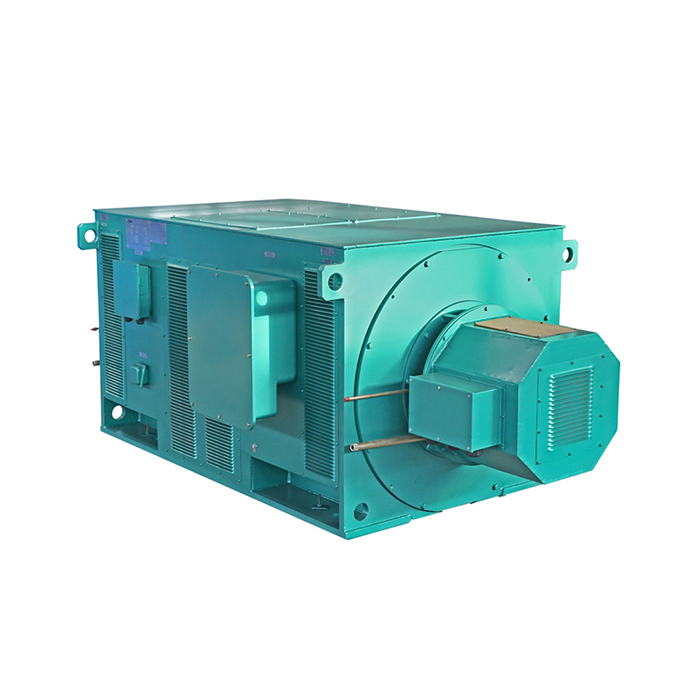
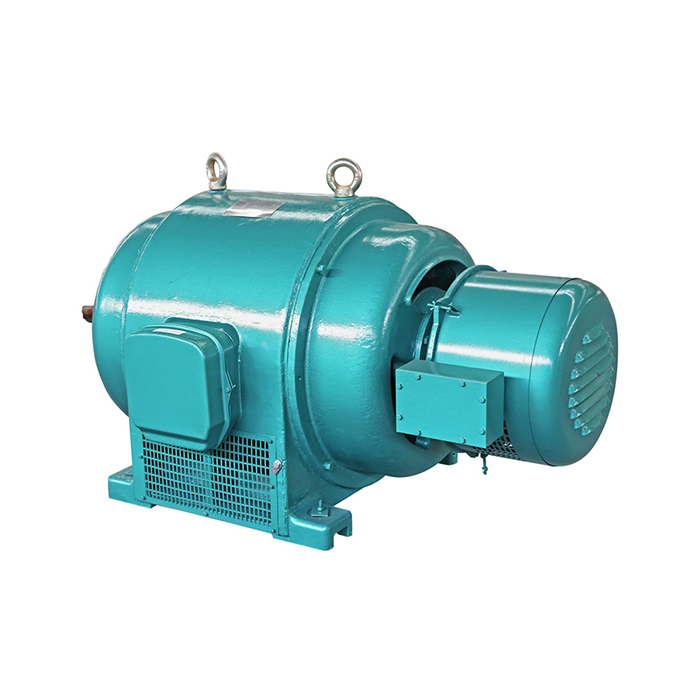
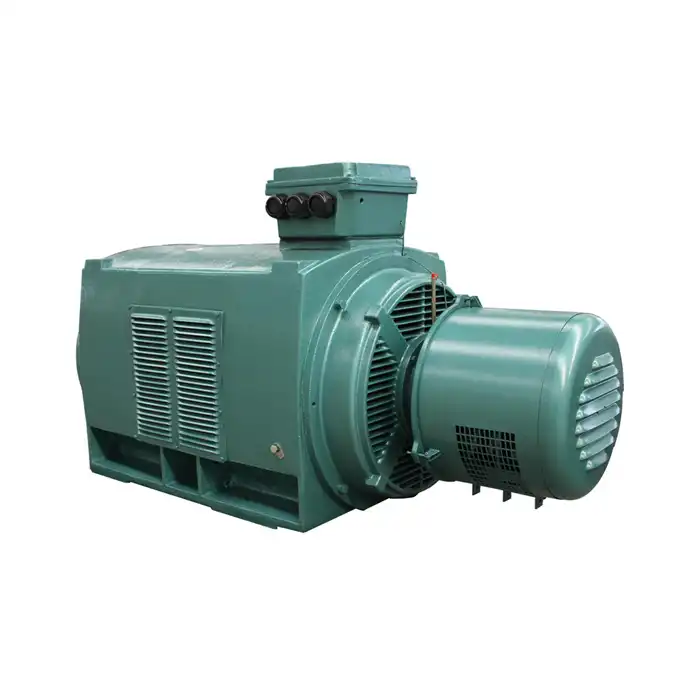
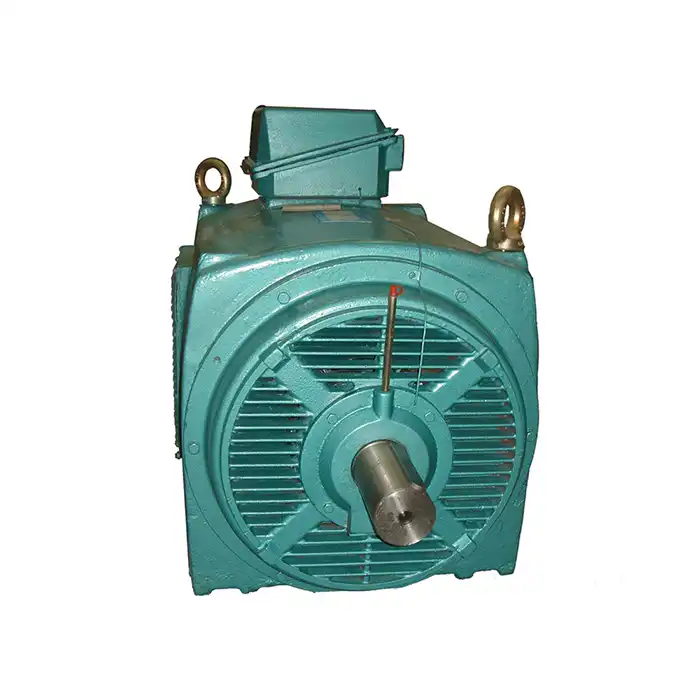
Series:Z4
Frame number: 100-450
Application:Z4 series motorsThis series of motors can be widely used in various industrial sectors such as metallurgical industrial rolling mills, metal cutting machine tools, papermaking, dyeing and weaving, printing, cement, and plastic extrusion machinery.
Power range:1.5-600kW
Voltage range: 160V,440V, etc.
Certificate: The performance of this series of motors not only complies with the national standard GB/T755 "Basic Technical Requirements for Rotating Electrical Machines", but also basically complies with the German VDE0530 standard.
Advantage:Z4 series DC motor has greater advantages than Z2 and Z3 series. It can not only be powered by DC unit power supply, but also suitable for static rectifier power supply. It has small moment of inertia, good dynamic performance, and can withstand high load change rates. It is especially suitable for control systems that require smooth speed regulation, high efficiency, automatic speed stabilization, and responsive response. It has reached the current international advanced level..
Others: SKF, NSK, FAG bearings can be replaced according to customer requirements.
Fundamental Differences Between 200HP DC Motors and AC Motors
Operating Principles and Power Source Requirements
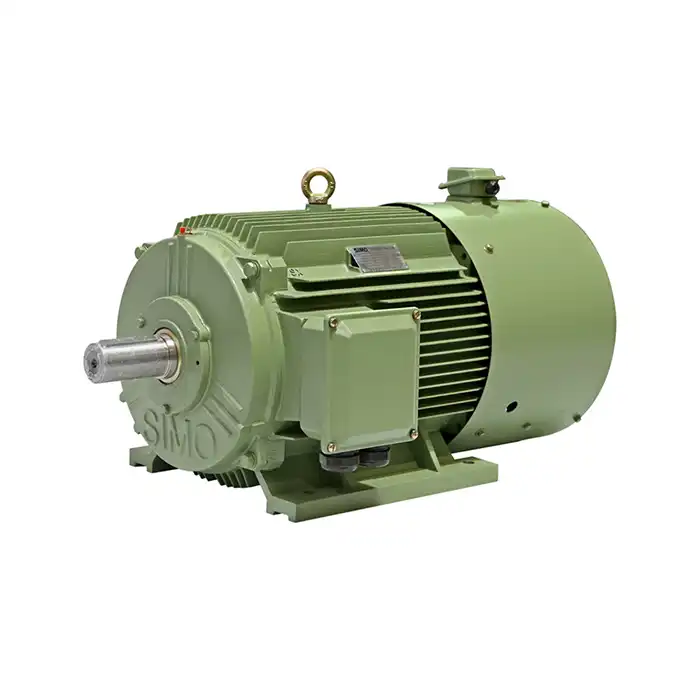
DC motors convert direct current into mechanical motion through electromagnetic interaction between stationary field windings and a rotating armature. A commutator and brush assembly continuously reverse current direction to maintain smooth rotation. A 200hp dc motor supports both rectifier-fed and direct DC supplies, offering flexibility in power sourcing and precise torque-speed control with fast dynamic response. In contrast, AC motors use alternating current to generate rotating magnetic fields. Induction motors rely on electromagnetic induction without physical contact, while synchronous motors run at fixed speeds tied to supply frequency. Their brushless design simplifies construction, reduces wear, and lowers maintenance compared to DC systems.
Construction and Core Components
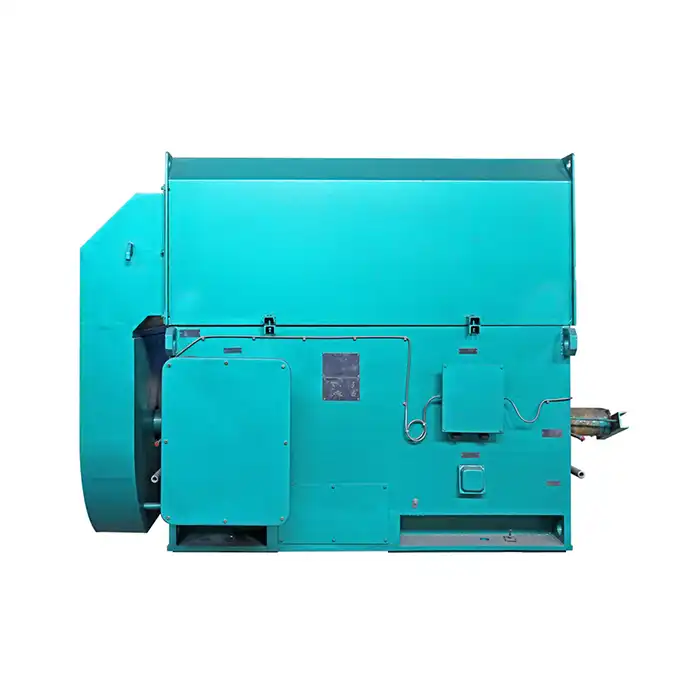
A 200hp dc motor includes field windings, a wound armature, a commutator, and carbon brushes for current exchange. These components are designed for strength and persistent heavy-duty operation, with IP23 security, Lesson F separator up to 155°C, and constrained ventilation cooling for warm solidness. AC engines have an easier structure, comprising a stator with settled windings and a rotor (squirrel-cage or wound sort) that follows the attractive field. Without brushes or commutators, AC engines decrease mechanical wear and support recurrence. Built-in warm assurance and strong bearing frameworks improve unwavering quality, making them suitable for establishments where support get to is constrained or costly.
Voltage and Electrical Specifications
A 200hp DC motor operates across flexible voltage ranges such as 160V to 440V, empowering smooth speed control through coordinate voltage variety without complex outside frameworks. This makes DC engines perfect for applications requiring ceaseless speed alteration. AC engines ordinarily work on standardized mechanical voltages like 208V, 230V, 460V, or 575V, particularly in three-phase setups for effectiveness and steadiness. Verifiably, AC speed control required mechanical frameworks or VFDs, but advanced drives presently permit comparable adaptability. In spite of this headway, DC engines still give easier and more coordinate speed control, whereas AC frameworks may include higher control complexity and extra gear costs.
Control Systems and Speed Regulation
Speed control is a key advantage of a 200hp dc motor, achieved by altering armature voltage or field current, permitting consistent and exact speed variation over the full working range. Moo dormancy and fast reaction empower precise criticism control, making DC engines perfect for energetic applications. AC engine speed is customarily tied to supply frequency and, ultimately, constraining adaptability. Be that as it may, present-day VFDs empower variable frequency and voltage control, permitting AC engines to mirror DC execution. This includes taking a toll and framework complexity, which must be considered during acquisition, particularly in applications requiring visit speed changes or exact low-speed torque control.
Performance and Efficiency Comparison of 200HP DC vs AC Motors
Torque Characteristics and Starting Performance
A 200hp dc motor delivers high starting torque without extra hardware, making it perfect for heavy-load startup conditions. Its torque remains steady over speed ranges, guaranteeing steady execution beneath shifting loads. AC acceptance engines give beginning torque between 150% and 300% of evaluated values, depending on the plan, whereas synchronous engines change in torque behavior. AC engines regularly require higher starting currents, requiring delicate starters or VFDs to decrease electrical stretch. DC engines exceed expectations in applications requiring fast stack changes and reliable torque conveyance, while AC engines may require assistant frameworks to accomplish comparable beginning performance.
Efficiency and Energy Consumption
The efficiency of a 200hp dc motor can reach around 95% at the appraised stack, keeping up solid execution over variable speeds. In any case, brush grinding and commutation present extra misfortunes. AC engines accomplish 94%–96% proficiency at full stack and advantage from no brush-related misfortunes, making them marginally more effective in constant-speed operations. Advanced AC plans optimize cooling, attractive circuits, and winding resistance. DC engines are profitable in variable-speed applications due to steady proficiency over ranges, whereas AC engines are more suited for relentless operations. Add up to vitality investigation ought to incorporate control frameworks and operational profiles for precise cost comparisons.
Maintenance Requirements and Service Life
Maintenance for a 200hp dc motor includes periodic brush replacement every 1,000–3,000 hours and commutator adjusting to keep up electrical contact. High-quality headings make strides with unwavering quality but require normal review plans. AC engines require less upkeep due to easier development, basically including bearing grease and warm checks. The nonappearance of brushes altogether decreases wear, expanding benefit interims. Orientation in AC engines can last up to 40,000 hours under appropriate conditions. Lower upkeep needs translate to diminished downtime and operational costs, making AC engines profitable in farther or hard-to-access installations.
Cooling Systems and Thermal Management
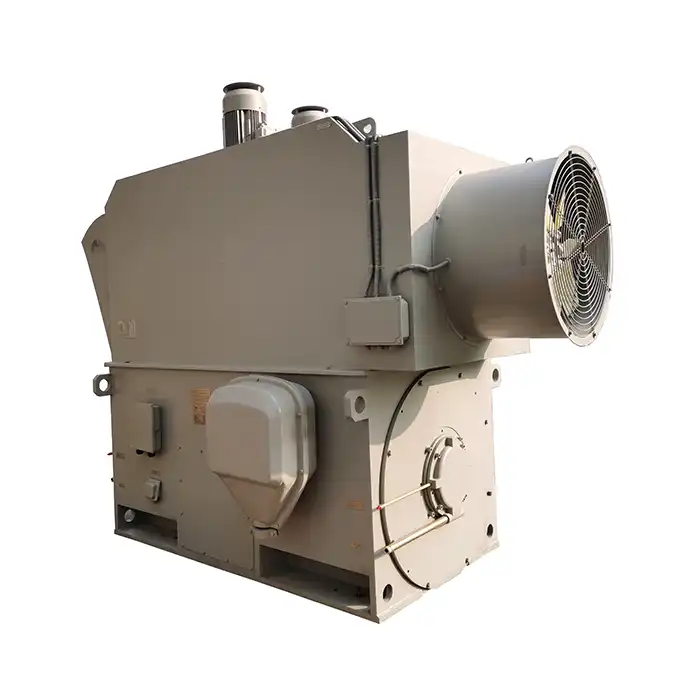
A 200hp dc motor typically uses forced ventilation to disseminate warm successfully during operation. Outlined for surrounding temperatures from -15°C to +40°C, it can be adjusted for harsher situations. Appropriate warm administration anticipates cover debasement and bearing disappointment. AC engines commonly utilize encased fan-cooled frameworks, advertising comparable heat dispersion. Whereas AC engines maintain a strategic distance from brush-related warm, inside misfortunes still create critical warm loads. A compelling cooling plan straightforwardly impacts overburden capacity and execution soundness. Both engine sorts require cautious warm thought to guarantee life span and reliability in requesting mechanical environments.
Application Suitability and Use Cases
Heavy Industrial and Process Control Applications
A 200hp dc motor is ideal for heavy industries requiring precise control and high torque, such as rolling mills, machining, and cement processing. Its rapid response supports consistent product quality under dynamic conditions. DC motors are widely used in steel production, paper processing, and printing, where synchronized speeds and tension control are critical. Their ability to handle fluctuating loads without instability makes them suitable for demanding process environments where performance directly impacts output quality and efficiency.
Manufacturing and Automation Systems
In automation, a 200hp dc motor offers excellent responsiveness and adaptability, supporting rapid acceleration and deceleration cycles. This enhances productivity and precision in robotic systems and material handling. Applications like plastic extrusion and textile manufacturing benefit from stable speed control and synchronized operation. DC motors enable consistent product quality by minimizing process variation, making them suitable for high-precision manufacturing environments where dynamic performance is essential.
HVAC and Business Systems
AC motors dominate HVAC applications due to their durability, low maintenance, and compatibility with standard power systems. While a 200hp dc motor is less common here, AC induction motors efficiently power fans, chillers, and compressors. VFD integration allows energy savings through variable speed operation. AC motors provide reliable, continuous operation in commercial and industrial environments, making them the preferred choice for systems prioritizing efficiency and low maintenance.
Energy Generation and Utilities
In utilities, AC motors are widely used for pumps, compressors, and auxiliary systems due to grid compatibility and minimal maintenance. A 200hp dc motor may still be applied in variable-speed scenarios requiring precise control. Renewable energy systems primarily use AC generators, but motor-driven equipment in water treatment or industrial utilities may incorporate both motor types depending on control requirements and environmental conditions.
Procurement Considerations for 200HP DC and AC Motors
Technical Specification Evaluation
Selecting a 200hp dc motor requires detailed analysis of speed range, torque demands, duty cycles, and environmental factors. Compliance with international standards ensures quality and compatibility. DC motors are preferred for dynamic, variable-load applications, while AC motors suit continuous, fixed-speed operations. Total cost of ownership should include purchase, installation, maintenance, energy use, and service life for accurate comparison.
Supplier Selection and Quality Assurance
Reliable suppliers ensure consistent quality through strict manufacturing and testing processes. A 200hp dc motor built with premium components and certified systems reduces procurement risk. Lead times vary depending on customization, and clear communication ensures alignment with project schedules. Bulk purchasing can reduce costs and support standardization across facilities.
Warranty and Technical Support
A strong warranty protects a 200hp dc motor investment against early failures and defects. Comprehensive technical support during installation and operation ensures optimal performance. Access to spare parts, service centers, and expert assistance reduces downtime and enhances long-term reliability, making supplier support a critical procurement factor.
Cost Analysis and Budget Planning
Energy consumption often exceeds the purchase cost of a 200hp dc motor over its lifetime. Efficiency improvements yield significant savings, especially in continuous operation. Maintenance costs differ, with DC motors requiring more frequent servicing and AC motors potentially needing VFD investment. A full financial evaluation should include energy, maintenance, installation, and system modification costs.
Installation and Technical Guidance for Optimal Motor Performance
Electrical Installation and Wiring Practices
Proper electrical setup ensures safe operation of a 200hp dc motor, including correct voltage supply, overcurrent protection, grounding, and conductor sizing. Secure connections prevent overheating and failure. Separation of power and control wiring minimizes interference, ensuring stable system performance.
Mechanical Installation and Alignment
Accurate mounting and alignment are essential for a 200hp dc motor to prevent vibration and premature wear. Rigid foundations, precise leveling, and correct torque application ensure stability. Shaft alignment using precision tools reduces mechanical stress and improves efficiency. Rechecking alignment after initial operation accounts for thermal and mechanical changes.
Startup Procedures and Commissioning
Careful commissioning of a 200hp dc motor includes verifying connections, lubrication, insulation resistance, and control settings. Initial no-load testing identifies abnormalities before full operation. Gradual load application ensures stable performance and prevents damage. Documenting parameters supports future maintenance and troubleshooting.
Retrofitting and System Upgrades
Replacing or upgrading a 200hp dc motor requires compatibility with existing systems, including mounting, electrical supply, and control interfaces. Retrofitting can improve efficiency, reliability, and performance. Evaluating upgrade opportunities during planned maintenance minimizes downtime and maximizes return on investment.
Conclusion
If you want to choose between a 200hp dc motor and an AC motor, you need to carefully think about your application needs, operational priorities, and budget. DC motors are perfect for demanding industrial processes because they are easy to control, have a high starting torque, and can keep the speed just right across their entire operating range. AC motors are easy to use, last a long time, and don't need as much maintenance. They work well in fixed-speed or VFD-controlled situations. Both technologies are very important in the process, energy, manufacturing, and HVAC industries. By knowing these differences, procurement teams can match motor technology with operational needs, which improves performance while keeping costs low over the life of the motor.
Frequently Asked Questions
1. Which motor type offers better energy efficiency for continuous operation?
Because they don't have brush friction losses, AC motors are usually a little more efficient in continuous, constant-speed situations. When the load is at full speed, premium efficiency AC motors are 94–96% efficient. Our 200hp dc motor is up to 95% efficient and stays that way across a wide range of speed settings, making DC competitive in situations where speed changes need to happen frequently. The actual amount of energy used is based on the total system efficiency, which includes the control equipment.
2. How often do DC motor brushes require replacement?
How often brushes need to be replaced depends on how they are used, how much they are loaded, and the environment. The usual time between checks is between 1,000 and 3,000 operating hours. To get the most life out of the brushes in our motors, we use high-quality brush materials and the best commutator design. Regular inspection lets replacements happen during planned maintenance, which keeps failures from happening out of the blue. If you use the right motor size and don't overload it for long periods of time, your brushes will last a lot longer.
3. What lead times should I expect for custom motor configurations?
Standard configurations usually ship on time according to set delivery schedules. Custom specifications like non-standard voltages, special shaft configurations, or unique mounting arrangements may make lead times longer, depending on how complicated the customization is and how busy production schedules are at the moment. Early on in the planning process, get in touch with our technical team to make sure they are available and to set up a time for custom motor production that works with your installation schedule.
Partner With XCMOTOR for Your Motor Requirements
Choosing the right motor technology will have long-lasting effects on how well it works, how much it costs to maintain, and how reliable the production is. XCMOTOR offers complete motor solutions backed by technical know-how and helpful customer service. As a 200hp dc motor manufacturer, we can offer customization options, a wide range of high-quality parts, and strict quality control that meets international standards. We provide dependable power solutions for a wide range of industries, including manufacturing, process control, HVAC, and energy use. In addition to delivering products, we also offer full technical support to help you choose the best motor, install it correctly, and keep it in good shape. Email our engineering team at xcmotors@163.com to talk about your specific needs, get quotes, or ask for detailed specifications. We help customers all the way through the buying process and the lifecycle of the motor, making sure that your investment gets the most value.
References
1. Chapman, Stephen J. Electric Machinery Fundamentals. McGraw-Hill Education, 2012.
2. Nasar, Syed A. Electric Machines and Power Systems. McGraw-Hill Publishing, 1995.
3. Fitzgerald, A.E., Charles Kingsley, and Stephen D. Umans. Electric Machinery. McGraw-Hill Science/Engineering/Math, 2003.
4. Hughes, Austin, and Bill Drury. Electric Motors and Drives: Fundamentals, Types and Applications. Newnes, 2013.
5. Sen, P.C. Principles of Electric Machines and Power Electronics. John Wiley & Sons, 2007.
6. Boldea, Ion, and Syed A. Nasar. The Induction Machines Design Handbook. CRC Press, 2010.