




72 Inch Butterfly Valve: Sizing Guide for Large Pipelines
A 72 inch butterfly valve is a quarter-turn flow control device designed for large-diameter pipeline systems in water treatment, power generation, and industrial processing. At DN1800, this valve size handles substantial volumetric flow rates while providing reliable isolation and throttling capability. Proper sizing requires matching the valve's pressure rating, body material, and seal type to your specific pipeline conditions. Getting the selection right from the start prevents costly retrofits and operational downtime—both concerns that procurement managers and fluid engineers face on every large-scale infrastructure project.
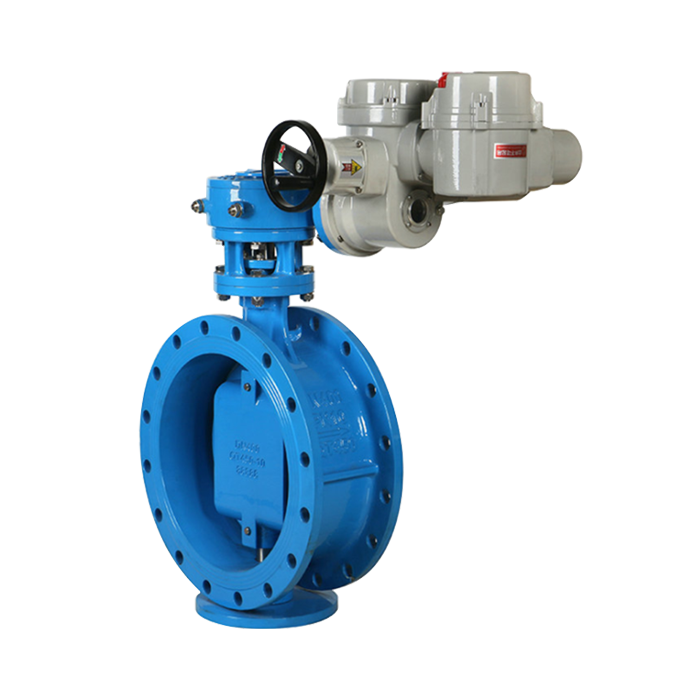
Series:Fluorine-lined butterfly valve
Diameter:DN50~DN1600,
PN:10;16;25
Application specification: Design, manufacture:HG/T 3704,GB/T 12238 Length of the structure:HG/T 3704,GB/T 12221 Connecting flange: HG/T 20592,GB/T 9119 Valve inspection and test:HG/T 13927,GB/T 9092
Understanding 72 Inch Butterfly Valves — Essential Knowledge for Large Pipelines
Before choosing a 72 inch butterfly valve for your project, it's helpful to know what makes this type of valve different from smaller ones and why the choices you make when designing at this width have more weight.
Basic Design and Operating Principle
A butterfly valve has a disk that spins on a central shaft. The disk goes from being fully open to fully closed when it turns 90 degrees. At DN1800, the disc's surface area is pretty big, which means that the actuator torque needs and the seat sealing pressure become the most important engineering issues. This size comes with both double-offset and triple-offset geometries, which keep the seat from wearing out and make the shutoff tighter.
Valve Types at Large Diameters
At this width, there are four main body shapes: wafer, lug, double-flange, and fully flanged. Wafer types fit between existing plates and can be used in places where there isn't much room. While maintenance is being done, lug bodies let one side of the pipeline stay under pressure. For long-term, high-cycle installations in places like power plant cooling loops and city water mains, where structural stability under constant pressure is most important, double-flange and fully flanged designs are best.
Materials, Pressure Ratings, and Industry Applications
At this size, malleable iron, carbon steel, and stainless steel are common body elements. Ductile iron works well with groundwater and general use, while stainless steel is better for seawater, electrolysis, and chemicals that eat away at metals. Our series of fluorine-lined butterfly valves has sizes from DN50 to DN1600 and pressure ratings of PN10, PN16, and PN25. The design and production must follow HG/T 3704 and GB/T 12238. The structure length must also follow HG/T 3704 and GB/T 12221. The joining flanges must follow HG/T 20592 and GB/T 9119. The valve must be inspected and tested according to HG/T 13927 and GB/T 9092. These guidelines are the same as those used around the world for buying things for projects in the power, water, and local sectors.
How to Choose the Right 72 Inch Butterfly Valve for Your Pipeline
When choosing a DN1800 valve, it's not enough to just make sure the hole diameter is the same. The right specification is based on the conditions of the pipeline, the properties of the fluid, and the operational cycles. Here is a useful strategy for making that choice with confidence.
Assess Pressure, Temperature, and Fluid Properties First
Start with the highest temperature and pressure that your system can handle. PN10 or PN16 is usually enough for power plant cooling water lines. PN25 or ANSI Class 150–300 may be needed for desalination and high-pressure city mains. The type of fluid affects the seat material. EPDM can handle clean water and mild chemicals, while fluorine-lined construction can handle acids, alkalis, and harsh industrial media. Ignoring how well the fluids work together at the seat and lining stage is one of the main reasons why large-diameter valve installations fail too soon with a 72 inch butterfly valves supplier.
Compare Valve Types by Installation Context
Each type of valve arrangement has different requirements for installation and upkeep. Here are the most important changes to think about when specifying:
- Wafer butterfly valves are lighter and lower in cost, making them practical for retrofit applications where the existing flange gap is fixed and structural loading is not a concern.
- Lug butterfly valves allow one-sided line disconnection without depressurizing the full system, which reduces maintenance downtime in live systems.
- Double-flange designs distribute pipeline stress across a larger bolting pattern, which is the preferred choice for permanent installations in high-cycle or high-vibration environments such as power plant cooling towers.
Each configuration fits a different way of doing things. Picking the wrong body style can make installation harder or make replacing the valves more difficult in the future, so always check the flange standard and face-to-face dimension before placing an order.
Actuation and Supplier Credentials
Manual gear operators can be used for uses that don't change directions very often, but electric or gas actuators are usually needed for large-diameter valves in automatic systems. Make sure that the torque values for the actuator match the breakaway torque that was measured at the highest differential pressure. When looking at providers, API 609 and ISO 9001 approval are good ways to start figuring out how good they are. For projects with 12- to 14-month procurement processes, after-sales help, spare parts availability, and documented plant acceptance test methods are very important.
Installation and Maintenance Best Practices for 72 Inch Butterfly Valves
If fitting is done incorrectly, a 72 inch butterfly valve that has been properly described may still fail early. DN1800 valves add a level of danger that smaller valves don't because of the size of the work.
Step-by-Step Installation Checklist
Both the valve and the pipeline are protected by installing them in the right order. For large-diameter butterfly valves with flanges or lugs, do the steps below:
- Verify flange alignment before tightening any fasteners. Pipe stress transferred to the valve body through misaligned flanges is a documented source of seat leakage and disc binding in large installations.
- Apply torque in a cross-pattern sequence using a calibrated torque wrench. Uneven bolt loading distorts the valve body and compromises the sealing surface at DN1800 where tolerances are tighter.
- Cycle the valve slowly from closed to open before system pressurization. This confirms the disc rotates freely and the actuator limit switches are set correctly.
Once the work is done, write down the original running torque so that you can use it as a reference point for future maintenance.
Routine Maintenance and Troubleshooting
Check the valve seats once a year when they are used with clean water and every six months when they are used with rough or chemically aggressive media. As directed by the manufacturer, grease the stem packing and shaft bearings. If you see seat leakage when the engine is turned off, check the contact between the disk and the seat by comparing the shutdown torque to the original standard. If it's not there, the seat probably needs to be replaced. Electric operators often have actuator problems that are caused by wrongly set limit switches instead of motor failure; always check the switch values first with a 72 inch butterfly valves supplier.
Comparing 72 Inch Butterfly Valve Options — Making Informed Procurement Decisions
When it comes to big sizes, procurement teams often have to choose between butterfly valves and gate valves. Figuring out where each one works better helps to defend the standard in technical bid reviews.
Butterfly Valves Versus Gate Valves at DN1800
Gate valves have a metal seat that stops flow and almost no leaks, but they need a lot of room to be installed because the stem rises, and they are much heavier at DN1800. Butterfly valves are much lighter, shorter from face to face, and easier to open and close. The butterfly valve is better because it takes up less space and doesn't need as many actuators. This makes it useful for controlling flow and isolating high-cycle loads in cooling and water treatment systems.
Material Selection: Ductile Iron vs. Stainless Steel
When it comes to municipal freshwater and non-corrosive industrial service, ductile iron is the standard body material. It has good engineering qualities and costs less to buy. Stainless steel is the best material for chemical media, purification, or taking in seawater. Stainless steel costs more, but it lasts longer and needs less maintenance over its lifetime in environments that are corrosive.
Procurement Factors: Lead Times and Logistics
Large-diameter valves are considered oversized goods for both ship freight and trucking in the United States. DN1800 butterfly valves usually weigh between 2,000 kg and 4,500 kg, but this depends on the material of the body and how the actuator is set up. After the plant acceptance test, allow 15 to 30 days for shipping. Our normal production lead time for large orders is 8 weeks, but we can speed things up to 4 weeks in emergency cases.
Future Trends in Large-Diameter Butterfly Valve Technology
IoT-based motion tracking and predictive tests are being used more and more in the large-diameter valve industry. Sensors built into the actuator housing send torque, position, and cycle count data to plant control systems in real time. This lets maintenance teams plan their work before something breaks. In terms of materials, better fluoropolymer linings and more advanced composite seat materials are making it possible for aggressive media uses to go longer between repair times. When reviewing supplier technical plans for projects with assets that will last 20 years or more, procurement teams should keep these features in mind.
Conclusion
Sizing a 72 inch butterfly valve correctly requires matching pressure rating, body material, seal type, and actuation method to your actual pipeline conditions. Getting this specification right early in the design phase prevents costly field modifications and protects project schedules. Whether your application is a municipal water main, a power plant cooling circuit, or an industrial processing loop, the principles covered here give you a practical foundation for confident procurement decisions. Working with a supplier who can support technical documentation, factory testing, and field installation guidance reduces project risk at every stage.
FAQ
1.What is the difference between a wafer and a lug butterfly valve at DN1800?
Two pipe flanges hold a wafer butterfly valve in place. The bolts that connect the two flanges keep the valve in place. To connect a lug butterfly valve to each flange, you can use the screw plugs on the body to do this. At DN1800, the lug design is best when one side of the pipeline needs to be disconnected for maintenance but the other side stays under pressure.
2.How do I determine the correct pressure rating for a large-diameter butterfly valve?
Start with the highest pressure that can be used and then add at least 10–20% as a safety cushion. Compare this to ANSI Class 150/300, PN10, PN16, or PN25, which are all common pressure classes. Always make sure that the rating you choose is valid at the temperature where you will be using it. For most seat and body materials, pressure ratings drop at higher temperatures.
3.Can a 72 inch butterfly valve be customized for aggressive media?
Yes, for acids, alkalis, and chemically active fluids, you can get a body construction sealed with fluorine and a seat made of PTFE or EPDM. NACE-compliant materials and two-layer protection coatings are available for use in saltwater and below the surface of the ocean. When you ask, be sure to include the type of fluid, its concentration, and the temperature range it will be working at so that the right covering and seal specifications can be confirmed.
4.What certifications should I require from a large-diameter butterfly valve supplier?
API 609 talks about how to build and test butterfly valves. ISO 9001 verifies the quality management system of the manufacturer. For jobs in controlled fields like power generation or water utilities, you should also ask for third-party inspection reports from the plant acceptance test and the hydrostatic shell test paperwork.
Get Your 72 Inch Butterfly Valve Specification Right — Contact XCMOTOR Today
Water treatment, power, and industry clients all over the world receive 72-inch butterfly valves and large-diameter flow control options from XCMOTOR. We have been engineers for more than 20 years and offer products that are certified by API 609 and ISO 9001. We also offer customized actuation packages and full technical documentation support from specification to site commissioning. Our team gets back to you seven days a week. To get a quote from a reputable 72 inch butterfly valve manufacturer, send your project specifications to xcmotors@163.com or go to motorxc.com. We'll get back to you in 24 hours.
References
1. American Water Works Association (AWWA). AWWA Manual M49: Butterfly Valves: Torque, Head Loss, and Cavitation Analysis. 2nd ed. AWWA, 2012.
2. American Petroleum Institute. API Standard 609: Butterfly Valves — Double Flanged, Lug and Wafer Type. 9th ed. API Publishing Services, 2016.
3. International Organization for Standardization. ISO 9001:2015 — Quality Management Systems: Requirements. ISO, 2015.
4. Crane Co. Flow of Fluids Through Valves, Fittings, and Pipe: Technical Paper No. 410. Crane Co., 2013.
5. Hydraulic Institute. Pump System Assessment Standard: ANSI/HI 11.6. Hydraulic Institute, 2012.
6. International Society of Automation. ISA-75.01.01: Flow Equations for Sizing Control Valves. ISA, 2012.
YOU MAY LIKE
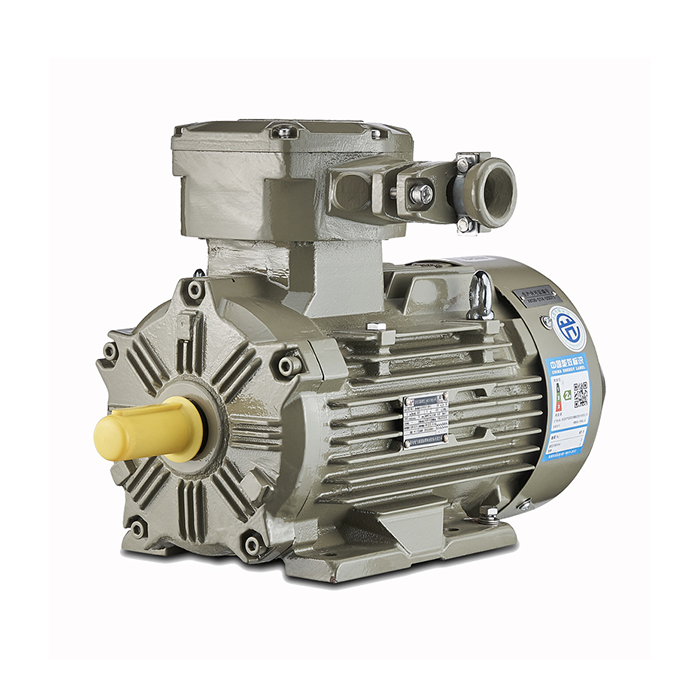 VIEW MOREexplosion proof motor
 VIEW MOREYXKK series high voltage and high efficiency motor
 VIEW MOREYPKK series high voltage frequency asynchronous motor
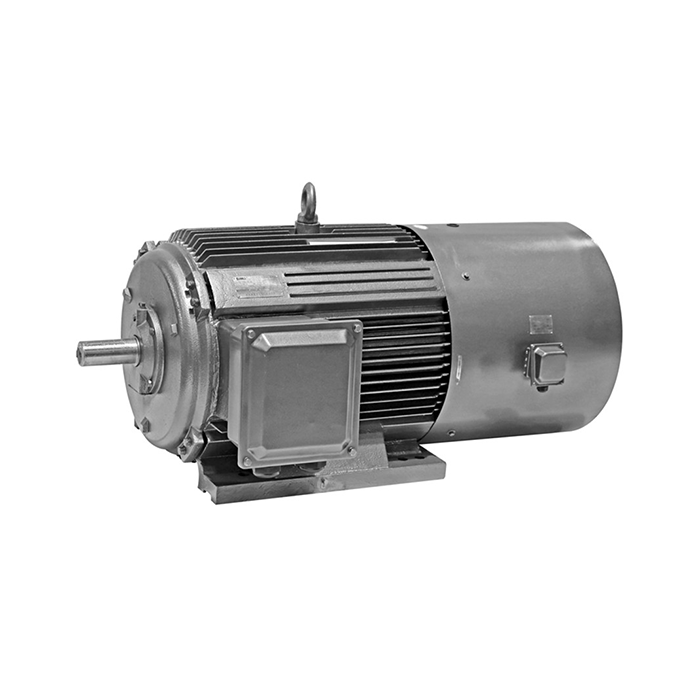 VIEW MOREYVFE3 frequency conversion speed regulating motor
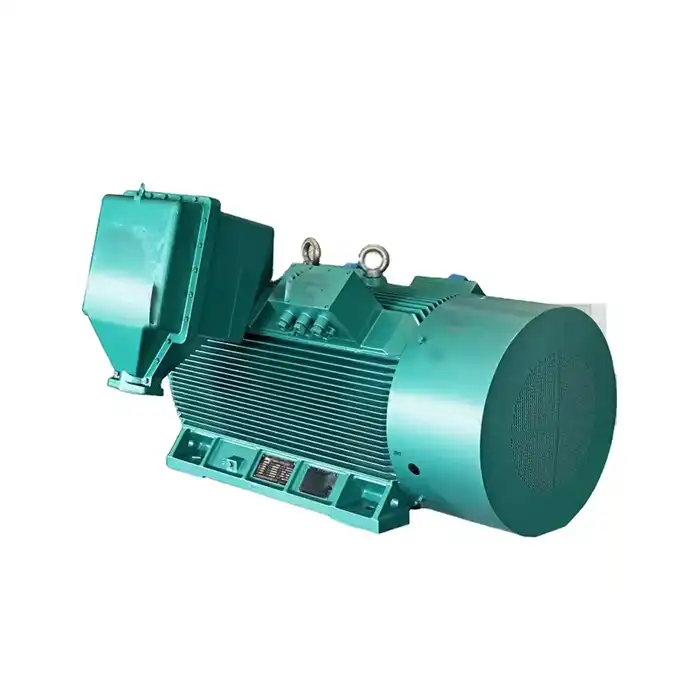 VIEW MOREasynchronous motor 3 phase
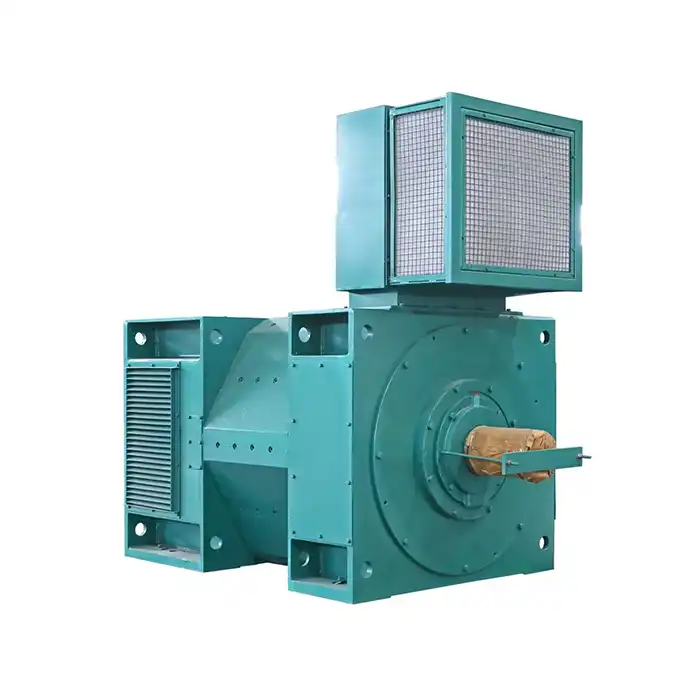 VIEW MORE1000 kw dc motor
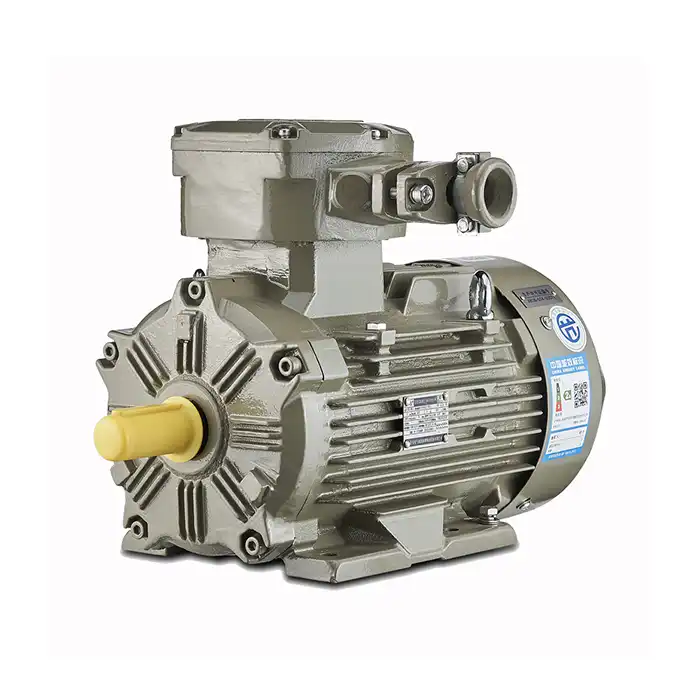 VIEW MOREYFBX4 dust explosion-proof motor
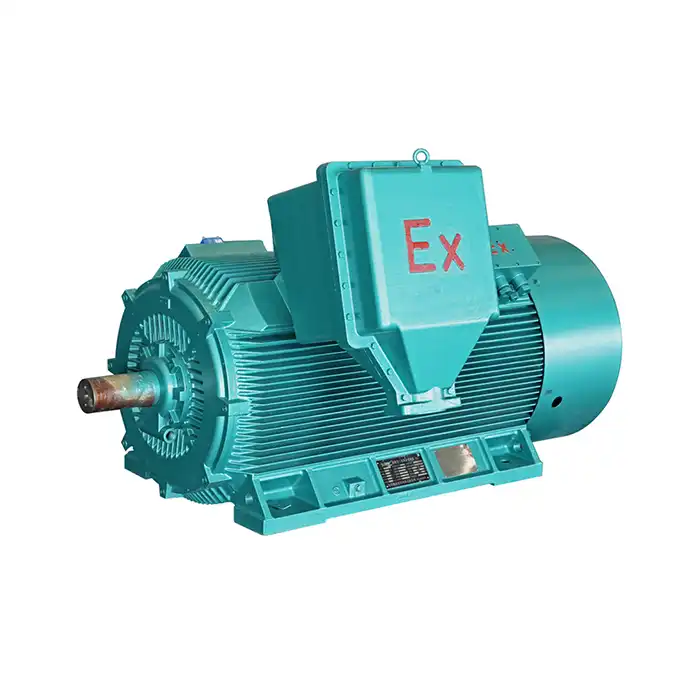 VIEW MOREiec explosion proof motors