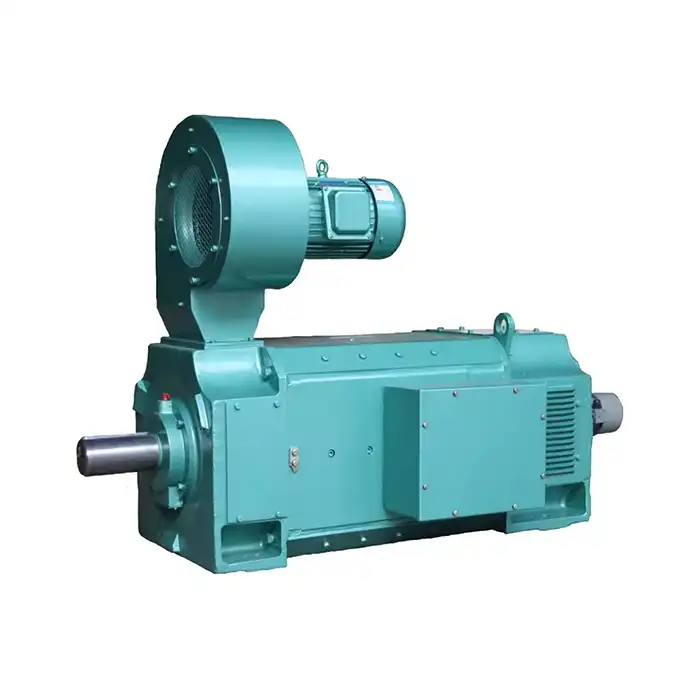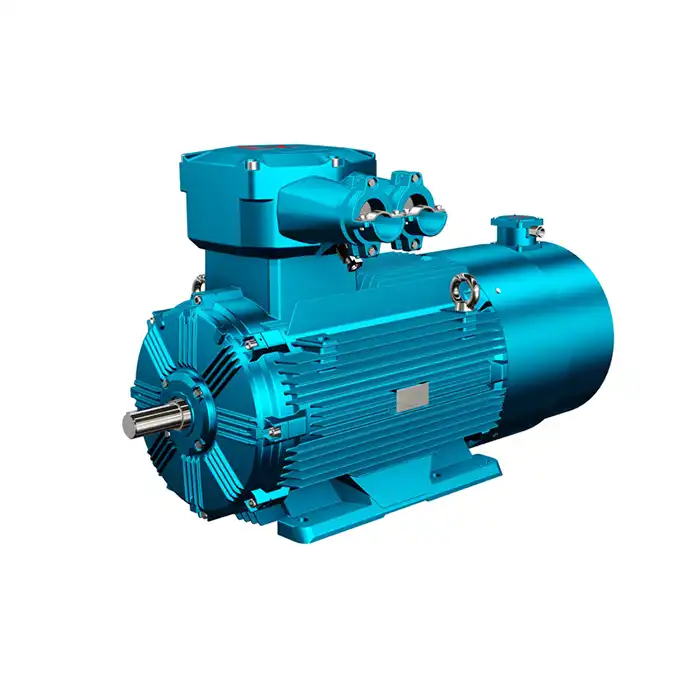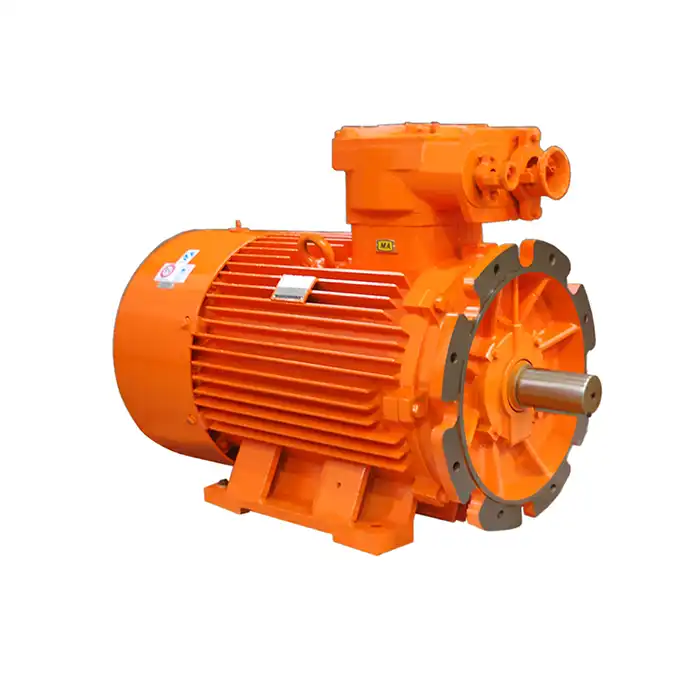




6600V Motor: A Guide to High-Voltage Industrial Applications
6600v motor . For significant power delivery in your industrial activity. Ready to take the load. These high-voltage machines are a distinct breed of industrial equipment, built for purposes that lower-voltage systems just aren’t able to handle performance-wise. This voltage level permits facilities in manufacturing, energy generation, and process sectors to operate heavy-duty equipment such as massive compressors, crushers, and pumps with amazing efficiency. In this book, we will cover everything you need to know about choosing, operating, and servicing this powerful equipment so that you can make educated choices that will safeguard your investment and keep your operations going smoothly.
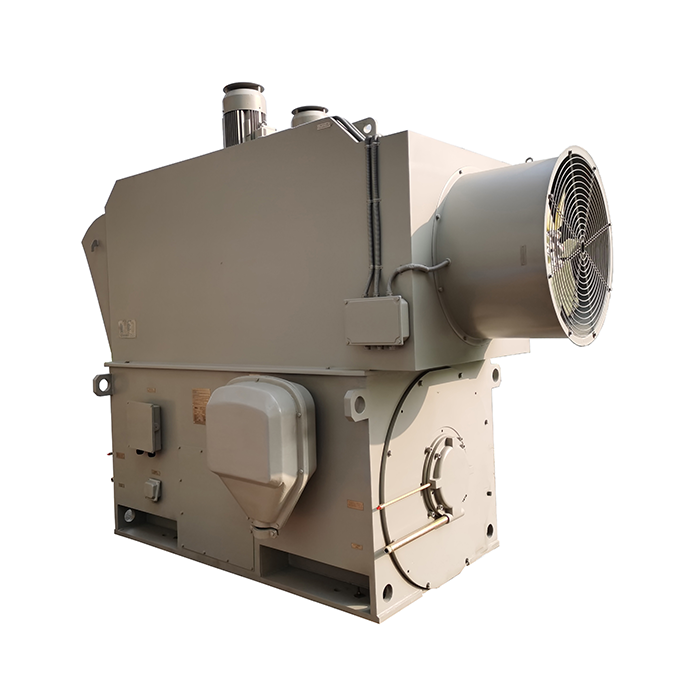
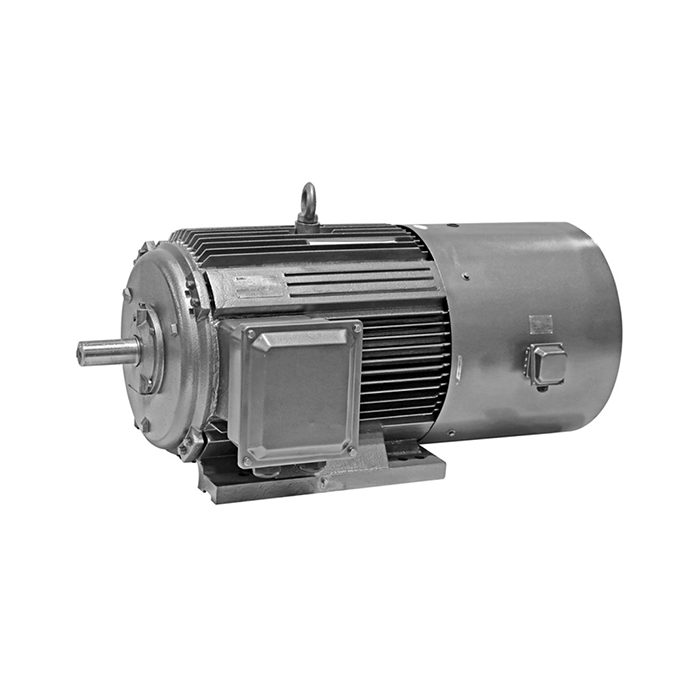
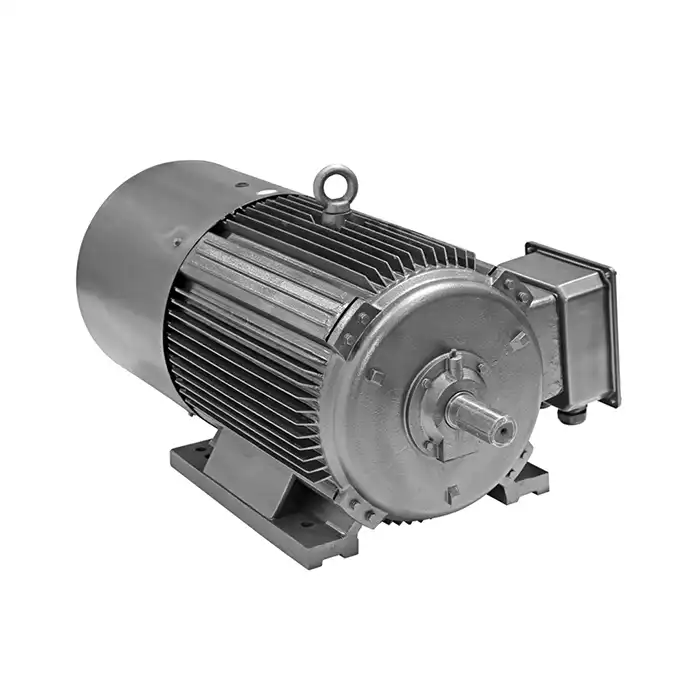
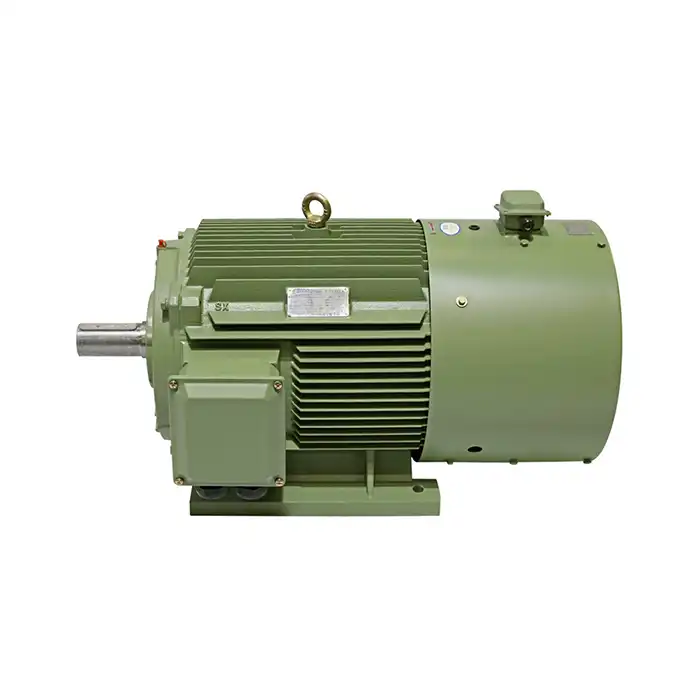
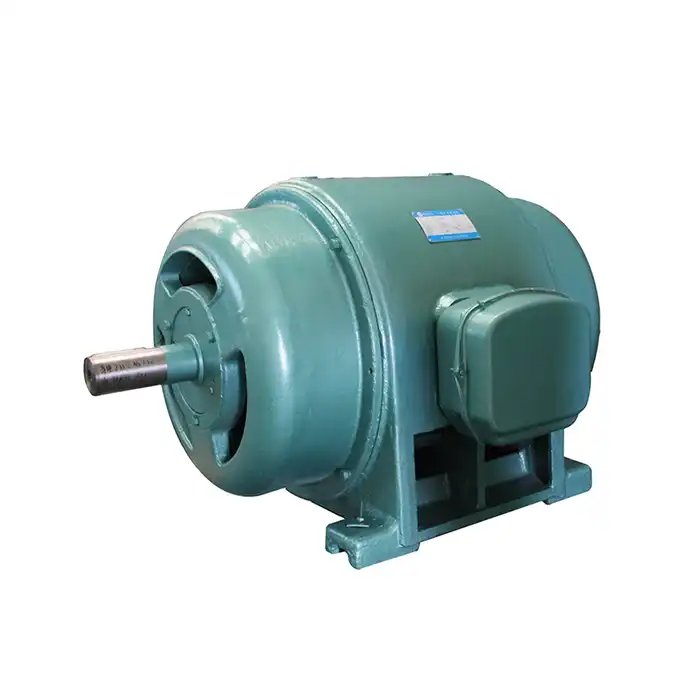
Series:YPKK
Protection level:IP54
Voltage range:3000V±5%,3300V±5%,6000V±5%,6600V±5%,10000V±5%,11000V±5%
Power range:200-6300 kW
Application:fans, water pumps, compressors, crushers, cutting machine tools, transportation machinery, etc.
Advantage:low noise, low vibration, long service life, easy installation and maintenance.
Standard: This series of products complies with JJB/T12730 and JB/T12729 standards.
Others: SKF, NSK, FAG bearings can be replaced according to customer requirements.
Understanding 6600V Motors: Specifications, Operation, and Benefits
What Makes High-Voltage Motors Different
A 6600v motor runs at voltages far greater than those of normal industrial equipment, and that makes a fundamental difference in the way it provides power. These motors can transfer large amounts of power with less current flow, as opposed to low-voltage options, which are limited by current. Due to this design benefit, you may use lower conductor diameters, reduce copper loss, and transmit energy more efficiently throughout your facilities. The science underlying this is simple, however. Higher voltage means lower current for the same power output. This drastically reduces the heat created in the wire and minimises wasted energy throughout the distribution system.
Technical Specifications That Matter
The specs help you align your equipment with your operating needs. Our high voltage motors include voltage range of 3000V±5%,3300V±5%,6000V±5%,6600V±5%,10000V±5%,11000V±5% and power from 200kW to 6300kW . Speed ratings from 500-3000 RPMs cover a wide range of application demands from slow-turning crushers to rapid-spinning fans. Protection degrees are IP54 or IP55 to provide dust and water resistance suitable for industrial applications. Class F insulation is typical, with Class H available on request for applications needing further thermal protection. These motors are manufactured to worldwide quality and safety demands and fulfil JJB/T12730 and JB/T12729 standards.
Core Advantages for Industrial Operations
The benefits of implementing a 6600v motor in your facility extend beyond simple power delivery. Here are the core advantages these machines bring to demanding industrial environments:
- Energy efficiency: Reduced current flow means less resistive loss in cables and switchgear, translating directly to lower electricity bills and improved plant-wide efficiency metrics.
- Compact infrastructure: Smaller conductor requirements mean less copper, lighter cable trays, and reduced installation costs compared to equivalent low-voltage systems.
- Operational reliability: Robust construction featuring cast frame designs provides excellent resistance to vibration and harsh environmental conditions commonly found in heavy industry.
- Maintenance simplicity: Precision-machined components ensure proper fit and alignment, while quality bearings from SKF, NSK, or FAG deliver extended service intervals.
These advantages combine to solve common production challenges, reducing total cost of ownership while maintaining the performance standards your operation demands.
Where These Motors Excel
High-voltage motor technology is well suited for heavy industrial applications. In mining operations, these machines power large crushers and ore processing equipment that operate constantly under severe loads. In oil and gas, they’re used for pipeline compressors and extraction pumps that can’t afford to be down. They are used in power production facilities throughout their life, from cooling water pumps to fuel handling systems. “They rely on them for critical pumping needs for entire communities,” said Water treatment facilities. They are used by the cement industry in kilns and grinding mills and are incorporated into steel manufacturing facilities in rolling mills and material handling systems. High-voltage motor design excellence combines power density, efficiency, and durability to serve any application.
Performance and Maintenance: Optimizing Your 6600V Motor
Maximizing Energy Efficiency
To run a 6600v motor properly, you need to know how the amount of voltage affects the overall performance of the system. High voltage systems have been shown to have less line losses than their 480V counterparts, providing the same amount of power. This current decrease (sometimes by factors of 10 or more) implies much less energy is turned into waste heat in distribution equipment. This efficiency advantage adds up over years of operation and results in large savings that cover the higher initial equipment cost. Facilities that monitor their power quality may track these advantages as decreased demand charges and better power factor measurements, which both result in cheaper electricity costs month after month.
Preventive Maintenance Essentials
Follow the essentials of maintenance, and you’ll be protecting your investment. The manufacturer’s instructions should be followed for lubrication levels and for quarterly examination of bearings for abnormal sounds. Insulation resistance testing on a yearly basis detects degradation before failure using megohmmeter values for trending data. Vibration analysis may uncover emerging mechanical issues such as misalignment and bearing wear so you can arrange repairs rather than suffer sudden shutdowns. Thermal imaging during operation displays hot patches suggesting electrical difficulties or cooling system problems. Good maintenance records may assist in anticipating component life and planning replacement actions during planned downtime rather than reacting to unexpected failures that affect production plans.
Troubleshooting Common Issues
If you have a problem with a 6600v motor, then a methodical diagnosis will save time and wasteful replacement of components. Very high vibration levels are more likely due to mechanical problems such as unbalance, misalignment, or bearing wear. If the heating is unusual, it may be due to poor ventilation, overload, or voltage imbalance at the source. Bearing noise usually starts off very gently and develops; therefore, early diagnosis via frequent monitoring is essential to prevent catastrophic failure. Insulation failure is seldom instantaneous; difficulties in development are often indicated by trending resistance levels over time. Understanding such trends will allow maintenance teams to react to the core causes of failure (rather than the symptoms) and prolong the life of equipment via educated intervention.
Installation Best Practices
Correct installation is the key to years of dependable service. Motor and driven equipment alignment must be within manufacturing specifications to avoid premature bearing failure and high vibration. Electrical connection torque criteria must be carefully followed, and all terminations tested for tightness before energising. Grounding systems should conform to local requirements and shall offer a safe channel for fault currents. Environmental factors include appropriate ventilation for cooling and protection from moisture or pollutants that might degrade the insulation. The use of these procedures from the beginning eliminates issues that are costly and difficult to solve once the technology is in use.
Comparing High-Voltage Motors: Making the Right Choice
Voltage Level Selection
Depending on your application and the rest of your system, you may want to explore other voltage possibilities. 6600v motors are often used in medium- to large-scale industrial applications when the power requirement is too high to justify lower voltages. These motors are easily integrated into existing 6.6kV distribution systems of facilities, reducing the extra expense of voltage conversions. This voltage class is ideal for applications from 200kW to 6300kW, providing a better value proposition than either stepping down from higher voltages or paralleling several lower voltage units. The decision also takes into account the peculiarities of the utility supply, as in certain areas, for example, the supply is at medium voltage, and this makes the high voltage motors the natural option for direct connection without intermediary transformation.
Induction vs. Synchronous Design
The choice of motor technology influences the performance characteristics and the appropriateness for the application. The most prevalent kind in industrial service, induction motors are simple and reliable, requiring no external stimulation. These workhorses can withstand fluctuating load situations and don’t care about imperfect power quality. Synchronous motors operate at constant speed with variable load. They may enhance the power factor of a facility, which can mean lower electricity bills. But they do demand more complicated control systems and more careful attention to start-up processes. The market is dominated by induction technology, which is ideal for the majority of industrial applications such as fans, pumps, compressors, crushers, cutting machine tools, and transportation equipment.
Evaluating Quality Indicators
To tell better equipment from the ordinary, you have to go beyond specification sheets. The quality of construction may be seen in aspects like the integrity of the cast frame, accuracy of machining tolerances, and workmanship of the winding. Copper rotor bars and end rings enhance conductivity and minimise energy loss compared to aluminium equivalents. Advanced production procedures, including automated winding and vacuum pressure impregnation, provide improved insulation capabilities that can endure thermal and electrical stresses for decades of operation. We have no doubt the equipment will operate as described when installed in your business. Testing processes include performance, safety, and quality measures.
Procurement Guide for 6600V Motors: Sourcing, Pricing, and After-Sales
Identifying Reliable Suppliers
The secret to a successful procurement is to select suppliers that understand the needs of the industry and support their goods with full support. Certified vendors provide paperwork showing compliance with essential standards such as IEC 60034 and CE certification, demonstrating their dedication to quality. Your specialised industry experience is valuable – vendors with knowledge of mining applications will have distinct needs from those working with water treatment plant applications. Domestic or regional suppliers are also preferable for projects needing a speedy response, since geographical presence influences delivery time frames and the availability of after-sales assistance. Assessing the capabilities of suppliers before ordering helps you avoid issues that may not be evident until equipment is delivered.
Understanding Cost Factors
The price of a 6600v motor depends on more than just the power rating. Customisation options such as specific shaft designs, mounting arrangements, or levels of environmental protection increase expense, but provide equipment that exactly meets your requirements. The voltage and power ratings set the basic price. Larger units cost more because of the materials and production complexity. – Bearing specifications will affect the original cost and maintenance cost over the equipment lifespan. Higher-grade bearings from SKF, NSK, or FAG, are more expensive initially but have a longer service life. Custom orders usually need 8-12 weeks' lead time based on specs and quantity, so please plan accordingly for project timelines.
After-Sales Support Considerations
Your connection with your provider is much more than delivery. Warranty coverage covers manufacturer faults. Standard terms usually give 12 months from the date of shipping or installation, whichever comes first. Technical assistance available means you may troubleshoot and achieve optimal performance. Responsive providers can steer you and enable your business to stay on track. Experienced specialists install and commission to guarantee that it is set up correctly and without complications that come from faulty practices. Training programs can train your maintenance personnel on equipment-specific needs, developing internal competency that decreases the need for external assistance over time. Often, the after-sale components are more important than a little price differential between rival vendors.
Trusted Manufacturing Excellence: The XCMOTOR Advantage
Engineering Quality Into Every Component
We believe that the manufacture of high-voltage motors should be based on quality at every level of the manufacturing process. Precision-machined parts provide a precise fit and smooth operation throughout the service life. Cast frame designs offer good wear resistance and are well suited to tough industrial situations where less robust equipment breaks prematurely. The copper rotor bars and end rings help to maximise conductivity, so there is less energy loss and more overall efficiency. The synergy of quality materials and precision workmanship provides performance, dependability, and energy efficiency for a variety of industrial applications.
Advanced Production Methods
We use manufacturing procedures that distinguish our equipment from commodity equivalents. Automation of the winding process ensures uniformity and accuracy that cannot be achieved by human operations. Vacuum Pressure Impregnation produces an outstanding insulation that can survive thermal cycling and electrical stress for decades. We have extensive testing procedures, including performance, safety, and quality measures, before any equipment leaves our doors. This systematic method guarantees that motors are built to the highest standards and will function well even in harsh circumstances typical of the heavy industry.
Application Versatility
Our 6600v motor solutions are well proven in many industries. In oil and gas operations, they are used in essential compression and pumping applications. Mining firms rely on the dependability of their crushers and material handling equipment. They are integrated into plant operations by power-generating facilities. They are used in water treatment facilities for continuous duty pumping service. They are used in kilns and grinding mills in cement manufacturing plants. They are used in rolling and forming processes in steel mills. With such extensive expertise in the application of equipment, we understand your particular needs and can deliver the equipment to satisfy them.
Standards Compliance and Certification
“We meet international standards, and this reflects our commitment to quality and safety. Our products conform to the IEC 60034 worldwide standard for spinning electrical machinery. The CE label indicates compliance with the European Union safety, health, and environmental protection criteria for equipment and facilitates the adoption of goods in worldwide markets. Domestic approval may be achieved by meeting the standards of JJB/T12730 and JB/T12729. The certificates assure you that the equipment satisfies strict technical criteria, no matter where it is installed.
Conclusion
Selecting a 6600v motor for your industrial application is an important decision and should be made with due consideration of specs, performance characteristics, and supplier capabilities. These high-voltage machines provide excellent power density and efficiency for demanding applications in manufacturing, energy, utility, and process sectors. This handbook provides technical requirements, maintenance needs, and procurement considerations to help you make educated choices to optimise performance and total cost of ownership. Reliable quality equipment and fast assistance are critical to minimise downtime and maximise efficiency in today’s industrial operations. The trick is to work with vendors that have both technical quality and after-sales support to make sure your equipment is giving you the bang for your buck throughout its life.
FAQ
1. What distinguishes a 6600v motor from lower voltage alternatives?
The fundamental difference lies in how power gets transmitted. High-voltage motors move the same power using much lower current compared to 480V or other low-voltage systems. This reduced current flow means smaller conductors, less resistive loss, and improved overall efficiency. The trade-off involves more complex insulation requirements and safety protocols, but the operational advantages make high-voltage motors the clear choice for large industrial applications requiring hundreds or thousands of kilowatts.
2. How often should maintenance be performed?
Regular inspection schedules depend on operating conditions and duty cycle. Bearing checks should occur quarterly, including lubrication verification and listening for abnormal noise. Annual insulation resistance testing catches deteriorating windings before failure occurs. Vibration analysis performed semi-annually identifies developing mechanical problems. Thermal imaging during operation reveals electrical issues or cooling problems. Facilities running equipment continuously or in harsh environments may need more frequent attention, while lighter-duty applications can extend intervals within manufacturer guidelines.
3. Can these motors work with variable frequency drives?
Modern high-voltage motor designs accommodate VFD operation, providing speed control and energy savings through matching motor output to actual load requirements. VFD compatibility requires attention to insulation specifications, as drive output contains harmonics that stress winding insulation beyond what standard sine-wave power produces. When ordering a 6600v motor for VFD service, specify this requirement so insulation systems and bearing protection get configured appropriately. Proper drive sizing and programming also matter for reliable long-term operation.
Partner With XCMOTOR for Your High-Voltage Motor Needs
XCMOTOR delivers proven high-voltage motor solutions backed by engineering expertise and comprehensive support. As an established 6600v motor supplier, we understand the demanding requirements of industrial applications and provide equipment built to perform reliably year after year. Our product range covers 3000V through 11000V at power levels from 200kW to 6300kW, with customization options including premium SKF, NSK, or FAG bearings selected to match your specific needs. Low noise, minimal vibration, extended service life, and straightforward maintenance characterize our designs. Standard IP54 protection guards against dust and water intrusion, while insulation class F or H withstands thermal stress. Beyond quality products, we provide responsive technical support and after-sales service that keeps your operation running smoothly. Contact our team at xcmotors@163.com to discuss your application requirements and discover how XCMOTOR solutions deliver the performance, efficiency, and reliability your facility demands.
References
1. Chapman, Stephen J. "Electric Machinery Fundamentals, Fifth Edition." McGraw-Hill Education, 2012.
2. Nailen, Richard L. "High-Voltage Motor Applications and Maintenance." IEEE Industry Applications Magazine, Vol. 9, No. 4, 2003.
3. Stone, Greg C., et al. "Electrical Insulation for Rotating Machines: Design, Evaluation, Aging, Testing, and Repair, Second Edition." Wiley-IEEE Press, 2014.
4. Boglietti, Aldo, et al. "Evolution and Modern Approaches for Thermal Analysis of Electrical Machines." IEEE Transactions on Industrial Electronics, Vol. 56, No. 3, 2009.
5. Bonnett, Austin H. "Root Cause AC Motor Failure Analysis with a Focus on Shaft Failures." IEEE Transactions on Industry Applications, Vol. 36, No. 5, 2000.
6. International Electrotechnical Commission. "IEC 60034 Series: Rotating Electrical Machines Standards." IEC Publications, Various Editions.