



Why Use an Inverter Duty AC Motor in Pump and Fan Systems?
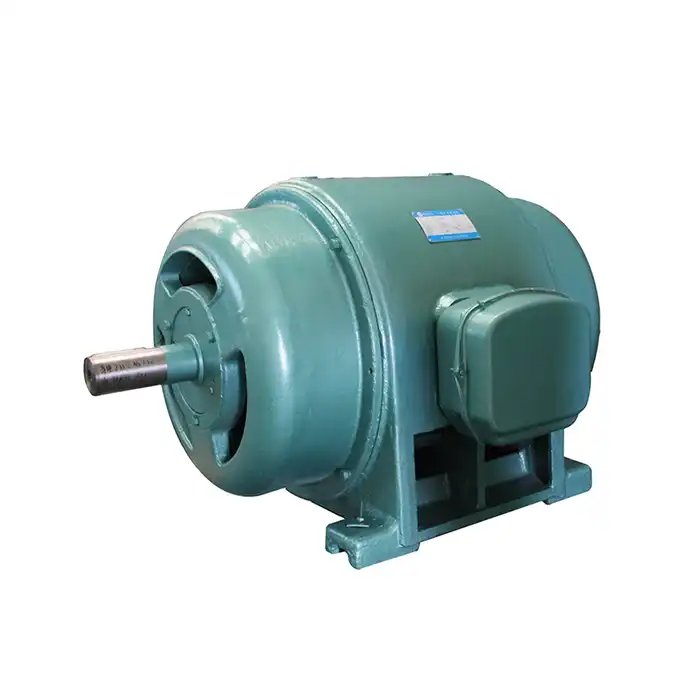
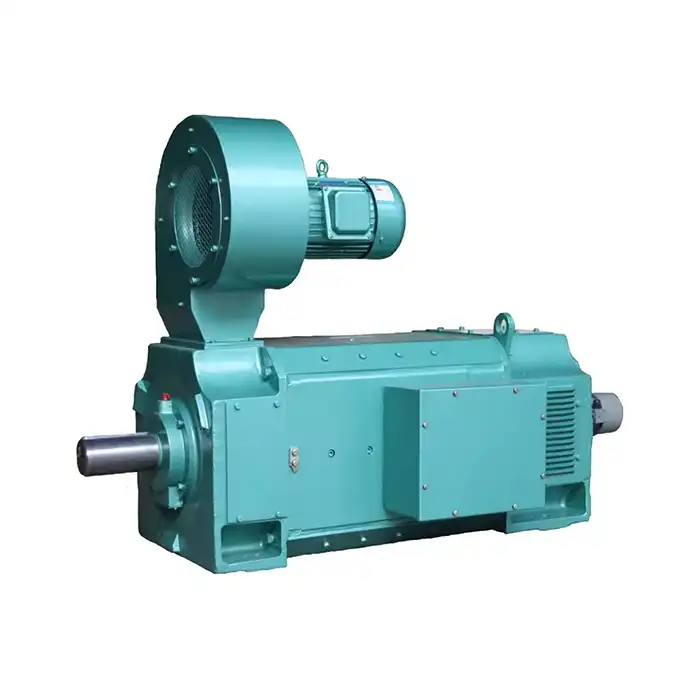
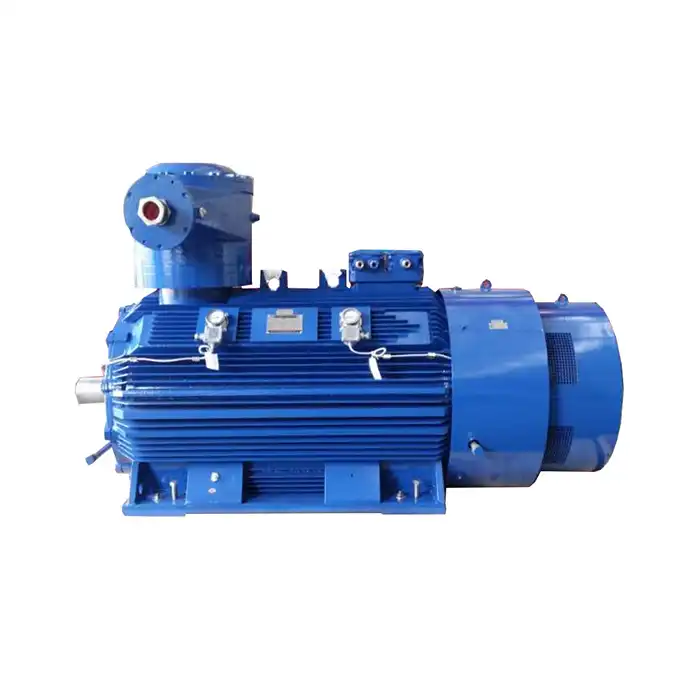
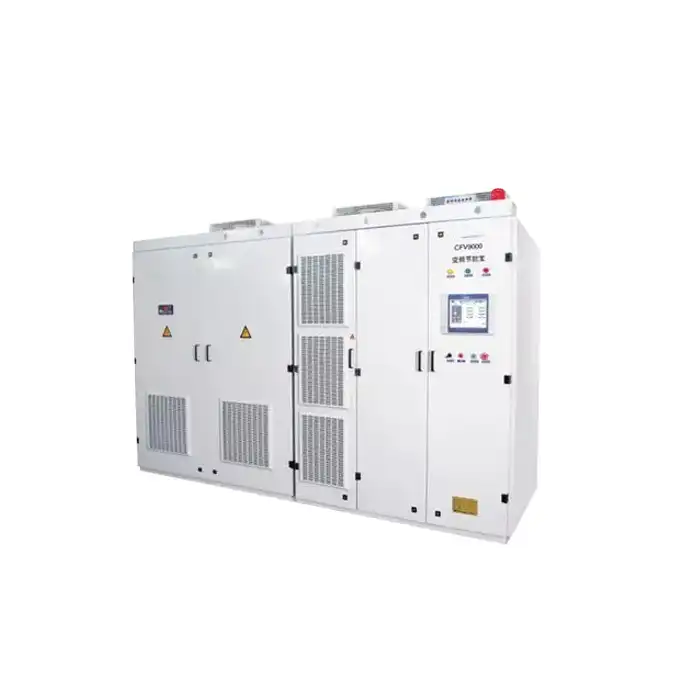
Pump and fan systems account for substantial energy consumption across industrial facilities worldwide. An inverter duty ac motor addresses this challenge through specialized engineering that maintains stable torque output and thermal performance when paired with variable frequency drives (VFDs). Unlike standard motors that struggle under fluctuating speeds, these purpose-built units feature reinforced insulation and enhanced cooling architectures, preventing premature failure while delivering precise speed control. When system efficiency directly impacts profitability, selecting motors designed explicitly for VFD operation becomes a practical necessity rather than an optional upgrade.
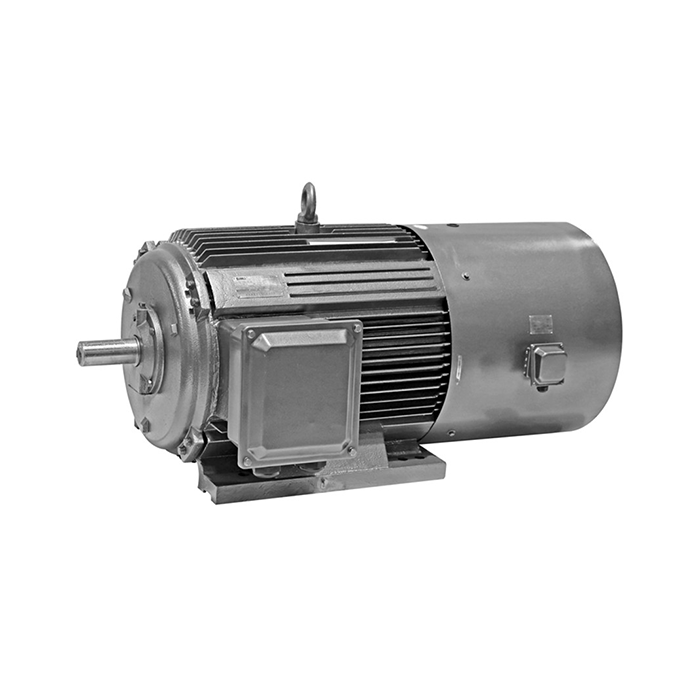
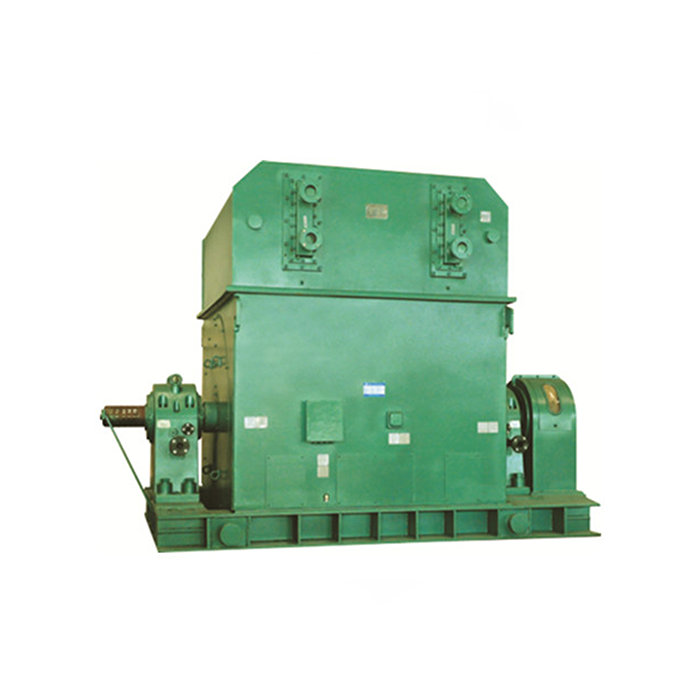
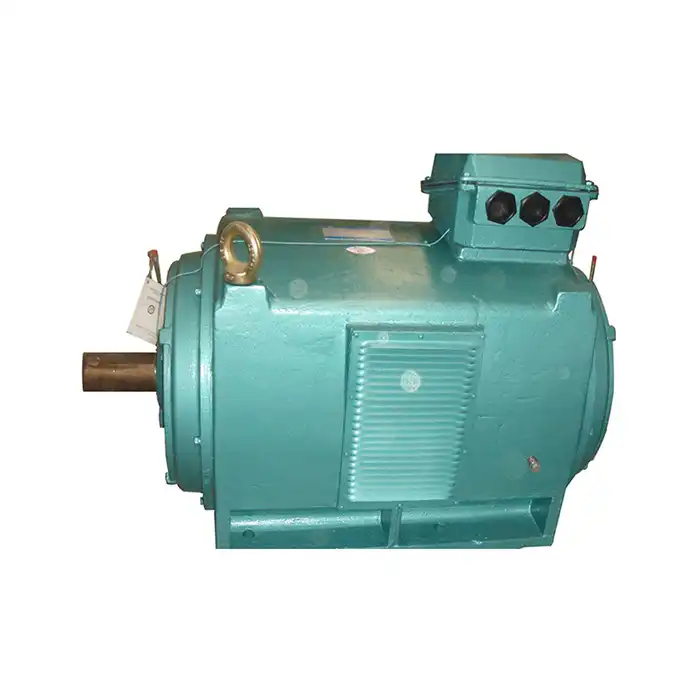
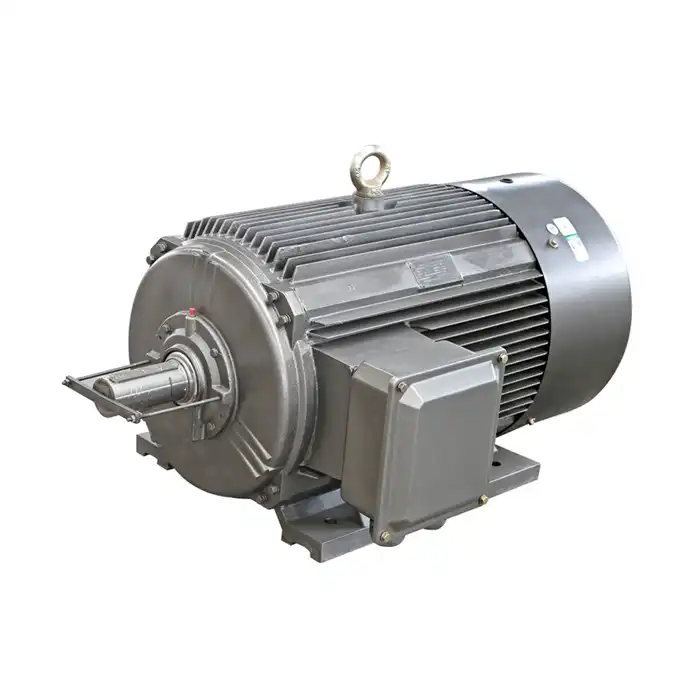
Series:YVFE3
Frequency conversion range:30hz~50hz,5hz~70hz,5hz~100hz
Power range:0.75-1000kW
Protection level:IP55
Application:are suitable for driving various mechanical equipment that require continuous and frequent forward and reverse rotation, such as steel rolling, lifting, transportation, machine tools, printing and dyeing, papermaking, chemicals, textiles, pharmaceuticals, etc., and can be used with various domestic and foreign variable frequency power supplies.
Advantage:high efficiency, wide speed range, high precision, stable operation, and easy operation and maintenance.
Certificate:installation dimensions comply with International Electrotechnical Commission (IEC) standards.
Others: SKF, NSK, FAG bearings can be replaced according to customer requirements.
Understanding Inverter Duty AC Motors in Pump and Fan Systems
What Makes an Inverter Duty AC Motor Different
Standard induction motors were made to work at a fixed frequency of 50 or 60 Hz. When these regular units are hooked up to VFDs, they experience voltage spikes, harmonic distortion, and uneven current patterns that their insulation systems can't handle. An inverter duty ac motor has Class F shielding and more creepage space between the windings, which protects against electrical stress caused by quick changes in voltage. Coronal discharge and partial discharge damage standard motor windings within months of VFD operation (Electrical Apparatus Service Association, 2019)[1]. The reinforced insulation system doesn't let these things happen.
Managing the temperature is another important difference. Standard motors use cooling fans that are mounted on the shaft and slow down the flow of air as the speed drops. Below 30 Hz, the windings get too hot because they aren't getting enough cooling. When motors are made for inverter duty, they have their own forced ventilation systems, like the IC416 configuration. External fans keep the airflow steady no matter what the shaft speed is, which keeps the temperature stable across the whole frequency range.
How VFDs and Motors Work Together
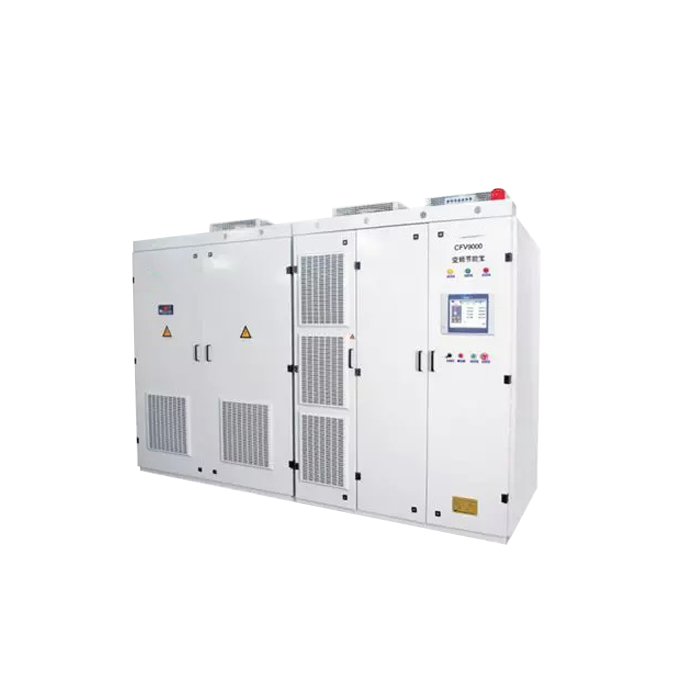
VFDs change both voltage and frequency at the same time to control motor speed. To keep the right magnetic flux density inside the motor, this voltage-to-frequency ratio must stay the same. When matched correctly, an inverter duty ac motor gives stable torque from almost no speed to its highest rated frequency. Our YVFE3 series works in three different frequency ranges: 30Hz to 50Hz for general uses, 5Hz to 70Hz for higher speed needs, and 5Hz to 100Hz for specific high-speed processes. This gives us the freedom to adapt to the needs of each application.
The overall performance of the system depends on how the drive and motor work together. The VFD output has high-frequency rotating parts that cause more iron to be lost and eddy current burning to happen inside motor cores. Motors made for inverter duty use thinner lamination steel that has lower hysteresis losses. This means that these parasitic currents produce less heat. Upgrades are also needed for bearing systems because electrical discharge machining (EDM) currents can be caused by VFD-induced shaft voltages that pit bearing races. The best bearings from SKF, NSK, or FAG have shielded construction or special greases that lessen these effects.
Key Technical Features for Reliable Operation
Certain design features are needed to get consistent results in situations where the frequency changes. When the motor is running slowly and with a lot of power, the rotor bars need to be big enough to handle the extra current without getting too hot. The YVFE3 series uses specially designed rotor slot geometry that balances starting torque, pull-up torque, and breakdown torque across the whole speed range. This keeps the motor from stopping when the load changes.
There are also big differences in mechanical construction. At certain frequencies, standard motors may show torsional resonance, which makes noise and vibrations. Dynamic balancing is done at several speed places on inverter-rated units, and they have reinforced shaft designs with better stiffness ratios. This care for the mechanical integrity makes sure that the machine runs smoothly even when moving loads that have pulsating torque, which is common in positive displacement pumps and forced draft fans.
Core Benefits of Using Inverter Duty AC Motors
Energy Savings and Operational Cost Reduction
Affinity rules say that the amount of power used changes with the cube of speed in pump and fan uses. By controlling the VFD to slow down the fan by 20%, about 50% less energy is used. Through improved efficiency under partial load situations, an ac motor with vfd manufacturer in china enhances these savings. The YVFE3 series gets IE3 high efficiency scores, which means that it loses as little as possible during the thousands of hours it runs at lower speeds.
We've seen installation jobs where building managers got rid of fixed-speed pumps and put in VFD-controlled systems with motors that were the right size. After this upgrade, one pharmaceutical manufacturing plant cut the energy use of their HVAC system by 38% yearly. This saved them six figures, which paid for the initial investment within 14 months. The results are in line with studies from the U.S. Department of Energy that show that VFD retrofits on rotational loads usually pay for themselves in 1.5 to 3 years [2].
Precise Speed Control and Process Optimization
Fixed-speed systems can't meet the exact flow rates and pressure levels needed for manufacturing processes because they need motorized control. Adding more work to maintain, throttling valves and dampers waste energy by turning pressure into heat. An inverter duty ac motor gets rid of this waste by directly matching the motor speed to the needs of the process. Chemical batch reactors keep the same agitation speeds throughout the reaction stages. Textile dryers change the flows to match the amount of wetness in the cloth, and water treatment plants change the speeds of their pumps to match the demand patterns that change throughout the day.
This level of accuracy makes the whole mechanical system last longer. The mechanical shock of across-the-line starting is eliminated by the soft-start features built into VFDs. This makes the pump impellers, fan wheels, and coupling components less stressed. When you get rid of the 600% to 800% current inrush and torque spikes that come with direct-on-line starting methods, bearing wear goes down by a lot.
Extended Lifespan and Reduced Maintenance Requirements
Thermal cycling is one of the main ways that motor shielding systems fail. Every time the load changes or the motor starts and stops, the temperatures differ, which weakens the insulation bonds over time. Motors made for inverter service can handle these thermal loads thanks to better insulation materials and better ways for heat to escape. Our YVFE3 line has a separate forced cooling system that keeps the winding temperatures within Class F limits, even when the motor is running at low speeds all the time. This directly increases the insulation's life expectancy.
There are several ways that bearing longevity can be improved. Getting rid of high starting torques lowers the number of bearing load cycles, and precise speed control stops activity near shaking frequencies that are too high. You can choose high-quality bearing brands based on the needs of the application, such as high radial loads in overhung pump configurations or thrust loads in axial fan arrangements. This lets you make the best bearing choice instead of using standard components that are installed by the factory.
These benefits add up to measured drops in upkeep costs. After switching to properly defined VFD systems, facilities say that motor-related repair tasks have dropped by 40% to 60%. Unplanned downtime goes down a lot when motors work within their design limits instead of repeatedly overloading and overheating, which can happen when uses aren't matched.
Inverter Duty AC Motor vs Standard AC Motor and Other Motor Types
Construction and Thermal Management Differences
The physical differences between the different types of motors are clear when you look at them. Standard NEMA Design B motors have simple shielding systems that don't leave much room for error above their maximum voltage. This insulation breaks down very quickly when it comes in contact with VFD voltage spikes, which can reach 1,600 volts or more at the motor terminals because of reflected waves on long cable runs. With strand-to-strand and turn-to-turn insulation that can survive these transients for decades of use, an inverter duty ac motor includes insulation rated for peak voltages that are significantly higher than normal working levels.
Another important difference is shown by the design of the cooling system. At the rated speed, the shaft-mounted fan on a normal motor cools well enough, but not well enough at lower frequencies. At 30 Hz, the flow of cooling air drops to about half of what it is at full speed, and motor losses may even go up because it needs more slip and current. Independent cooling fans on inverter-rated motors keep the flow of air steady no matter what speed the motor is running at. This feature, which seems pretty basic, keeps standard motors from breaking down due to heat when they are used in variable-speed applications.
Performance Metrics and Real-World Durability
Both lab tests and real-world experience show that different types of motors perform very differently when used with a VFD. When the load is the same, standard motors running at 15 Hz usually have winding temperatures 40°C to 60°C higher than comparable inverter-rated motors (IEEE, 2018)[3]. According to established electrical engineering principles, insulation life drops by about half for every 10°C rise in operating temperature. This temperature difference is directly related to insulation life.
The rates of bearing failure tell a similar story. When used with a VFD, standard motors have twice or three times as many bearing problems as proper inverter-rated units. When shaft voltage effects, poor lubrication at low speeds, and differences in thermal expansion happen together, they damage bearings and make it necessary to replace them more often. These failure types can be avoided by selecting an inverter duty ac motor with the right bearing protection, which saves money on both repair work and new part costs.
Long-Term ROI Advantages for Procurement Teams
The original buying price is only a small part of the total cost of ownership over the life of the vehicle. Motors that run more than 2,000 hours a year have high energy costs that eat away at their profits. When compared to mechanical throttling methods, an inverter duty rated motor and a properly sized VFD can cut energy use by 20% to 50%, saving a lot of money every year. The YVFE3 series premium efficiency grade makes these benefits even better by lowering motor losses when it's running at full or partial load.
Over the usual 15 to 20 years that motors last, differences in maintenance costs add up to a lot. The extra cost of inverter-rated construction can be justified by the fact that bearing replacements will happen less often. When you add in the money you would have saved on unplanned breaks, emergency fixes, and replacing motors too soon, the financial case becomes strong. More and more, procurement managers ask for inverter-rated motors, even when installing a VFD right away isn't planned. They do this because it gives them more options for improving the system in the future.
Selecting the Right Inverter Duty AC Motor for Your Application
Critical Specification Criteria
Proper motor selection requires matching load characteristics, power range, frequency-conversion range, environmental protection, and supply voltage. The YVFE3 series covers 0.75–1000 kW and supports various speed ranges. IP55 suits most industrial environments, while harsher conditions need added protection. Voltage and frequency must match site requirements to prevent compatibility and installation problems.
Compatibility Considerations with VFD Brands
The YVFE3 series is compatible with VFDs from ABB, Siemens, Schneider Electric, Inovance, Delta, and other brands, using standard protocols such as Modbus and Profibus. Application-specific options include encoders, thermal sensors, and brakes, while customizable shafts, mounting positions, and accessories support flexible integration and future expansion.
Bulk Procurement Strategies for System Integrators
Framework agreements for multiple projects reduce unit costs and ensure steady supply. SAP-based inventory management tracks configurations and safety stocks, minimizing repeat-order lead times. Standardized motor frames simplify inventory and spare-parts management, while IEC-standard YVFE3 mounting dimensions enable easy equipment replacement and upgrades without modifying existing structures.
Troubleshooting, Maintenance, and Best Practices for Inverter Duty AC Motors
Diagnosing Common Operational Issues
Common motor issues include VFD-induced resonance, load imbalance, overheating, bearing problems, insulation faults, phase imbalance, and excessive harmonics. VFD skip-frequency programming can avoid resonant speeds, while thermal imaging and temperature monitoring identify hot spots. Regular insulation resistance testing and systematic diagnosis help detect faults early and prevent serious failures.
Preventative Maintenance Protocols
Regular inspections help prevent minor issues from becoming major failures. Bearing lubrication intervals should reflect speed, load, and operating conditions, while premium sealed bearings extend service periods. Cooling systems also require routine fan cleaning and filter replacement. Maintaining clear ventilation paths and accessible independent cooling fans helps prevent overheating and simplifies maintenance.
Condition Monitoring and Predictive Maintenance Integration
Modern maintenance uses continuous vibration, temperature, and motor-current monitoring to detect bearing, insulation, rotor, and load problems before failure. Connecting motors to BMS or SCADA systems enables centralized data analysis, while predictive analytics estimates remaining life and schedules maintenance during planned downtime, reducing costs and improving production efficiency.
Conclusion
Variable frequency drive technology changed the way industrial motors were used by making it possible to precisely control speed and save a lot of energy. To get these benefits, you need an inverter duty ac motor that is designed to work with a VFD. You can't just modify regular motors to fit tasks they can't safely do. Purpose-built inverter-rated motors are different from regular ones because they have better insulation systems, separate cooling structures, and better electromagnetic designs. The YVFE3 series is an example of this type of specialized engineering because it has a wide range of frequency options, high efficiency ratings, and a strong design that has been tested in tough industrial settings. When facility managers and system integrators choose the right motor technology and VFD control strategies, they can meet their goals for energy efficiency, make equipment last longer, and reduce the amount of maintenance that needs to be done. This delivers measurable value over decades of reliable operation.
FAQ
1.What frequency range do inverter duty AC motors typically operate in?
Depending on the needs of the application, an inverter duty ac motor can accommodate a range of frequencies. For basic speed changes, standard setups work from 30Hz to 50Hz. Extended range types can work from 5Hz to 70Hz, which helps with tasks that need to slow down a lot while keeping the power output the same. Specialized configurations can reach speeds of 5Hz to 100Hz for tasks that need to be precise at low speeds and work quickly. The YVFE3 series has all three ranges, so you can choose based on your process needs instead of having to deal with the limits of a single range.
2.How do these motors improve energy efficiency compared to standard motors?
Improvements in energy efficiency are caused by a number of things. When electrical energy is turned into mechanical work, premium efficiency building keeps electrical losses to a minimum. When used with VFDs, lowering the speed directly lowers the power used, as shown by affinity laws. For example, in centrifugal load applications, lowering the speed by 20% cuts the power used by about 50%. When compared to shaft-mounted fans, which lose efficiency at lower frequencies, independent cooling systems stay efficient at all speeds. When used correctly, systems use 30% to 60% less energy than fixed-speed options with mechanical flow control because they don't have the slowing losses that come from valves and dampers.
3.Can existing pump and fan systems be retrofitted with inverter duty motors?
By making changes to current installations, you can save a lot of energy without having to update the whole system. Because the YVFE3 series uses IEC standard mounting measurements, it is possible to directly swap existing motors without having to change the frames of the equipment or the connections for the pipes. For electrical infrastructure to work, there needs to be a VFD added between the motor control center and the motor, along with conductors that are the right size to handle the VFD's output. To make sure the system works well, it should be evaluated based on its mechanical load features, operating speed needs, and electrical compatibility. We help engineers with retrofit projects by recommending the right motor rates and VFD setups for the equipment that is already there.
Partner with XCMOTOR for Your Inverter Duty AC Motor Needs
System integrators and equipment makers need reliable suppliers who know what the applications need and always produce high quality. Shaanxi Qihe Xicheng Electromechanical Equipment Co., Ltd. helps you with every step of the buying process, from coming up with the initial specifications to completing the installation. The YVFE3 inverter duty ac motor series is reliable and can be set up in a variety of ways, so it can be used in a wide range of situations, such as in pump systems, fan setups, and process equipment. We keep a large enough inventory and the ability to make enough to meet your delivery needs, whether you need a few units to test a prototype or a lot of them for a production run.
Working with an experienced inverter duty ac motor provider will make the buying process easier and make sure that the motors will work with your system. Email our engineering team at xcmotors@163.com to talk about your unique application needs, get full technical documentation, or get bulk prices for long-term supply agreements. Visit motorxc.com to see all of our products and get access to technical resources that will help you choose the right motor and integrate it into your system. Our specialized support team answers questions seven days a week, giving complicated industrial projects the technical know-how and customer service they need.
References
1. Electrical Apparatus Service Association. (2019). "EASA/AEMT Rewind Study: Effects of VFDs on Motor Insulation." Electrical Apparatus Service Association Technical Manual. https://www.easa.com/resources/technical-manual
2. U.S. Department of Energy. (2014). "Improving Motor and Drive System Performance: A Sourcebook for Industry." Office of Energy Efficiency & Renewable Energy, Advanced Manufacturing Office. https://www.energy.gov/eere/amo/motor-systems
3. IEEE Standards Association. (2018). "IEEE Std 112-2017: IEEE Standard Test Procedure for Polyphase Induction Motors and Generators." Institute of Electrical and Electronics Engineers. https://standards.ieee.org/standard/112-2017.html
4. Bonnett, A. H. (2020). "Root Cause AC Motor Failure Analysis with a Focus on Shaft Failures." IEEE Transactions on Industry Applications, 56(2), 1295-1304. https://ieeexplore.ieee.org/document/8944637
5. Burt, C. M., Piao, X., & Gaudi, F. (2008). "Electric Motor Efficiency under Variable Frequencies and Loads." Journal of Irrigation and Drainage Engineering, 134(2), 129-136. https://ascelibrary.org/journal/jidedh
6. Stone, G. C., Boulter, E. A., Culbert, I., & Dhirani, H. (2004). "Electrical Insulation for Rotating Machines: Design, Evaluation, Aging, Testing, and Repair." IEEE Press Series on Power Engineering. https://ieeexplore.ieee.org/book/5264489